




When the FIFA World Cup kicks off on June 11, 2026, across stadiums in the United States, Canada, and Mexico, it will do so under a set of rules that represent the most significant shift in player safety protocols in the tournament's history. For the first time, soccer's governing bodies have introduced mandatory independent concussion assessments, dedicated concussion substitutions, and expanded VAR oversight for head injuries. These changes are not just administrative updates — they signal a fundamental reckoning with how the sport has historically handled brain injuries, and they carry real implications for every player at every level of the game.
What Changed and Why It Matters
The International Football Association Board (IFAB) introduced ten rule changes for the 2026 World Cup, and several of them directly address head injury management. The most consequential is the mandatory independent concussion assessment. Under the new protocol, any player suspected of suffering a head injury must leave the pitch and be evaluated by a neutral doctor — not the team's own medical staff. This distinction is critical. In previous tournaments, team doctors faced an inherent conflict of interest: the pressure to keep a star player on the field often competed with the medical obligation to protect that player's brain.
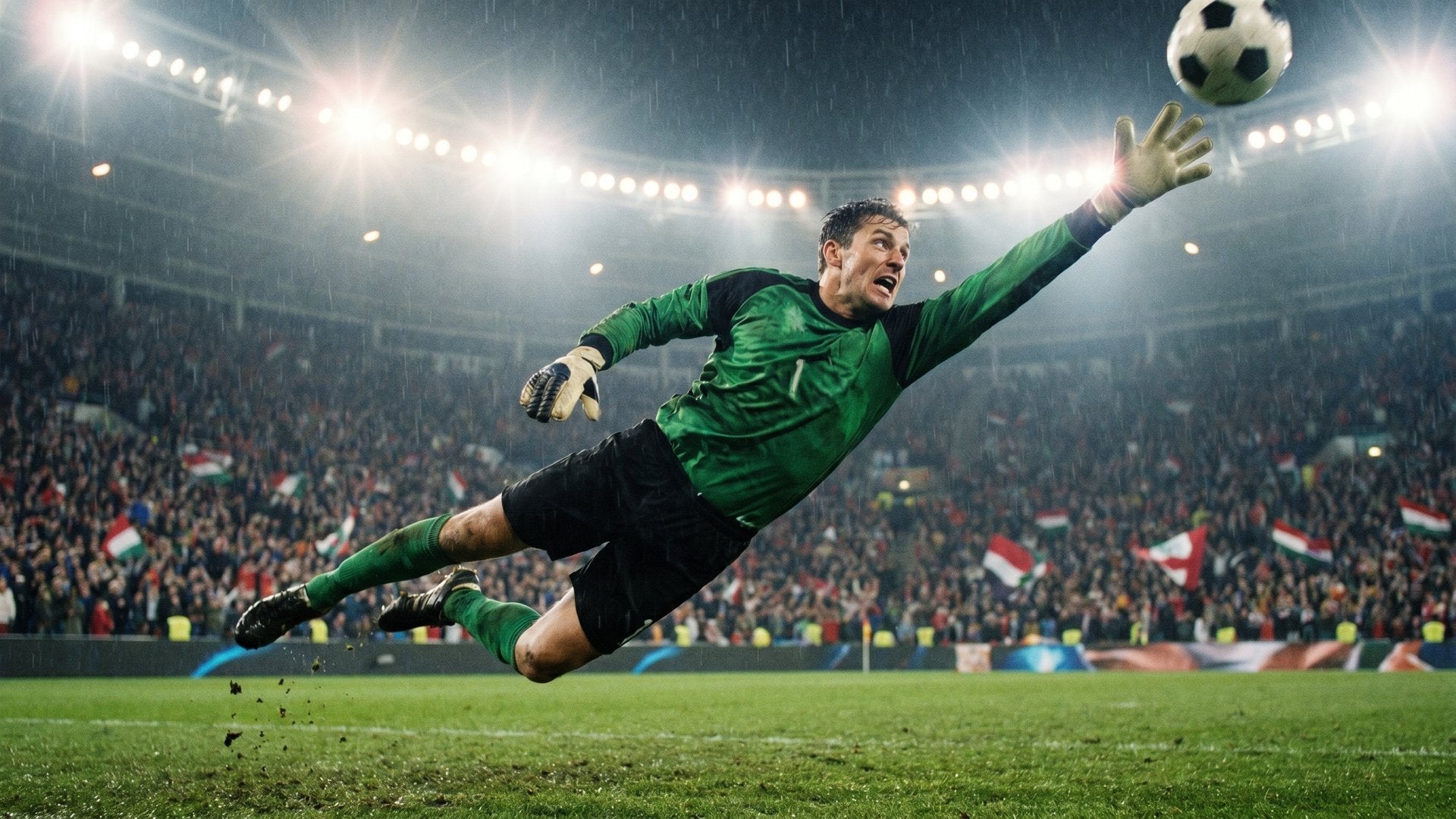
The 2022 Qatar World Cup drew widespread criticism when players with obvious concussion symptoms remained in matches. Iranian goalkeeper Alireza Beiranvand suffered a clear head injury and was allowed to continue playing. The new independent assessment rule removes the team from that decision entirely. A neutral physician makes the call, and the player must comply.
Alongside the independent assessment, IFAB has formalized the dedicated concussion substitution. Each team is permitted one additional substitution specifically for a player who sustains a concussion. This substitution does not count against the regular substitution allowance, removing the tactical disincentive that previously discouraged teams from pulling injured players. VAR has also been granted new authority to flag potential head injuries for review, giving match officials a tool to ensure that impacts that go unnoticed in real time are caught on replay.
A secondary rule change with safety implications requires any player who receives on-field treatment from medical staff to leave the pitch for at least one minute after play resumes. This prevents the common practice of a player receiving a cursory sideline check and immediately returning to full-contact play before any meaningful assessment has occurred.
What These Rules Signal About the Sport's Direction
The 2026 rule changes are not the endpoint of soccer's concussion conversation — they are a milestone in an ongoing shift. The science connecting head impacts to long-term neurological damage has become impossible for governing bodies to ignore. Research published in peer-reviewed journals consistently shows that repeated sub-concussive impacts, not just diagnosed concussions, contribute to cumulative brain injury over an athletic career. The sport is slowly acknowledging that the traditional culture of playing through head injuries is not toughness — it is a health risk.
For players at the youth and amateur level, these World Cup rules carry a clear message: the highest level of the game now treats head injuries as medical emergencies that require independent evaluation. That standard should cascade downward through every league, club, and training program. Coaches and parents who watch the World Cup this summer and see a player removed for an independent concussion check are watching the new baseline for what responsible soccer looks like.
The Proactive Side of the Equation: Neck Strength
Rule changes address what happens after a head injury occurs. But the science also points to something players can do before they ever step on the field to reduce their risk in the first place: strengthen the neck.
Research from the University of Michigan and multiple peer-reviewed studies has established that athletes with stronger neck muscles experience smaller head acceleration responses during impacts. When the neck muscles are strong enough to absorb and distribute the force of a collision or a heading challenge, less of that force reaches the brain. A 2022 study published in the International Journal of Sports Physical Therapy found that a six-week cervical strengthening program improved both heading biomechanics and neurocognition in soccer players. A 2021 study found that adding neck exercises to the FIFA 11+ warm-up program reduced head impact magnitude during heading.
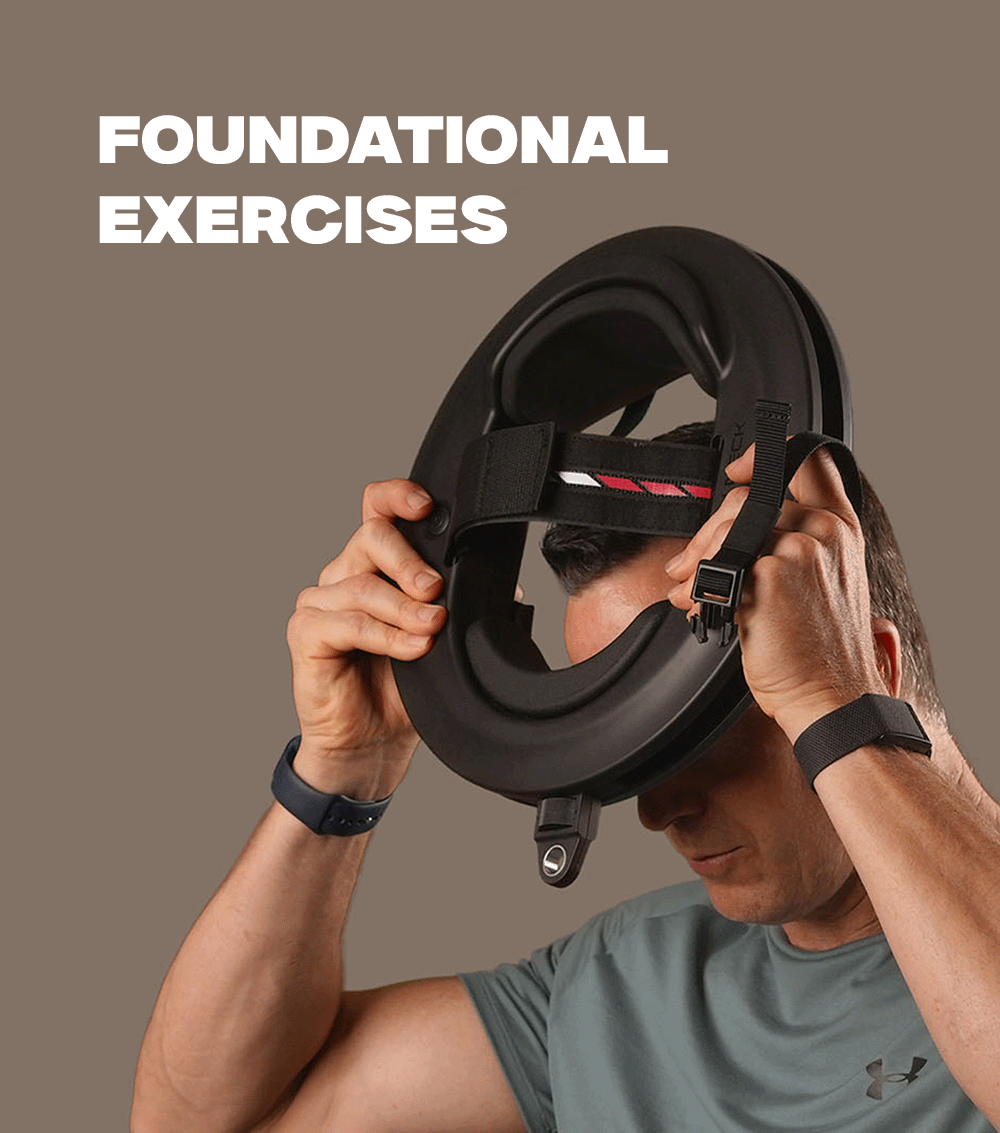
The neck is one of the most undertrained muscle groups in soccer, despite being directly involved in every header, every aerial challenge, and every collision. Training the neck through controlled rotation and extension movements builds the muscular stability that acts as a natural shock absorber for the head and brain.
What Every Soccer Player Should Do Right Now
The World Cup rules are a starting point, not a complete solution. Players who want to take their brain safety seriously should not wait for a rule to protect them — they should build the physical foundation that reduces their risk before contact happens. That means incorporating dedicated cervical strengthening into their training routine, learning proper heading technique that engages the neck muscles actively rather than passively absorbing impact, and understanding the symptoms of concussion so they can advocate for themselves when something feels wrong.
The 2026 World Cup is a historic tournament for many reasons. But perhaps its most lasting legacy will be the moment the sport formally committed to treating head injuries with the seriousness they deserve. Every player at every level deserves that same standard of care — and the proactive work of building a stronger, more resilient neck is something any athlete can start today.
To learn more about neck training for soccer players, visit iron-neck.com.
- Jonathan Klinsmann's Broken Neck and What It Teaches Us About Soccer Safety
- Soccer Heading and Concussion: The Science Every World Cup Fan Should Know
- How to Strengthen Your Neck for Soccer: A Complete Training Guide
- Why Women Soccer Players Face a Higher Concussion Risk
- Neck Exercises Every Soccer Player Should Do Before Heading the Ball
- How World Cup Players Train Their Necks for Performance and Protection
- FIFA World Cup 2026 Concussion Rules: What Every Soccer Player Needs to Know
- The Parent's Guide to Concussion Prevention in Youth Soccer
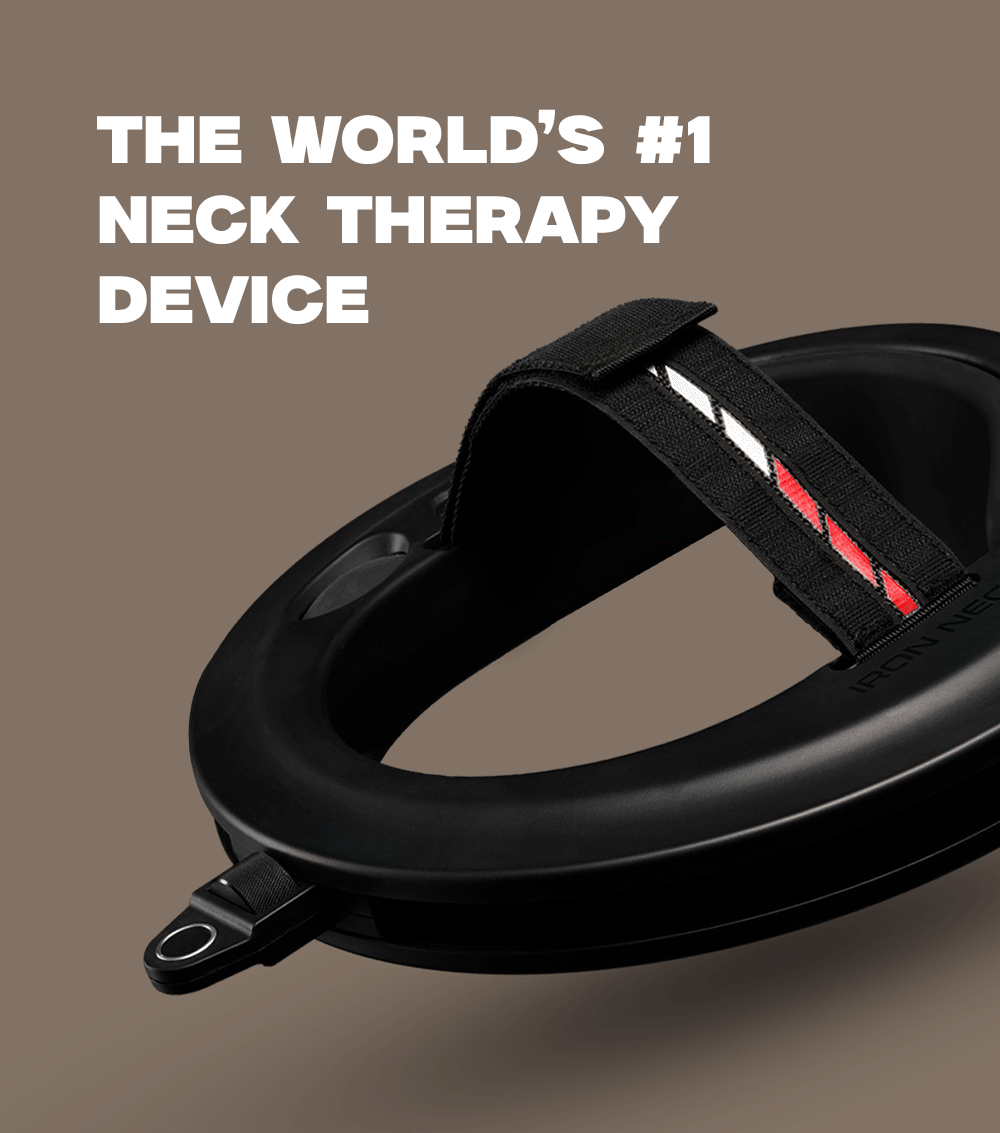
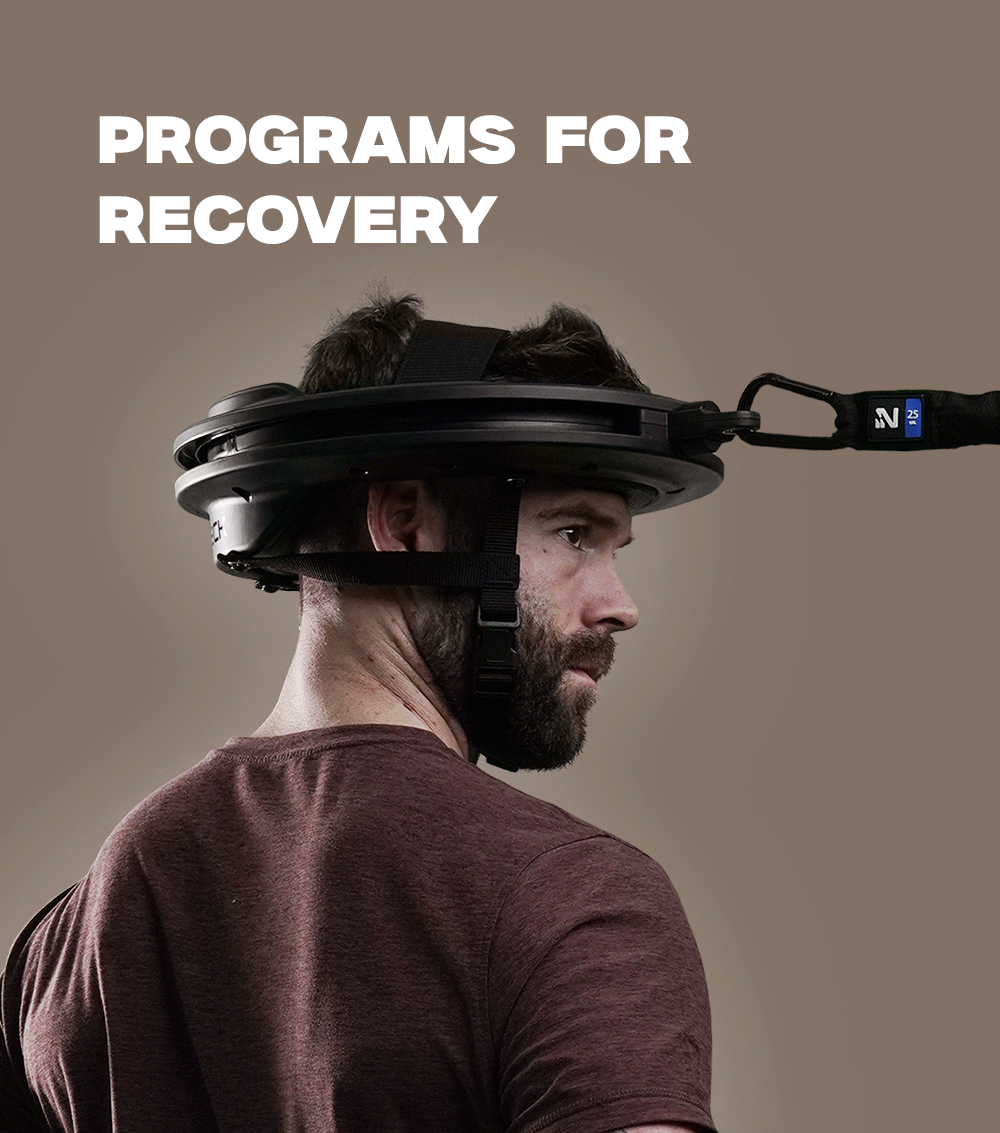
Iron Neck is the only device that trains your neck through 360 degrees of resistance, combining rotation, extension, and lateral movement in one tool. Used by NFL teams, UFC fighters, and physical therapists.
Leave a comment
This site is protected by hCaptcha and the hCaptcha Privacy Policy and Terms of Service apply.