



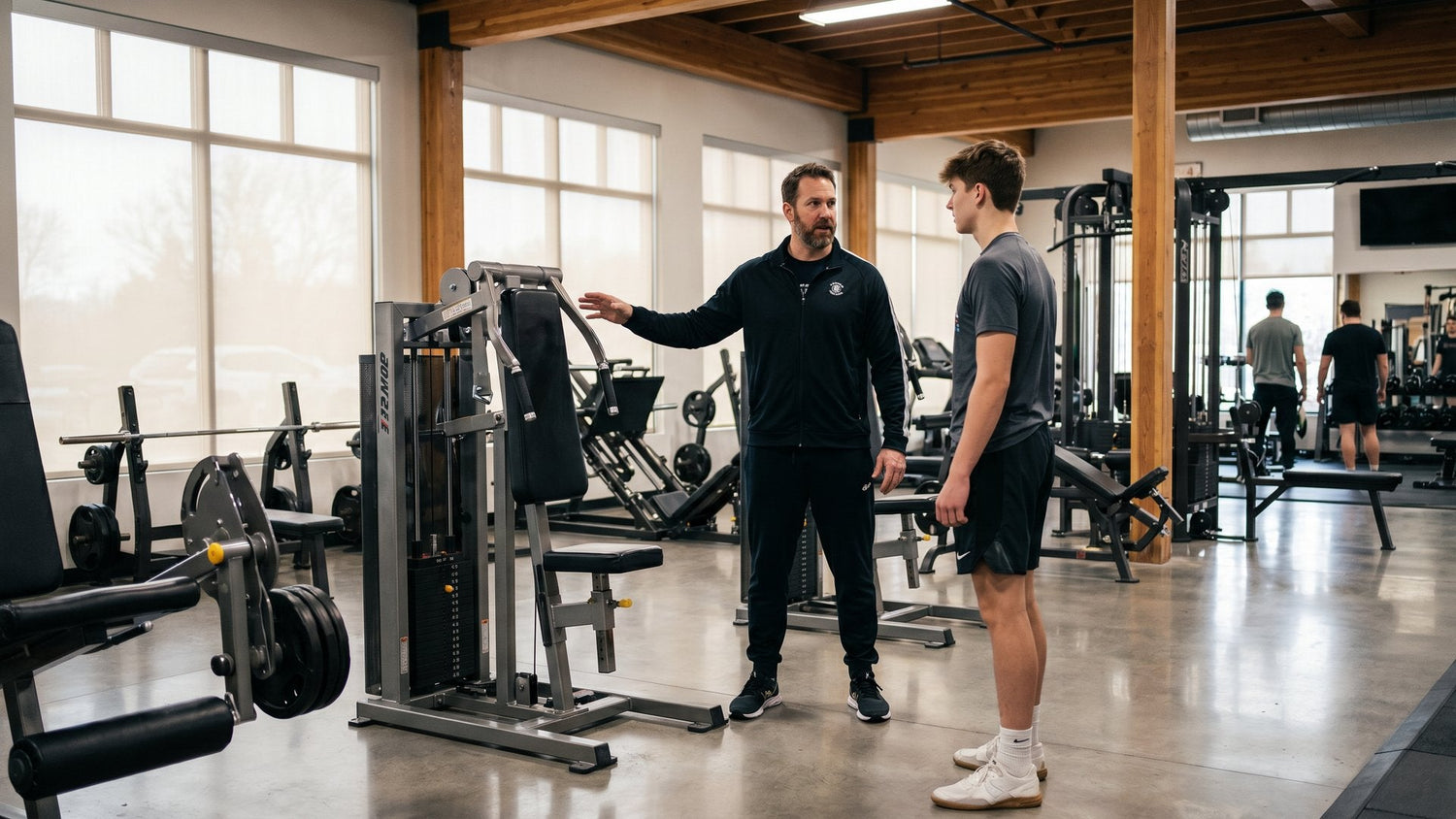
In an increasingly competitive fitness landscape, gym owners, athletic directors, and strength coaches are constantly seeking innovative ways to attract and retain clients. The traditional offerings of cardio machines, free weights, and group classes, while essential, are no longer sufficient to stand out. The discerning client, particularly athletes and those focused on long-term health, demands more. This is where specialized training, specifically neck strength training, emerges as a powerful differentiator. Often overlooked, the neck is a critical component of overall athletic performance, injury prevention, and even cognitive function. By integrating a dedicated neck training program, facilities can position themselves as leaders in comprehensive athletic development and injury mitigation, appealing directly to a high-value clientele.
The Untapped Potential of Neck Strength Training
For too long, neck training has been relegated to niche sports or considered an afterthought in general fitness. However, scientific research and anecdotal evidence from elite athletic programs are unequivocally demonstrating its profound impact. A strong, resilient neck is not just about aesthetics; it\'s a cornerstone of athletic longevity and protection against debilitating injuries.
Why Neck Strength Matters: Performance and Protection
The cervical spine and its associated musculature play a pivotal role in supporting the head, facilitating movement, and protecting vital neurological structures. In sports, particularly contact and collision sports, the neck acts as a crucial shock absorber. When an athlete experiences an impact, a stronger neck can significantly reduce the acceleration of the head, thereby mitigating the forces transmitted to the brain. This reduction in head acceleration is a key factor in lowering the risk of sports-related concussions (SRC) and subclinical traumatic brain injuries (TBI) [1, 2].
Beyond injury prevention, a robust neck contributes directly to athletic performance. Enhanced neck stability improves proprioception and sensorimotor control, allowing athletes to maintain optimal head and body positioning during dynamic movements. This translates to better balance, improved visual tracking, and quicker reaction times – all critical attributes in competitive sports. For combat sports athletes, a strong neck is indispensable for absorbing blows, maintaining posture in grappling, and delivering powerful strikes.
The Research Speaks: Concussion Prevention and Neck Strength
While no single intervention can entirely eliminate the risk of concussion, a growing body of research highlights neck strength as a modifiable risk factor. Studies have shown that athletes with stronger neck musculature exhibit lower rates of concussion. For instance, a 2023 coaches survey revealed that while many high school football programs use manual resistance for neck exercises, only 36% of coaches were confident in consistent execution. This underscores the need for reliable equipment and protocols, such as those offered by the Iron Neck training device, to ensure athletes receive maximum benefit [3].
The science behind tools like the Iron Neck lies in their ability to challenge neck muscles through varied resistance and dynamic movement patterns, promoting balanced development and neuromuscular control. This is particularly vital in contact sports where impact forces can originate from any angle. For youth athletes, establishing good neuromuscular habits early on through neck strengthening contributes to long-term neck and spine health [3].
Furthermore, research indicates that effective sensorimotor control, which relates to joint position, balance, and cervical control, is the second most modifiable risk factor for concussion after neck strength [4]. Inaccurate proprioceptive feedback from the neck due to weakness or injury can negatively affect head position control, increasing vulnerability. Strengthening the neck directly addresses these neurological and sensorimotor factors, leading to improved stability and resilience.
Establishing a Premium Neck Training Station
Transforming your facility into a hub for advanced neck training requires thoughtful planning and investment in the right equipment. A dedicated neck training station not only provides a specialized service but also visually communicates your commitment to comprehensive athlete development and injury prevention.
Essential Equipment for a State-of-the-Art Station
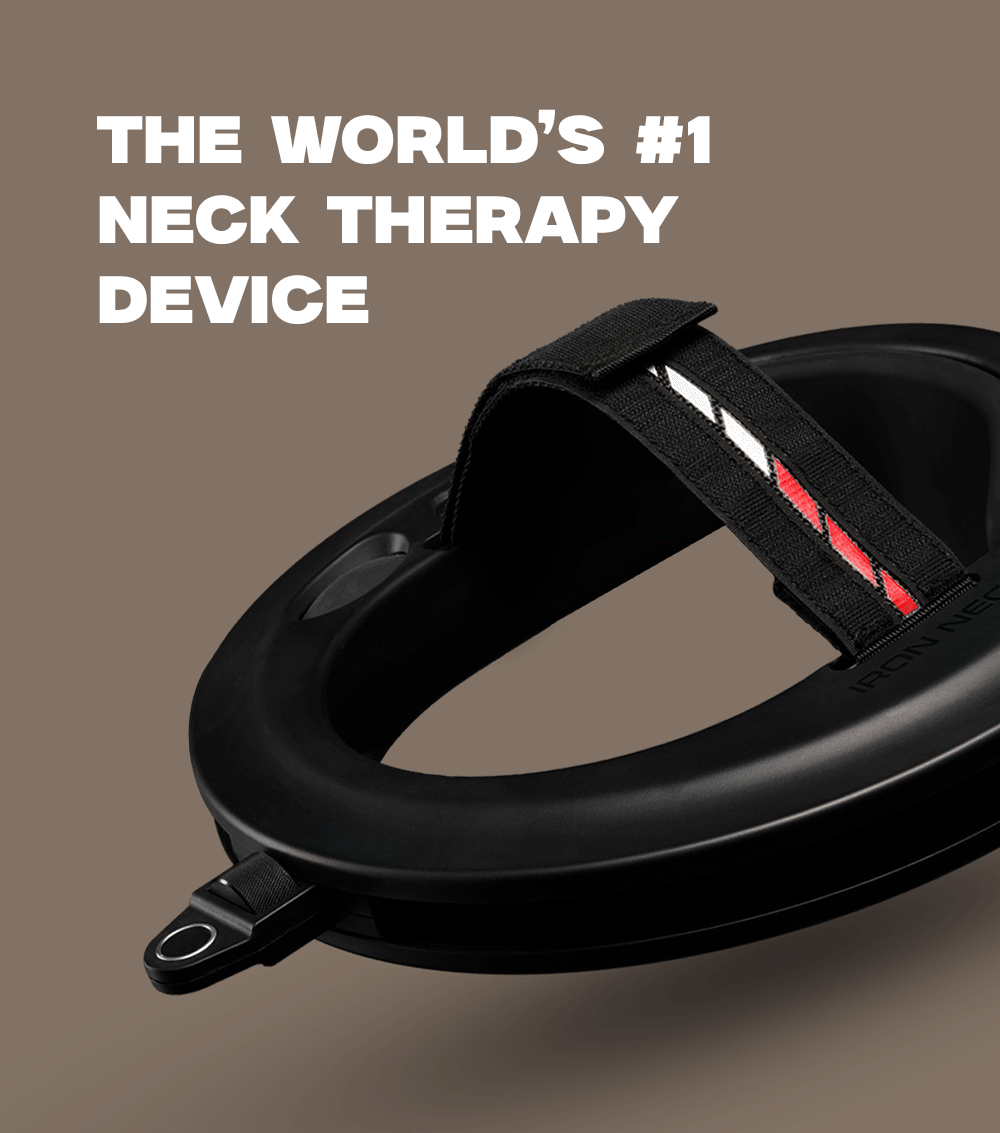
- Iron Neck Training Devices: The cornerstone of any advanced neck training program. The Iron Neck training device offers 360-degree resistance, allowing for comprehensive strengthening across all planes of motion. Its versatility supports isometric, concentric, and eccentric contractions, making it suitable for a wide range of athletes and rehabilitation needs.
- Neck Harnesses: While the Iron Neck provides dynamic resistance, traditional neck harnesses with plate loading or cable attachments are excellent for foundational strength and isolation exercises.
- Resistance Bands: Portable and versatile, resistance bands can complement machine-based training, offering variable resistance and facilitating warm-ups or cool-downs.
- Adjustable Benches/Seating: Essential for performing exercises in various positions (supine, prone, seated) to target different neck muscles effectively.
- Mirrors: Provide immediate visual feedback for athletes to ensure proper form and technique.
- Assessment Tools: Consider incorporating tools like dynamometers for objective strength assessment and tracking progress. This adds a data-driven element to your offering, appealing to coaches and athletes seeking measurable outcomes.
Optimizing Layout and Space
Design your neck training station to be easily accessible and integrated into your existing facility layout. It can be a standalone area or part of a larger athletic performance zone. Ensure adequate space around each piece of equipment for safe movement and supervision. Clear signage indicating the purpose and benefits of the station will also enhance its appeal.
Marketing Your Neck Training Program as a Differentiator
Once your neck training station is established, effective marketing is crucial to attract your target B2B audience. Position this offering not just as another piece of equipment, but as a premium service that addresses critical needs in athletic performance and injury prevention.
Targeting Your Audience: Messaging Strategies
- Athletic Directors and Coaches: Highlight the program\'s role in reducing concussion risk, improving athlete safety, and enhancing on-field performance. Emphasize the data-driven approach and the potential for measurable improvements in neck strength and resilience.
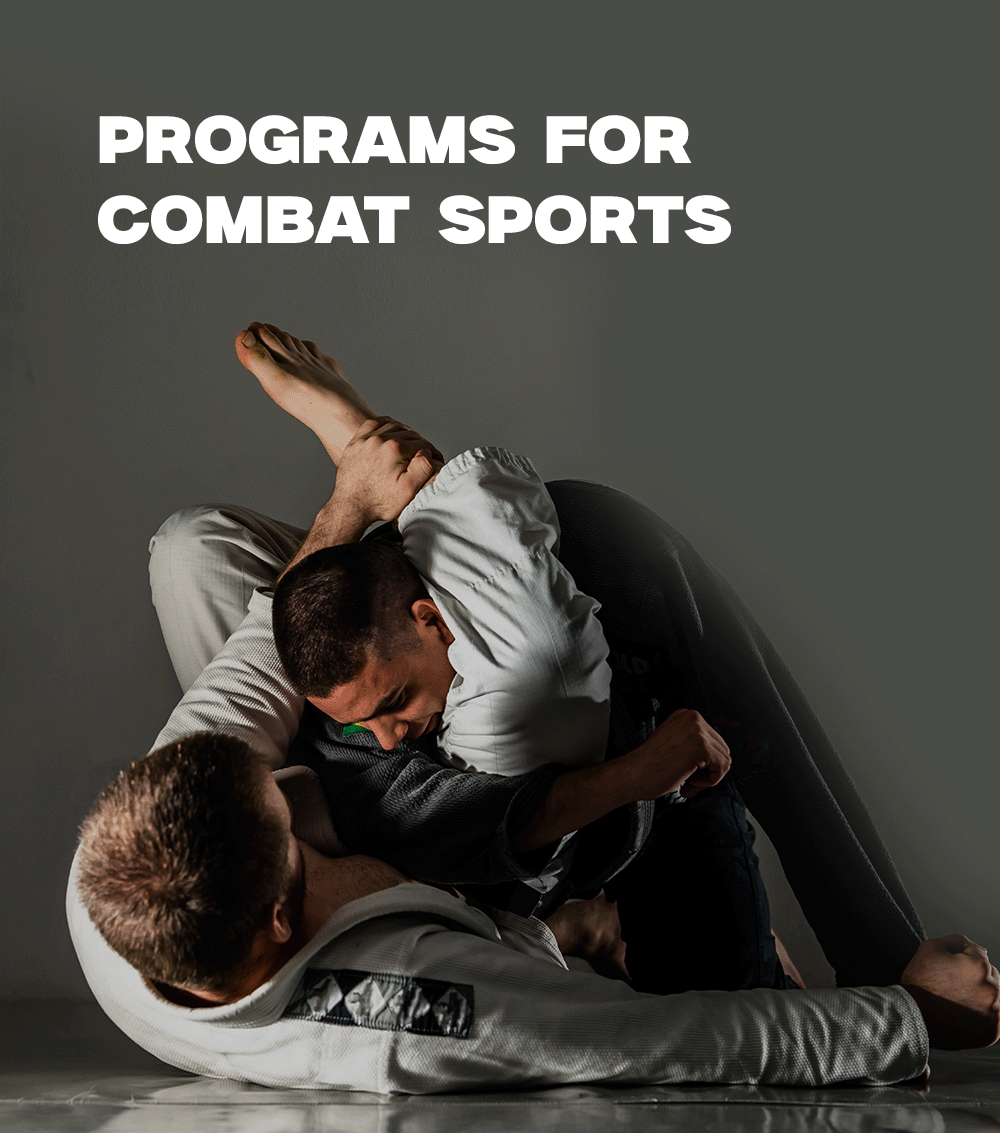
- Combat Sports Practitioners: Focus on the direct benefits for absorbing impacts, maintaining control in grappling, and increasing striking power.
- Gym Owners and Personal Trainers: Position it as a unique selling proposition that attracts serious athletes and clients seeking specialized, results-oriented training. Emphasize the potential for increased revenue through specialized programming and coaching.
- School Administrators: Frame it as an investment in student-athlete welfare, potentially reducing healthcare costs and improving overall athletic program reputation.
Promotional Channels and Content
- Workshops and Seminars: Host educational events for local athletic directors, coaches, and trainers. Demonstrate the Iron Neck training device and other equipment, explain the science, and showcase practical programming.
- Case Studies and Testimonials: Collect success stories from athletes or teams who have benefited from your neck training program. Quantify improvements in strength, reduction in injury rates, or enhanced performance.
- Digital Marketing: Create targeted content (blog posts, social media campaigns, email newsletters) that addresses the pain points and aspirations of your B2B audience. Use keywords like "concussion prevention," "athletic performance," "neck strength for sports," and "injury resilience."
- Partnerships: Collaborate with local sports teams, physical therapists, and medical professionals to create referral networks.
- Facility Tours: Offer guided tours of your facility, specifically highlighting the neck training station and explaining its benefits.
Building Actionable Programming for Diverse Clients
A well-structured neck training program is adaptable to various client needs, from elite athletes to general fitness enthusiasts focused on posture and pain reduction. The key is to offer progressive, sport-specific, and individualized programming.
Foundational Principles of Neck Training
- Assessment: Begin with a thorough assessment of neck strength, range of motion, and any existing pain or limitations. This informs individualized program design.
- Progressive Overload: Like any other muscle group, the neck responds to progressive overload. Gradually increase resistance, volume, or complexity of exercises.
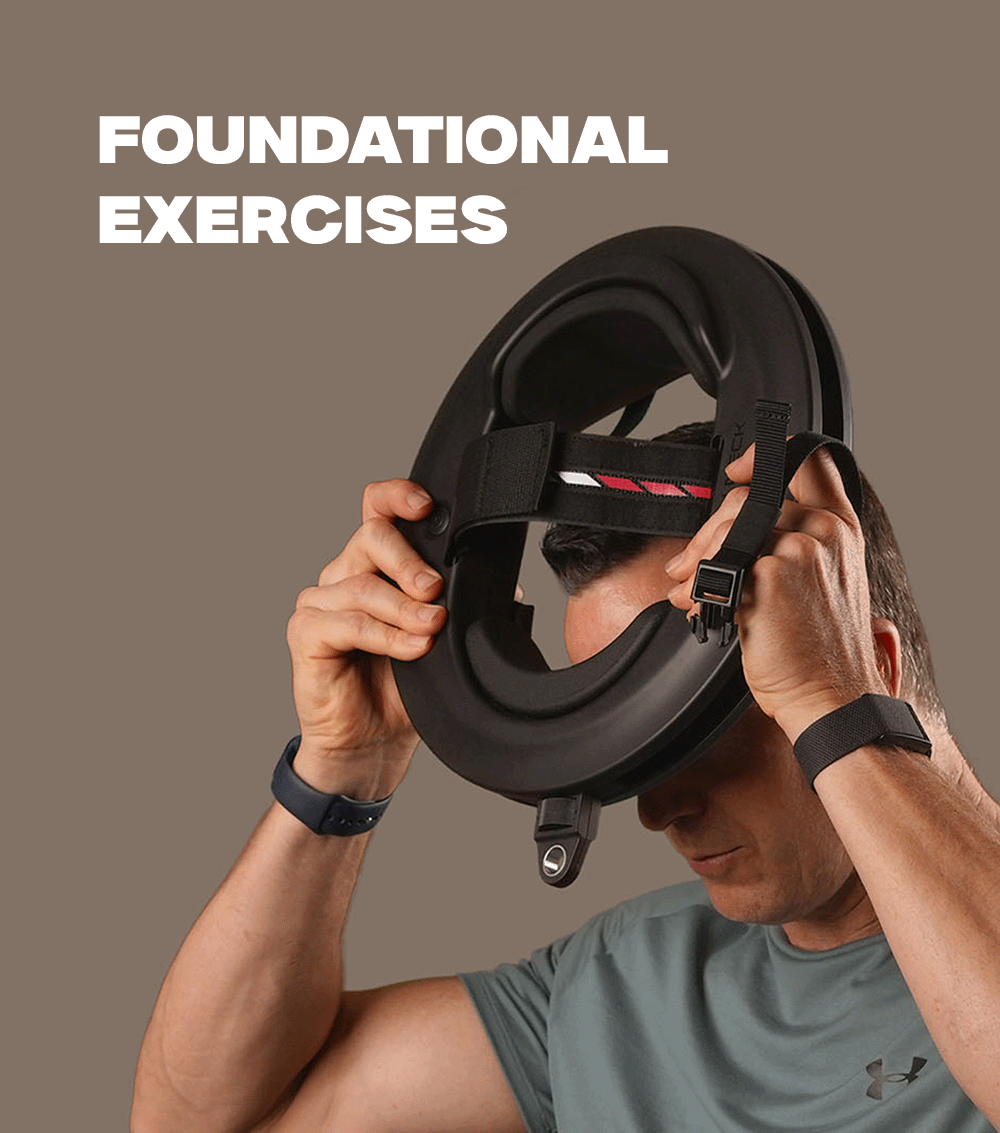
- Multi-Directional Training: The neck moves in multiple planes (flexion, extension, lateral flexion, rotation). Ensure your programming addresses all these movements for comprehensive strength and stability. The Iron Neck training device is particularly effective for this.
- Integration: Incorporate neck exercises into existing warm-ups, cool-downs, or as accessory work within a larger strength and conditioning program.
- Consistency: Regularity is key. Short, frequent neck training sessions are often more effective than infrequent, long ones.
Sample Programming Considerations
For Contact Sport Athletes (Football, Rugby, Hockey, MMA)
- Focus: Maximal strength, power, and dynamic stability to resist and absorb impacts.
- Exercises:
- Iron Neck 360-degree rotations (concentric/eccentric)
- Isometric holds against resistance (flexion, extension, lateral flexion)
- Dynamic neck bridging (front, back, side)
- Manual resistance drills with a partner
- Frequency: 2-3 times per week, integrated into strength training sessions.
- Progression: Increase resistance, duration of holds, and speed of dynamic movements.
For General Population / Injury Prevention
- Focus: Improved posture, reduced neck pain, enhanced mobility, and foundational strength.
- Exercises:
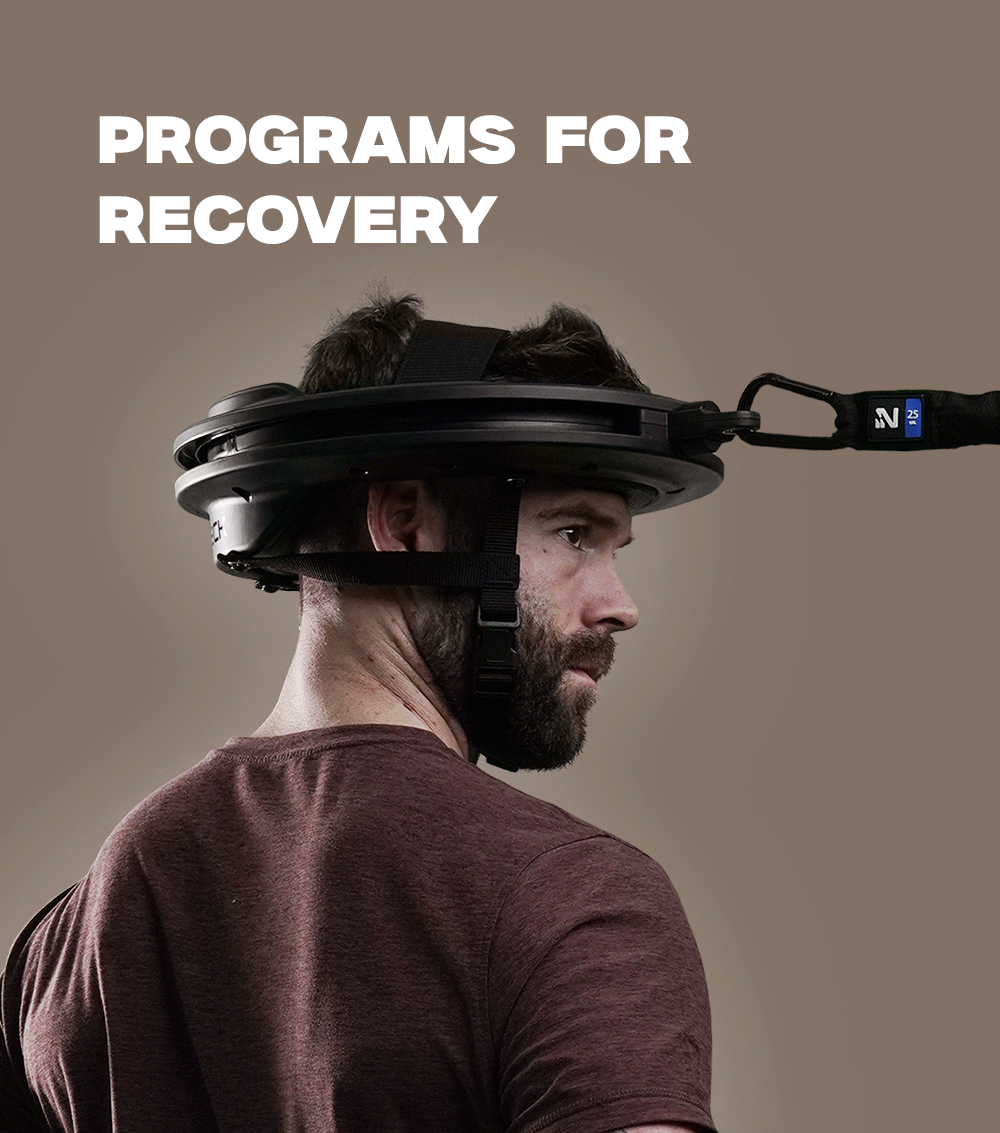
- Gentle Iron Neck movements with light resistance
- Cervical retraction and protraction exercises
- Scapular stability exercises to support neck function
- Stretching and mobility drills for the neck and upper back
- Frequency: Daily or 3-4 times per week.
- Progression: Gradually increase range of motion and light resistance as comfort and strength improve.
Key Takeaways
- Differentiation: Offering specialized neck strength training positions your facility as a leader in comprehensive athletic development and injury prevention.
- Performance Enhancement: A strong neck improves athletic performance through better stability, balance, visual tracking, and reaction times.
- Injury Mitigation: Scientific evidence supports neck strength as a modifiable risk factor for reducing the severity and incidence of concussions and other head/neck injuries.
- Targeted Marketing: Tailor your messaging to athletic directors, coaches, combat sports practitioners, and gym owners, emphasizing safety, performance, and unique value.
- Actionable Programming: Implement progressive, multi-directional, and individualized neck training programs using tools like the Iron Neck training device.
FAQ Section
Q1: Is neck training only for athletes in contact sports?
A1: While crucial for contact sport athletes, neck training benefits a wide range of individuals. It improves posture, reduces chronic neck pain, enhances overall stability, and can be beneficial for anyone looking to improve their physical resilience and long-term health. Athletes in non-contact sports can also benefit from improved head control and reduced fatigue.
Q2: How long does it take to see results from a neck training program?
A2: Similar to other strength training, results can vary based on individual consistency, intensity, and starting point. However, with a consistent and well-structured program, many individuals can begin to notice improvements in strength, stability, and reduced discomfort within 4-6 weeks.
Q3: Is neck training safe for all ages?
A3: When performed correctly and under proper supervision, neck training can be safe for most ages. For youth athletes, it\'s particularly important to focus on proper form and gradual progression with lighter resistance. Consulting with a qualified strength coach or physical therapist is always recommended, especially for individuals with pre-existing neck conditions.
Q4: What makes the Iron Neck training device unique?
A4: The Iron Neck training device stands out due to its ability to provide 360-degree resistance, allowing for comprehensive strengthening of all neck muscles across multiple planes of motion. This dynamic resistance is highly effective for building both strength and stability, mimicking real-world athletic movements and impacts more closely than traditional methods.
Q5: How can gyms effectively market neck training to potential clients?
A5: Effective marketing involves highlighting the unique benefits: concussion prevention, enhanced athletic performance, and improved posture/pain reduction. Utilize workshops, case studies, digital content, and partnerships with local sports organizations and healthcare providers. Position it as a premium, specialized service that addresses a critical, often overlooked, aspect of fitness and athletic development.
Q6: Can neck training help with chronic neck pain?
A6: Yes, strengthening the neck muscles can significantly help alleviate chronic neck pain. Often, pain is exacerbated by muscle imbalances and weakness. A targeted neck training program can improve muscle endurance, stability, and posture, leading to a reduction in discomfort. It\'s advisable to consult with a healthcare professional before starting any new exercise program, especially if experiencing chronic pain.
Q7: What is the recommended frequency for neck training?
A7: For most individuals, 2-4 sessions per week are sufficient. Athletes in high-impact sports might benefit from more frequent, shorter sessions. The key is consistency and allowing adequate recovery. Integrating neck exercises into existing warm-ups or as accessory work can make it easier to maintain frequency without adding significant time to a workout.
Iron Neck is the only device that trains your neck through 360 degrees of resistance, combining rotation, extension, and lateral movement in one tool. Used by NFL teams, UFC fighters, and physical therapists.

Leave a comment
This site is protected by hCaptcha and the hCaptcha Privacy Policy and Terms of Service apply.