




Women's soccer has never been more visible. The sport's global profile has grown dramatically over the past decade, driven by the success of national teams, the expansion of professional leagues, and the record-breaking viewership of major tournaments. As the 2026 FIFA World Cup brings the sport to a massive North American audience, millions of girls and young women are watching elite players compete at the highest level and dreaming of following in their footsteps. That is a genuinely wonderful thing. It is also a moment that demands honesty about a disparity in the sport that the science has documented clearly: female soccer players face a significantly higher concussion risk than their male counterparts, and the gap is largely explained by a factor that training can address.
The Data Is Unambiguous
Girls' soccer is the second most concussion-prone sport in the United States, behind only American football. The sport produces 8.4 concussions per 10,000 athletic exposures — a rate that exceeds boys' soccer, boys' basketball, and most other youth sports. Approximately one in three concussions in girls' soccer occurs during heading.
A peer-reviewed study published in a major medical journal found that female soccer players are 2.63 times more likely than male soccer players to suffer a concussion from heading the ball under equivalent conditions. This is not a marginal difference. It is a factor of nearly three, and it has been replicated across multiple research contexts. The disparity persists even when controlling for technique, experience level, and the speed of the ball being headed.
The question researchers have worked to answer is why. The answer points to a combination of factors, but neck strength and neck muscle activation patterns emerge consistently as primary contributors.
The Neck Strength Gap
On average, female athletes have significantly less cervical muscle mass and neck strength than male athletes of equivalent age and training background. This is not a reflection of effort or athletic ability — it is a physiological reality rooted in differences in muscle fiber distribution and hormonal profiles. The consequence for soccer is measurable: when a female player heads the ball, her neck muscles generate less resistive force against the ball's impact, resulting in greater head acceleration and greater force transmitted to the brain.
Head acceleration is the primary biomechanical predictor of concussion risk. Studies using accelerometers to measure head movement during heading have consistently found that female players experience greater head acceleration than male players heading the same ball at the same speed. The difference in neck strength is the primary mechanical explanation for this disparity.
This finding is significant because it identifies a modifiable risk factor. Unlike anatomical differences in skull thickness or brain size, neck strength is something that can be trained. Research has demonstrated that targeted cervical strengthening programs produce meaningful improvements in neck strength in female athletes within six to eight weeks, and that these improvements translate to reduced head acceleration during heading.
What the Research Says About Solutions
The evidence base for neck training as a concussion prevention strategy in soccer has grown substantially in recent years. A 2022 study found that a six-week cervical strengthening program improved heading biomechanics and neurocognition in soccer players. A 2021 study found that adding neck exercises to the FIFA 11+ warm-up program reduced head impact magnitude during heading. A systematic review published in a sports medicine journal concluded that integrating neuromuscular neck exercises into injury-reduction programs has the potential to reduce concussion risk in adolescent soccer players.
These findings do not suggest that neck training eliminates concussion risk. They suggest that it meaningfully reduces it — and that female soccer players, who face a disproportionate baseline risk, stand to benefit disproportionately from addressing the neck strength gap.
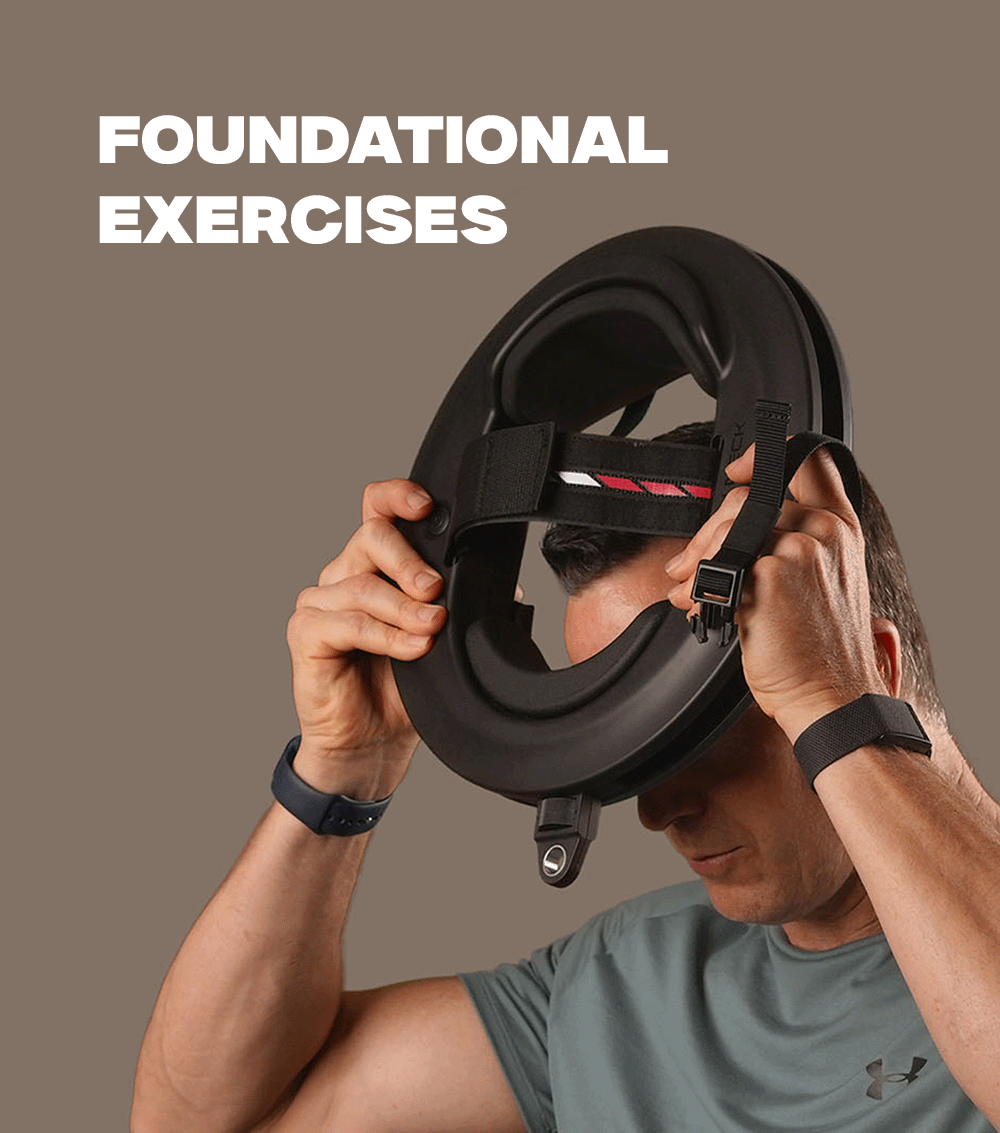
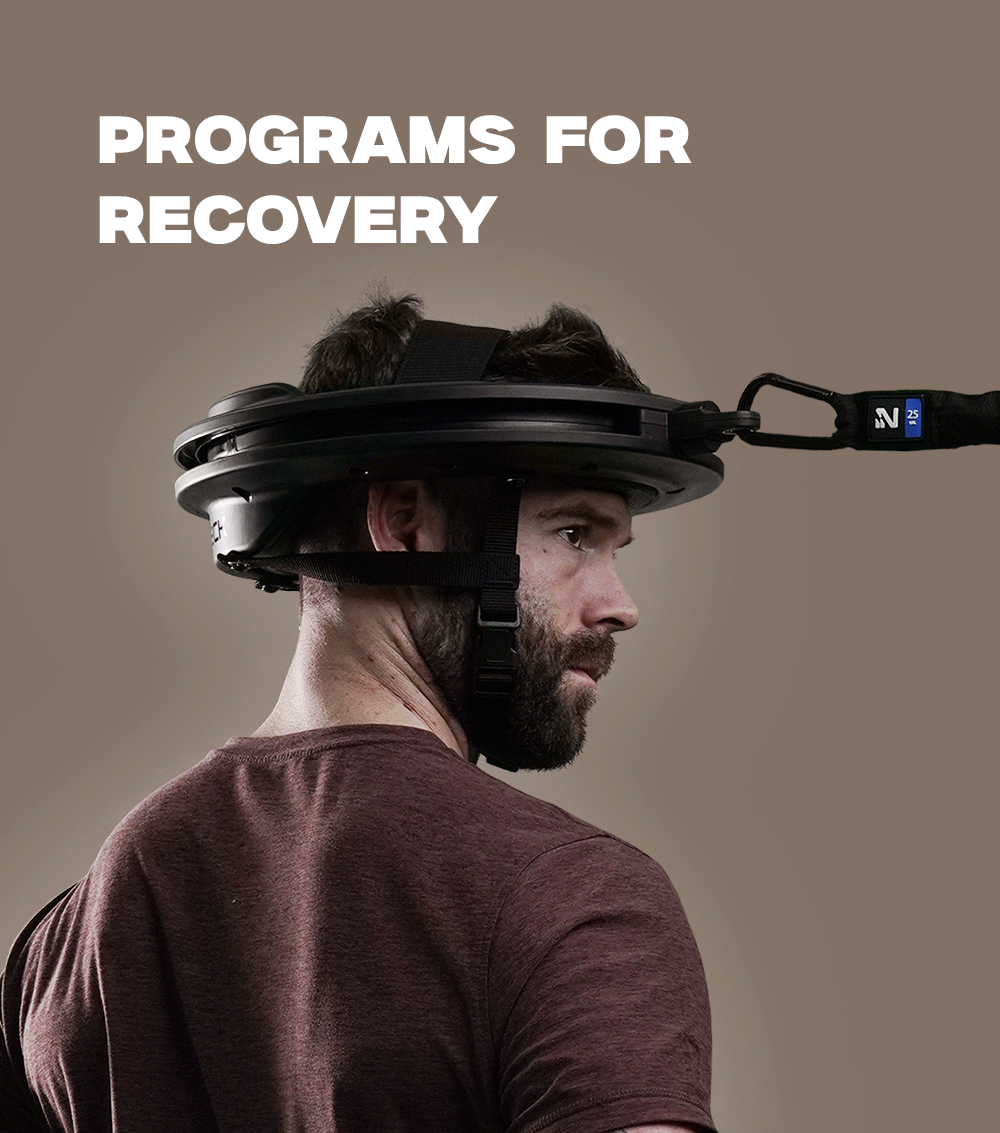
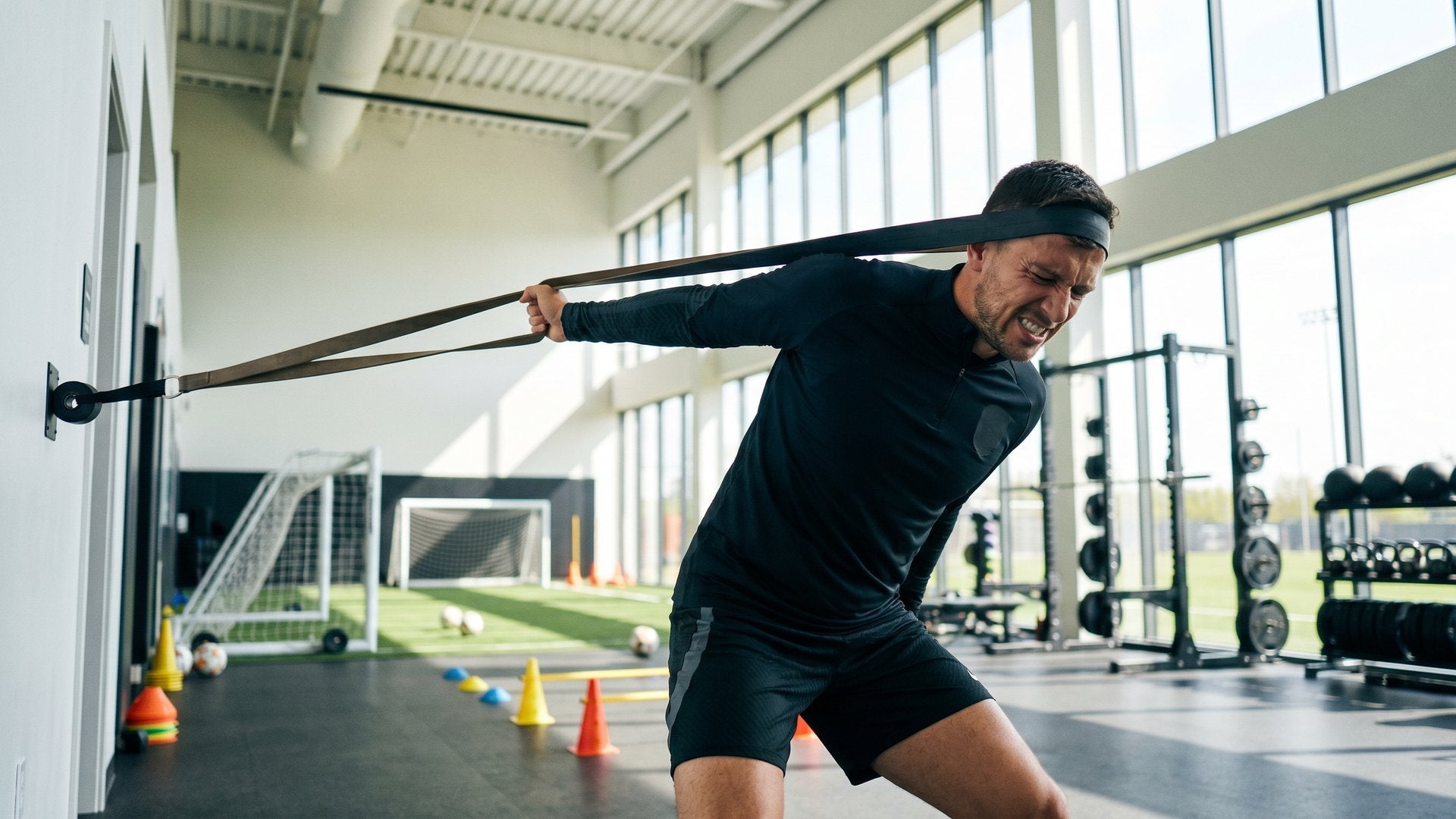
The practical application for female players and their coaches is straightforward. Isometric neck exercises, resistance band training, and progressive cervical strengthening work should be incorporated into the regular training routine with the same seriousness as lower body strength training. The neck is a muscle group that responds to progressive overload just like any other. It has simply been ignored in soccer's training culture for too long.
Heading Restrictions Are Not Enough on Their Own
Youth soccer organizations in the United States, England, and elsewhere have implemented heading restrictions for players under certain ages, typically under 11 and in some cases under 14. These restrictions have shown promising results: a 2025 study found that heading restriction policies were associated with approximately a 26% reduction in soccer-related concussions in youth players. That is a meaningful improvement.
But heading restrictions are a partial solution. Players above the restricted age groups continue to head the ball regularly. Female players at the high school, college, and professional levels — where the concussion data is most concerning — are not subject to heading restrictions. And the physical development of neck strength, which takes time and consistent training to build, cannot begin too early.
The most protective approach combines sensible heading load management with active neck strengthening. Players who build cervical strength progressively through their development years arrive at the age where heading becomes a regular part of their game with a meaningfully stronger foundation than players who have never trained their necks.
An Empowering Conversation, Not a Frightening One
The goal of sharing this data is not to discourage girls and women from playing soccer. The sport offers extraordinary physical, social, and psychological benefits, and the concussion risk — while real and worth taking seriously — is manageable with informed preparation. The goal is to ensure that female players and the coaches and parents who support them have access to the same information that elite clubs and sports medicine professionals are acting on.
The 2026 World Cup is a celebration of what women's and men's soccer can be at its highest level. It is also an opportunity to have a more honest conversation about player safety — one that leads to better training practices, better-informed coaches, and female athletes who are prepared to compete with the strongest possible foundation.
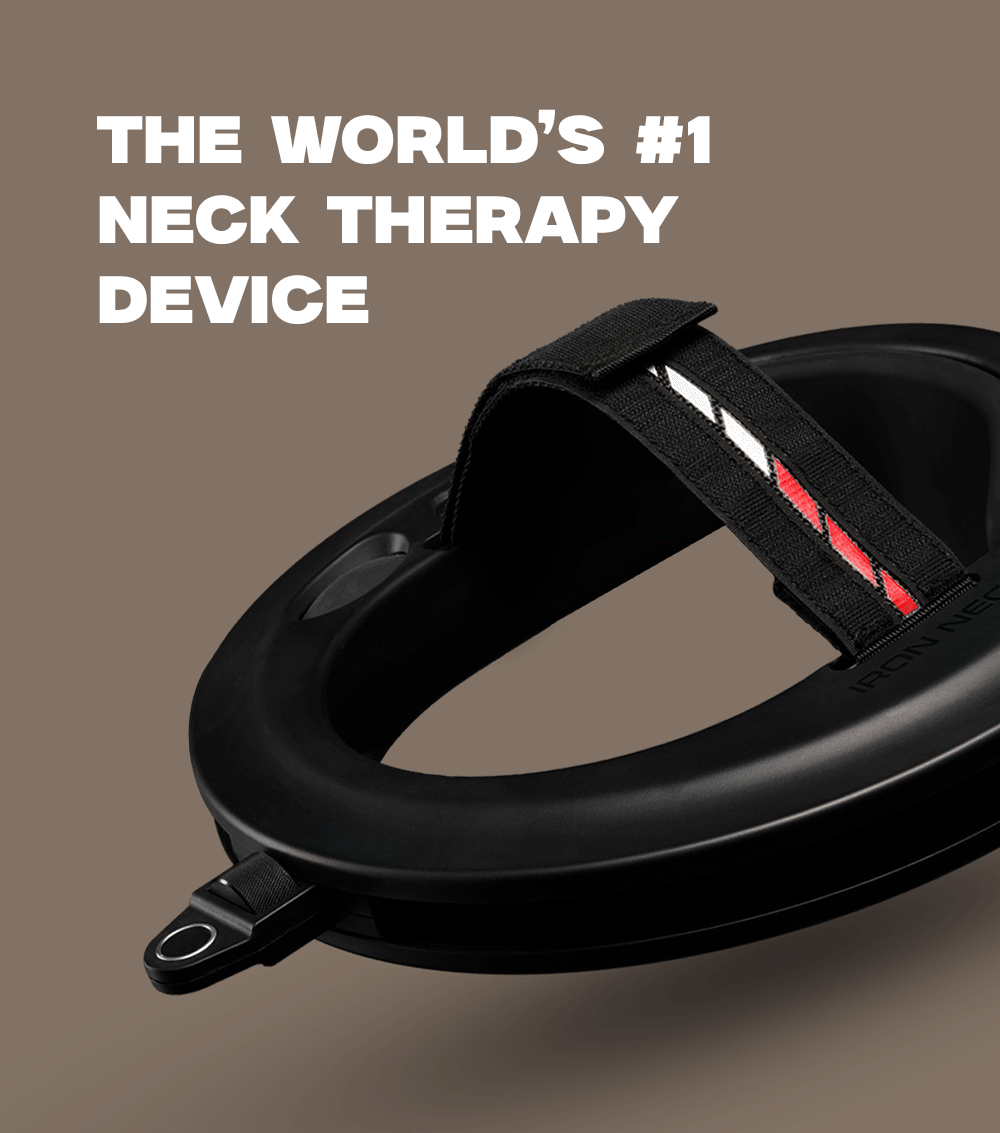
To learn about neck training programs designed for female athletes and soccer players, visit iron-neck.com.
- Jonathan Klinsmann's Broken Neck and What It Teaches Us About Soccer Safety
- Soccer Heading and Concussion: The Science Every World Cup Fan Should Know
- How to Strengthen Your Neck for Soccer: A Complete Training Guide
- Neck Exercises Every Soccer Player Should Do Before Heading the Ball
- How World Cup Players Train Their Necks for Performance and Protection
- FIFA World Cup 2026 Concussion Rules: What Every Soccer Player Needs to Know
- The Parent's Guide to Concussion Prevention in Youth Soccer
Iron Neck is the only device that trains your neck through 360 degrees of resistance, combining rotation, extension, and lateral movement in one tool. Used by NFL teams, UFC fighters, and physical therapists.
Leave a comment
This site is protected by hCaptcha and the hCaptcha Privacy Policy and Terms of Service apply.