



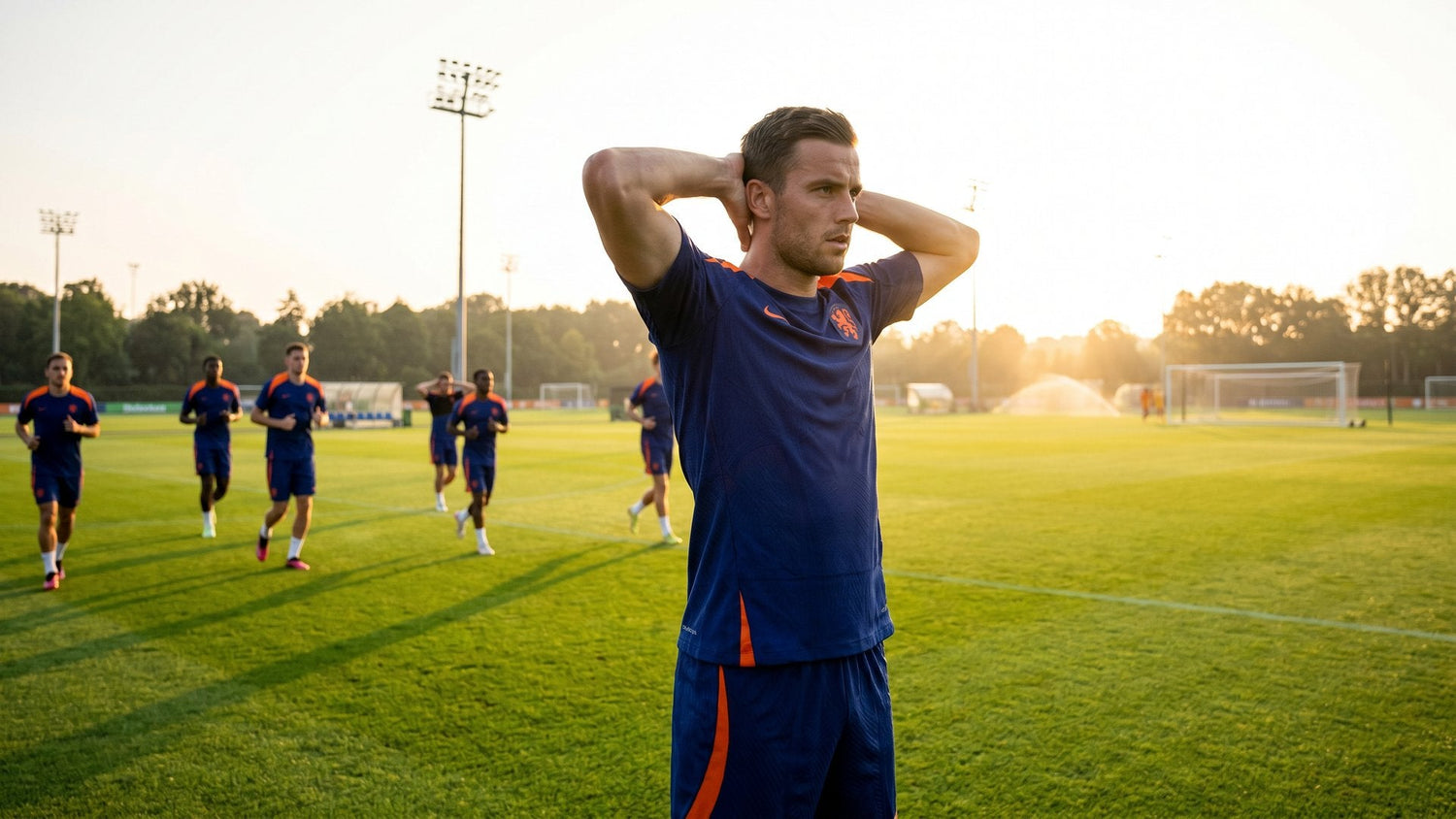
Before a soccer player heads the ball, their neck is either ready or it is not. The difference between a neck that is warmed up, activated, and strong versus one that is cold, passive, and undertrained is measurable in the amount of force that reaches the brain during impact. Most players warm up their hamstrings, their hip flexors, and their ankles before training. Almost none of them warm up their necks. That is a gap worth closing.
The research is consistent: adding neck exercises to a standard warm-up routine reduces head impact magnitude during heading. A 2021 study found that incorporating neck work into the FIFA 11+ program — the most widely used injury prevention protocol in soccer — produced measurable reductions in head acceleration during heading challenges. The mechanism is straightforward: an activated, warm neck muscle responds more quickly and generates more resistive force during impact than a cold, passive one. Warming up the neck before heading is not optional for a safety-conscious player — it is as fundamental as warming up any other muscle group involved in a high-impact activity.
Why a Cold Neck Is a Vulnerable Neck
Muscle activation is not binary. A muscle that has been warmed up through progressive movement generates force more quickly and more completely than one that has been sitting inactive. In the context of heading, the cervical muscles need to contract rapidly at the moment of ball contact to stabilize the head and absorb impact. If those muscles are cold and their neural activation pathways have not been primed, the contraction is slower and weaker — and more of the ball's force reaches the brain.
This is why the timing of neck work matters. The goal of a pre-heading warm-up is not to fatigue the neck muscles — it is to activate them. Dynamic movements through a full range of motion, performed at moderate intensity, prime the neuromuscular system for the demands of heading without depleting the strength reserves needed for the activity itself. The exercises below are designed with this principle in mind.
The Pre-Heading Warm-Up Routine (10 Minutes)
Controlled Rotation (2 minutes): Begin with slow, controlled rotation of the head through the full range of motion — turning to look over each shoulder and returning to center. Perform 10 repetitions each direction at a pace of approximately two seconds per rotation. The emphasis is on controlled movement through the full range, not speed. This activates the rotational musculature and increases blood flow to the cervical region.
Extension and Flexion Warm-Up (2 minutes): Slowly extend the head backward to look at the ceiling, hold for two seconds, return to neutral, then bring the chin toward the chest, hold for two seconds, and return to neutral. Perform 10 repetitions. This activates the anterior and posterior cervical chains and prepares the neck for the extension movement involved in generating power during headers.
Lateral Flexion (1 minute): Tilt the head toward each shoulder, hold for two seconds, and return to neutral. Perform 8 repetitions each side. This activates the lateral stabilizers that resist side-to-side forces during aerial challenges.
Isometric Activation (3 minutes): Place your palm against your forehead and press your head into your hand for five seconds without allowing any movement. Repeat with your hand on the back of your head, then each side. Perform two rounds. This isometric activation primes the cervical musculature for the stabilizing demands of heading and is the single most important component of the pre-heading routine.
Dynamic Heading Simulation (2 minutes): Without a ball, simulate the heading motion — the approach, the jump, the extension of the neck to generate power, and the controlled landing. Perform 10 repetitions. This integrates the cervical activation work with the full-body movement pattern of heading and completes the neuromuscular preparation.
Building Long-Term Strength: The Training Protocol
The warm-up routine activates the neck for immediate use. Building the underlying strength that makes the neck more resilient over time requires a separate, progressive training protocol performed two to three times per week outside of match days.
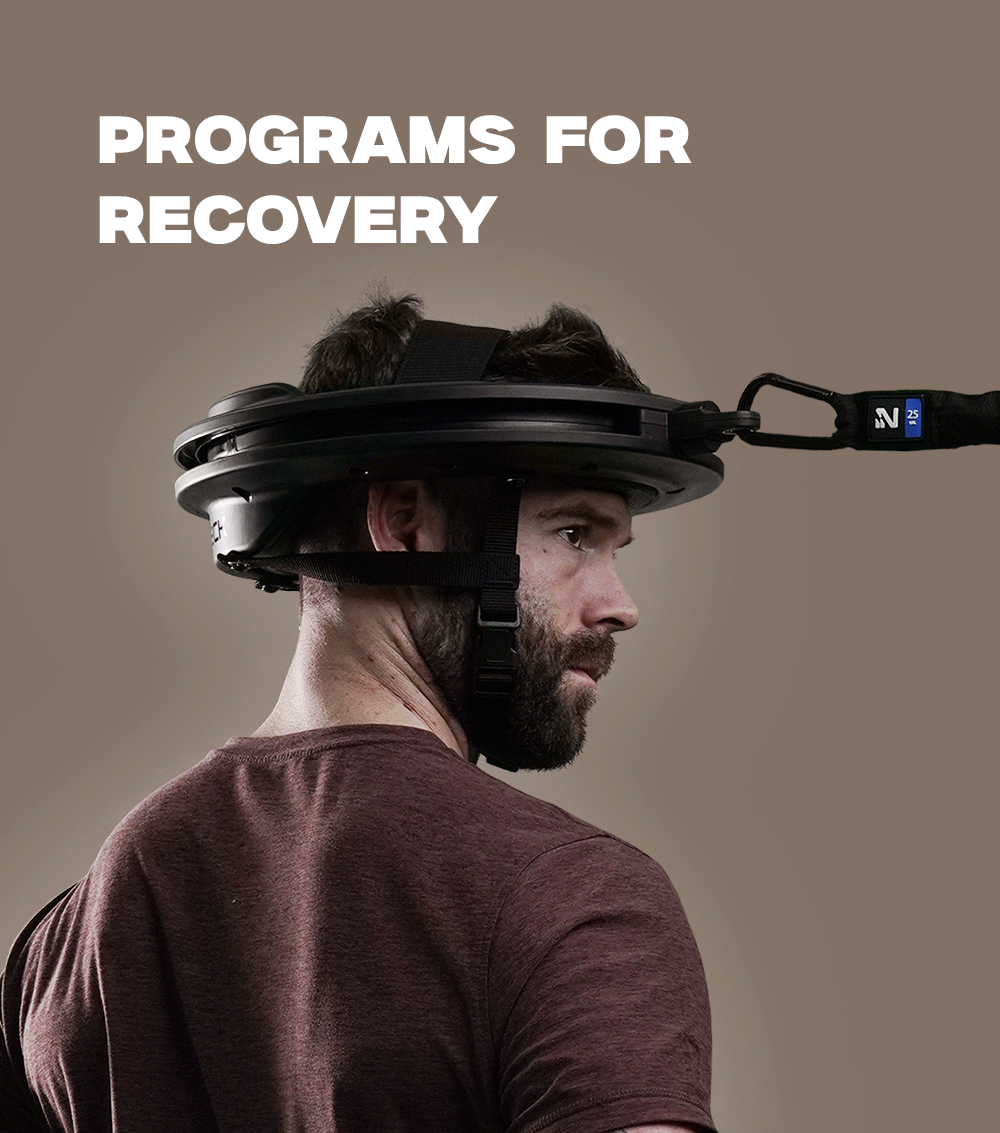
The foundation is progressive isometric training. Begin with the four-direction isometric holds described in the warm-up, but increase the hold duration to eight to ten seconds and perform three sets of eight repetitions in each direction. As strength develops over four to six weeks, add resistance using a band anchored at head height. Stand facing away from the anchor with the band looped around your forehead and resist the pull without allowing head movement. This builds the posterior cervical strength most critical for heading safety.
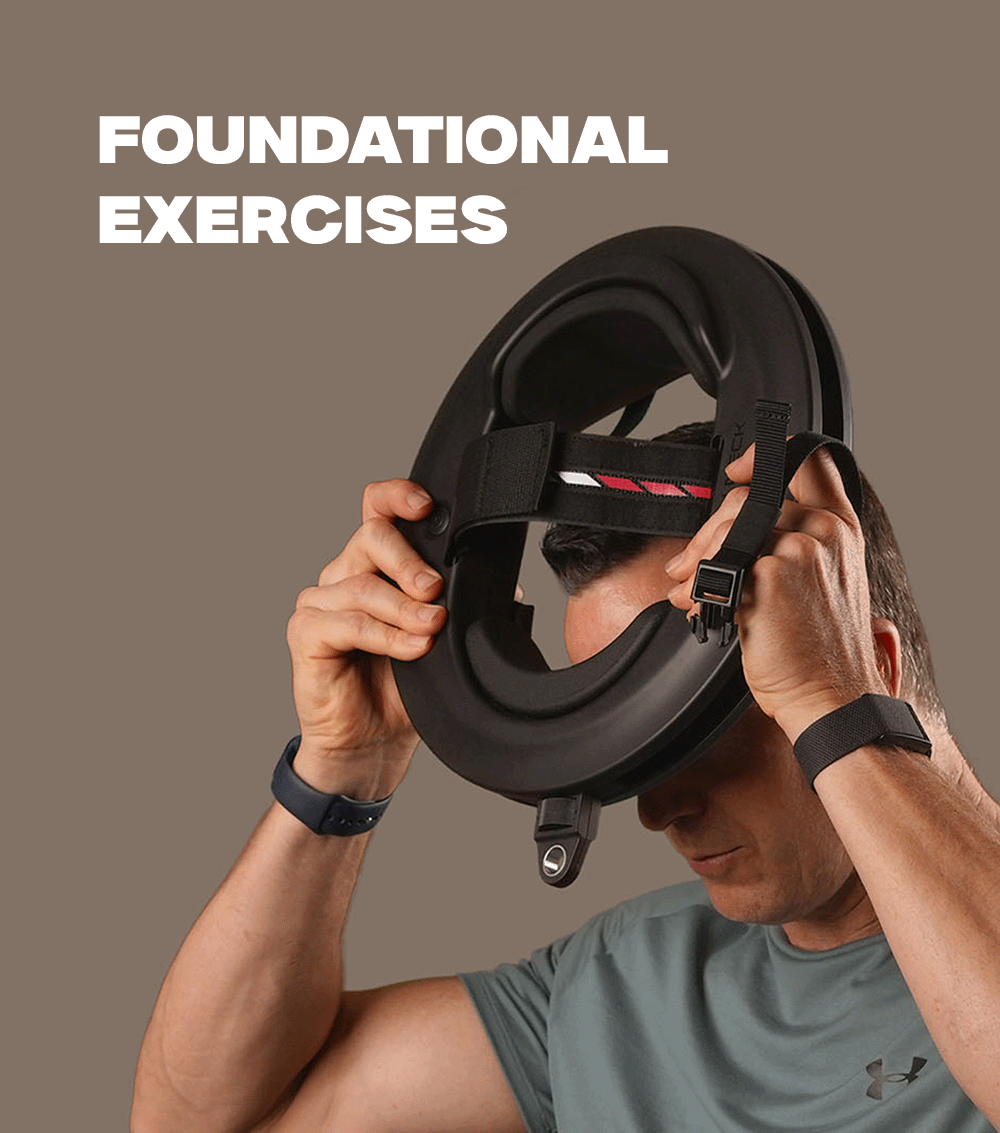
Dynamic rotation and extension training under resistance is the next progression. Using a resistance band or a dedicated cervical training tool, perform controlled rotation through the full range of motion against resistance, three sets of twelve repetitions each direction. Extension against resistance — pressing the head backward against a band anchored in front — builds the posterior chain strength that generates power in the heading motion.
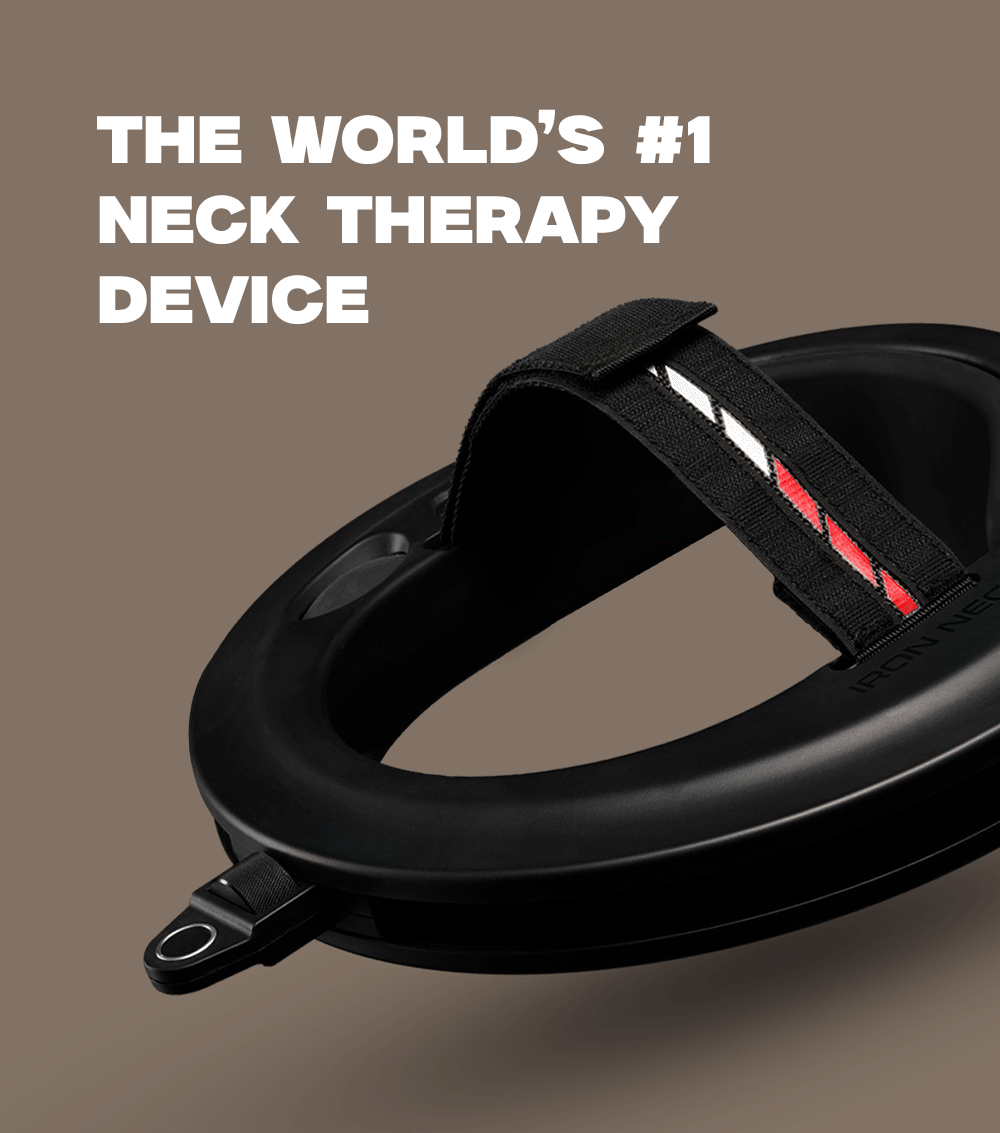
The Iron Neck allows athletes to train rotation and extension through a full 360-degree range of motion under consistent, progressive resistance. This type of training is used by professional athletes across contact sports and is increasingly incorporated into elite soccer programs. The key principle is progressive overload: gradually increasing resistance as strength develops, in the same way that any other strength training program is structured.
Making It a Habit
The barrier to neck training in soccer is not complexity — the exercises are simple and require minimal equipment. The barrier is habit. Most players have never been taught to train their necks, and the absence of neck training from standard soccer curricula means that even experienced players often have no framework for it.
The most effective approach is to attach the warm-up routine to an existing habit: perform it immediately before every heading session or every practice that includes heading work. The ten-minute investment produces immediate benefits in neck activation and, over weeks and months of consistent practice, builds the cumulative strength that makes every heading challenge safer.
To explore professional cervical training tools and programs for soccer players, visit iron-neck.com.
- Jonathan Klinsmann's Broken Neck and What It Teaches Us About Soccer Safety
- Soccer Heading and Concussion: The Science Every World Cup Fan Should Know
- How to Strengthen Your Neck for Soccer: A Complete Training Guide
- Why Women Soccer Players Face a Higher Concussion Risk
- How World Cup Players Train Their Necks for Performance and Protection
- FIFA World Cup 2026 Concussion Rules: What Every Soccer Player Needs to Know
- The Parent's Guide to Concussion Prevention in Youth Soccer
Iron Neck is the only device that trains your neck through 360 degrees of resistance, combining rotation, extension, and lateral movement in one tool. Used by NFL teams, UFC fighters, and physical therapists.


Leave a comment
This site is protected by hCaptcha and the hCaptcha Privacy Policy and Terms of Service apply.