




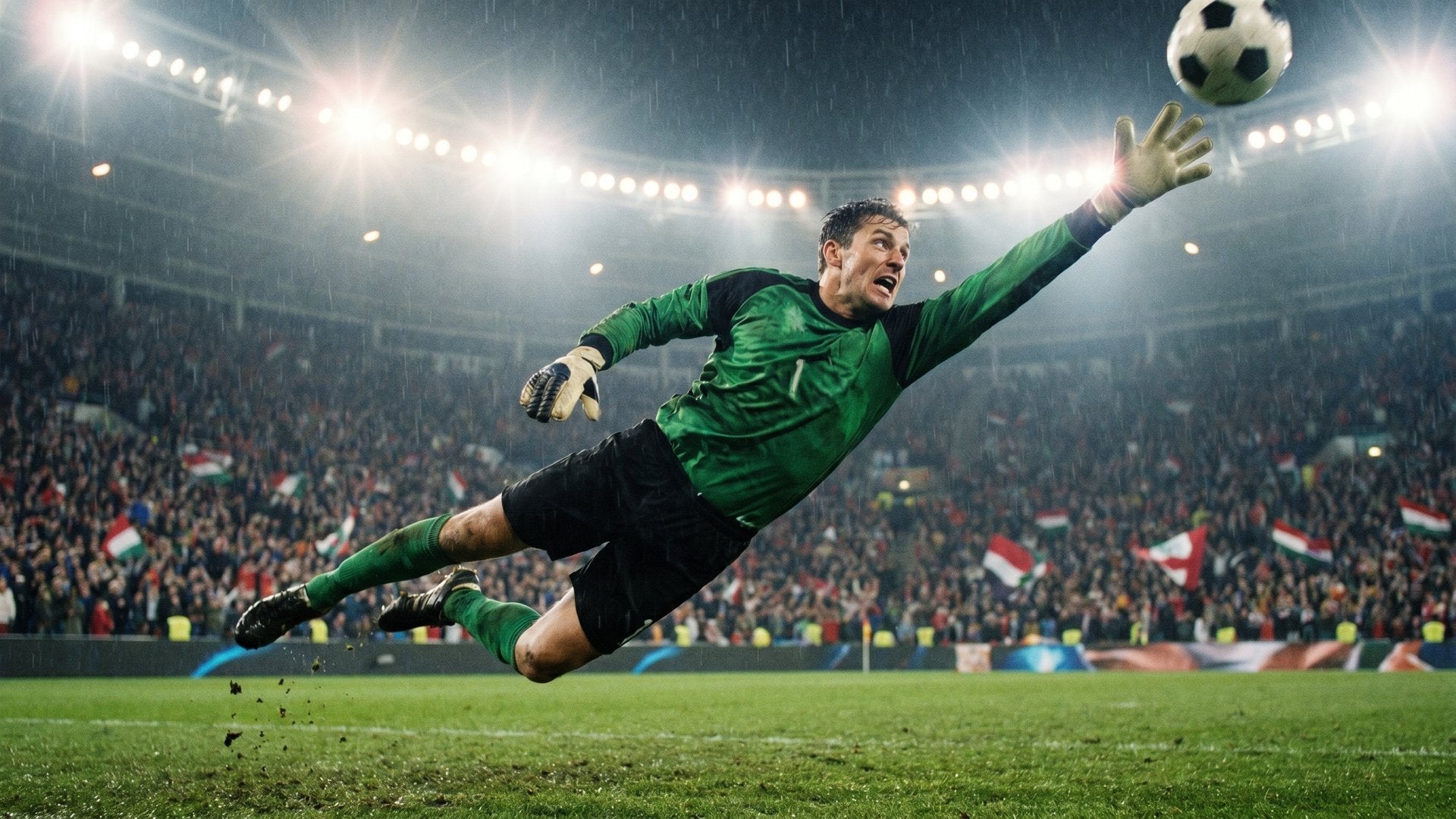
Every four years, the World Cup brings the world's most popular sport to a global audience of billions. This summer, with the tournament hosted across the United States, Canada, and Mexico, millions of American fans are watching soccer at the highest level for the first time or rediscovering it after years away. They are watching Vinicius Junior accelerate past defenders, Lamine Yamal thread passes through impossible spaces, and players from 48 nations compete for the sport's ultimate prize. They are also, whether they realize it or not, watching one of the most scientifically contested acts in all of sport: the header.
The soccer header — using the forehead to direct the ball in the air — is a fundamental skill that appears dozens of times in every match. It is also the subject of a growing body of research connecting repeated head impacts to neurological risk. Understanding what the science actually says, and what players can do about it, is increasingly important for everyone who plays, coaches, or parents a soccer player.
The Numbers Behind the Risk
Soccer is the second most concussion-prone sport in the United States for female athletes, behind only American football. The Centers for Disease Control reports that girls' soccer produces 8.4 concussions per 10,000 athletic exposures — a figure that has prompted youth leagues across the country to implement heading restrictions for players under 11 and, in some cases, under 14.
Approximately one in three concussions in girls' soccer occurs during heading. For boys, the figure is approximately one in four. These numbers reflect not just the frequency of heading in the game, but the biomechanical reality that heading is a high-impact activity that places significant force on the brain, even when performed with correct technique.
A landmark study published in a peer-reviewed medical journal found that female soccer players are 2.63 times more likely than male soccer players to suffer a concussion from heading the ball. This disparity is not explained by technique differences alone. Research points to anatomical factors — including differences in neck strength and neck muscle activation patterns — that result in female athletes experiencing greater head acceleration during equivalent impacts. When the neck cannot adequately stabilize the head during a heading challenge, more of the ball's force is transmitted to the brain.
What Heading Actually Does to the Brain
A soccer ball struck at match speed can reach velocities between 40 and 70 miles per hour. When a player heads that ball, the impact lasts approximately 10 to 25 milliseconds and generates a force that causes the brain to move within the skull. In a single heading incident, this movement is typically sub-concussive — below the threshold for a diagnosed concussion. But the cumulative effect of hundreds or thousands of sub-concussive impacts over a playing career is an area of active and concerning research.
Studies using diffusion tensor imaging (DTI) have found measurable changes in white matter microstructure in soccer players who head the ball frequently, even in the absence of diagnosed concussions. Research from the Albert Einstein College of Medicine found that players who headed the ball more than 1,800 times per year showed cognitive differences compared to those who headed less frequently. These findings do not establish that heading causes permanent damage in all players, but they have been sufficient to prompt governing bodies, including the English Football Association and US Soccer, to implement heading restrictions at the youth level.
The Neck Strength Solution
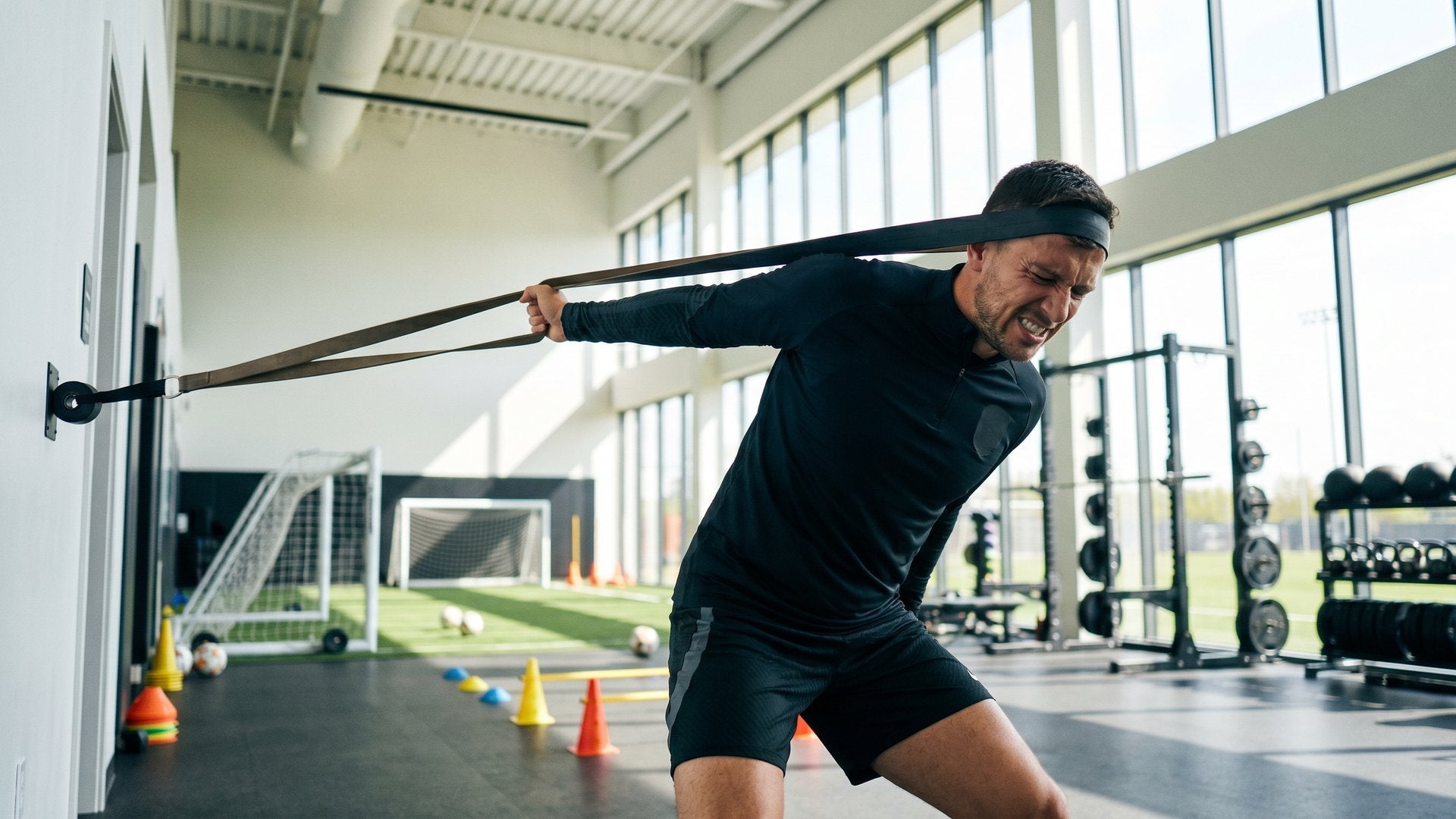
The most actionable finding in the concussion science literature for soccer players is the relationship between neck strength and head acceleration. Multiple peer-reviewed studies have established that athletes with stronger neck muscles experience smaller head acceleration responses during impacts. The physics are straightforward: a stronger neck acts as a more effective shock absorber, distributing the force of impact across a larger muscular system rather than allowing it to travel directly to the brain.
A 2022 study published in the International Journal of Sports Physical Therapy found that a six-week cervical strengthening program improved both heading biomechanics and neurocognition in soccer players. Players who completed the program showed measurably better head control during heading challenges and performed better on cognitive assessments following heading sessions. A 2021 study found that adding neck exercises to the FIFA 11+ warm-up program — the standard injury prevention protocol used by youth and amateur clubs worldwide — reduced head impact magnitude during heading.
The implication for players, coaches, and parents is significant. Heading restrictions are one tool for managing risk, particularly at the youth level where players are still developing. But for players who will continue to head the ball as part of their game, building neck strength is the most evidence-based proactive measure available. It does not eliminate the risk of heading-related injury, but it meaningfully reduces it.
What the 2026 World Cup Is Doing About It
The 2026 World Cup introduced landmark concussion rule changes that reflect the sport's evolving understanding of head injury risk. For the first time, players suspected of suffering a head injury must be assessed by an independent doctor — not the team's own medical staff. Each team receives a dedicated concussion substitution that does not count against their regular substitution allowance. VAR can now flag potential head injuries for review.
These rules address what happens after a head injury occurs. They are an important step. But the science of neck strength points to what athletes can do before they ever step on the field. The players competing at the World Cup this summer represent the highest level of athletic preparation in the sport. Increasingly, that preparation includes dedicated cervical strengthening — building the muscular foundation that makes every header, every aerial challenge, and every collision safer.
For players at every level who want to take the same proactive approach to neck health, visit iron-neck.com.
- Jonathan Klinsmann's Broken Neck and What It Teaches Us About Soccer Safety
- How to Strengthen Your Neck for Soccer: A Complete Training Guide
- Why Women Soccer Players Face a Higher Concussion Risk
- Neck Exercises Every Soccer Player Should Do Before Heading the Ball
- How World Cup Players Train Their Necks for Performance and Protection
- FIFA World Cup 2026 Concussion Rules: What Every Soccer Player Needs to Know
- The Parent's Guide to Concussion Prevention in Youth Soccer
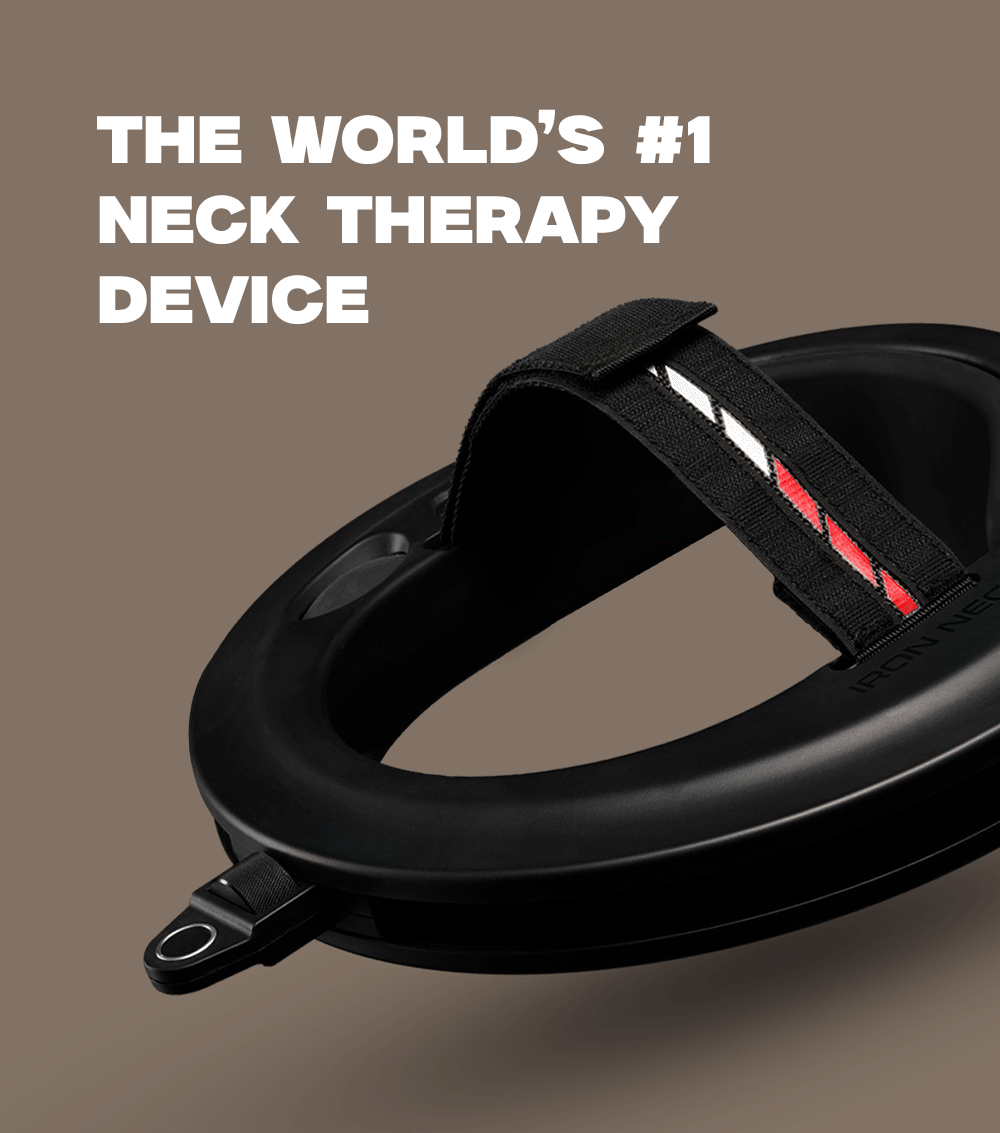
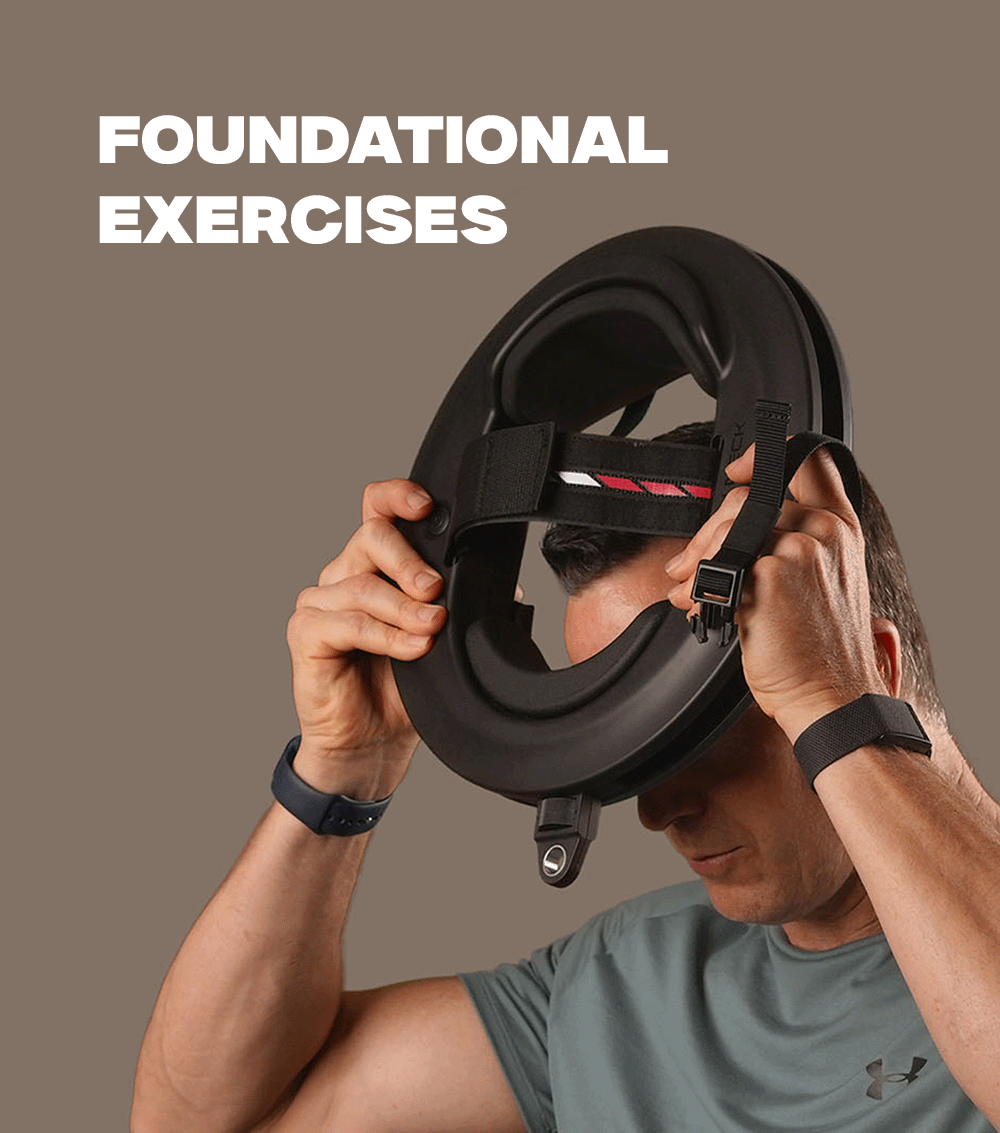
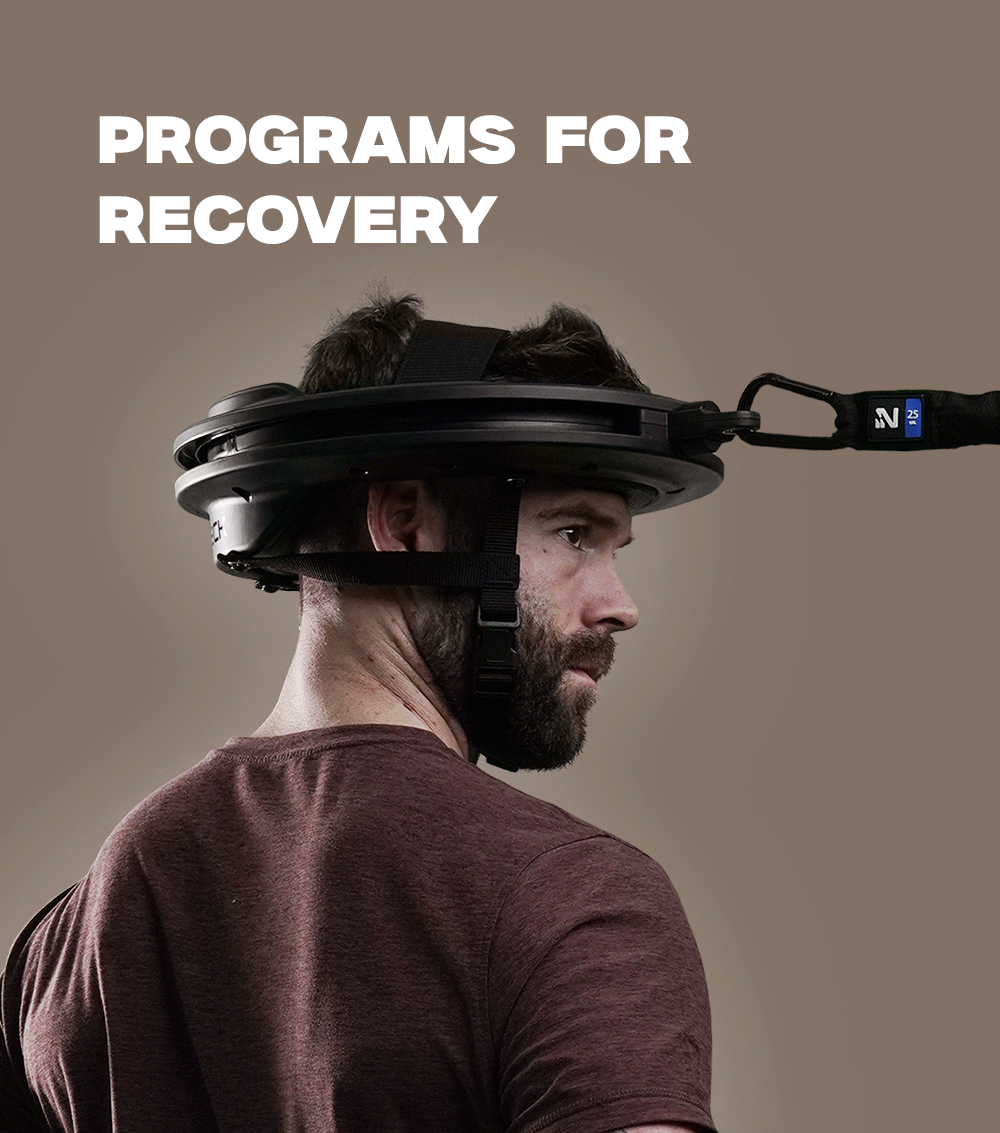
Iron Neck is the only device that trains your neck through 360 degrees of resistance, combining rotation, extension, and lateral movement in one tool. Used by NFL teams, UFC fighters, and physical therapists.
Leave a comment
This site is protected by hCaptcha and the hCaptcha Privacy Policy and Terms of Service apply.