



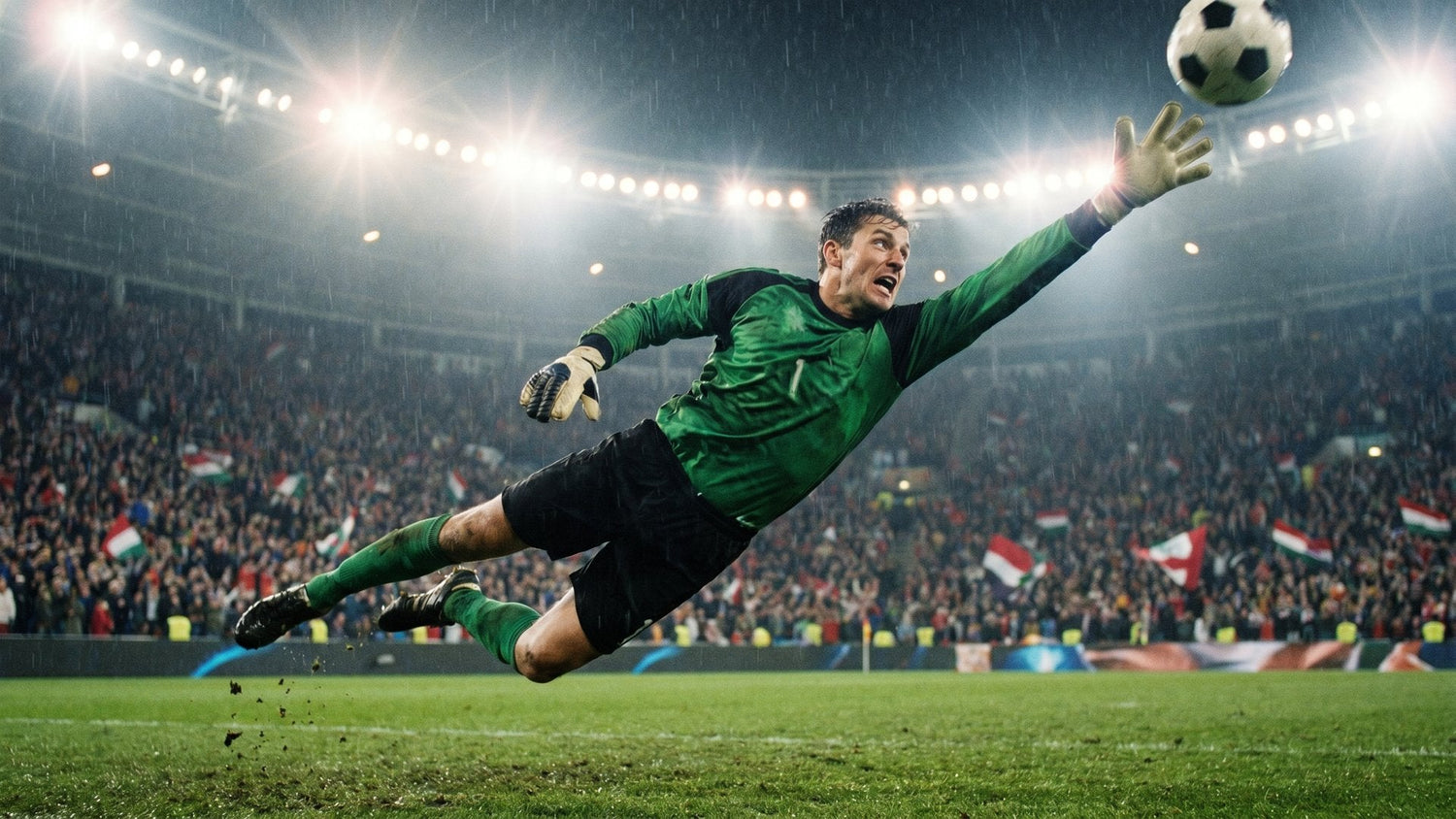
On April 20, 2026, American goalkeeper Jonathan Klinsmann was stretchered off the field in a neck brace during a Serie B match between his club Cesena and Palermo in Sicily. Tests at the hospital confirmed what the scene on the pitch had already suggested: Klinsmann had fractured the first vertebra in his neck, the C1, in a collision with an opposing player. He underwent successful surgery two days later. The soccer world responded with an outpouring of support, including a message from former USWNT goalkeeper Hope Solo, who wrote that "a broken neck is not just part of the game."
Solo's words captured something important. Cervical spine injuries in soccer are rare enough that they shock the public when they happen, but the forces that cause them are present in every aerial challenge, every goalkeeper collision, and every high-speed contact situation the sport produces. Understanding what happened to Klinsmann — and what the sport can learn from it — is not about dwelling on a worst-case scenario. It is about taking seriously the anatomy that every soccer player carries onto the field.
The Cervical Spine in Soccer: Anatomy Under Pressure
The cervical spine consists of seven vertebrae that connect the skull to the thoracic spine. The top two vertebrae, C1 (the atlas) and C2 (the axis), are structurally unique: C1 forms the ring that supports the skull and allows nodding motion, while C2 provides the pivot for rotational movement. These two vertebrae bear the full weight of the head — approximately 10 to 12 pounds — and are the most mechanically stressed part of the spine during sudden impact.
In soccer, the cervical spine is exposed to forces during heading challenges, goalkeeper dives and collisions, and high-speed contact between players competing for the ball. A goalkeeper diving at the feet of an oncoming player, as the circumstances of Klinsmann's injury involved, places the neck in a particularly vulnerable position: the head is extended forward, the muscles may not be fully braced for impact, and the force of the collision is transmitted directly to the cervical vertebrae.
Fractures of the C1 vertebra, known as Jefferson fractures, occur when axial force is applied to the top of the skull and distributed outward through the ring of the atlas. They are serious injuries that require immediate immobilization and often surgical intervention. Klinsmann's successful surgery and the speed of the medical response were critical factors in his outcome.
What the Neck Muscles Do — and What Happens When They Cannot
The cervical musculature serves as the primary shock-absorbing system for the head and brain. When the neck muscles are strong, engaged, and properly braced at the moment of impact, they absorb and distribute force across a larger surface area, reducing the load transmitted to the vertebrae and the brain. When the muscles are relaxed, fatigued, or insufficiently developed, the full force of an impact reaches the skeletal and neurological structures with far less buffering.
This is the physiological basis for the growing body of research connecting neck strength to reduced concussion risk and improved safety outcomes in contact sports. A study published in the International Journal of Sports Physical Therapy found that athletes with stronger necks experience measurably smaller head acceleration responses during impacts. Research from the University of Michigan demonstrated that neck strength deficit is a documented risk factor for concussion in high school and collegiate athletes across multiple sports, including soccer.
The implication is not that a stronger neck would have prevented Klinsmann's specific injury — high-energy collisions can exceed the protective capacity of any musculature. The implication is that for the vast majority of contact situations that soccer players encounter across a career, a well-trained cervical musculature provides a meaningful layer of protection that most players currently lack.
The Training Gap in Soccer
Soccer's strength and conditioning culture has historically focused on the lower body — the legs, hips, and core that drive speed, power, and endurance. The neck is almost universally undertrained, despite being directly involved in heading, aerial challenges, and collision scenarios that occur in every match. Most soccer players, from youth to professional, have never done a single dedicated cervical strengthening exercise.
This is beginning to change. Elite clubs in Europe and North America have started incorporating neck training into their S&C programs, particularly for goalkeepers and central defenders who face the highest frequency of aerial and collision challenges. The FIFA 11+ warm-up program, widely used at the youth and amateur level, was updated to include neck exercises after research showed they reduced head impact magnitude during heading.
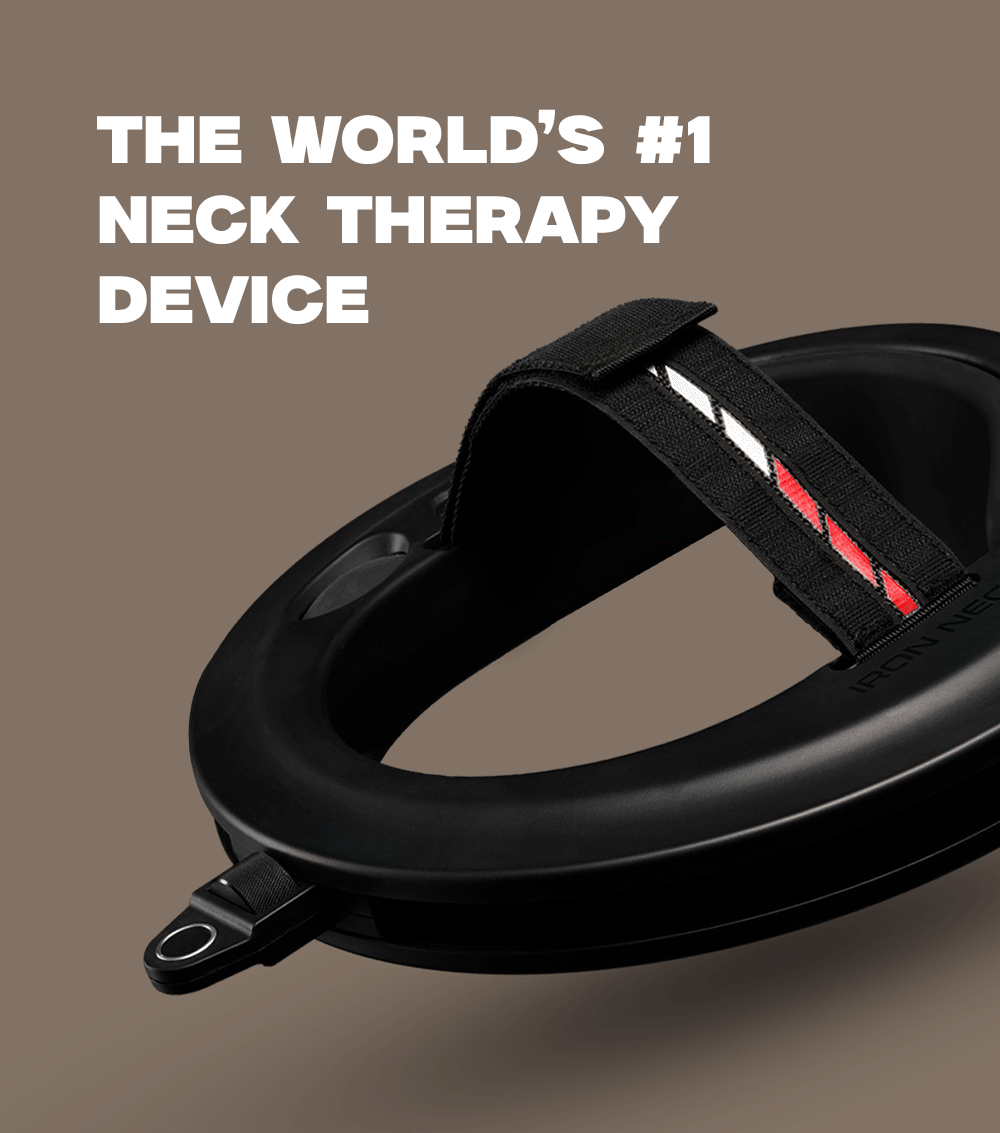
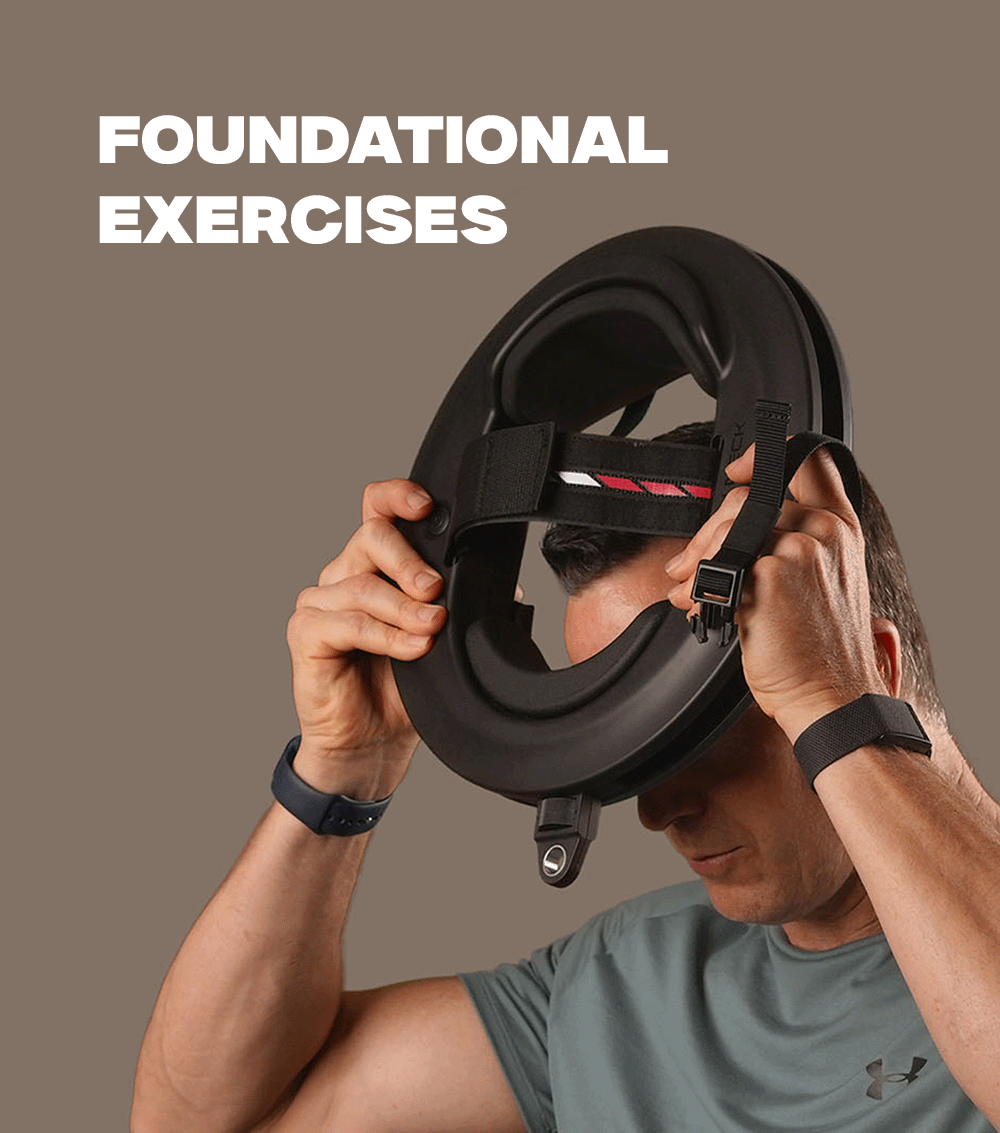
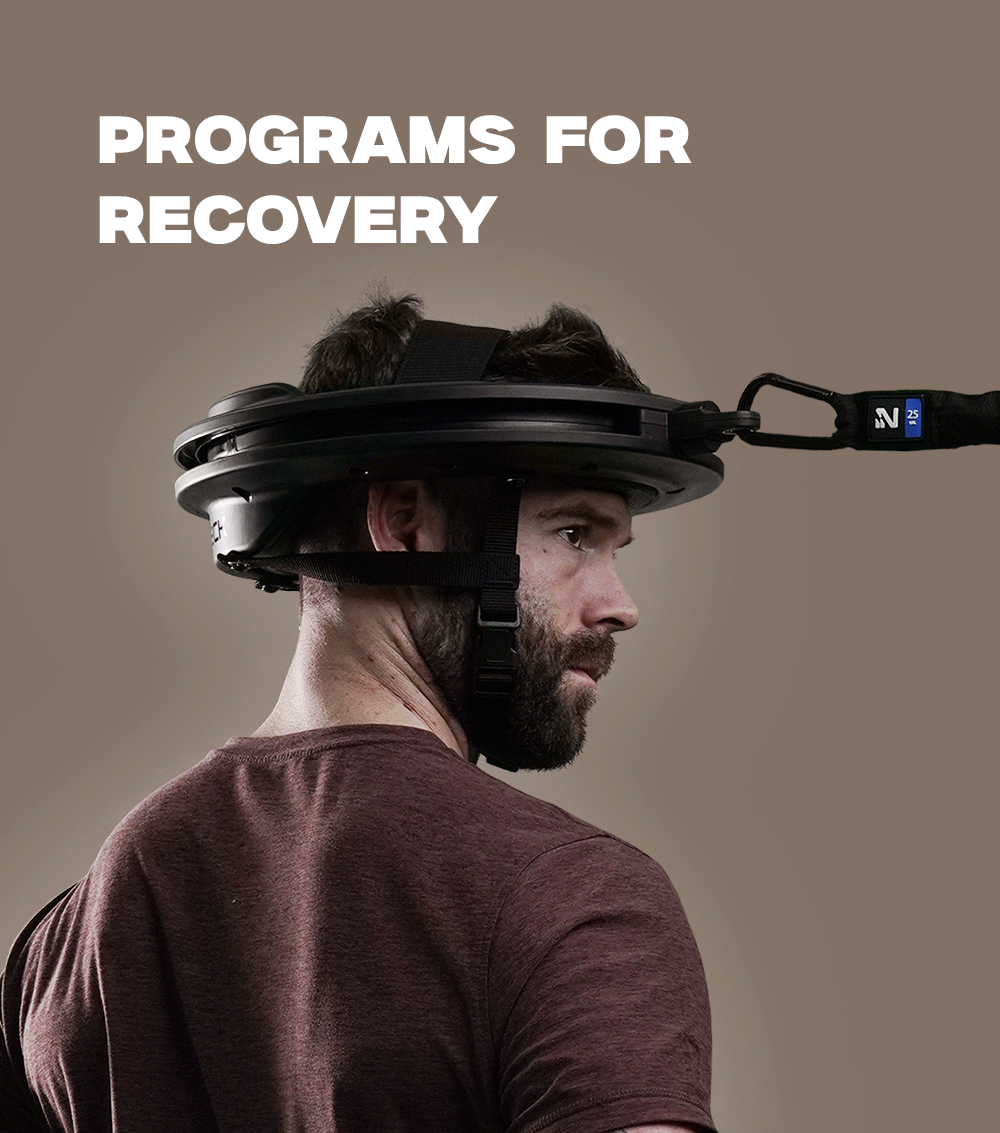
Training the neck for soccer means developing strength and stability across multiple planes of movement. Rotation and extension are the primary movement patterns relevant to heading and collision scenarios — the ability to actively control the head's position and absorb force through the full range of cervical motion. Isometric holds, resistance band work, and specialized cervical training tools build this capacity progressively and safely.
A Different Conversation About Soccer Safety
Jonathan Klinsmann's injury sparked a conversation about the risks that soccer players accept as part of the game. That conversation is worth having — not to frighten players or parents, but to ensure that the sport's culture of toughness does not come at the expense of informed preparation. Players who understand the anatomy of their cervical spine, who train the muscles that protect it, and who know the warning signs of serious neck injury are better equipped to play the game safely and to advocate for themselves when something goes wrong.
The sport is also changing its rules to better protect players at the highest level. The 2026 World Cup introduced independent concussion assessments, mandatory exit protocols for players receiving on-field treatment, and dedicated concussion substitutions. These structural changes matter. But they address what happens after an injury. The work of building a neck strong enough to reduce the risk in the first place happens in training, before the match begins.
To explore neck training programs designed for athletes, visit iron-neck.com.
- Soccer Heading and Concussion: The Science Every World Cup Fan Should Know
- How to Strengthen Your Neck for Soccer: A Complete Training Guide
- Why Women Soccer Players Face a Higher Concussion Risk
- Neck Exercises Every Soccer Player Should Do Before Heading the Ball
- How World Cup Players Train Their Necks for Performance and Protection
- FIFA World Cup 2026 Concussion Rules: What Every Soccer Player Needs to Know
- The Parent's Guide to Concussion Prevention in Youth Soccer
Iron Neck is the only device that trains your neck through 360 degrees of resistance, combining rotation, extension, and lateral movement in one tool. Used by NFL teams, UFC fighters, and physical therapists.


Leave a comment
This site is protected by hCaptcha and the hCaptcha Privacy Policy and Terms of Service apply.