



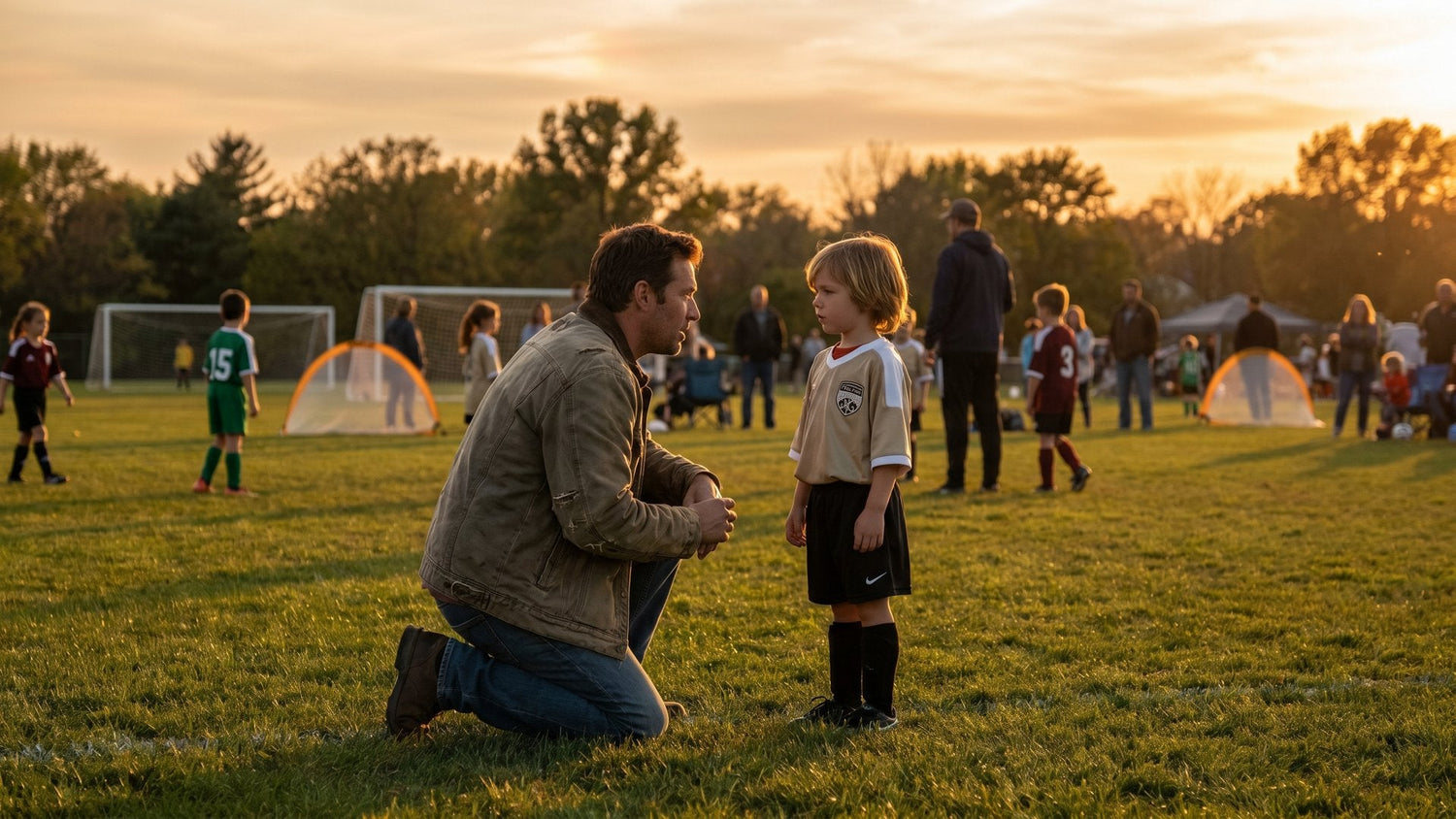
If your child plays soccer, you have probably thought about concussions. Maybe it was after watching a player go down during a match and not get up right away. Maybe it was after reading a news story about a professional player's injury, or after the 2026 World Cup introduced new rules specifically designed to protect players from head injuries. Whatever brought you here, the fact that you are asking the question is the right instinct. Youth soccer carries a real concussion risk, and informed parents are one of the most important protective factors in a young athlete's safety.
This guide is not designed to frighten you. It is designed to give you the information you need to make good decisions, ask the right questions of your child's coaches and club, and understand what proactive steps are available to reduce your child's risk without taking them out of a sport that offers genuine physical, social, and developmental benefits.
Understanding the Real Risk in Youth Soccer
Youth soccer is one of the most popular sports in the United States, with millions of players between the ages of 5 and 18. It is also one of the sports with the highest concussion rates. Girls' soccer produces 8.4 concussions per 10,000 athletic exposures, making it the second most concussion-prone sport in the country behind American football. Boys' soccer has a lower rate but is still among the higher-risk youth sports.
Approximately one in three concussions in girls' soccer and one in four in boys' soccer occurs during heading. The remainder occur during player-to-player collisions, falls, and contact with the goalpost or ground. This means that heading is a significant but not exclusive source of concussion risk — a fact worth keeping in mind when evaluating any single intervention.
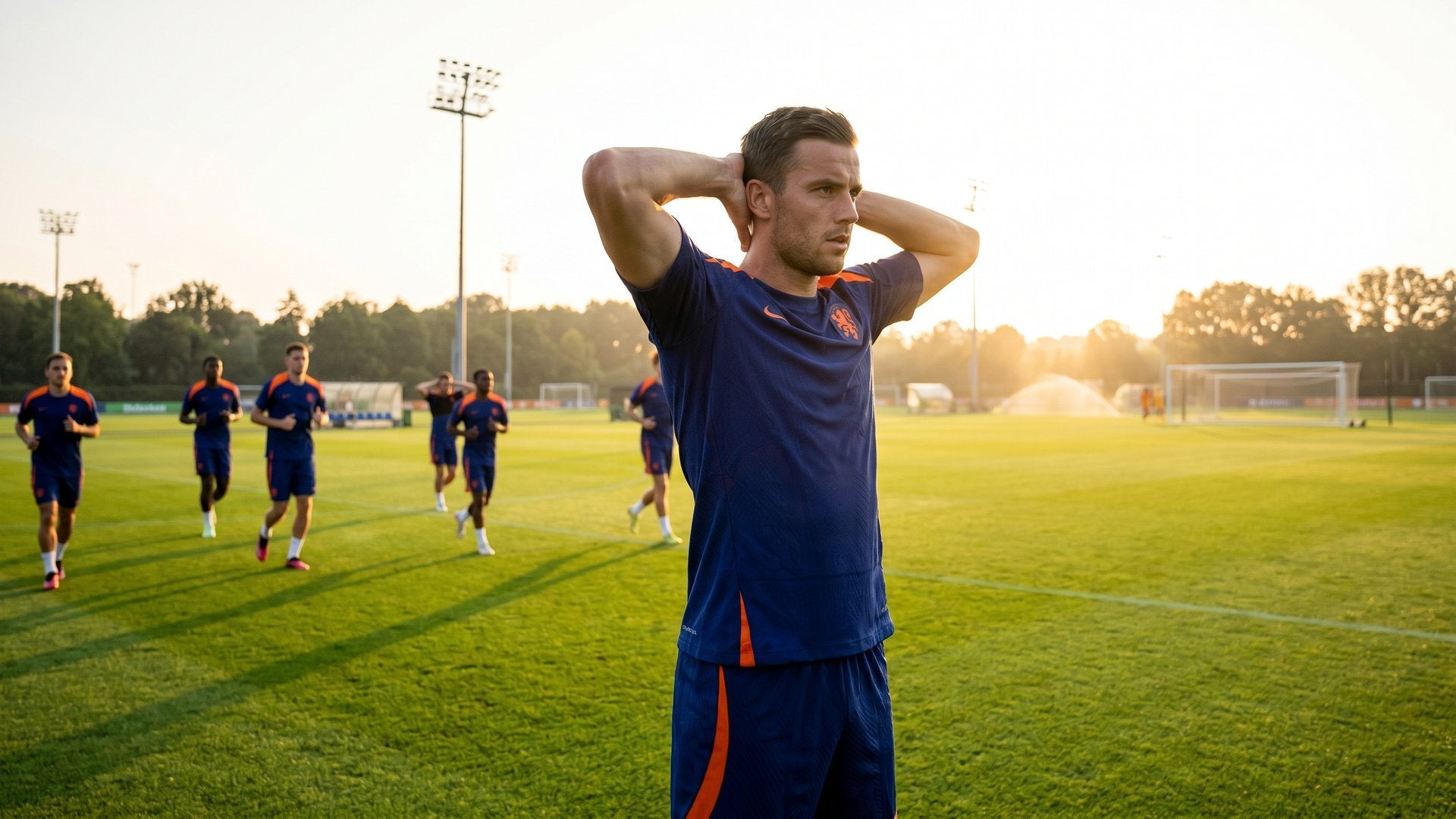
The 2026 World Cup's new concussion rules — including mandatory independent assessments by neutral doctors, dedicated concussion substitutions, and VAR review for head injuries — signal that even at the highest level of the sport, the governing bodies have recognized that previous protocols were insufficient. If the world's best-resourced soccer organizations needed to overhaul their approach to head injuries, that is a meaningful signal for what youth programs should be doing as well.
Recognizing Concussion Symptoms
The most important thing a parent can do in the immediate aftermath of a potential concussion is recognize the symptoms and ensure their child is removed from play. The standard guideline is "when in doubt, sit it out" — a player who may have sustained a concussion should not return to play on the same day, regardless of how they feel in the moment. Symptoms can be delayed by hours after the initial impact.
Common concussion symptoms include headache or a feeling of pressure in the head, nausea or vomiting, dizziness or balance problems, blurry or double vision, sensitivity to light or noise, feeling sluggish or foggy, difficulty concentrating or remembering, and changes in sleep patterns. In younger children, increased irritability, changes in behavior, and difficulty with school work can also indicate a concussion.
If your child shows any of these symptoms after a head impact, remove them from play immediately and seek evaluation from a healthcare provider. A concussion is a traumatic brain injury. It requires the same seriousness as any other injury that would prompt you to take your child to a doctor.
Talking to Your Child's Coach About Safety
Coaches are the front line of player safety in youth soccer. A coach who takes concussion protocols seriously, enforces heading restrictions where they apply, and creates a culture where players feel safe reporting symptoms is one of the most important protective factors available. As a parent, you have both the right and the responsibility to understand your child's club's approach to head injury management.
Questions worth asking include: What is the club's protocol when a player sustains a potential head injury? Does the club follow US Soccer's heading restrictions for players under 11? Is there a certified athletic trainer present at practices and matches? What training do coaches receive on concussion recognition and management? How does the club handle a player who wants to return to play after a head injury?
A club that cannot answer these questions clearly, or that dismisses them as overcautious, is a club whose safety culture warrants scrutiny. The 2026 World Cup's new rules have made clear that independent, evidence-based concussion management is the standard at the highest level of the sport. Youth clubs should be moving in the same direction.
The Proactive Step Most Parents Don't Know About
Beyond recognizing symptoms and ensuring proper protocols are followed, there is a proactive step that the science supports and that most youth soccer families have never heard of: neck strengthening.
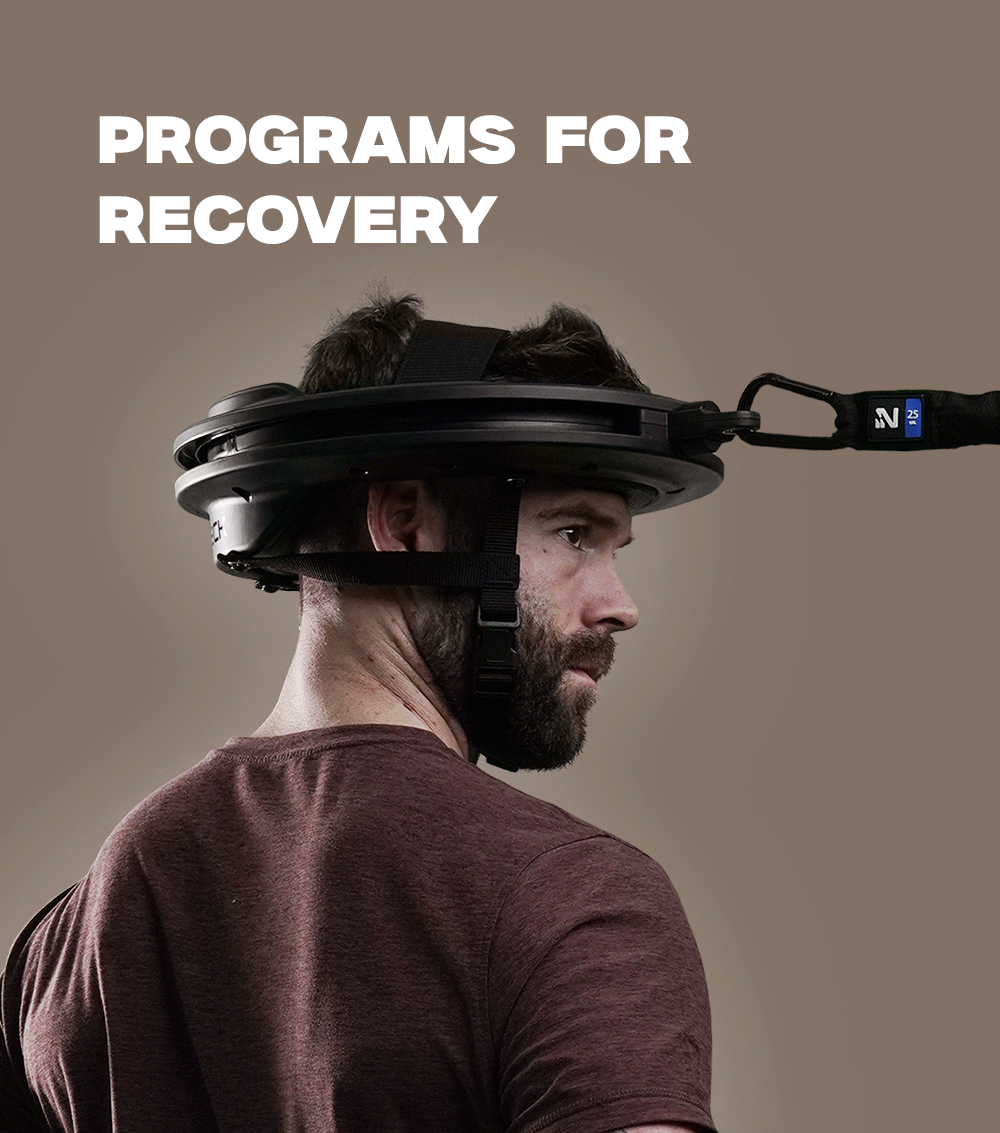
Research has established that athletes with stronger necks experience smaller head acceleration responses during impacts. Female athletes, who face a disproportionate concussion risk in soccer, have on average significantly less cervical muscle mass than male athletes — a gap that translates directly to greater head acceleration during heading challenges. A six-week cervical strengthening program has been shown to improve heading biomechanics and reduce head impact magnitude in soccer players.
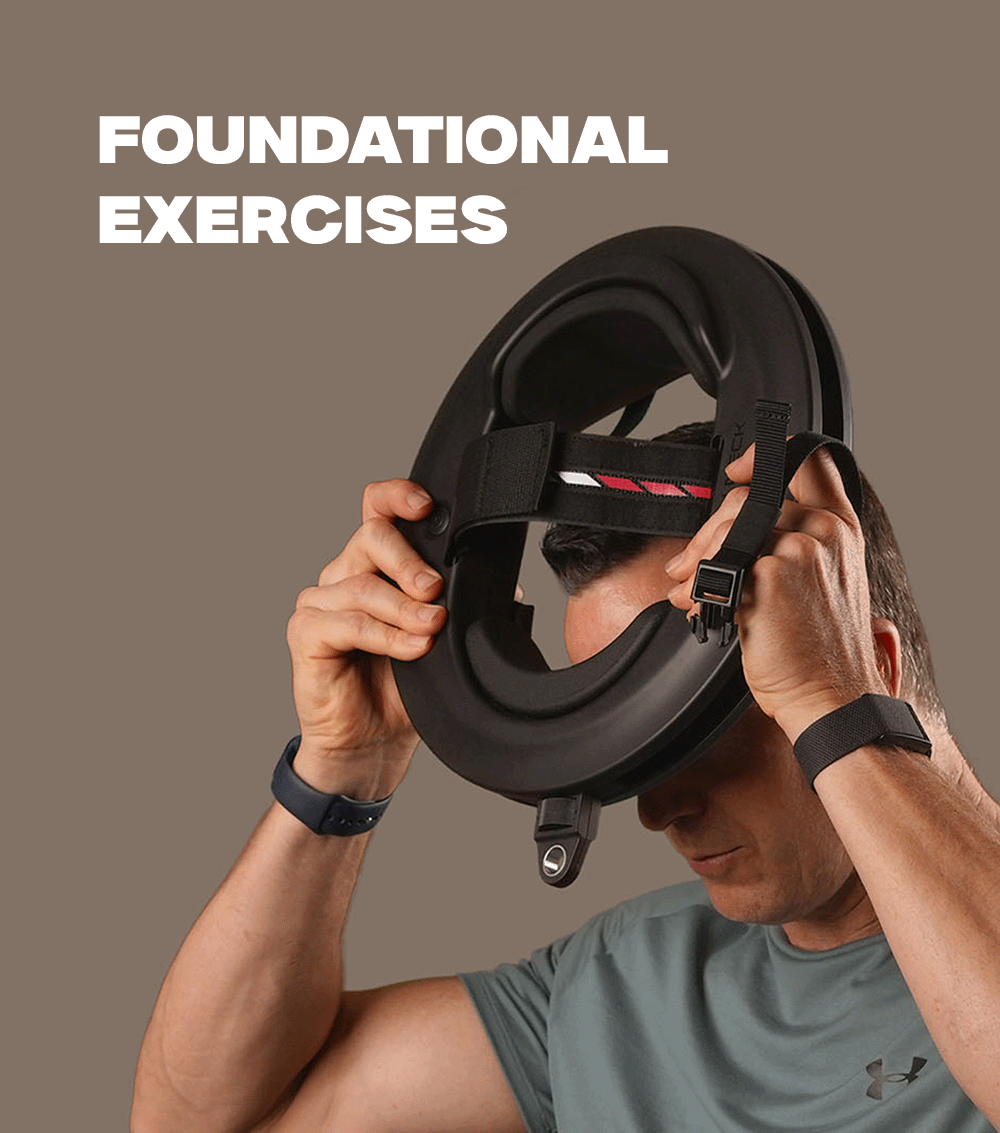
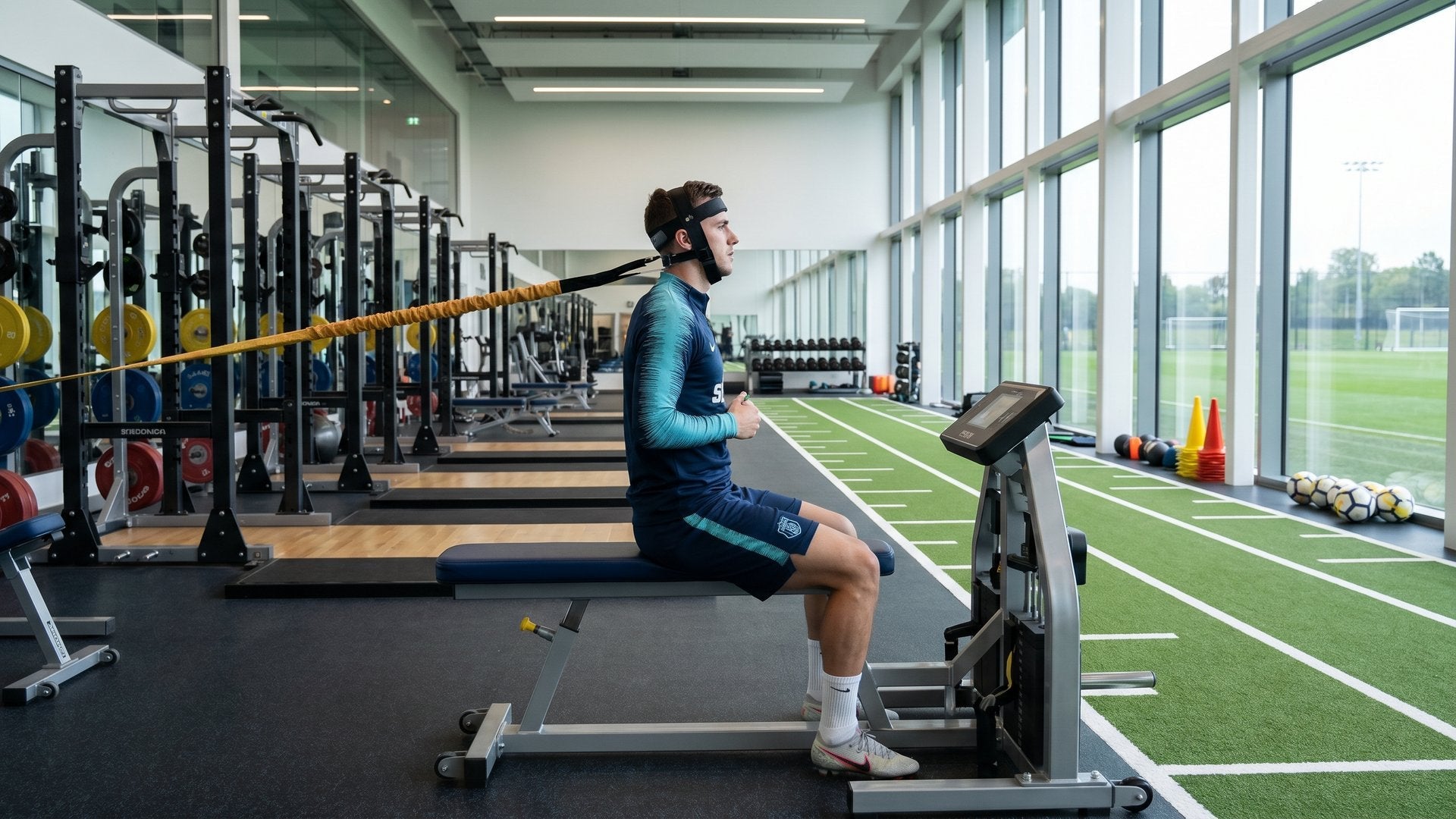
The practical implication is that neck training — isometric exercises, resistance band work, and progressive cervical strengthening — is one of the most evidence-based proactive measures available for reducing concussion risk in soccer. It does not require expensive equipment to start. Basic isometric exercises can be performed anywhere, require no equipment, and produce measurable improvements in neck strength within six weeks of consistent practice.
For younger players, the emphasis should be on building the habit of neck activation as part of a warm-up routine. For older players and teenagers, progressive resistance training can build the cervical strength that meaningfully reduces head acceleration during the heading challenges they will face in competitive play.
A Partnership Between Parents, Coaches, and Players
Concussion prevention in youth soccer is not the responsibility of any single person. It requires parents who are informed and engaged, coaches who take safety protocols seriously, clubs that invest in proper training and medical support, and players who feel empowered to report symptoms without fear of being benched or judged. The 2026 World Cup has brought this conversation to a global audience. The opportunity is to let that visibility translate into better practices at every level of the game.
Your child deserves to play soccer with the best possible protection. That starts with the information in this guide and continues with the proactive steps — neck training, proper warm-up, honest communication about symptoms — that give every young player the strongest possible foundation.
To learn more about neck training programs for young athletes, visit iron-neck.com.
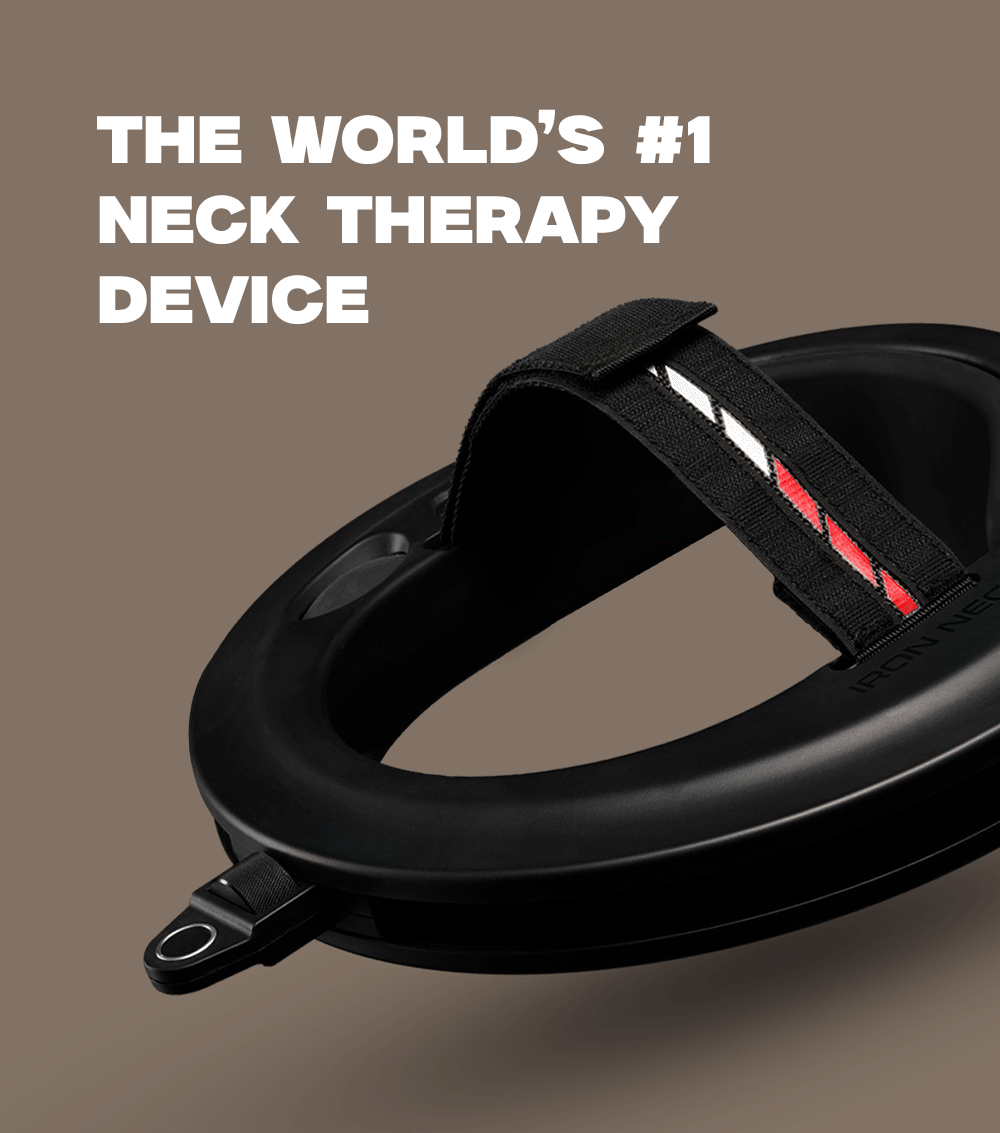
Iron Neck is the only device that trains your neck through 360 degrees of resistance, combining rotation, extension, and lateral movement in one tool. Used by NFL teams, UFC fighters, and physical therapists.
Leave a comment
This site is protected by hCaptcha and the hCaptcha Privacy Policy and Terms of Service apply.