



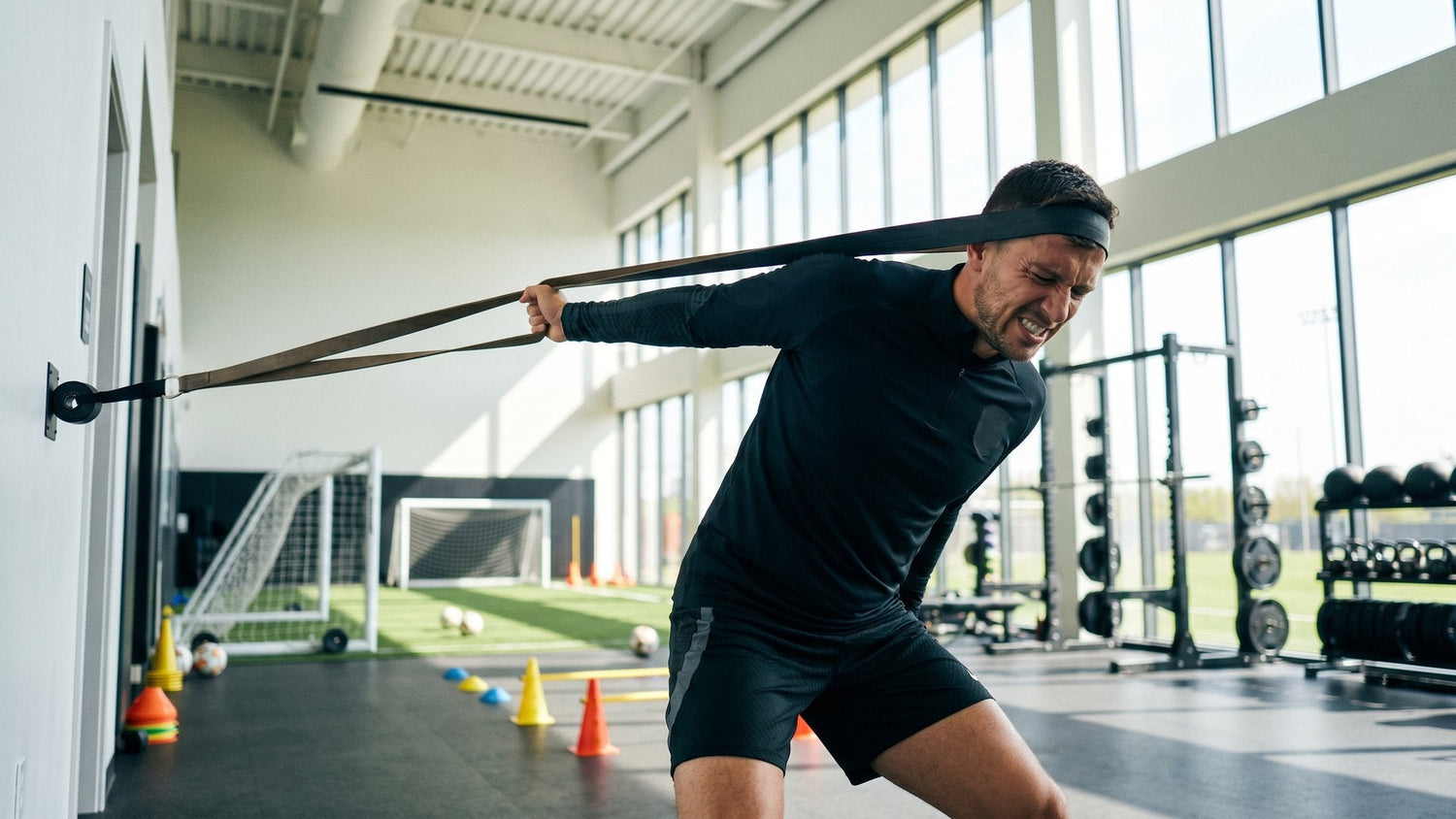
Ask a soccer player to describe their training routine and you will hear about sprint intervals, agility ladders, shooting drills, and hours of technical work with the ball. Ask them about their neck training and you will almost always be met with a blank stare. The neck is the most consistently undertrained muscle group in soccer, despite being directly involved in heading, aerial challenges, and every collision situation the game produces. That gap between how much the neck is used and how little it is trained represents one of the most straightforward injury prevention opportunities in the sport.
The science is clear: athletes with stronger necks experience smaller head acceleration responses during impacts. A six-week cervical strengthening program has been shown to improve heading biomechanics and neurocognition. Adding neck exercises to a standard warm-up reduces head impact magnitude during heading. The question is not whether neck training matters for soccer players — it does. The question is how to do it correctly and consistently.
Understanding the Three Planes of Neck Movement
Effective neck training for soccer requires understanding that the cervical spine moves in three primary planes, and that strength is needed across all of them. Flexion and extension describe the forward and backward nodding motion. Lateral flexion describes the side-to-side tilting motion. Rotation describes the turning motion used when tracking the ball, scanning for opponents, and positioning for headers.
For soccer players, rotation and extension are the most functionally important movement patterns. A player heading the ball engages the neck in extension to generate power and in rotation to direct the ball. A player in an aerial challenge must stabilize the head against forces coming from multiple directions simultaneously. Training these movement patterns specifically — not just performing generic neck stretches — is what builds the functional strength that translates to the pitch.
It is worth noting that flexion-dominant training, such as the forward neck curl, is primarily associated with harness-based training tools and is less directly applicable to the soccer-specific movement patterns described above. The most relevant training for soccer players emphasizes controlled rotation and extension under resistance.
The Foundation: Isometric Holds
Isometric exercises — where the muscle contracts without changing length — are the safest and most effective starting point for neck training. They build the baseline strength and stability needed before progressing to dynamic resistance work.
The four-direction isometric hold is the foundational exercise. Place your palm against your forehead and press your head into your hand without allowing any movement. Hold for five seconds, then repeat with your hand on the back of your head, then each side. Perform three sets of five repetitions in each direction. This exercise can be done anywhere, requires no equipment, and builds the isometric strength that stabilizes the head during contact.
As strength develops, progress to resisted isometrics using a resistance band anchored at head height. Stand facing away from the anchor point with the band looped around your forehead. Resist the band's pull without allowing your head to move forward. This simulates the type of force the neck must resist during a heading challenge and builds the posterior cervical musculature that is most critical for head stabilization.
Dynamic Training: Rotation and Extension Under Load
Once isometric strength is established, dynamic training adds the movement-specific strength that translates directly to soccer performance. Controlled rotation exercises — turning the head against resistance through a full range of motion — build the rotational strength used when tracking the ball and positioning for headers. Extension exercises against resistance build the posterior chain strength that generates power in the heading motion and stabilizes the head in aerial challenges.
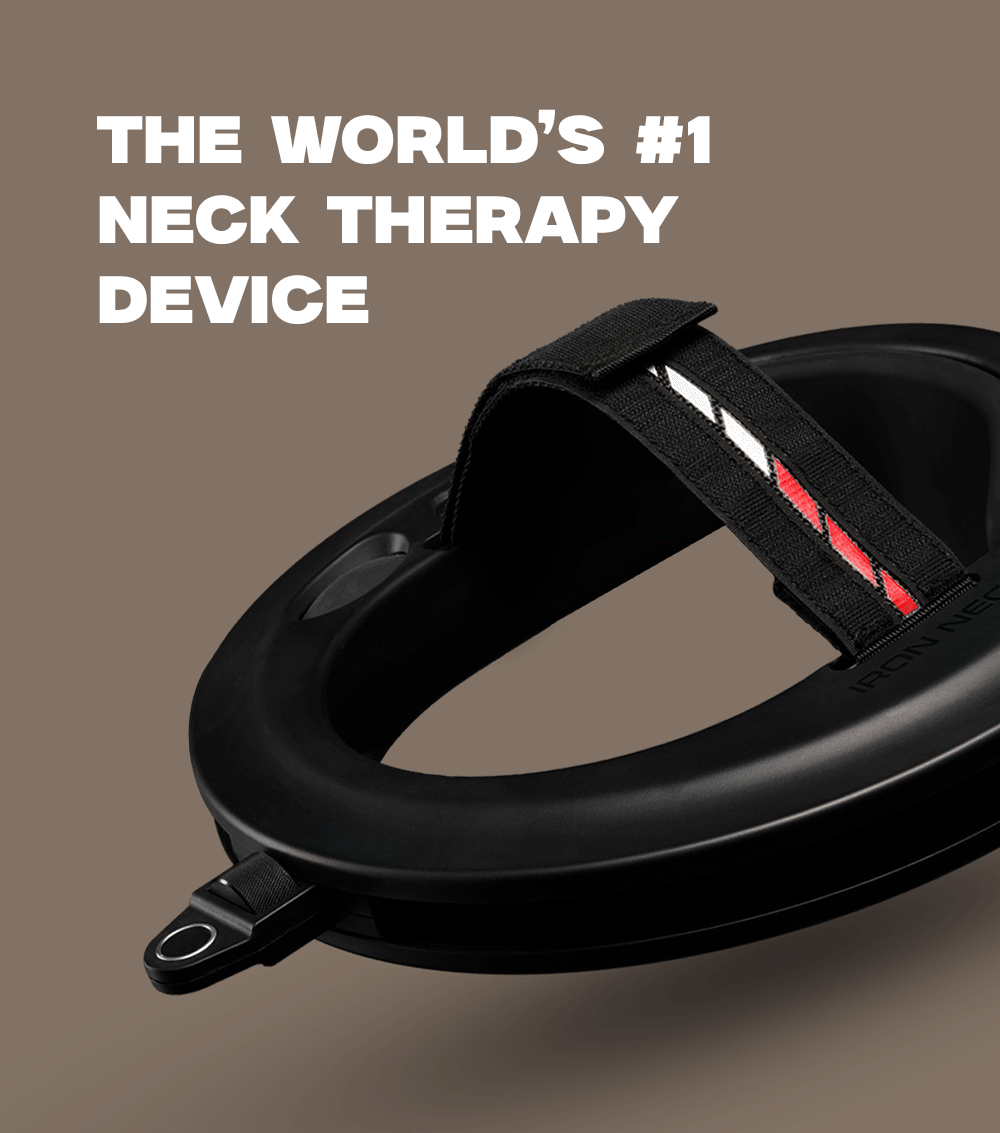
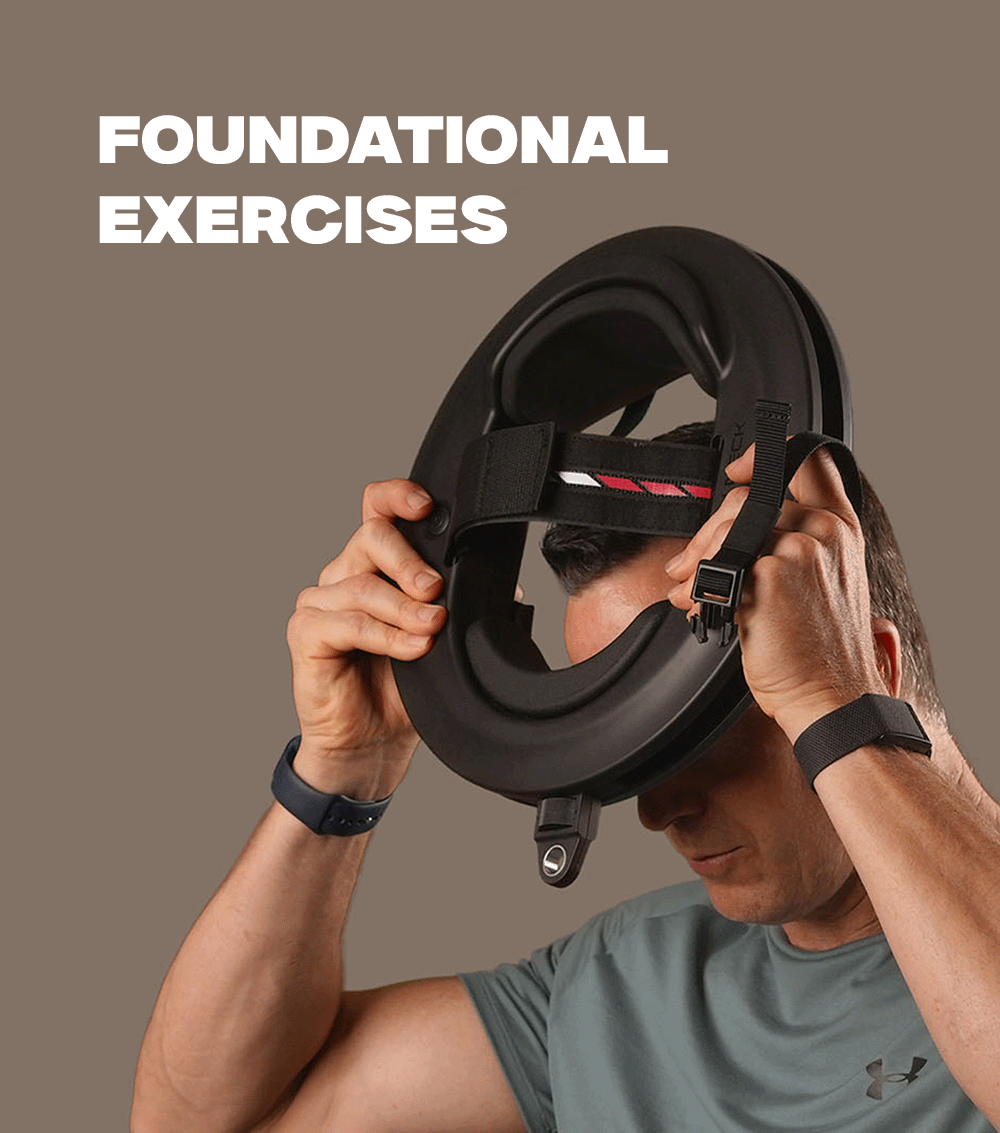
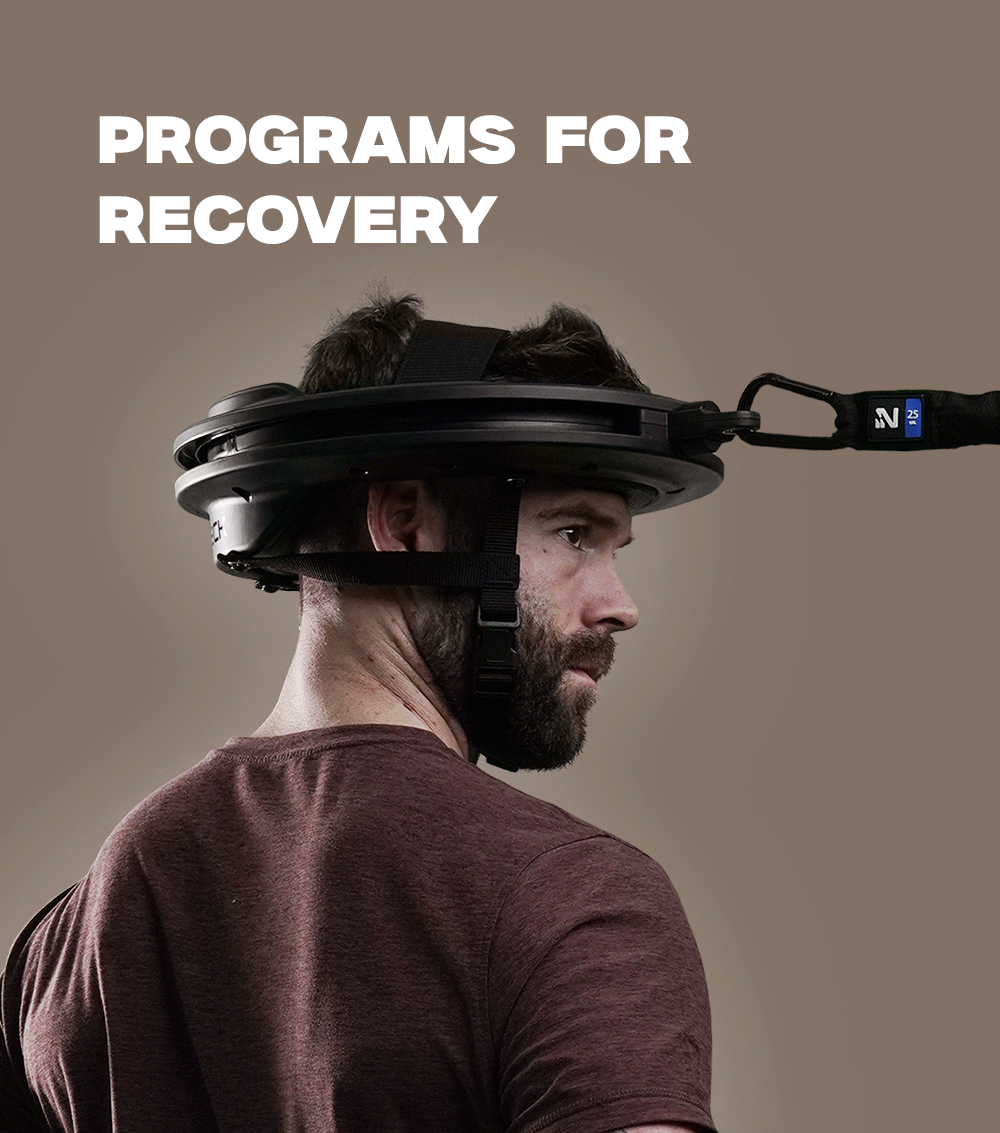
Specialized cervical training tools, such as the Iron Neck, allow athletes to train rotation and extension through a full 360-degree range of motion under consistent resistance. This type of training is used by professional athletes across multiple sports and is increasingly incorporated into the S&C programs of elite soccer clubs. The key advantage of dedicated cervical training equipment is the ability to apply progressive overload — gradually increasing resistance as strength develops — in the same way that strength training is applied to any other muscle group.
A Weekly Neck Training Protocol for Soccer Players
The following protocol is designed for soccer players at the intermediate level who have no history of cervical injury. Players with any history of neck injury should consult a sports medicine professional before beginning a cervical strengthening program.
Day 1 (Pre-Practice): Four-direction isometric holds, 3 sets of 5 reps each direction, 5-second holds. Controlled rotation warm-up, 10 repetitions each direction with no resistance.
Day 3 (Strength Session): Resistance band isometrics, 3 sets of 8 reps each direction. Dynamic rotation under resistance, 3 sets of 10 reps each direction. Extension holds against resistance, 3 sets of 8 reps.
Day 5 (Pre-Match or Pre-Practice): Dynamic warm-up only — controlled rotation and extension through full range of motion with no resistance, 10 repetitions each direction. This activates the cervical musculature without fatiguing it before competition.
Consistency over six to eight weeks produces measurable improvements in neck strength and heading biomechanics. The goal is not to build a bodybuilder's neck — it is to develop the functional stability and strength that makes every aerial challenge and heading situation safer and more controlled.
Starting Your Neck Training Journey
The most important step is simply starting. Most soccer players have never done a single dedicated neck exercise. Even a basic isometric program performed three times per week will produce meaningful improvements in cervical strength within six weeks. As the sport's governing bodies increasingly recognize the connection between neck strength and head safety — and as the 2026 World Cup's new concussion protocols signal where the game is heading — neck training is transitioning from an elite-level secret to a standard component of soccer preparation at every level.
To explore professional-grade cervical training tools and programs designed for athletes, visit iron-neck.com.
- Jonathan Klinsmann's Broken Neck and What It Teaches Us About Soccer Safety
- Soccer Heading and Concussion: The Science Every World Cup Fan Should Know
- Why Women Soccer Players Face a Higher Concussion Risk
- Neck Exercises Every Soccer Player Should Do Before Heading the Ball
- How World Cup Players Train Their Necks for Performance and Protection
- FIFA World Cup 2026 Concussion Rules: What Every Soccer Player Needs to Know
- The Parent's Guide to Concussion Prevention in Youth Soccer
Iron Neck is the only device that trains your neck through 360 degrees of resistance, combining rotation, extension, and lateral movement in one tool. Used by NFL teams, UFC fighters, and physical therapists.


Leave a comment
This site is protected by hCaptcha and the hCaptcha Privacy Policy and Terms of Service apply.