



Shoulder Strengthening Exercises for Long-Term Joint Health
The shoulder is the most mobile joint in the human body, and that mobility comes at a cost: it is also one of the most injury-prone. The glenohumeral joint sacrifices structural stability for range of motion, relying almost entirely on the rotator cuff muscles, the shoulder capsule, and the labrum for dynamic stability. When the muscles surrounding the shoulder are strong, balanced, and well-coordinated, the joint functions beautifully across an enormous range of motion. When they are weak, imbalanced, or poorly coordinated, the risk of injury, impingement, instability, and degenerative change increases substantially. Building and maintaining shoulder strength is therefore one of the most important investments you can make in your long-term joint health.
The Four Pillars of Shoulder Strength
Effective shoulder strengthening requires targeting four distinct components: rotator cuff strength, scapular stability, deltoid strength, and thoracic mobility. Most people who develop shoulder problems have deficits in at least two of these areas. A comprehensive strengthening program addresses all four.
The rotator cuff consists of four muscles, the supraspinatus, infraspinatus, teres minor, and subscapularis, that wrap around the humeral head and provide the dynamic stability that the glenohumeral joint requires. The scapular stabilizers, particularly the lower and mid trapezius and serratus anterior, control the position of the shoulder blade and determine the mechanical efficiency of every movement the arm makes. The deltoid provides the primary power for shoulder elevation and abduction. And thoracic mobility, while not a muscle group, determines the range of motion available to the shoulder by influencing the position of the shoulder blade relative to the rib cage.
Rotator Cuff Strengthening Exercises
The rotator cuff is best trained through exercises that specifically target the individual muscles in their primary planes of action, rather than through compound movements that use the rotator cuff only as a stabilizer.
Band External Rotation: Attach a resistance band to a fixed point at elbow height. Stand sideways to the band with your arm closest to the anchor. Hold the band with that hand, elbow bent to 90 degrees and pressed against your side. Rotate your forearm outward against the resistance. Return slowly. Perform 3 sets of 15 repetitions per side. This exercise primarily targets the infraspinatus and teres minor, the external rotators that are most commonly weak in people with shoulder problems. The Iron Neck resistance bands are ideal for this exercise, offering the right resistance range for rotator cuff work.
Band Internal Rotation: Reverse your position so that your arm is farthest from the anchor. Rotate your forearm inward against the resistance. Perform 3 sets of 15 repetitions per side. This targets the subscapularis, the largest rotator cuff muscle and the primary internal rotator of the shoulder.
Side-Lying External Rotation: Lie on your side with your top arm bent to 90 degrees at the elbow. Hold a light dumbbell. Rotate your forearm upward until it is perpendicular to the floor. Return slowly. Perform 3 sets of 15 repetitions per side. This is a more demanding version of the band external rotation exercise and provides excellent infraspinatus isolation.
Empty Can Exercise: Hold a light dumbbell in each hand. Raise your arms to the side at a 30-degree angle forward of the frontal plane (the "scapular plane"), thumbs pointing down. Raise to shoulder height and lower slowly. Perform 3 sets of 12 repetitions. This exercise targets the supraspinatus in its primary plane of action.
Scapular Stabilizer Exercises
The scapular stabilizers are the foundation of shoulder function. Without proper scapular control, the rotator cuff cannot function efficiently, and the risk of impingement and instability increases significantly.
Face Pulls: Attach a resistance band at face height. Pull the band toward your face while simultaneously externally rotating your shoulders. Squeeze your shoulder blades together and down at the end of the movement. Perform 3 sets of 15 repetitions. Face pulls are arguably the single most important exercise for shoulder health, training the posterior rotator cuff, lower trapezius, and mid trapezius simultaneously.
Prone Y-T-W Raises: Lie face down with your arms extended overhead in a Y position. Lift your arms off the floor by squeezing your lower trapezius. Hold for 2 seconds and lower. Move your arms to a T position and repeat. Then bend your elbows to 90 degrees in a W position and repeat. Perform 2 sets of 10 repetitions in each position. This exercise is the gold standard for lower trapezius training.
Serratus Anterior Push-Up Plus: Begin in a push-up position. At the top of the push-up, push your shoulder blades apart and forward (protraction) as far as possible. Hold for 2 seconds and return. Perform 3 sets of 12 repetitions. The serratus anterior is responsible for holding the shoulder blade against the rib cage and is essential for overhead function. Weakness of this muscle is associated with winging of the shoulder blade and impingement.
Deltoid and Compound Shoulder Exercises
Once the rotator cuff and scapular stabilizers are adequately strong, compound movements that train the deltoid and the full shoulder complex build the overall strength needed for athletic performance and demanding daily activities.
Overhead Press: Using dumbbells or a barbell, press the weight from shoulder height to overhead. Keep your core engaged and avoid excessive lumbar extension. Perform 3 sets of 8 to 12 repetitions. The overhead press is the primary compound exercise for shoulder strength and trains the deltoid, upper trapezius, and triceps simultaneously.
Lateral Raises: Hold a dumbbell in each hand. Raise your arms to the side to shoulder height, keeping your elbows slightly bent. Return slowly. Perform 3 sets of 12 to 15 repetitions. Lateral raises isolate the middle deltoid and are essential for building shoulder width and strength in the frontal plane.
Pull-Ups or Lat Pulldowns: Pull-ups and lat pulldowns train the latissimus dorsi and lower trapezius in a vertical pulling pattern that is essential for shoulder balance. If you cannot perform pull-ups, use a resistance band for assistance or perform lat pulldowns on a cable machine. Perform 3 sets of 8 to 12 repetitions.
Programming Recommendations
For general shoulder health maintenance, perform rotator cuff and scapular exercises two to three times per week and compound shoulder exercises two times per week. Allow at least 48 hours between shoulder training sessions for adequate recovery. Progress the resistance gradually, aiming to increase the load by 5 to 10 percent every two to three weeks as strength improves.
For people with a history of shoulder problems, prioritize the rotator cuff and scapular exercises over the compound movements. A ratio of two rotator cuff and scapular exercises for every one compound exercise is a reasonable starting point. As shoulder health improves and symptoms resolve, the ratio can shift toward more compound work.
The Role of Thoracic Mobility in Shoulder Health
No shoulder strengthening program is complete without addressing thoracic mobility. A stiff, rounded thoracic spine limits the upward rotation of the shoulder blade during arm elevation, which reduces the subacromial space and increases the risk of impingement. Perform foam roller thoracic extension daily: place the roller at mid-back level, extend backward over it, hold for 5 to 10 seconds per segment, and work from mid-back to the base of the neck. This simple daily habit significantly reduces the mechanical stress on the shoulder joint during overhead activities.
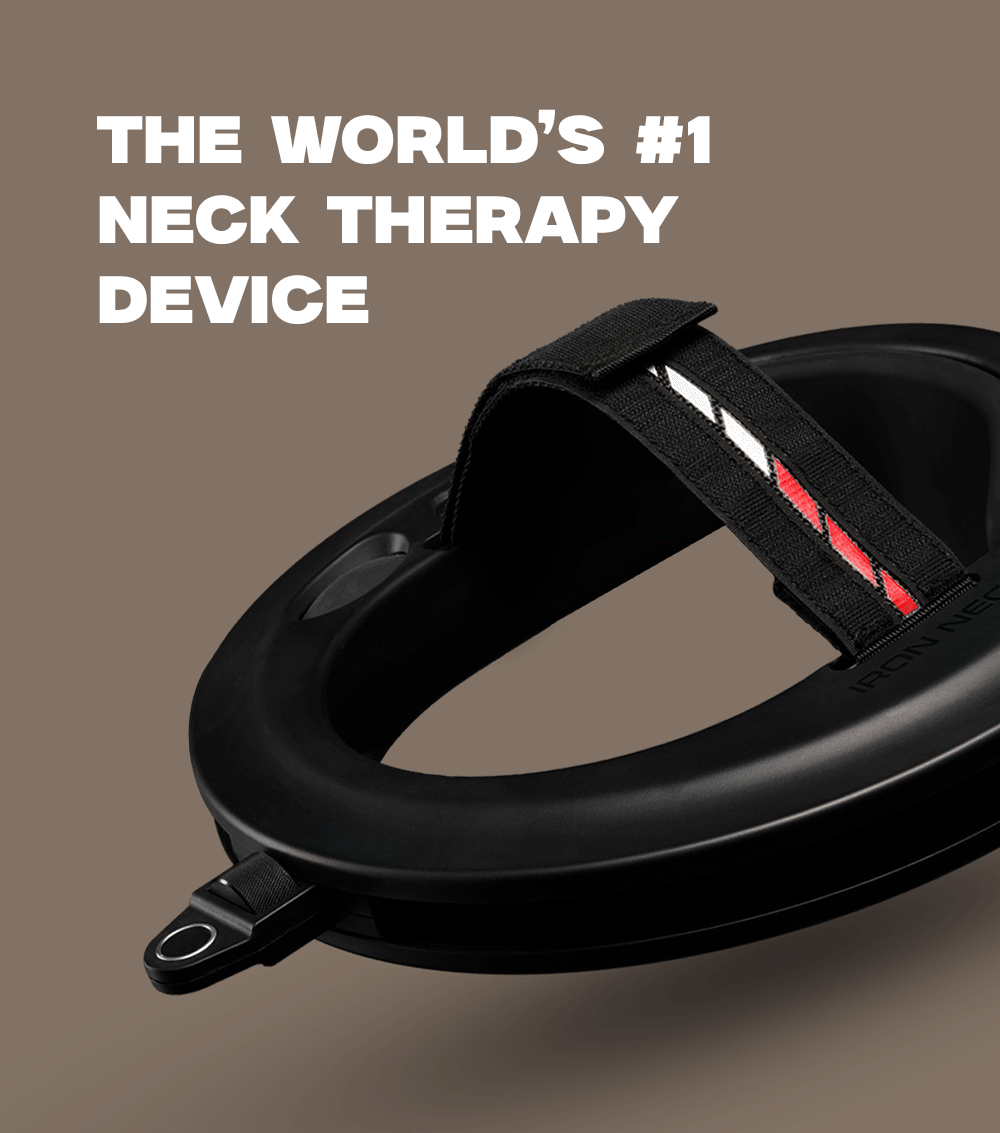
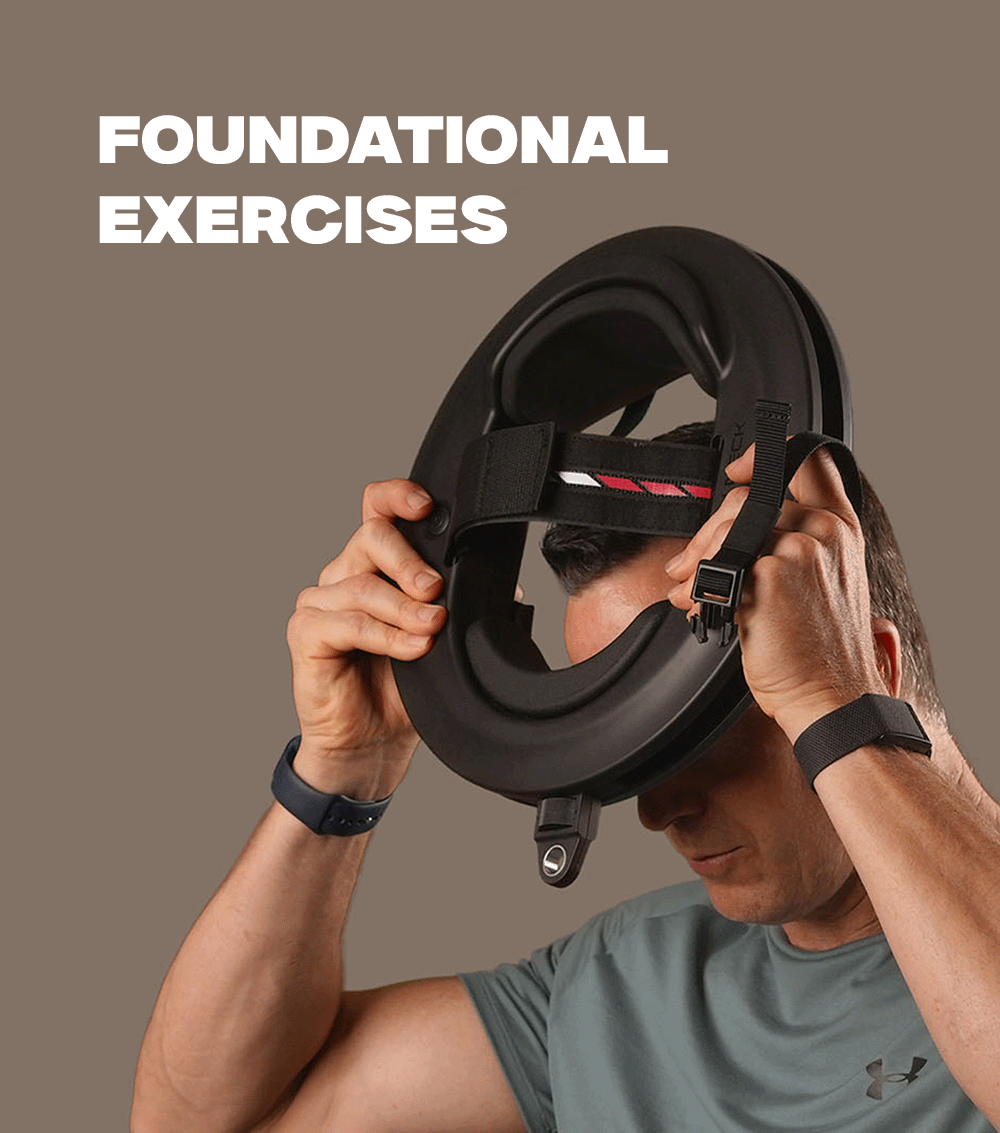
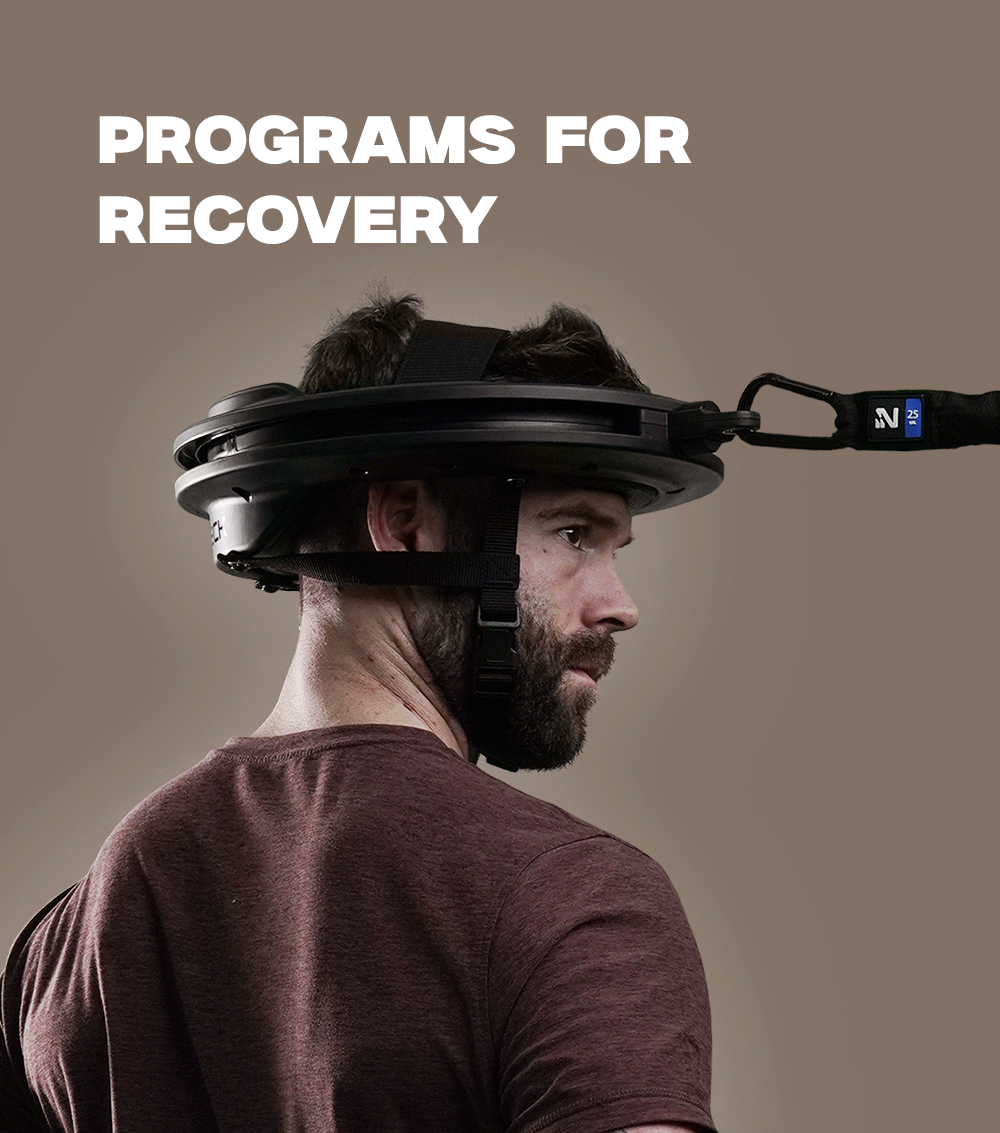
Iron Neck is the only device that trains your neck through 360 degrees of resistance, combining rotation, extension, and lateral movement in one tool. Used by NFL teams, UFC fighters, and physical therapists.


Leave a comment
This site is protected by hCaptcha and the hCaptcha Privacy Policy and Terms of Service apply.