




Shoulder Mobility Exercises: Unlock a Tight, Painful Shoulder
Shoulder mobility is one of the most commonly neglected aspects of physical fitness, and its loss is one of the most functionally limiting. When the shoulder loses its full range of motion, everyday activities like reaching overhead, fastening a seatbelt, or putting on a jacket become difficult or painful. Athletic performance suffers across virtually every sport. And the restricted movement patterns that develop in compensation for a tight shoulder often create secondary problems in the neck, upper back, and elbow. The good news is that shoulder mobility responds well to targeted, consistent exercise. This guide covers the most effective mobility exercises for each plane of shoulder movement and gives you a practical daily routine to restore and maintain full range of motion.
Why Shoulders Lose Mobility
Shoulder mobility loss rarely has a single cause. The most common contributing factors are posterior shoulder capsule tightness, which limits internal rotation and cross-body adduction; pectoral muscle shortening, which limits external rotation and overhead reach; thoracic spine stiffness, which limits the upward rotation of the shoulder blade during arm elevation; and rotator cuff weakness, which allows the humeral head to migrate superiorly during overhead movements, creating a mechanical block to full elevation. Effective shoulder mobility work addresses all of these factors rather than focusing on a single stretch or exercise.
Assessing Your Shoulder Mobility
Before beginning a mobility program, it is helpful to identify which movements are most restricted. Stand in front of a mirror and assess the following: Can you raise your arm fully overhead without arching your lower back or shrugging your shoulder? Can you reach behind your back to touch your opposite shoulder blade? Can you bring your arm across your body until your hand reaches your opposite shoulder without significant discomfort? Can you rotate your arm outward to 90 degrees with your elbow bent? Restrictions in any of these movements indicate specific areas to target in your mobility program.
The Daily Shoulder Mobility Routine
Perform this routine once daily, preferably after a warm shower or light cardiovascular activity when the tissues are more pliable. Move slowly and with control. Never force range of motion or push through sharp pain.
Thoracic Spine Mobility (5 minutes)
Thoracic spine mobility is the foundation of shoulder mobility. A stiff, rounded thoracic spine limits the upward rotation of the shoulder blade during arm elevation, which mechanically restricts overhead reach and increases the risk of impingement. Perform foam roller thoracic extension daily: place the roller at mid-back level, support your head with your hands, and extend backward over the roller. Hold each position for 5 to 10 seconds, then shift the roller one inch up your spine. Work from the mid-back to the base of the neck. Perform two complete passes. Most people notice an immediate improvement in overhead range of motion after this technique.
Posterior Shoulder Capsule Stretching (3 minutes)
Posterior capsule tightness is one of the most common causes of shoulder mobility restriction and is particularly prevalent in overhead athletes and people who perform a lot of pressing exercises without adequate posterior shoulder stretching.
Cross-Body Stretch: Bring your affected arm across your chest and use your opposite hand to gently pull it closer to your body at the elbow. Hold for 30 seconds. Perform three times. You should feel a stretch in the back of your shoulder.
Sleeper Stretch: Lie on your affected side with your arm at 90 degrees of abduction and your elbow bent to 90 degrees. Use your opposite hand to gently press your forearm toward the floor, increasing internal rotation. Hold for 30 seconds. Perform three times. The sleeper stretch is a more aggressive posterior capsule stretch and is particularly effective for people with significant internal rotation restriction.
Pectoral Stretching (2 minutes)
Tight pectoral muscles pull the shoulders forward and limit external rotation and overhead reach. The doorway stretch is the most effective pectoral stretch: stand in a doorway with your arms at 90 degrees, forearms resting on the door frame. Step one foot forward and gently lean into the doorway until you feel a stretch across your chest and the front of your shoulders. Hold for 30 seconds. Perform twice. Vary the height of your arms (lower, at 90 degrees, and higher) to stretch different portions of the pectoral muscle.
Active Range of Motion Exercises (5 minutes)
Arm Circles: Stand with your arms at your sides. Make slow, controlled circles with both arms simultaneously, starting small and gradually increasing the size of the circles. Perform 10 circles forward and 10 circles backward. Arm circles warm up the shoulder joint and begin to restore active range of motion in all planes.
Wall Slides: Stand facing a wall with your forearms resting against it. Slowly slide your arms up the wall, maintaining contact throughout. Return to the starting position. Perform 3 sets of 12 repetitions. Wall slides train the serratus anterior and lower trapezius while simultaneously providing a controlled overhead mobility challenge.
Band Pull-Aparts: Hold a resistance band in front of you at chest height with both hands, arms straight. Pull the band apart by squeezing your shoulder blades together until the band touches your chest. Return slowly. Perform 3 sets of 20 repetitions. The Iron Neck resistance bands are ideal for this exercise. Pull-aparts improve posterior shoulder mobility and scapular control simultaneously.
Shoulder Capsule Mobilization (3 minutes)
Inferior Capsule Stretch: Raise your affected arm overhead and bend your elbow so that your hand rests behind your head. Use your opposite hand to gently pull your elbow further behind your head. Hold for 30 seconds. Perform twice. This stretch targets the inferior glenohumeral capsule, which limits overhead reach when tight.
Horizontal Abduction Stretch: Lie face down on a table or bed with your affected arm hanging off the edge at 90 degrees of abduction. Allow the weight of your arm to gently stretch the posterior capsule. Hold for 2 to 3 minutes. This is a passive technique that uses gravity to restore horizontal abduction range of motion.
Mobility Exercises for Specific Restrictions
If you have identified a specific movement that is more restricted than others, the following targeted exercises address the most common causes of each restriction.
For Restricted Overhead Reach: The primary causes are thoracic stiffness, inferior capsule tightness, and latissimus dorsi shortening. In addition to the foam roller thoracic extension and inferior capsule stretch above, perform lat stretches: kneel beside a bench or chair, place your affected arm on the surface with your elbow bent, and gently lean your body away from the arm until you feel a stretch along the side of your torso and into your shoulder. Hold for 30 seconds. Perform twice.
For Restricted Internal Rotation: The primary cause is posterior capsule tightness. The sleeper stretch and cross-body stretch described above are the most effective interventions. Perform them daily and progress the intensity gradually over several weeks.
For Restricted External Rotation: The primary causes are anterior capsule tightness and subscapularis shortening. The doorway stretch at shoulder height addresses the anterior capsule. Gentle external rotation stretching, using your opposite hand to rotate your forearm outward while keeping your elbow at your side, addresses the subscapularis.
How Long Until You See Results?
Most people notice meaningful improvement in shoulder mobility within two to four weeks of daily practice. Full restoration of range of motion, in cases of significant restriction, typically takes eight to twelve weeks of consistent work. The key is daily practice; performing the routine three times per week produces significantly slower results than daily practice.
When to Seek Professional Assessment
Shoulder mobility exercises are appropriate for most adults with stiffness from postural causes, overuse, or general deconditioning. Consult a physical therapist or physician before beginning if you have a history of shoulder surgery, dislocation, or diagnosed pathology; if you have significant pain with any of the exercises described; if your mobility restriction came on suddenly without an obvious cause; or if you have radiating pain or numbness into the arm. These presentations may indicate a structural issue that requires professional assessment before beginning a mobility program.
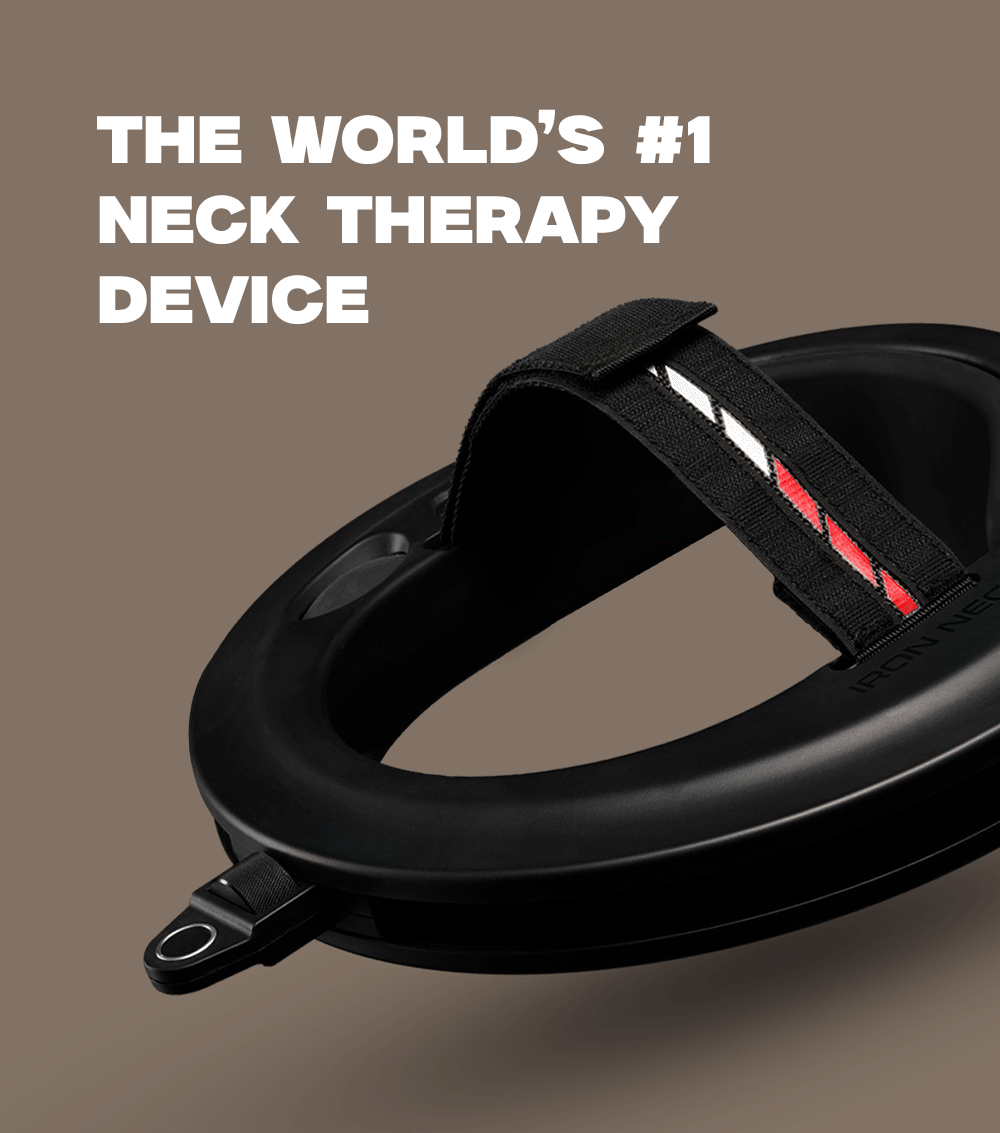
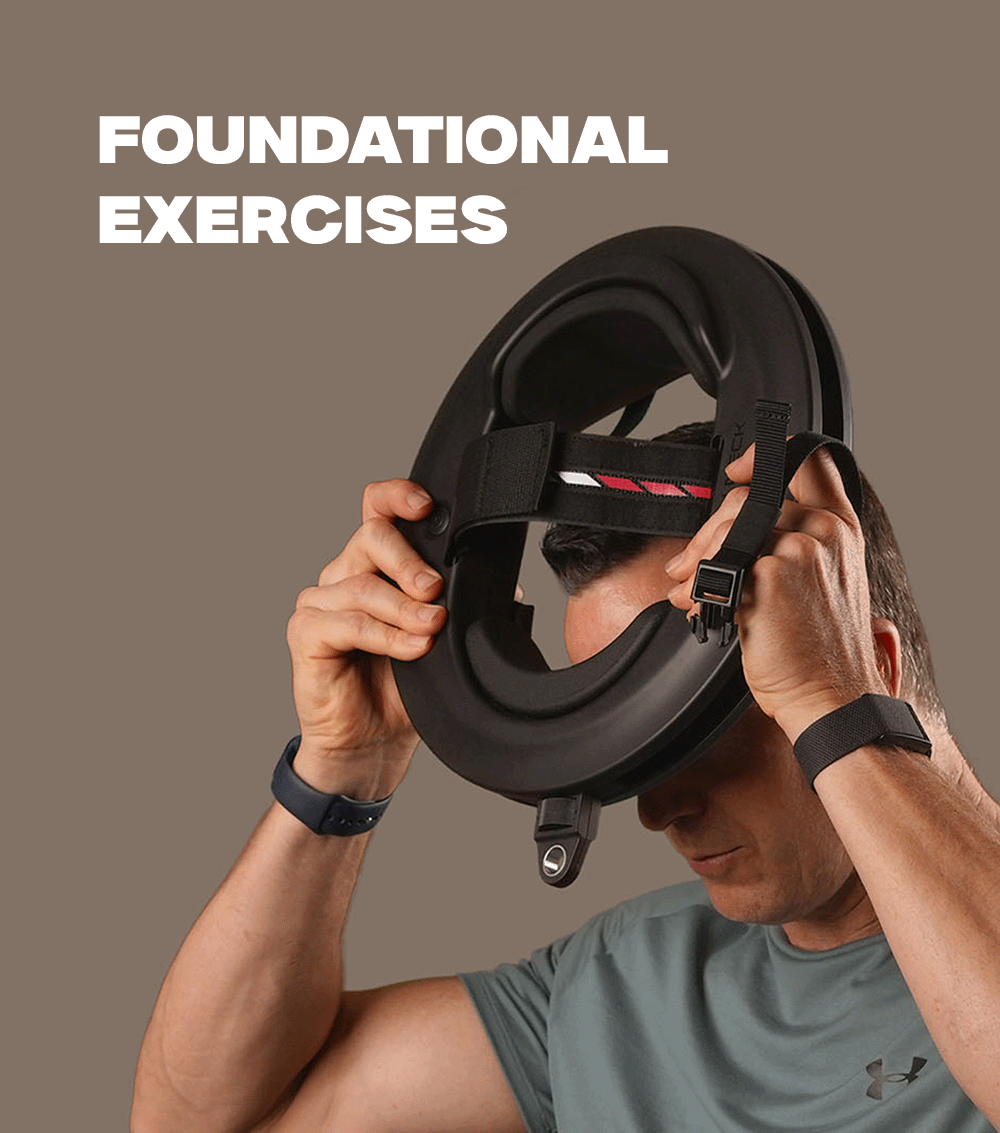
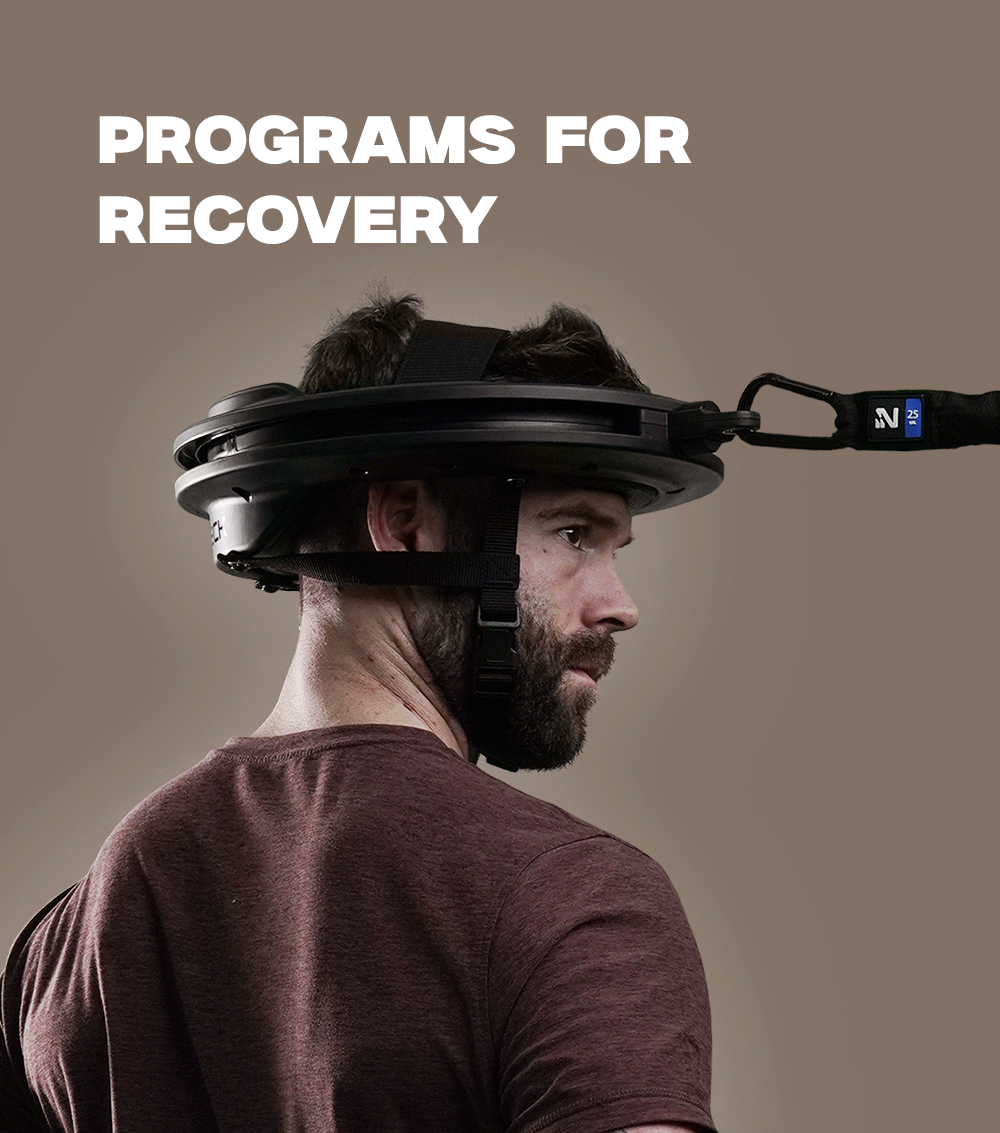
Iron Neck is the only device that trains your neck through 360 degrees of resistance, combining rotation, extension, and lateral movement in one tool. Used by NFL teams, UFC fighters, and physical therapists.


Leave a comment
This site is protected by hCaptcha and the hCaptcha Privacy Policy and Terms of Service apply.