



Shoulder Instability Exercises: Rebuilding the Rotator Cuff
Shoulder instability occurs when the humeral head moves excessively within the glenoid socket, either slipping partially out of place (subluxation) or fully dislocating. It is one of the most functionally disruptive shoulder conditions, affecting athletes and active adults disproportionately and carrying a significant risk of recurrence without proper rehabilitation. The rotator cuff, the four-muscle complex that wraps around the humeral head and provides dynamic stability to the glenohumeral joint, is the primary target of any shoulder instability rehabilitation program. Building rotator cuff strength and neuromuscular control is the most effective way to reduce the risk of recurrent instability and restore full, confident shoulder function.
Types of Shoulder Instability
Shoulder instability is classified by direction and cause. Anterior instability, in which the humeral head slips forward, is the most common type and typically results from a traumatic dislocation or from repetitive overhead activity that stretches the anterior capsule. Posterior instability, in which the humeral head slips backward, is less common and is often associated with specific athletic activities such as blocking in football or bench pressing with excessive forward shoulder position. Multidirectional instability involves excessive movement in multiple directions and is often associated with generalized ligamentous laxity rather than a specific traumatic event.
The rehabilitation approach varies somewhat based on the direction of instability, but the core principles of rotator cuff strengthening and neuromuscular retraining apply across all types.
Phase 1: Acute Management and Neuromuscular Activation
Following a dislocation or significant subluxation event, the shoulder requires a period of protection before strengthening can begin. The acute phase focuses on managing pain and inflammation, protecting the healing capsular structures, and beginning gentle neuromuscular activation of the rotator cuff in low-demand positions.
Isometric Rotator Cuff Exercises: Begin with isometric exercises that activate the rotator cuff without producing joint movement. For anterior instability, isometric external rotation is the priority: stand beside a wall with your affected arm at your side, elbow bent to 90 degrees, and press the back of your hand against the wall without moving your arm. Hold for 5 seconds. Perform 3 sets of 10 repetitions. For posterior instability, isometric internal rotation is the priority: press the palm of your hand against the wall in the same position. Isometric exercises provide rotator cuff activation without stressing the healing capsular structures.
Scapular Stabilization: Scapular retraction and depression exercises should begin early, as scapular positioning is a critical component of glenohumeral stability. Squeeze your shoulder blades together and down. Hold for 5 seconds and release. Perform 3 sets of 15 repetitions.
Phase 2: Progressive Rotator Cuff Strengthening
As acute pain subsides and the capsular structures begin to heal, progressive rotator cuff strengthening begins. The exercises in this phase use resistance bands to provide controlled, progressive loading. The Iron Neck resistance bands are well-suited for shoulder instability rehabilitation, offering multiple resistance levels that allow systematic progression.
Band External Rotation: For anterior instability, external rotation strengthening is the highest priority. Attach a resistance band at elbow height. Stand sideways to the band with your affected arm closest to the anchor. Hold the band with your affected hand, elbow bent to 90 degrees and pressed against your side. Rotate your forearm outward against the resistance. Return slowly. Perform 3 sets of 15 repetitions. The infraspinatus and teres minor, the primary external rotators, are the most important muscles for preventing anterior subluxation of the humeral head.
Band Internal Rotation: For posterior instability, internal rotation strengthening is the priority. Reverse your position so that your arm is farthest from the anchor. Rotate your forearm inward against the resistance. Perform 3 sets of 15 repetitions.
Side-Lying External Rotation: Lie on your unaffected side with your affected arm on top, elbow bent to 90 degrees. Hold a light dumbbell. Rotate your forearm upward until it is perpendicular to the floor. Return slowly. Perform 3 sets of 15 repetitions.
Band Face Pulls: Attach a resistance band at face height. Pull the band toward your face while simultaneously externally rotating your shoulders. Squeeze your shoulder blades together and down at the end of the movement. Perform 3 sets of 15 repetitions. Face pulls train external rotation and scapular retraction simultaneously, making them highly efficient for shoulder instability rehabilitation.
Phase 3: Neuromuscular Control and Proprioceptive Training
Shoulder instability is not purely a strength problem. It is also a neuromuscular control problem. The rotator cuff muscles must respond rapidly and precisely to perturbations of the humeral head to prevent subluxation. This requires not just strength but also the ability to activate the right muscles at the right time with the right force. Proprioceptive training, which challenges the shoulder's position sense and reactive stability, is an essential component of instability rehabilitation that is often overlooked.
Rhythmic Stabilization: Stand or sit with your affected arm supported at 90 degrees of flexion. Have a partner or therapist apply gentle, alternating pushes to your hand in different directions while you resist the movement and maintain your arm position. Perform for 30 to 60 seconds per set. This exercise trains the reactive stabilization of the rotator cuff that is essential for preventing subluxation during dynamic activities.
Closed Kinetic Chain Exercises: Wall push-ups and quadruped exercises (on hands and knees) place the shoulder in a closed kinetic chain position that enhances proprioceptive input and rotator cuff co-activation. Begin with wall push-ups and progress to incline and floor push-ups as strength and stability allow.
Ball on Wall: Place a small ball against a wall at shoulder height and press your affected hand against it. Make small circles with the ball while maintaining constant pressure. Perform for 30 seconds per set. This exercise provides proprioceptive challenge in a controlled, weight-bearing position.
Phase 4: Functional Strengthening and Return to Sport
The final phase focuses on returning to the specific demands of your sport or daily life. For overhead athletes, this includes a progressive return-to-throwing program. For contact sport athletes, this includes progressive return to contact activities. For all patients, this phase includes strengthening the shoulder through the full range of motion with progressively increasing loads.
The return-to-sport decision should be made in collaboration with your physical therapist and sports medicine physician, based on objective strength testing, functional movement assessment, and the specific demands of your sport. Returning to sport before adequate strength and neuromuscular control have been restored significantly increases the risk of recurrent instability.
When Surgery Is Considered
Many cases of shoulder instability, particularly first-time dislocations in older adults and multidirectional instability, respond well to conservative rehabilitation. However, young athletes with anterior instability have a high rate of recurrence with conservative management alone, and surgical stabilization may be recommended in this population. If you have experienced multiple dislocations or subluxations despite adequate rehabilitation, or if instability is significantly limiting your ability to participate in your sport or daily activities, a consultation with an orthopedic surgeon who specializes in shoulder conditions is warranted.
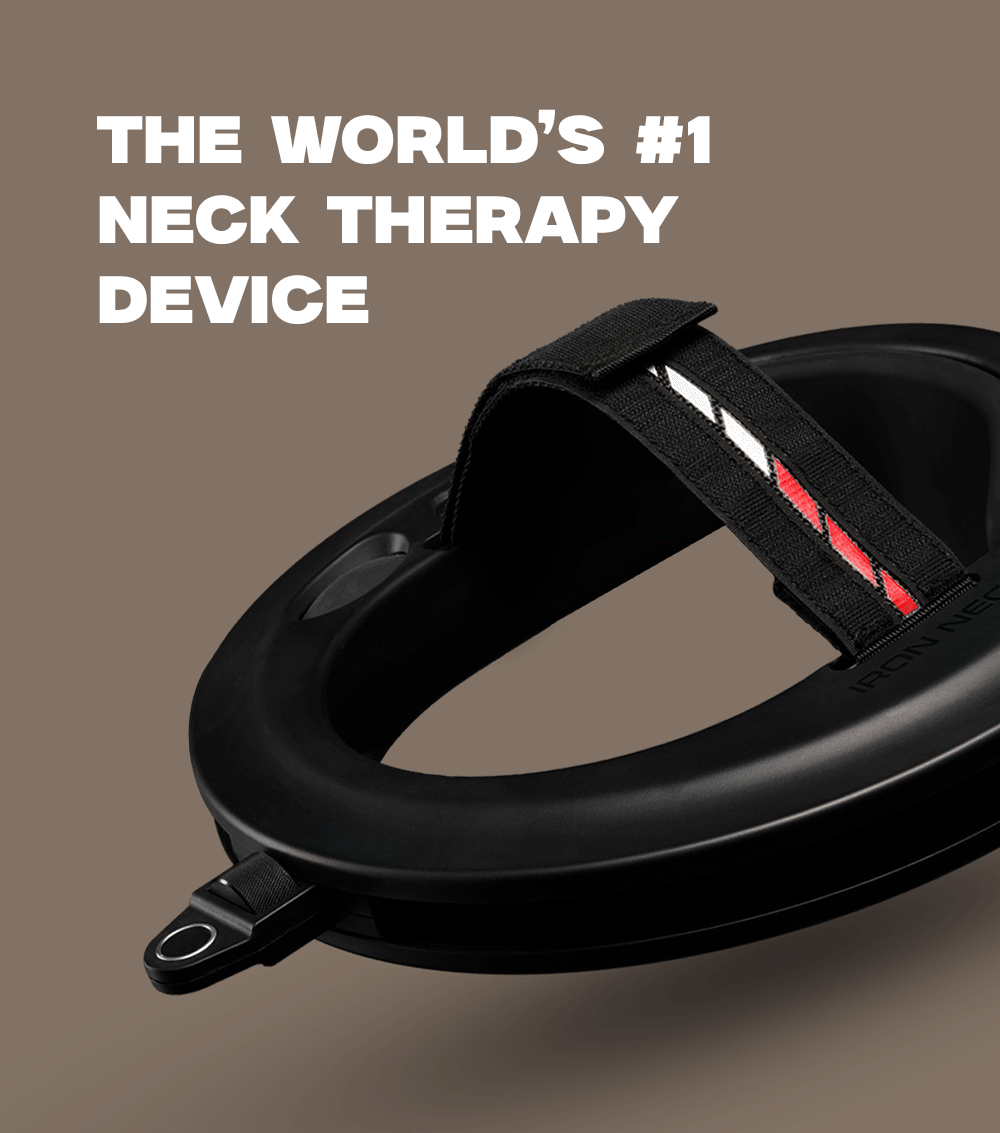
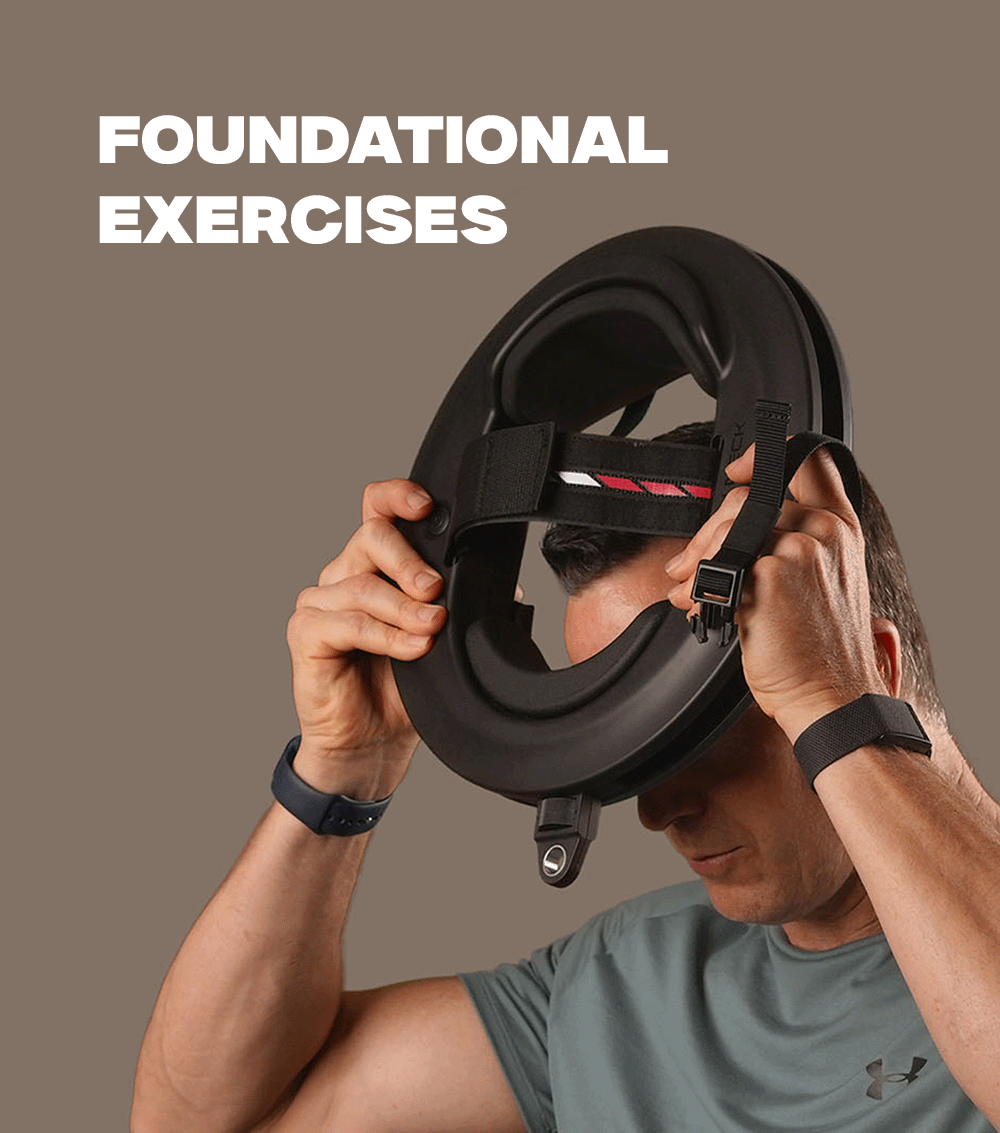
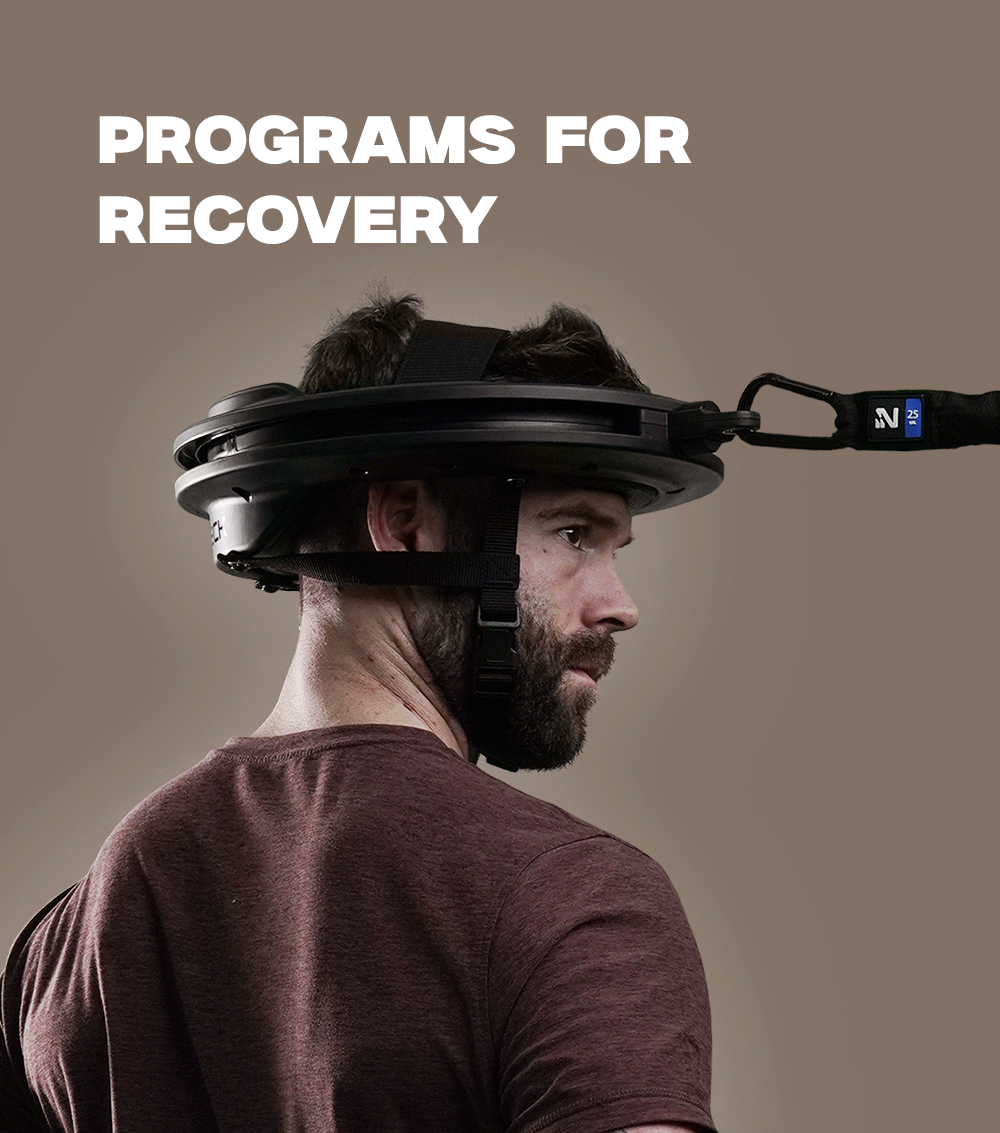
Iron Neck is the only device that trains your neck through 360 degrees of resistance, combining rotation, extension, and lateral movement in one tool. Used by NFL teams, UFC fighters, and physical therapists.
Frequently Asked Questions
How long does neck training take to show results?
Most people notice reduced tension and improved range of motion within 2-3 weeks of consistent training. Strength gains become measurable after 4-6 weeks. Visible changes in neck size and definition typically appear after 8-12 weeks of progressive resistance training.
Is neck training safe?
Yes, when performed with proper form and progressive loading. Start with bodyweight exercises and gradually add resistance. The Iron Neck is specifically engineered for safe, controlled neck training and is used by medical professionals and elite athletes alike.
How often should I train my neck?
2-3 times per week is optimal for most people, allowing adequate recovery between sessions. Neck muscles respond well to consistent training but need rest to adapt and grow stronger.


Leave a comment
This site is protected by hCaptcha and the hCaptcha Privacy Policy and Terms of Service apply.