



Shoulder Rehab Exercises: From Injury to Full Strength
Shoulder injuries are among the most common musculoskeletal complaints in both athletic and general populations. Whether you are recovering from a rotator cuff strain, a labral tear, a shoulder dislocation, or general overuse tendinopathy, the path from injury back to full strength follows a consistent set of principles. The exercises in this guide are organized by phase of recovery and target the specific muscle groups and movement patterns that are most commonly disrupted by shoulder injury. Applied consistently and progressively, this program will take you from the early stages of injury management through to full functional strength.
The Principles of Effective Shoulder Rehabilitation
Effective shoulder rehabilitation is built on three principles. The first is progressive loading: starting with exercises that are within the current capacity of the injured tissue and systematically increasing the demand as healing progresses. Loading too much too soon causes re-injury; loading too little for too long causes unnecessary deconditioning and prolongs recovery. The second principle is specificity: training the muscles and movement patterns that are most relevant to the injury and the demands of the patient's daily life and sport. The third principle is addressing the whole kinetic chain: the shoulder does not function in isolation. Thoracic spine mobility, scapular stability, and rotator cuff strength all contribute to shoulder function, and all must be addressed in a comprehensive rehabilitation program.
Phase 1: Acute Management and Gentle Mobilization
During the acute phase of a shoulder injury, when pain and inflammation are at their peak, the priority is protecting the injured tissue while preventing excessive stiffness and maintaining circulation. Avoid activities that reproduce your pain. Apply ice for 15 to 20 minutes several times daily to manage inflammation. Begin gentle range of motion exercises as soon as they can be performed without significant pain.
Pendulum Exercises: Stand beside a table and lean forward, supporting your weight with your unaffected arm. Allow your affected arm to hang freely. Gently swing the arm in small circles, forward and backward, and side to side. Perform for 2 minutes, two to three times daily. Pendulum exercises maintain joint mobility without requiring active muscle contraction, making them appropriate even in the early acute phase.
Gentle Active Range of Motion: Perform slow, controlled movements through your comfortable range of motion in all planes: forward flexion, abduction, external rotation, and internal rotation. Move only to the point where you feel mild discomfort, not sharp pain. Perform 10 repetitions in each direction, twice daily.
Phase 2: Rotator Cuff and Scapular Activation
As acute pain subsides, the focus shifts to activating the rotator cuff and scapular stabilizers that are invariably inhibited following shoulder injury. Pain inhibition, the reflex reduction in muscle activation that occurs in response to joint pain, affects the rotator cuff and scapular muscles preferentially, which is why targeted activation exercises are essential even when the injury itself does not directly involve these muscles.
Isometric External Rotation: Stand beside a wall with your affected arm at your side, elbow bent to 90 degrees. Press the back of your hand against the wall without moving your arm. Hold for 5 seconds. Perform 3 sets of 10 repetitions. Isometric exercises provide rotator cuff activation without joint movement, making them appropriate when movement is still painful.
Scapular Retraction: Sit or stand upright. Squeeze your shoulder blades together and down. Hold for 5 seconds and release. Perform 3 sets of 15 repetitions. This exercise activates the lower and mid trapezius and begins to restore the scapular positioning that is essential for shoulder function.
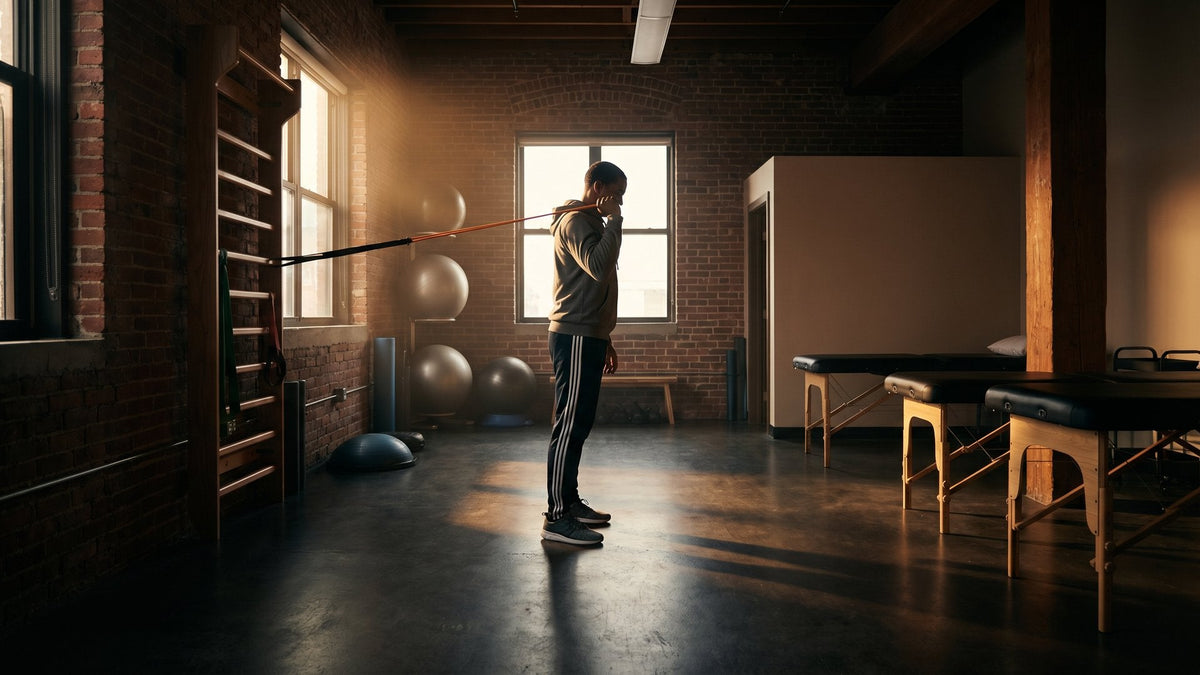
Band External Rotation: Once isometric exercises can be performed without pain, progress to isotonic external rotation with a light resistance band. Attach the band to a fixed point at elbow height. Stand sideways to the band with your affected arm closest to the anchor. Hold the band with your affected hand, elbow bent to 90 degrees and pressed against your side. Rotate your forearm outward against the resistance. Return slowly. Perform 3 sets of 15 repetitions. The Iron Neck resistance bands are well-suited for this exercise, with multiple resistance levels that allow you to start light and progress systematically.
Phase 3: Progressive Strengthening
Once you can perform the Phase 2 exercises without pain and with good form, progressive strengthening of the full shoulder complex begins. This phase targets the rotator cuff, scapular stabilizers, and deltoid in a coordinated manner that prepares the shoulder for functional demands.
Band Face Pulls: Attach a resistance band at face height. Pull the band toward your face while simultaneously externally rotating your shoulders. Squeeze your shoulder blades together and down at the end of the movement. Perform 3 sets of 15 repetitions. Face pulls are one of the most comprehensive exercises for shoulder rehabilitation, training external rotation, scapular retraction, and posterior deltoid simultaneously.
Prone Y-T-W Raises: Lie face down with your arms extended overhead in a Y position. Lift your arms off the floor by squeezing your lower trapezius. Hold for 2 seconds and lower. Move your arms to a T position and repeat. Then bend your elbows to 90 degrees in a W position and repeat. Perform 2 sets of 10 repetitions in each position. This exercise comprehensively trains the lower and mid trapezius and is one of the most effective exercises for restoring scapular control.
Band Rows: Attach a resistance band at chest height. Pull the band toward your chest by squeezing your shoulder blades together, keeping your elbows close to your sides. Perform 3 sets of 15 repetitions. Rows strengthen the mid trapezius and rhomboids, which are essential for proper scapular positioning.
Lateral Raises: Hold a light dumbbell in your affected hand. Raise your arm to the side to shoulder height, keeping your elbow slightly bent. Return slowly. Perform 3 sets of 12 repetitions. Begin with a weight that allows perfect form throughout the full range of motion. Lateral raises strengthen the middle deltoid and supraspinatus in a functional overhead position.
Phase 4: Functional Strengthening and Return to Activity
The final phase of shoulder rehabilitation focuses on building the strength, endurance, and movement quality needed to return to full activity. The specific exercises in this phase depend on your goals and the demands of your daily life or sport.
Push-Up Progression: Begin with wall push-ups and progress to incline push-ups, then floor push-ups as strength allows. Push-ups train the pectorals, anterior deltoid, and serratus anterior in a closed kinetic chain position that is highly functional. The serratus anterior component is particularly important for shoulder health, as this muscle is responsible for holding the shoulder blade against the rib cage during pressing movements.
Overhead Press Progression: Begin with a light resistance band and progress to dumbbells as strength and pain allow. Overhead pressing should not be introduced until you have full pain-free range of motion and at least 80 percent of your strength compared to the unaffected side.
When to See a Professional
The exercises in this guide are appropriate for most people recovering from mild to moderate shoulder injuries. Consult a physical therapist or orthopedic physician if your pain is severe or worsening, if you have a history of shoulder dislocation or labral tear, if you have significant weakness or loss of motion that is not improving with exercise, or if you have radiating pain or numbness into the arm. These presentations may indicate a structural issue that requires professional assessment and potentially imaging before beginning a rehabilitation program.
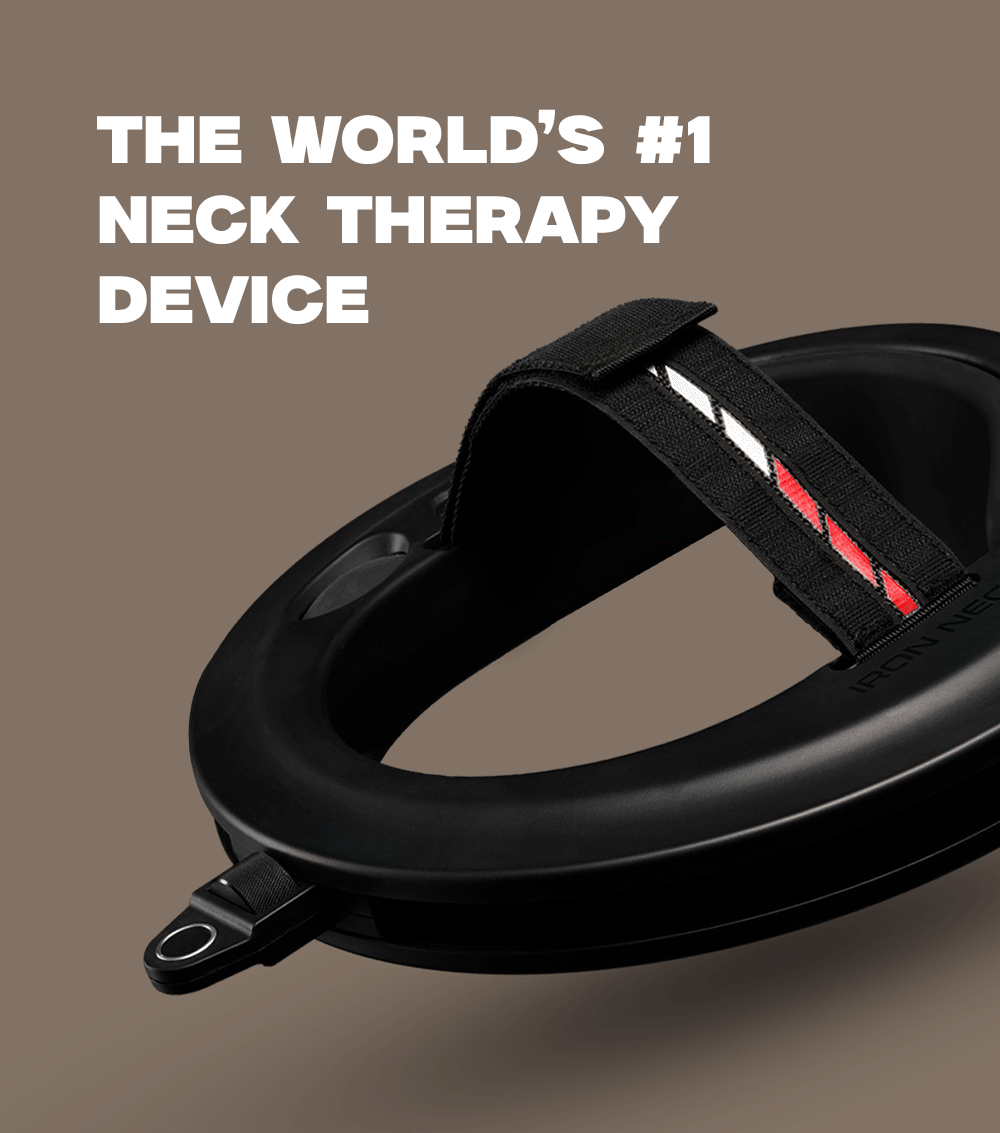
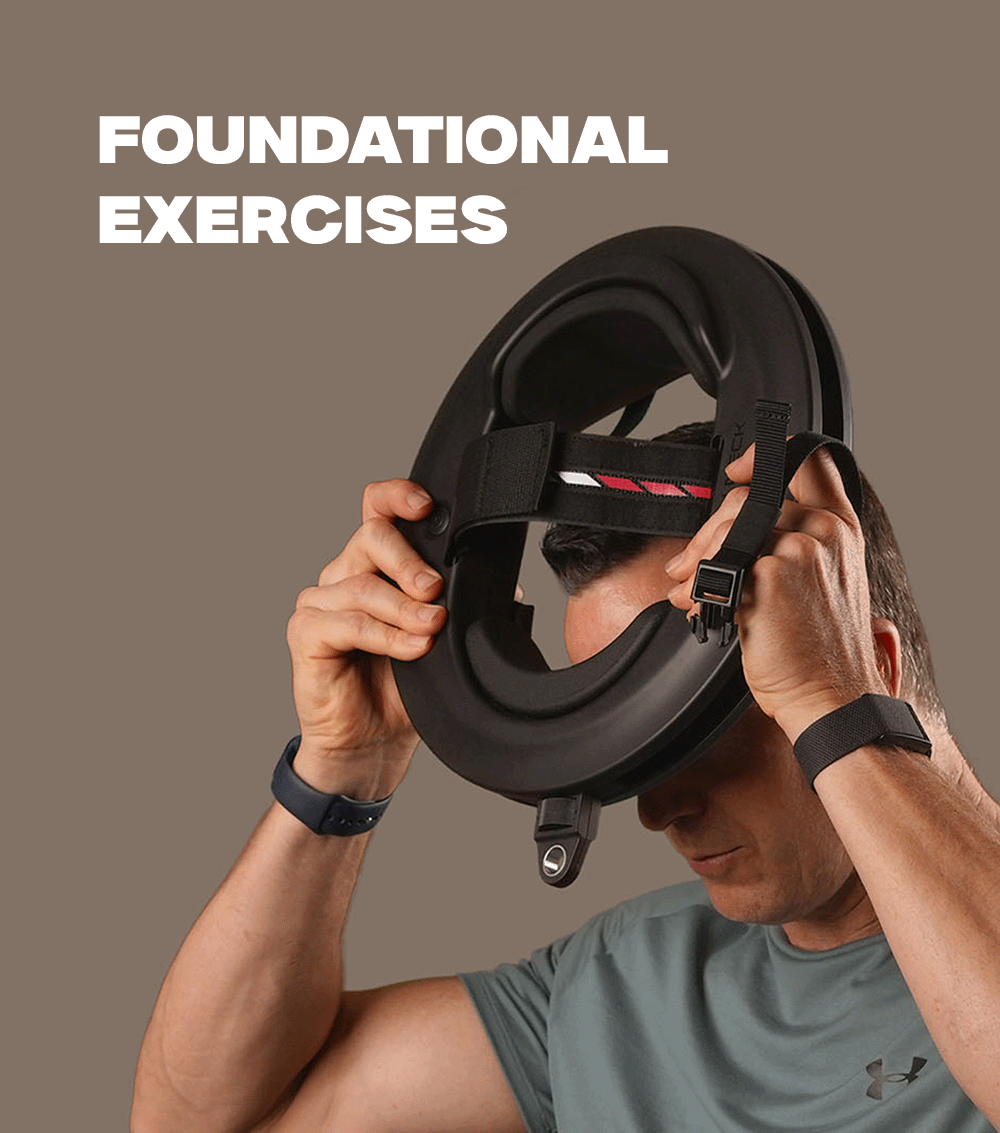
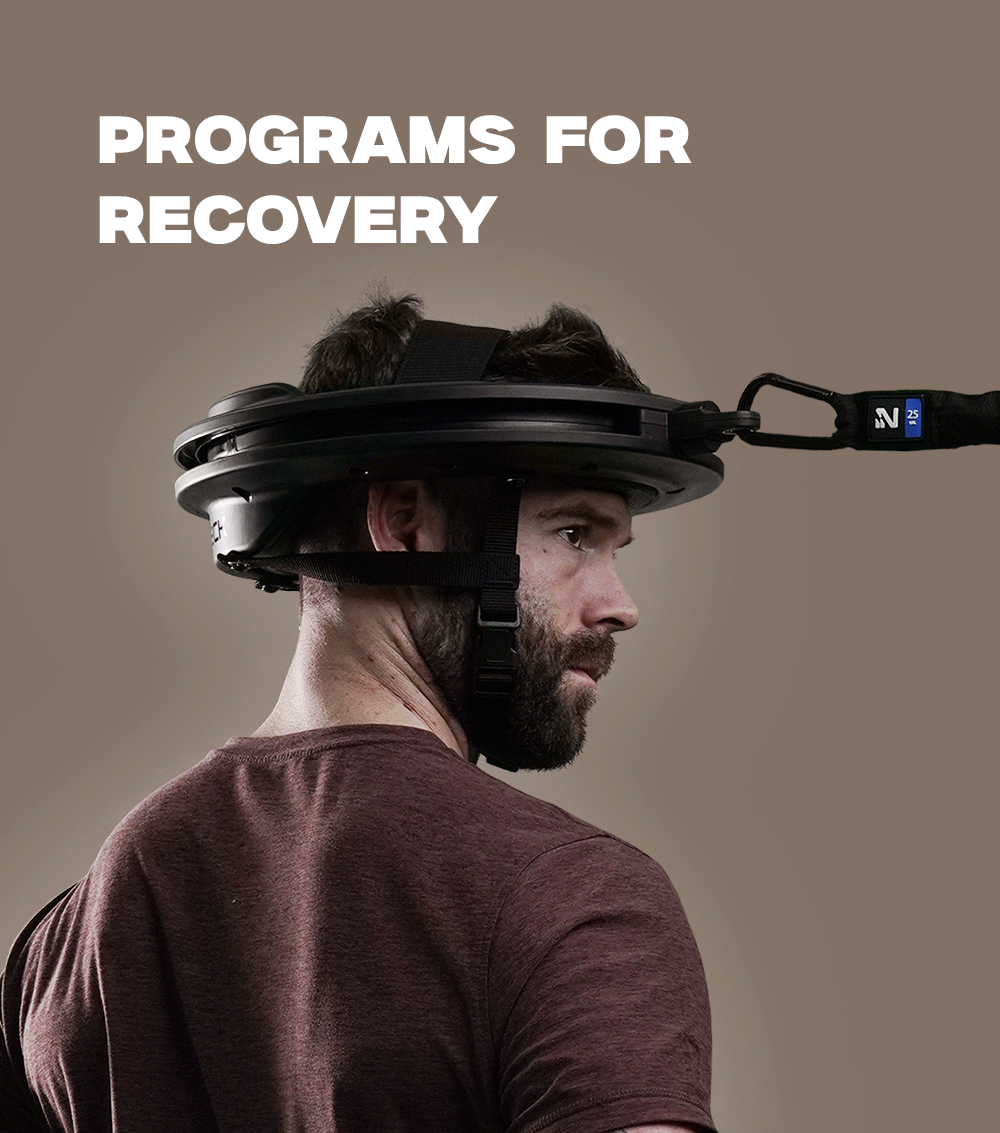
Iron Neck is the only device that trains your neck through 360 degrees of resistance, combining rotation, extension, and lateral movement in one tool. Used by NFL teams, UFC fighters, and physical therapists.


Leave a comment
This site is protected by hCaptcha and the hCaptcha Privacy Policy and Terms of Service apply.