





Lacrosse, a sport celebrated for its speed, skill, and physicality, also carries a significant, often underestimated, risk of head and neck injuries. For athletic directors, strength coaches, school administrators, and gym owners, understanding and mitigating these risks is paramount to athlete safety and program success. While traditional training often emphasizes speed, agility, and general strength, the critical role of neck strength in protecting athletes from concussions remains largely overlooked. This article will delve into the contact demands of lacrosse, expose the underutilization of neck training, and provide a practical, evidence-based guide for implementing comprehensive neck strengthening programs.
The Contact Demands of Lacrosse: A High-Impact Reality
Lacrosse is inherently a contact sport, characterized by rapid changes in direction, high-speed collisions, and aggressive stick checks. These dynamic interactions create frequent opportunities for head and neck trauma. The Centers for Disease Control and Prevention (CDC) highlights the severity of this issue, noting that boys\' lacrosse ranks as the third-highest sport for concussion rates among high school athletes [1]. This places it above many other contact sports, underscoring the urgent need for targeted preventative measures.
The majority of concussions in boys\' high school lacrosse—approximately three out of four—result from collisions between athletes [1]. These impacts often occur during critical moments of play, such as chasing loose balls or executing body checks. For girls\' lacrosse, while rules differ, concussions are commonly linked to defending and ball handling/cradling, indicating that even in less overtly aggressive scenarios, the head and neck are vulnerable to sudden forces [1]. The cumulative effect of these impacts, both major and minor, can have long-term consequences for athlete health and well-being.
Why Neck Training is Underutilized in Lacrosse Programs
Despite the clear and present danger of concussions in lacrosse, neck training often remains a neglected component of athletic development programs. The prevailing focus in strength and conditioning for lacrosse typically revolves around enhancing traditional athletic attributes such as speed, agility, power, and general muscular strength. While these are undoubtedly crucial for performance, the specific strengthening of the cervical musculature is frequently overlooked.
This oversight can be attributed to several factors. Historically, there has been a lack of widespread awareness and education regarding the direct correlation between neck strength and concussion risk reduction. Coaches and athletic directors, while dedicated to athlete welfare, may not have been fully informed about the biomechanical principles that link a robust neck to improved head stability during impact. Furthermore, the perceived complexity or lack of accessible, effective neck training equipment may have deterred programs from incorporating it. Often, neck strength is only considered or addressed reactively, after an athlete has already sustained a head or neck injury, rather than proactively as a preventative measure.
The Science of Neck Strength and Concussion Prevention
The human neck serves as a critical anatomical link between the head and the torso, housing vital neurological and vascular structures. Its musculature plays a pivotal role in stabilizing the head, particularly during sudden accelerations and decelerations that are common in contact sports like lacrosse. When an athlete experiences an impact to the head, the neck muscles act as a natural shock absorber, working to decelerate the head\'s movement and reduce the forces transmitted to the brain.
Scientific research increasingly supports the hypothesis that a stronger neck can significantly mitigate the risk and severity of concussions. A landmark study published in the Journal of Primary Prevention investigated the relationship between neck strength and concussion incidence in high school athletes across various sports, including lacrosse [2]. The findings were compelling: for every one-pound increase in neck strength, the odds of sustaining a concussion decreased by 5% [2]. This quantitative evidence underscores the profound protective effect that a well-conditioned neck can offer.
The study further revealed that athletes with smaller mean neck circumference, a smaller neck-to-head circumference ratio, and weaker overall neck strength were significantly more susceptible to concussions [2]. These anthropometric and strength-based indicators highlight that a physically robust neck provides a biomechanical advantage. By enhancing the ability of the neck muscles to contract rapidly and forcefully upon impact, the head\'s acceleration and rotation can be minimized, thereby reducing the likelihood of brain injury. In essence, a stronger neck provides a more stable platform for the head, allowing it to better absorb and dissipate kinetic energy during collisions.
Practical Implementation Guide for Coaches
Translating the scientific understanding of neck strength into actionable training protocols is essential for any lacrosse program committed to athlete safety and performance. Coaches and athletic directors can implement a comprehensive neck training regimen with careful planning and the right tools.
Assessment: Establishing a Baseline
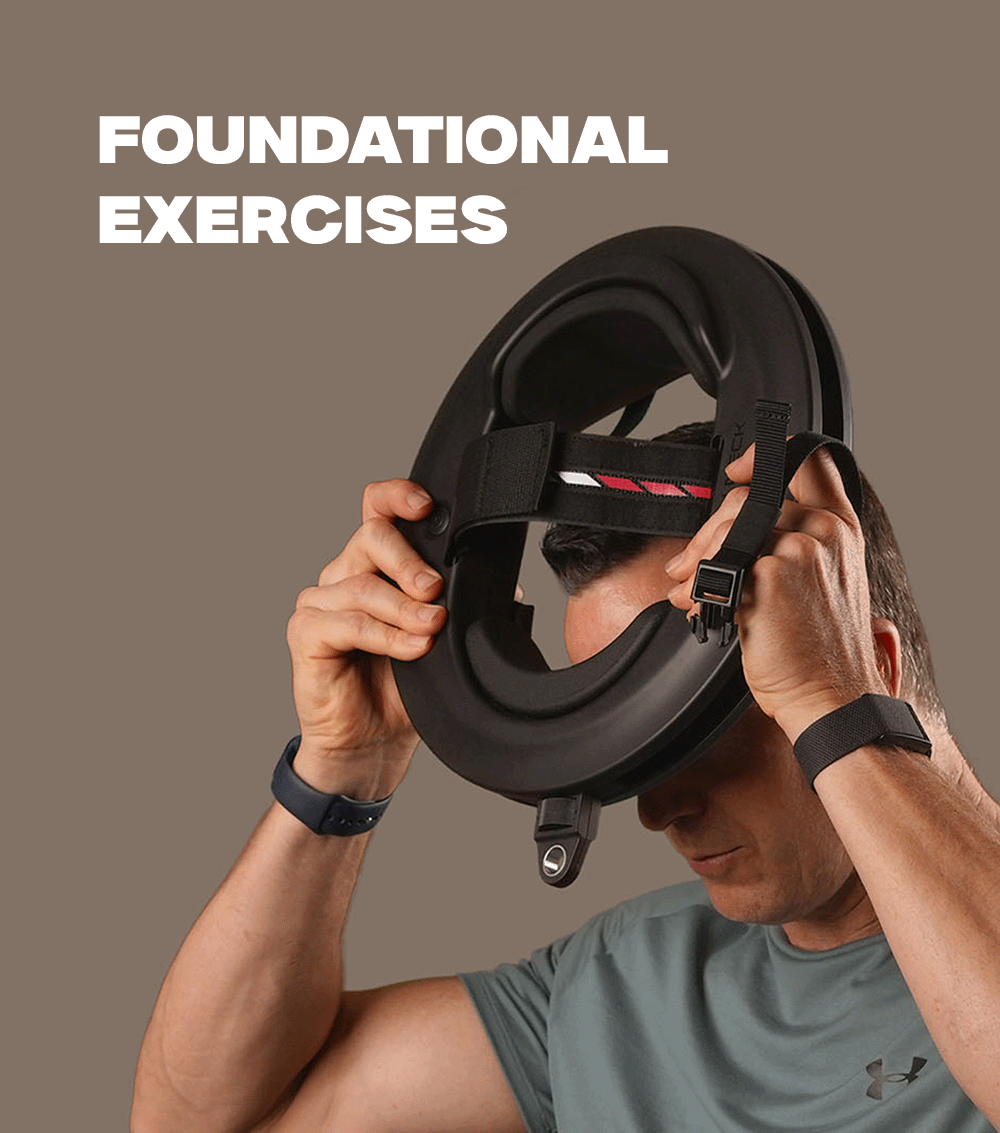
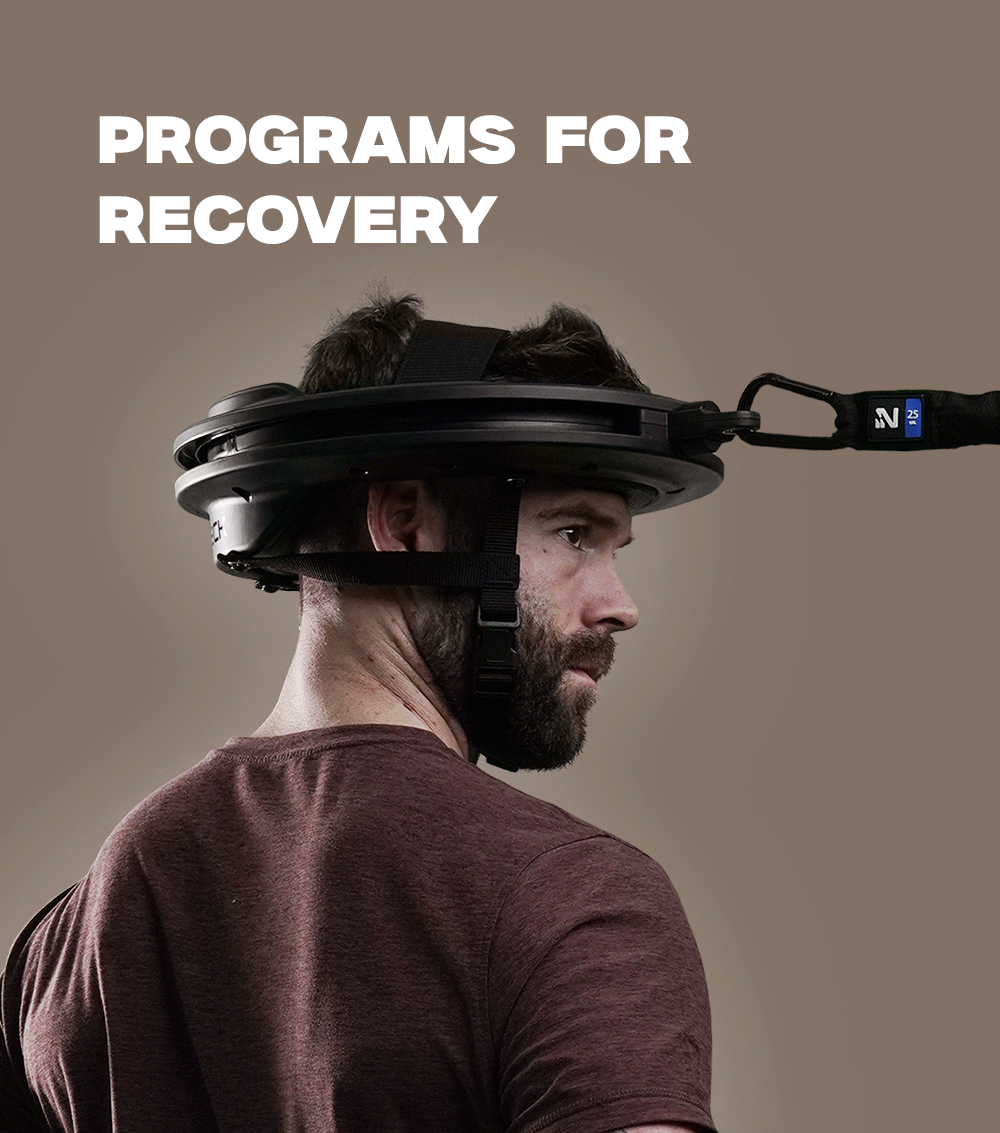
Before initiating any training program, it is crucial to establish a baseline of an athlete\'s current neck strength. This not only helps in identifying individuals who may be at higher risk due to weaker neck musculature but also allows for objective tracking of progress. While traditional methods like manual muscle testing can provide qualitative data, specialized equipment offers more precise, quantitative measurements. Devices like the Iron Neck provide an effective and reliable means to assess neck strength across multiple planes of motion, offering valuable data for individualized program design and ongoing evaluation.
Training Principles: Consistency and Progression
Effective neck training, like any other strength training, adheres to fundamental principles:
- Frequency: Aim for 2-3 dedicated neck training sessions per week. This allows for adequate recovery and adaptation.
- Intensity: Training should be challenging but controlled. Progressive overload, gradually increasing resistance or repetitions, is key to stimulating muscle growth and strength gains.
- Types of Exercises: A well-rounded program should incorporate isometric (holding a position against resistance), concentric (muscle shortening), and eccentric (muscle lengthening) movements across all planes of neck motion (flexion, extension, lateral flexion, and rotation).
Sample Exercises for Lacrosse Players
Here are examples of exercises that can be integrated into a lacrosse neck training program, emphasizing controlled movements and proper form:
- Resisted Neck Flexion: Using a band or an Iron Neck device, resist the motion of bringing the chin towards the chest.
- Resisted Neck Extension: Resist the motion of tilting the head backward, looking towards the ceiling.
- Resisted Lateral Flexion: Resist the motion of tilting the head side-to-side, bringing the ear towards the shoulder.
- Resisted Neck Rotation: Resist the motion of turning the head from side to side.
Each exercise should be performed with a focus on slow, controlled movements through the full, pain-free range of motion. Avoid jerky movements or using momentum.
Integration into Lacrosse Programs
Neck training doesn\'t require a complete overhaul of existing routines; it can be seamlessly integrated:
- Warm-up Routines: Incorporate light, dynamic neck movements to prepare the muscles for activity.
- Strength and Conditioning Sessions: Dedicate 10-15 minutes of existing S&C sessions to targeted neck strengthening exercises.
- Post-Practice Cool-downs: Gentle static stretches for the neck can aid in recovery and flexibility.
Progression: Building Resilience Over Time
As athletes gain strength, the training program should progress. This might involve:
- Gradually increasing the resistance used with bands or the Iron Neck device.
- Increasing the duration of isometric holds.
- Introducing more dynamic, sport-specific neck movements that mimic the forces experienced during play, such as resisting rotational forces during a check or ground ball scramble.
Key Takeaways
- Lacrosse, with its inherent physicality and high-impact collisions, presents a significant risk for concussions among athletes.
- Neck strength is a critical, yet often overlooked, modifiable risk factor for concussion prevention in sports.
- Scientific evidence demonstrates a direct correlation: increased neck strength significantly reduces the odds of sustaining a concussion.
- Implementing a structured and progressive neck training program can substantially enhance athlete safety and resilience.
- The Iron Neck training device offers an effective and measurable solution for comprehensive neck strengthening, enabling programs to proactively address concussion risk.
Frequently Asked Questions (FAQ)
1. Why is neck training particularly important for lacrosse players?
Lacrosse involves frequent high-speed collisions, body checks, and rapid head movements, all of which can lead to concussions. A strong neck helps stabilize the head during these impacts, reducing the forces transmitted to the brain and thereby lowering the risk of injury.
2. How does neck strength help prevent concussions?
A strong neck acts as a natural shock absorber. When the head experiences an impact, robust neck muscles can contract to resist rapid head acceleration and deceleration, minimizing the whiplash effect and the rotational forces that are often associated with concussions.
3. What are the common types of neck exercises?
Effective neck exercises typically include resisted movements in all planes: flexion (chin to chest), extension (head back), lateral flexion (ear to shoulder), and rotation (looking side to side). These can be performed isometrically (holding against resistance), concentrically (shortening muscle), and eccentrically (lengthening muscle).
4. How often should lacrosse players train their necks?
For optimal results and recovery, lacrosse players should aim for 2-3 dedicated neck training sessions per week. This frequency allows for muscle adaptation and strength gains without overtraining.
5. Can neck training improve performance beyond injury prevention?
Yes, a strong neck contributes to overall athletic performance. It enhances head stability, which can improve visual tracking, balance, and proprioception, all crucial for reacting quickly and effectively in a fast-paced game like lacrosse.
6. Is specialized equipment necessary for effective neck training?
While some basic neck exercises can be done without equipment, specialized tools like the Iron Neck provide consistent, multi-directional resistance and allow for objective measurement of strength. This leads to more effective, progressive, and measurable training outcomes, making them highly recommended for comprehensive programs.
7. What should coaches look for when implementing a neck training program?
Coaches should prioritize programs that include baseline assessment, progressive overload, exercises across all planes of motion, and seamless integration into existing strength and conditioning routines. Emphasis should be placed on controlled movements and proper form to maximize benefits and prevent injury.
Conclusion
The rigorous demands of lacrosse necessitate a proactive approach to athlete safety, and neck training stands out as a critical, yet often overlooked, component of this strategy. By understanding the biomechanical advantages of a strong neck and implementing targeted training protocols, athletic directors, strength coaches, school administrators, and gym owners can significantly reduce the risk of concussions and other head and neck injuries among their lacrosse players. Investing in comprehensive neck strengthening, particularly with advanced tools like the Iron Neck training device, is not just about injury prevention; it\'s about fostering a culture of athlete well-being and unlocking the full performance potential of every player on the field. Prioritizing neck strength is an investment in the long-term health and success of lacrosse programs.
References
Centers for Disease Control and Prevention. (2026, January 27). Data on Sports and Recreation Activities | HEADS UP. https://www.cdc.gov/heads-up/data/index.html
Collins, C. L., Fletcher, E. N., Fields, S. K., Kluchurosky, L., Rohrkemper, M. K., Comstock, R. D., & Cantu, R. C. (2014). Neck Strength: A Protective Factor Reducing Risk for Concussion in High School Sports. Journal of Primary Prevention, 35(5), 309–319. https://link.springer.com/article/10.1007/s10935-014-0355-2
Iron Neck is the only device that trains your neck through 360 degrees of resistance, combining rotation, extension, and lateral movement in one tool. Used by NFL teams, UFC fighters, and physical therapists.


Leave a comment
This site is protected by hCaptcha and the hCaptcha Privacy Policy and Terms of Service apply.