



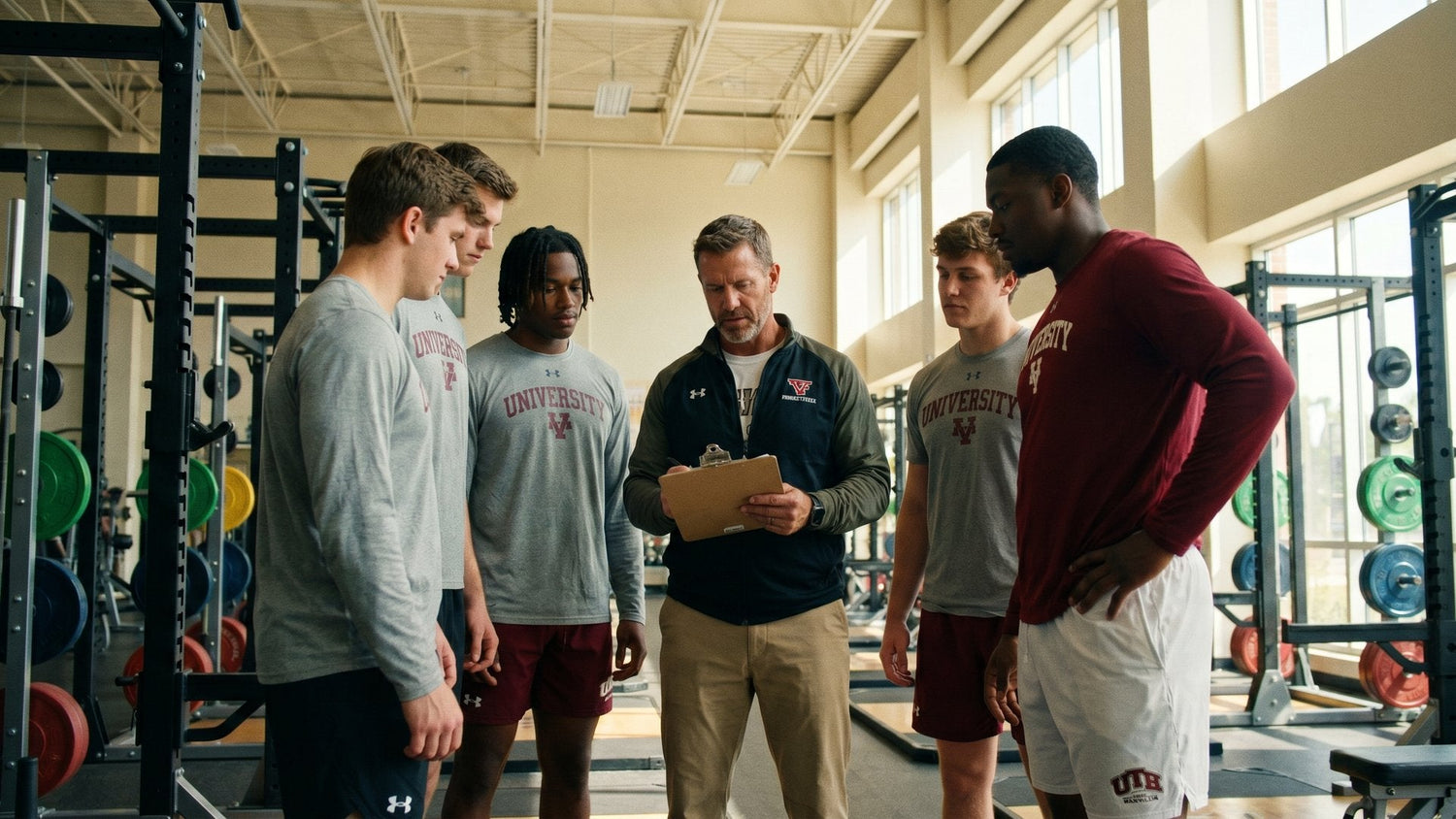
In the demanding world of competitive sports, where the margins between victory and defeat are razor-thin, every aspect of an athlete's physical preparation warrants meticulous attention. While focus often gravitates towards major muscle groups and cardiovascular endurance, the importance of neck strength frequently remains underestimated. Yet, for coaches, athletic directors, and school administrators, understanding and implementing a robust neck strengthening program is not merely about enhancing performance; it's a critical component of athlete safety, particularly in mitigating the risks associated with concussions and other head and neck injuries. This comprehensive guide is designed to equip strength coaches, head coaches, and athletic directors with the knowledge and practical strategies needed to develop, integrate, and manage an effective neck strengthening program tailored for their teams, ultimately fostering a safer and more resilient athletic environment.
The Science Behind Neck Strength and Injury Prevention
The human neck, a complex structure of bones, muscles, and ligaments, plays a pivotal role in supporting the head and protecting the brain and spinal cord. In sports, especially those involving high-impact collisions or rapid head movements, the neck acts as a crucial shock absorber. A stronger neck can better resist external forces, thereby reducing the acceleration and deceleration of the head, which are primary mechanisms of concussion.
Concussion Statistics and the Role of Neck Strength
Concussions represent a significant public health concern in sports, with thousands of athletes across various disciplines experiencing these traumatic brain injuries annually. The long-term consequences of repeated concussions, including chronic traumatic encephalopathy (CTE), have brought increased scrutiny to injury prevention strategies. Research has consistently highlighted a correlation between neck strength and concussion risk. For instance, a study by Collins et al. (2014) found that for every one-pound increase in neck strength, the odds of concussion decreased by 5% in high school athletes. This compelling statistic underscores the direct protective role of a well-conditioned neck.
Research Findings on Neck Strength and Reduced Concussion Risk
Numerous studies have corroborated the link between enhanced neck strength and a reduced incidence of sports-related concussions (SRC). A systematic review by Toninato et al. (2018) demonstrated a statistically significant correlation between weaker neck strength and increased susceptibility to concussion in high school athletes. Further, research published in the British Journal of Sports Medicine (Fownes-Walpole, 2025) provides recommendations for neck exercise training aimed at reducing head acceleration events (HAEs) in sport, supporting both practice and future research. These findings collectively suggest that a proactive approach to neck strengthening can be a powerful tool in an athlete's injury prevention arsenal.
Mechanism: How Stronger Necks Mitigate Head Acceleration
The primary mechanism by which a stronger neck helps prevent concussions is by limiting the magnitude and duration of head acceleration and deceleration following an impact. When an external force is applied to the head, the neck musculature contracts to stabilize the head and resist its movement. A stronger and more responsive neck can absorb more energy, reducing the velocity and rotational forces transmitted to the brain. This reduction in head kinematics is crucial, as it is the rapid movement of the brain within the skull that causes the shearing and stretching of neural tissues, leading to concussion.
Assessing Your Team's Current Neck Strength Baseline
Before embarking on any neck strengthening program, it is paramount to establish a baseline understanding of your team's current neck strength. This initial assessment serves multiple critical purposes: it identifies individual weaknesses, allows for targeted program design, and provides a measurable benchmark against which future progress can be evaluated. Without a baseline, the effectiveness of any intervention remains speculative.
Why Baseline Assessment is Crucial
A comprehensive baseline assessment helps coaches and athletic staff to:
- Identify at-risk athletes: Athletes with significantly weaker neck musculature may be at a higher risk of concussion and other neck injuries.
- Personalize training programs: Understanding individual strengths and weaknesses allows for the creation of tailored programs that address specific needs, optimizing training efficacy.
- Track progress objectively: Quantifiable data from baseline assessments provides a clear metric for evaluating the success of the neck strengthening program over time.
- Justify program implementation: Presenting data-driven insights to administrators can help secure resources and support for neck strengthening initiatives.
Methods for Assessment
Several methods can be employed to assess neck strength, ranging from simple manual tests to more sophisticated equipment-based evaluations. The choice of method often depends on available resources, time constraints, and the level of precision required.
-
Manual Muscle Testing (MMT)
MMT involves a clinician or coach applying resistance against an athlete's neck movements (flexion, extension, lateral flexion, rotation) and grading their strength on a subjective scale. While easy to implement and requiring no special equipment, MMT is less objective and quantitative than other methods.
-
Handheld Dynamometers
Handheld dynamometers offer a more objective measure of isometric neck strength. These devices provide a numerical reading of the force an athlete can generate in various directions. They are relatively portable and affordable, making them a popular choice for many athletic programs. Consistent positioning and standardized protocols are essential for reliable results.
-
Specialized Neck Assessment Devices (e.g., Iron Neck Assessments)
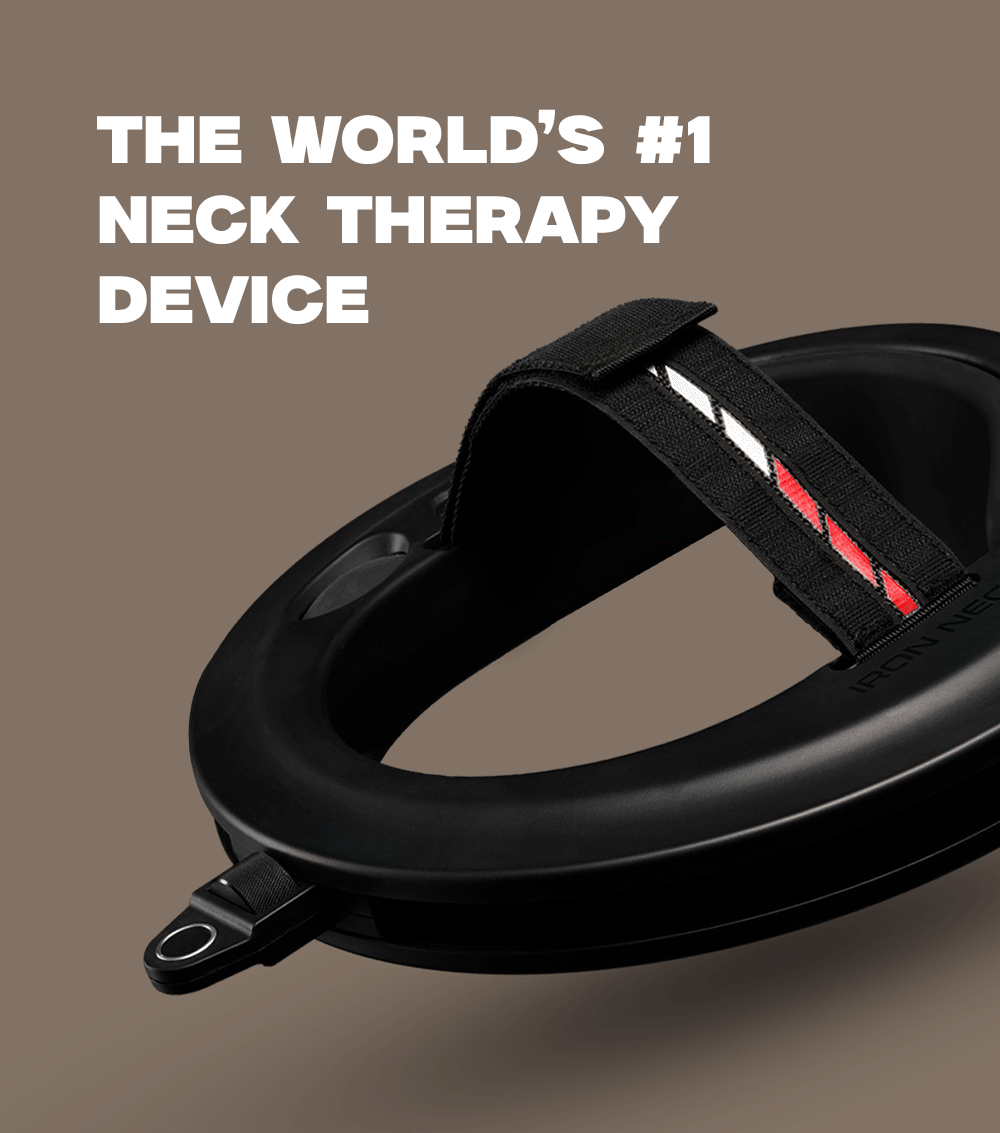
Devices like the Iron Neck training device offer advanced capabilities for both assessing and training neck strength. These systems can provide highly accurate and repeatable measurements of isometric and dynamic neck strength across multiple planes of motion. Their ability to track data over time and provide immediate feedback makes them invaluable for comprehensive neck strengthening programs.
Interpreting Results and Identifying Weaknesses
Once data is collected, the next step is to interpret the results to identify individual and team-wide weaknesses. This involves comparing individual scores against normative data (if available for the athlete's age, sport, and gender) and looking for asymmetries between left and right sides, or between flexion and extension strength. A common finding is that neck flexor strength is often weaker than extensor strength, which can be a target for specific training interventions. Identifying these weaknesses allows coaches to tailor exercises and progressions to address specific deficits, ensuring a more effective and balanced program.
Designing a Progressive Neck Strengthening Program
With a clear understanding of your team's baseline neck strength, the next crucial step is to design a progressive neck strengthening program. This program should be built upon sound physiological principles, ensuring that athletes are continually challenged to adapt and grow stronger, while minimizing the risk of injury. The goal is not just to build bulk, but to enhance the strength, endurance, and resilience of the entire cervical musculature.
Principles of Progressive Overload for Neck Training
The cornerstone of any effective strength training program, including neck strengthening, is the principle of progressive overload. This means gradually increasing the demands placed on the neck muscles over time to stimulate continuous adaptation. For neck training, progressive overload can be achieved through:
- Increasing Resistance: Using heavier weights, stronger bands, or higher resistance settings on specialized equipment.
- Increasing Volume: Performing more sets or repetitions of exercises.
- Increasing Frequency: Training the neck more often throughout the week.
- Decreasing Rest Intervals: Reducing the time between sets to improve muscular endurance.
- Increasing Time Under Tension: Slowing down the movement speed to keep muscles engaged for longer periods.
It is vital to implement these progressions gradually and systematically, allowing the neck muscles and connective tissues sufficient time to adapt. Rapid or excessive increases in load can lead to injury.
Key Muscle Groups to Target
A comprehensive neck strengthening program must target all major muscle groups responsible for cervical movement and stability. These include:
- Neck Flexors: Muscles at the front of the neck responsible for bending the head forward (e.g., sternocleidomastoid, scalenes).
- Neck Extensors: Muscles at the back of the neck responsible for bending the head backward (e.g., trapezius, splenius capitis, semispinalis capitis).
- Lateral Flexors: Muscles on the sides of the neck responsible for tilting the head sideways (e.g., scalenes, sternocleidomastoid).
- Rotators: Muscles responsible for turning the head (e.g., sternocleidomastoid, splenius capitis, semispinalis capitis).
A balanced program will address all these movements to ensure comprehensive strength development and reduce muscular imbalances.
Exercise Selection: Bodyweight, Bands, Free Weights, Specialized Equipment
A variety of exercises and equipment can be utilized to effectively strengthen the neck. The best approach often involves a combination of modalities to provide varied stimuli and target muscles from different angles.
-
Bodyweight Exercises
Simple and accessible, bodyweight neck exercises can be performed anywhere. Examples include neck isometrics (pushing against your hand in various directions), neck bridges (front, back, and side), and controlled neck rotations. These are excellent for beginners and for developing foundational strength and control.
-
Resistance Bands
Resistance bands offer a versatile and portable option for progressive resistance. They can be used for dynamic movements in all planes of motion, providing continuous tension throughout the exercise. Different band strengths allow for easy progression.
-
Free Weights
Plate-loaded neck harnesses or holding small dumbbells can be used for neck flexion, extension, and lateral flexion exercises. These methods allow for precise control over resistance and can be highly effective for building strength, but require careful execution to avoid strain.
-
Specialized Equipment (e.g., Iron Neck Training Device)
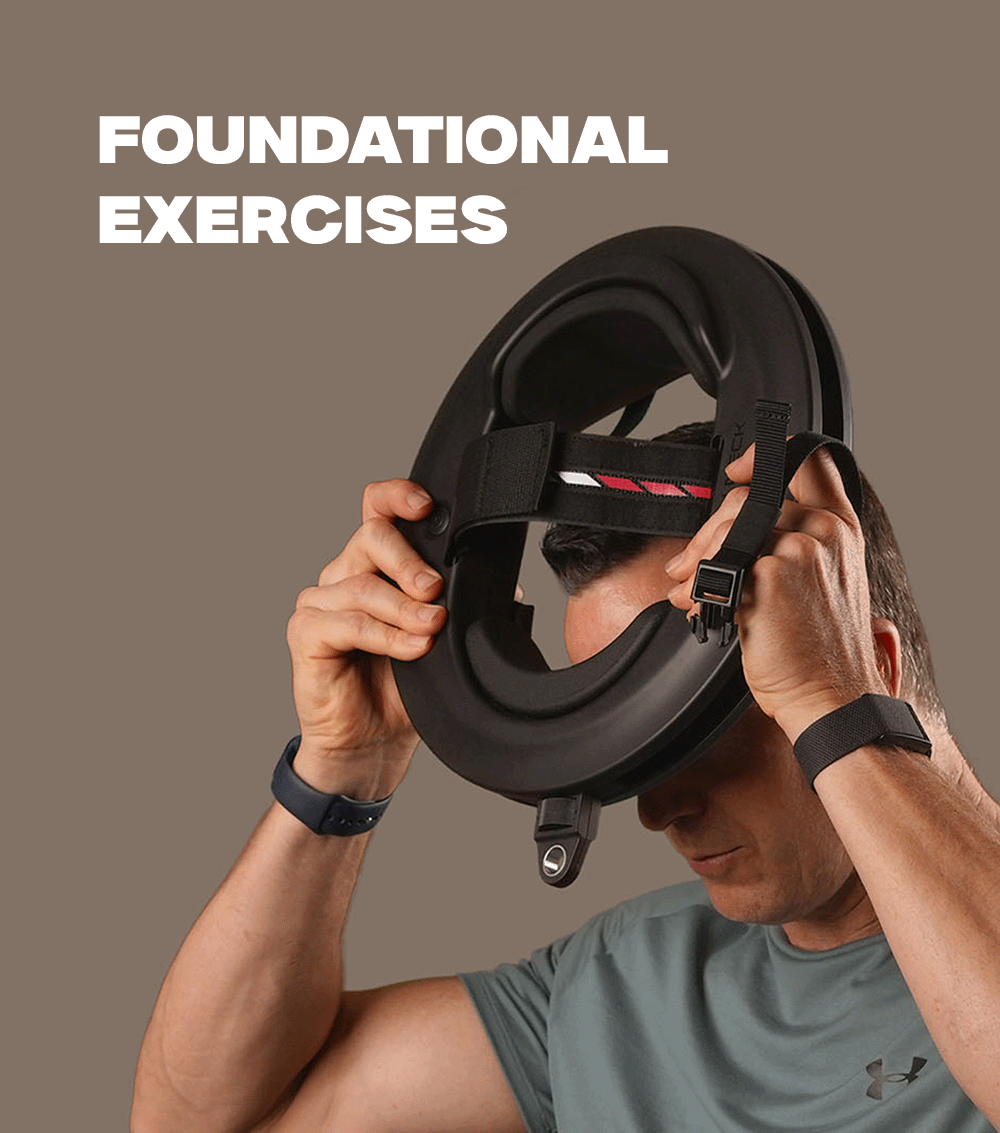
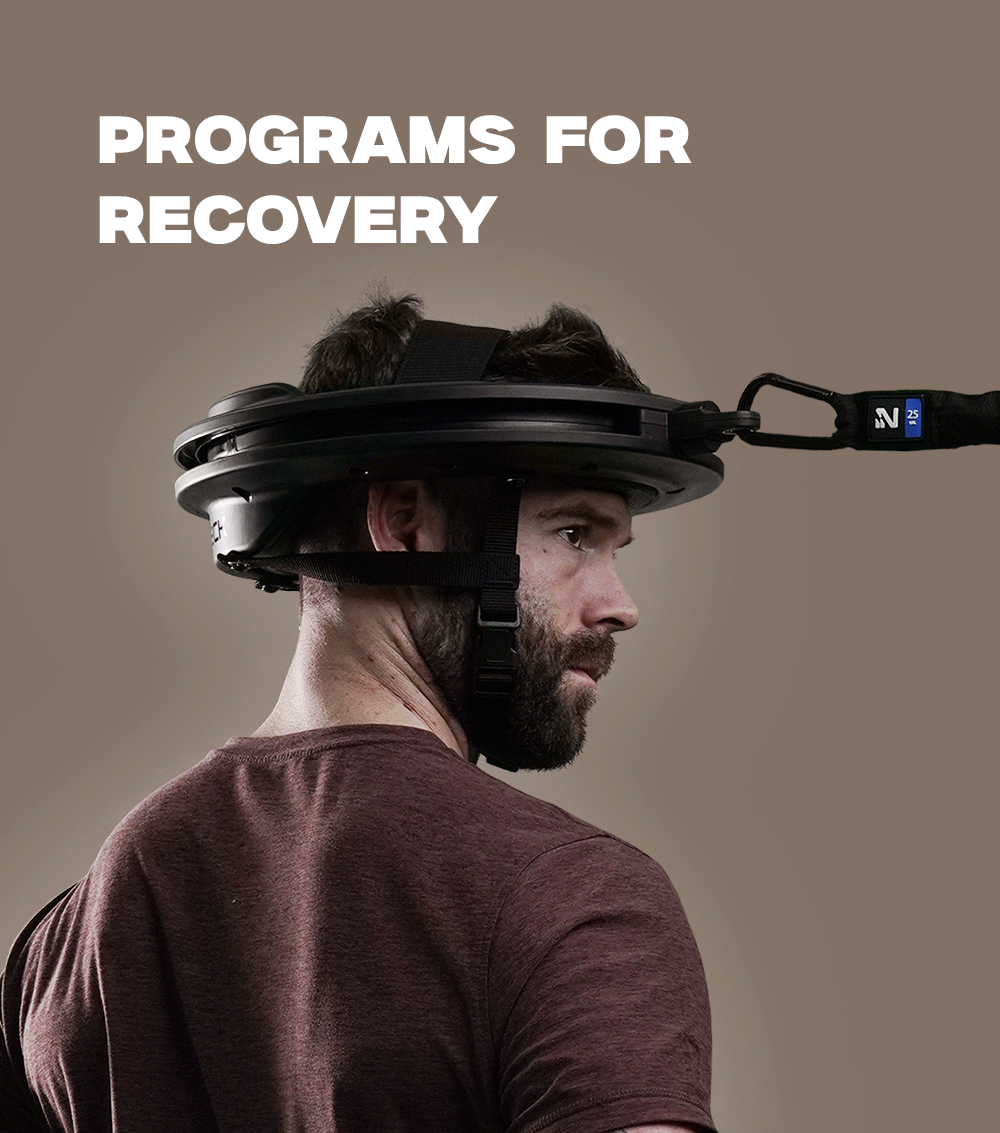
Devices like the Iron Neck training device are specifically designed for comprehensive neck strengthening. They provide multi-directional resistance, allowing for dynamic and isometric exercises that mimic real-world athletic movements. The Iron Neck's ability to engage the neck through a full range of motion with consistent tension makes it an incredibly efficient and effective tool for athletes at all levels. It also offers measurable feedback, which is crucial for tracking progress and motivating athletes.
Periodization Considerations for Different Sports Seasons
Integrating neck strengthening into an athlete's overall periodization plan is essential for maximizing benefits and preventing overtraining. The intensity and volume of neck training should align with the demands of the sport's season:
-
Off-Season
This is the ideal time to focus on building foundational neck strength and addressing any identified weaknesses. Higher volume and progressive overload can be emphasized, with a focus on hypertrophy and general strength development.
-
Pre-Season
As athletes approach the competitive season, the focus shifts towards sport-specific strength and power. Neck training should become more dynamic and integrated with other athletic movements, preparing the neck for the specific demands of competition.
-
In-Season
During the competitive season, the primary goal is to maintain strength and prevent injury without causing excessive fatigue. Neck training should be lower in volume and intensity, focusing on maintenance and recovery. Short, frequent sessions can be effective.
-
Post-Season
A brief period of active recovery is beneficial, followed by a re-assessment of neck strength to identify any new weaknesses or areas for improvement before beginning the next off-season cycle.
Integrating Neck Training into Existing S&C Sessions
One of the most common challenges for coaches is finding the time and space to incorporate new training modalities into already packed strength and conditioning schedules. However, with thoughtful planning, neck strengthening can be seamlessly integrated without significantly disrupting existing routines. The key is to be strategic about placement and efficiency.
Finding Optimal Placement within Current Training Schedules
There are several effective ways to integrate neck training into existing S&C sessions, depending on the overall structure of your program and the specific goals for the day:
-
Warm-up Integration
Light neck mobility and activation exercises can be incorporated into the general warm-up routine. This helps prepare the neck muscles for activity, improves range of motion, and can serve as a primer for more intense neck work later in the session or week. Examples include gentle neck rotations, side bends, and small isometric holds.
-
Main Session Integration (Supersets or Active Recovery)
For more intensive neck strengthening, exercises can be integrated into the main lifting session. This can be done by supersetting neck exercises with non-competing movements (e.g., neck flexion with squats, or neck extension with bench press). Alternatively, neck exercises can be performed during active recovery periods between sets of other exercises, maximizing time efficiency.
-
Cool-down Integration
Gentle neck stretches and mobility work can be included in the cool-down phase to improve flexibility and aid in recovery. This is also an opportunity for light isometric holds to reinforce stability without high intensity.
Time Efficiency and Practical Considerations for Team Settings
In a team setting, efficiency is paramount. Here are some practical considerations to ensure smooth integration of neck training:
- Station-Based Training: Set up dedicated neck training stations where athletes can rotate through various exercises. This allows multiple athletes to train simultaneously, reducing wait times.
- Circuit Training: Incorporate neck exercises into a larger circuit, where athletes move from one exercise to the next with minimal rest.
- Utilize Downtime: Encourage athletes to perform quick neck exercises during natural breaks in practice or between sets of other exercises.
- Coach Education: Ensure all coaching staff are proficient in demonstrating and spotting neck exercises to maintain safety and proper form.
- Equipment Accessibility: Make sure any specialized equipment, like the Iron Neck training device, is easily accessible and athletes are trained on its proper use. Its quick setup and versatile nature make it ideal for team environments.
By strategically planning and prioritizing neck strengthening, coaches can ensure that this vital aspect of athlete preparation is not overlooked, contributing to a more robust and injury-resilient team.
Sample Neck Strengthening Program Template
To provide a practical starting point, here is a sample neck strengthening program template. This template is designed to be adaptable and should be modified based on your team's specific needs, sport, and the results of your baseline assessments. Remember to emphasize proper form and gradual progression.
Beginner Program (Weeks 1-4)
Focus: Establishing foundational strength and motor control.
- Frequency: 2-3 times per week, non-consecutive days.
-
Exercises:
- Isometric Neck Holds: Push against your hand in flexion, extension, left lateral flexion, right lateral flexion, left rotation, right rotation. Hold each for 5-10 seconds. 2-3 sets of 5-8 reps per direction.
- Neck Bridges (Supine/Prone): Gentle bodyweight bridges, focusing on controlled movement. 2-3 sets of 8-12 reps.
- Controlled Neck Rotations/Side Bends: Slow, deliberate movements through full range of motion. 2-3 sets of 10-15 reps per side.
- Progression: Gradually increase hold time for isometrics, reps for dynamic movements.
Intermediate Program (Weeks 5-8)
Focus: Increasing strength and endurance with added resistance.
- Frequency: 2-3 times per week, non-consecutive days.
-
Exercises:
- Resistance Band Neck Flexion/Extension/Lateral Flexion/Rotation: Use a light resistance band anchored to a stable object or held by a partner. 3 sets of 10-15 reps per direction.
- Plate-Loaded Neck Harness (light weight): For flexion and extension. 3 sets of 10-12 reps.
- Iron Neck Training Device (Level 1 Resistance): Focus on controlled movements in all planes. 2-3 sets of 1-2 minutes of continuous movement, alternating directions.
- Progression: Increase band resistance, add small increments of weight to harness, increase Iron Neck resistance level or duration.
Advanced Program (Weeks 9+)
Focus: Maximizing strength, power, and sport-specific resilience.
- Frequency: 2 times per week, non-consecutive days (in-season: 1-2 times, lower volume).
-
Exercises:
- Heavy Plate-Loaded Neck Harness: For flexion, extension, and lateral flexion. 3-4 sets of 6-10 reps.
- Iron Neck Training Device (Level 2+ Resistance): Incorporate dynamic, multi-directional movements and rotational exercises that mimic sport-specific actions. 3-4 sets of 2-3 minutes of continuous movement.
- Neck Isometric Holds with Partner Resistance: Partner applies progressive resistance. 3 sets of 5-8 second holds per direction.
- Progression: Increase weight, Iron Neck resistance, or complexity of movements. Integrate with plyometric or agility drills where appropriate.
Tracking Progress and Demonstrating Efficacy
Implementing a neck strengthening program is only half the battle; effectively tracking progress and demonstrating its efficacy is equally important. This not only motivates athletes but also provides valuable data to refine the program and justify its continued investment to stakeholders.
Methods for Monitoring Improvements
Consistent monitoring is key to understanding the impact of your program. Methods include:
- Re-assessment: Periodically repeat the baseline assessments (e.g., every 6-8 weeks) using the same methods (dynamometers, Iron Neck assessments) to quantify improvements in strength and endurance.
- Subjective Feedback: Regularly solicit feedback from athletes regarding perceived strength, neck stiffness, and overall comfort. While subjective, this can provide valuable qualitative insights.
- Performance Metrics: Observe and track any improvements in athletic performance that might be indirectly linked to enhanced neck strength, such as better tackling form, improved balance, or reduced head movement during impact.
Data Collection and Analysis
Effective data collection and analysis are crucial for objective evaluation. Maintain a detailed log of all assessment results, training parameters (sets, reps, resistance), and any reported incidents or injuries. Tools like spreadsheets or specialized athlete management systems can help organize this data. Analyze trends over time, looking for consistent improvements across the team and identifying any athletes who may not be progressing as expected, allowing for timely intervention.
Using Progress to Motivate Athletes and Inform Program Adjustments
Sharing progress with athletes is a powerful motivator. When athletes see tangible improvements in their neck strength, they are more likely to buy into the program and commit to consistent training. Use visual aids, such as charts and graphs, to present individual and team progress. This data also serves as a critical feedback loop for coaches, informing necessary adjustments to the program. If a particular exercise isn't yielding desired results, or if certain athletes are plateauing, the data can guide modifications to exercise selection, intensity, or volume.
Presenting Results to Administrators and Stakeholders
Securing and maintaining support for a neck strengthening program often requires demonstrating its value to school administrators, athletic directors, and other key stakeholders. This involves effectively communicating the program's benefits, backed by data and a clear return on investment.
Communicating the Value Proposition (Athlete Safety, Performance, Liability)
When presenting to administrators, frame the neck strengthening program not just as an athletic enhancement, but as a critical investment in athlete well-being and institutional responsibility. Highlight the three core pillars of its value:
- Athlete Safety: Emphasize the primary goal of reducing concussion risk and other neck injuries, leading to fewer missed practices/games and improved long-term health outcomes for athletes.
- Performance Enhancement: Explain how a stronger, more stable neck can translate to improved athletic performance, such as better force absorption, enhanced balance, and greater confidence in contact situations.
- Reduced Institutional Liability: Articulate how a proactive injury prevention program demonstrates due diligence and can help mitigate potential liability associated with sports-related injuries.
Highlighting ROI of Neck Strengthening Programs
Quantify the return on investment (ROI) where possible. This could include:
- Reduced Healthcare Costs: Fewer concussions and neck injuries can lead to lower medical expenses for the institution and families.
- Increased Athlete Availability: Healthier athletes mean more consistent participation, which directly impacts team performance and success.
- Enhanced Reputation: A commitment to athlete safety and well-being can significantly boost the institution's reputation, attracting top talent and fostering community trust.
Data Visualization and Clear Reporting
Present your findings in a clear, concise, and visually appealing manner. Use graphs, charts, and infographics to illustrate key data points, such as:
- Baseline vs. post-program neck strength improvements.
- Comparison of injury rates before and after program implementation.
- Athlete participation and adherence rates.
A well-structured report that combines compelling narratives with robust data will be far more persuasive than anecdotal evidence alone. Emphasize the positive impact on athlete health, safety, and overall program success.
Key Takeaways
- Neck strength is a critical factor in athlete safety and performance, significantly reducing the risk and severity of concussions and other head/neck injuries.
- Baseline assessment is fundamental for identifying individual weaknesses and tailoring effective, progressive neck strengthening programs.
- Progressive overload is essential for continuous adaptation and strength gains in the cervical musculature.
- A balanced program should target all major neck muscle groups (flexors, extensors, lateral flexors, rotators) using a variety of exercises and equipment, including specialized tools like the Iron Neck training device.
- Strategic integration into existing S&C sessions (warm-ups, supersets, cool-downs) ensures time efficiency and program adherence.
- Consistent tracking and data analysis are vital for monitoring improvements, motivating athletes, and making informed program adjustments.
- Effective communication of results to administrators, highlighting athlete safety, performance benefits, and reduced liability, is crucial for securing ongoing support and resources.
Frequently Asked Questions (FAQ)
1. How often should athletes train their necks?
For optimal results, athletes should aim for 2-3 neck training sessions per week during the off-season and pre-season, allowing for adequate recovery between sessions. During the in-season, 1-2 sessions per week with lower volume and intensity are typically sufficient for maintenance.
2. Is neck strengthening only for contact sports?
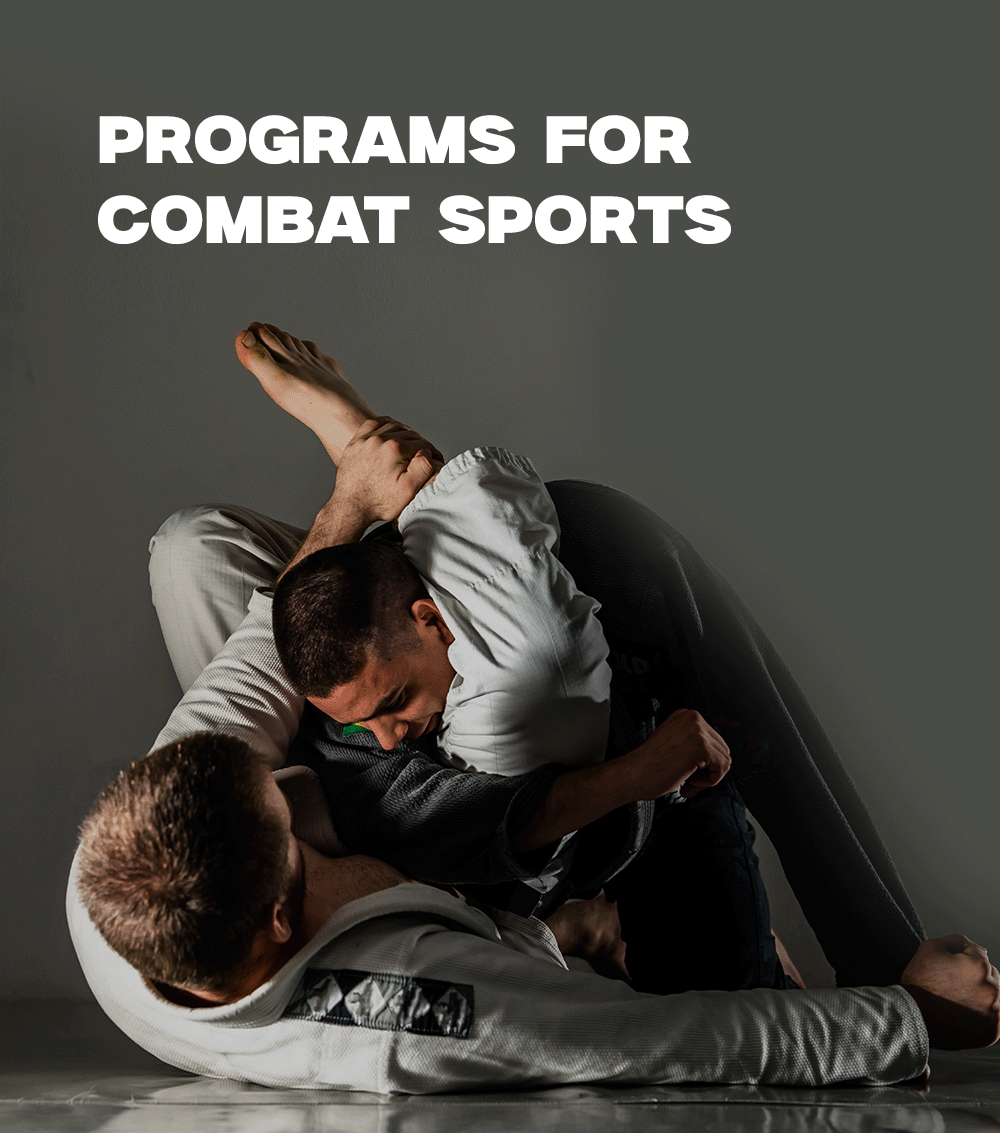
While neck strengthening is particularly crucial for contact sports like football, rugby, and hockey due to the high risk of impacts, it benefits athletes in all sports. A strong neck contributes to overall athletic stability, balance, and posture, which can enhance performance and reduce injury risk even in non-contact disciplines.
3. What is the best equipment for neck strengthening?
A combination of equipment often yields the best results. Bodyweight exercises and resistance bands are excellent for foundational strength and accessibility. Free weights with a neck harness can provide progressive resistance. Specialized devices like the Iron Neck training device offer multi-directional resistance and advanced training capabilities, making them highly effective for comprehensive neck development.
4. How long does it take to see results from a neck strengthening program?
Athletes can typically begin to see noticeable improvements in neck strength and endurance within 4-6 weeks of consistent training. Significant gains and adaptations, particularly in terms of injury resilience, usually develop over several months of dedicated programming.
5. Can neck strengthening prevent concussions entirely?
While neck strengthening significantly reduces the risk and severity of concussions by improving the neck's ability to absorb impact and stabilize the head, it cannot prevent concussions entirely. Concussions are complex injuries, and a multi-faceted approach to prevention, including proper technique, rule enforcement, and appropriate equipment, is always necessary.
6. How do I convince administrators to invest in neck strengthening equipment?
To convince administrators, focus on the clear benefits: enhanced athlete safety (reduced concussion risk), improved athletic performance, and mitigated institutional liability. Present data from your baseline assessments and progress tracking, and highlight the long-term ROI in terms of reduced healthcare costs and increased athlete availability. Emphasize that it's an investment in athlete well-being and the program's success.
Iron Neck is the only device that trains your neck through 360 degrees of resistance, combining rotation, extension, and lateral movement in one tool. Used by NFL teams, UFC fighters, and physical therapists.
Leave a comment
This site is protected by hCaptcha and the hCaptcha Privacy Policy and Terms of Service apply.