



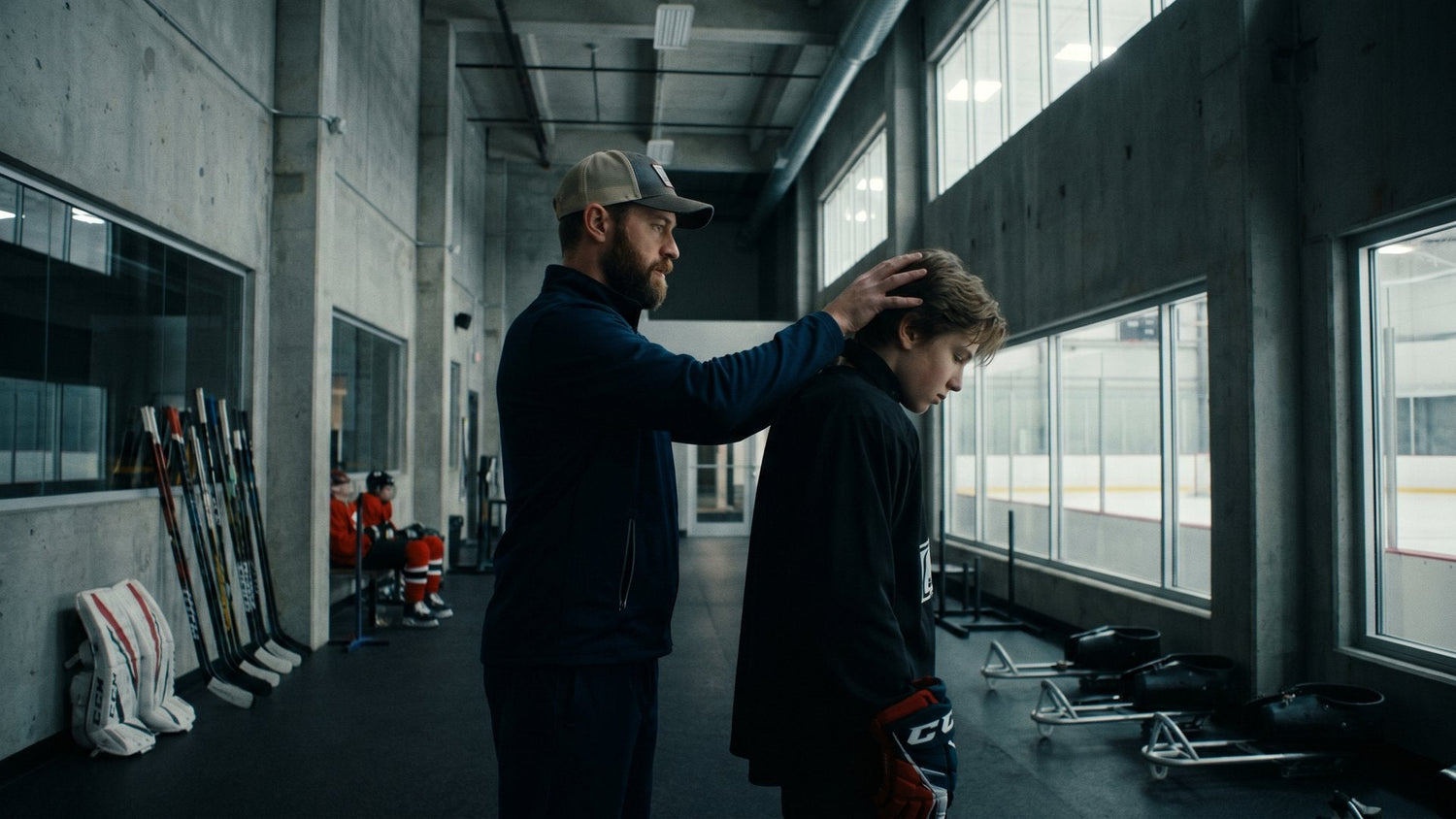
Hockey, a sport synonymous with speed, skill, and intense physical contact, unfortunately also carries a significant risk of head and neck injuries, particularly concussions. For athletic directors, strength coaches, school administrators, and gym owners, understanding and mitigating these risks is paramount to player safety and long-term athletic development. This comprehensive guide delves into the critical role of neck strength in concussion prevention for hockey players and outlines a season-long training protocol designed to build resilience and enhance performance on the ice.
The Concussion Epidemic in Hockey: A Call to Action
The alarming prevalence of concussions in hockey has become a major concern across all levels of the sport. From youth leagues to professional organizations, the impact of head injuries extends far beyond the immediate game, affecting players\' health, academic performance, and future well-being. Collisions with boards, ice, and other players are inherent to the game, making robust protective measures essential. While helmets offer crucial protection, they do not eliminate the risk of concussion entirely. Emerging research increasingly points to neck strength as a vital, often overlooked, component in reducing concussion susceptibility.
Understanding Concussion Mechanics and Neck\'s Role
A concussion is a traumatic brain injury caused by a sudden acceleration or deceleration of the head, leading to the brain impacting the inside of the skull. This can occur from direct blows to the head or indirect forces transmitted from impacts to the body. The neck musculature plays a critical role in stabilizing the head during these impacts. A stronger neck can better resist rapid head movements, effectively reducing the forces transmitted to the brain and thus lowering the risk and severity of concussions [1].
Studies have shown a direct correlation between increased neck strength and a reduced incidence of sports-related concussions. For instance, research indicates that a 10% increase in neck extensor strength can be associated with a 13% reduction in concussion rates [2]. This highlights the importance of incorporating targeted neck training into hockey players\' strength and conditioning programs.
Why Neck Strength is Critical for Hockey Players
Beyond concussion prevention, a strong neck offers numerous performance benefits for hockey players:
- Enhanced Stability: A stable head and neck allow for better visual tracking of the puck and opponents, crucial for decision-making and reaction time.
- Improved Balance: Strong neck muscles contribute to overall postural control, which is vital for maintaining balance on skates and during physical engagements.
- Increased Force Absorption: The neck acts as a natural shock absorber, distributing impact forces and protecting the delicate structures of the cervical spine.
- Reduced Injury Risk: Beyond concussions, a strong neck can help prevent other common hockey injuries, such as whiplash and stingers.
Season-Long Neck Training Protocol for Hockey Players
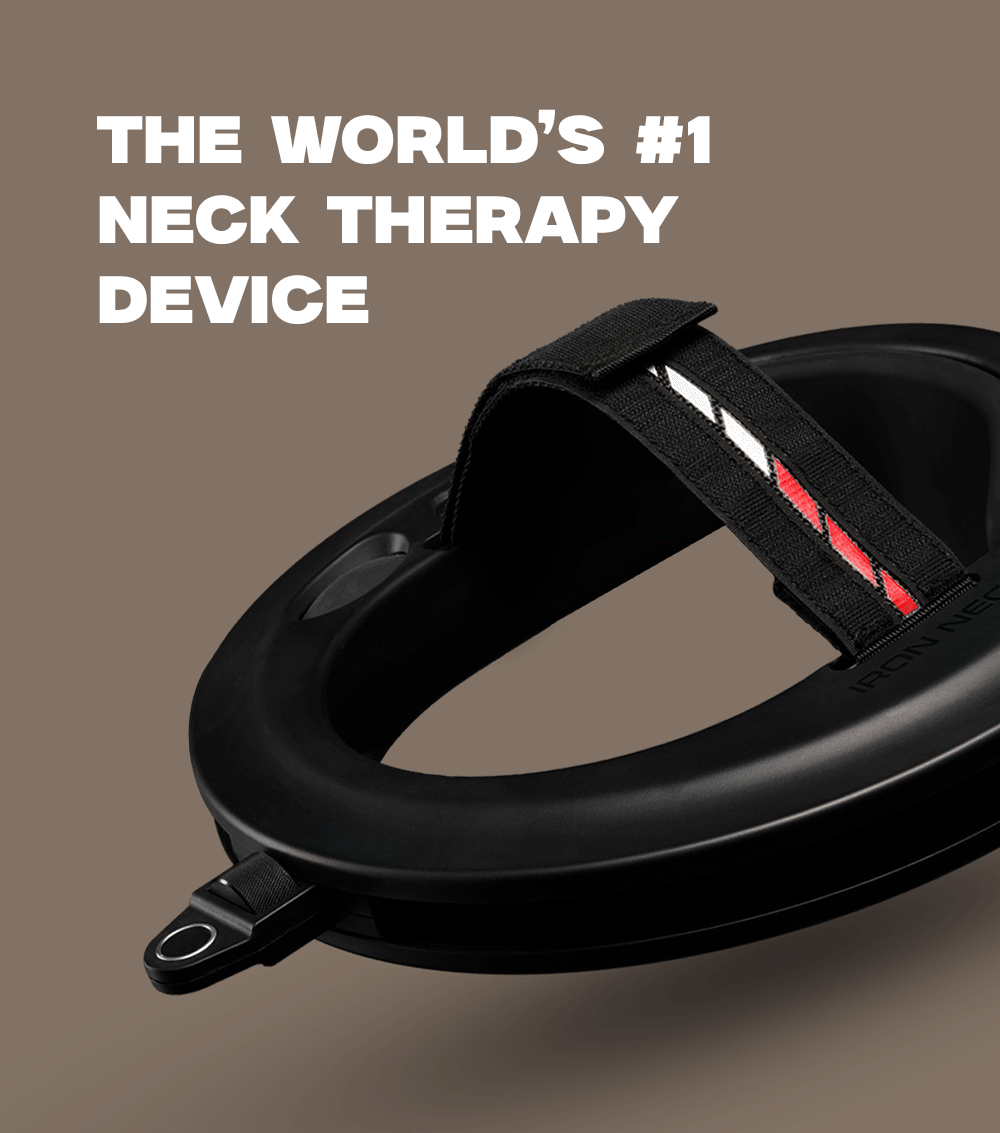
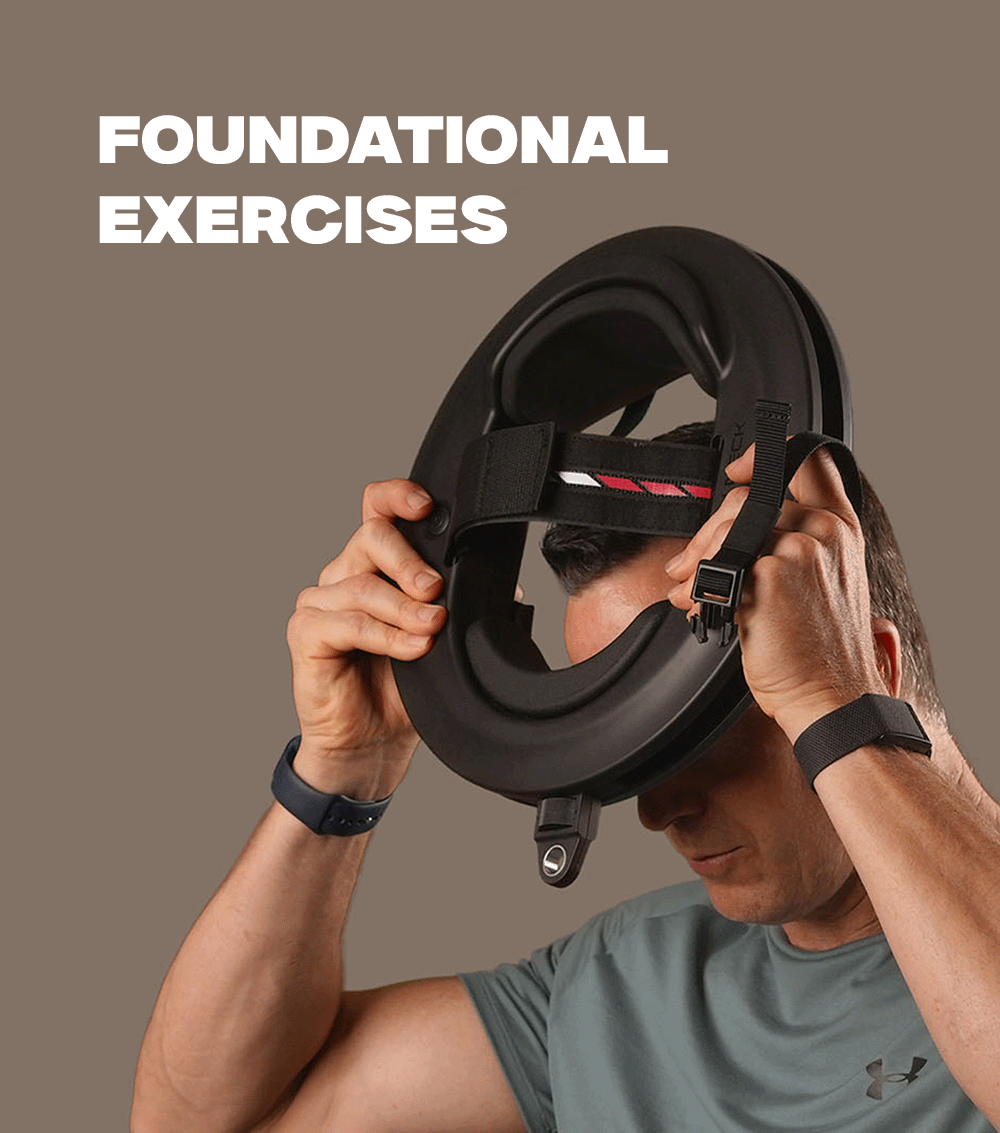
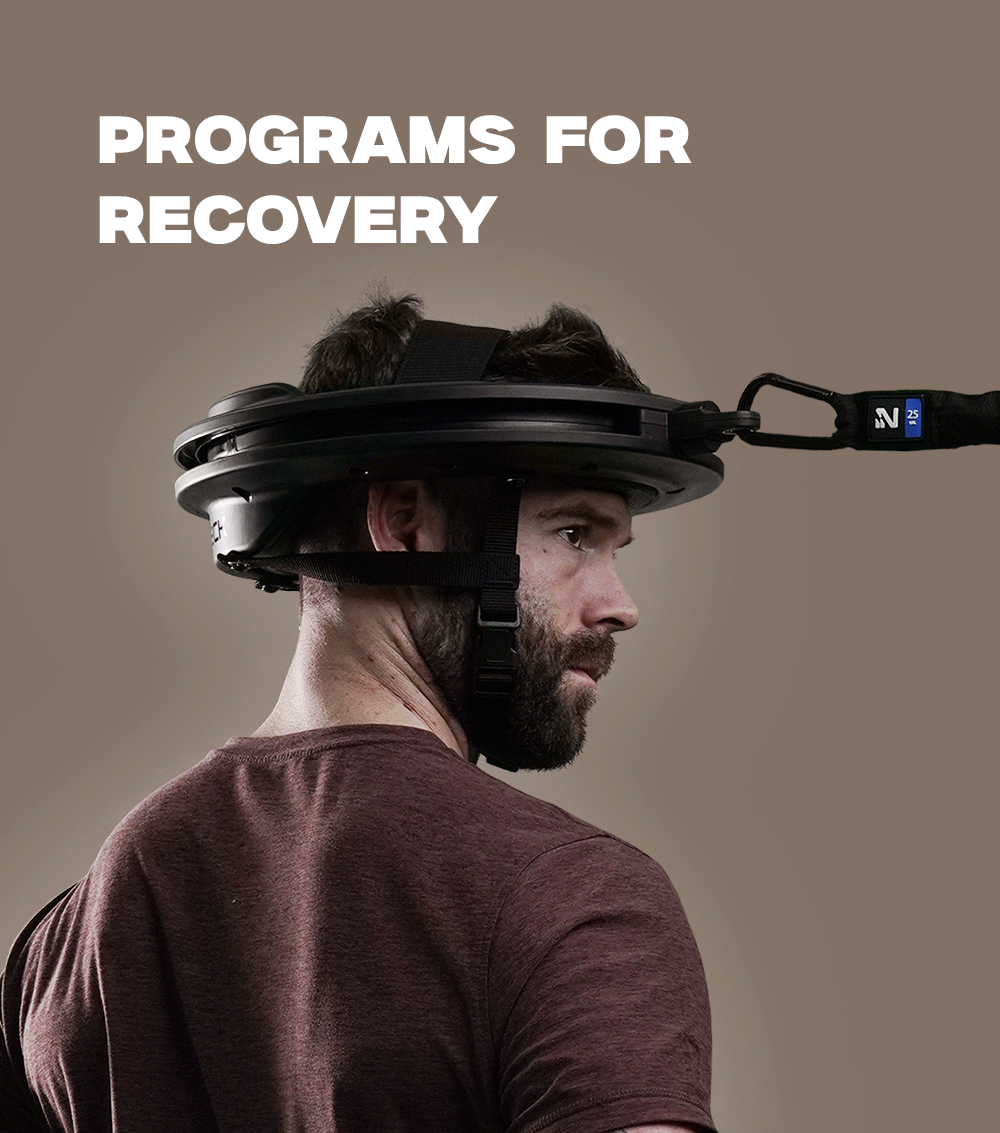
A comprehensive neck training program should be integrated throughout the entire hockey season, with varying intensities and focuses during different phases. The Iron Neck training device (iron-neck.com) is an excellent tool for safely and effectively implementing these exercises, offering multi-directional resistance that mimics the dynamic forces experienced on the ice.
Pre-Season: Building a Foundation of Strength and Resilience
The pre-season phase is dedicated to building maximal neck strength and endurance. This is where players should focus on progressive overload and developing a robust foundation.
Sample Pre-Season Neck Training Routine (2-3 times per week):
- Iron Neck Rotations: 3 sets of 10-12 repetitions in each direction (clockwise and counter-clockwise). Focus on controlled, full range of motion.
- Iron Neck Flexion/Extension: 3 sets of 10-12 repetitions. Maintain a neutral spine and control the movement.
- Iron Neck Lateral Flexion: 3 sets of 10-12 repetitions to each side. Keep shoulders stable.
- Isometric Holds with Iron Neck: 3 sets of 20-30 second holds in various positions (flexion, extension, lateral flexion, rotation). Focus on maximal voluntary contraction.
- Manual Resistance (Partner-Assisted): If an Iron Neck device is not available, a partner can provide manual resistance for flexion, extension, and lateral flexion. Ensure consistent and safe resistance.
In-Season: Maintaining Strength and Injury Prevention
During the in-season, the focus shifts to maintaining the strength built in the pre-season and incorporating exercises that support recovery and injury prevention without causing excessive fatigue. Training frequency should be reduced, and intensity adjusted to accommodate game schedules.
Sample In-Season Neck Training Routine (1-2 times per week):
- Iron Neck Rotations: 2 sets of 8-10 repetitions in each direction.
- Iron Neck Flexion/Extension: 2 sets of 8-10 repetitions.
- Iron Neck Lateral Flexion: 2 sets of 8-10 repetitions to each side.
- Light Isometric Holds with Iron Neck: 2 sets of 15-20 second holds in key positions.
- Dynamic Neck Mobility Drills: Gentle neck circles, head tilts, and chin tucks to maintain flexibility and reduce stiffness.
Post-Season: Active Recovery and Addressing Imbalances
The post-season is crucial for active recovery, addressing any muscular imbalances, and preparing the body for the next training cycle. Neck training during this phase should focus on mobility, flexibility, and light strength work.
Sample Post-Season Neck Training Routine (1-2 times per week):
- Gentle Iron Neck Rotations: 2 sets of 15-20 slow, controlled repetitions in each direction.
- Iron Neck Mobility Drills: Focus on smooth, pain-free movement through all planes.
- Stretching: Incorporate static stretches for the neck and upper traps, holding each stretch for 20-30 seconds.
- Foam Rolling/Massage: Address any tightness in the upper back and neck musculature.
Goalie-Specific Considerations for Neck Training
Goalies, due to their unique stance and the constant need to track the puck and players, often experience different types of neck strain and are at risk for specific injuries. Their neck training should emphasize sustained isometric strength and rotational control.
- Sustained Isometric Holds: Goalies need to maintain head position for extended periods. Incorporate longer isometric holds (30-45 seconds) with the Iron Neck in various positions to simulate game demands.
- Rotational Power and Control: Rapid head turns are common for goalies. Focus on explosive yet controlled Iron Neck rotations, ensuring smooth deceleration.
- Trapezius and Rhomboid Strengthening: Strong upper back muscles support the neck and shoulders, crucial for a goalie\'s protective stance. Include exercises like shrugs, rows, and face pulls.
- Vision Training Integration: Combine neck movements with visual tracking drills to enhance coordination and reaction time.
Key Takeaways
- Neck strength is a critical, modifiable factor in reducing concussion risk in hockey players.
- A 10% increase in neck extensor strength can lead to a 13% reduction in concussion rates [2].
- A season-long neck training protocol, incorporating pre-season, in-season, and post-season phases, is essential for optimal player safety and performance.
- The Iron Neck training device (iron-neck.com) provides multi-directional resistance for effective and safe neck strengthening.
- Goalies require specific neck training considerations, focusing on sustained isometric strength and rotational control.
- Beyond injury prevention, a strong neck enhances stability, balance, and overall athletic performance.
Frequently Asked Questions (FAQ)
Q1: How often should hockey players train their necks?
A1: During the pre-season, 2-3 times per week is ideal for building strength. In-season, 1-2 times per week is sufficient for maintenance and injury prevention. Post-season training focuses on recovery and mobility, typically 1-2 times per week with lighter intensity.
Q2: Is neck training only for preventing concussions?
A2: While concussion prevention is a major benefit, neck training also improves overall head and neck stability, balance, visual tracking, and can reduce the risk of other injuries like whiplash and stingers. It contributes to overall athletic performance.
Q3: What equipment is best for neck training in hockey?
A3: Devices like the Iron Neck (iron-neck.com) are highly effective as they provide multi-directional resistance, mimicking the forces experienced in hockey. Manual resistance from a partner or resistance bands can also be used.
Q4: Can neck training be dangerous?
A4: When performed correctly with proper technique and progressive overload, neck training is safe and highly beneficial. It\'s crucial to start with light resistance and gradually increase intensity. Consult with a strength and conditioning professional or athletic trainer for guidance.
Q5: Are there specific neck exercises for goalies?
A5: Yes, goalies benefit from sustained isometric holds to maintain head position, and exercises focusing on rotational power and control due to their unique movements. Strengthening the upper back muscles is also crucial for goalies.
Q6: How long does it take to see results from neck training?
A6: With consistent and proper training, players can start to see improvements in neck strength and stability within 4-6 weeks. Significant gains in strength and resilience will continue with a dedicated season-long program.
Q7: Should youth hockey players train their necks?
A7: Yes, age-appropriate neck strengthening can be beneficial for youth players. The focus should be on proper technique, controlled movements, and lighter resistance to build a strong foundation. Supervision by qualified coaches is recommended.
References:
[1] Neck Training for Hockey Players - Why A Strong Neck Is Important. Hockey Training. Available at: https://hockeytraining.com/neck-training/
[2] The relationship between neck strength and sports-related concussion in team sports: a systematic review with meta-analysis. Journal of Orthopaedic & Sports Physical Therapy. Available at: https://www.jospt.org/doi/abs/10.2519/jospt.2023.11727
Iron Neck is the only device that trains your neck through 360 degrees of resistance, combining rotation, extension, and lateral movement in one tool. Used by NFL teams, UFC fighters, and physical therapists.
Leave a comment
This site is protected by hCaptcha and the hCaptcha Privacy Policy and Terms of Service apply.