



Rugby, a sport synonymous with power, precision, and relentless physicality, demands an extraordinary level of athletic prowess from its participants. From the thunderous impact of a tackle to the immense forces generated in a scrum, players are constantly exposed to high-velocity collisions and sustained pressure. While much attention is rightly given to lower body strength, cardiovascular fitness, and overall conditioning, the critical role of neck strength often remains understated. For athletic directors, strength coaches, school administrators, and gym owners, understanding and implementing targeted neck strengthening programs is not just about enhancing performance; it's a fundamental strategy for mitigating the significant risk of head and neck injuries, including concussions, that are inherent to the game.
The Unique Neck Demands of Rugby: A Battle in Every Phase
The neck, or cervical spine, acts as the primary stabilizer and shock absorber for the head. In rugby, this structure is subjected to forces rarely seen in other sports. Each phase of play presents distinct challenges that necessitate a robust and resilient neck.
Scrums: The Ultimate Test of Cervical Strength
The scrum is arguably the most iconic and physically demanding aspect of rugby, particularly for the front row (props and hookers). Here, opposing packs engage in a ritualized contest of strength, technique, and endurance. The forces transmitted through the neck during a scrum are immense, with studies indicating axial loads that can exceed several kilonewtons. Players must maintain a strong, neutral head and neck position to effectively transfer force, prevent collapse, and protect the cervical spine from compressive and shear forces. A weak neck in this scenario can lead to acute injuries, including disc herniations, nerve impingements, and even catastrophic spinal cord damage.
Tackles: Absorbing and Delivering Impact
Tackling is a cornerstone of rugby defense, involving high-speed collisions where players must absorb and deliver significant impact. Whether making a tackle or being tackled, the neck plays a crucial role in stabilizing the head and preventing whiplash-type injuries. A strong neck allows players to maintain head control, reducing the likelihood of the head snapping back or to the side upon impact. This control is vital for preventing concussions, as uncontrolled head movement is a primary mechanism of traumatic brain injury. Research consistently shows that a stronger neck is associated with a reduced risk of concussion in contact sports.
Rucks and Mauls: Sustained Pressure and Dynamic Movement
Beyond scrums and tackles, the dynamic and often chaotic nature of rucks and mauls places continuous stress on the neck. In these close-quarter contests for possession, players are often in bent-over positions, driving into opponents, and absorbing forces from multiple directions. The neck muscles must work isometrically to maintain head position against sustained pressure and dynamically to adjust to sudden shifts in body mass and direction. This constant engagement, often in fatigued states, highlights the need for comprehensive neck conditioning that goes beyond simple flexion and extension.
The High Stakes: Neck and Head Injuries in Rugby
The physical nature of rugby, while exhilarating, unfortunately, comes with a significant risk of injury, particularly to the head and neck. These injuries range from minor strains and sprains to severe concussions and catastrophic spinal cord damage. The implications for player welfare, long-term health, and institutional liability are profound, making injury prevention a paramount concern for all stakeholders.
Concussion Risk and Neck Strength: The Evidence
Concussions are a major concern in rugby, with studies consistently highlighting their prevalence. Research indicates that head injuries, including concussions, account for a substantial percentage of all time-loss injuries in rugby. For instance, one study reported an incidence rate of up to 13 head injuries per 1000 player-match hours, accounting for as much as 16% of all time-loss injuries [Farah, 2022]. Another study on United States Under-19 Rugby-7s found head and neck injuries, including concussions, to be common, with incidences of 21.9/1000 player hours for males and 22.0/1000 player hours for females [repository.arizona.edu].
Crucially, a growing body of evidence points to a strong inverse relationship between neck strength and concussion risk. A stronger, more robust neck musculature can help to attenuate the forces transmitted to the brain during impact, thereby reducing the likelihood and severity of concussions. For example, within adolescent and adult rugby players, a neck flexion to extension ratio of less than 0.60 is associated with an increased concussion risk [sportsmith.co]. This underscores the importance of not just overall neck strength, but also balanced strength across different planes of motion.
Cervical Spine Injuries: A Serious Concern
Beyond concussions, direct injuries to the cervical spine are a serious threat in rugby. These can include muscle strains, ligamentous sprains, disc injuries, and in the most severe cases, fractures and spinal cord trauma. The scrum, in particular, has been identified as a phase of play with a heightened risk for cervical spine injuries. One review highlighted that serious cervical spine injuries in rugby union can result from the tackle, scrum, and ruck/maul [bjsm.bmj.com].
The incidence of neck injury in rugby union has been reported to range between 0.26 and 9.17 per 1000 player hours for mixed populations [jsams.org]. While many neck injuries are minor, a significant percentage can be mild to moderate, leading to time away from play and potential long-term issues. For instance, in amateur rugby union players, 69% of neck injuries are minor, 17% mild, and 7% moderate to severe [scielo.org.za]. These statistics emphasize the urgent need for proactive measures to protect the cervical spine.
The Economic and Human Cost of Injuries
The impact of these injuries extends beyond the individual player. For schools, teams, and gyms, a high incidence of neck and head injuries can lead to significant financial burdens, including medical costs, rehabilitation expenses, and potential legal liabilities. Furthermore, it can negatively affect team performance, player retention, and the overall reputation of the program. Investing in effective injury prevention strategies, such as comprehensive neck strengthening, is therefore a sound economic and ethical decision.
Building a Resilient Neck: A Practical Training Program for Rugby Players
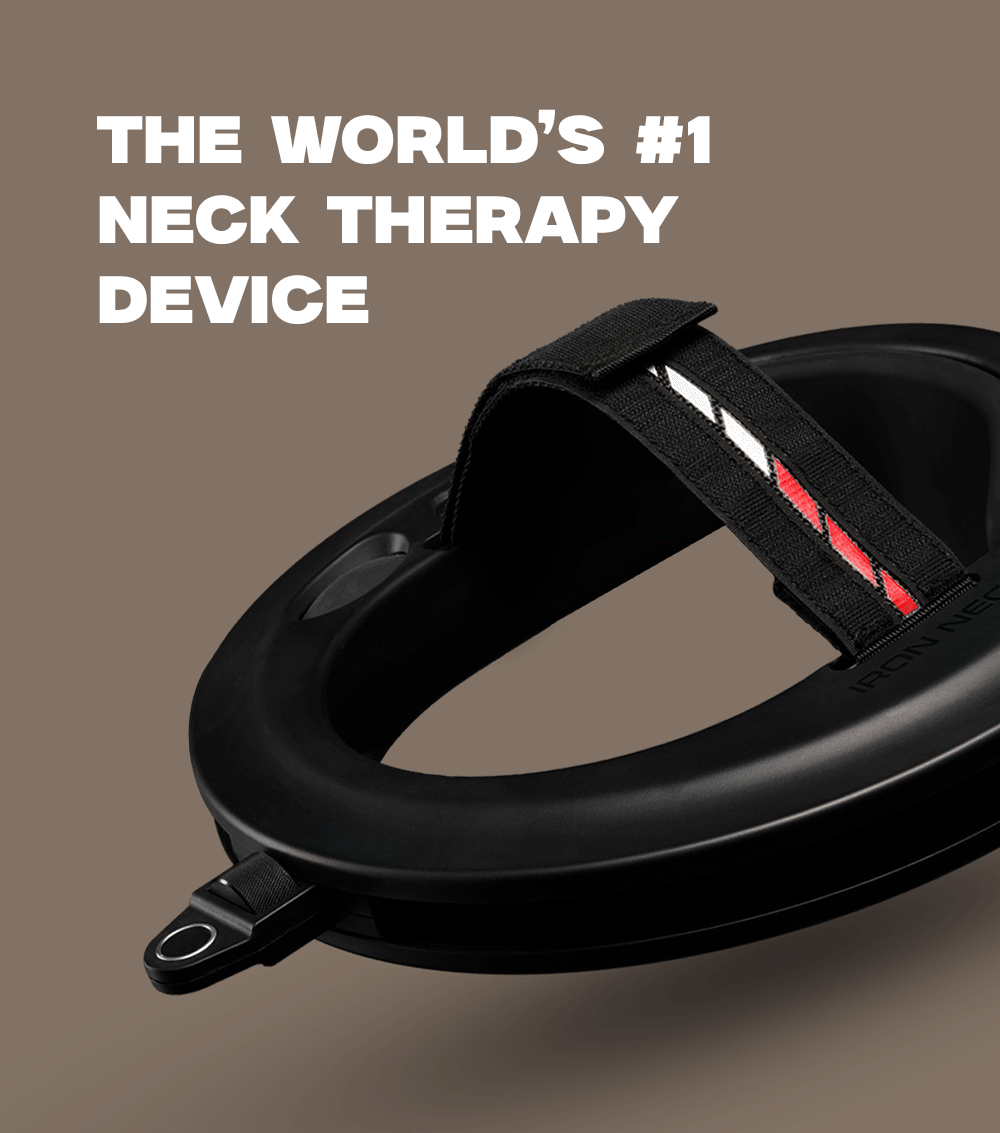
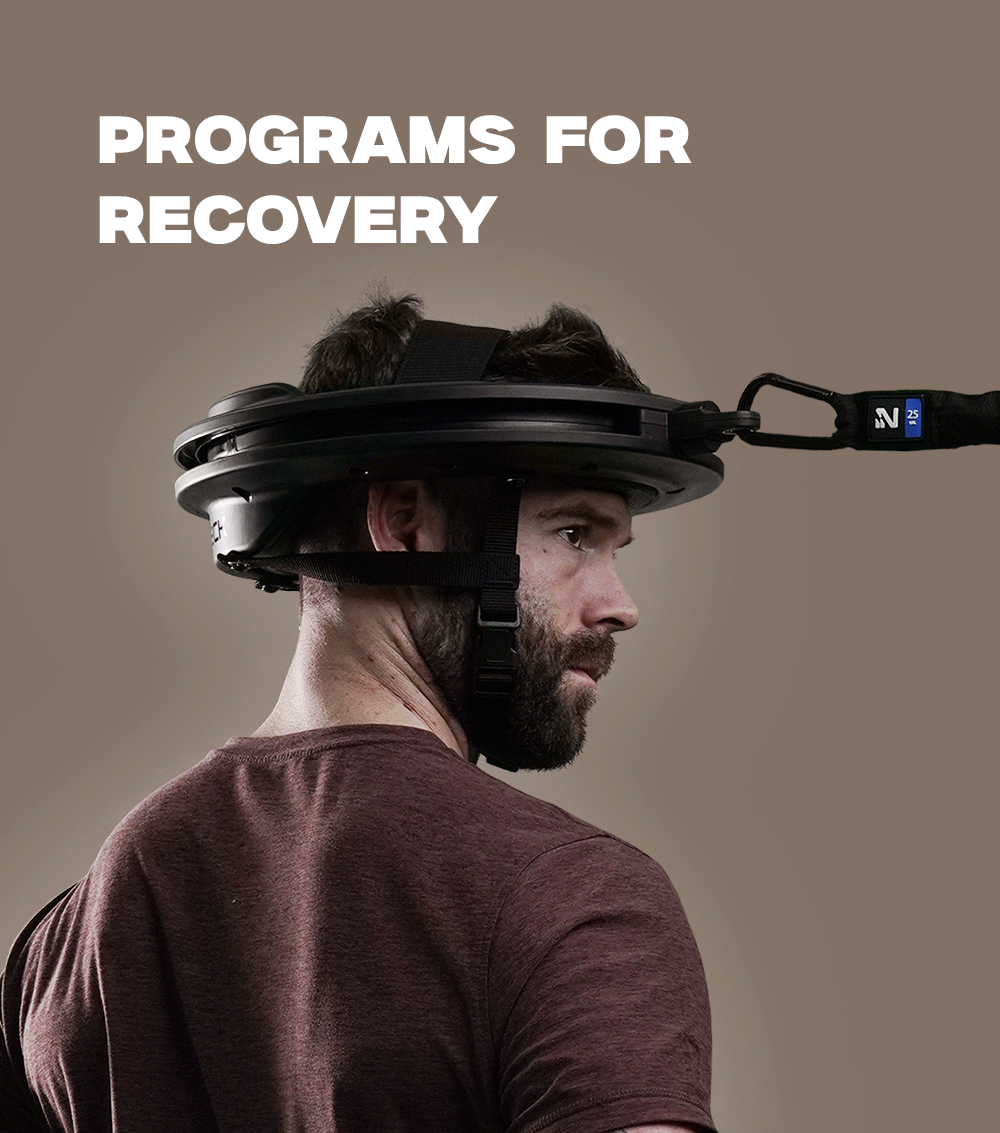
Implementing a structured and progressive neck strengthening program is paramount for rugby players. This program should be integrated into the overall strength and conditioning regimen, focusing on building strength, endurance, and proprioception of the cervical musculature. The Iron Neck training device offers a versatile and effective solution for achieving these goals, providing resistance in multiple planes of motion.
Fundamental Principles of Neck Training
- Consistency is Key: Like any other muscle group, the neck responds to consistent training. Aim for 2-3 sessions per week, allowing for adequate recovery.
- Progressive Overload: Gradually increase resistance, repetitions, or time under tension to continually challenge the muscles.
- Full Range of Motion: Train the neck through its full anatomical range of motion (flexion, extension, lateral flexion, rotation) to ensure comprehensive development.
- Controlled Movements: Emphasize slow, controlled movements to maximize muscle engagement and minimize the risk of injury. Avoid jerky or ballistic movements.
- Proper Form: Maintain a neutral spine and avoid shrugging the shoulders during exercises. Focus on isolating the neck muscles.
Core Neck Exercises (Utilizing the Iron Neck)
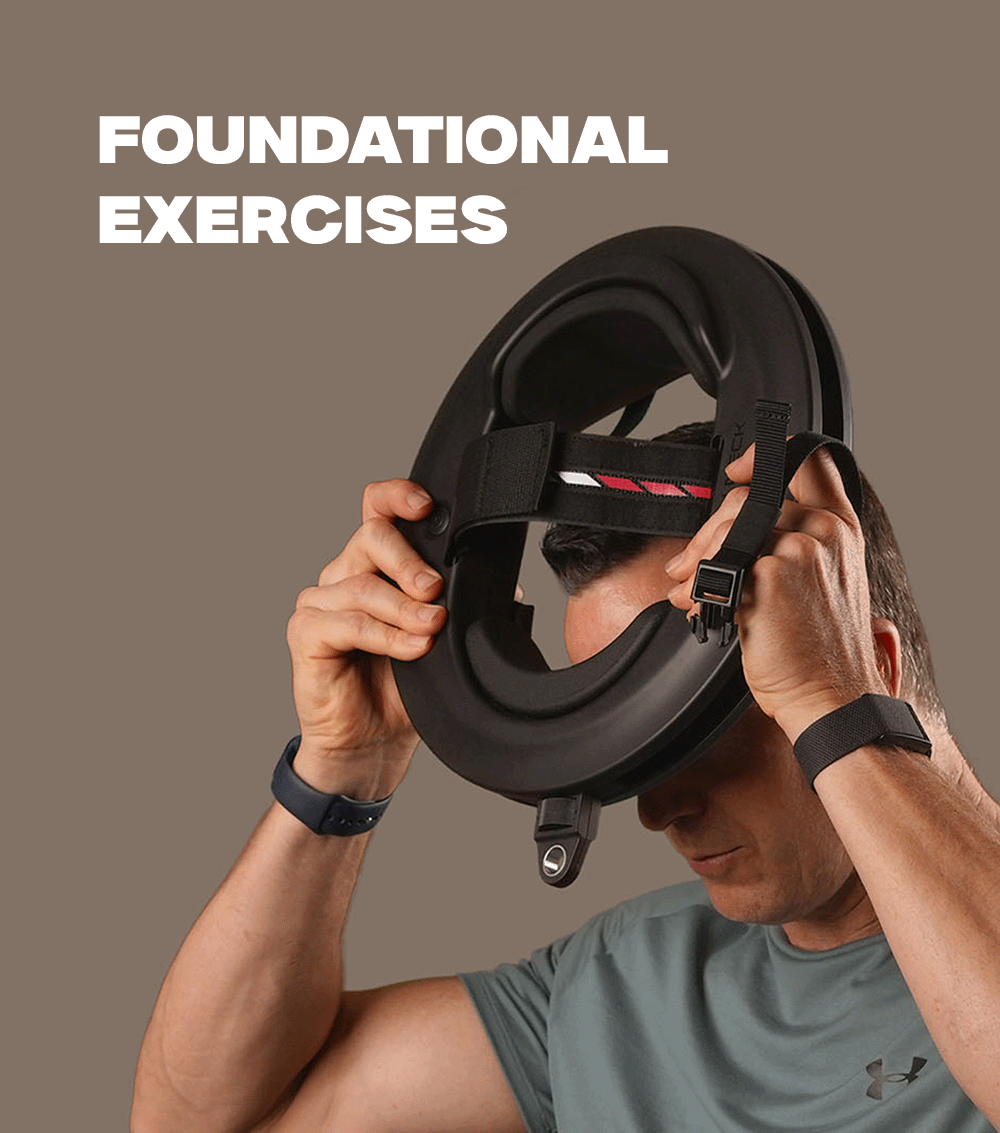
The Iron Neck training device is particularly effective for rugby players due to its ability to provide 360-degree resistance, mimicking the multi-directional forces experienced on the field. Here are some foundational exercises:
1. Isometric Holds (Static Strength)
Isometric exercises are excellent for building foundational strength and stability. With the Iron Neck, players can perform isometric holds in various positions:
- Flexion Hold: Facing forward, resist the pull of the Iron Neck as it tries to extend the head backward.
- Extension Hold: Facing backward, resist the pull of the Iron Neck as it tries to flex the head forward.
- Lateral Flexion Holds: Facing sideways, resist the pull of the Iron Neck as it tries to bend the head to the side.
- Rotation Holds: Resist the rotational pull of the Iron Neck.
Programming: 3-5 sets of 10-20 second holds in each direction.
2. Dynamic Movements (Strength and Endurance)
Dynamic exercises with the Iron Neck build strength through a full range of motion and improve muscular endurance.
- Flexion and Extension: Slowly nod the head forward and backward against the resistance.
- Lateral Flexion: Slowly tilt the head side to side against the resistance.
- Rotation: Slowly rotate the head from side to side against the resistance.
- Figure Eights/Circles: Perform controlled figure-eight or circular motions with the head to engage all neck muscles dynamically.
Programming: 3-4 sets of 10-15 repetitions in each direction, or 30-60 seconds of continuous movement for figure eights/circles.
3. Proprioceptive Drills (Reaction and Control)
These drills enhance the neck's ability to react quickly and stabilize the head during unexpected impacts.
- Reactive Holds: Have a partner provide sudden, unpredictable pushes or pulls on the Iron Neck, requiring the player to rapidly stabilize their head.
- Dynamic Resistance with Movement: Perform light jogging or shuffling while wearing the Iron Neck, focusing on maintaining head stability against the resistance.
Programming: 2-3 sets of 30-60 seconds, focusing on quick, controlled reactions.
Position-Specific Considerations for Rugby Players
While general neck strengthening is beneficial for all rugby players, certain positions place unique demands on the cervical spine, warranting tailored training approaches.
Front Row (Props and Hookers)
These players are at the epicenter of the scrum, requiring maximal isometric strength and endurance to withstand immense compressive and shear forces. Their training should heavily emphasize:
- Maximal Isometric Strength: Longer duration isometric holds (e.g., 20-30 seconds) with higher resistance in flexion, extension, and lateral flexion.
- Scrum-Specific Drills: Incorporate Iron Neck training while simulating scrum postures, focusing on maintaining a strong, neutral neck position against resistance.
- Rotational Stability: Enhanced rotational strength to resist twisting forces during scrum engagement and collapse.
Second Row (Locks)
Locks provide power and stability in the scrum and lineout, often absorbing forces from behind. Their neck training should focus on:
- Extension Strength: Strong emphasis on neck extension to maintain a stable platform in the scrum and resist backward forces.
- Endurance: Higher repetitions or longer durations for dynamic exercises to build muscular endurance for sustained effort.
Back Row (Flankers and Number 8)
These players are highly dynamic, involved in numerous tackles, rucks, and mauls. Their neck training needs to balance strength with reactive stability:
- Dynamic Strength: Focus on dynamic flexion, extension, and lateral flexion with moderate resistance to improve strength through movement.
- Reactive Stability: Integrate more proprioceptive drills to enhance rapid head stabilization during unpredictable impacts.
Halfbacks (Scrum-half and Fly-half)
While less involved in direct scrummaging, halfbacks are still exposed to tackles and rucks. Their training should prioritize:
- Overall Neck Health: A balanced program covering all planes of motion to build general resilience.
- Whiplash Prevention: Emphasis on controlled dynamic movements and isometric holds to improve the neck's ability to absorb and dissipate forces from tackles.
Centers, Wings, and Fullbacks (Backs)
Backs are involved in high-speed collisions and often make or receive tackles in open play. Their neck training should focus on:
- Dynamic Strength and Endurance: To withstand repeated impacts and maintain head control during fast-paced play.
- Reactive Strength: Similar to back-row players, reactive drills are crucial for preparing the neck for sudden, high-impact events.
Key Takeaways for Athletic Directors, Coaches, and Administrators
- Neck Strength is Injury Prevention: A strong neck is a primary defense against concussions and cervical spine injuries in rugby.
- Rugby's Unique Demands: Scrums, tackles, rucks, and mauls place extreme and multi-directional forces on the neck, requiring specific conditioning.
- Evidence-Based Approach: Research consistently links increased neck strength to reduced concussion risk and improved injury resilience.
- Comprehensive Training: Programs should include isometric, dynamic, and proprioceptive exercises, targeting all planes of motion.
- Position-Specific Customization: Tailor neck training protocols to the unique demands of each rugby position for optimal effectiveness.
- Integration is Crucial: Neck strengthening should be a consistent, integrated component of every rugby player's strength and conditioning regimen.
- Invest in the Right Tools: Devices like the Iron Neck training device provide versatile and effective resistance for comprehensive neck conditioning.
- Long-Term Player Welfare: Prioritizing neck strength is an investment in the immediate safety and long-term health of athletes, reducing medical costs and enhancing program reputation.
Summary and Conclusion
Rugby is a sport that demands peak physical condition, and at its core, a strong and resilient neck is non-negotiable for player safety and performance. The unique biomechanical stresses imposed by scrums, tackles, rucks, and mauls necessitate a targeted approach to cervical strengthening. By understanding the high incidence of head and neck injuries, including concussions, and the compelling evidence linking neck strength to injury reduction, athletic directors, strength coaches, and school administrators can make informed decisions to protect their athletes.
Implementing a comprehensive neck training program, ideally utilizing versatile tools like the Iron Neck training device, is a proactive step towards building a more robust and injury-resilient rugby squad. This not only safeguards the immediate well-being of players but also contributes to their long-term health and the overall success and reputation of the rugby program. Prioritizing neck strength is not just about gaining a competitive edge; it's about fostering a culture of safety and athletic longevity in one of the world's most demanding sports.
Frequently Asked Questions (FAQ)
Q1: Why is neck strengthening so important for rugby players?
A1: Neck strengthening is crucial for rugby players because the sport involves high-impact collisions, scrums, tackles, and rucks that place immense stress on the cervical spine. A strong neck helps to stabilize the head, absorb impact forces, and reduce the risk and severity of head and neck injuries, including concussions and spinal cord trauma.
Q2: How often should rugby players train their necks?
A2: For optimal results and adequate recovery, rugby players should aim to incorporate targeted neck strengthening exercises into their training regimen 2-3 times per week. Consistency is key for building and maintaining cervical strength and endurance.
Q3: Can neck strengthening really prevent concussions?
A3: While no single intervention can completely prevent concussions, a growing body of research indicates a strong correlation between increased neck strength and a reduced risk of concussion. A stronger neck musculature can help to attenuate the forces transmitted to the brain during impact, thereby lowering the likelihood and severity of concussive events.
Q4: Are there specific neck exercises that are best for rugby?
A4: Effective neck training for rugby should include a combination of isometric holds (for static strength), dynamic movements (for strength through range of motion and endurance), and proprioceptive drills (for reactive stability). Tools like the Iron Neck training device are highly effective as they provide multi-directional resistance, mimicking the forces encountered in rugby.
Q5: Should neck training be different for different rugby positions?
A5: Yes, while general neck strengthening benefits all players, training can be tailored to position-specific demands. For example, front-row players may focus more on maximal isometric strength for scrums, while backs might emphasize dynamic strength and reactive stability for high-speed tackles and collisions.
Q6: What are the risks of not incorporating neck training in rugby?
A6: Neglecting neck training can significantly increase a rugby player's vulnerability to head and neck injuries. This includes a higher risk of concussions, cervical muscle strains, ligamentous sprains, disc injuries, and in severe cases, catastrophic spinal cord trauma. These injuries can lead to prolonged time away from play, long-term health issues, and significant medical costs.
Q7: Where can I find more information on the Iron Neck training device?
A7: You can find more information about the Iron Neck training device and its benefits for athletes, including rugby players, by visiting the official website at iron-neck.com. The site provides details on the product, training protocols, and testimonials.
Iron Neck is the only device that trains your neck through 360 degrees of resistance, combining rotation, extension, and lateral movement in one tool. Used by NFL teams, UFC fighters, and physical therapists.


Leave a comment
This site is protected by hCaptcha and the hCaptcha Privacy Policy and Terms of Service apply.