



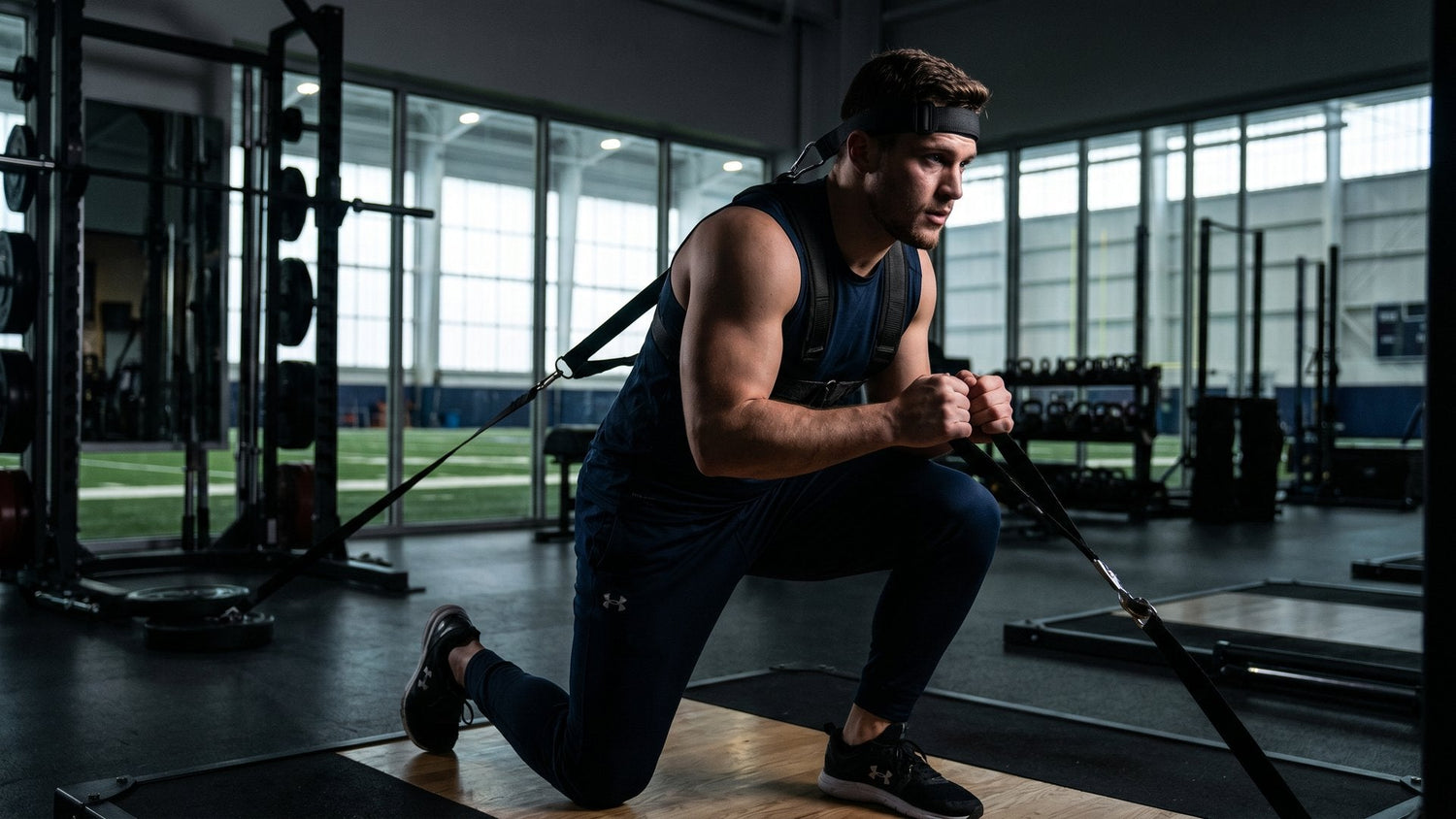
In the demanding world of competitive sports, the specter of concussion looms large, threatening the immediate well-being and long-term health of athletes across all levels. For athletic directors, strength coaches, school administrators, and gym owners, safeguarding athletes is paramount, and the search for effective preventative measures is ongoing. While no single intervention can entirely eliminate the risk of concussion, a growing body of scientific evidence points to one critical, often overlooked factor: neck strength. This article delves into a comprehensive neck training protocol designed to significantly reduce the impact forces experienced during collisions and falls, offering practical, actionable strategies to integrate into any athletic program.
The Critical Role of Neck Strength in Concussion Mitigation
Concussions are complex traumatic brain injuries resulting from direct or indirect forces transmitted to the head. These forces cause the brain to accelerate and decelerate rapidly within the skull, leading to cellular damage and neurological dysfunction. While helmets protect against skull fractures and superficial injuries, they are less effective at preventing the rotational and translational forces that cause concussions. This is where neck strength becomes a crucial line of defense.
Understanding Concussion Mechanics and Neck Response
The human neck acts as a natural shock absorber and stabilizer for the head. Stronger neck musculature allows athletes to better brace for impact, reducing the head's acceleration and deceleration rates. When an athlete's neck muscles are weak or unprepared, the head whips around more violently upon impact, increasing the strain on brain tissue. Conversely, a robust neck can stiffen on impact, minimizing head movement and dissipating energy more effectively before it reaches the brain.
Scientific Evidence: Neck Strength and Reduced Impact Forces
Numerous studies have established a direct correlation between increased neck strength and a reduced risk of concussion. Research published in journals like the Journal of Athletic Training and the American Journal of Sports Medicine consistently demonstrates that athletes with greater neck circumference and strength exhibit lower head acceleration magnitudes during impacts. For instance, a study by Collins et al. (2014) found that for every one-pound increase in neck strength, the odds of sustaining a concussion decreased by 5%. This isn't merely about preventing the head from moving; it's about controlling the kinematics of the head and neck during dynamic events, thereby reducing the severity of forces transmitted to the brain.
Why Traditional Training Falls Short
While general strength and conditioning programs develop overall musculature, they often neglect direct, comprehensive neck strengthening. Exercises like shrugs or overhead presses might indirectly engage some neck muscles, but they do not provide the multi-directional resistance and specific stimulus required to build resilient cervical musculature capable of mitigating concussion forces. A targeted approach is essential to address the unique demands placed on the neck during athletic competition.
Foundations of a Comprehensive Neck Training Protocol
Developing an effective neck training protocol requires adherence to fundamental principles of exercise science and a clear understanding of the specific goals: enhancing strength, endurance, and reactive stability in all planes of motion.
Principles of Progressive Overload and Specificity
Like any other muscle group, the neck muscles respond to progressive overload—gradually increasing the resistance, repetitions, or intensity over time. Specificity dictates that training should mimic the demands of the sport. For concussion prevention, this means training the neck through its full range of motion against resistance in flexion, extension, lateral flexion, and rotation, preparing it for unpredictable impacts from various angles.
Assessing Neck Strength: Baselines and Benchmarks
Before implementing any program, establishing baseline neck strength is crucial. This allows coaches to track progress, identify weaknesses, and tailor programs to individual needs. While sophisticated dynamometers offer precise measurements, practical field assessments can include manual resistance tests or using specialized neck training devices that provide objective data. Benchmarks can be established relative to body weight or sport-specific demands, guiding appropriate progression.
Essential Concussion Prevention Exercises for Neck Strength
The following exercises form the core of a robust neck training protocol. They are designed to target the primary muscle groups responsible for head and neck stability and movement. For optimal results, these should be performed with controlled movements, focusing on muscle engagement rather than momentum.
Cervical Flexion: Strengthening the Anterior Neck
Cervical flexion involves bringing the chin towards the chest. This movement is critical for resisting forces that push the head backward, such as whiplash from a frontal impact.
-
Exercises:
- Manual Resistance Neck Flexion: Lie supine (on your back) with a spotter placing hands on your forehead, providing resistance as you lift your head, bringing your chin towards your chest.
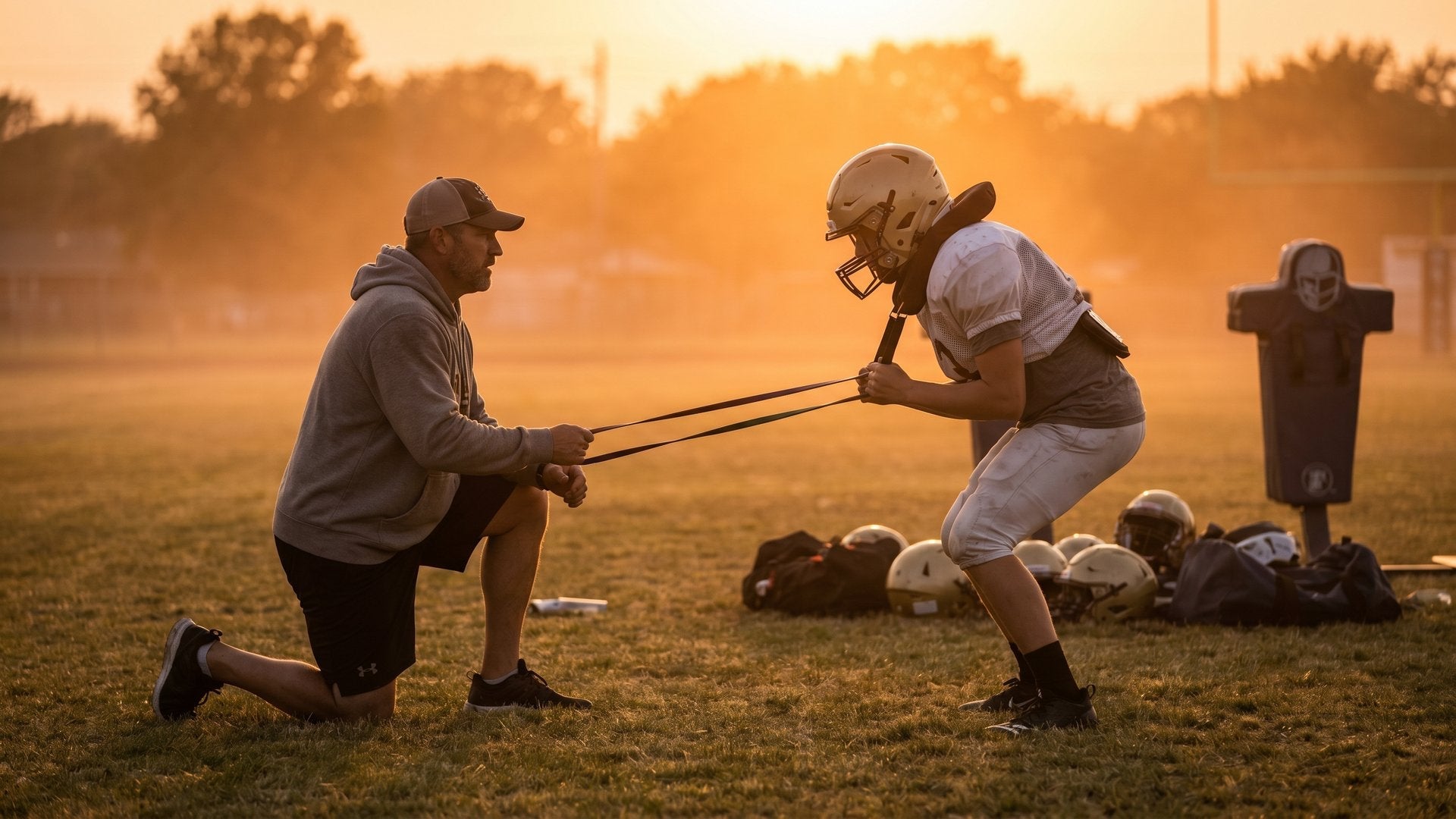
- Neck Flexion with Band/Weight: Use a neck harness with a plate or a resistance band anchored behind you, performing the same flexion movement.
- Sets/Reps/Progressions: Start with 2-3 sets of 10-15 repetitions. Progress by increasing resistance (heavier plate, stronger band, more manual pressure) or increasing time under tension (slower eccentric phase, isometric holds at the end range).
Cervical Extension: Fortifying the Posterior Neck
Cervical extension involves moving the head backward, looking towards the ceiling. This strengthens the muscles that resist forces pushing the head forward, common in falls or impacts from behind.
-
Exercises:
- Manual Resistance Neck Extension: Lie prone (on your stomach) with a spotter placing hands on the back of your head, providing resistance as you lift your head, looking up.
- Neck Extension with Band/Weight: Use a neck harness with a plate or a resistance band anchored in front of you, performing the extension movement.
- Sets/Reps/Progressions: Similar to flexion, aim for 2-3 sets of 10-15 repetitions. Progress by increasing resistance or time under tension.
Lateral Flexion: Building Side-to-Side Stability
Lateral flexion involves tilting the head side-to-side, bringing the ear towards the shoulder. This strengthens the muscles that protect against lateral impacts, crucial in sports with side-on collisions.
-
Exercises:
- Manual Resistance Lateral Flexion: Lie on your side with a spotter providing resistance against the side of your head as you lift it towards your shoulder.
- Neck Lateral Flexion with Band/Weight: Use a neck harness with a plate or a resistance band anchored to the side, performing the lateral flexion movement.
- Sets/Reps/Progressions: 2-3 sets of 10-15 repetitions per side. Focus on controlled movement and equal strength development on both sides.
Cervical Rotation: Enhancing Rotational Control
Cervical rotation involves turning the head from side to side. This is vital for resisting rotational forces, which are particularly damaging in concussion mechanics.
-
Exercises:
- Manual Resistance Neck Rotation: Sit upright with a spotter placing hands on the side of your head, providing resistance as you rotate your head to look over your shoulder.
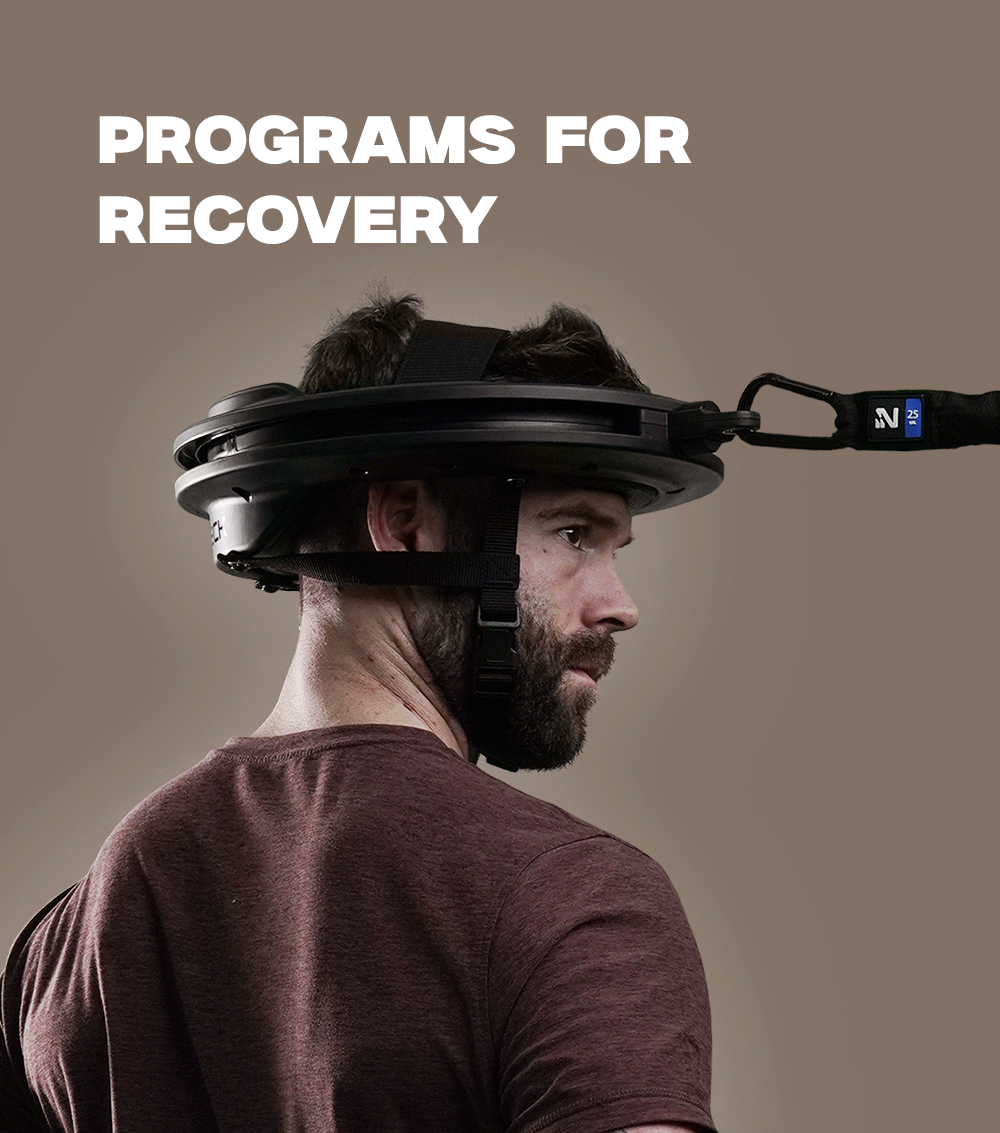
- Neck Rotation with Band: Anchor a resistance band to the side and loop it around your head, rotating against the resistance.
- Sets/Reps/Progressions: 2-3 sets of 10-15 repetitions per side. Emphasize a full, controlled range of motion.
Integrating Multi-Directional Resistance with the Iron Neck Training Device
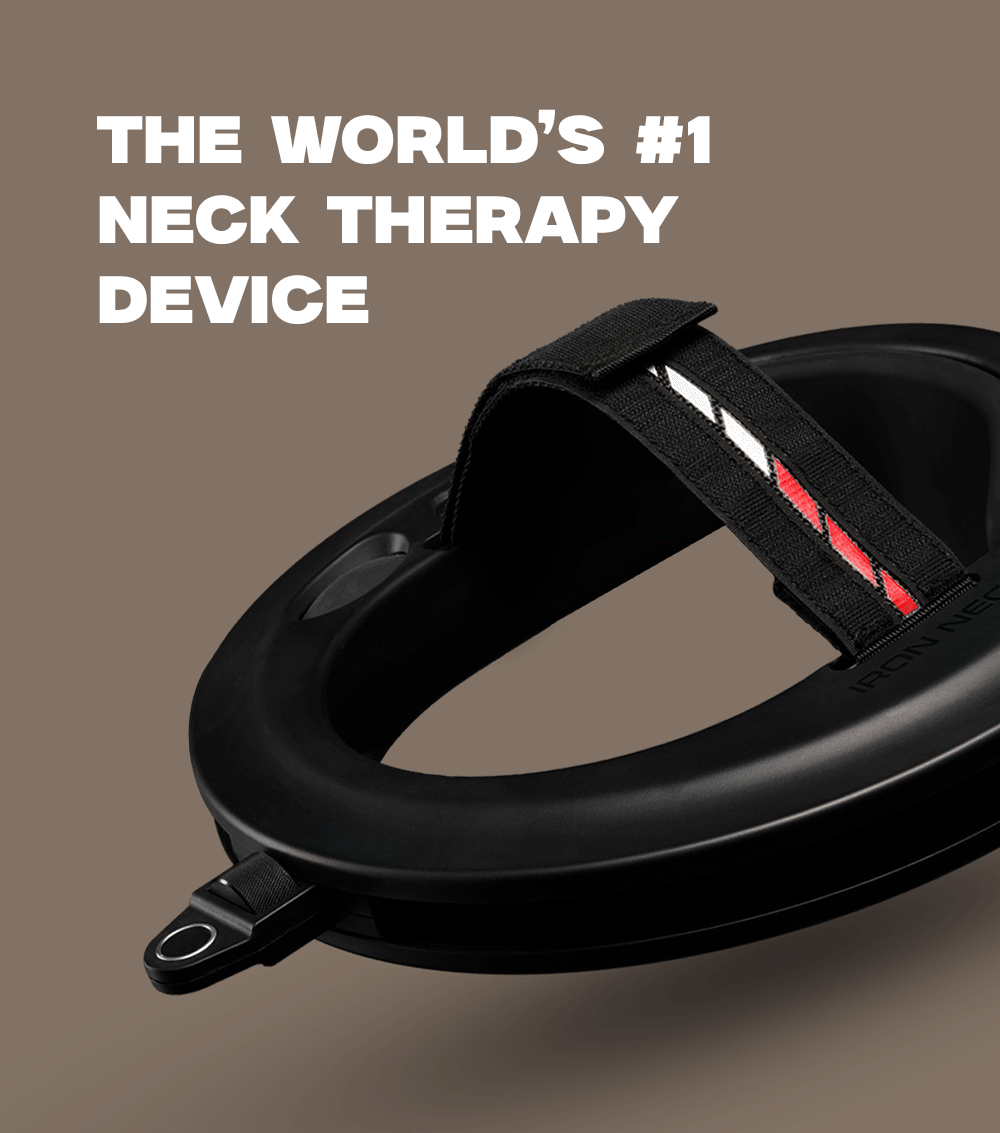
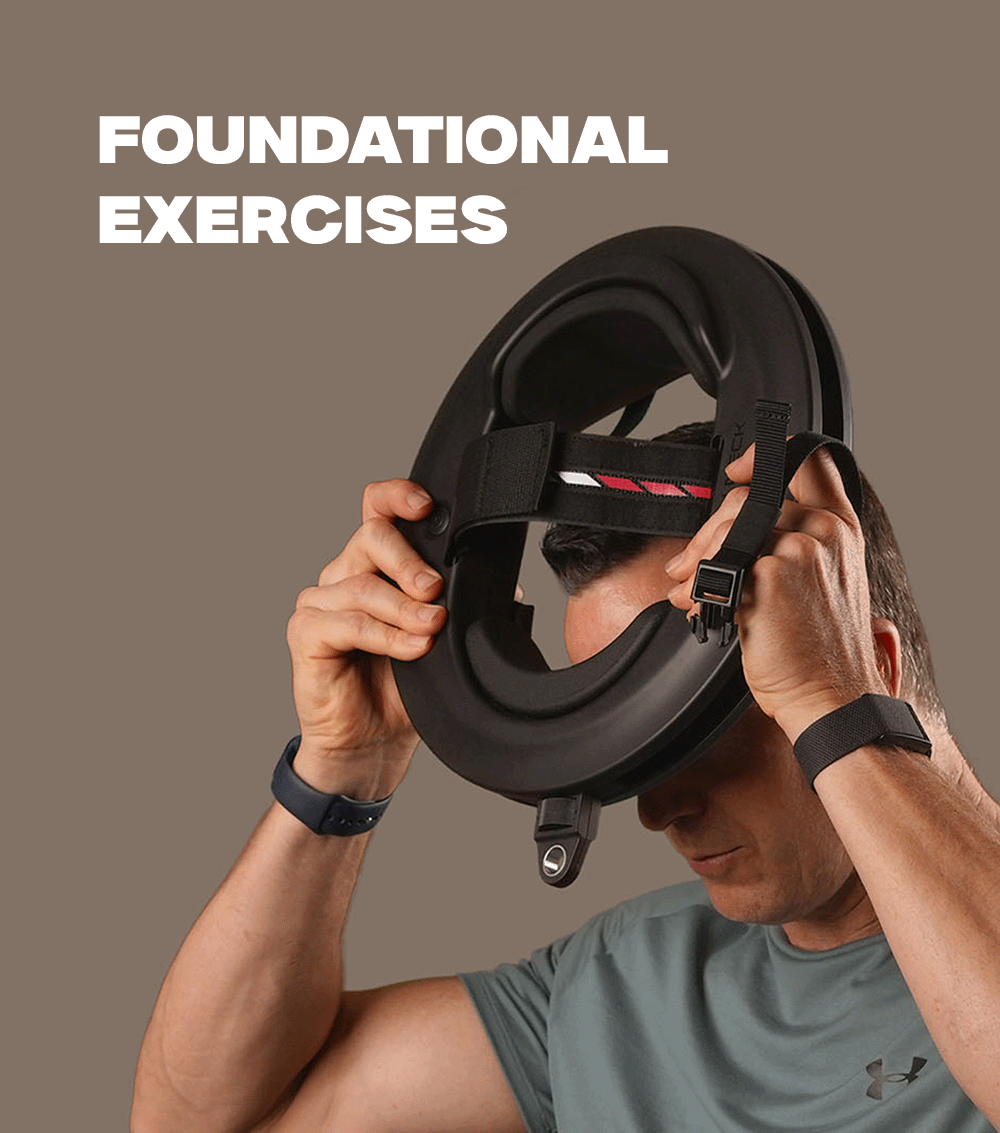
While manual resistance and bands are foundational, specialized equipment significantly enhances the effectiveness and efficiency of neck training. The Iron Neck training device is specifically engineered to provide consistent, multi-directional resistance across all planes of motion (flexion, extension, lateral flexion, and rotation), as well as diagonal and circular patterns. This allows for comprehensive, progressive, and sport-specific training that is difficult to replicate with traditional methods. Its design facilitates smooth, controlled movements and enables athletes to train their neck muscles in dynamic, reactive ways that directly translate to impact absorption and head stabilization.
Implementing Neck Training into Athletic Programs
Effective integration of neck training into existing athletic programs is key to its success. It should be systematic, progressive, and tailored to the specific demands of the sport and the individual athlete.
Warm-up Integration: Quick and Effective Routines
Short, targeted neck activation exercises can be incorporated into daily warm-up routines. These can include dynamic neck stretches, isometric holds against manual resistance, or light resistance band work. The goal is to activate the neck musculature and improve proprioception before practice or competition. Even 5-10 minutes dedicated to neck mobility and activation can make a significant difference over time.
Strength & Conditioning Program Integration: Periodization and Progression
For more intensive strength development, neck training should be a dedicated component of the strength and conditioning program. This can involve:
- Off-Season: Focus on building foundational strength and hypertrophy, using higher volume and moderate resistance.
- Pre-Season: Transition to more sport-specific movements, incorporating reactive and dynamic neck exercises.
- In-Season: Maintain strength and stability with lower volume, higher intensity work, and focus on recovery.
Progression should be carefully monitored, increasing resistance or complexity as athletes adapt. Utilizing a device like the Iron Neck allows for precise tracking of resistance and range of motion, facilitating structured progression.
Considerations for Different Sports and Age Groups
- Contact Sports (Football, Rugby, Hockey): These sports demand maximum neck strength and reactive stability. Training should be aggressive but safe, focusing on high-resistance, multi-directional movements.
- Collision Sports (Basketball, Soccer, Lacrosse): While less direct contact, falls and accidental collisions are common. Training should emphasize all-around stability and quick reaction time.
- Youth Athletes: For younger athletes, the focus should be on proper form, body awareness, and building a strong foundation with lighter resistance. Avoid heavy loading until skeletal maturity.
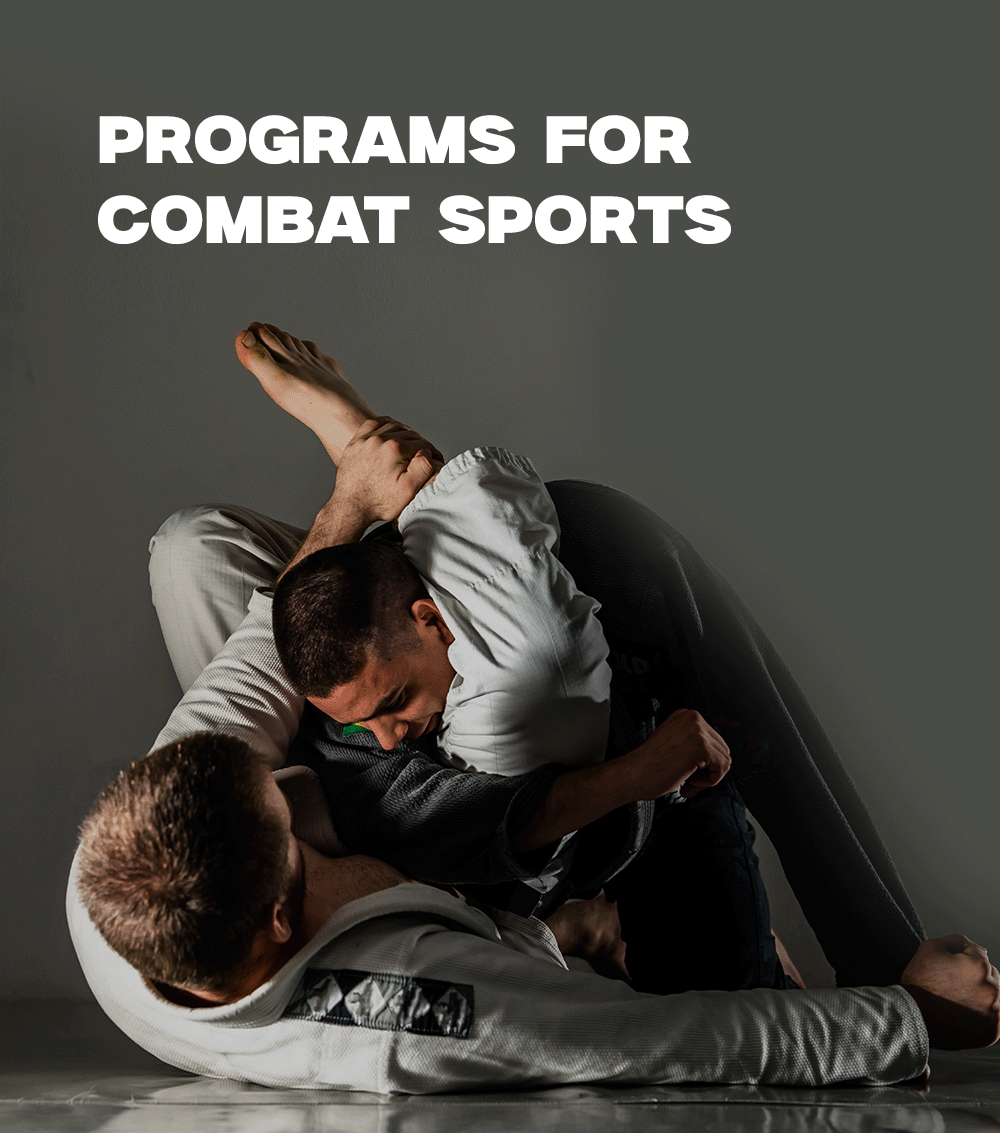
- Individual Sports (Wrestling, Gymnastics): These sports often involve unique neck demands. Training should be highly specific to the movements and forces encountered in competition.
Key Takeaways
- Neck strength is a critical, modifiable factor in reducing concussion risk and severity.
- Stronger neck muscles help to stabilize the head during impact, reducing acceleration and deceleration forces on the brain.
- Traditional S&C programs often overlook direct neck training, necessitating a targeted approach.
- A comprehensive protocol includes exercises for cervical flexion, extension, lateral flexion, and rotation.
- Progressive overload and specificity are key principles for effective neck strengthening.
- Specialized equipment, such as the Iron Neck training device, offers superior multi-directional resistance and tracking capabilities.
- Neck training can be integrated into warm-ups and periodized S&C programs, adapted for different sports and age groups.
Conclusion
The pursuit of athlete safety is a continuous journey, and integrating a dedicated neck training protocol is a powerful step forward in concussion prevention. By understanding the biomechanics of head impacts and implementing targeted, progressive exercises, athletic directors, strength coaches, and administrators can significantly enhance the resilience of their athletes. Investing in comprehensive neck strength programs is not just about physical preparation; it's about fostering a culture of safety, optimizing performance, and protecting the long-term health of every individual who steps onto the field, court, or mat. The evidence is clear: a strong neck is a safer neck, and a safer neck is a foundational element of a successful athletic career.
Frequently Asked Questions (FAQ)
-
How much neck strength is truly needed to make a difference in concussion prevention?
While there's no universal
Iron Neck is the only device that trains your neck through 360 degrees of resistance, combining rotation, extension, and lateral movement in one tool. Used by NFL teams, UFC fighters, and physical therapists.

Leave a comment
This site is protected by hCaptcha and the hCaptcha Privacy Policy and Terms of Service apply.