




In the high-stakes world of football, player safety remains a paramount concern, with concussions standing as one of the most persistent and challenging issues. Despite significant advancements in helmet technology and rule changes aimed at reducing head impacts, the incidence of concussions continues to be a major talking point across all levels of the sport. This ongoing struggle has led many to question whether the focus on external protective gear alone is sufficient. This article posits that a critical, often overlooked variable in the equation of football concussion prevention is neck strength. By understanding the biomechanics of head impacts and the protective role of a robust neck, athletic directors, strength coaches, and school administrators can implement targeted strategies that offer a more comprehensive approach to safeguarding their athletes.
The Concussion Crisis in Football: Beyond the Helmet
The narrative surrounding football concussions has largely centered on the evolution of helmet design. Billions of dollars have been invested in developing helmets that promise superior impact absorption and energy dissipation. Yet, despite these innovations, the reality on the field often tells a different story. Concussion rates, while fluctuating, remain a significant concern, prompting a deeper examination of the underlying mechanisms of brain injury.
A concussion is a traumatic brain injury caused by a sudden acceleration or deceleration of the head, leading to the brain impacting the inside of the skull. While helmets can mitigate direct impact forces to the skull, they do not eliminate the rotational forces that are often the primary cause of concussions. The brain, suspended in cerebrospinal fluid, can still move violently within the cranial cavity even with the most advanced headgear. This fundamental biomechanical reality highlights the limitations of relying solely on external protection.
Statistics consistently underscore the severity of the problem. According to various studies, football continues to have one of the highest concussion rates among youth and collegiate sports. For instance, research published in the Journal of Athletic Training has shown that high school football players experience a substantial number of concussions annually, with linemen and linebackers often at higher risk due to the nature of their positions. These figures, coupled with growing awareness of the long-term neurological consequences of repeated head trauma, necessitate a re-evaluation of current prevention strategies.
The Science of Neck Strength and Concussion Mitigation
While helmets address external forces, the internal mechanics of concussion point to another crucial protective factor: the neck. The muscles of the neck act as a natural shock absorber and stabilizer for the head. A stronger, more robust neck can resist and decelerate head movement more effectively during an impact, thereby reducing the acceleration and rotational forces transmitted to the brain. This concept is not new, but its practical application in football training has historically been undervalued.
Research has increasingly demonstrated a direct correlation between greater neck strength and a reduced risk of concussion. When an athlete\'s head is subjected to an impact, the neck muscles contract reflexively to stabilize the head. If these muscles are strong and well-conditioned, they can stiffen the neck, minimizing the whiplash effect and the subsequent movement of the brain within the skull. Conversely, a weaker neck allows for greater head acceleration and deceleration, increasing the likelihood and severity of a concussion.
Key Research Highlights
Several pivotal studies have illuminated the protective role of neck strength:
- A landmark study by Collins et al. (2014) published in the Journal of Primary Prevention found that for every one-pound increase in neck strength, the odds of concussion decreased by 5%. This research, conducted on high school athletes, provided compelling evidence for the preventative benefits of neck strengthening.
- Another significant study by Eckner et al. (2016) in the American Journal of Sports Medicine observed that athletes with greater neck circumference and strength exhibited lower head acceleration magnitudes during impacts. This suggests that a more substantial neck can better absorb and distribute impact forces, protecting the brain from excessive movement.
- Further research has explored the distinction between isometric and dynamic neck strength. Isometric strength, the ability to hold the head still against resistance, is crucial for resisting direct impacts. Dynamic strength, the ability to move the head through a range of motion against resistance, contributes to overall neck resilience and control during unpredictable movements on the field. Both are vital for comprehensive concussion prevention.
These findings collectively underscore that neck strength is not merely an ancillary benefit but a primary factor in an athlete\'s resilience to head trauma. The ability of the neck musculature to brace and stabilize the head upon impact directly influences the biomechanical forces experienced by the brain.
Practical Applications: Implementing Neck Strengthening Programs
Despite the growing body of evidence, neck strengthening often remains an underdeveloped component of many football training regimens. Traditional strength and conditioning programs frequently prioritize larger muscle groups, overlooking the critical role of the cervical spine musculature. However, for programs committed to genuine player safety and performance optimization, integrating a targeted neck strengthening protocol is no longer optional—it\'s essential.
An effective neck strengthening program for football players should be comprehensive, progressive, and integrated seamlessly into the existing strength and conditioning schedule. It must address both the isometric and dynamic capabilities of the neck muscles, ensuring that athletes can both resist sudden forces and control head movement effectively. The goal is not just to build bulk, but to enhance the functional strength and endurance of the neck to withstand the rigors of the game.
Essential Neck Exercises
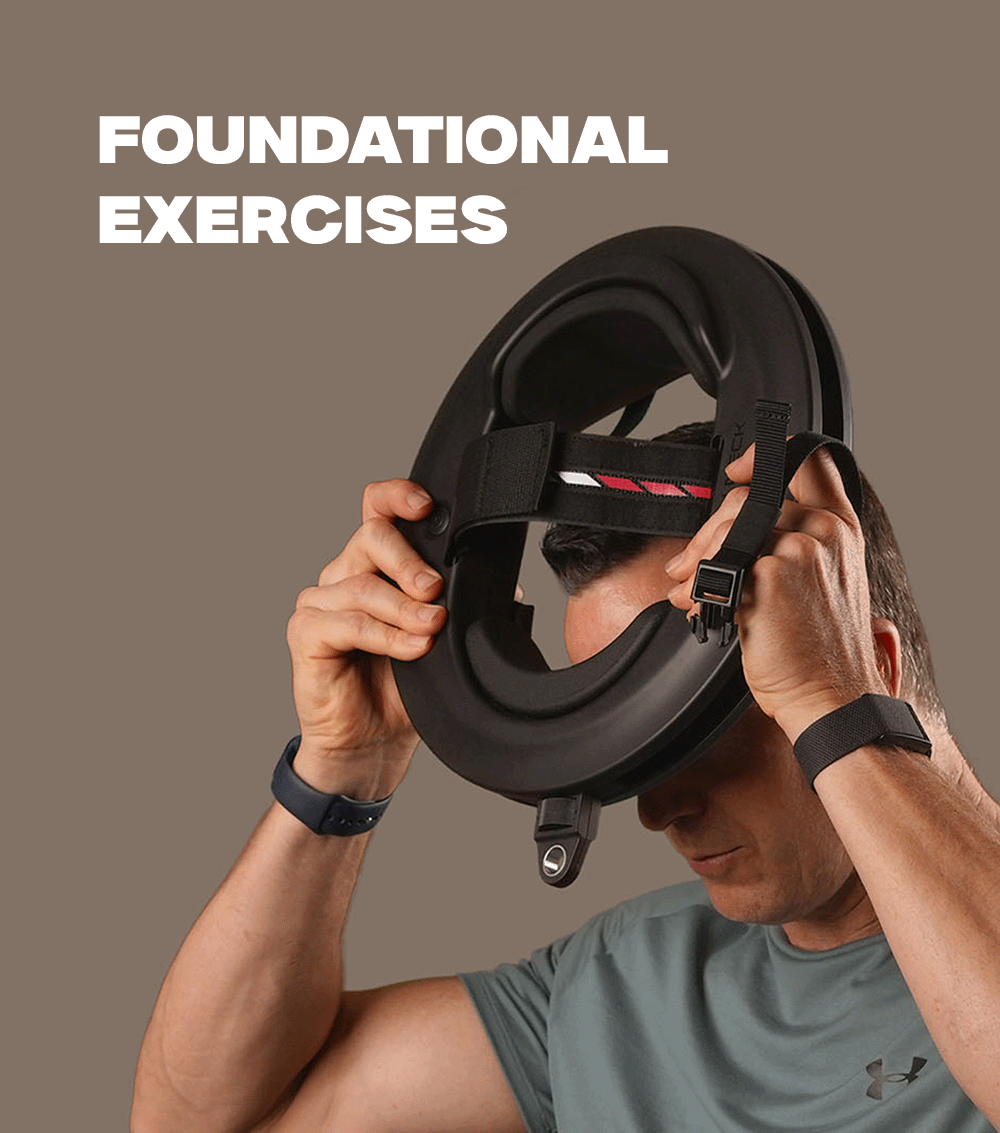
A well-rounded neck strengthening program should incorporate a variety of exercises targeting all planes of motion. Here are some foundational exercises:
- Isometric Holds: These exercises involve resisting movement without changing muscle length. Athletes can use their hands to apply resistance against their head in flexion (forward), extension (backward), and lateral flexion (side-to-side) directions. Each hold should be sustained for 5-10 seconds, performed for multiple repetitions.
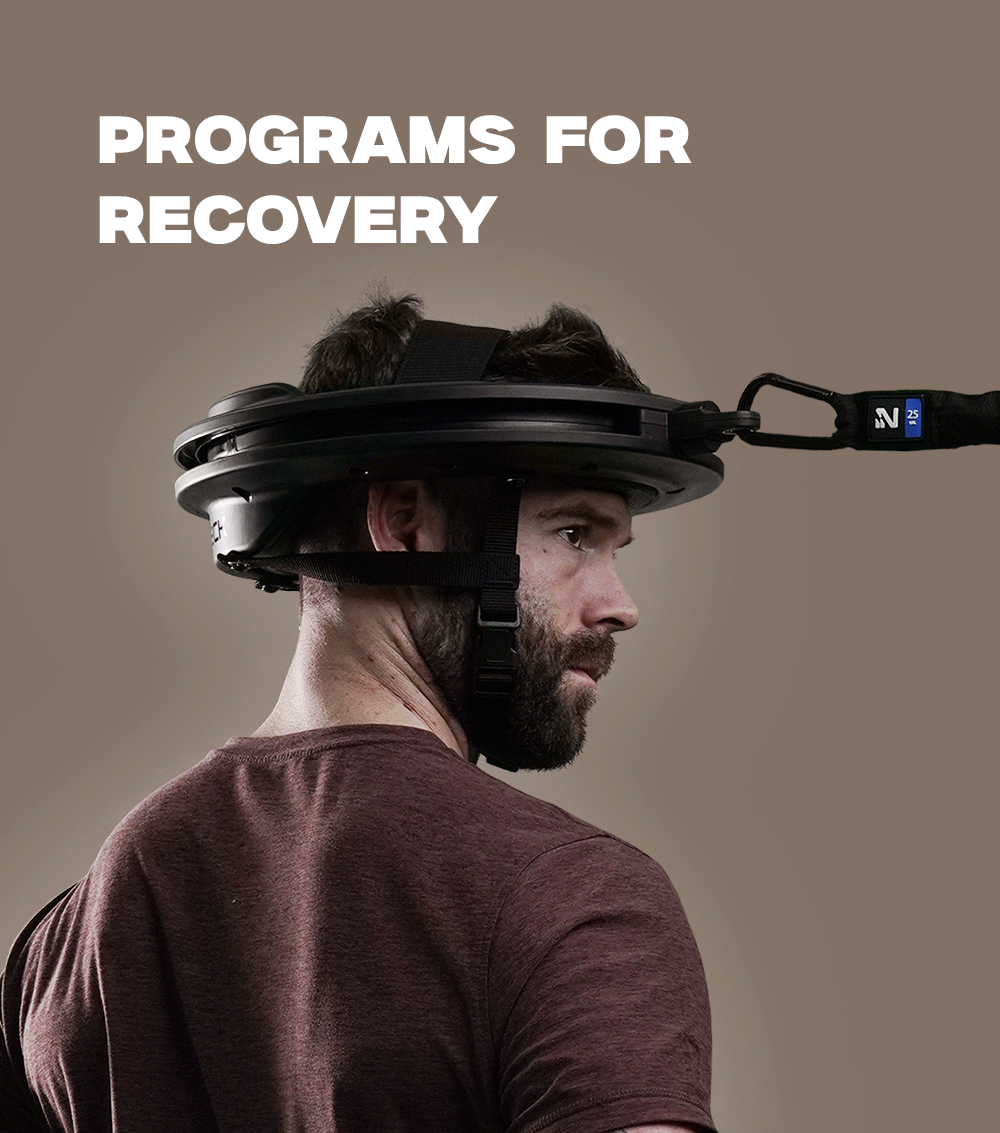
- Dynamic Movements: These involve moving the head through its full range of motion against resistance. This can be achieved through manual resistance from a partner or coach, or by using specialized equipment. Examples include neck flexion, extension, lateral flexion, and rotation exercises.
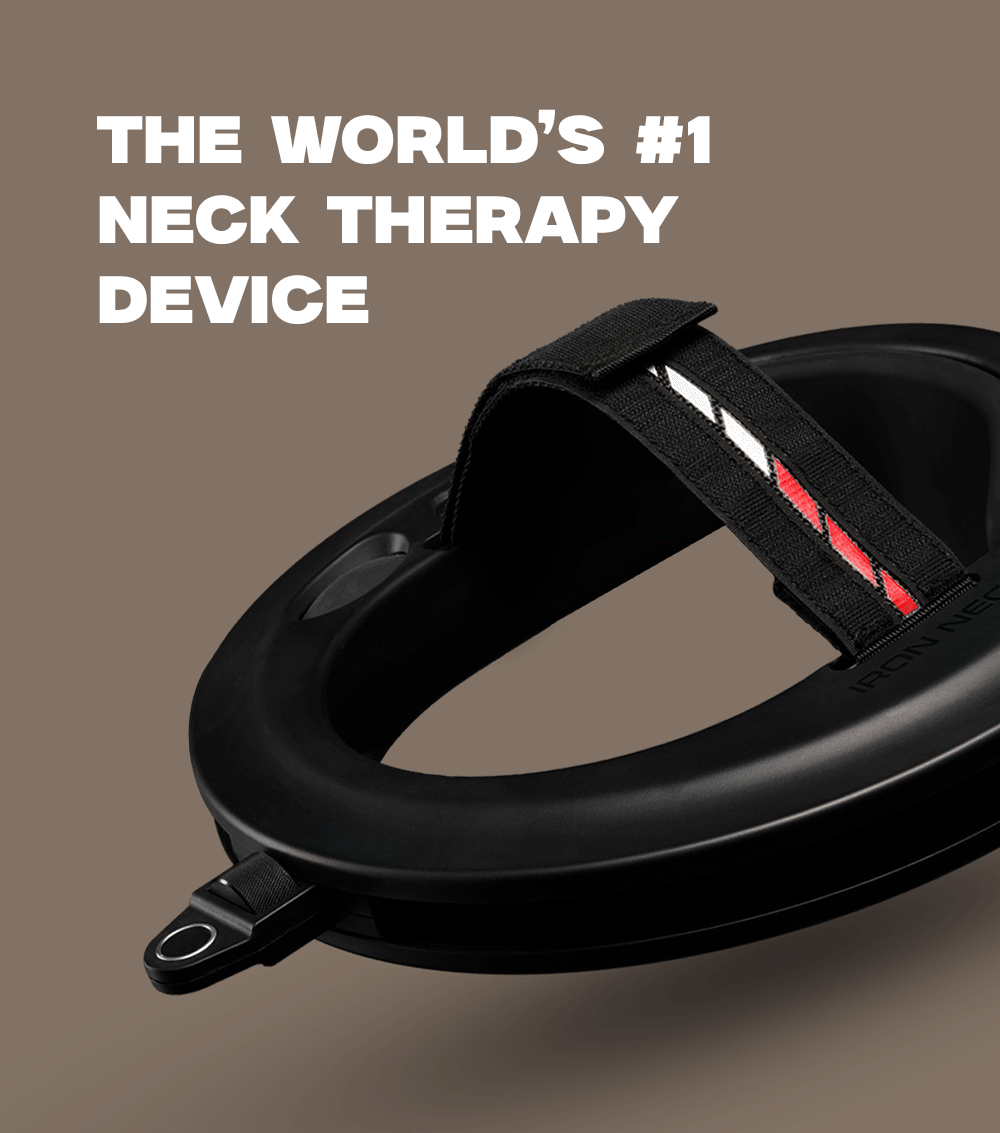
- Specialized Equipment: For optimal results and precise resistance, specialized equipment is highly recommended. The Iron Neck training device, for instance, provides 360-degree resistance, allowing athletes to perform a wide array of dynamic and isometric exercises that mimic the unpredictable forces encountered on the field. This type of equipment ensures consistent, measurable resistance, which is crucial for progressive overload and tracking improvements.
- Banded Neck Work: Resistance bands can be used for various neck movements, offering a portable and versatile option for both warm-ups and dedicated training.
Program Integration
Integrating neck training into an already packed football schedule requires strategic planning. It should not be viewed as an add-on, but as an integral part of injury prevention and performance enhancement. Here’s how programs can effectively incorporate neck strengthening:
- Warm-up and Cool-down: Incorporate light neck mobility and activation exercises into daily warm-ups. Static and dynamic stretches can be used during cool-downs to maintain flexibility.
- Dedicated Sessions: Allocate 2-3 sessions per week, lasting 10-15 minutes each, specifically for neck strengthening. These can be integrated into existing lifting days or conducted as standalone sessions.
- Progressive Overload: Like any other strength training, neck exercises require progressive overload to stimulate adaptation. Gradually increase resistance, repetitions, or hold times as athletes get stronger.
- Age-Appropriate Training: For youth athletes, focus on bodyweight and manual resistance exercises to build foundational strength and motor control. As athletes mature, introduce more advanced techniques and equipment like the Iron Neck device.
- Coaching Education: Ensure that strength coaches and athletic trainers are well-versed in proper neck exercise techniques and programming principles to maximize effectiveness and minimize injury risk.
By systematically implementing these strategies, football programs can significantly enhance the neck strength of their athletes, providing an additional layer of protection against concussions and contributing to overall player longevity and performance.
The Role of Athletic Directors and Coaches
For athletic directors, strength coaches, and school administrators, embracing neck strength as a cornerstone of concussion prevention requires a shift in philosophy and resource allocation. It means moving beyond the conventional focus on helmet technology and recognizing the profound impact that a well-conditioned neck can have on player safety. This paradigm shift involves several key responsibilities:
- Prioritizing Neck Strength: Explicitly integrate neck strengthening into the core curriculum of the strength and conditioning program. This sends a clear message to athletes, parents, and staff that neck health is as vital as any other aspect of physical preparation.
- Educating Stakeholders: Conduct workshops and informational sessions for athletes, parents, and coaching staff on the science behind neck strength and concussion prevention. Explain how neck training complements existing safety protocols and contributes to overall athlete well-being. Dispel myths and provide evidence-based information to foster buy-in and compliance.
- Resource Allocation: Invest in appropriate equipment and training resources. This includes not only specialized devices like the Iron Neck training device but also ensuring that coaching staff receive adequate training in implementing neck strengthening protocols. Consider allocating budget for ongoing education and professional development in this area.
- Policy Development: Work with medical staff and athletic trainers to develop and implement clear policies regarding neck strength assessment and training. This could include baseline neck strength testing as part of pre-season physicals and incorporating neck training compliance into overall athlete readiness evaluations.
- Leading by Example: Coaches and athletic directors who champion neck strength training demonstrate a proactive commitment to player safety. Their leadership can inspire a culture where comprehensive physical preparation, including neck conditioning, becomes the norm rather than the exception.
By taking these steps, institutional buyers can create a safer playing environment, reduce the incidence and severity of concussions, and ultimately enhance the long-term health and performance of their football athletes. The investment in neck strength is an investment in the future of the sport and the well-being of its participants.
Key Takeaways
- Helmets Alone Are Insufficient: While crucial for skull protection, helmets do not fully address the rotational forces that cause concussions.
- Neck Strength is a Primary Protective Factor: Stronger neck muscles act as natural shock absorbers, reducing head acceleration and deceleration during impacts.
- Research Supports the Link: Multiple studies demonstrate a direct correlation between increased neck strength and a reduced risk of concussion.
- Comprehensive Training is Essential: Effective programs incorporate both isometric and dynamic neck exercises, often utilizing specialized equipment like the Iron Neck training device.
- Integration is Key: Neck training should be a consistent, integrated part of an athlete\'s strength and conditioning regimen, not an afterthought.
- Leadership is Crucial: Athletic directors, coaches, and administrators play a vital role in prioritizing neck strength, educating stakeholders, and allocating resources for effective programs.
Conclusion
The quest for enhanced player safety in football is an ongoing journey, and while advancements in protective gear and rule modifications are important, they represent only part of the solution. The compelling evidence supporting the role of neck strength in mitigating concussion risk presents a clear and actionable path forward for football programs at all levels. By shifting focus to include comprehensive neck strengthening protocols, institutions can provide their athletes with an internal, biological defense mechanism that complements external protection. This holistic approach not only aims to reduce the incidence and severity of concussions but also fosters a culture of proactive athlete care, ultimately contributing to the long-term health, performance, and sustainability of the sport. Investing in neck strength is not just about preventing injuries; it\'s about empowering athletes with greater resilience and ensuring a safer future for football.
Frequently Asked Questions (FAQ)
- 1. How does neck strength directly impact concussion risk?
- Stronger neck muscles can better resist and decelerate the head\'s movement during an impact. This reduces the acceleration and rotational forces transmitted to the brain, which are the primary causes of concussions. A stiffer neck acts as a natural shock absorber, minimizing the brain\'s movement within the skull.
- 2. What kind of neck exercises are most effective for football players?
- A combination of isometric and dynamic exercises is most effective. Isometric exercises involve holding the head still against resistance (e.g., using hands or a wall), while dynamic exercises involve moving the head through its range of motion against resistance (e.g., with bands, weights, or specialized equipment like the Iron Neck). Exercises should target flexion, extension, lateral flexion, and rotation.
- 3. How often should neck strengthening exercises be performed?
- For optimal results, neck strengthening exercises should be performed 2-3 times per week, with each session lasting 10-15 minutes. Consistency is key, and these sessions should be integrated into the athlete\'s regular strength and conditioning program.
- 4. Is specialized equipment necessary for effective neck training?
- While bodyweight and manual resistance exercises can build foundational neck strength, specialized equipment like the Iron Neck training device offers superior benefits. It provides consistent, measurable 360-degree resistance, allowing for more comprehensive and progressive training that mimics the unpredictable forces encountered in football.
- 5. Can neck strengthening help with recovery after a concussion?
- While the primary role of neck strengthening is prevention, a strong and stable neck can also support the recovery process by improving cervical stability and reducing post-concussion symptoms like neck pain and headaches. However, any post-concussion training should only be undertaken under the guidance of medical professionals.
- 6. What\'s the difference between isometric and dynamic neck training?
- Isometric neck training involves contracting the neck muscles without changing their length or moving the head. It builds static strength and the ability to brace against impact. Dynamic neck training involves moving the head through its range of motion against resistance, improving muscular endurance, control, and strength across various movements.
- 7. How long does it take to see results from a neck strengthening program?
- Athletes can typically begin to see measurable improvements in neck strength and stability within 4-6 weeks of consistent, properly structured training. Significant adaptations and increased resilience can be observed over several months of dedicated programming.


Leave a comment
This site is protected by hCaptcha and the hCaptcha Privacy Policy and Terms of Service apply.