



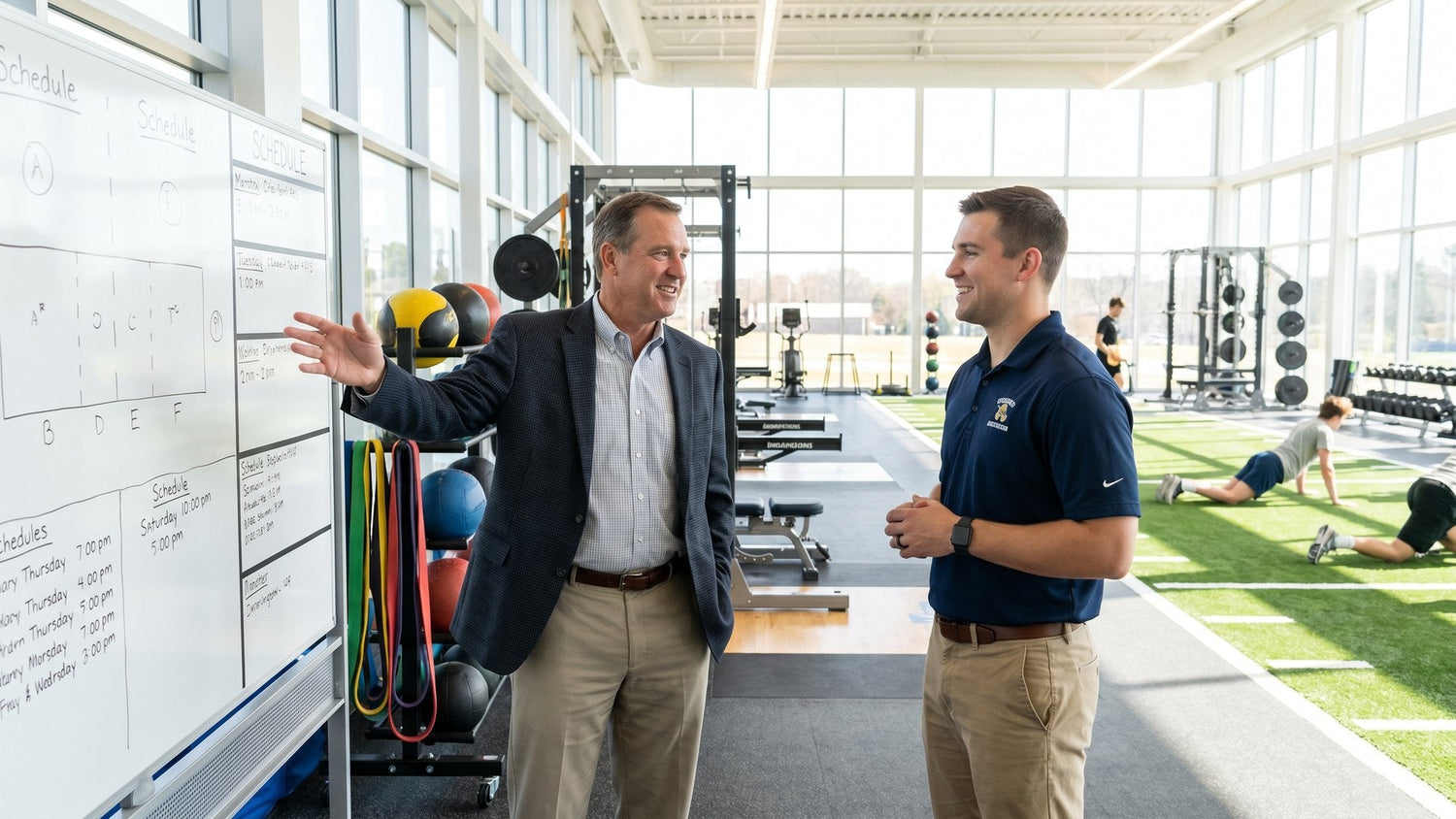
In the dynamic world of sports, where the pursuit of excellence often pushes the boundaries of human performance, the specter of head injuries, particularly concussions, looms large. For athletic directors, strength coaches, school administrators, and gym owners, safeguarding athletes is not just a moral imperative but a critical component of sustainable sports programs. This comprehensive guide delves into the multifaceted strategies for head injury prevention in sports, examining the pivotal roles of rule changes, advancements in protective equipment, and crucial training interventions. While each of these elements contributes significantly to athlete safety, we will highlight why neck training stands out as the most underutilized yet highest-ROI intervention available today.
The Evolving Landscape of Rule Changes for Player Safety
Recognizing the severe long-term consequences of head injuries, major sports organizations have proactively implemented and continuously refined rules to enhance player safety. These changes reflect a growing understanding of concussion mechanisms and a commitment to protecting athletes at all levels of play.
Football (NFL, NCAA, Youth Leagues)
Football, given its high-impact nature, has been at the forefront of rule modifications aimed at reducing head trauma. The National Football League (NFL) has introduced over 50 rule changes since 2002 to mitigate injury risks [1]. Recent notable changes include:
- Hip-Drop Tackle Elimination (2024): The NFL unanimously voted to eliminate the hip-drop tackle, a maneuver where a defender wraps up a ball carrier, unweights themselves, and drops onto the ball carrier’s legs. This technique was found to cause lower extremity injuries at a rate 20 times higher than other tackles [2].
- Expanded Impermissible Use of the Helmet (2023): Rules now explicitly penalize players for using their helmet to “butt, ram, spear” or make forcible contact to opponents’ head or neck area. This builds upon existing rules prohibiting players from lowering their head to initiate contact [1].
- Defenseless Player Protection: The NFL has expanded protections for defenseless players, including kickoff and punt returners, and receivers after a catch, safeguarding them from blows to the head or neck area [1].
- Kickoff Rule Modifications: Changes to kickoff rules, such as moving the restraining line and altering player alignments, aim to reduce high-speed collisions and increase touchbacks, thereby minimizing injury exposure [1].
The National Collegiate Athletic Association (NCAA) has also implemented comprehensive concussion safety protocols and rule adjustments. These include strict return-to-play guidelines and ongoing evaluations of game rules to reduce concussion risk. For instance, changes to kickoff rules in NCAA football have been studied for their impact on concussions, though some research indicates varied results in concussion reduction despite increased touchbacks [3].
In youth football, the focus has been on fundamental changes to game play. Studies comparing youth tackle and flag football have shown that tackle football athletes aged 6 to 14 sustained significantly more head impacts [4]. This has led to discussions and implementations of rule modifications at the youth level to limit contact and promote safer tackling techniques.
Soccer (Youth Leagues)
Youth soccer has seen significant rule changes regarding heading the ball, a common cause of head impacts. U.S. Soccer, for example, banned heading for players 10 years old and younger and limited it for those aged 11 to 13. These policies have shown promising results in reducing concussion rates among young athletes [5]. Research indicates that concussions decreased significantly after these rule changes, representing a smaller percentage of soccer-related injuries [6].
Ice Hockey
In ice hockey, policy changes eliminating body checking in non-elite youth leagues have demonstrated a substantial reduction in injury and concussion risk, particularly for 11- and 12-year-old players [7]. This highlights the effectiveness of rule modifications in altering game dynamics to prioritize player safety.
Other Sports (Wrestling, Lacrosse)
While specific rule changes vary by sport, the overarching trend in wrestling, lacrosse, and other contact sports is a continuous effort to review and implement safety protocols. This includes emphasizing proper technique, penalizing dangerous plays, and adapting rules to the developmental stages of athletes to minimize head injury risks.
Advancements in Protective Equipment
Protective equipment, particularly helmets, has long been considered a primary defense against head injuries. While equipment technology has advanced significantly, it's crucial to understand both its capabilities and limitations in preventing concussions.
Helmets
Modern helmets incorporate advanced materials and designs aimed at dissipating impact forces. Innovations include sensor technologies and adaptive materials that can further enhance protection [8]. Organizations like Virginia Tech have developed helmet rating systems that provide objective safety performance data, influencing manufacturers and consumer choices [9].
However, it is important to note that while helmets are highly effective in preventing catastrophic head injuries such as skull fractures and severe brain trauma, their ability to prevent concussions is more limited. Concussions are often caused by rotational forces on the brain, which even the most advanced helmets struggle to fully mitigate [10]. Therefore, relying solely on helmets for concussion prevention can create a false sense of security.
Mouthguards and Other Headgear
Mouthguards play a vital role in preventing dental and oral injuries, and some research suggests they may offer a degree of protection against concussions by stabilizing the jaw and reducing forces transmitted to the brain [11]. Other protective headgear, such as the Guardian Caps used in the NFL, are designed to be worn over helmets to provide an additional layer of impact absorption, particularly during practices [12]. In sports like soccer, protective headgear has also been developed to reduce the impact of heading, contributing to overall head injury prevention efforts [13].
Training Interventions: Beyond the Helmet
While rule changes and equipment advancements are essential, a holistic approach to head injury prevention must include robust training interventions. These programs focus on enhancing an athlete's physical resilience and readiness to absorb and mitigate impact forces.
General Physical Conditioning
A well-rounded physical conditioning program is foundational for injury prevention. This includes exercises that improve mobility, agility, stability, strength, and flexibility. Athletes with superior overall physical conditioning are often better equipped to react to unexpected impacts, maintain balance, and reduce the severity of falls or collisions [14].
The Critical Role of Neck Strength
Among all training interventions, strengthening the neck muscles stands out as a highly effective, yet frequently underutilized, strategy for head injury prevention. The neck acts as a natural shock absorber for the head, and stronger neck musculature can significantly reduce the acceleration of the head upon impact, thereby lowering the risk and severity of concussions.
Research & Statistics
- Inverse Relationship: Numerous studies have established an inverse relationship between neck strength and concussion incidence. A landmark study by Collins et al. (2014) found that increased neck strength was a protective factor reducing the risk for concussion in high school sports [15].
- Meta-Analysis Findings: A systematic review with meta-analysis by Garrett et al. (2023) indicated a small, non-significant relationship between greater neck strength and a lower risk of sustaining a sports-related concussion (SRC) [16]. While the certainty of evidence was low due to heterogeneity across studies, the consistent trend suggests a beneficial effect.
- Reducing Head Acceleration: Research by Eckner and Ashton-Miller has shown that stronger neck muscles can reduce head acceleration following impact in laboratory settings, providing a biomechanical explanation for the protective effect [17].
- Dynamic Neck Exercises: A study demonstrated that high school football players who incorporated dynamic neck exercises into their training were five times less likely to sustain a concussion [18].
Mechanism
When an athlete experiences an impact to the head or body, the head accelerates rapidly. Stronger neck muscles can stiffen on impact, effectively bracing the head and reducing the magnitude and rate of acceleration and deceleration forces transmitted to the brain. This “whiplash” effect, which is a primary contributor to concussion, is significantly mitigated by a robust neck. This acts like a natural seatbelt for the brain, reducing its movement within the skull.
Underutilized Intervention
Despite the compelling research, neck training remains one of the most underutilized interventions in sports. Many programs prioritize larger muscle groups, overlooking the critical role of the cervical spine in head injury prevention. This oversight often stems from a lack of awareness, perceived difficulty in implementation, or insufficient access to specialized equipment.
High ROI
Investing in neck strength training offers an exceptionally high return on investment (ROI) for sports organizations. Compared to the significant costs associated with treating concussions, managing recovery, and potential legal liabilities, the relatively modest investment in neck training equipment and programming can yield substantial benefits in terms of athlete safety, reduced medical expenses, and enhanced team performance. A stronger neck not only helps prevent concussions but also contributes to better posture, reduced neck pain, and improved athletic performance by providing a stable base for head movement and vision.
Practical Neck Training Programs for Teams
Implementing an effective neck training program requires a structured approach, starting with assessment and progressing to integrated training regimens. The goal is to build resilient neck musculature that can withstand the rigors of competitive sports.
Assessment and Baseline Testing
Before initiating any training program, it is crucial to assess an athlete’s current neck strength and range of motion. This establishes a baseline, identifies weaknesses, and allows for personalized program design and progress tracking. Assessment methods can include:
- Isometric Strength Testing: Using handheld dynamometers or specialized equipment to measure maximum voluntary isometric contraction in various directions (flexion, extension, lateral flexion, rotation).
- Range of Motion (ROM) Assessment: Measuring the active and passive range of motion of the cervical spine to identify any limitations or asymmetries.
- Postural Analysis: Evaluating head and neck posture to identify imbalances that could predispose athletes to injury.
Implementing a Neck Training Regimen
A comprehensive neck training regimen should be integrated seamlessly into existing strength and conditioning programs. Key principles include:
- Progressive Overload: Gradually increasing the resistance, volume, or complexity of exercises to continually challenge the neck muscles and promote adaptation.
- Multi-Directional Training: Targeting all major neck muscle groups (flexors, extensors, lateral flexors, rotators) to ensure balanced strength and stability.
- Sport-Specific Integration: Incorporating exercises that mimic the movements and demands of the athlete’s specific sport.
- Consistency: Regular and consistent training is paramount for developing and maintaining neck strength.
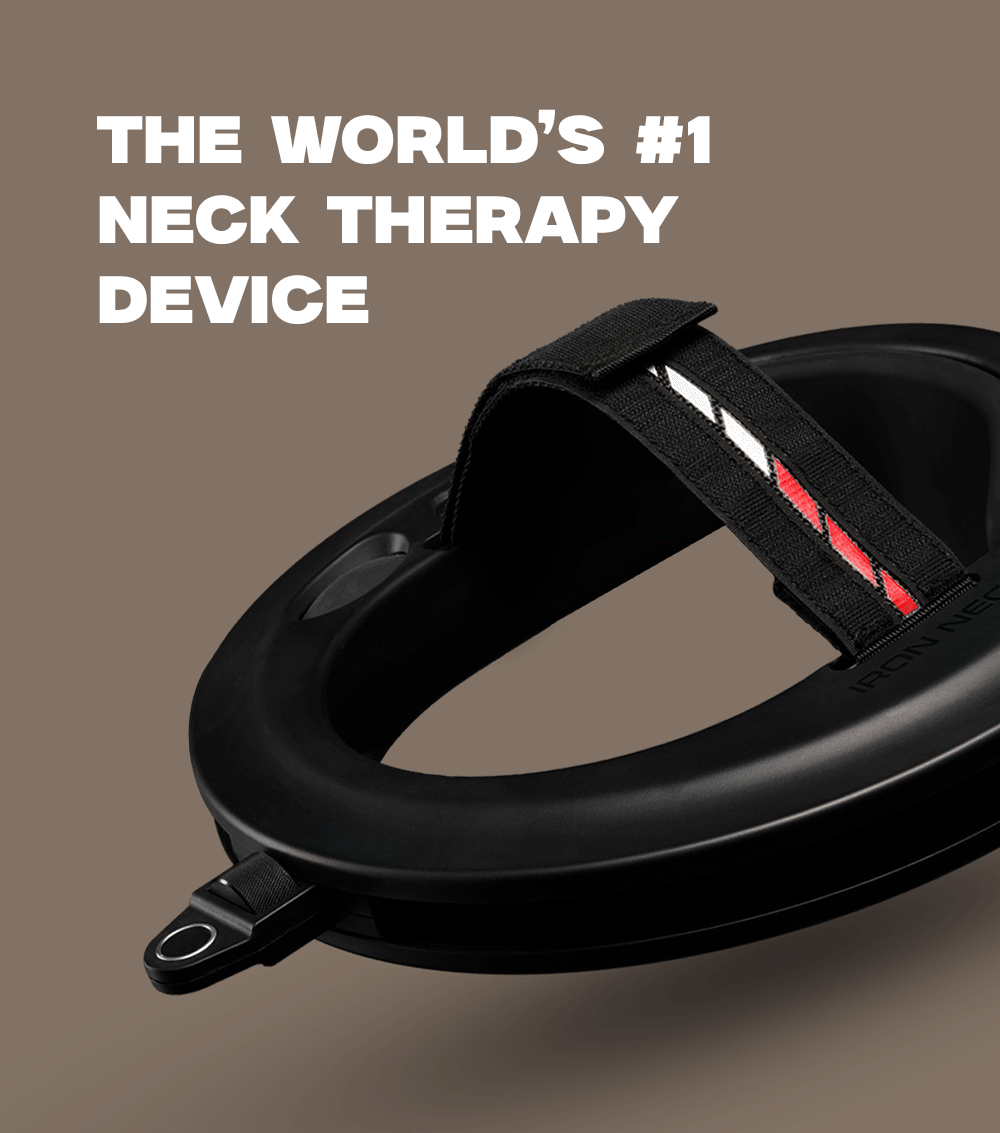
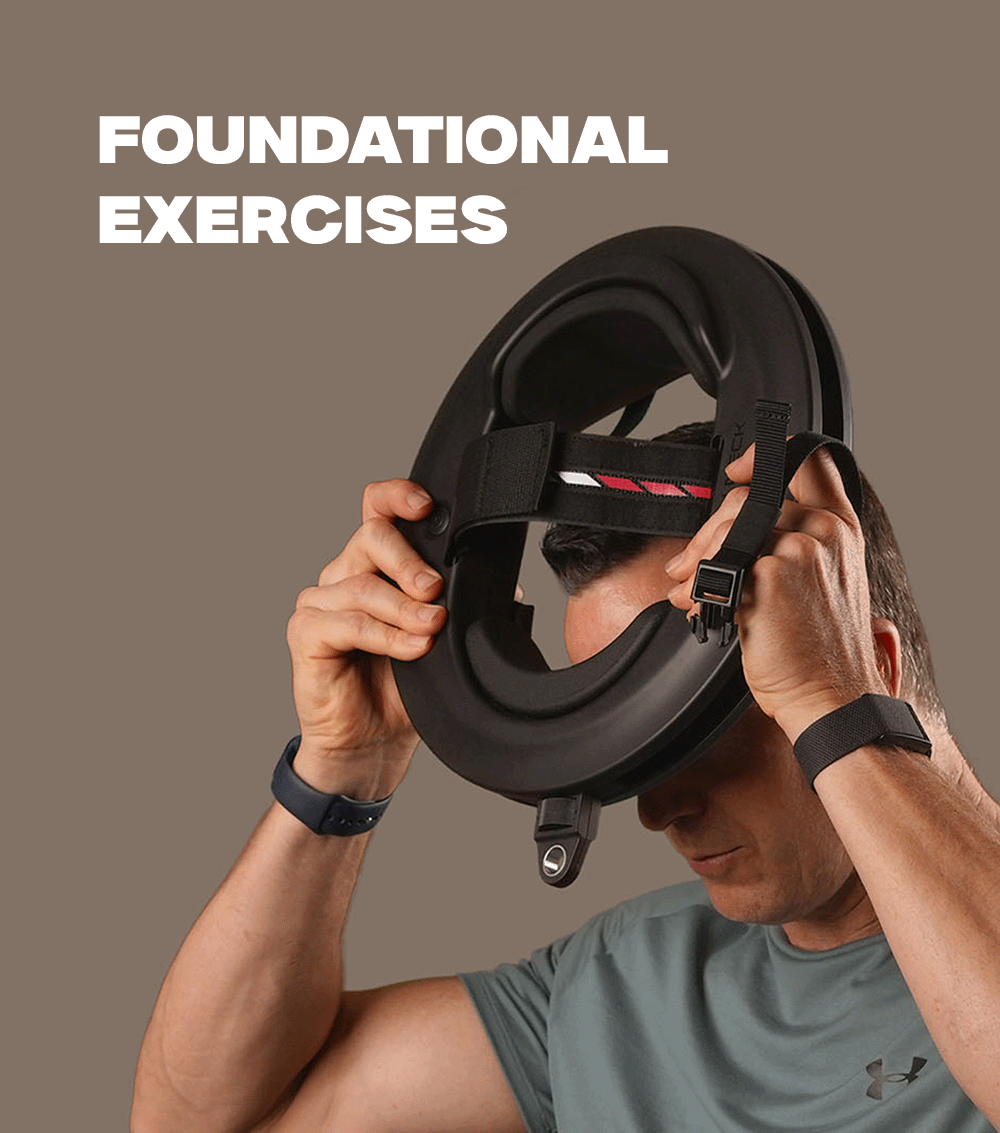
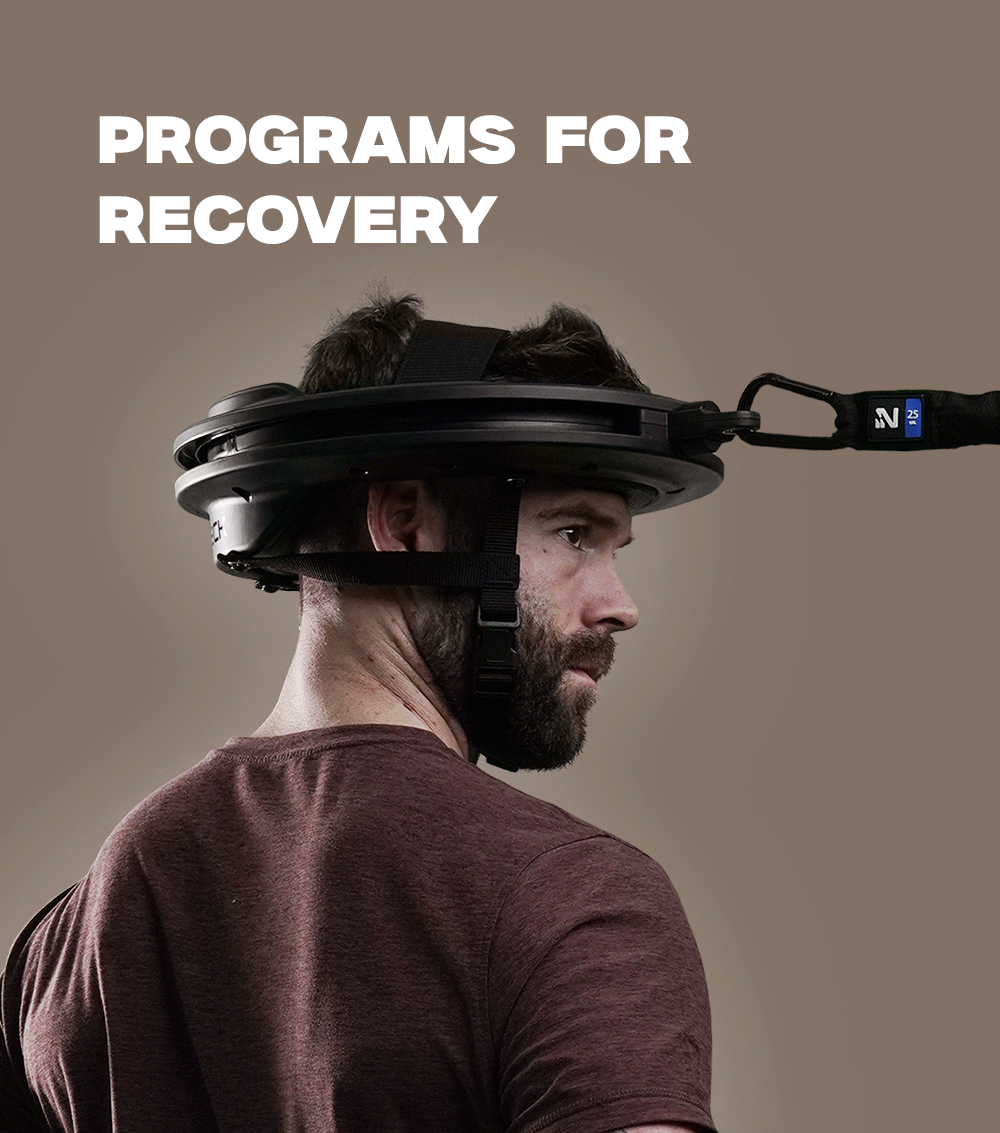
Specialized equipment, such as the Iron Neck training device, can significantly enhance the effectiveness and efficiency of neck training programs. The Iron Neck allows for dynamic, multi-directional resistance training, engaging the deep cervical muscles in a safe and controlled manner. Its versatility makes it suitable for a wide range of athletes, from youth to professional levels, and can be easily integrated into various training environments.
Sample Training Protocols
While specific protocols should be tailored to individual athletes and sports, here are general examples:
- Football Linemen: Focus on isometric holds and dynamic resistance exercises that simulate impact absorption and maintaining head position during contact. Incorporate exercises that build strength in flexion and extension.
- Soccer Players: Emphasize dynamic control and rotational strength to prepare for heading the ball and sudden changes in direction. Exercises focusing on lateral flexion and rotation are beneficial.
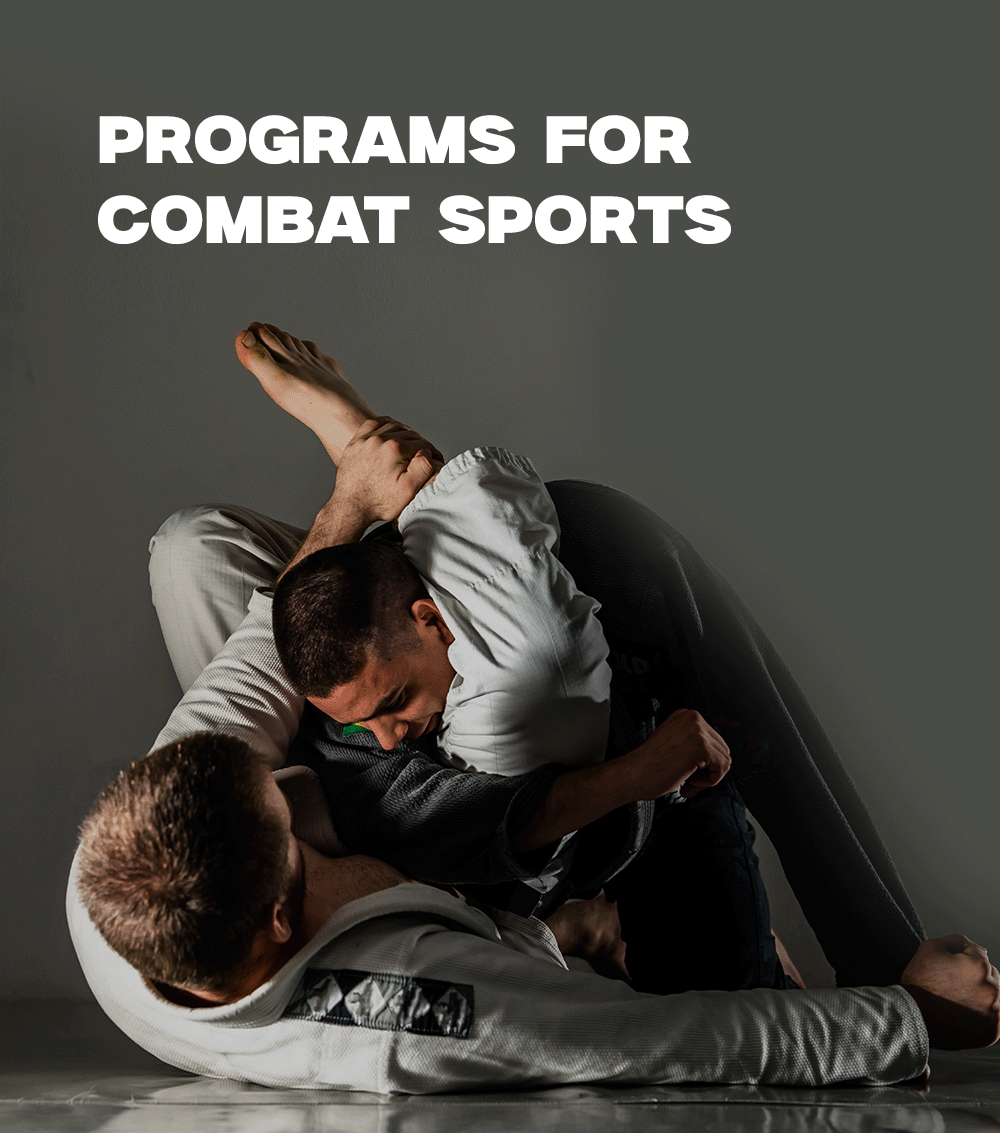
- Wrestlers: Develop comprehensive neck strength and endurance across all planes of motion, crucial for maintaining control and resisting forces during grappling. Isometric and dynamic exercises with varied resistance are key.
- Lacrosse Players: Focus on building strength and stability to withstand checks and maintain head control during fast-paced play. Rotational and lateral flexion exercises are particularly relevant.
Key Takeaways
- Head injury prevention in sports requires a comprehensive strategy encompassing rule changes, advanced equipment, and targeted training interventions.
- Rule changes in sports like football and soccer have demonstrated effectiveness in reducing head impacts and concussion rates.
- While modern helmets offer significant protection against catastrophic injuries, their ability to prevent concussions is limited, highlighting the need for additional preventative measures.
- Neck strength training is a scientifically supported, high-ROI intervention that significantly reduces the risk and severity of concussions by enhancing the neck’s ability to absorb and mitigate impact forces.
- Implementing structured neck training programs, including assessment and progressive, multi-directional exercises, is crucial for athlete safety and performance.
- Devices like the Iron Neck training device provide an effective and versatile solution for integrating advanced neck training into sports programs.
Frequently Asked Questions (FAQ)
Q1: Are helmets enough to prevent concussions?
A1: While helmets are essential for preventing catastrophic head injuries like skull fractures, they have limitations in preventing concussions, which are often caused by rotational forces on the brain. A comprehensive approach including rule changes and neck strengthening is necessary.
Q2: How does neck strength help prevent concussions?
A2: A stronger neck acts as a natural shock absorber, reducing the acceleration of the head upon impact. This minimizes the movement of the brain within the skull, thereby lowering the risk and severity of concussions.
Q3: What sports benefit most from neck training?
A3: All contact and collision sports, including football, rugby, soccer, hockey, lacrosse, and wrestling, can significantly benefit from neck training. Even non-contact sports where falls or unexpected impacts can occur can see benefits.
Q4: How often should athletes train their necks?
A4: The frequency of neck training depends on the athlete’s sport, training phase, and individual needs. Generally, 2-3 sessions per week, integrated into a broader strength and conditioning program, are effective for building and maintaining neck strength.
Q5: Is the Iron Neck suitable for all ages and skill levels?
A5: Yes, the Iron Neck training device is designed with versatility to accommodate athletes of various ages and skill levels, from youth to professional. Its adjustable resistance and multi-directional capabilities allow for tailored training programs.
Q6: What are some signs that an athlete might have a concussion?
A6: Signs of a concussion can include headache, dizziness, confusion, nausea, memory problems, sensitivity to light or noise, and changes in mood or behavior. Any athlete suspected of having a concussion should be immediately removed from play and evaluated by a medical professional.
Q7: Beyond neck strength, what other training aspects contribute to head injury prevention?
A7: General physical conditioning, including improvements in mobility, agility, stability, and overall strength, plays a crucial role. These aspects enhance an athlete's ability to react to impacts, maintain balance, and reduce the severity of collisions.
References
- [1] NFL Health and Safety. (n.d.). NFL Health and Safety Related Rules Changes Since 2002. Retrieved from https://www.nfl.com/playerhealthandsafety/equipment-and-innovation/rules-changes/nfl-health-and-safety-related-rules-changes-since-2002
- [2] NFL Football Operations. (2024, March 27). NFL Clubs Approve Rule to Remove Hip-Drop Tackle From The Game. Retrieved from https://operations.nfl.com/updates/the-rules/nfl-clubs-approve-rule-to-remove-hip-drop-tackle-from-the-game/
- [3] Whelan, B. M. (2023). Effect of the 2018 NCAA Kickoff Rule Change on Concussions. PubMed. Retrieved from https://pubmed.ncbi.nlm.nih.gov/37538536/
- [4] CDC. (n.d.). Comparing Head Impacts in Youth Tackle and Flag Football. Retrieved from https://www.cdc.gov/traumatic-brain-injury/data-research/comparing-head-impacts/index.html
- [5] AAOS-AnnualMeeting-PressKit. (n.d.). Header Restriction Policy in Youth Soccer Shows Promising Impact on Concussion Rates. Retrieved from https://aaos-annualmeeting-presskit.org/2025/research-news/header-restriction-policy-in-youth-soccer-shows-promising-impact-on-concussion-rates/
- [6] Powers Health. (n.d.). Rule Change Reduced Concussion Risk For Soccer Kids. Retrieved from https://www.powershealth.org/about-us/newsroom/health-library/2025/03/11/rule-change-reduced-concussion-risk-for-soccer-kids
- [7] Black, A. M., Macpherson, A. K., Hagel, B. E., et al. (2016). Policy change eliminating body checking in non-elite ice hockey leads to a threefold reduction in injury and concussion risk in 11- and 12-year-old players. Br J Sports Med, 50, 55-61. Retrieved from https://doi.org/10.1136/bjsports-2015-095103
- [8] Gråstén, A. (2025). Smart technologies and the future of concussion prevention. Frontiers in Sports and Active Living, 1646119. Retrieved from https://www.frontiersin.org/journals/sports-and-active-living/articles/10.3389/fspor.2025.1646119/full
- [9] Virginia Tech. (n.d.). Hard-hitting Research. Retrieved from https://www.vtmag.vt.edu/winter17/helmet-research.html
- [10] Daneshvar, D. H. (2011). Helmets and Mouth Guards: The Role of Personal Equipment in Preventing Sports-Related Head Injuries. PMC. Retrieved from https://pmc.ncbi.nlm.nih.gov/articles/PMC2987604/
- [11] Daneshvar, D. H. (2011). Helmets and Mouth Guards: The Role of Personal Equipment in Preventing Sports-Related Head Injuries. PMC. Retrieved from https://pmc.ncbi.nlm.nih.gov/articles/PMC2987604/
- [12] BU Today. (2024, October 11). Research on CTE and Concussions Changed the NFL. Experts Say More Is Needed. Retrieved from https://www.bu.edu/articles/2024/research-on-cte-changed-the-nfl/
- [13] Delaney, J. S., Al-Kashmiri, A., Drummond, R., & Correa, J. A. (2007). The effect of protective headgear on head injuries and concussions in adolescent football (soccer) players. Br J Sports Med, 42, 110-115. Retrieved from https://doi.org/10.1136/bjsm.2007.037689
- [14] Garnett, D. (2021). Physical Conditioning Strategies for the Prevention of Concussion Incidence. PMC. Retrieved from https://pmc.ncbi.nlm.nih.gov/articles/PMC8128965/
- [15] Collins, C. L., Fletcher, E. N., Fields, S. K., et al. (2014). Neck strength: a protective factor reducing risk for concussion in high school sports. J Prim Prev, 35, 309-319. Retrieved from https://doi.org/10.1007/s10935-014-0355-2
- [16] Garrett, J. M., Mastrorocco, M., Peek, K., van den Hoek, D. J., & McGuckian, T. B. (2023). The Relationship Between Neck Strength and Sports-Related Concussion in Team Sports: A Systematic Review With Meta-analysis. Journal of Orthopaedic & Sports Physical Therapy, 53(10), 585-593. Retrieved from https://www.jospt.org/doi/10.2519/jospt.2023.11727
- [17] Eckner, J. T. (2020, April 27). Dr. JT Eckner researching neck-strengthening as concussion prevention strategy. Concussion. Retrieved from https://concussion.umich.edu/news/archive/dr-jt-eckner-researching-neck-strengthening-as-concussion-prevention-strategy/
- [18] Westminster University. (n.d.). Dynamic Neck Exercises for Concussion Prevention in Football. Retrieved from https://westminsteru.edu/student-life/the-myriad/the-role-of-dynamic-neck-exercises-in-concussion-prevention-among-high-school-football-athletes.html
Leave a comment
This site is protected by hCaptcha and the hCaptcha Privacy Policy and Terms of Service apply.