



In the high-stakes world of high school football, where every tackle and collision carries potential risks, the proactive protection of athletes is paramount. While advancements in helmet technology and coaching techniques have contributed to player safety, a critical, often overlooked, component lies within the athletes themselves: neck strength. Emerging research consistently highlights the profound impact of a robust neck on mitigating the forces associated with head impacts, thereby reducing the risk of concussions and other cervical spine injuries. This comprehensive guide is designed for athletic directors, strength coaches, and school administrators committed to elevating player safety and performance. We present a detailed 12-week progressive neck strengthening protocol, specifically tailored for high school football teams, offering practical insights on integration into existing strength and conditioning programs, exercise selection, and strategies to overcome common implementation challenges.
The Critical Role of Neck Strength in Football Safety
The human neck serves as the primary support structure for the head, acting as a crucial shock absorber during impacts. In football, where high-velocity collisions are inherent to the game, the ability of the neck musculature to stabilize the head and resist sudden movements is directly correlated with injury resilience. Research indicates that athletes with greater neck strength exhibit a reduced magnitude of head impacts across various sports, suggesting a protective effect against traumatic brain injuries [1].
Concussion Prevention: A Data-Driven Approach
Concussions remain a significant concern in high school football. While no single intervention can entirely eliminate the risk, a growing body of evidence points to neck strengthening as a vital preventative measure. Studies have shown that high school football players who do not perform dynamic neck exercises are five times more at risk of sustaining a concussion compared to those who do [2]. Furthermore, a systematic review of strength and conditioning protocols has identified neck strength as a protective factor, reducing the risk for concussion in high school sports [3]. The mechanism is straightforward: a stronger neck can better absorb and dissipate impact forces, limiting the acceleration and deceleration of the head, which are primary drivers of concussive injuries.
Reducing Cervical Spine Injuries
Beyond concussions, cervical spine injuries pose another serious threat in football. These can range from muscle strains to more severe, catastrophic injuries. While the incidence of catastrophic cervical spine injuries in high school football has seen a decrease over the decades due to rule changes and improved coaching, they still occur [4]. Strengthening the neck musculature contributes to overall cervical spine stability, potentially reducing the likelihood of these devastating injuries by enhancing the structural integrity and dynamic control of the head and neck complex.
Understanding the Biomechanics of Neck Protection
To appreciate the value of neck strengthening, it\'s essential to understand the biomechanical principles at play. When an athlete experiences a head impact, the forces are transmitted through the skull to the brain. The neck muscles act as a dynamic brace, resisting the head\'s movement relative to the torso. A stronger neck can:
- Increase Head-Neck Segment Stiffness: This refers to the neck\'s ability to resist deformation under load. A stiffer neck means less head movement upon impact.
- Reduce Head Acceleration: By resisting movement, strong neck muscles can decrease the rate at which the head accelerates or decelerates during a collision, thereby lowering the forces transmitted to the brain.
- Improve Neuromuscular Control: Enhanced neck strength often correlates with better proprioception and motor control, allowing athletes to anticipate and brace for impacts more effectively.
The goal of neck strengthening is not merely to build bulk, but to enhance the functional capacity of the neck musculature to perform these protective roles effectively under the dynamic and unpredictable conditions of a football game.
The Iron Neck Advantage: Precision Training for Peak Performance
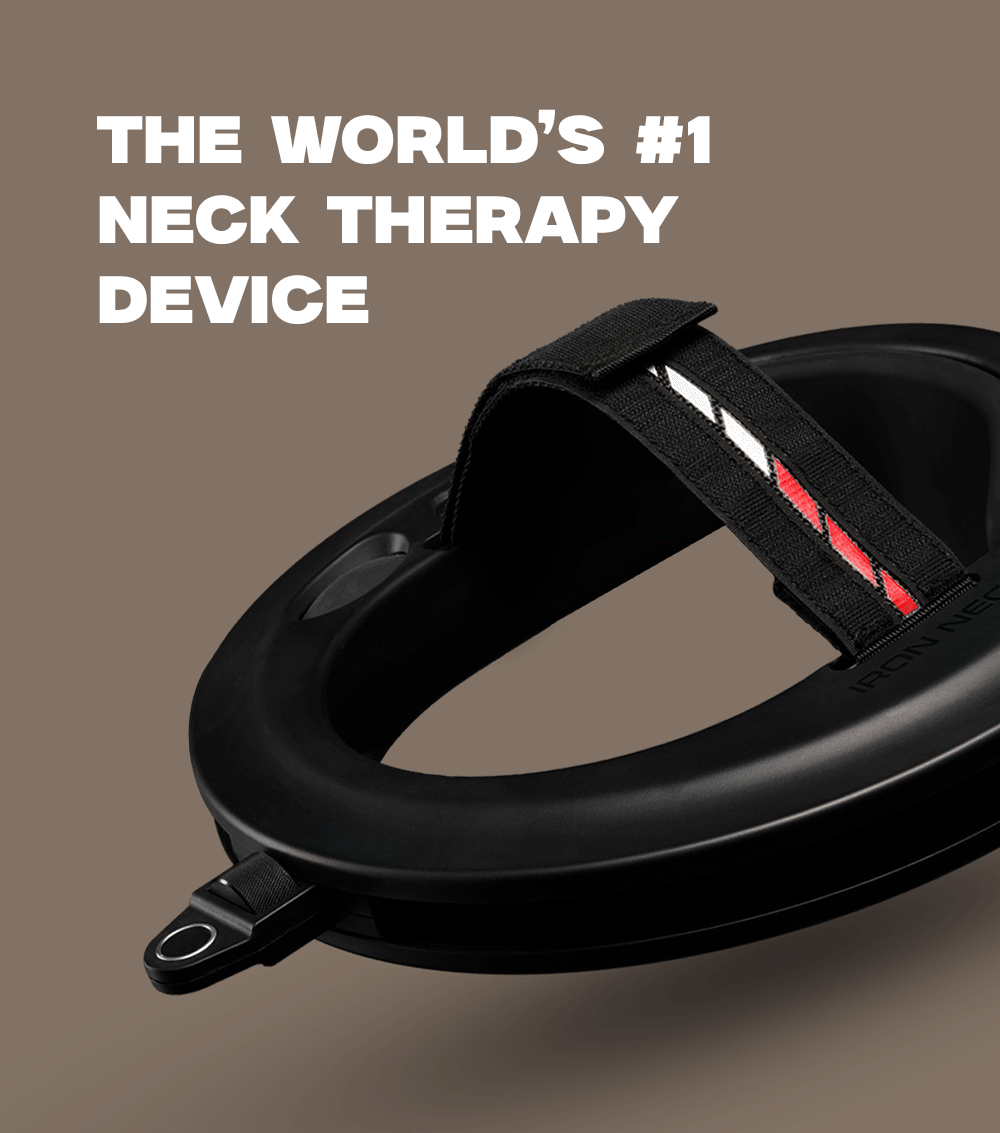
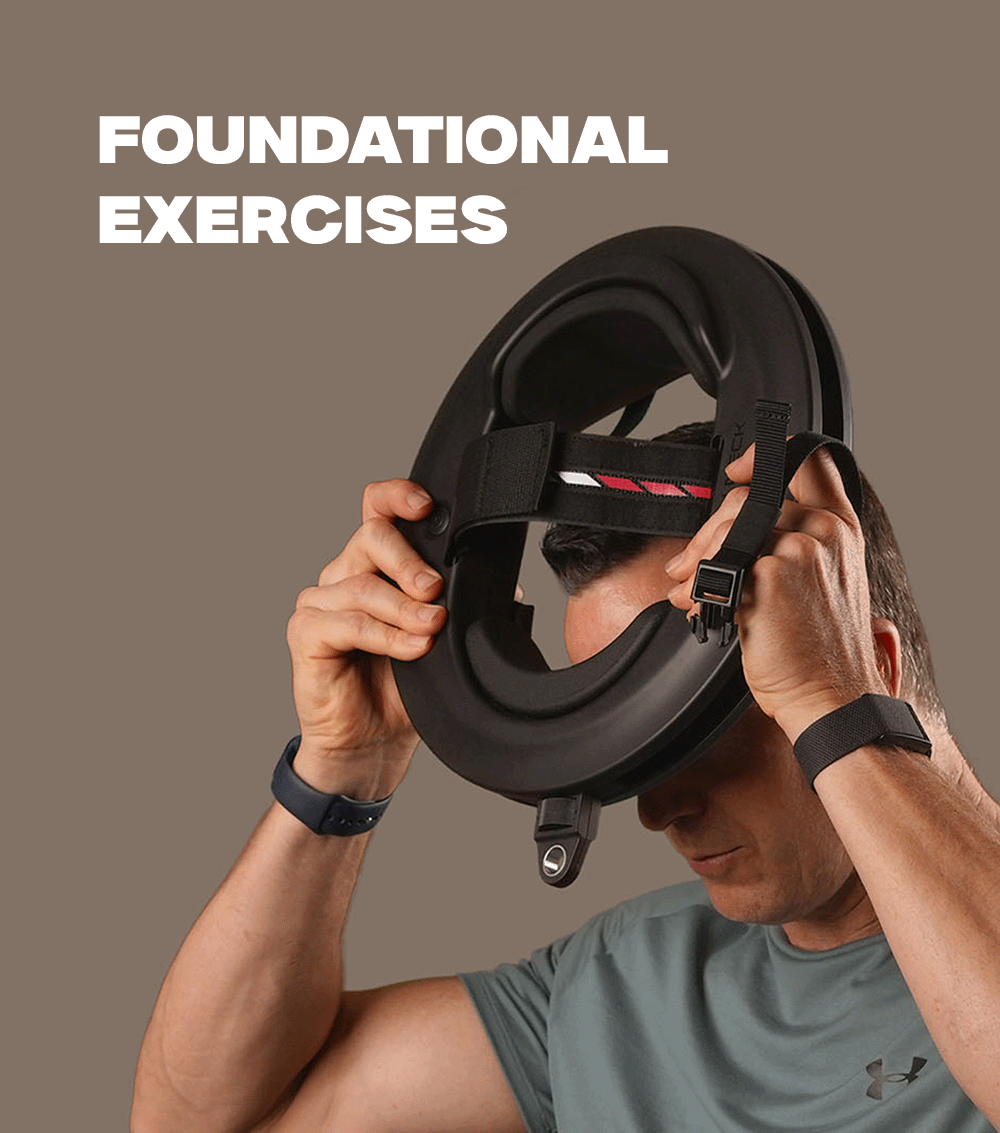
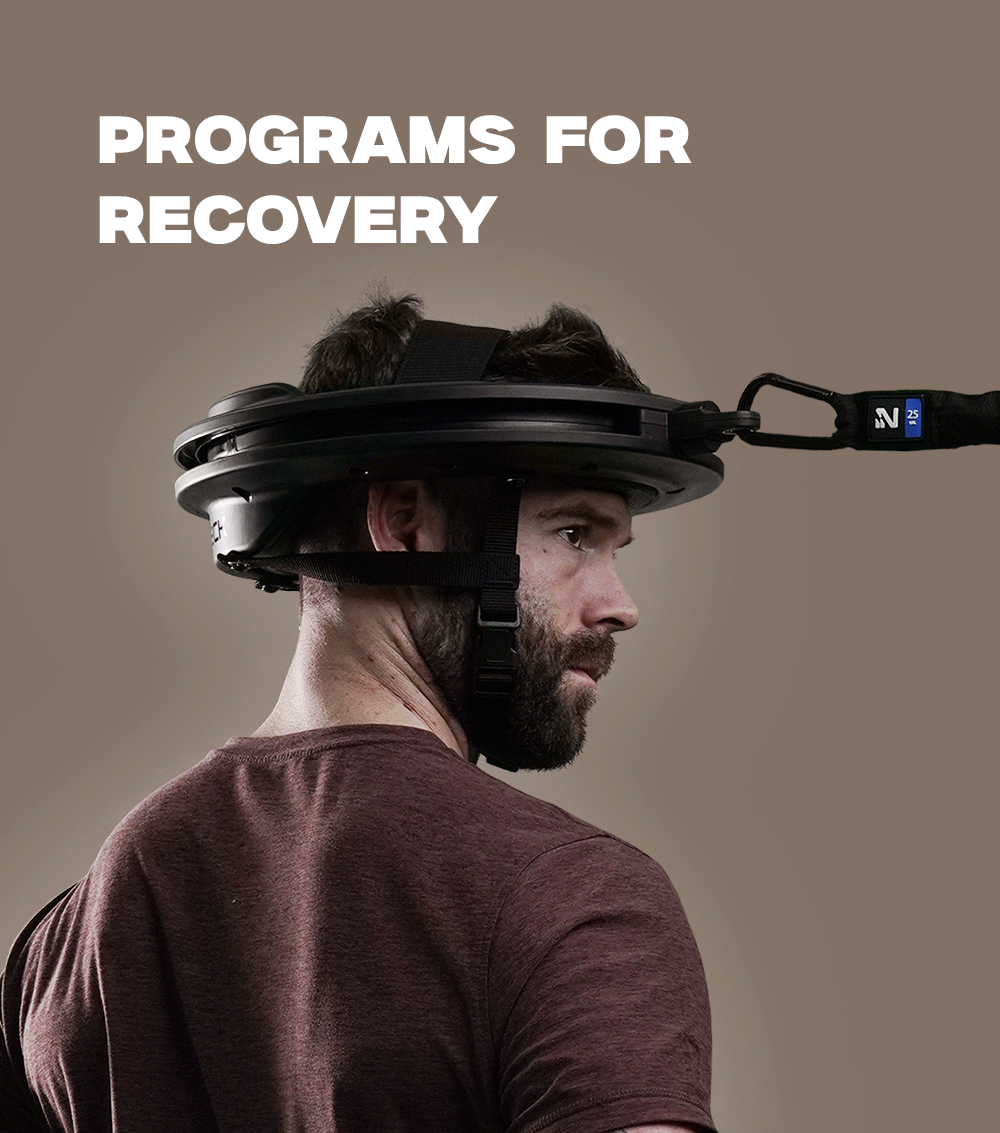
Integrating specialized equipment like the Iron Neck training device can significantly enhance the effectiveness of a neck strengthening program. The Iron Neck provides 360-degree resistance, allowing for comprehensive training of all neck muscles in various planes of motion. This goes beyond traditional methods by offering:
- Dynamic Resistance: Mimics the unpredictable forces encountered in football, training the neck to react and stabilize under dynamic loads.
- Versatility: Supports a wide range of exercises, targeting flexion, extension, lateral flexion, and rotation, ensuring a well-rounded development of neck musculature.
- Progressive Overload: Easily adjustable resistance allows for systematic progression, crucial for continuous strength gains and adaptation.
By incorporating the Iron Neck into your program, coaches can provide athletes with a superior training stimulus, optimizing their neck strength for both performance and injury prevention. For more information on the Iron Neck training device and its benefits, visit iron-neck.com.
References
- Sportsmith: The role of neck strength and motor control to reduce concussion risk
- Westminster University: Dynamic Neck Exercises for Concussion Prevention in Football
- Springer: Neck strength: a protective factor reducing risk for concussion in high school sports
- PubMed: Catastrophic cervical spine injuries in high school and college football
The 12-Week High School Football Neck Strengthening Protocol
Implementing a successful neck strengthening program requires a structured, progressive approach. This 12-week protocol is designed to be integrated into an existing high school football strength and conditioning program, typically during the off-season or pre-season. It is divided into three distinct phases: Foundation, Build, and Peak.
Phase 1: Foundation (Weeks 1-4)
The primary goal of the Foundation phase is to establish baseline strength, improve mobility, and develop proper movement mechanics. This phase focuses on isometric holds and controlled, low-intensity dynamic movements to prepare the neck musculature for heavier loads in subsequent phases.
- Frequency: 2-3 days per week (e.g., Monday, Wednesday, Friday)
- Integration: Perform at the end of the main strength training session or as part of a dedicated core/accessory block.
Exercise Selection & Prescription:
- Isometric Neck Flexion (Manual Resistance or Band): 3 sets of 10-15 second holds. Focus on pushing the forehead against resistance without moving the head.
- Isometric Neck Extension (Manual Resistance or Band): 3 sets of 10-15 second holds. Focus on pushing the back of the head against resistance.
- Isometric Lateral Flexion (Manual Resistance or Band): 3 sets of 10-15 second holds per side. Focus on pushing the side of the head against resistance.
- Iron Neck 360 Spin (Light Resistance): 2 sets of 10 rotations per direction. Focus on smooth, controlled movement and maintaining a neutral spine.
- Shoulder Shrugs (Dumbbell or Barbell): 3 sets of 12-15 reps. Focus on full range of motion and a controlled eccentric phase.
Phase 2: Build (Weeks 5-8)
The Build phase shifts the focus towards hypertrophy and increasing the force-producing capacity of the neck muscles. This phase introduces dynamic resistance exercises and increases the overall volume and intensity of the training.
- Frequency: 2-3 days per week
- Integration: Continue to perform at the end of the main strength training session.
Exercise Selection & Prescription:
- Dynamic Neck Flexion (Plate or Machine): 3 sets of 10-12 reps. Focus on a controlled eccentric phase and a powerful concentric phase.
- Dynamic Neck Extension (Plate or Machine): 3 sets of 10-12 reps. Focus on a controlled eccentric phase and a powerful concentric phase.
- Iron Neck Look Left/Look Right (Moderate Resistance): 3 sets of 10 reps per side. Focus on maintaining tension throughout the movement.
- Iron Neck Protraction/Retraction (Moderate Resistance): 3 sets of 10 reps. Focus on isolating the movement to the cervical spine.
- Heavy Farmer\'s Walks: 3 sets of 30-40 yards. Focus on maintaining an upright posture and a neutral neck position under heavy load.
Phase 3: Peak (Weeks 9-12)
The Peak phase aims to maximize strength and power while incorporating sport-specific movements. This phase utilizes higher intensities and introduces exercises that mimic the demands of football, such as bracing for impact and rapid changes in direction.
- Frequency: 2 days per week (to allow for adequate recovery as overall training intensity increases)
- Integration: Perform at the end of the main strength training session.
Exercise Selection & Prescription:
- Heavy Dynamic Neck Flexion/Extension: 3 sets of 6-8 reps. Focus on maximal force production.
- Iron Neck Figure 8s (Heavy Resistance): 3 sets of 8 reps per direction. Focus on controlling the resistance through complex movement patterns.
- Iron Neck Reactive Stabilization (Partner Assisted): 3 sets of 15-20 seconds. A partner applies unpredictable, multi-directional resistance while the athlete attempts to maintain a neutral head position.
- Explosive Shrugs (Barbell or Trap Bar): 3 sets of 5-8 reps. Focus on rapid force development.
Integrating the Neck Strengthening Protocol into Existing S&C Sessions
Successful implementation of this 12-week neck strengthening protocol hinges on seamless integration into the existing strength and conditioning schedule. Coaches often face constraints related to time, equipment, and athlete buy-in. Here’s how to effectively weave this program into your team’s routine:
Strategic Placement within Workouts
- Warm-up Integration: Light neck mobility drills and dynamic stretches can be incorporated into the general warm-up to prepare the neck for activity.
- Accessory Work: The bulk of the neck strengthening exercises are best performed as accessory work at the end of a main lifting session. This allows athletes to focus on primary lifts when fresh and then dedicate focused effort to neck training.
- Dedicated Sessions: For teams with more available time, a short, dedicated 10-15 minute neck training session on non-lifting days can be highly effective, especially during the Foundation and Build phases.
Optimizing Equipment Usage
While the Iron Neck training device offers unparalleled versatility and effectiveness, not all teams may have immediate access to multiple units. Strategies for optimizing equipment include:
- Station-Based Training: Set up a neck training station with the Iron Neck and other equipment (bands, plates) where athletes rotate through exercises.
- Partner-Assisted Drills: Many isometric and dynamic exercises can be performed with manual resistance from a partner, requiring no specialized equipment.
- Progressive Introduction: Start with bodyweight and manual resistance exercises, gradually introducing the Iron Neck as athletes become proficient and equipment becomes available.
Addressing Common Objections and Ensuring Buy-In
Introducing a new training component can sometimes be met with resistance. Here’s how to address common objections from athletes, coaches, and administrators:
Time Constraints
- Highlight Efficiency: Emphasize that effective neck training doesn’t require extensive time. Many exercises can be completed in 10-15 minutes.
- Prioritization: Frame neck strengthening as a critical injury prevention strategy, arguing that a small investment of time now can prevent significant time lost due to injury later.
Equipment Limitations
- Start Simple: Begin with manual resistance and bodyweight exercises, which require no equipment.
- Demonstrate Value: Show the tangible benefits of neck strength (e.g., improved posture, reduced head movement) to build a case for investing in specialized equipment like the Iron Neck.
Athlete Buy-In
- Educate: Explain the ‘why’ behind neck training – connecting it directly to concussion prevention, enhanced performance, and career longevity.
- Lead by Example: Coaches and trainers demonstrating the exercises and their importance can significantly influence athlete perception.
- Make it Competitive: Incorporate friendly competitions or tracking progress to motivate athletes.
Key Takeaways
- Neck strength is a critical, often overlooked, factor in concussion prevention and cervical spine injury reduction in high school football players.
- A structured, progressive 12-week protocol can be effectively integrated into existing strength and conditioning programs.
- The program emphasizes foundational strength, hypertrophy, and sport-specific power through phased training.
- Tools like the Iron Neck training device offer superior, dynamic resistance for comprehensive neck muscle development.
- Addressing common objections regarding time, equipment, and athlete buy-in is crucial for successful implementation.
- Prioritizing neck strengthening is an investment in athlete safety, performance, and long-term health.
Frequently Asked Questions (FAQ)
Q1: How often should high school football players train their necks?
A1: For optimal results and recovery, 2-3 sessions per week are recommended, especially during the off-season and pre-season. During the in-season, 1-2 maintenance sessions may suffice, depending on game schedule and overall training load.
Q2: Is neck strengthening only for linemen?
A2: Absolutely not. While linemen experience frequent collisions, all football players, regardless of position, are susceptible to head and neck impacts. Quarterbacks, receivers, and defensive backs also benefit significantly from enhanced neck strength for both injury prevention and performance (e.g., maintaining head control during tackles or while making catches).
Q3: What if we don\'t have an Iron Neck device?
A3: While the Iron Neck offers unique advantages, effective neck strengthening can still be achieved with manual resistance, resistance bands, and plate-loaded machines. Start with these accessible methods and consider investing in an Iron Neck as resources allow, given its proven benefits.
Q4: How long does it take to see results from a neck strengthening program?
A4: Noticeable improvements in strength and stability can typically be observed within 4-6 weeks of consistent training. Significant gains in muscle mass and protective capacity will continue throughout the 12-week protocol and beyond.
Q5: Can neck strengthening prevent all concussions?
A5: No single intervention can prevent all concussions. However, neck strengthening is a highly effective strategy to significantly reduce the risk and severity of concussions by enhancing the neck\'s ability to absorb and dissipate impact forces. It should be part of a comprehensive injury prevention program that includes proper tackling techniques, rule adherence, and appropriate equipment.
Q6: Should neck training be done before or after a workout?
A6: It is generally recommended to perform neck strengthening exercises at the end of a main strength training session as accessory work. This ensures that primary lifts are not compromised by neck fatigue and allows for focused attention on neck musculature.
Q7: What are the signs of an overtrained neck?
A7: Signs of an overtrained neck can include persistent soreness, stiffness, reduced range of motion, headaches, and a decrease in strength or performance. It\'s crucial to listen to the body, ensure adequate rest, and progressively increase load to avoid overtraining.
Iron Neck is the only device that trains your neck through 360 degrees of resistance, combining rotation, extension, and lateral movement in one tool. Used by NFL teams, UFC fighters, and physical therapists.


1 comment
Niga
Fuck you niga
Leave a comment
This site is protected by hCaptcha and the hCaptcha Privacy Policy and Terms of Service apply.