



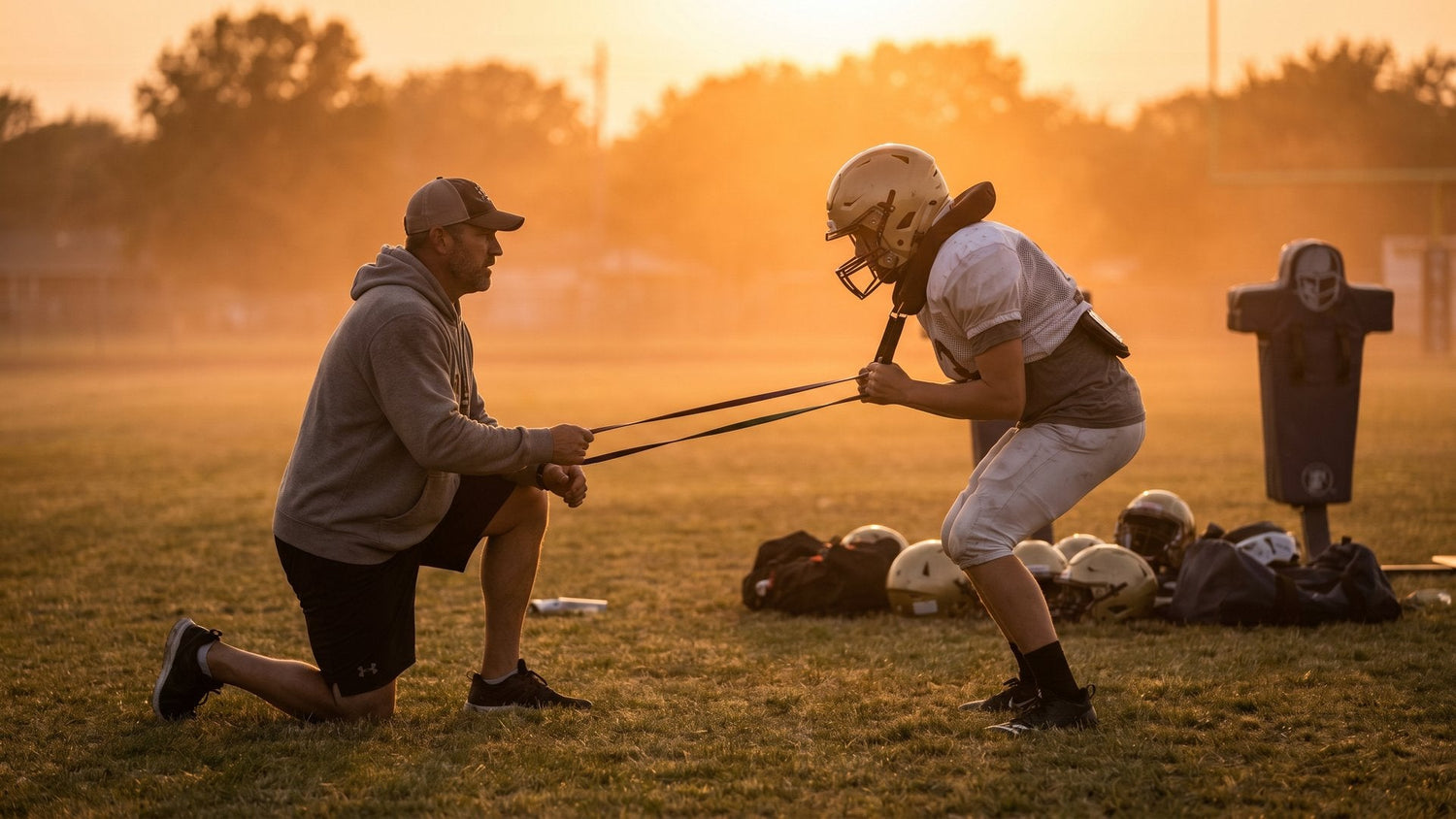
How to Prevent Concussions in Football: A Strength Coach's Evidence-Based Approach
In the high-stakes world of football, the pursuit of peak athletic performance is constant. Yet, amidst the drive for speed, power, and agility, a critical concern looms large: concussions. These traumatic brain injuries not only sideline athletes but can also have long-term health implications, impacting cognitive function, mental well-being, and overall quality of life. For athletic directors, strength coaches, and school administrators, mitigating this risk is paramount, demanding a proactive and evidence-based approach that extends beyond traditional protective measures. This article delves into the current landscape of concussion rates in football, scrutinizes the limitations of helmets, and champions a structured neck strengthening program as a fundamental strategy to address the root cause of these injuries.
The Current Landscape: Concussion Rates in Football
Despite advancements in equipment and rule changes, concussions remain a significant challenge across all levels of football. Data from various sources consistently highlight the prevalence of these injuries. For instance, tackling is responsible for a substantial portion of concussions in high school football, with almost two out of three concussions occurring during these impacts [1]. While the NFL has reported a decrease in concussion rates in recent seasons, such as a 17% reduction compared to the previous season in 2024 [2], the overall numbers still underscore the persistent risk. Historical data indicates that professional football has consistently seen a high number of reported concussions annually [3, 4].
Youth football also presents a concerning picture. A CDC study revealed that youth tackle football athletes aged 6 to 14 sustained 15 times more head impacts than flag football athletes [5]. These statistics collectively paint a clear picture: concussions are an inherent risk in football, and while efforts are being made to reduce them, more comprehensive strategies are needed.
Beyond the Helmet: Why Traditional Protection Isn't Enough
For decades, football helmets have been the primary line of defense against head injuries. Modern helmets are engineered with sophisticated padding and shell designs aimed at absorbing impact forces. However, a critical distinction must be made: helmets are highly effective at preventing severe traumatic brain injuries (TBIs) such as skull fractures and intracranial hemorrhages, but their efficacy in preventing concussions is limited [6].
Research consistently shows that helmets do not fully protect against concussions [7, 8]. While some innovations, like soft-shell helmet covers (e.g., Guardian Cap), have shown promise in reducing impact forces and potentially lowering concussion risk by 15-35% in lab tests [9] and even more significantly in practice settings [10], they are not a panacea. The fundamental reason for this limitation lies in the nature of a concussion. Concussions are primarily caused by the rapid acceleration and deceleration of the brain within the skull, leading to shear and rotational forces. Helmets, while excellent at mitigating direct linear impacts, are less effective at preventing these rotational forces that are often the primary mechanism of concussion [11].
Therefore, relying solely on helmet technology, no matter how advanced, leaves athletes vulnerable to the very forces that cause concussions. A truly comprehensive concussion prevention strategy must look beyond external head protection and address the internal biomechanics of head and neck movement.
The Biomechanics of Concussion and the Role of Neck Strength
To truly prevent concussions, we must understand their biomechanics. A concussion occurs when the brain undergoes rapid acceleration or deceleration, causing it to impact the inside of the skull. This can lead to stretching and shearing of brain tissue, disrupting normal neurological function. While helmets aim to reduce the initial impact force, they do little to prevent the brain from moving within the skull once an impact occurs. This is where neck strength becomes a critical, often overlooked, protective factor.
How a Stronger Neck Protects the Brain
- Reduce Head Acceleration: By stiffening the neck muscles upon impact, athletes can reduce the rate and magnitude of head acceleration and deceleration. This effectively lessens the violent movement of the brain within the skull, thereby reducing the forces that cause concussions [12, 13].
- Increase Head-Neck Segment Stiffness: A robust neck can better resist external forces that attempt to move the head, maintaining its position relative to the torso. This increased stiffness minimizes the whiplash-like motion that contributes to concussive injuries.
- Improve Neuromuscular Control: Beyond raw strength, a well-trained neck exhibits superior neuromuscular control, allowing for faster and more effective muscle activation in anticipation of or during an impact. This reflexive bracing action is crucial for injury prevention.
Numerous studies have highlighted the direct correlation between increased neck strength and a reduced risk of concussion. Athletes with stronger necks have been shown to experience lower head accelerations during impacts [14]. Furthermore, research indicates that greater neck strength is associated with a lower incidence of concussions in sports [15, 16]. One study even suggested that the odds of an athlete sustaining a concussion decreased by 5% for every one-pound increase in neck strength [17]. These findings underscore the importance of integrating neck strengthening into comprehensive concussion prevention protocols.
Implementing a Structured Neck Strengthening Program
For athletic programs serious about player safety and performance, a structured neck strengthening program is not an option but a necessity. This isn't about adding another isolated exercise; it's about integrating a foundational element into existing strength and conditioning routines. The goal is to develop comprehensive neck strength across all planes of motion: flexion, extension, lateral flexion, and rotation.
Key Principles of Effective Neck Training
- Consistency: Like any other muscle group, the neck requires consistent training to adapt and strengthen.
- Progressive Overload: Gradually increase resistance or volume to continually challenge the muscles.
- Multi-Directional Training: Ensure exercises target all major neck movements to build balanced strength and stability.
- Proper Form: Emphasize controlled movements to prevent strain and maximize effectiveness.
- Integration: Incorporate neck exercises seamlessly into existing warm-ups, cool-downs, or dedicated strength sessions.
Sample Weekly Training Integration
Here’s a sample framework for integrating neck strengthening into a football program’s weekly routine. This can be adapted based on the team’s schedule, equipment availability, and individual athlete needs.
Phase 1: Off-Season (3-4 times per week)
The off-season is ideal for building foundational strength and muscle mass. Focus on higher volume and progressive resistance.
-
Day 1 (Upper Body Focus):
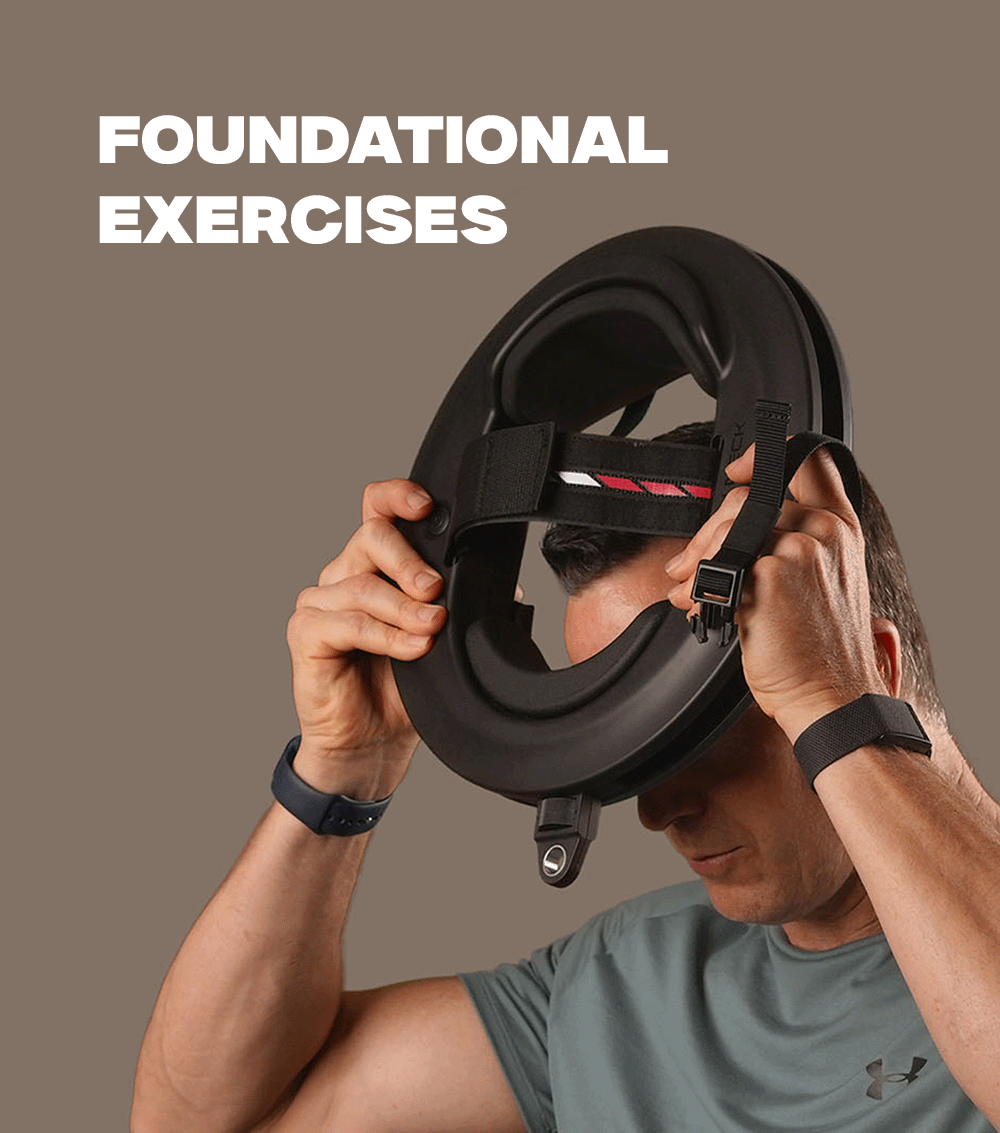
- Neck Flexion/Extension: 3 sets of 10-15 reps (e.g., using a Iron Neck training device or manual resistance)
- Lateral Flexion: 3 sets of 10-15 reps per side (e.g., with Iron Neck or manual resistance)
- Rotational Movements: 3 sets of 10-15 reps per side (e.g., with Iron Neck or manual resistance)
-
Day 2 (Lower Body Focus):
- Isometric Holds: 3 sets of 15-30 second holds in flexion, extension, and lateral flexion (e.g., against a wall or partner resistance)
- Dynamic Neck Bridges: 3 sets of 10-15 reps (front and back)
-
Day 3 (Full Body/Conditioning):
- Neck Harness Work: 3 sets of 10-15 reps in all directions (e.g., with a neck harness and plate)
- Manual Resistance Drills: Partner-resisted neck movements (flexion, extension, rotation) for 2-3 sets of 10-12 reps.
Phase 2: Pre-Season (2-3 times per week)
As competition approaches, shift focus to maintaining strength and improving power and reactivity.
- Warm-up Integration: Incorporate dynamic neck stretches and light resistance movements into daily warm-ups.
- Dedicated Sessions: 2-3 shorter, more intense sessions focusing on controlled, multi-directional movements with moderate resistance.
- Reactive Drills: Introduce drills that require rapid neck stabilization in response to unpredictable forces (e.g., partner pushes/pulls on the head/helmet).
Phase 3: In-Season (1-2 times per week)
During the competitive season, the priority is maintenance and recovery. Keep sessions brief and focused.
- Maintenance Work: 1-2 sessions per week, 1-2 sets of 10-15 reps for each major movement, using moderate resistance.
- Recovery: Emphasize gentle stretching and mobility work to aid recovery and prevent stiffness.
The Role of Specialized Equipment: The Iron Neck Training Device
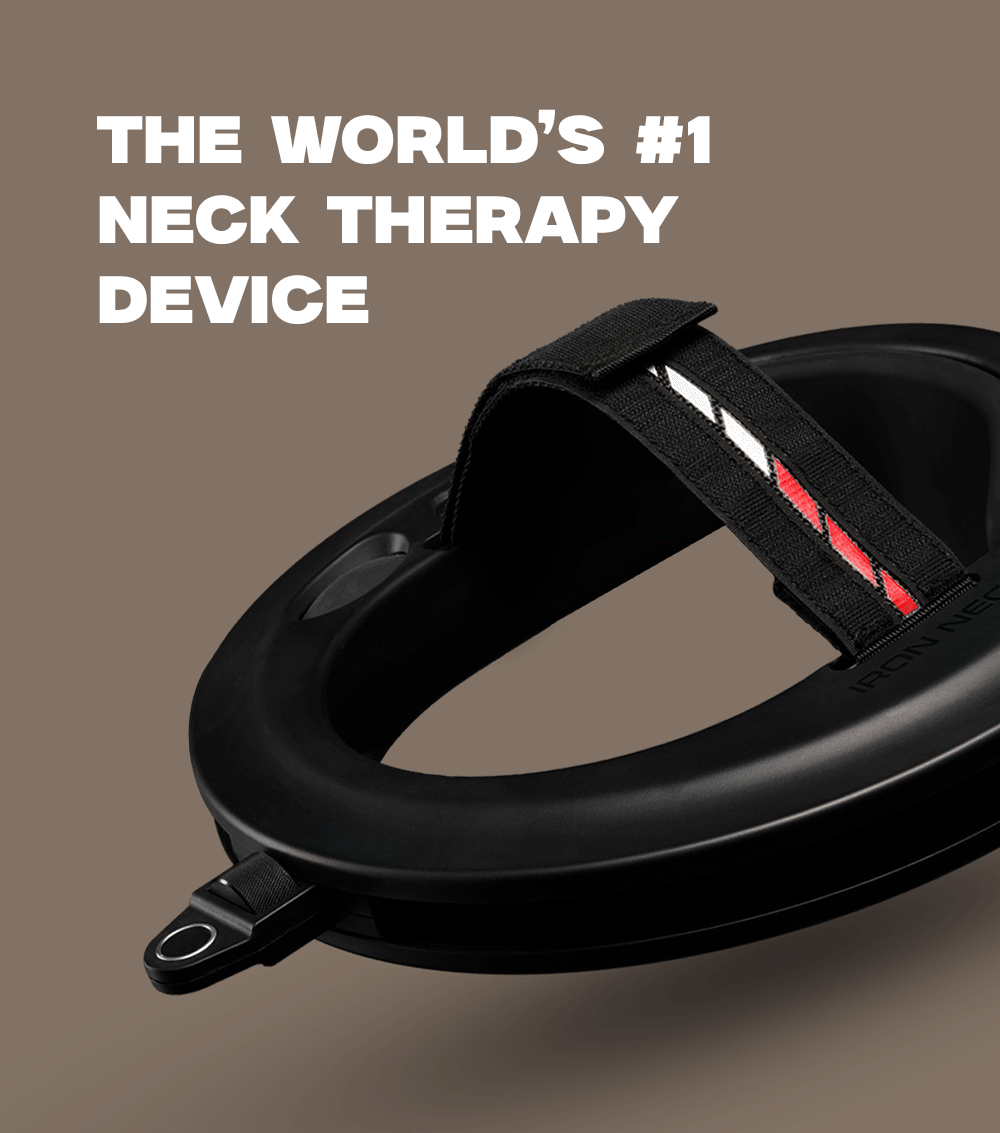
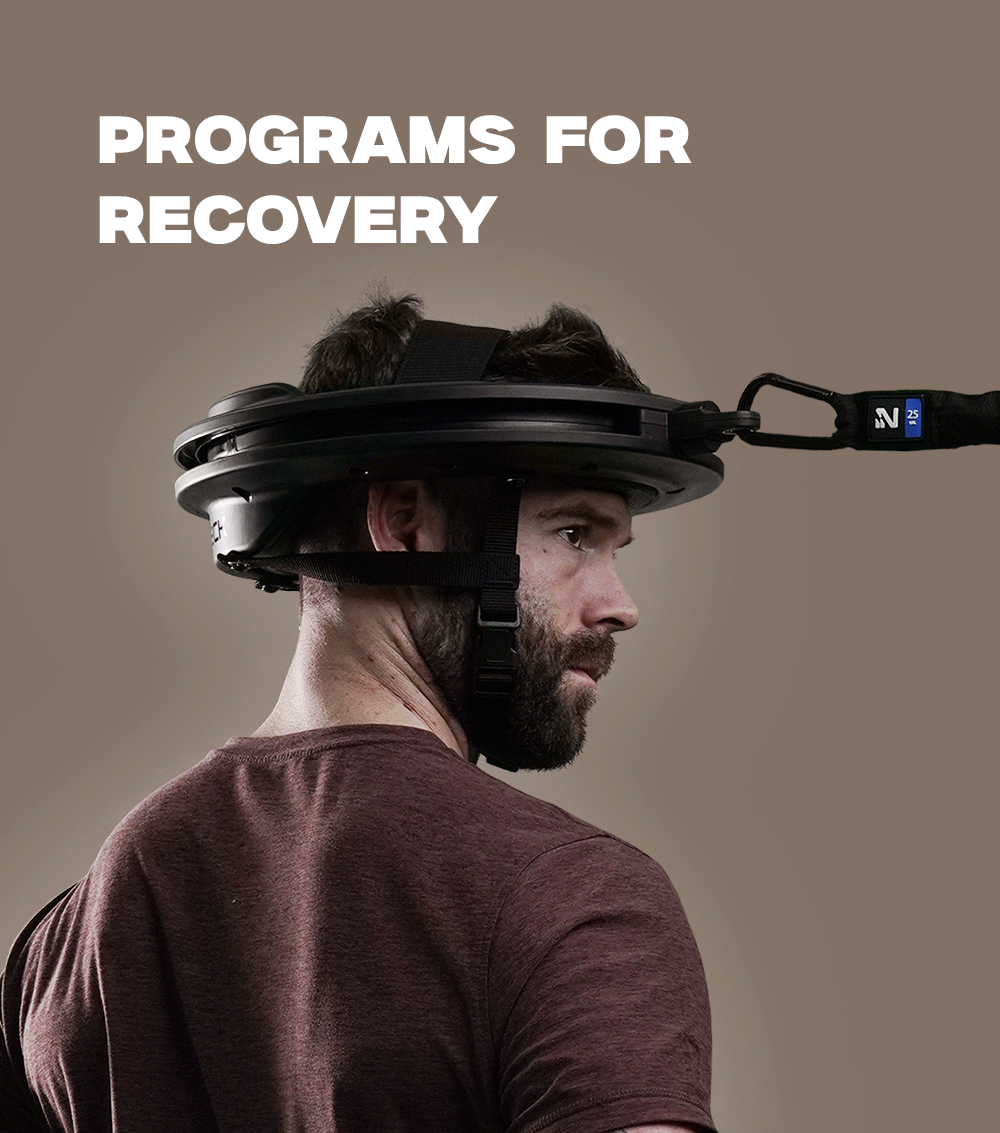
While manual resistance and basic exercises are valuable, specialized equipment can significantly enhance the effectiveness and efficiency of neck training. The Iron Neck training device, for example, provides consistent, multi-directional resistance, allowing athletes to train their neck muscles through a full range of motion with precise control. Its design facilitates both concentric and eccentric loading, crucial for building resilient neck musculature capable of withstanding impact forces. Integrating tools like the Iron Neck into a program ensures that athletes receive targeted, progressive resistance that is difficult to replicate with traditional methods, making it an invaluable asset for any serious football program.
Key Takeaways
- Concussions remain a significant concern in football across all levels, despite advancements in equipment and rule changes.
- Football helmets are effective at preventing severe traumatic brain injuries but offer limited protection against concussions, which are primarily caused by rotational forces on the brain.
- A strong, well-conditioned neck acts as a natural shock absorber, reducing head acceleration and improving stability during impacts, thereby lowering concussion risk.
- Evidence-based research consistently demonstrates a correlation between increased neck strength and a reduced incidence of concussions.
- Implementing a structured, progressive, and multi-directional neck strengthening program is crucial for comprehensive concussion prevention.
- Specialized equipment, such as the Iron Neck training device, can significantly enhance the effectiveness and efficiency of neck training, providing targeted resistance across all planes of motion.
- Athletic directors, strength coaches, and school administrators should prioritize integrating neck strengthening into their football programs to enhance player safety and long-term well-being.
Frequently Asked Questions (FAQ)
Q1: Are football helmets completely ineffective at preventing concussions?
No, football helmets are not completely ineffective. They are highly effective at preventing severe traumatic brain injuries like skull fractures and intracranial hemorrhages. However, their ability to prevent concussions, which are caused by the brain moving rapidly within the skull, is limited. Helmets primarily mitigate direct linear impacts but are less effective against the rotational forces often responsible for concussions.
Q2: How much can neck strengthening reduce the risk of concussion?
Research suggests a significant reduction in concussion risk with increased neck strength. Some studies indicate that for every one-pound increase in neck strength, the odds of an athlete sustaining a concussion can decrease by approximately 5%. While not a complete guarantee, it is a highly effective and evidence-based preventative measure.
Q3: What types of exercises are best for neck strengthening in football players?
Effective neck strengthening programs should include exercises that target all planes of motion: flexion (forward), extension (backward), lateral flexion (side-to-side), and rotation. This can involve manual resistance, neck harnesses, and specialized equipment like the Iron Neck training device. Isometric holds and dynamic movements are both beneficial.
Q4: When should neck strengthening be incorporated into a football training program?
Neck strengthening should be a year-round component of a football training program. The off-season allows for building foundational strength with higher volume, while pre-season focuses on maintaining strength and improving reactivity. During the in-season, shorter, focused sessions are crucial for maintenance and recovery.
Q5: Is specialized equipment like the Iron Neck necessary for neck strengthening?
While manual resistance and basic exercises can provide some benefits, specialized equipment like the Iron Neck training device offers significant advantages. It provides consistent, multi-directional resistance, allowing for precise control and progressive overload across a full range of motion. This targeted training is difficult to replicate with traditional methods and can lead to more effective and efficient development of resilient neck musculature.
Q6: Who should oversee a neck strengthening program for athletes?
A neck strengthening program should be designed and overseen by qualified professionals, such as certified strength and conditioning coaches, athletic trainers, or physical therapists. These experts can ensure proper technique, progressive overload, and safe implementation, tailoring the program to the specific needs and developmental stage of the athletes.
Q7: Does neck strength only benefit concussion prevention, or are there other advantages?
Beyond concussion prevention, a strong neck offers several other athletic advantages. It contributes to overall head and spine stability, which can improve posture, reduce the risk of other neck-related injuries (like whiplash), and enhance performance in sports requiring dynamic head movements and impact absorption. A strong neck is a foundation for a resilient athlete.

Leave a comment
This site is protected by hCaptcha and the hCaptcha Privacy Policy and Terms of Service apply.