



In the dynamic world of sports, the specter of concussion looms large, casting a shadow over athletes, coaches, and parents alike. The long-term implications of head injuries, from cognitive impairment to neurological disorders, have rightfully propelled concussion prevention to the forefront of sports medicine and athletic training. For years, the primary focus has been on rule changes, improved protective equipment, and enhanced diagnostic protocols. While these measures are undoubtedly crucial, a growing body of peer-reviewed research is illuminating another powerful, yet often overlooked, proactive intervention: neck strength training.
This article is designed for athletic directors, strength coaches, school administrators, and gym owners who are committed to safeguarding their athletes and members. We will delve into the compelling scientific evidence linking robust neck strength to a significantly reduced risk of concussion. We will explore the intricate biomechanics of head impact, demonstrating how stronger neck musculature acts as a vital shock absorber. By referencing studies from leading sports medicine journals, we aim to make a clear and convincing case that neck training is not merely an accessory exercise but an evidence-based, essential component of any comprehensive injury prevention strategy.
Understanding Concussions and Head Impact Biomechanics
A concussion, or mild traumatic brain injury (mTBI), is a complex pathophysiological process affecting the brain, induced by biomechanical forces. It typically results from a direct blow to the head, face, neck, or elsewhere on the body with an impulsive force transmitted to the head. The rapid acceleration and deceleration of the head cause the brain to move within the skull, leading to stretching and shearing of neural tissues, metabolic dysfunction, and temporary neurological impairment.
Biomechanics of Head Impact: The Role of the Neck
The mechanism of injury in concussions can be broadly categorized into direct impacts (e.g., head-to-head collision) and indirect impacts (e.g., whiplash effect from a body check). Regardless of the source, the critical factor is the transmission of forces to the brain. Understanding the biomechanics of these forces is paramount to appreciating the role of neck strength.
When the head experiences a sudden impact, the brain, suspended in cerebrospinal fluid, undergoes rapid movement. This can lead to a phenomenon known as coup-contrecoup injury, where the brain impacts the skull at the point of initial contact (coup) and then rebounds to strike the opposite side (contrecoup). More critically, concussions are often associated with rotational forces rather than purely linear forces. While linear forces cause direct compression or tension, rotational forces induce shear strains within the brain tissue, which are considered far more damaging to axons and blood vessels, leading to more severe and prolonged symptoms.
This is where the neck plays its pivotal role. The cervical spine and its surrounding musculature act as the primary connection and stabilizer for the head. During an impact, the neck muscles can significantly influence the magnitude and duration of head acceleration and deceleration. A stronger, more robust neck can:
- Increase Head-Neck Segment Stiffness: By stiffening the neck muscles reflexively or volitionally, the head and neck move as a more unified unit, reducing the relative motion of the head on the torso. This increased stiffness helps to resist sudden, uncontrolled movements of the head.
- Reduce Head Kinematics: Stronger neck muscles can attenuate both linear and, crucially, rotational accelerations of the head. By resisting the forces that cause the head to snap forward, backward, or sideways, the muscles effectively reduce the peak forces transmitted to the brain.
- Act as a Natural Shock Absorber: The muscles and connective tissues of the neck can absorb and dissipate some of the impact energy, preventing it from reaching the brain. This energy absorption capacity is a critical, often underestimated, protective mechanism.
In essence, a strong neck provides a stable platform for the head, minimizing the violent whipping motions that are characteristic of concussive impacts. It allows the athlete to better brace for impact, control head movement post-impact, and ultimately reduce the injurious forces acting on the brain.
The Scientific Evidence: Neck Strength and Concussion Risk Reduction
The hypothesis that neck strength plays a protective role against concussions is not new, but recent decades have seen a significant surge in rigorous, peer-reviewed research supporting this claim. For institutional buyers like athletic directors and strength coaches, understanding this evidence is crucial for making informed decisions about athlete safety and training protocols.
Overview of Research and Key Findings
Numerous studies, including meta-analyses and systematic reviews, have investigated the relationship between neck strength and concussion incidence across various sports and age groups. A seminal study by Collins et al. (2014), published in the Journal of Primary Prevention, examined over 6,000 high school athletes across multiple sports. Their findings indicated that for every one-pound increase in neck strength, the odds of sustaining a concussion decreased by 5% [1]. This dose-response relationship provides compelling evidence for the protective effect of neck musculature.
Further research by Eckner and Ashton-Miller (2015), among others, has explored the biomechanical underpinnings of this relationship. Their laboratory studies demonstrated that stronger necks could significantly reduce head acceleration following impact, suggesting a direct mechanism by which neck strength mitigates injury risk [2]. This aligns with the understanding that reducing the magnitude and duration of head kinematics is key to preventing concussions.
A systematic review published in the Journal of Orthopaedic & Sports Physical Therapy (JOSPT) in 2023 synthesized findings from multiple eligible studies, concluding that stronger necks or better motor control were consistently associated with lower concussion rates [3]. This comprehensive review reinforces the consensus emerging from the scientific community.
Key Statistics and Predictive Factors
The research consistently points to isometric neck strength as a critical predictor of concussion risk. While neck size might intuitively seem important, studies have shown that it is the functional strength and stiffness of the cervical musculature, rather than circumference, that offers protection [4]. This distinction is vital for designing effective training programs, emphasizing strength development over mere hypertrophy.
Specific findings from various studies highlight the quantifiable impact:
- High school football players who did not perform dynamic neck exercises were found to be five times more at risk of sustaining a concussion [5].
- A study on adolescent basketball, lacrosse, and soccer players identified decreased neck strength as a predictor of concussion injury [6].
- Research indicates that a cervical strengthening program can have a direct clinical effect on reducing sports-related concussions (SRC) in athletes, though larger and more robust trials are continually being sought to strengthen these findings [7].
It is important to acknowledge that while the evidence strongly supports the link between neck strength and concussion prevention, some studies may present mixed results or highlight limitations. These often relate to methodological differences, varying populations, or the complex multifactorial nature of concussion itself. However, the overwhelming body of evidence points towards neck strengthening as a valuable and evidence-based intervention.
References:
- Collins, C. L., et al. (2014). Neck strength: a protective factor reducing risk for concussion in high school sports. Journal of Primary Prevention, 35(5), 309-319.
- Eckner, J. T., & Ashton-Miller, J. A. (2015). The influence of cervical muscle characteristics on head impact biomechanics in football. Sports Health, 7(3), 254-260.
- The Relationship Between Neck Strength and Sports-Related Concussion: A Systematic Review. Journal of Orthopaedic & Sports Physical Therapy, 2023.
- Risk Reduction of Concussion in Athletes: Do Neck Size or Neck Strength Make a Difference? PM&R, 2024.
- Dynamic Neck Exercises for Concussion Prevention in Football. Westminster University, 2021.
- Leung, F. T., et al. (2025). Neck strength deficit is a risk factor for concussion in high school sports. Physical Therapy in Sport, 1440-2440.
- Risk Reduction of Concussion in Athletes: Do Neck Size or Neck Strength Make a Difference? American Journal of Physical Medicine & Rehabilitation, 2024.
How Neck Strength Mitigates Concussion Risk
The scientific evidence clearly demonstrates a correlation between neck strength and reduced concussion risk. But how exactly does a stronger neck provide this protection? The answer lies in several biomechanical and neuromuscular mechanisms that collectively work to minimize the forces transmitted to the brain during an impact.
Increased Head-Neck Segment Stiffness
One of the primary ways a strong neck protects against concussions is by increasing the stiffness of the head-neck segment. When the neck muscles are strong and can be activated rapidly, they create a more rigid connection between the head and the torso. This rigidity reduces the relative motion of the head on the neck during sudden accelerations or decelerations. Imagine a bobblehead versus a statue: the bobblehead's head moves freely, while the statue's head is firmly fixed. A strong neck helps an athlete's head behave more like the statue, minimizing the whiplash effect that can cause the brain to slosh within the skull.
By resisting sudden movements, stronger neck muscles effectively reduce the peak linear and rotational accelerations experienced by the head. Lower peak accelerations mean less force is transferred to the brain, thereby decreasing the likelihood of neural tissue damage.
Improved Neuromuscular Control and Anticipation
Beyond passive stiffness, a well-trained neck also exhibits superior neuromuscular control. This refers to the ability of the nervous system to coordinate muscle activation for movement and stability. Athletes with stronger necks often have:
- Faster Muscle Activation: The ability to contract neck muscles more quickly in anticipation of or during an impact. This rapid pre-activation can significantly stiffen the neck before the full force of the impact is absorbed.
- Enhanced Proprioception: Improved awareness of head and neck position in space. Better proprioception allows athletes to react more effectively to unexpected forces and maintain optimal head posture to mitigate impact.
- Better Co-contraction: The ability of opposing muscle groups around the neck to contract simultaneously, further enhancing stability and stiffness.
This improved control allows athletes to brace themselves more effectively, reducing the uncontrolled movement of the head and neck that contributes to concussive forces.
Energy Absorption
Finally, the muscles and connective tissues of a strong neck act as a natural energy absorber. When an external force impacts the head, the neck muscles can absorb and dissipate a significant portion of that kinetic energy. This prevents the energy from being fully transmitted to the brain. Think of it like a crumple zone in a car: the deformation of the car's structure absorbs energy, protecting the occupants. Similarly, the controlled contraction and eccentric loading of neck muscles can absorb impact energy, acting as a biological crumple zone for the head.
In summary, a strong and well-conditioned neck provides a multi-faceted defense against concussions by increasing structural stiffness, enhancing dynamic control, and absorbing injurious forces, thereby reducing the biomechanical load on the brain.
Practical Implementation: Integrating Neck Training into Athletic Programs
For athletic directors, strength coaches, and school administrators, the scientific evidence presents a clear mandate: neck training is a critical, evidence-based intervention for concussion prevention. The next logical step is to understand how to effectively integrate this training into existing athletic programs. This section provides practical guidance on assessment, training principles, programming, and the role of specialized equipment.
Assessment of Neck Strength
Before implementing any training program, it is crucial to establish a baseline and identify individual strengths and weaknesses. Assessing neck strength allows coaches to:
- Identify Deficits: Pinpoint athletes with weaker neck musculature who may be at higher risk.
- Individualize Training: Tailor programs to meet the specific needs of each athlete.
- Monitor Progress: Track improvements over time and adjust training as necessary.
Methods for assessing neck strength include:
- Manual Muscle Testing (MMT): A qualitative assessment where a clinician applies resistance against an athlete's neck movements. While useful for initial screening, it lacks objective quantification.
- Handheld Dynamometry: More objective than MMT, handheld dynamometers can measure isometric force production in various directions (flexion, extension, lateral flexion, rotation).
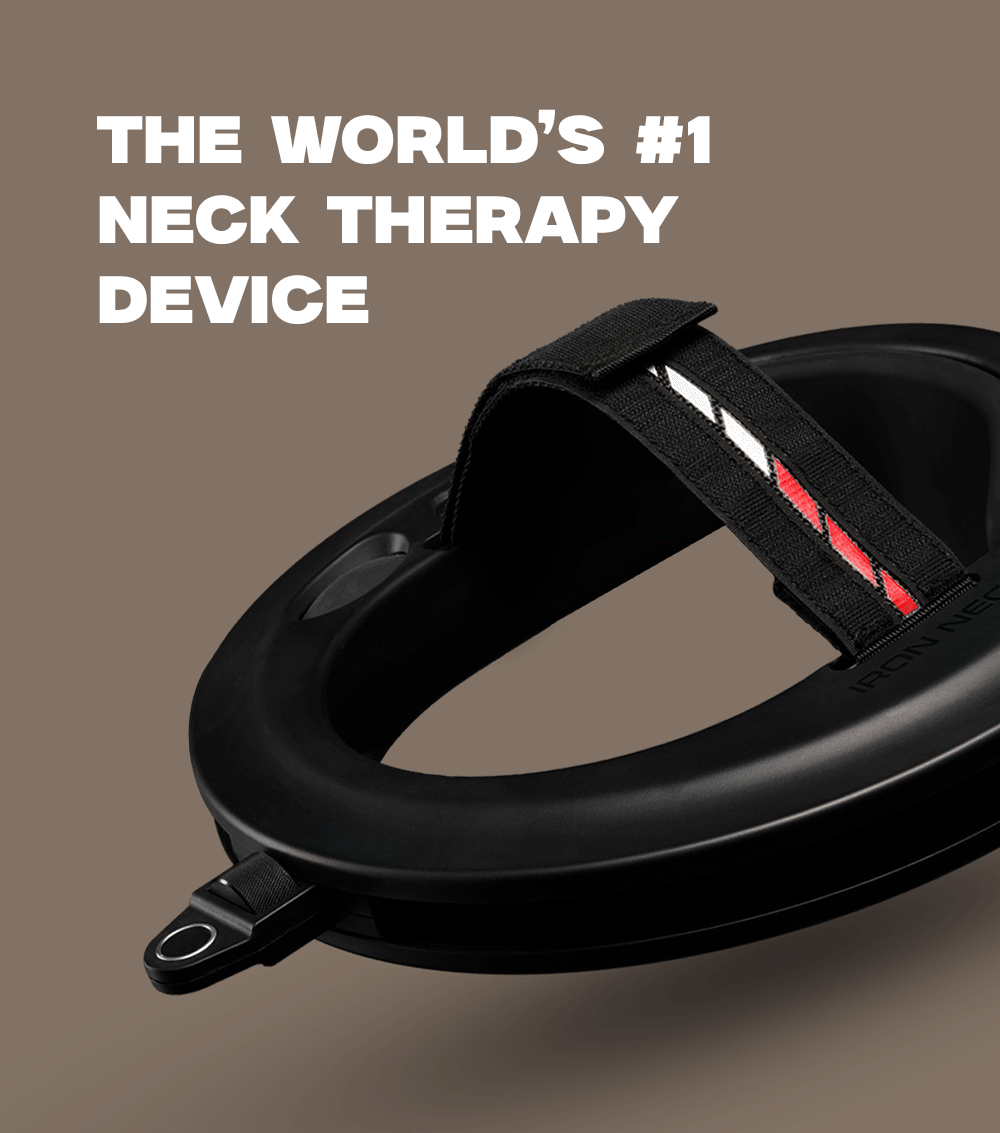
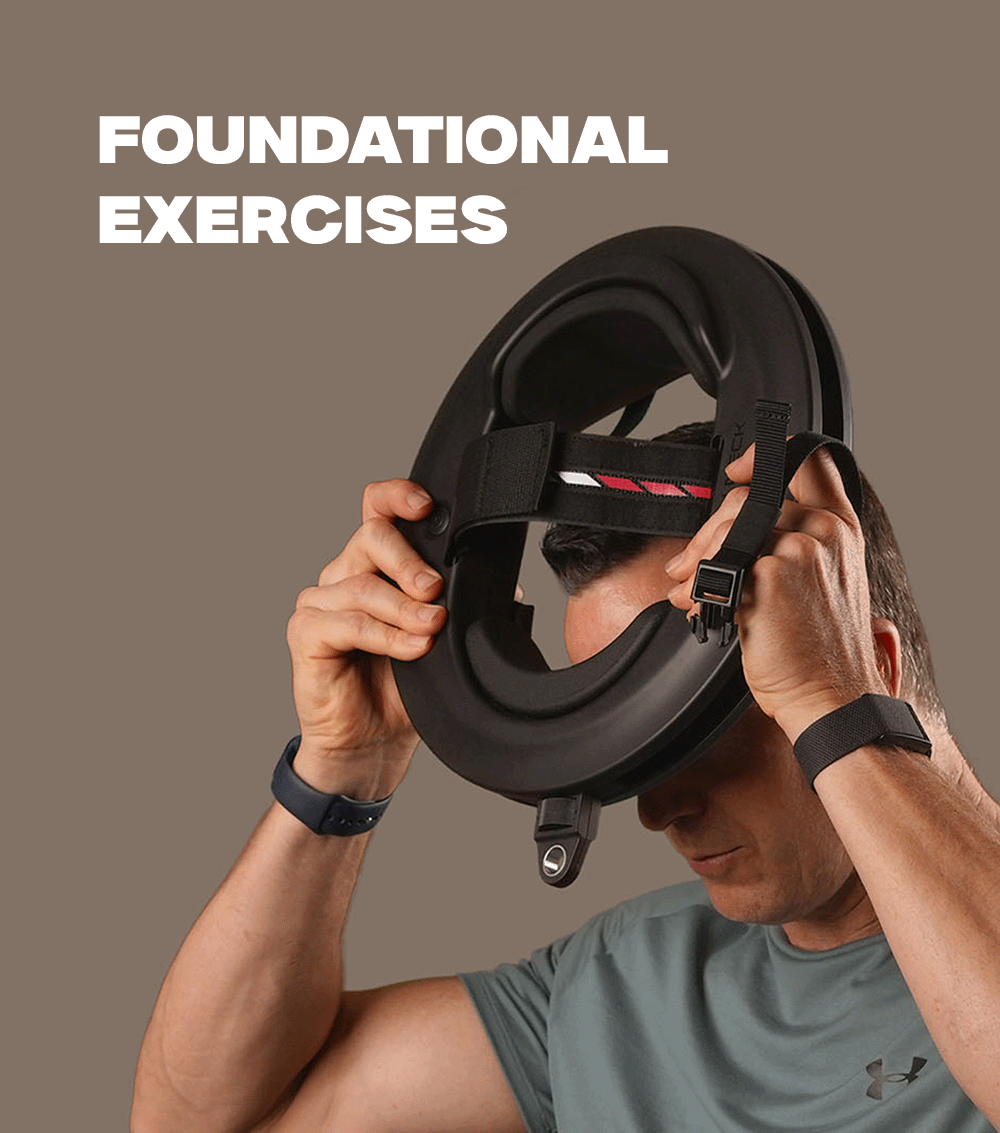
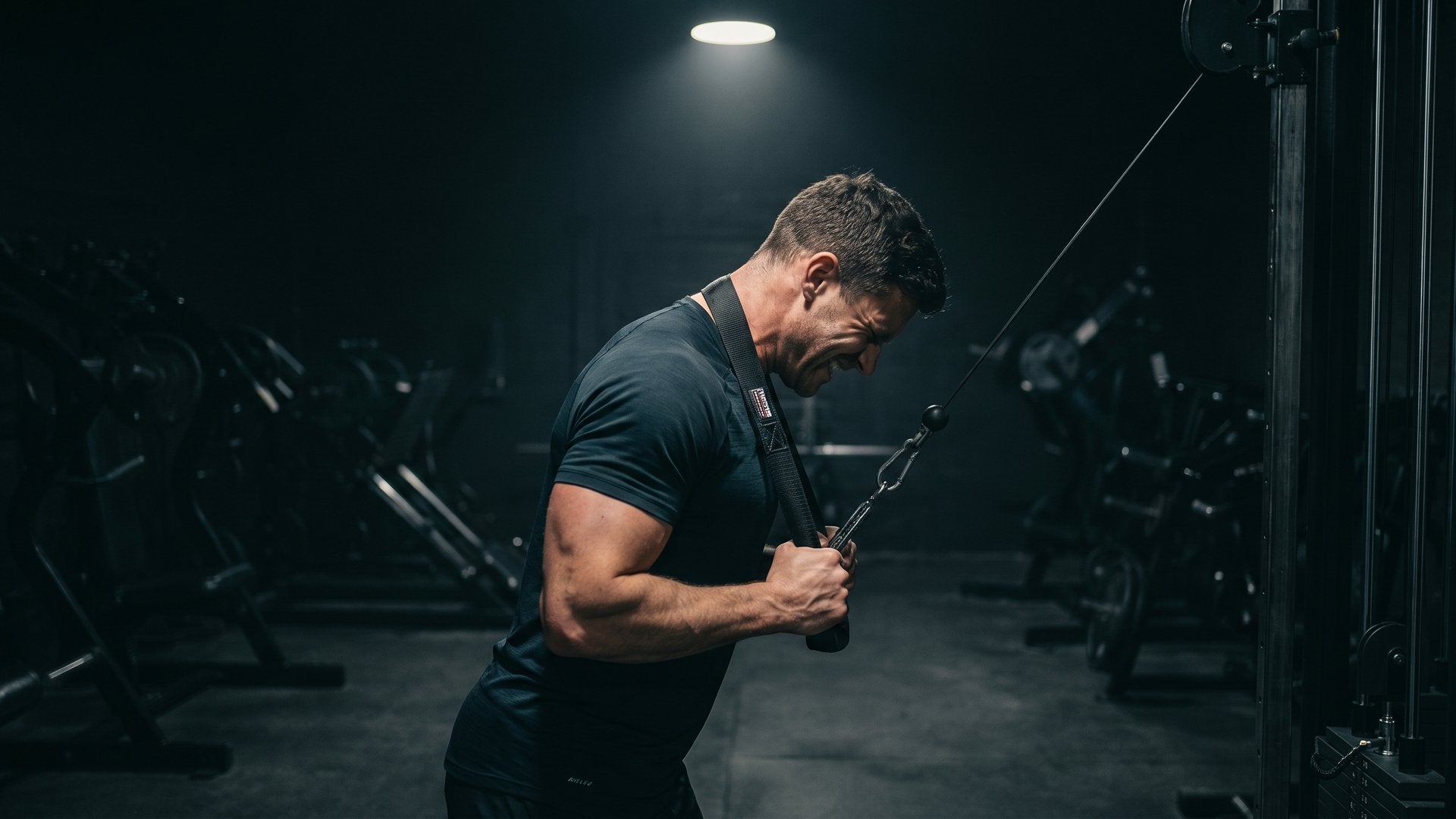
- Specialized Isokinetic or Isometric Equipment: Devices like the Iron Neck provide highly accurate and reproducible measurements of neck strength across multiple planes of motion, offering detailed data for comprehensive assessment and progress tracking.
Principles of Neck Training
Effective neck training adheres to fundamental principles of strength and conditioning:
- Progressive Overload: To continue gaining strength, the muscles must be continually challenged with increasing resistance or volume.
- Specificity: Training should mimic the demands placed on the neck during sport. This includes training all planes of motion (flexion, extension, lateral flexion, rotation) and incorporating both isometric and dynamic contractions.
- Consistency: Regular training sessions are essential for sustained strength gains and neuromuscular adaptations.
- Proper Form: Emphasize controlled movements and proper technique to prevent injury and maximize effectiveness.
Programming Guidance
Integrating neck training doesn't require a complete overhaul of existing programs. It can be seamlessly woven into warm-ups, cool-downs, or dedicated strength sessions. A general programming framework might include:
- Frequency: 2-3 times per week on non-consecutive days.
- Intensity: Start with lower resistance and higher repetitions, gradually increasing resistance as strength improves. For isometric exercises, hold contractions for 5-10 seconds.
- Duration: 10-15 minutes per session.
-
Types of Exercises:
- Isometric Holds: Athlete resists movement in various directions (flexion, extension, lateral flexion, rotation) against a stable object or partner.
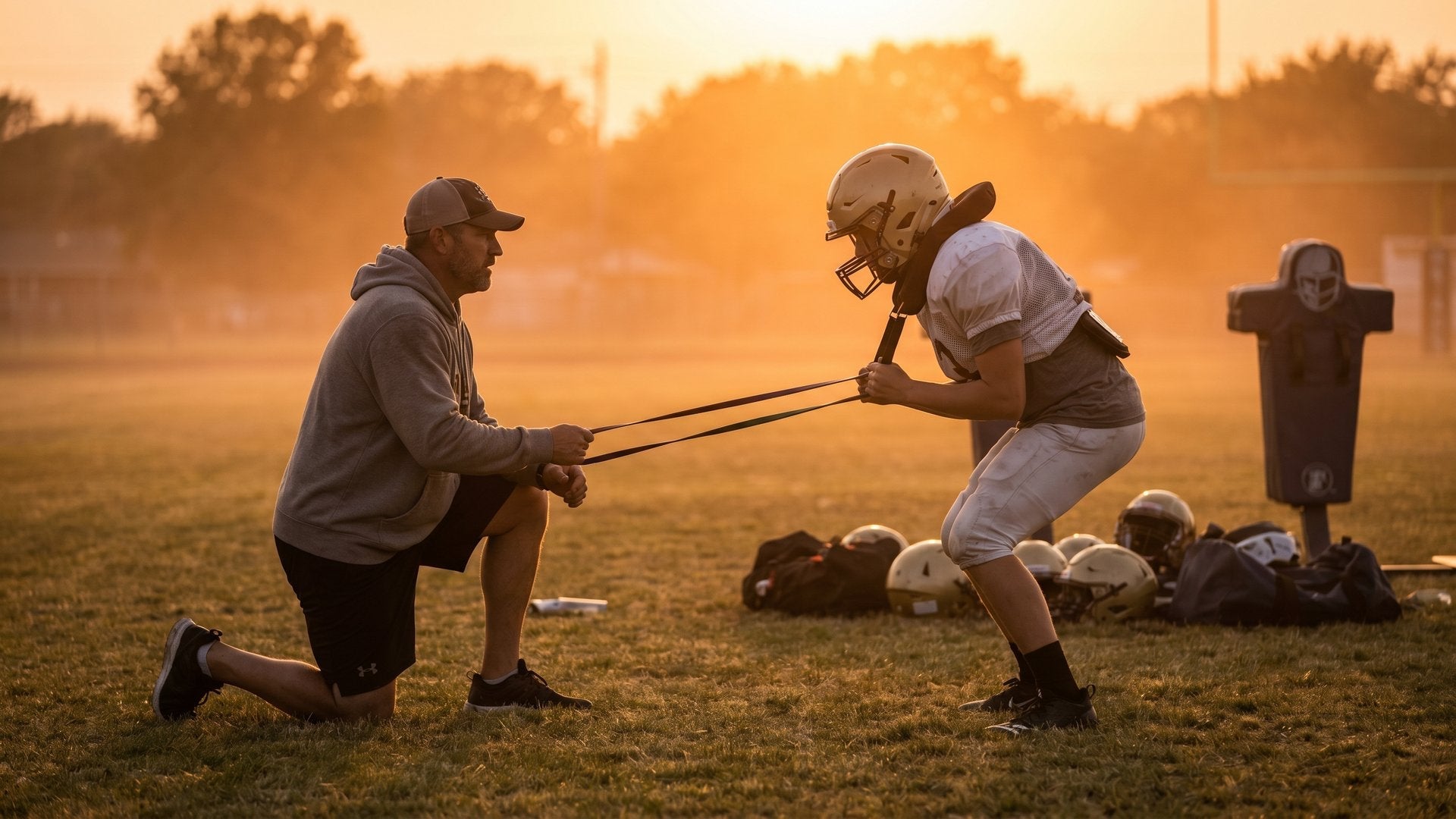
- Resisted Movements: Using bands, weights, or specialized equipment to perform controlled movements through the full range of motion.
- Dynamic Exercises: Controlled movements without external resistance, focusing on range of motion and control.
- Integration: Incorporate neck exercises into existing warm-up routines, post-workout cool-downs, or as part of a dedicated strength circuit.
The Role of Specialized Equipment
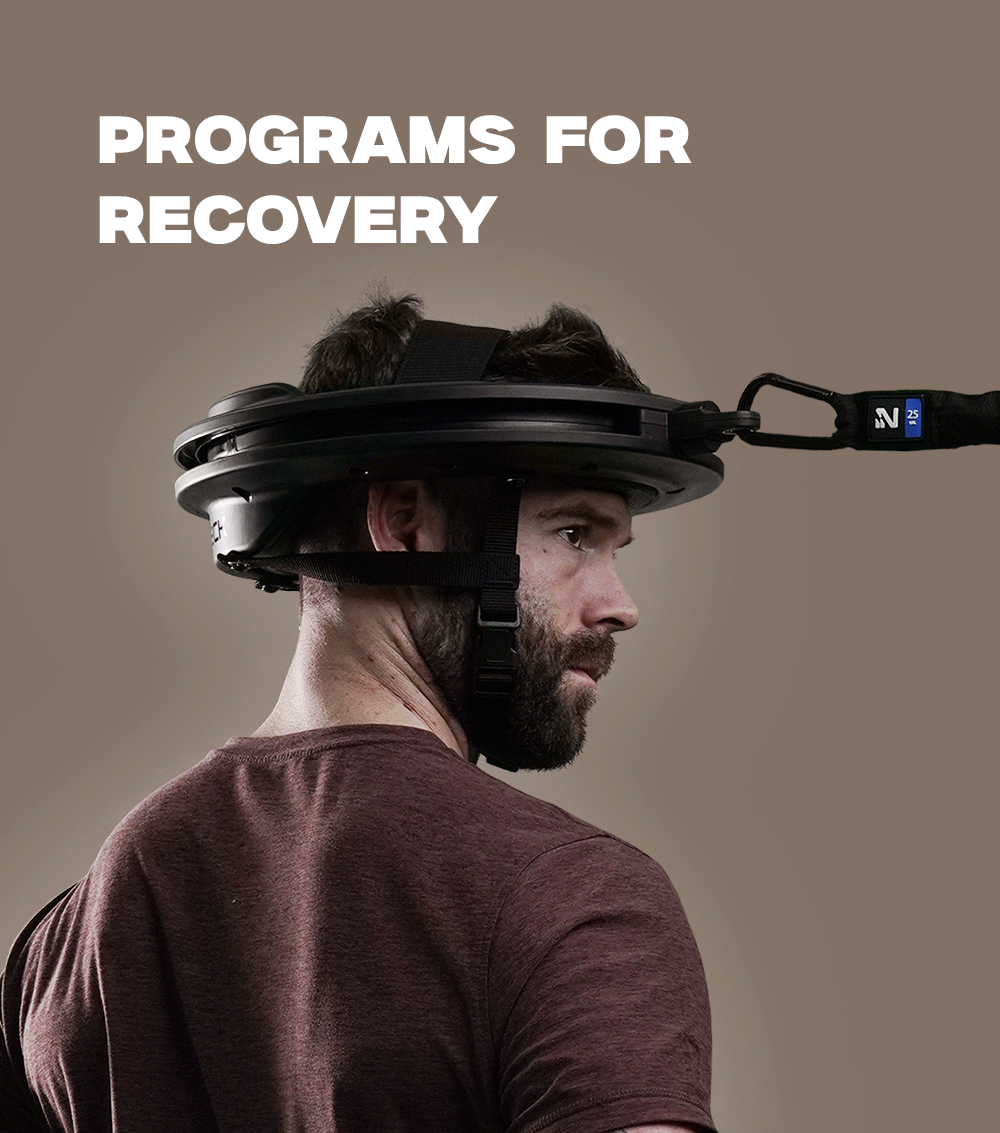
While manual resistance and basic exercises can provide some benefit, specialized equipment significantly enhances the effectiveness and efficiency of neck training. Devices like the Iron Neck training device offer multi-directional resistance, allowing for comprehensive training of all neck muscles. They provide quantifiable feedback, enable progressive overload, and ensure consistent resistance throughout the range of motion, making them invaluable tools for institutional settings focused on athlete safety and performance.
Addressing Common Misconceptions and Challenges
Despite the growing body of evidence, neck strength training for concussion prevention still faces some misconceptions and challenges in its widespread adoption. Addressing these is crucial for athletic programs looking to implement effective strategies.
Misconception 1: "Bigger Neck = Stronger Neck"
As discussed earlier, while a larger neck might seem indicative of strength, research consistently shows that isometric neck strength, not neck circumference, is the key protective factor [4]. Focusing solely on hypertrophy without functional strength training may not yield the desired protective benefits. Training should prioritize force production and control across all planes of motion.
Misconception 2: "Neck Training is Only for Contact Sports"
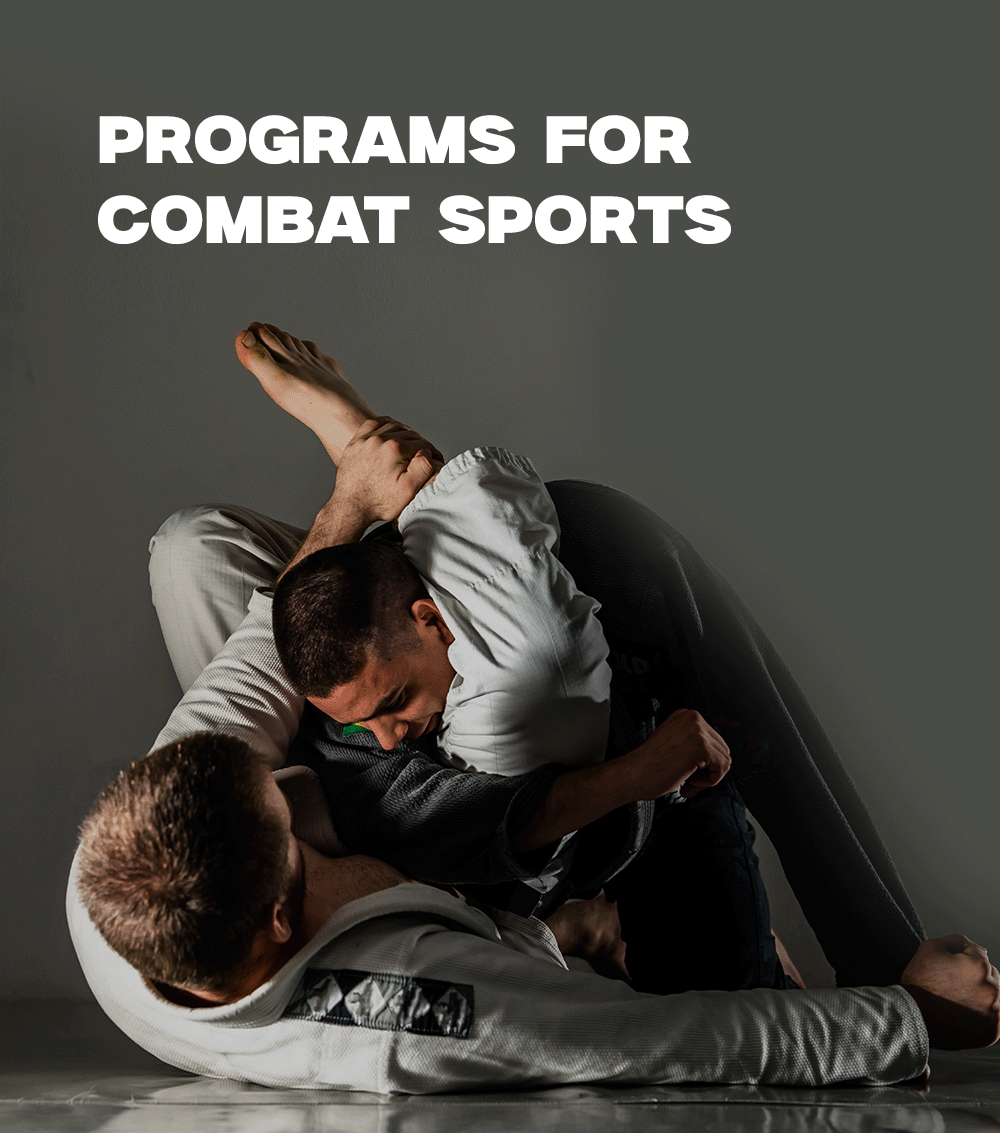
While contact sports like football and rugby have a higher incidence of concussions, head impacts can occur in a wide range of activities, including soccer, basketball, cheerleading, and even non-contact sports where falls or accidental collisions are possible. The principles of head stabilization and energy absorption apply universally, making neck training beneficial for all athletes, regardless of their sport.
Misconception 3: "Neck Training is Dangerous or Causes Injury"
When performed correctly with proper technique and progressive overload, neck training is safe and effective. Like any strength training, improper form or excessive loading can lead to injury. This underscores the importance of qualified coaching, appropriate equipment, and gradual progression. Starting with bodyweight or light resistance and focusing on controlled movements is key.
Challenge 1: Time Constraints and Program Integration
Athletic programs often operate under tight schedules. Integrating new training protocols can seem daunting. However, neck training sessions can be relatively short (10-15 minutes) and can be incorporated into existing warm-ups, cool-downs, or as part of a circuit. The long-term benefits of reduced concussion risk and improved athlete safety far outweigh the minimal time investment.
Challenge 2: Lack of Awareness and Education
Many coaches, athletes, and administrators may not be fully aware of the scientific evidence supporting neck strength for concussion prevention. Education is paramount. Presenting the research, demonstrating proper techniques, and highlighting success stories can help overcome this barrier and foster a culture that prioritizes neck health.
Challenge 3: Access to Appropriate Equipment
While some neck exercises can be done with minimal equipment, specialized devices offer superior effectiveness, safety, and quantifiable feedback. Investing in equipment like the Iron Neck training device can be a significant step towards a comprehensive and data-driven neck strengthening program. The cost-benefit analysis, considering the potential reduction in medical expenses, lost playing time, and long-term health consequences of concussions, strongly favors such investments.
Key Takeaways
- Neck Strength is a Proactive Concussion Prevention Strategy: Emerging research strongly supports the role of a strong neck in reducing concussion risk, acting as a critical, modifiable factor in athlete safety.
- Biomechanics Matter: Stronger neck muscles increase head-neck segment stiffness, reduce head kinematics (linear and rotational acceleration), and absorb impact energy, thereby mitigating forces transmitted to the brain.
- Evidence-Based Intervention: Numerous peer-reviewed studies, including meta-analyses, demonstrate a statistically significant inverse relationship between neck strength and concussion incidence.
- Focus on Isometric Strength: Functional isometric neck strength, rather than just neck size, is the primary protective factor. Training should target force production and control across all planes of motion.
- Integrate Neck Training Systematically: Effective neck training programs involve proper assessment, adherence to strength and conditioning principles (progressive overload, specificity, consistency), and thoughtful integration into existing athletic routines.
- Specialized Equipment Enhances Effectiveness: Devices like the Iron Neck training device provide multi-directional resistance, quantifiable feedback, and consistent resistance, making them highly effective for institutional use.
- Address Misconceptions and Educate: Overcoming common myths and educating coaches, athletes, and administrators about the benefits and safety of neck training is crucial for widespread adoption.
Frequently Asked Questions (FAQ)
Q1: How does neck strength specifically help prevent concussions?
A1: A strong neck helps prevent concussions by increasing the stiffness of the head-neck segment, which reduces the sudden, uncontrolled movement of the head during an impact. This minimizes both linear and rotational accelerations of the brain. Additionally, strong neck muscles can absorb and dissipate some of the impact energy, preventing it from reaching the brain, and improve neuromuscular control for faster bracing.
Q2: Is neck size or neck strength more important for concussion prevention?
A2: Research indicates that isometric neck strength is a more critical protective factor than neck size. While a larger neck might imply more muscle mass, it is the functional ability of the muscles to generate force and resist movement that provides protection against concussive forces. Training should focus on developing strength and control rather than just increasing neck circumference.
Q3: What types of exercises are most effective for neck strengthening?
A3: Effective neck strengthening programs should include a variety of exercises targeting all planes of motion: flexion, extension, lateral flexion, and rotation. Both isometric holds (resisting movement) and resisted dynamic movements (moving against resistance) are beneficial. Specialized equipment, such as the Iron Neck training device, can provide multi-directional resistance and quantifiable feedback for comprehensive training.
Q4: How often should athletes train their necks?
A4: For optimal results and to allow for recovery, athletes should aim to train their necks 2-3 times per week on non-consecutive days. Each session can be relatively short, typically 10-15 minutes, and can be integrated into existing warm-ups, cool-downs, or dedicated strength training routines.
Q5: Is neck training only beneficial for athletes in contact sports?
A5: While athletes in contact sports like football and rugby may face a higher risk of concussions, neck training is beneficial for all athletes. Head impacts can occur in a wide range of sports, including soccer, basketball, and even non-contact activities. The principles of head stabilization and energy absorption provided by a strong neck are universally applicable for reducing injury risk.
Q6: Can neck training be dangerous or lead to injuries?
A6: When performed correctly with proper technique, appropriate resistance, and progressive overload, neck training is safe and highly effective. Like any strength training, improper form or attempting to lift too much too soon can lead to injury. It is crucial to have qualified coaching, use appropriate equipment, and start with light resistance, gradually increasing intensity as strength improves.
Q7: Where can I find more information about implementing neck training programs?
A7: For more detailed guidance on implementing neck training programs, including assessment protocols, exercise techniques, and specialized equipment, you can visit resources like iron-neck.com. Consulting with certified strength and conditioning specialists or sports medicine professionals is also highly recommended to tailor programs to specific athletic populations and needs.
Iron Neck is the only device that trains your neck through 360 degrees of resistance, combining rotation, extension, and lateral movement in one tool. Used by NFL teams, UFC fighters, and physical therapists.
Leave a comment
This site is protected by hCaptcha and the hCaptcha Privacy Policy and Terms of Service apply.