




That persistent tightness at the base of your skull has a name. The suboccipital muscles are a small group of four muscles that sit where the head meets the neck, and they are one of the most common and overlooked sources of neck tension, stiffness, and headaches.
This guide covers what these muscles are, why they become tight, how tension in this area shows up, and what your options are for relief.
What Are the Suboccipital Muscles?
The suboccipital muscles are a group of four small, deep muscles located at the base of the skull, where the head connects to the first two vertebrae of the cervical spine: the atlas (C1) and the axis (C2).
Unlike the larger neck muscles that produce big, visible movements, these muscles handle the fine-tuning. They control the small, precise adjustments that keep your head balanced and steady, whether you are reading, driving, scanning a room, or nodding in conversation.
The four muscles and their primary roles:
- Rectus capitis posterior major: runs from the axis (C2) to the skull. Rotates and extends the head.
- Rectus capitis posterior minor: runs from the atlas (C1) to the skull. Fine-tunes tilting and nodding of the head.
- Obliquus capitis superior: runs from the atlas (C1) to the skull. Tilts the head sideways and assists with extension.
- Obliquus capitis inferior: runs from the axis (C2) to the atlas (C1). The only muscle in this group that does not attach to the skull. Its primary job is rotating the atlas on the axis, which initiates head rotation.

Together, these four muscles form a diamond-shaped region called the suboccipital triangle. This is a clinically significant area because the vertebral artery and the suboccipital nerve (the dorsal ramus of C1) pass through it. This proximity is why tightness here can produce symptoms beyond simple neck stiffness, including headache and referred pain behind the eyes (Fernandez-de-las-Penas et al., 2006).
Why Do These Muscles Get Tight?
Suboccipital tension rarely develops from a single event. It builds gradually from sustained postures, repetitive strain, and everyday habits that most people do not think about.
Forward Head Posture
When the head sits forward of the shoulders rather than directly above them, the suboccipital muscles must work continuously to keep the eyes level. Research on cervical spine loading found that the effective weight on the neck increases significantly with each degree of forward tilt. Over hours at a desk or on a phone, this sustained load fatigues the suboccipitals and leads to chronic tightness. Understanding how to correct forward head posture is often the single most effective long-term intervention for people with recurring suboccipital tension.
Prolonged Screen Time
Sitting in one position for extended periods reduces blood flow to the small muscles of the upper neck. The suboccipitals are postural muscles designed for constant, low-level activity, but holding a fixed screen-focused position for hours pushes them beyond their endurance threshold.
Stress and Jaw Clenching
The suboccipital muscles share a connective tissue bridge with the spinal dura mater, which has anatomical connections to the muscles of the jaw. Clenching or grinding the teeth, which many people do unconsciously under stress, loads the suboccipitals indirectly through this fascial link.
Eye Strain
The suboccipital muscles have a documented role in coordinating with eye movements. Prolonged focus at a single distance, such as reading on a screen, increases their activity. This relationship means that eye fatigue and suboccipital tension often appear together.
Sleep Position
Sleeping face down or with a pillow that pushes the head forward maintains load on the suboccipitals through the night, preventing recovery. People who wake with stiffness and tightness at the base of the skull are often experiencing the cumulative effect of hours in a suboptimal sleep position.
Trauma
Whiplash injuries, concussions, and sports impacts commonly strain the suboccipital muscles. These muscles are vulnerable in acceleration-deceleration injuries because of their position at the craniocervical junction (Blanpied et al., 2017).
How Suboccipital Tension Shows Up
Suboccipital tension does not always present as obvious neck pain. It frequently shows up as headaches, eye pressure, or a general feeling of head heaviness that people may not immediately connect to the neck.
Common presentations include:
- A dull ache or tightness at the base of the skull, often on both sides
- Band-like pressure across the forehead
- A feeling of pressure or heaviness behind one or both eyes
- Stiffness when turning the head, particularly in the morning
- Tenderness when pressing into the soft tissue just below the ridge at the back of the skull
Research has shown that trigger points in the suboccipital region can refer pain to the forehead, temples, and behind the eyes in a predictable pattern.
What Helps
Research supports several approaches for reducing suboccipital tension. The appropriate starting point depends on the severity and duration of symptoms. A physiotherapist or doctor can help determine which approach suits your situation.
Important: Most people with suboccipital tension notice improvement within 1 to 2 weeks of making posture adjustments and taking regular movement breaks. If your symptoms have not improved after 2 to 3 weeks of consistent self-care, or if they are worsening, see a doctor or physiotherapist rather than continuing to self-manage.
Posture Awareness
Keeping screens at eye level and maintaining an ear-over-shoulder alignment reduces the sustained load on the suboccipital muscles. Small, frequent posture adjustments throughout the day are more effective than occasional corrections (Blanpied et al., 2017).
Frequent Movement
Standing up every 30 to 45 minutes and moving the neck gently through a comfortable range helps prevent the muscle guarding that develops during sustained static positions. Clinical guidelines for neck pain management consistently emphasise regular movement as a first-line approach (Blanpied et al., 2017).
Deep Cervical Flexor Training
Strengthening the muscles at the front of the neck, particularly the deep cervical flexors, has been shown to reduce suboccipital overactivity and improve headache outcomes in clinical trials. Participants in a randomised trial showed significant improvement in muscle endurance and reduction in headache frequency within six weeks. A physiotherapist can assess whether this approach is appropriate for your presentation.
Manual Therapy
Soft tissue work targeting the suboccipital region, including trigger point release and gentle mobilisation, has demonstrated benefit for tension-type headache in clinical research. This is typically delivered by a physiotherapist, osteopath, or massage therapist with training in cervical spine treatment.
Heat Application
Applying warmth to the base of the skull for 10 to 15 minutes increases local blood flow and reduces muscle guarding. This is a simple and widely used approach for muscular tension and is often recommended as a first step before stretching or exercise.
What to Avoid
- Forceful self-manipulation or aggressive neck cracking
- Pushing into or through dizziness, visual changes, or any neurological symptoms
- High-velocity neck movements without professional guidance
When to See a Doctor
Most suboccipital tension responds well to posture adjustments, movement, and the approaches outlined above. However, certain symptoms warrant prompt medical assessment rather than self-care.
Seek medical attention if you experience:
- A sudden, severe headache that is different from any headache you have had before
- Visual changes, dizziness, slurred speech, or facial numbness alongside neck pain
- Numbness, tingling, or weakness travelling into the arms or hands
- Neck pain following trauma such as a fall, vehicle accident, or sports impact
- Pain that is progressively worsening and has not responded to 2 to 3 weeks of self-care
- Neck pain accompanied by fever
The following groups should seek clinical clearance before beginning any neck exercise programme:
- People with recent significant neck trauma or suspected fracture
- People with progressive neurological symptoms, gait disturbance, or hand clumsiness
- People with known vertebral or carotid artery disease, or recent stroke or TIA
- Post-operative cervical spine patients without surgeon clearance
- People with diagnosed connective tissue laxity disorders or cervical instability
- People with severe osteoporosis
Not Sure If It's Muscular? A General Guide
Not all pain at the base of the skull is muscular. The table below offers a general orientation to help you decide whether self-care is reasonable or whether you should seek a professional assessment. If you are unsure, see a doctor. It is always better to have a clinician confirm the cause than to self-manage something that needs treatment.
| Likely muscular (suboccipital tension) | May need professional assessment | |
| What it feels like | Dull ache, tightness, or pressure | Sharp, shooting, or electric-like pain; or one-sided pain triggered by specific neck movements |
| Where you feel it | Base of skull, forehead, or behind both eyes | Along one side of the head, or radiating from the base of the skull upward along a nerve path |
| What makes it better | Stretching, posture correction, movement breaks, heat | Usually does not respond to self-care alone; may require clinical treatment |
| Pattern | Both sides, worsens with sustained posture or screen time, eases with movement | May be one-sided, provoked by specific head positions, scalp sensitivity, or accompanied by neurological symptoms |
| What to do | Self-care for 2–3 weeks. See a professional if no improvement. | See a doctor or physiotherapist for assessment. |
This table is for general orientation only and is not a diagnostic tool. If you are unsure about your symptoms, consult a healthcare professional.
Frequently Asked Questions
Can suboccipital tension cause dizziness?
The vertebral artery passes through the suboccipital triangle, in close proximity to these muscles. Tightness in this area has been associated with dizziness and balance disturbance in clinical literature (Fernandez-de-las-Penas et al., 2006). Dizziness alongside neck pain warrants a clinical assessment to rule out other causes.
Is suboccipital tension the same as occipital neuralgia?
No. They affect the same region but differ in character. Suboccipital tension typically presents as a dull ache or pressure, while occipital neuralgia involves sharp, shooting, or electric-like pain along the path of the greater or lesser occipital nerves. A clinician can differentiate between the two through physical examination.
Can suboccipital tension cause eye pain or pressure?
The suboccipital muscles have a documented anatomical and functional relationship with eye movements. Tension in this area has been associated with referred pain behind the eyes and across the forehead (Fernandez-de-las-Penas et al., 2006).
How long does it take for suboccipital tension to improve?
Most people notice some improvement within 1 to 2 weeks of making posture and movement changes. Research on deep cervical flexor training reported measurable improvement in muscle endurance and headache frequency within six weeks (Jull et al., 2002). If there is no improvement after 2 to 3 weeks of consistent self-care, a professional assessment is recommended.
References
- Blanpied PR, Gross AR, Elliott JM, et al. Neck pain: clinical practice guidelines — revision 2017. J Orthop Sports Phys Ther. 2017;47(7):A1–A83. https://www.jospt.org/doi/10.2519/jospt.2017.0302
- Childress MA, Stuek SJ. Neck pain: initial evaluation and management. Am Fam Physician. 2020;102(3):150–156. https://www.aafp.org/pubs/afp/issues/2020/0801/p150.html
- Fernandez-de-las-Penas C, Alonso-Blanco C, Cuadrado ML, Gerwin RD, Pareja JA. Trigger points in the suboccipital muscles and forward head posture in tension-type headache. Headache. 2006;46(3):454–460. https://pubmed.ncbi.nlm.nih.gov/16618263/
- Fernandez-de-las-Penas C, Alonso-Blanco C, Cuadrado ML, Pareja JA. Myofascial trigger points in the suboccipital muscles in episodic tension-type headache. Man Ther. 2006;11(3):225–230. https://pubmed.ncbi.nlm.nih.gov/16863699/
- Hansraj KK. Assessment of stresses in the cervical spine caused by posture and position of the head. Surg Technol Int. 2014;25:277–279. https://pubmed.ncbi.nlm.nih.gov/25393825/
- Jadhav AP, Yaghi S, Engelter S, et al. Treatment and outcomes of cervical artery dissection in adults: AHA/ASA Scientific Statement. Stroke. 2024;55:e91–e106. https://www.ahajournals.org/doi/10.1161/STR.0000000000000436
- Jull GA, Falla D, Vicenzino B, Hodges PW. A randomized controlled trial of exercise and manipulative therapy for cervicogenic headache. Spine. 2002;27(17):1835–1843. https://pubmed.ncbi.nlm.nih.gov/12221344/
- Jull GA, O'Leary SP, Falla DL. Clinical assessment of the deep cervical flexors: the craniocervical flexion test. J Manipulative Physiol Ther. 2008;31(7):525–533. https://pubmed.ncbi.nlm.nih.gov/18804003/
Disclaimer: The Iron Neck blog provides educational content on neck training, fitness, and recovery. It is not a substitute for medical advice. Please consult a healthcare professional before starting any new exercise or recovery programme.
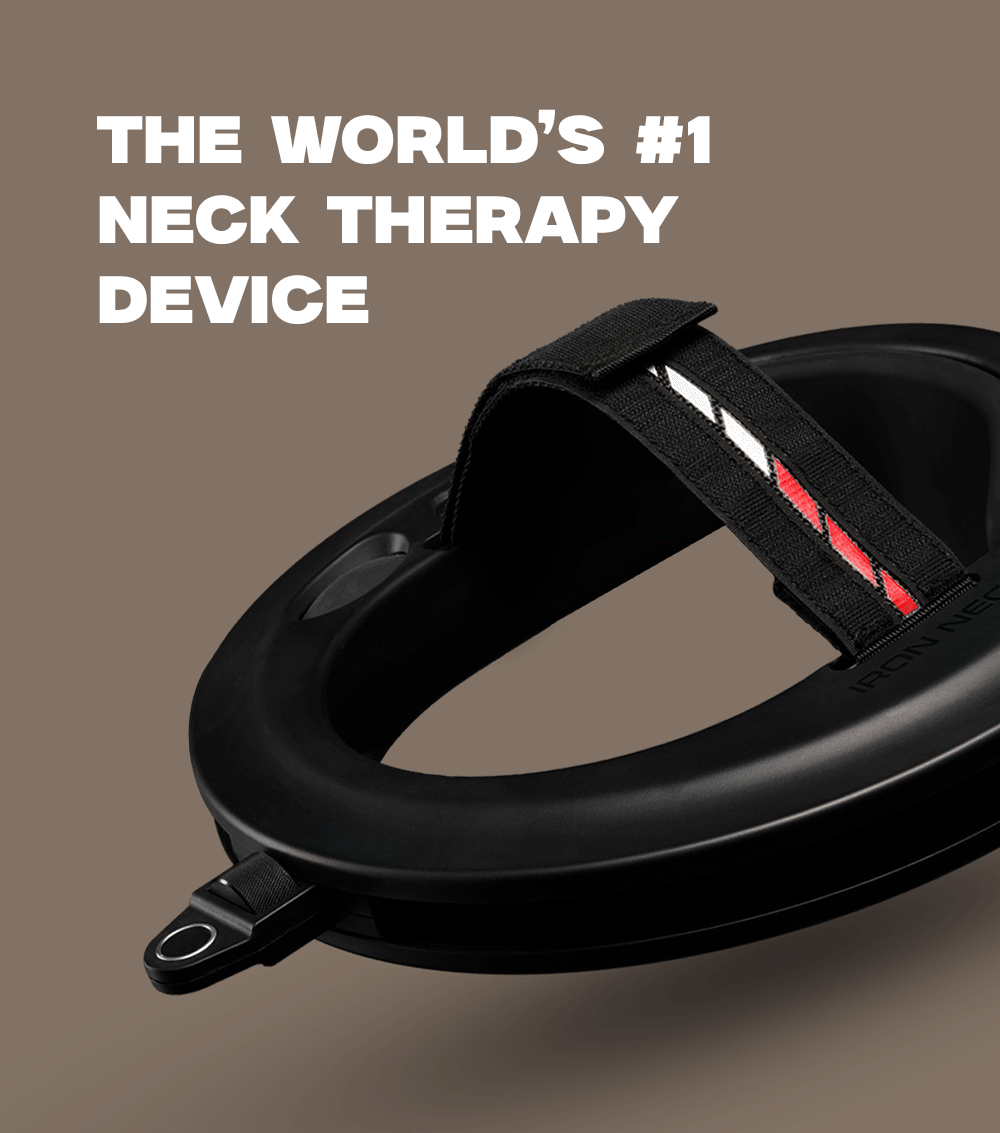
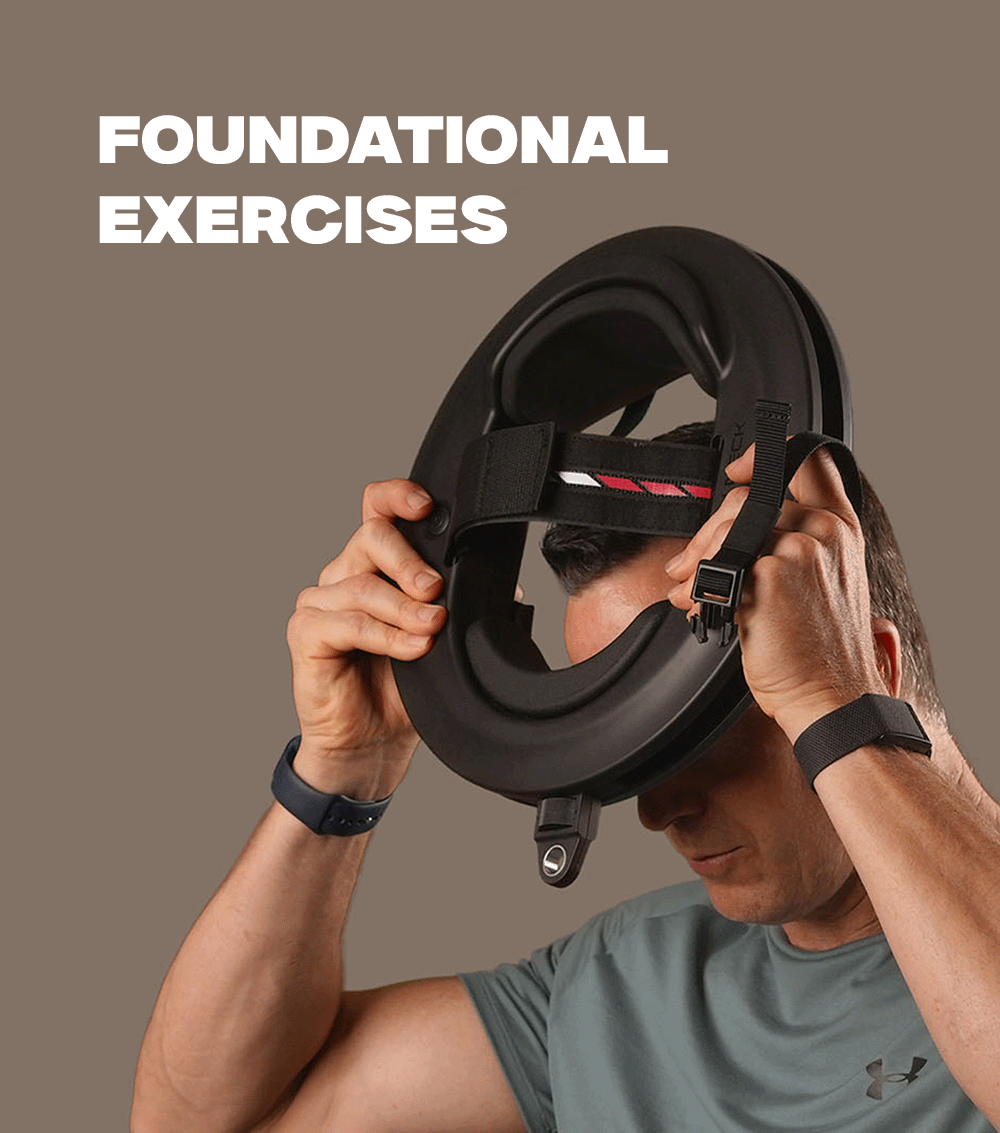
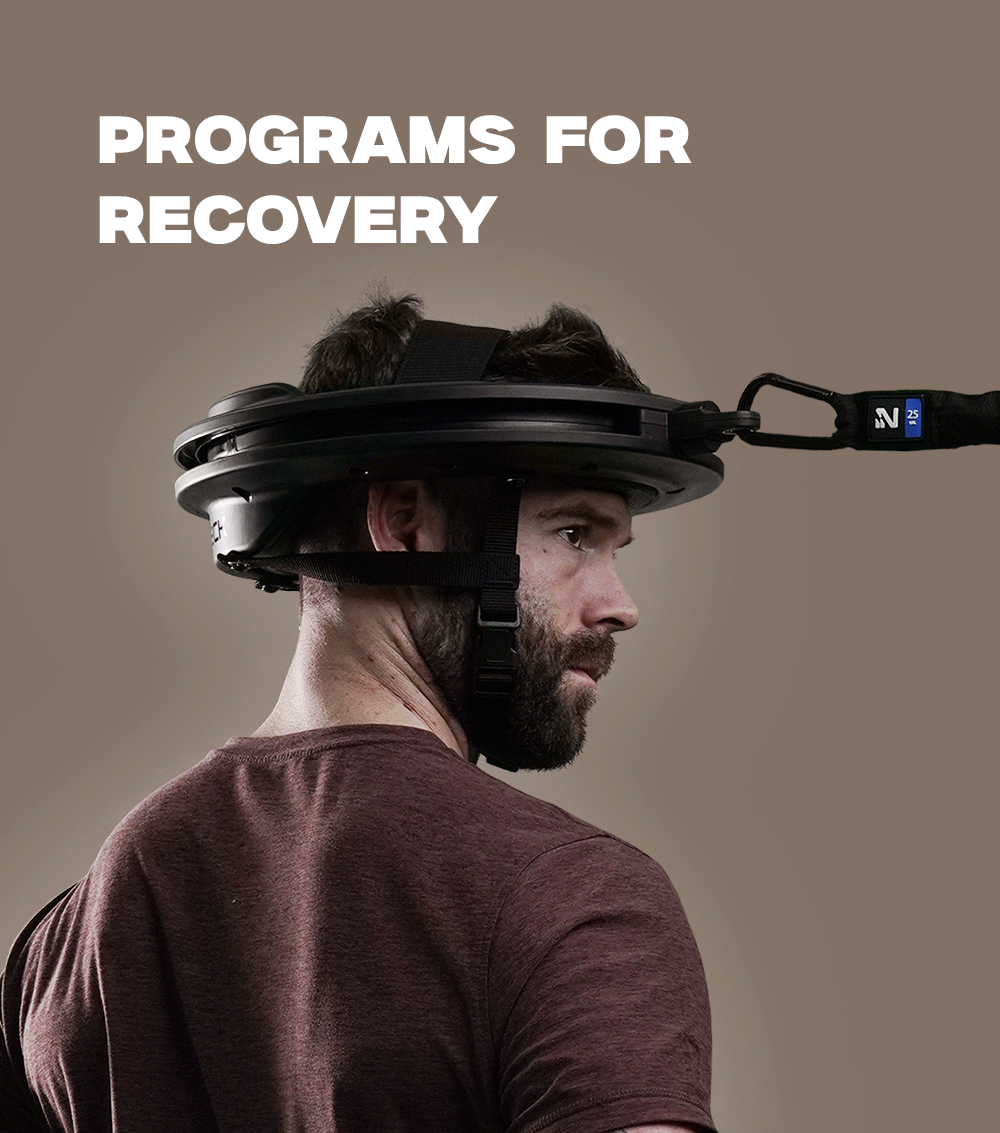
Iron Neck is the only device that trains your neck through 360 degrees of resistance, combining rotation, extension, and lateral movement in one tool. Used by NFL teams, UFC fighters, and physical therapists.


1 comment
OXY MedPharm
Great clinical reference—the 10mg q12h starting dose for opioid-naïve patients is a key takeaway. For more prescribing resources, https://oxymedpharm.com/.
Leave a comment
This site is protected by hCaptcha and the hCaptcha Privacy Policy and Terms of Service apply.