




Whether it is from hours hunched over a laptop, scrolling on your phone, or slouching behind the wheel, poor neck posture has quietly become one of the most widespread physical problems of modern life. And while it might not seem serious at first, that subtle forward head tilt creates a compounding mechanical problem. For every inch the head moves forward from its neutral position, the effective load on the cervical spine increases significantly, driving chronic stiffness, tension headaches, reduced mobility, and in some cases breathing restrictions.
This guide covers what bad neck posture actually means, what causes it, how to assess it yourself at home, and a structured step-by-step plan to correct it with targeted exercises, stretches, ergonomic adjustments, and the postural habits that make the changes last.
What Is Bad Neck Posture?
Bad neck posture is not simply about looking slouched. It is about where the head sits relative to the spine. The most common form is forward head posture, often called "text neck," where the head drifts forward in front of the shoulders instead of staying directly above them.
In a neutral posture, the ears sit directly above the shoulders. In forward head posture, the ears sit ahead of the shoulders, and the muscles of the upper back and neck are forced to work constantly against gravity just to hold the head up. Research on the effectiveness of therapeutic exercise for forward head posture consistently identifies this displaced load as a primary driver of the discomfort pattern.
The suboccipital muscles and neck tension at the base of the skull are among the most affected structures, working continuously under this increased load and becoming a primary source of the tension headaches and base-of-skull tightness that accompany chronic poor posture.
Common signs of poor neck posture:
- Ears sitting noticeably ahead of the shoulders
- Persistent tension at the base of the skull or across the upper traps
- Limited neck mobility or stiffness, particularly in rotation and extension
- Frequent leaning toward screens without awareness
- Recurring headaches or shoulder discomfort
- Rounded upper back accompanying the forward head position
Occasional slouching is not the problem. It is when this misalignment becomes habitual and sustained that structural and muscular changes begin to accumulate.
How to Assess Your Posture at Home
Before working to correct your posture, it helps to establish an honest baseline. Two simple assessments give you a clear picture without any equipment.
The wall test: Stand with your back against a wall, heels approximately 5cm from the baseboard. Your shoulder blades and the back of your head should both touch the wall simultaneously without straining. If you have to actively push your head back to reach the wall, or if there is a significant gap, you have measurable forward head posture.
The photo assessment: Have someone take a photo of you from the side in your natural resting posture, not a corrected one. Draw or imagine a vertical line through your ear. In neutral posture, this line passes through the middle of the shoulder joint. If your ear is ahead of this line, the distance gives you a rough indication of severity.
Repeating these assessments every 4 to 6 weeks as you work through the correction programme provides an objective way to track progress.
What Causes Bad Neck Posture?
Bad neck posture develops gradually through repetitive lifestyle patterns rather than any single event. Understanding the drivers helps you address the right things in the right order.
Technology and screen use are the primary modern driver. Prolonged use of laptops, phones, and tablets in sub-optimal positions encourages the head to drift forward for hours at a time. Poor desk ergonomics amplify this postural load. A monitor below eye level, a keyboard that pulls the shoulders forward, or a chair without adequate lumbar support all contribute to the forward head pattern during the working day.
Driving posture is frequently overlooked. Slouching behind the wheel or craning toward the windscreen places the cervical spine in sustained flexion for as long as you drive. Sleep position also plays a role. Sleeping with the neck in prolonged flexion reinforces the forward head pattern during the hours when the body should be recovering from it.
Muscular causes are central to why posture becomes habitual and progressively harder to correct. A systematic review of therapeutic exercise for forward head posture identifies weak deep neck flexors, tight pectoral muscles, and overactive upper trapezius and sternocleidomastoid muscles as the key muscular drivers. Limited thoracic spine mobility restricts proper alignment of the entire cervical-thoracic chain.
Cold weather is a seasonal contributor that is frequently missed. Lower temperatures cause the muscles of the neck and upper back to tighten and contract protectively, which pushes postural habits in the wrong direction. Our guide on cold weather neck discomfort covers the physiological explanation and management strategies.
The Long-Term Consequences of Untreated Poor Posture
Poor neck posture affects far more than appearance. A systematic review of forward head posture treatment evidence identifies a progressive cascade of physical consequences from sustained cervical misalignment, including chronic neck and shoulder discomfort, tension headaches, shoulder dysfunction, nerve compression, and reduced lung capacity from the thoracic kyphosis that accompanies chronic forward head posture.
The habitual cracking that many people use to manage postural stiffness is itself a sign that the underlying muscular imbalance needs addressing. Our guide on whether neck cracking is harmful explains why this provides only temporary relief.
How Long Does It Take to Fix Bad Neck Posture?
Setting realistic expectations before starting the programme matters for consistency. Research suggests that early improvements in discomfort and mobility can often be noticed within 2 to 4 weeks of consistent training, particularly when the programme includes deep cervical flexor strengthening and scapular stabiliser work.
Meaningful postural correction, where the craniovertebral angle measurably improves and the new position begins to feel natural, typically takes 6 to 8 weeks as the neuromuscular system adapts. Evidence from a systematic review on therapeutic exercise for forward head posture supports this timeline.
Sustained long-term results require the corrective exercises to become habitual and the ergonomic changes to be maintained consistently. The muscles and motor patterns adapt to what they are regularly asked to do. The key point: results are achievable, but they require consistency over weeks, not days.
The 5-Step Plan to Fix Your Neck Posture
Correcting posture requires three parallel elements working together: strength, mobility, and daily awareness. No single element is sufficient without the others. Evidence consistently identifies this combined approach as the most effective framework for meaningful postural correction.
Work only in a comfortable mid-range. Move slowly and do not hold your breath. Stop immediately if you notice dizziness, visual changes, numbness, tingling, weakness, unsteadiness, or electric-like facial discomfort. Do not perform ballistic or high-velocity neck movements.
Step 1: Strengthen the Deep Cervical Flexors with Chin Tucks
The deep cervical flexors are the primary muscular driver of neutral head position. In forward head posture, they are typically weak and inhibited, which means the head has no active muscular pull returning it to alignment. Strengthening them is the non-negotiable foundation of postural correction. A systematic review and meta-analysis on therapeutic exercise for forward head posture consistently identifies deep neck flexor training as the central intervention.
Chin tucks involve drawing the chin straight back while keeping the eyes level — the movement is horizontal, not downward. The head is held briefly in retraction before returning to neutral. This activates the deep cervical flexors that support posture and decompresses the cervical joints. Clinical guidance recommends working within a comfortable range and stopping if any discomfort increases.

Evidence consistently shows that deep neck flexor training significantly improves craniovertebral angle, neck strength, and postural control over 6 to 10 weeks of consistent practice. The neck curl exercise is the natural progression from chin tucks. Once chin tucks feel controlled and comfortable, the neck curl adds progressive resistance to the same deep flexor activation pattern, building the strength endurance that makes the corrected posture sustainable throughout the working day.
Step 2: Strengthen the Posterior Chain
The deep cervical flexors pull the head back into alignment from the front. The posterior chain, specifically the trapezius, rhomboids, and rear deltoids, provides the upper back support that holds the shoulders and thoracic spine in the position that makes neutral head alignment possible. Without posterior chain strength, correcting the head position alone is fighting an uphill battle against the rounded shoulder pattern underneath. Research on lower trapezius strengthening for neck pain and posture supports this combined approach.

Effective posterior chain exercises for posture correction:
Band pull-aparts involve holding a resistance band at shoulder height with arms extended, then pulling it apart horizontally until it reaches the chest, squeezing the shoulder blades together, and controlling the return. This builds the mid-trapezius and rhomboid activation that supports scapular retraction.
Face pulls are performed by attaching a resistance band or cable at upper-chest height, then pulling toward the face while leading with the elbows wide and finishing with the hands beside the ears. The external rotation component at the finish position is the key postural benefit.
Scapular retractions involve squeezing the shoulder blades together and briefly holding the position before releasing. This reinforces the motor pattern of retracted scapulae that supports neutral head alignment.
Any horizontal pulling movement, whether with a band, cable, or dumbbell, builds the rhomboid and mid-trapezius strength that supports scapular retraction and resists the forward shoulder pull. Combining these with neck-specific resistance training, including the neck harness training approach, provides the most comprehensive muscular correction of the posture pattern.
Step 3: Release and Stretch the Tight Structures
Strengthening alone is insufficient if the tight muscles pulling the posture in the wrong direction are not also addressed. The primary tight structures in forward head posture are the pectoralis minor, sternocleidomastoid, upper trapezius, scalenes, and levator scapulae. Evidence from a systematic review of forward head posture exercises identifies these muscles as having adaptively shortened in response to the sustained posture, where they will resist corrective exercises until released.

The pectoral doorway stretch involves standing in a doorway with forearms against the frame at 90 degrees, then stepping one foot through and leaning gently forward until a stretch is felt across the chest and front of the shoulders. Stretching post-exercise, when tissues are warm, is more effective than stretching cold.
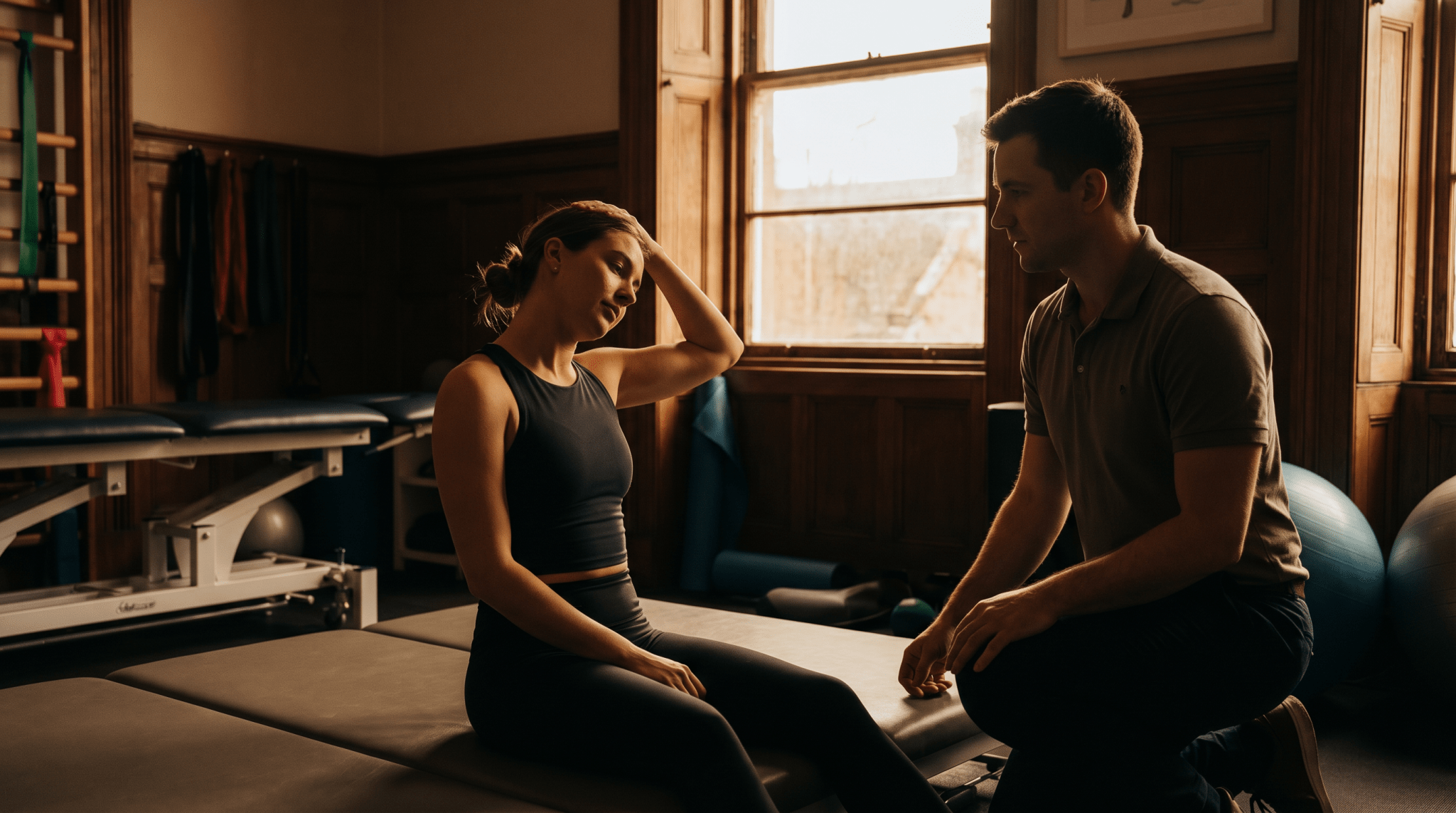
The upper trapezius stretch involves sitting tall and tilting the head toward one shoulder, then placing the same-side hand gently on the side of the head for light guidance rather than pulling. The levator scapulae stretch adds a rotation component, turning the head approximately 45 degrees before tilting the chin toward the armpit.
The sternocleidomastoid stretch involves sitting tall, tilting the head gently to one side and rotating slightly away. No pulling or forcing should be applied at any point. Clinical guidance consistently recommends sustained holds in a comfortable end-range rather than aggressive forced stretching for all of these structures.
Step 4: Build Postural Awareness Throughout the Day
Exercise corrects posture for the duration of the session. Postural awareness corrects it for the rest of the day. Without consistent cueing and environmental adjustment, the pattern reverts the moment the exercise session ends. Evidence on corrective exercise interventions for forward head posture consistently identifies the maintenance of postural habits as a key factor in sustaining gains beyond the training period.

Desk ergonomic setup checklist:
| Element | Correct Position |
|---|---|
| Monitor height | Top of screen at or just below eye level |
| Monitor distance | Approximately arm's length, 50 to 70cm |
| Chair height | Feet flat on floor, knees at 90 degrees |
| Keyboard position | Elbows at approximately 90 degrees, wrists neutral |
| Lumbar support | Lower back supported in its natural curve |
| Head position | Ears above shoulders, not in front of them |
For further reference, the UK HSE ergonomic workstation setup guide provides a practical framework aligned with occupational health standards.
Postural habits that reinforce correction include standing periodically throughout the day to roll the shoulders back and consciously align the ears above the shoulders, raising the phone to eye level rather than dropping the head toward it, and adjusting the car headrest so it contacts the back of the head in a neutral position rather than pushing the head forward.
Step 5: Add Resistance Training with the Iron Neck
Static stretches and bodyweight drills build the foundation. Dynamic resistance training is what creates the muscular strength and endurance to hold the corrected posture under real-world conditions, including during sport, under fatigue, and through long working days. A systematic review and meta-analysis found that resistance and motor-control exercises are effective for treating chronic nonspecific neck pain, with resistance training and motor control exercises both demonstrating clinically relevant improvements.
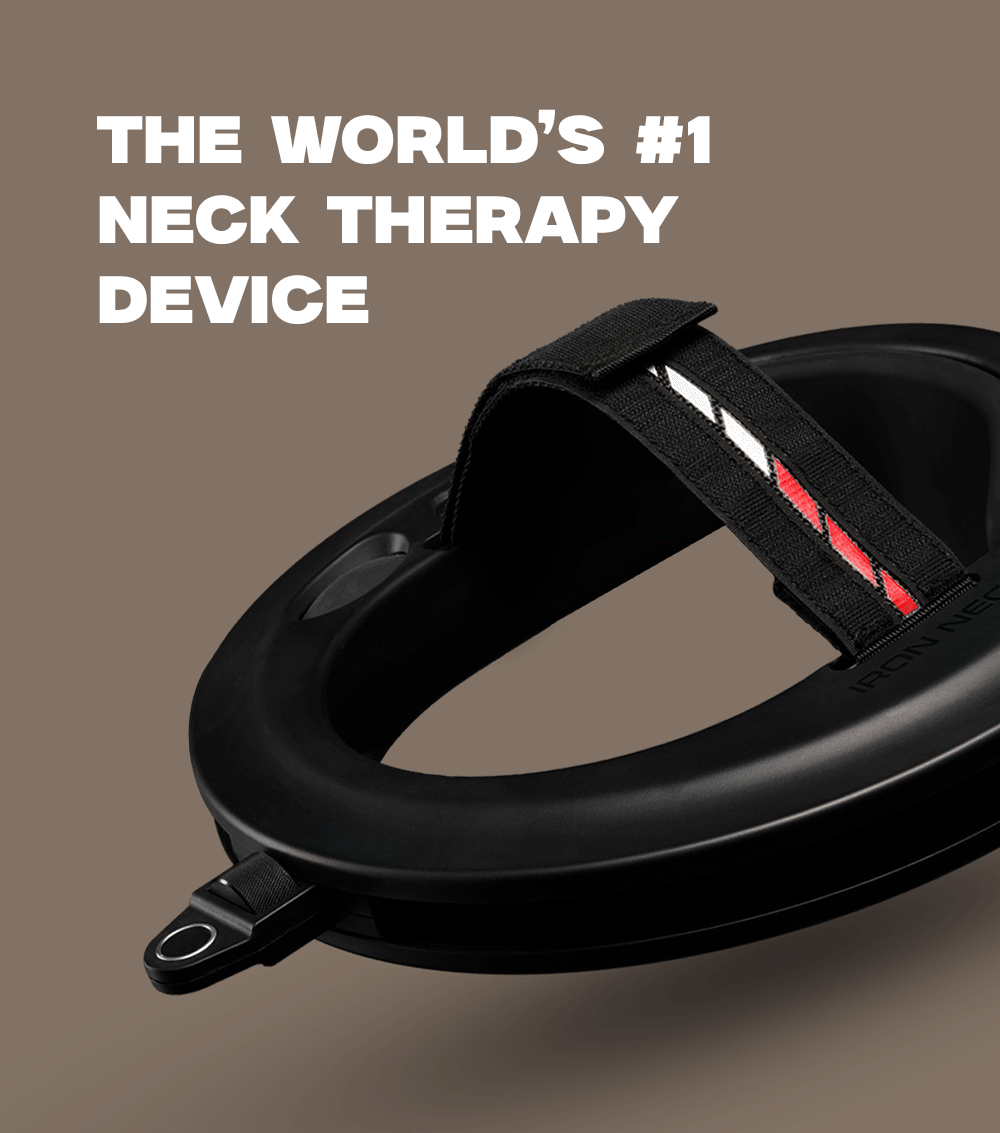
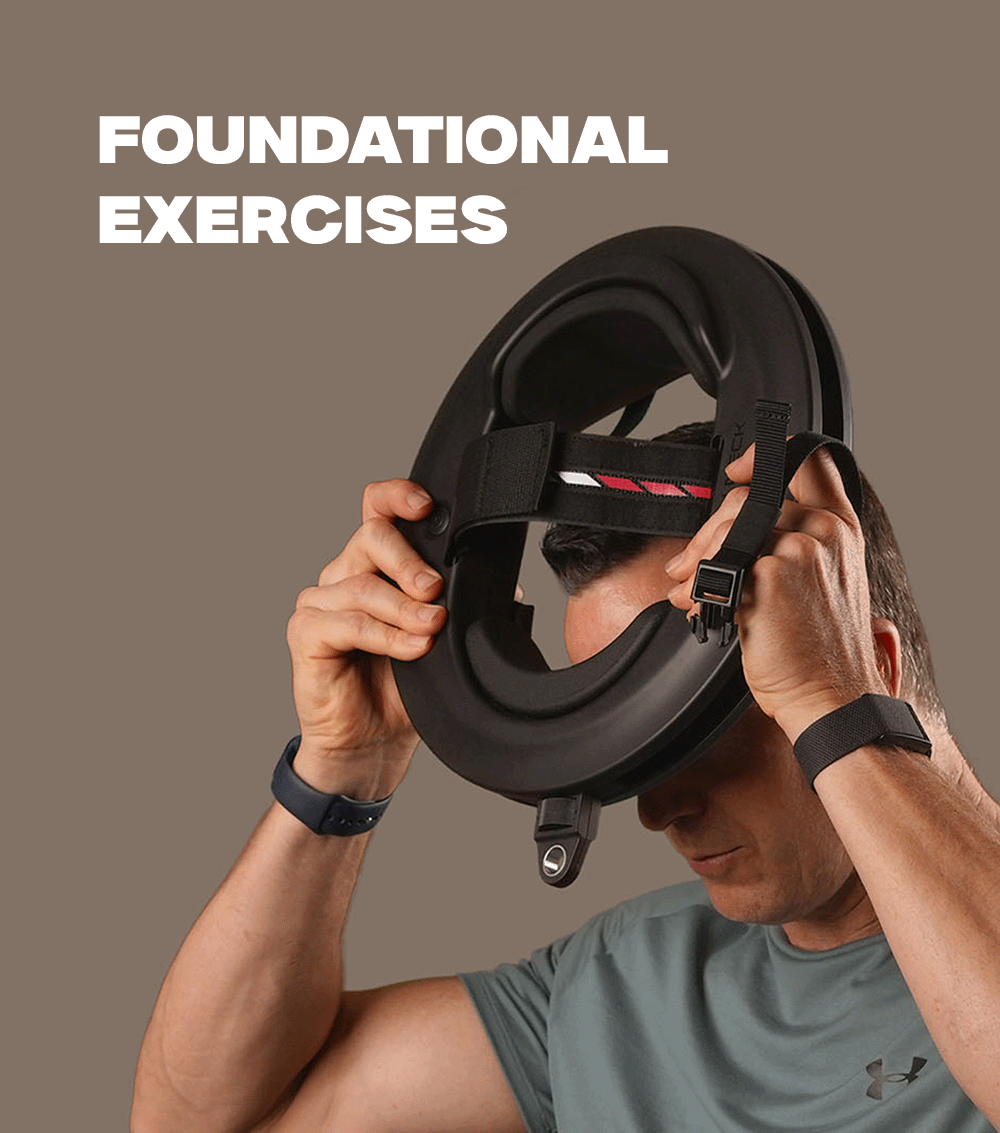
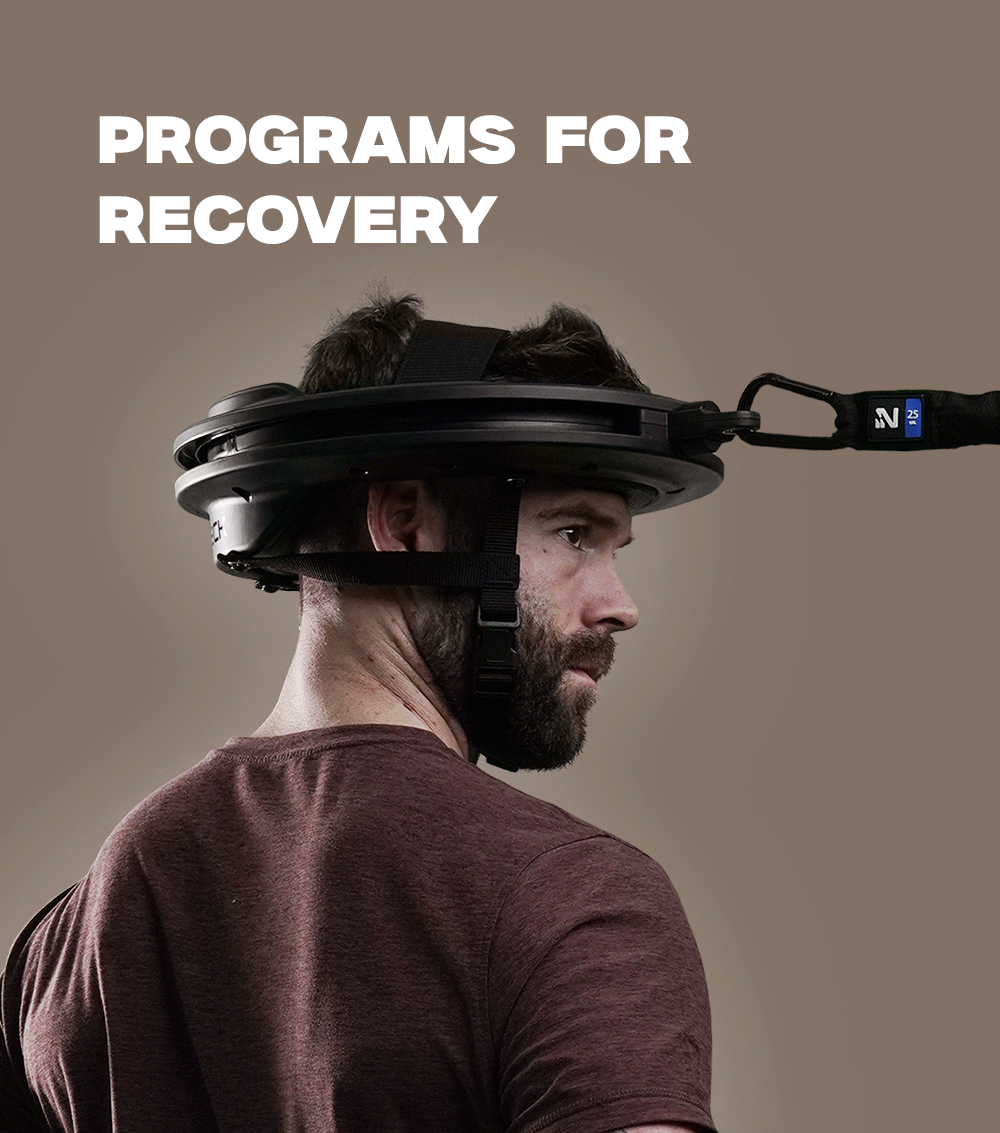
Iron Neck provides 360-degree multi-directional resistance that targets all the muscles responsible for maintaining neutral head position simultaneously, rather than training them in isolated movements that do not replicate how the neck functions in daily life. This approach improves both mobility and stability while correcting the muscular imbalances that drive forward head posture.
- Trains the neck to hold alignment under real-world load and fatigue
- Improves mobility while simultaneously building stability
- Addresses the muscular imbalances that make posture revert after exercise
- Builds the postural endurance that manual desk jobs and sustained sport demand
For athletes managing the demands of their sport alongside posture correction, our guide on neck injuries in sports covers how cervical strength training integrates with athletic performance and injury prevention.
Evidence on exercise interventions for preventing neck pain supports using resistance training as a complement to the posture correction steps above, not a replacement for them.
Your Weekly Posture Correction Programme
| Day | Session | Duration |
|---|---|---|
| Monday | Chin tucks + posterior chain (band pull-aparts, face pulls, rows) + stretching | 20 to 25 minutes |
| Tuesday | Postural awareness and desk ergonomic check only | Ongoing throughout day |
| Wednesday | Iron Neck / neck harness training + chin tucks | 20 minutes |
| Thursday | Rest or light mobility | 10 minutes |
| Friday | Posterior chain + stretching + chin tucks | 20 to 25 minutes |
| Saturday | Iron Neck / neck harness training | 15 to 20 minutes |
| Sunday | Rest |
Mobility and awareness work can be done daily. Strength work benefits from at least one rest day between sessions. Clinical guidance on resistance training progression recommends increasing one variable at a time rather than increasing load and volume simultaneously.
When to Seek Professional Assessment
Most cases of forward head posture respond well to the programme above. However, professional assessment is recommended if discomfort is severe, persistent, or worsening despite consistent corrective work, if numbness, tingling, or weakness is travelling into the arms or hands, or if dizziness or visual changes accompany neck movement. Symptoms following a trauma, fall, or accident also warrant assessment rather than self-directed correction.
A physiotherapist can assess the specific muscular imbalances driving your posture pattern and tailor the programme accordingly. An orthopaedic specialist or neurologist is appropriate if nerve or structural involvement is suspected.
The following people should not begin neck exercises without clinical clearance:
- Recent significant neck trauma or suspected fracture
- Progressive neurological deficit, gait disturbance, or hand clumsiness
- Known vertebral or carotid artery disease, or recent stroke or TIA
- Post-operative cervical spine status without surgeon clearance
- Connective tissue laxity disorders or diagnosed cervical instability
- Severe osteoporosis
Frequently Asked Questions
1. Can bad neck posture cause headaches?
Yes. Forward head posture strains the suboccipital muscles at the base of the skull, which commonly refer discomfort upward as tension headaches and can create pressure behind the eyes. Research consistently links forward head posture to this headache mechanism, and correcting the posture pattern while strengthening the deep cervical flexors reduces it at its source.
2. How should I sleep to support better neck posture?
A pillow that keeps the head aligned with the spine in your natural sleeping position reduces the postural load during rest. Sleeping with the neck tilted forward or rotated to one side for prolonged periods reinforces the forward head pattern. Stomach sleeping is the highest-risk position for postural load on the cervical spine.
3. How often should I do posture correction exercises?
Mobility drills and postural awareness work can be incorporated daily. Strength-focused sessions, including Iron Neck training, are appropriate across multiple sessions per week with at least one rest day between strength sessions. Consistency over weeks matters more than intensity in any single session.
4. Can years of bad posture actually be corrected?
Yes. Even long-standing forward head posture responds to consistent, targeted training. The neuromuscular system adapts to new movement patterns when consistently reinforced over 6 to 12 weeks. The key is addressing both the weak muscles that need strengthening and the tight muscles that need releasing simultaneously.
5. Is the 2 to 4 week results claim accurate?
Early reductions in discomfort and stiffness are achievable within 2 to 4 weeks when the programme is followed consistently and includes deep cervical flexor work and scapular stabiliser training. Structural postural correction, where the craniovertebral angle measurably improves, takes longer, typically 6 to 8 weeks or more. Both outcomes are supported by the research referenced throughout this guide.
6. Why is resistance training effective for posture correction?
Unlike static exercises that train muscles in isolated positions, resistance training builds cervical strength across multiple planes of movement, improving stability and muscular endurance in the positions and under the loads that daily life and sport actually demand. This trains the neuromuscular system to maintain ideal alignment automatically, rather than requiring constant conscious correction. A systematic review in JOSPT found that resistance and motor control exercises are among the most effective modalities for reducing chronic neck discomfort and improving postural function.
References
- Alagingi NK. Chronic neck pain and postural rehabilitation: a literature review. J Bodyw Mov Ther. 2022;32:201–206. https://doi.org/10.1016/j.jbmt.2022.04.017
- de Zoete RMJ, et al. Comparative effectiveness of physical exercise interventions for chronic non-specific neck pain: a systematic review with network meta-analysis of 40 randomised controlled trials. Br J Sports Med. 2021;55(13):730–742. https://doi.org/10.1136/bjsports-2020-102664
- Elsayed WH, Alowa ZA. Impact of forward head posture correction on craniovertebral angle, neck disability, and spinal electromyography: a randomized controlled trial. J Back Musculoskelet Rehabil. 2025;38(1):83–92. https://doi.org/10.1177/10538127241296342
- Hansraj KK. Assessment of stresses in the cervical spine caused by posture and position of the head. Surg Technol Int. 2014;25:277–279. https://pubmed.ncbi.nlm.nih.gov/25393825/
- Harman K, et al. Effectiveness of an exercise program to improve forward head posture in normal adults: a randomized, controlled 10-week trial. J Man Manip Ther. 2005;13(3):163–176. https://doi.org/10.1179/106698105790824888
- Li X, et al. Comparison of the effectiveness of resistance training in women with chronic computer-related neck pain: a randomized controlled study. Int Arch Occup Environ Health. 2017;90(7):673–683. https://doi.org/10.1007/s00420-017-1230-2
- Mehri A, et al. Effects of corrective exercises on posture, pain, and muscle activation of patients with chronic neck pain exposed to anterior-posterior perturbation. J Manipulative Physiol Ther. 2020;43(4):311–324. https://doi.org/10.1016/j.jmpt.2018.11.032
- Mueller J, et al. Resistance, motor control, and mindfulness-based exercises for chronic non-specific neck pain: a systematic review and meta-analysis. J Orthop Sports Phys Ther. 2023;53(8):420–459. https://www.jospt.org/doi/10.2519/jospt.2023.11820
- Park SH, Lee MM. Effects of lower trapezius strengthening exercises on pain, dysfunction, posture alignment, muscle thickness and contraction rate in patients with neck pain: a randomized controlled trial. Med Sci Monit. 2020;26:e920208. https://doi.org/10.12659/MSM.920208
- Saini N, et al. Evaluating the impact of cervical stabilisation exercises on chronic neck pain: a systematic review. Musculoskelet Care. 2025;23:e70091. https://doi.org/10.1002/msc.70091
- Shabana AMM, et al. Effect of core stabilization exercises on cervical sagittal balance parameters in patients with forward head posture: a randomized controlled trial. Asian Spine J. 2025;19(1):85–93. https://doi.org/10.31616/asj.2024.0328
- Sheikhhoseini R, et al. Effectiveness of therapeutic exercise on forward head posture: a systematic review and meta-analysis. J Manipulative Physiol Ther. 2018;41(6):530–539. https://doi.org/10.1016/j.jmpt.2018.02.002
- Suwaidi ASA, et al. A comparison of two forward head posture corrective approaches in elderly with chronic non-specific neck pain: a randomized controlled study. J Clin Med. 2023;12(2):542. https://doi.org/10.3390/jcm12020542
- Teichert F, et al. Effectiveness of exercise interventions for preventing neck pain: a systematic review with meta-analysis of randomized controlled trials. J Orthop Sports Phys Ther. 2023;53(10):594–609. https://www.jospt.org/doi/10.2519/jospt.2023.12063
- Titcomb D, et al. Evidence-based corrective exercise intervention for forward head posture in adolescents and young adults: a critically appraised topic. J Sport Rehabil. 2022;31(5):640–644. https://doi.org/10.1123/jsr.2021-0381
- Yang S, et al. Treatment of chronic neck pain in patients with forward head posture: a systematic narrative review. Healthcare. 2023;11(19):2604. https://doi.org/10.3390/healthcare11192604
Disclaimer: The Iron Neck blog provides educational content on neck training, fitness, and recovery. It is not a substitute for medical advice. Please consult a healthcare professional before starting any new exercise or recovery programme.
Train Your Neck the Right Way
The Iron Neck is the only training device that builds 360-degree neck strength through controlled rotation and extension — the same movements that protect against forward head posture and tech neck. Used by NFL teams, MMA fighters, and elite athletes worldwide.
Leave a comment
This site is protected by hCaptcha and the hCaptcha Privacy Policy and Terms of Service apply.