



That popping sound when you move your neck often brings quick relief. After a long day at a desk or a tough workout, many people instinctively crack their necks to ease stiffness. But is cracking your neck actually harmful, and is doing it every day a problem?
Occasional cracking is usually harmless, much like cracking your knuckles. But when it becomes a frequent or forceful habit, it can strain the delicate structures that keep your neck stable. Over time, that may lead to irritation, stiffness, or in rare but serious cases, vascular injury. Understanding what is actually happening when your neck pops is the starting point for making an informed decision about the habit.
What Actually Happens When You Crack Your Neck?
When you tilt or twist your head and hear a crack, it is not your bones grinding together. Research on joint cavitation using real-time MRI imaging shows the sound comes from a rapid change in joint pressure that causes gas bubbles in the synovial fluid to form and collapse. This is the same process that makes your knuckles pop.
In some cases the noise may also come from tendons or ligaments snapping lightly over bony surfaces of the neck. Either way it is a temporary release of pressure, not a sign that your joints are being "reset" or that anything structural has changed.
The sensation often brings brief relief. Muscles relax, tension eases, and the neck feels temporarily looser. That is why the habit is so common. But the comfort is short-lived, and repeating the motion frequently has real downsides.

Why Do People Crack Their Neck?
Neck cracking is rarely random. It is usually triggered by how the neck feels in that moment.
Stiffness from sustained positions, long hours at a desk, looking down at a phone, or waking up awkwardly, creates a sensation of tightness that a quick crack seems to resolve. Much of this tension originates in the suboccipital muscles and neck tension at the base of the skull, which are particularly sensitive to sustained postural load.
Stress builds in the neck and shoulders and cracking produces a short burst of relief that makes the muscles feel temporarily looser. For many people it also becomes a routine action, much like tapping fingers or biting nails, where the sound and sensation become linked with comfort regardless of whether there is genuine stiffness.
Lower temperatures cause muscles to tighten and joints to feel less flexible, which increases the urge to self-adjust. If you notice your neck cracking more in winter, our guide on cold weather neck discomfort explains why this happens and how to manage it.
These are understandable drivers. They do not, however, mean the habit is without risk. The temporary relief can create a cycle that reinforces the behaviour and increases frequency over time.
The Real Risks of Cracking Your Neck

Cracking your neck occasionally is unlikely to cause harm. The concern arises when the habit becomes frequent, forceful, or involves aggressive rotation or manipulation. Over time this places cumulative stress on the cervical spine, the section of the spine that supports and moves your head.
Joint and Soft Tissue Risks
Clinical guidance on cervical spine management identifies repeated forceful neck movements as contributing to joint instability from ligaments being repeatedly overstretched, muscle strain from sudden or repeated twisting under load, and compression of cervical nerve roots producing tingling, weakness, or numbness into the arms and hands. Repetitive stress on the facet joints can also contribute to progressive stiffness and reduced mobility over time.
People with arthritis, a history of neck injuries, or naturally loose joints face elevated risk from regular self-cracking. If you have experienced neck injuries in sport or a whiplash event in the past, self-cracking after trauma carries specific risk. The ligamentous laxity that can follow whiplash makes the neck more vulnerable to the forces involved.
The Vertebral Artery Risk
This is the risk that separates occasional cracking from forceful or repeated high-velocity manipulation, and it is important enough to address directly.
Forceful or high-velocity cervical manipulation, whether self-applied or applied by an untrained person, has been associated with vertebral artery dissection, a tearing of the inner wall of the vertebral artery that can lead to stroke. The AHA/ASA scientific statement on cervical arterial dissections and cervical manipulative therapy identifies this as a rare but serious risk associated with high-velocity neck movements, particularly in rotation. The statement notes the current biomechanical evidence is insufficient to establish causation, but clinical reports and population studies have found a statistical association.
This does not mean gentle, self-initiated cracking carries the same risk as aggressive manipulation. It does mean that forceful, repetitive, or high-velocity neck cracking, especially involving full rotation, warrants caution.
Stop self-cracking and seek urgent medical assessment if you experience:
- Sudden severe neck or occipital pain alongside dizziness, visual changes, slurred speech, facial numbness, arm weakness, or unsteadiness. These may indicate vertebral artery involvement and require emergency assessment
- Tingling, numbness, or weakness in your arms or hands following neck cracking
- Cracking after a fall, whiplash, or sports injury. Never attempt to self-crack after a significant neck impact
- New grinding sensations, sudden limits in movement, or persistent stiffness that does not resolve
Safe Alternatives to Neck Cracking
The following methods address the root causes of the tension that drives the cracking habit without the risks of repeated forced manipulation.
Work only within a comfortable mid-range. Move slowly and never hold your breath. Stop immediately if you notice dizziness, visual changes, numbness, tingling, weakness, unsteadiness, or electric-like facial discomfort. Do not perform ballistic or high-velocity neck movements.
1. Gentle Mobility Work

Controlled cervical movements lubricate the joints and ease stiffness without overstretching ligaments, providing the same sense of relief people seek through cracking, without the compressive force.
- Chin tucks draw the chin straight back while keeping eyes level. They activate the deep cervical flexors that support posture and decompress the cervical joints. The neck curl exercise builds on this movement pattern for progressive strengthening
- Side bends involve tilting slowly toward your shoulder within a comfortable mid-range, then returning to centre without holding at end-range
- Neck rotations involve turning the head gently left and right within a comfortable range, without holding at end-range or pushing to maximum rotation
These movements improve circulation, restore joint motion, and provide genuine relief without the risks associated with forceful cracking.
2. Heat Therapy

Heat relaxes tight muscles and improves local circulation, addressing the muscular tension that drives the cracking urge directly. A warm shower directed at the neck and shoulders, a microwavable heat wrap during desk breaks, or a heated massage cushion are all practical options.
Research on thermotherapy combined with neck stabilisation exercise demonstrates significant improvements in pain and muscle stiffness compared to exercise alone. Applying heat before mobility work makes movement smoother and more comfortable, and is particularly effective for stiffness that accumulates in cold weather.
3. Strength Training

Weak neck and upper-back muscles are frequently the underlying cause of the chronic stiffness that drives habitual cracking. Building genuine cervical strength improves joint stability, reduces the neurological drive to self-adjust, and creates lasting relief rather than temporary release.
A systematic review and meta-analysis found that resistance and motor control exercises are effective for reducing chronic nonspecific neck discomfort, with consistent training across multiple planes of movement associated with greater benefit. Resistance band isometric holds, side bends, and rotations build the deep cervical stabilisers that reduce stiffness at its source.
When cervical muscles are strong and balanced, the sensation of needing to crack your neck typically diminishes significantly.
4. Posture Resets

Most habitual neck cracking is triggered by prolonged sitting and the postural fatigue it creates. Regular postural resets interrupt this cycle before stiffness accumulates. Standing up periodically, rolling the shoulders back, and aligning the head over the spine are all evidence-supported habits for reducing cervical load.
Adjusting a workstation so the monitor sits at eye level, using lumbar support to maintain spinal alignment, and avoiding prolonged forward head positions all reduce the cervical loading that makes cracking feel necessary. For a structured approach to correcting the postural patterns that drive habitual cracking, our guide on how to fix bad neck posture covers assessment, ergonomic setup, and progressive correction in detail.
5. Breathing and Relaxation

Neck tension is frequently driven by stress and shallow breathing rather than any structural problem. Diaphragmatic breathing, where the breath expands the belly rather than lifting the chest, actively reduces cervical muscle tension. Pairing slow, controlled breathing with light neck mobility produces a combined effect. A consistent breathing practice reduces the baseline cervical tension that makes cracking feel necessary in the first place.
When Is Professional Manipulation Appropriate?
When performed by a licensed, trained chiropractor or physiotherapist, cervical manipulation can be safe and effective for specific conditions. However, it is not appropriate for everyone.
Clinical guidance advises consulting a doctor first for anyone with a history of neck injuries, arthritis, or cervical instability, any vascular risk factors including high blood pressure, history of stroke, or known arterial disease, and dizziness or neurological symptoms linked to neck movement.
High-velocity neck manipulation is not appropriate where dizziness, visual changes, focal neurological symptoms, or suspected vascular problems are present. The AHA/ASA scientific statement on cervical arterial dissections and manipulative therapy recommends discussing risks and alternatives explicitly with a clinician before proceeding.
The key distinction is that professional manipulation, when appropriately selected and properly performed, is a controlled clinical intervention, not the same as daily forceful self-cracking with no clinical rationale.
How to Reduce the Urge to Crack Your Neck Long-Term
The most effective long-term strategy is building a neck that does not feel the constant need to be cracked. This means addressing the root causes, muscular weakness, postural dysfunction, and stress, rather than chasing temporary relief.
- Regular neck, shoulder, and upper back training builds the stability that reduces stiffness at its source
- Short breaks to stretch or change position throughout the day prevent stiffness from accumulating
- Keeping the head aligned over the shoulders, avoiding prolonged forward head positions, and optimising workspace ergonomics address the postural drivers
- Breathing exercises, yoga, or mindfulness reduce the muscular tension component that drives habitual cracking
- A regular routine of mobility and strength work prevents stiffness from building to the point where cracking feels necessary
The goal is not to permanently suppress cracking. It is to remove the conditions that make it feel necessary.
Who Should Not Perform Neck Exercises Without Clinical Advice
- Recent significant neck trauma or suspected fracture
- Progressive neurological deficit, gait disturbance, or hand clumsiness
- Known vertebral or carotid artery disease, or recent stroke or TIA
- Post-operative cervical spine status without surgeon clearance
- Connective tissue laxity disorders or diagnosed cervical instability
- Severe osteoporosis
Stop immediately if you experience dizziness, visual changes, slurred speech, limb weakness, numbness or tingling, unsteadiness, or electric-like facial discomfort.
Frequently Asked Questions About Neck Cracking
1. Why does cracking my neck feel so good?
The release of pressure in the joint and the brief endorphin response that accompanies it create a genuine sensation of relief. However the effect is temporary. It does not address the underlying muscular weakness or postural dysfunction that caused the tension. A frequent craving for that relief is a signal the neck needs structured mobility and strength work rather than repeated self-adjustment.
2. Can you get arthritis from cracking your neck?
Research does not support a causal link between neck cracking and arthritis. Arthritis is driven by age, genetics, prior injury, and cumulative joint wear. However, frequent forceful cracking can irritate soft tissues and contribute to stiffness or instability, which may worsen discomfort if arthritis is already present.
3. Is it safe to let a chiropractor crack my neck?
When performed by a licensed, trained chiropractor on an appropriately selected patient, cervical manipulation can be effective for certain conditions. It is not appropriate for everyone. A history of neck injuries, vascular risk factors, arthritis, or cervical instability all warrant a doctor's assessment first. High-velocity manipulation is not appropriate where dizziness, visual changes, or neurological symptoms are present. The AHA/ASA guidance on cervical arterial dissections and manipulative therapy recommends discussing risks and alternatives explicitly with the treating clinician before proceeding.
4. What is the vertebral artery dissection risk from neck cracking?
Forceful high-velocity cervical manipulation, whether self-applied or by an untrained person, has been associated with vertebral artery dissection in rare cases. This is a tearing of the arterial wall that can lead to stroke. The risk from gentle self-initiated cracking is far lower than from aggressive manipulation, but sudden severe neck pain with neurological symptoms following any neck movement requires emergency assessment, not home management.
5. Why does my neck crack so easily?
Some people have naturally looser ligaments or more mobile joints, which makes cavitation sounds more common. Poor posture, prolonged sitting, stress-related muscle tension, and cold weather can all make the neck feel tighter and more prone to popping. Addressing these underlying factors reduces both the frequency of cracking and the sensation that it is necessary.
6. What should I do instead of cracking my neck?
Gentle chin tucks, controlled neck rotations, heat therapy, posture resets, and progressive cervical strengthening all address the root causes of the tension that drives the cracking habit without the risks of repeated forced manipulation. The neck curl exercise is a particularly effective starting point for building the deep cervical flexor strength that reduces habitual stiffness over time.
References
- Blanpied PR, Gross AR, Elliott JM, et al. Neck pain: clinical practice guidelines — revision 2017. J Orthop Sports Phys Ther. 2017;47(7):A1–A83. https://www.jospt.org/doi/10.2519/jospt.2017.0302
- Childress MA, Stuek SJ. Neck pain: initial evaluation and management. Am Fam Physician. 2020;102(3):150–156. https://pubmed.ncbi.nlm.nih.gov/32702221/
- Jadhav AP, Yaghi S, Engelter S, et al. Treatment and outcomes of cervical artery dissection in adults: AHA/ASA scientific statement. Stroke. 2024;55:e91–e106. https://www.ahajournals.org/doi/10.1161/STR.0000000000000436
- Biller J, Sacco RL, Albuquerque FC, et al. Cervical arterial dissections and association with cervical manipulative therapy: AHA/ASA scientific statement. Stroke. 2014;45(10):3155–3174. https://www.ahajournals.org/doi/10.1161/STR.0000000000000016
- Kawchuk GN, Fryer J, Jaremko JL, et al. Real-time visualization of joint cavitation. PLoS One. 2015;10(4):e0119470. https://journals.plos.org/plosone/article?id=10.1371/journal.pone.0119470
- Mueller J, et al. Resistance, motor control, and mindfulness-based exercises are effective for treating chronic non-specific neck pain: a systematic review with meta-analysis. J Orthop Sports Phys Ther. 2023;53(8):420–459. https://www.jospt.org/doi/10.2519/jospt.2023.11820
- Shin HJ, Kim SH, Hahm SC, Cho HY. Thermotherapy plus neck stabilization exercise for chronic nonspecific neck pain in elderly: a single-blinded randomized controlled trial. Int J Environ Res Public Health. 2020;17(15):5572. https://pmc.ncbi.nlm.nih.gov/articles/PMC7432917/
Disclaimer: The Iron Neck blog provides educational content on neck training, fitness, and recovery. It is not a substitute for medical advice. Please consult a healthcare professional before starting any new exercise or recovery programme.
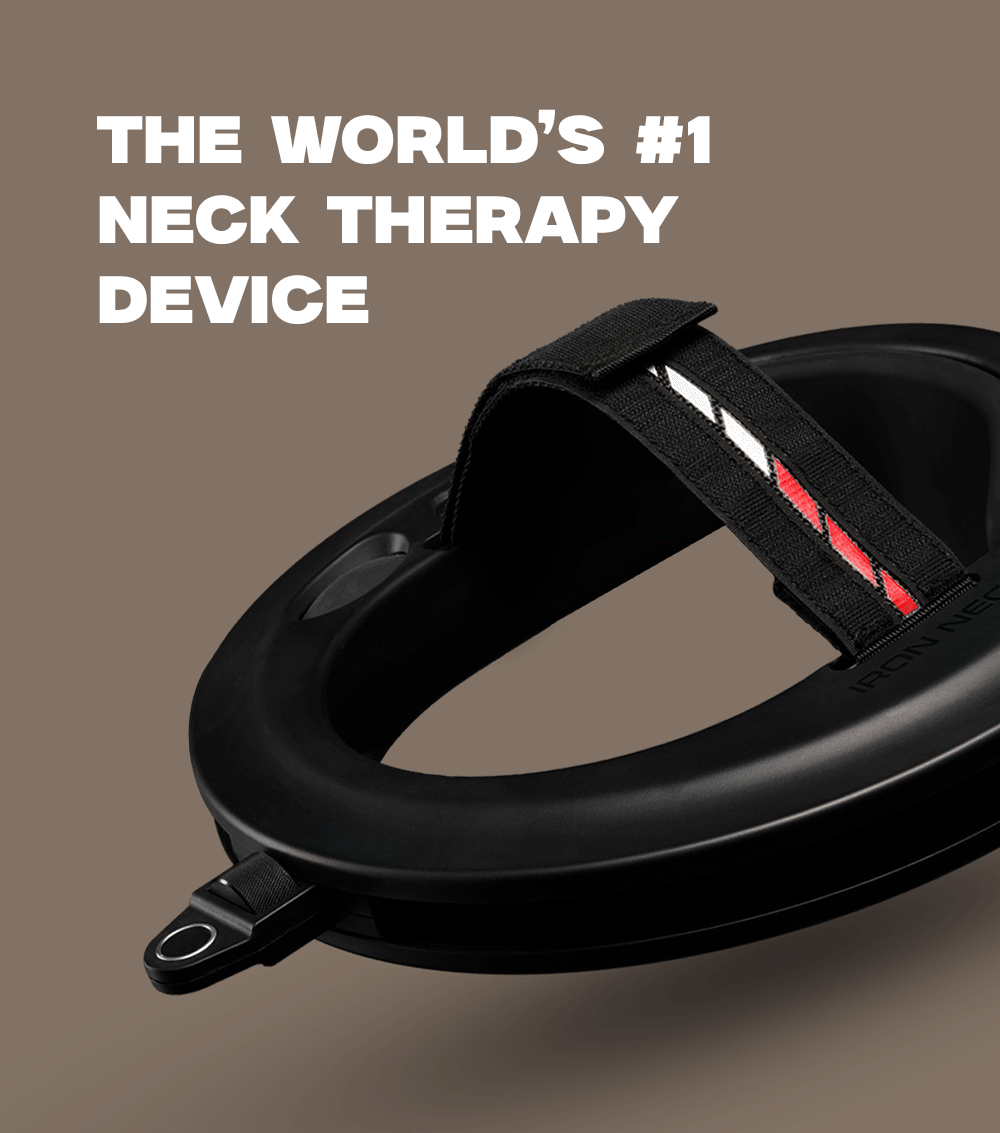
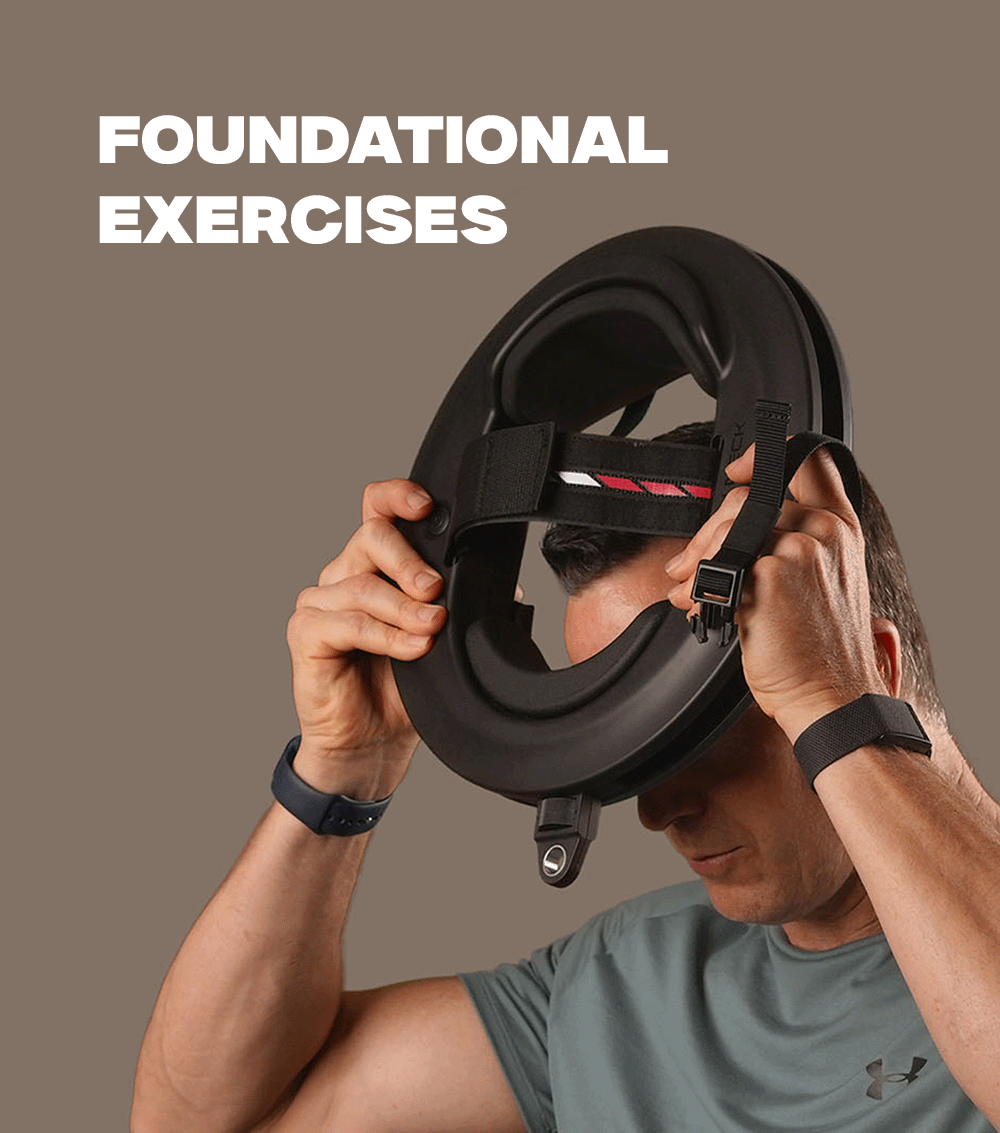
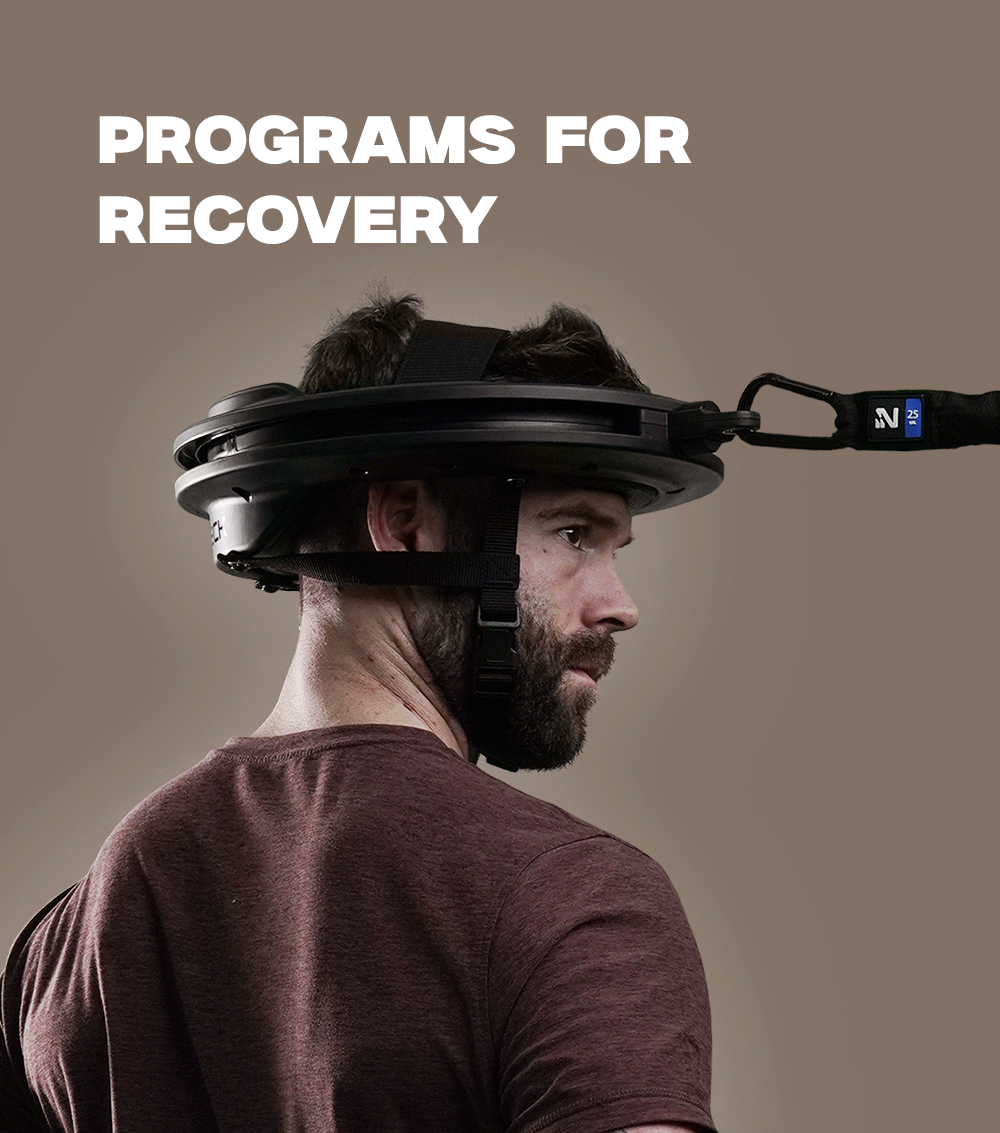
Iron Neck is the only device that trains your neck through 360 degrees of resistance, combining rotation, extension, and lateral movement in one tool. Used by NFL teams, UFC fighters, and physical therapists.


Leave a comment
This site is protected by hCaptcha and the hCaptcha Privacy Policy and Terms of Service apply.