




Frozen Shoulder: Causes, Stages, and the Best Recovery Exercises
Frozen shoulder, medically known as adhesive capsulitis, is one of the most painful and debilitating shoulder conditions, characterized by progressive pain and stiffness that can severely limit shoulder function for months to years. It affects approximately 2 to 5 percent of the general population and is particularly common in people aged 40 to 60, women, and people with diabetes. Despite its prevalence, frozen shoulder is frequently misunderstood, misdiagnosed, and mismanaged. This guide covers the causes, stages, and most effective recovery exercises for frozen shoulder.
What Causes Frozen Shoulder
Frozen shoulder occurs when the joint capsule, the connective tissue envelope that surrounds the shoulder joint, becomes inflamed and then progressively thickens and contracts, reducing the volume of the joint space and severely restricting movement. The exact cause of this inflammatory process is not fully understood, but several risk factors are well established. Diabetes is the most significant risk factor, with people with diabetes being 2 to 4 times more likely to develop frozen shoulder than the general population. Other risk factors include thyroid disease, prolonged immobilization of the shoulder (such as after surgery or injury), and certain medications.
The Three Stages of Frozen Shoulder
Stage 1: Freezing (2 to 9 months): The freezing stage is characterized by the gradual onset of shoulder pain, initially with movement and later at rest and at night. Range of motion begins to decrease. Pain is often severe and can significantly disrupt sleep. This stage is the most painful and is often the most difficult to manage.
Stage 2: Frozen (4 to 12 months): The frozen stage is characterized by a plateau in pain levels, which may actually decrease somewhat, but a continued and often severe restriction of shoulder range of motion. The shoulder is stiff and movement is significantly limited in all directions, particularly external rotation and overhead reach. Daily activities such as reaching overhead, dressing, and personal hygiene become difficult or impossible.
Stage 3: Thawing (5 to 24 months): The thawing stage is characterized by a gradual improvement in range of motion as the inflammatory process resolves and the contracted capsule begins to loosen. Pain continues to decrease. Most patients eventually recover full or near-full range of motion, though the process can take years without treatment.
Exercises for Each Stage
Stage 1 (Freezing) Exercises: During the freezing stage, the primary goal is pain management and maintaining as much range of motion as possible without aggravating the inflammatory process. Pendulum exercises are the most appropriate: stand beside a table, lean forward, and allow your affected arm to hang freely. Gently swing the arm in small circles, forward and backward, and side to side. Perform for 2 minutes, two to three times daily. These gentle movements maintain joint lubrication and prevent the adhesions from progressing as rapidly.
Stage 2 (Frozen) Exercises: During the frozen stage, the focus shifts to gently stretching the contracted capsule to restore range of motion. Perform these exercises after applying heat to the shoulder for 15 minutes.
Passive external rotation: Lie on your back. Hold a cane or wand in both hands with your elbows at your sides, bent to 90 degrees. Use your unaffected arm to push the affected arm outward (external rotation). Hold for 30 seconds. Perform 3 repetitions. External rotation is typically the most restricted movement in frozen shoulder and should receive the most attention.
Pendulum exercises: Continue from Stage 1, gradually increasing the size of the circles as tolerated.
Pulley exercises: Use an over-door pulley to assist the affected arm through overhead flexion. Perform 3 sets of 15 repetitions.
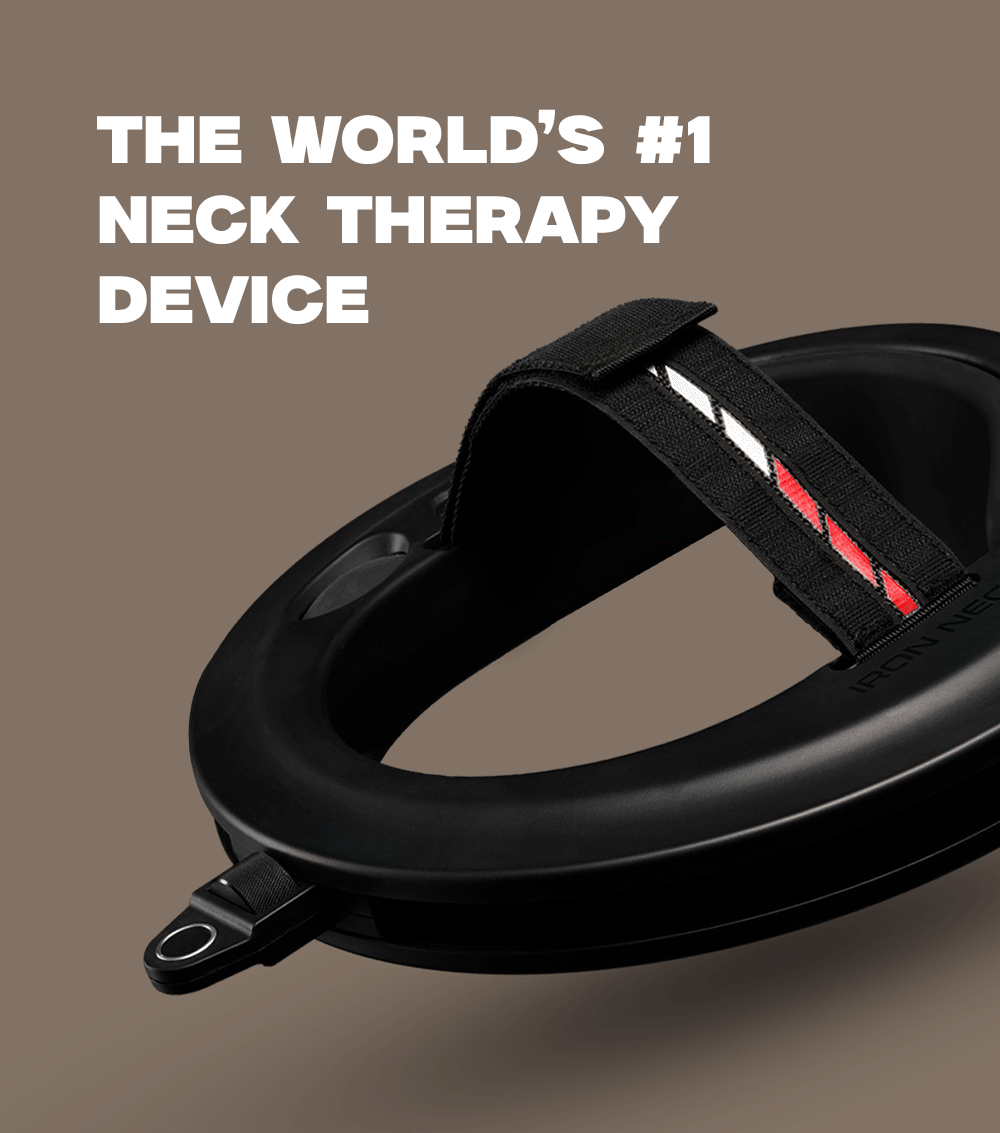
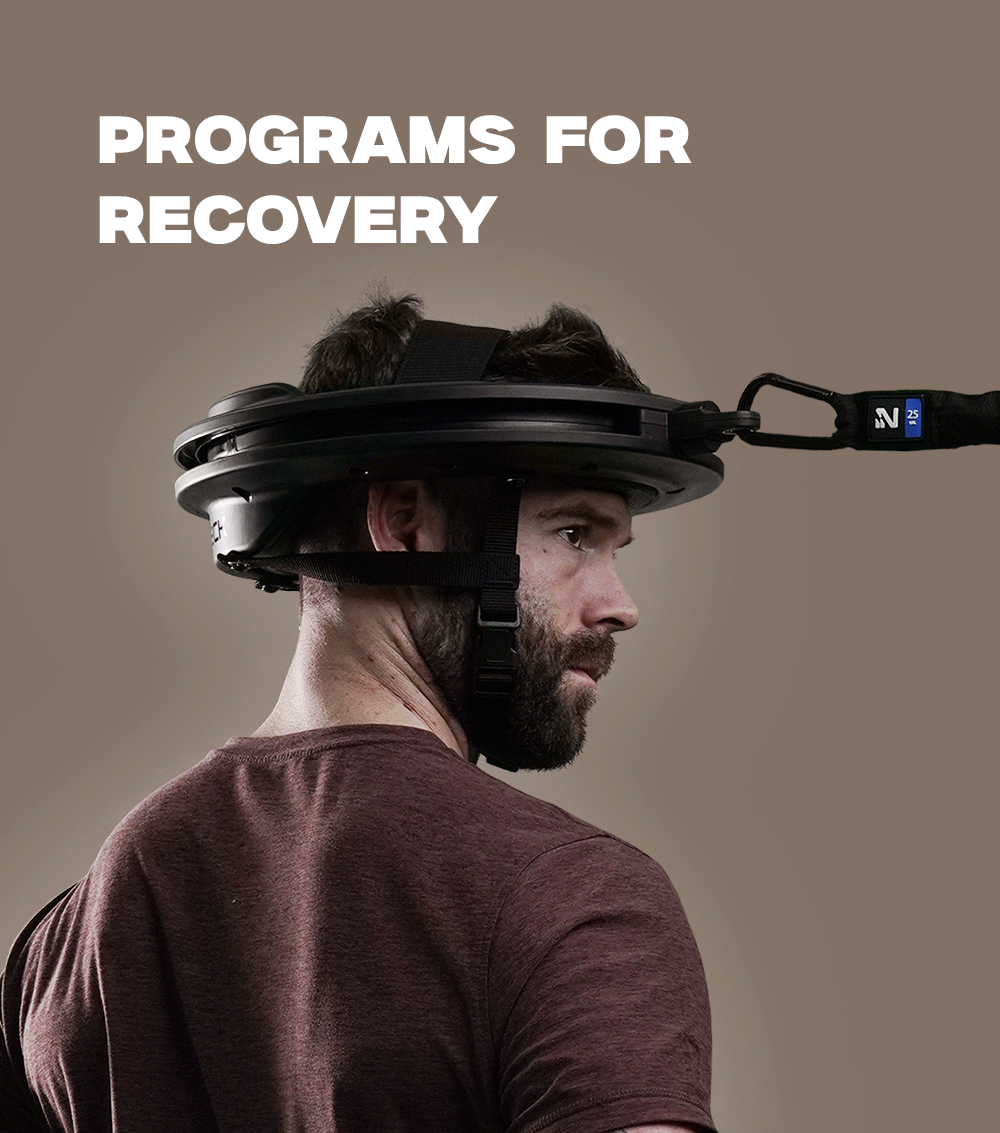
Stage 3 (Thawing) Exercises: During the thawing stage, progressive strengthening is added to the stretching program as range of motion improves. Begin with gentle resistance band exercises for external rotation, internal rotation, and shoulder elevation. The Iron Neck resistance bands provide multiple resistance levels that allow you to start very light and progress systematically as strength and range of motion improve.
Medical Treatments
For people with severe pain in the freezing stage, corticosteroid injections into the shoulder joint can provide significant pain relief and may accelerate the recovery of range of motion. Hydrodilatation, in which the joint capsule is distended with fluid under imaging guidance, can break up adhesions and accelerate range of motion recovery. Manipulation under anesthesia and arthroscopic capsular release are surgical options for people who do not respond to conservative management, though most patients eventually recover without surgery.
Timeline and Prognosis
Frozen shoulder typically resolves over 1 to 3 years, though the timeline varies significantly between individuals. Most patients recover full or near-full range of motion, but a significant proportion (approximately 40 percent) have some residual restriction at long-term follow-up. Early treatment, particularly corticosteroid injections in the freezing stage and aggressive stretching in the frozen stage, significantly accelerates recovery and improves outcomes.


Leave a comment
This site is protected by hCaptcha and the hCaptcha Privacy Policy and Terms of Service apply.