



Stiff Neck Exercises: Restore Movement and Prevent Recurrence
A stiff neck is one of the most common physical complaints in adults, affecting virtually everyone at some point in their lives. It can range from mild tightness that resolves within a day to severe restriction that makes it impossible to turn the head without significant pain. The causes are equally varied: sleeping in an awkward position, prolonged computer use, stress-related muscle tension, sudden movements, or the gradual stiffening that accompanies cervical degenerative change. Regardless of the cause, the approach to resolving a stiff neck is fundamentally the same: restore movement through targeted exercises and stretches, address the underlying causes, and build the strength and habits needed to prevent recurrence.
Immediate Relief Techniques
When a stiff neck strikes, the instinct is often to avoid movement. This is counterproductive. Gentle, controlled movement is the most effective way to break the cycle of muscle guarding and stiffness that perpetuates a stiff neck. The following techniques provide the fastest relief.
Heat Application: Apply a heat pack or warm towel to the stiff muscles for 15 to 20 minutes before performing any exercises. Heat increases blood flow, reduces muscle guarding, and improves tissue extensibility, making the subsequent exercises more comfortable and effective.
Gentle Rotation: Sit upright. Slowly rotate your head to the right as far as comfortable. Hold for 2 seconds. Return to neutral and rotate to the left. Perform 10 repetitions per side. Begin with a small range of motion and gradually increase it as the muscles warm up and relax. Rotation is typically the most restricted movement in a stiff neck and the most important to restore for daily function.
Lateral Flexion: Sit upright. Slowly drop your right ear toward your right shoulder. Hold for 2 seconds. Return to neutral and repeat on the left side. Perform 10 repetitions per side.
Chin Tucks: Sit or stand with your back straight. Slide your head straight back as if making a double chin. Hold for 3 seconds and release. Perform 3 sets of 15 repetitions. Chin tucks mobilize the upper cervical spine and activate the deep cervical flexors, addressing two of the most common contributors to neck stiffness.
Targeted Stretches for Neck Stiffness
Upper Trapezius Stretch: Sit upright. Drop your right ear toward your right shoulder. Place your right hand on the left side of your head and apply gentle downward pressure. Hold for 30 seconds. Repeat on the opposite side. Perform twice per side. The upper trapezius is one of the most commonly tight muscles in people with a stiff neck and responds well to this stretch.
Levator Scapulae Stretch: Sit upright. Rotate your head 45 degrees to the right and tilt it forward and to the right, as if looking into your right armpit. Place your right hand on the back of your head and apply gentle downward pressure. Hold for 30 seconds. Repeat on the opposite side. Perform twice per side.
Suboccipital Release: Lie on your back with a small rolled towel at the base of your skull. Allow the weight of your head to compress the suboccipital muscles against the towel for 2 to 3 minutes. The suboccipitals are a group of small muscles at the base of the skull that are a frequent source of neck stiffness and headache.
Thoracic Extension: Place a foam roller at mid-back level, perpendicular to your spine. Support your head with your hands and extend backward over the roller. Hold each position for 5 to 10 seconds, then shift the roller one inch up your spine. Work from the mid-back to the base of the neck. Thoracic stiffness is a major contributor to cervical stiffness, as the cervical spine compensates for restricted thoracic movement by moving more than it should.
Exercises to Prevent Recurrence
Once the acute stiffness has resolved, the focus should shift to addressing the underlying causes to prevent recurrence. The most common underlying causes are deep cervical flexor weakness, upper back weakness, and poor ergonomics.
Progressive Chin Tuck Strengthening: Progress from basic chin tucks to resisted chin tucks by placing a resistance band against your forehead and performing the retraction movement against the resistance. Perform 3 sets of 15 repetitions. Strong deep cervical flexors maintain the natural cervical curve and reduce the mechanical load on the posterior cervical muscles that are most prone to stiffness.
Band Face Pulls: Attach a resistance band at face height. Pull the band toward your face while simultaneously externally rotating your shoulders. Squeeze your shoulder blades together and down. Perform 3 sets of 15 repetitions. The Iron Neck resistance bands are ideal for this exercise. Face pulls strengthen the lower trapezius and posterior rotator cuff, which are essential for maintaining proper upper back and shoulder positioning.
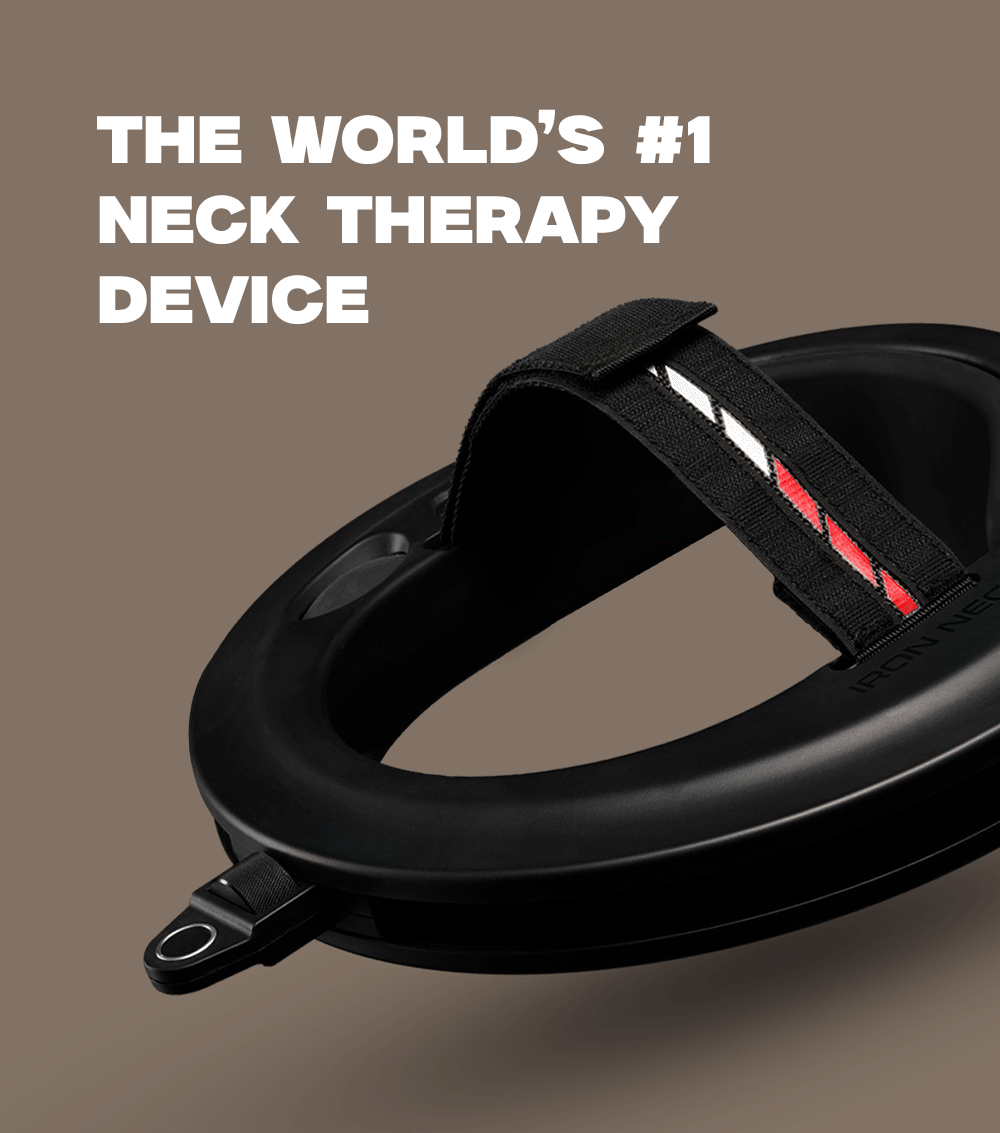
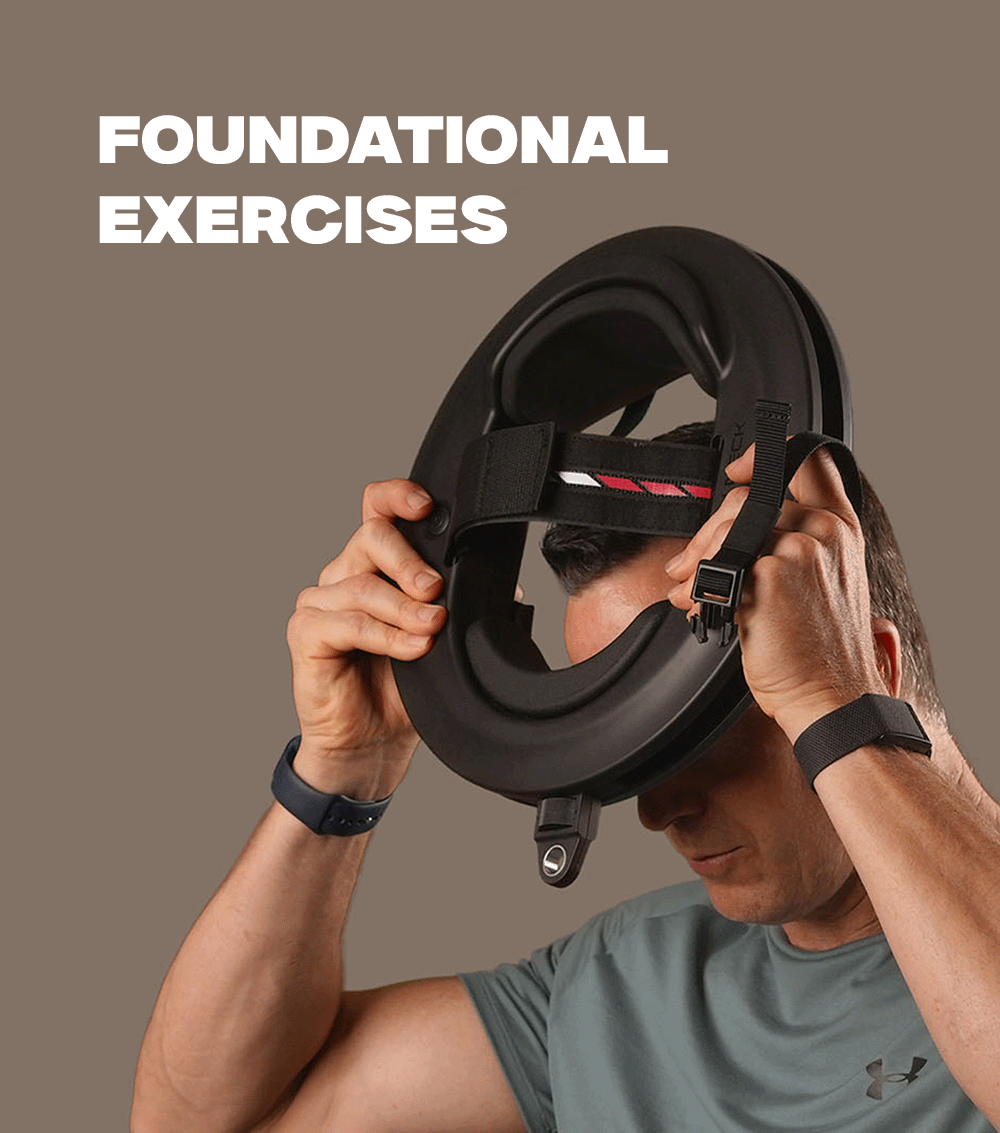
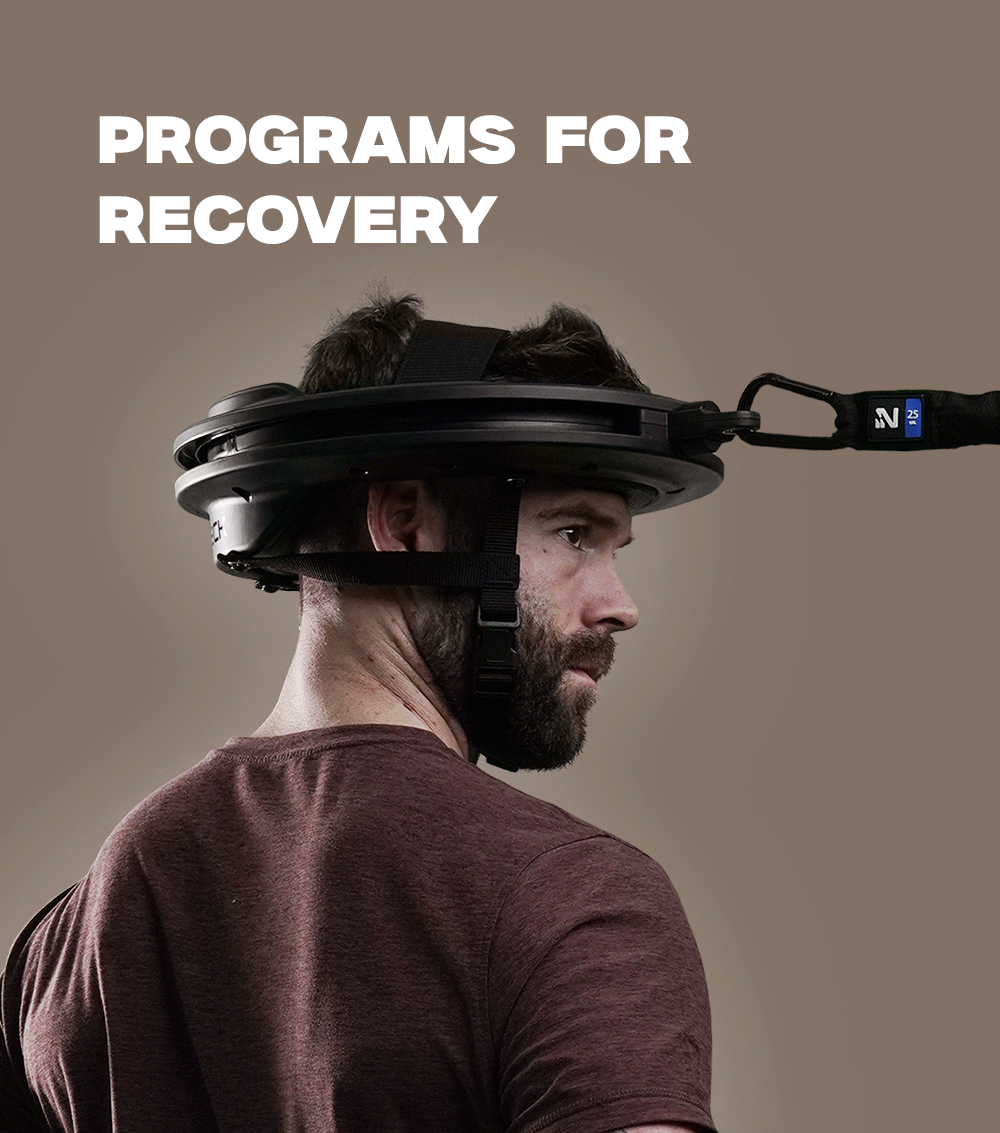
Cervical Rotation and Extension Strengthening: Building overall cervical muscle strength and endurance is the most effective long-term strategy for preventing recurrent neck stiffness. The Iron Neck device provides adjustable, 360-degree resistance for cervical rotation and extension training. Regular training with the Iron Neck builds the cervical muscle strength and endurance needed to maintain good posture throughout the day and resist the stiffening effects of prolonged static postures.
Ergonomic and Lifestyle Modifications
Ergonomic modifications are essential for preventing recurrent neck stiffness in people who spend significant time at a computer or on a smartphone. Raise your monitor to eye level so that the top of the screen is at or slightly below eye height. Hold your phone at face height rather than looking down at it. Use a supportive pillow that maintains the natural cervical curve during sleep. Take a movement break every 30 to 45 minutes, performing a quick chin tuck and shoulder blade squeeze to reset your posture. These simple habits significantly reduce the chronic muscle overload that leads to recurrent neck stiffness.
Iron Neck is the only device that trains your neck through 360 degrees of resistance, combining rotation, extension, and lateral movement in one tool. Used by NFL teams, UFC fighters, and physical therapists.


Leave a comment
This site is protected by hCaptcha and the hCaptcha Privacy Policy and Terms of Service apply.