



Shoulder Pain Exercises: What to Do and What to Avoid
Shoulder pain is one of the most common musculoskeletal complaints in adults, affecting an estimated 18 to 26 percent of the general population at any given time. It can arise from dozens of different causes, ranging from rotator cuff tendinopathy and impingement to bursitis, labral tears, AC joint injuries, and referred pain from the cervical spine. The challenge for anyone dealing with shoulder pain is knowing which exercises will help and which will make things worse, because the wrong exercise at the wrong time can significantly delay recovery. This guide provides a practical framework for exercising safely with shoulder pain, including the exercises that are most consistently beneficial and the movements that most commonly aggravate common shoulder conditions.
The General Principles of Exercising with Shoulder Pain
Before discussing specific exercises, it is important to establish the general principles that govern safe exercise in the presence of shoulder pain. The first principle is that pain is a signal, not a barrier. Mild discomfort during exercise, a 2 or 3 on a 10-point pain scale, is generally acceptable and does not indicate that you are causing harm. Sharp, severe pain (6 or above on a 10-point scale) is a signal to stop and modify the exercise. Pain that persists for more than 24 hours after exercise indicates that the load was too high and should be reduced.
The second principle is that complete rest is rarely the optimal approach for shoulder pain. The shoulder is a joint that depends on the surrounding muscles for stability and function. Prolonged rest leads to muscle atrophy, joint stiffness, and a loss of the neuromuscular control that the rotator cuff provides. Gentle, progressive exercise is almost always preferable to rest for shoulder pain of musculoskeletal origin.
The third principle is that the underlying cause of the pain matters. The exercises that are most beneficial for rotator cuff tendinopathy are different from those most beneficial for frozen shoulder, which are different again from those most beneficial for shoulder instability. If you have not had a professional assessment of your shoulder pain, the exercises in this guide are appropriate as a starting point, but a definitive diagnosis will allow for more targeted treatment.
Exercises That Help Most Shoulder Conditions
Despite the diversity of shoulder conditions, certain exercises are beneficial across most common presentations because they address the most common underlying deficits: rotator cuff weakness, scapular stabilizer weakness, and posterior capsule tightness.
Scapular Retraction: Sit or stand upright. Squeeze your shoulder blades together and down. Hold for 5 seconds and release. Perform 3 sets of 15 repetitions. This exercise activates the lower and mid trapezius, which are inhibited in virtually every shoulder condition, and improves the scapular positioning that is a prerequisite for proper shoulder function.
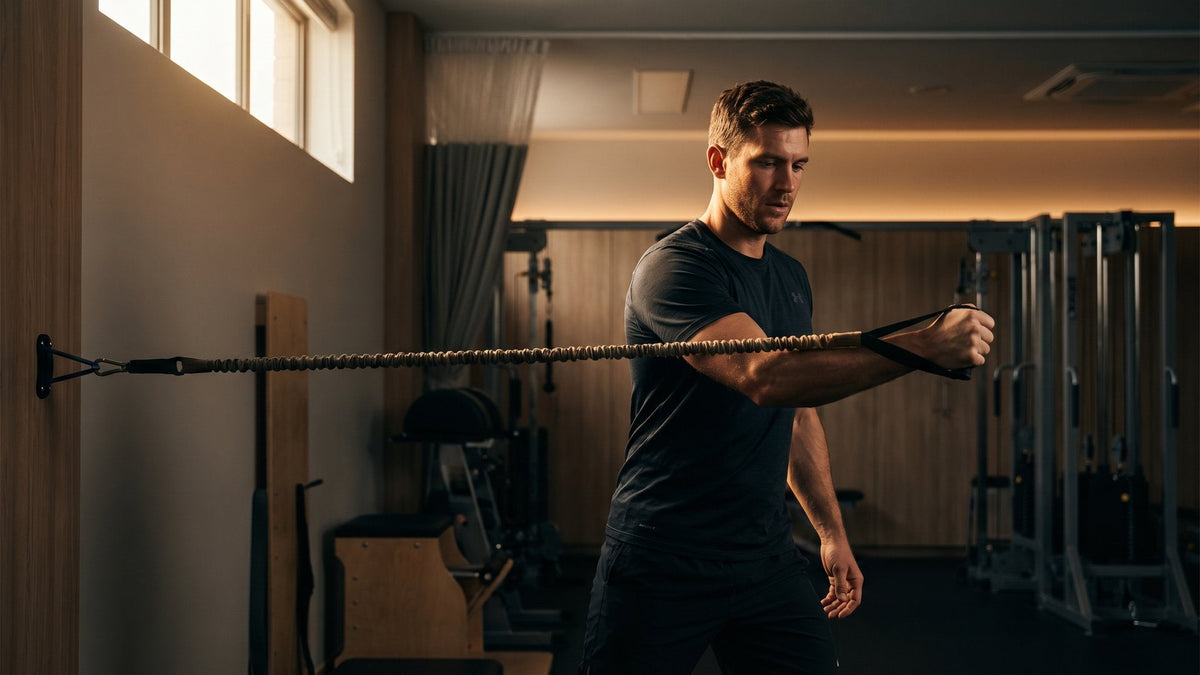
Band External Rotation: Attach a resistance band to a fixed point at elbow height. Stand sideways to the band with your affected arm closest to the anchor. Hold the band with your affected hand, elbow bent to 90 degrees and pressed against your side. Rotate your forearm outward against the resistance. Return slowly. Perform 3 sets of 15 repetitions. External rotation weakness is the most consistent finding across shoulder conditions, and this exercise is the most direct way to address it. The Iron Neck resistance bands are ideal for this exercise, with multiple resistance levels that allow you to start light and progress systematically.
Band Face Pulls: Attach a resistance band at face height. Pull the band toward your face while simultaneously externally rotating your shoulders. Squeeze your shoulder blades together and down at the end of the movement. Perform 3 sets of 15 repetitions. Face pulls train external rotation and scapular retraction simultaneously, making them one of the most efficient exercises for shoulder health across all conditions.
Cross-Body Stretch: Bring your affected arm across your chest and use your opposite hand to gently pull it closer to your body. Hold for 30 seconds. Perform three times daily. Posterior capsule tightness contributes to impingement, bursitis, and rotator cuff tendinopathy, and this stretch addresses it directly.
Pendulum Exercises: Stand beside a table and lean forward, supporting your weight with your unaffected arm. Allow your affected arm to hang freely. Gently swing the arm in small circles, forward and backward, and side to side. Perform for 2 minutes, two to three times daily. Pendulum exercises maintain joint mobility without loading the painful structures and are appropriate for virtually all shoulder conditions in the acute phase.
Exercises to Avoid with Common Shoulder Conditions
Certain exercises consistently aggravate common shoulder conditions and should be avoided or modified during the recovery period.
Overhead Pressing (Impingement and Bursitis): Overhead pressing movements, particularly with a narrow grip or behind-the-neck technique, compress the subacromial space and aggravate impingement and bursitis. Avoid overhead pressing until pain has resolved and rotator cuff strength has been restored. When you return to overhead pressing, use a wider grip and ensure proper scapular positioning throughout the movement.
Upright Rows (Impingement and Bursitis): Upright rows place the shoulder in a position of internal rotation and abduction that maximally compresses the subacromial space. This exercise is contraindicated for anyone with shoulder impingement or bursitis.
Behind-the-Neck Exercises (All Conditions): Behind-the-neck lat pulldowns and behind-the-neck presses place the shoulder in an extreme position of external rotation and horizontal abduction that stresses the anterior capsule and rotator cuff. These exercises are associated with a high rate of shoulder injury and should be avoided by anyone with shoulder pain.
Aggressive Stretching (Freezing Stage of Frozen Shoulder): During the freezing stage of adhesive capsulitis, aggressive stretching worsens pain and may slow recovery. Limit stretching to gentle, pain-free range of motion during this stage.
Heavy Bench Pressing (Instability and Labral Tears): Heavy bench pressing with a wide grip places significant stress on the anterior capsule and labrum. People with anterior shoulder instability or labral tears should avoid heavy bench pressing until the structural issue has been addressed and adequate rotator cuff strength has been restored.
When to Seek Professional Assessment
The exercises in this guide are appropriate for most people with mild to moderate shoulder pain from musculoskeletal causes. Seek professional assessment if your pain is severe or worsening despite conservative management, if you have significant weakness or loss of motion, if you have a history of shoulder dislocation or surgery, if you have radiating pain or numbness into the arm, or if your pain came on suddenly after a specific injury. These presentations may indicate a structural issue that requires imaging and professional assessment before beginning an exercise program.
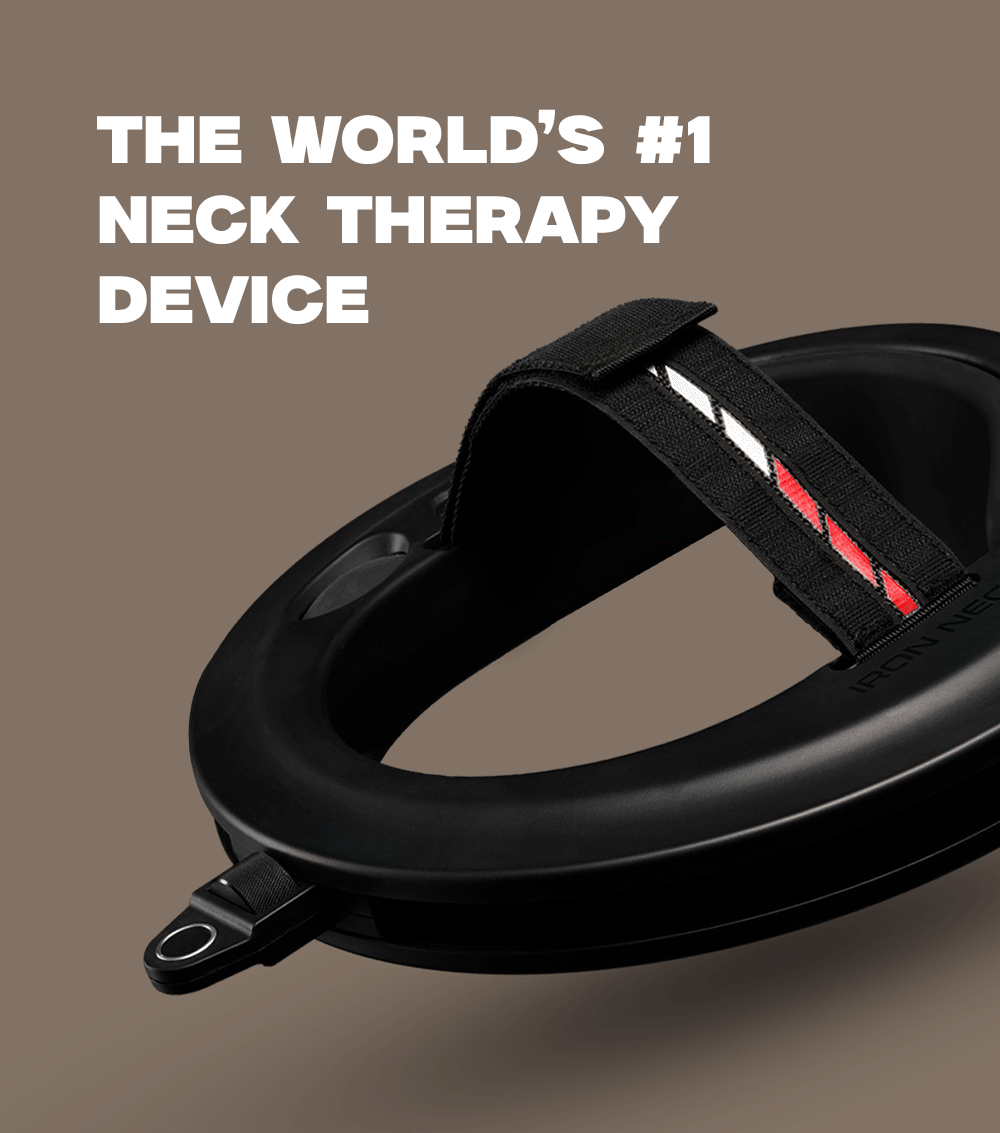
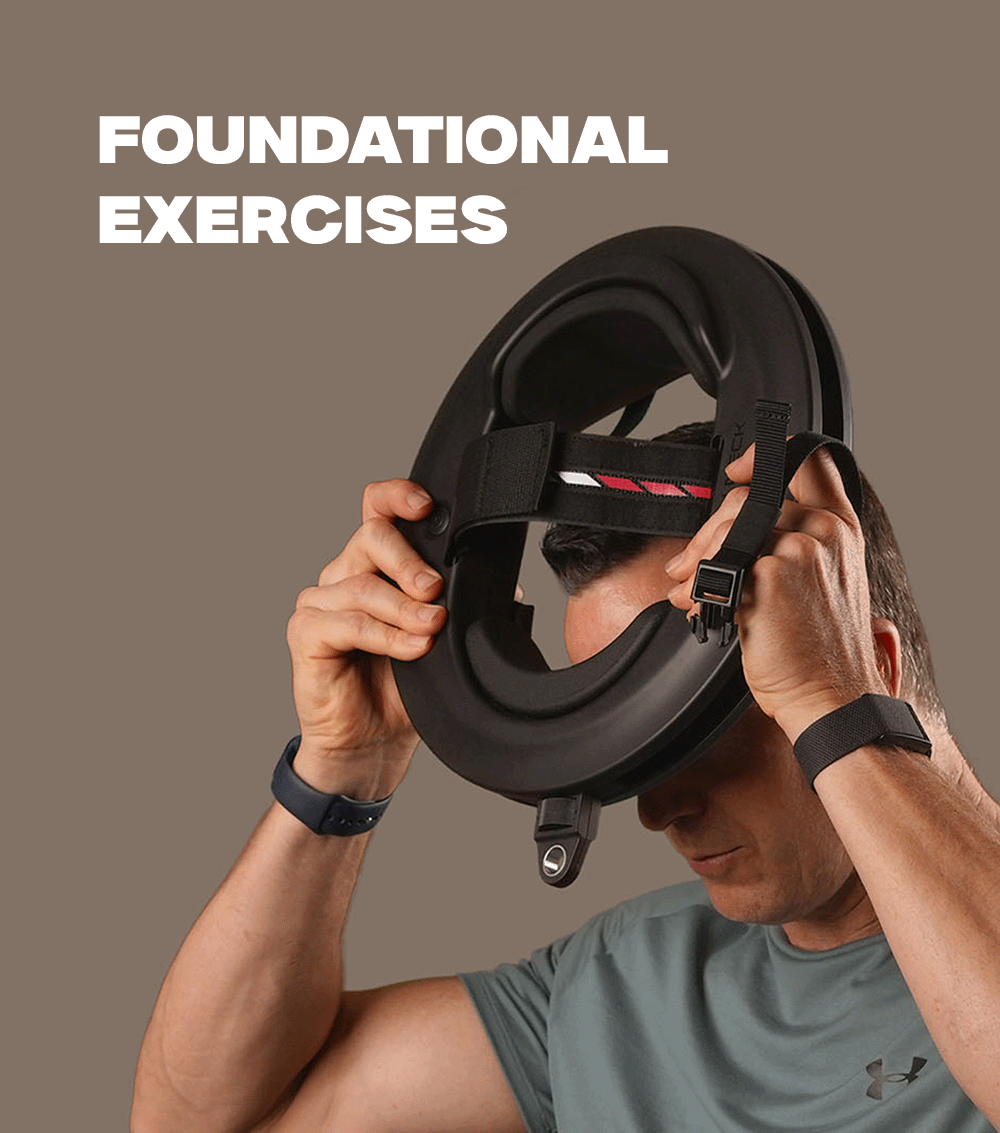
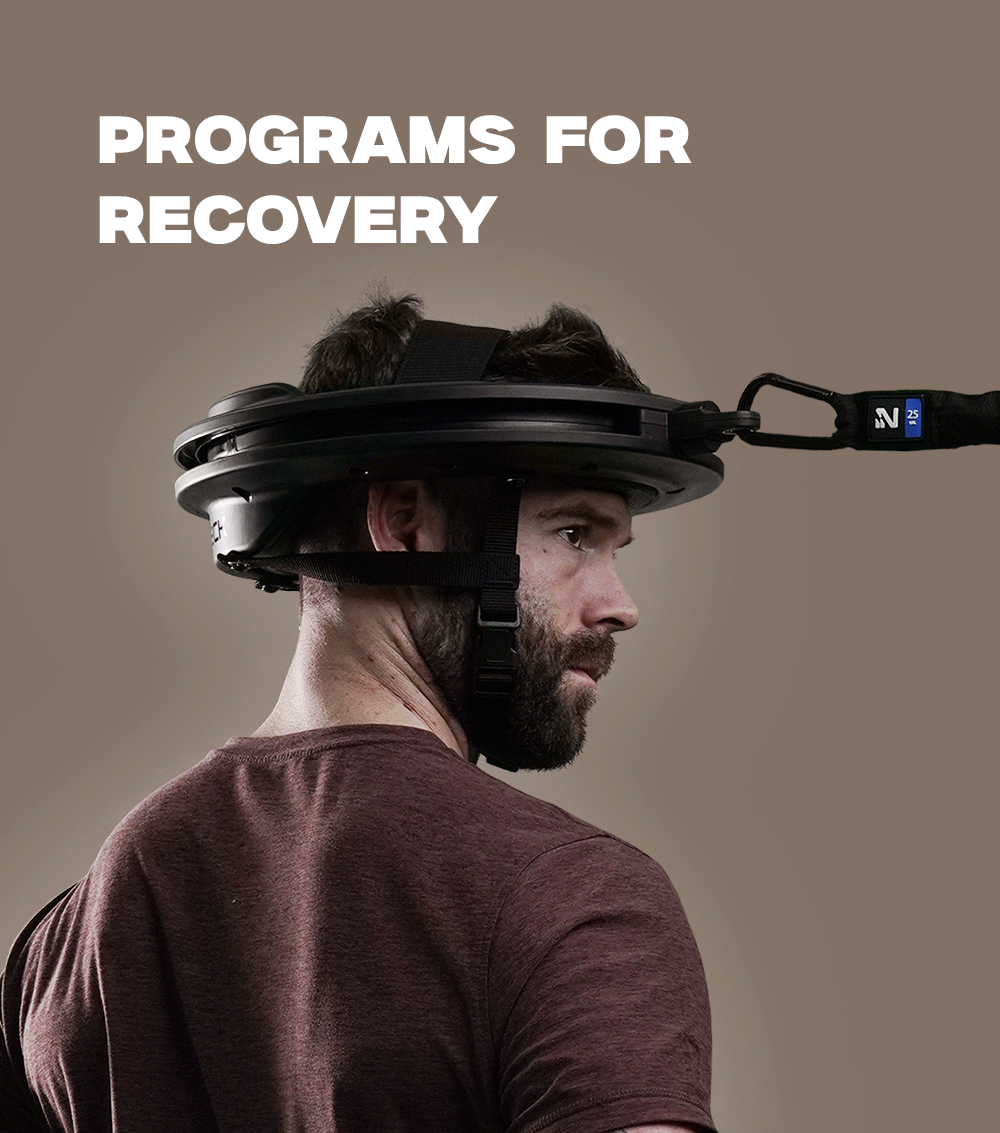
Iron Neck is the only device that trains your neck through 360 degrees of resistance, combining rotation, extension, and lateral movement in one tool. Used by NFL teams, UFC fighters, and physical therapists.


Leave a comment
This site is protected by hCaptcha and the hCaptcha Privacy Policy and Terms of Service apply.