



Rotator Cuff Surgery Recovery: Exercises for Every Phase
Rotator cuff surgery recovery is a process that unfolds over months, not weeks. Whether you have had a partial repair, a full-thickness tear repair, or a more complex reconstruction, the biological healing of the repaired tendon follows a predictable timeline that must be respected if you want to achieve a full and durable recovery. Rushing the process by loading the repaired tissue before it is ready is the most common reason rotator cuff repairs fail. This guide provides a phase-by-phase exercise framework that aligns with the healing biology of rotator cuff tissue and gives you a clear picture of what to expect at each stage of your recovery.
Understanding the Healing Timeline
Rotator cuff tendon-to-bone healing occurs in three overlapping phases. The inflammatory phase, lasting approximately the first two weeks, involves the initial healing response and is characterized by pain, swelling, and significant weakness. The proliferative phase, lasting from roughly weeks two through six, involves the formation of new collagen at the repair site. During this phase, the repair is biologically active but mechanically vulnerable. The remodeling phase, lasting from approximately six weeks through one year or more, involves the maturation and organization of the new collagen into functional tendon tissue.
Exercise prescription must align with these phases. Loading the repair too early, during the inflammatory or early proliferative phases, risks disrupting the healing tissue and causing re-tear. Loading too late, by remaining in a sling beyond the prescribed period, causes unnecessary muscle atrophy and joint stiffness that prolongs the overall recovery. Your surgeon's specific instructions take precedence over any general guidelines, as the appropriate timeline varies based on the size of the tear, the quality of the tissue, and the surgical technique used.
Phase 1: Protection Phase (Weeks 0 to 6)
During the first six weeks, the primary goal is to protect the repair while preventing excessive stiffness and maintaining circulation to the healing tissue. Most patients are in a sling during this phase, and active use of the repaired shoulder is restricted. However, this does not mean complete immobility.
Pendulum Exercises: Beginning as early as the first week post-surgery (with your surgeon's approval), pendulum exercises use gravity and gentle momentum to maintain shoulder joint mobility without placing active load on the repair. Stand beside a table, lean forward, and allow your affected arm to hang freely. Gently swing the arm in small circles, forward and backward, and side to side. Perform for 2 minutes, two to three times daily. Keep the circles small and the movement passive.
Elbow, Wrist, and Hand Exercises: While the shoulder is immobilized, maintaining mobility and circulation in the elbow, wrist, and hand prevents stiffness and reduces swelling. Perform gentle elbow flexion and extension, wrist circles, and finger squeezes throughout the day.
Passive Range of Motion (with therapist or caregiver): Your physical therapist will typically begin passive range of motion exercises within the first two weeks, depending on your surgeon's protocol. These involve a therapist moving your arm through a controlled range of motion without you actively contracting the repaired muscles. Passive range of motion prevents the formation of adhesions and maintains joint mobility during the protection phase.
Phase 2: Active Assisted and Active Range of Motion (Weeks 6 to 12)
As the repair gains sufficient strength to tolerate gentle active loading, the focus shifts to restoring active range of motion and beginning to activate the rotator cuff muscles in low-demand positions. The sling is typically discontinued during this phase, and you will begin to use the arm for light daily activities.
Supine Active Assisted Flexion: Lie on your back holding a cane or wand with both hands. Use your unaffected arm to help lift your affected arm overhead, assisting the movement so that the repaired muscles are not working against gravity alone. Perform 3 sets of 15 repetitions. Progress gradually to active (unassisted) flexion as strength allows.
Supine External Rotation: Lie on your back with your affected arm at your side, elbow bent to 90 degrees. Gently rotate your forearm outward, using your opposite hand to assist if needed. Perform 3 sets of 15 repetitions. External rotation is often the most restricted movement after rotator cuff surgery and requires consistent daily work to restore.
Scapular Exercises: Begin active scapular retraction, depression, and protraction exercises to maintain scapular muscle activation while the rotator cuff is still in early recovery. Perform 3 sets of 15 repetitions of each movement. Proper scapular function is a prerequisite for rotator cuff function, and maintaining it during the early recovery phases accelerates the return to full shoulder function.
Phase 3: Strengthening Phase (Weeks 12 to 20)
Once active range of motion is restored and the repair has sufficient biological maturity to tolerate resistance training, progressive strengthening begins. This phase uses resistance bands to provide controlled, progressive loading of the rotator cuff and scapular stabilizers. The Iron Neck resistance bands offer multiple resistance levels that allow you to begin with very light resistance and progress systematically as your strength improves.
Band External Rotation: Attach a resistance band to a fixed point at elbow height. Stand sideways to the band with your affected arm closest to the anchor. Hold the band with your affected hand, elbow bent to 90 degrees and pressed against your side. Rotate your forearm outward against the resistance. Return slowly. Perform 3 sets of 15 repetitions. Begin with the lightest available resistance and progress only when you can perform all repetitions with good form and no pain.
Band Rows: Attach a resistance band at chest height. Pull the band toward your chest by squeezing your shoulder blades together, keeping your elbows close to your sides. Perform 3 sets of 15 repetitions. Rows strengthen the mid trapezius and rhomboids, which are essential for proper scapular positioning and rotator cuff function.
Side-Lying External Rotation: Lie on your unaffected side with your affected arm on top, elbow bent to 90 degrees. Hold a light dumbbell (1 to 3 pounds). Rotate your forearm upward until it is perpendicular to the floor. Return slowly. Perform 3 sets of 15 repetitions. Progress the weight gradually over several weeks.
Band Face Pulls: Attach a resistance band at face height. Pull the band toward your face while simultaneously externally rotating your shoulders. Squeeze your shoulder blades together and down at the end of the movement. Perform 3 sets of 15 repetitions. Face pulls train external rotation and scapular retraction simultaneously, making them highly efficient for rotator cuff rehabilitation.
Phase 4: Functional Strengthening and Return to Activity (Months 5 to 12)
The final phase of rotator cuff surgery recovery focuses on building the strength, endurance, and functional capacity needed to return to full activity. This phase is highly individual and depends on your specific goals, whether returning to desk work, recreational sports, or competitive athletics.
Progressive Overhead Strengthening: Begin with wall slides and progress to overhead pressing movements as strength and pain allow. Start with very light resistance and increase gradually. Overhead pressing should not be introduced until you have full pain-free range of motion and at least 80 percent of your strength compared to the unaffected side.
Sport-Specific Training: If you are returning to a throwing sport, racquet sport, or other overhead activity, sport-specific progressive loading should begin in this phase under the guidance of your physical therapist or sports medicine physician. The return-to-sport timeline for overhead athletes is typically 9 to 12 months after surgery.
Important Precautions Throughout Recovery
Several activities should be avoided or approached with caution throughout the recovery period. Do not lift anything heavier than a cup of coffee during the first six weeks. Avoid sleeping on the affected shoulder throughout the recovery period, as this compresses the healing tissue. Do not reach behind your back until your surgeon or therapist explicitly clears you to do so. Report any sudden increase in pain, significant swelling, or loss of motion that was previously achieved to your surgeon promptly, as these may indicate a complication.
The Role of Professional Guidance
Rotator cuff surgery recovery is one of the areas of rehabilitation where professional guidance is most important. The exercises in this guide provide a general framework, but your specific protocol should be developed in collaboration with your surgeon and physical therapist, who can account for the size and location of your tear, the surgical technique used, the quality of the repaired tissue, and your individual healing response. Do not modify your protocol based on how you feel alone; the repaired tissue may feel fine before it is ready for increased loading.
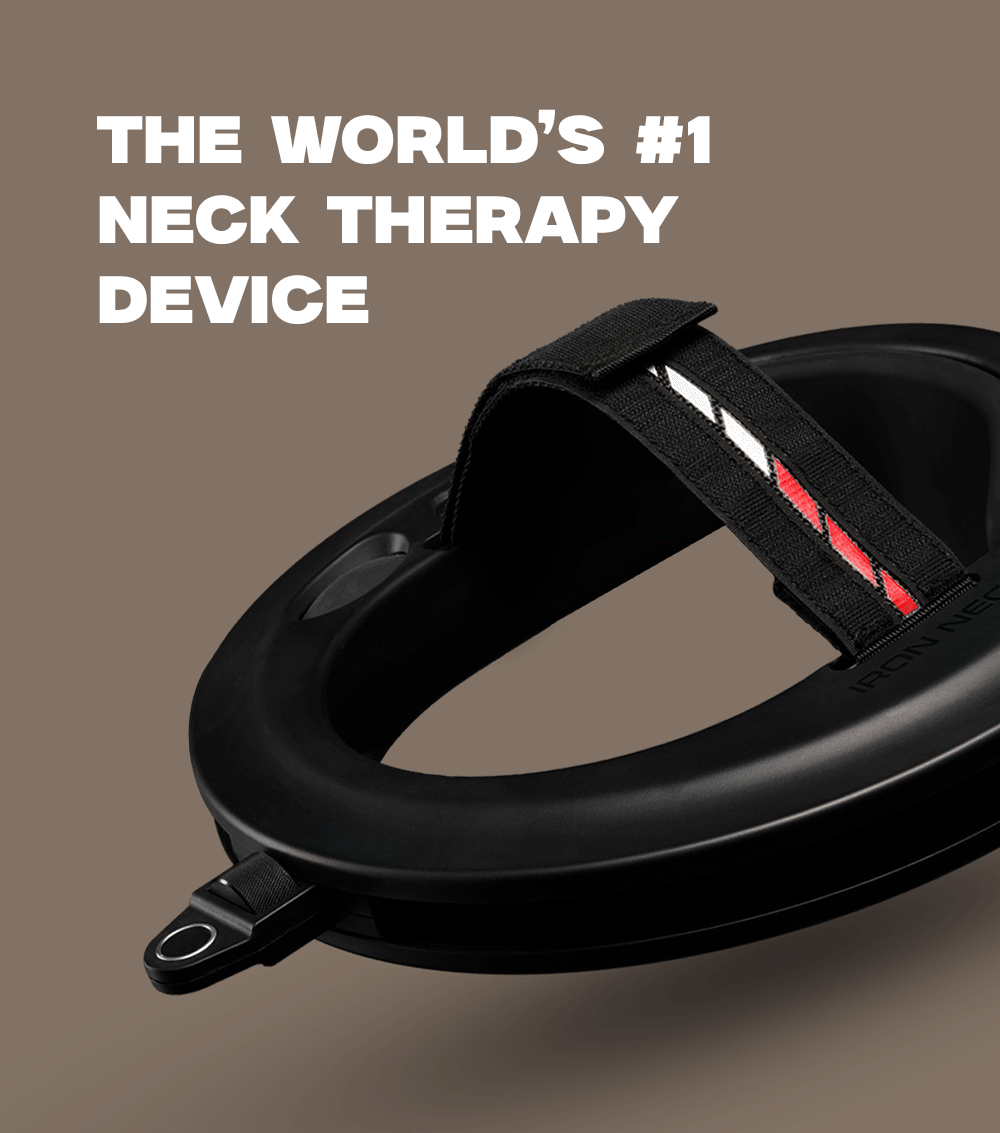
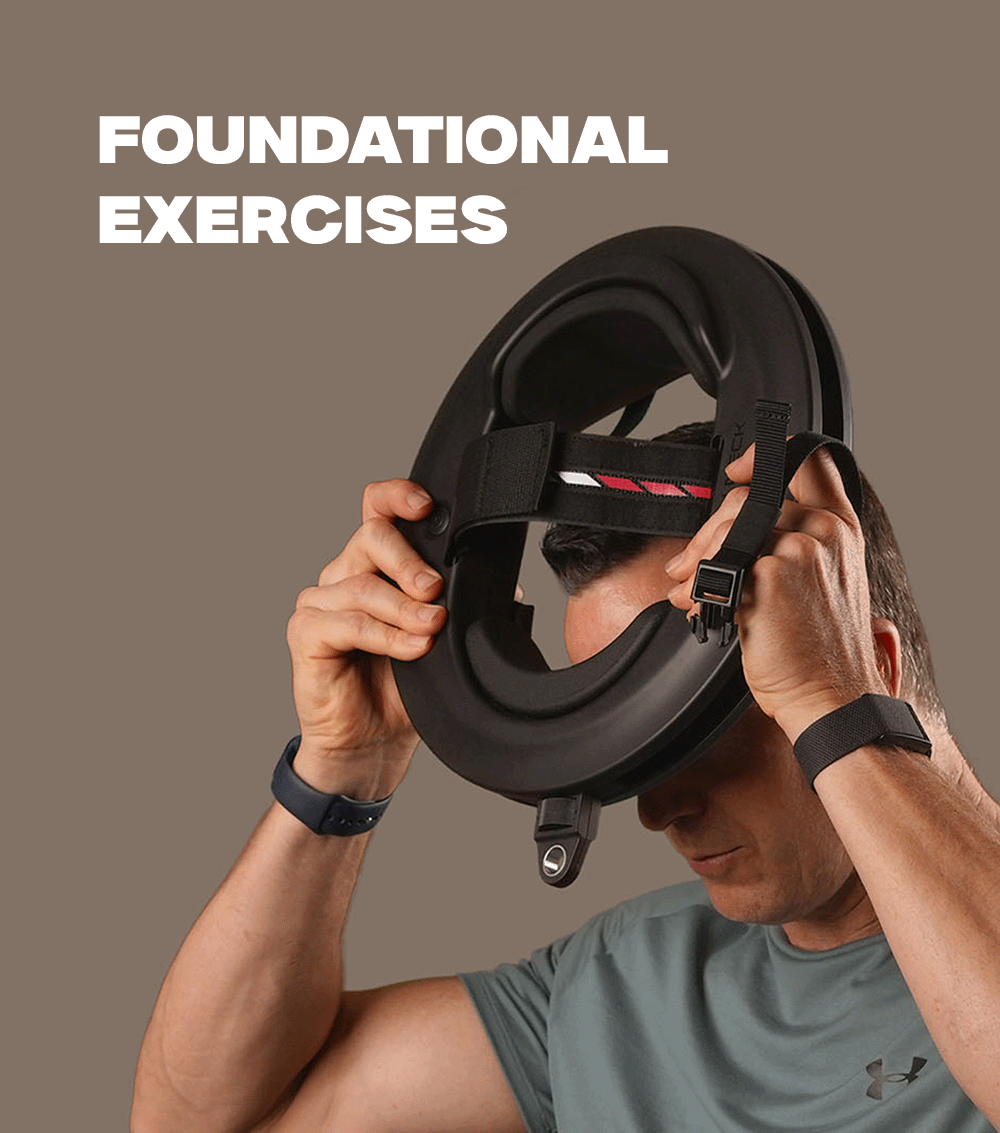
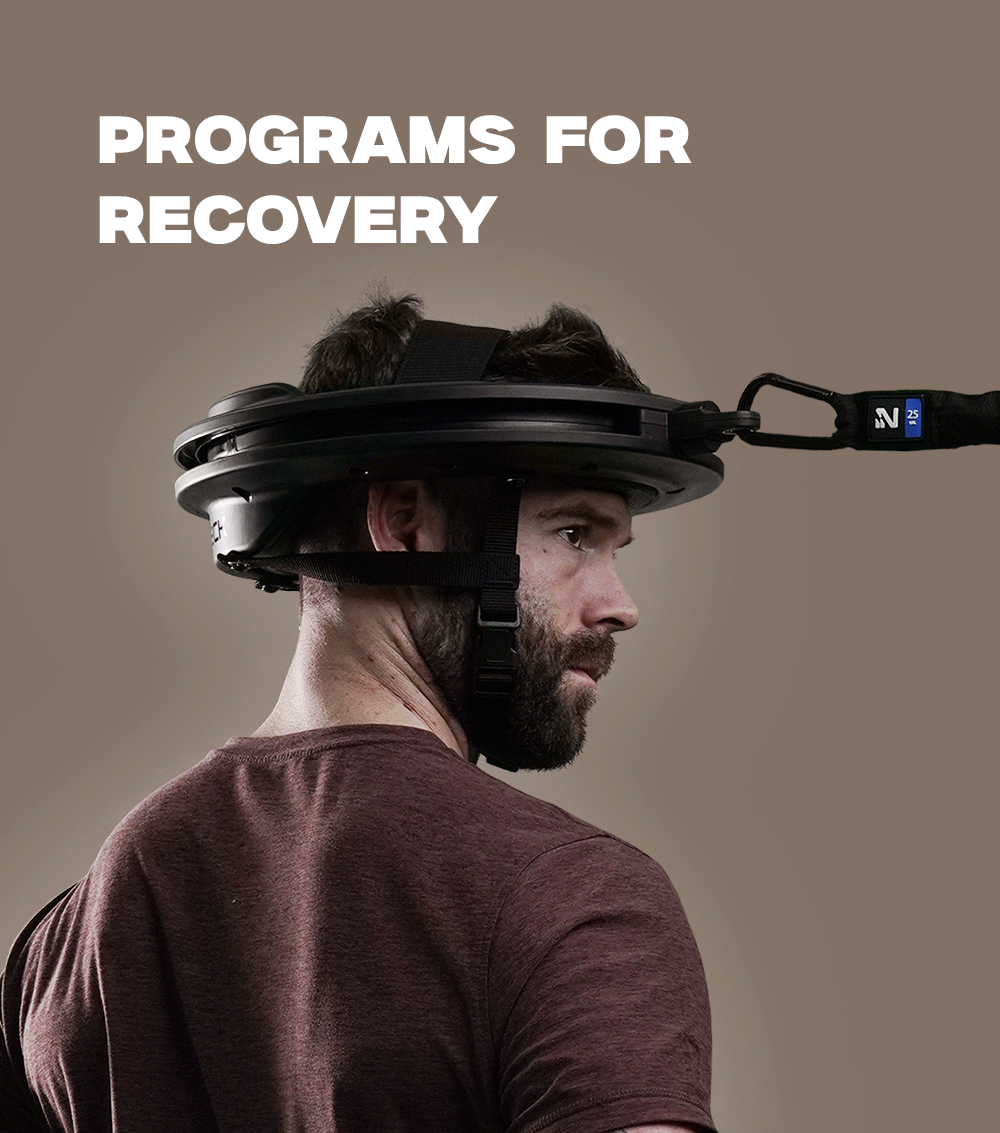
Iron Neck is the only device that trains your neck through 360 degrees of resistance, combining rotation, extension, and lateral movement in one tool. Used by NFL teams, UFC fighters, and physical therapists.

Leave a comment
This site is protected by hCaptcha and the hCaptcha Privacy Policy and Terms of Service apply.