



Neck Pain Relief at Home: A Complete Self-Care Guide
Most neck pain does not require a doctor's visit, imaging, or prescription medication to resolve. The majority of neck pain episodes are mechanical in nature, meaning they arise from muscle tension, poor posture, minor joint irritation, or soft tissue strain rather than from serious structural pathology. For mechanical neck pain, a combination of targeted exercises, stretching, heat or cold therapy, and ergonomic modifications is both safe and highly effective. This guide gives you a complete home self-care toolkit for neck pain relief, covering everything from immediate pain management techniques to the exercises that produce lasting improvement.
Immediate Pain Management
Heat vs. Cold: For muscle-related neck pain, including tension headaches, muscle spasms, and stiffness from poor posture, heat is generally more effective than ice. Apply a heat pack or warm towel to the affected area for 15 to 20 minutes, three to four times daily. Heat increases blood flow, reduces muscle guarding, and improves tissue extensibility. For neck pain that followed a specific injury or trauma, ice may be more appropriate in the first 24 to 48 hours to reduce inflammation. Apply an ice pack wrapped in a cloth for 15 to 20 minutes at a time.
Over-the-Counter Pain Relief: Non-steroidal anti-inflammatory drugs (NSAIDs) such as ibuprofen or naproxen can reduce pain and inflammation in the short term and make it easier to perform the exercises that produce lasting improvement. Use according to the package instructions and consult your physician if you have any contraindications to NSAID use.
Gentle Movement: The instinct to avoid movement when the neck is painful is understandable but counterproductive. Gentle, controlled movement maintains joint mobility, promotes circulation, and reduces the muscle guarding that perpetuates pain. Begin with gentle range of motion exercises as soon as they can be performed without significant pain.
Core Exercises for Neck Pain Relief
Chin Tucks: Sit or stand with your back straight. Slide your head straight back as if making a double chin. Hold for 3 seconds and release. Perform 3 sets of 15 repetitions. Chin tucks are the single most important exercise for most types of neck pain, activating the deep cervical flexors and gently mobilizing the upper cervical spine. Perform them multiple times throughout the day for the fastest results.
Cervical Range of Motion: Perform slow, controlled movements through your comfortable range of motion in all planes: rotation, lateral flexion, flexion, and extension. Perform 10 repetitions in each direction, twice daily. Move within your comfortable range; do not force movement through sharp pain.
Scapular Retraction: Squeeze your shoulder blades together and down. Hold for 5 seconds and release. Perform 3 sets of 15 repetitions. Scapular retraction activates the lower and mid trapezius and improves the upper back posture that is a primary driver of neck pain.
Stretches for Neck Pain Relief
Upper Trapezius Stretch: Sit upright. Drop your right ear toward your right shoulder. Place your right hand on the left side of your head and apply gentle downward pressure. Hold for 30 seconds. Repeat on the opposite side. Perform twice per side, twice daily.
Levator Scapulae Stretch: Sit upright. Rotate your head 45 degrees to the right and tilt it forward and to the right, as if looking into your right armpit. Place your right hand on the back of your head and apply gentle downward pressure. Hold for 30 seconds. Repeat on the opposite side. Perform twice per side, twice daily.
Suboccipital Release: Lie on your back with a small rolled towel at the base of your skull. Allow the weight of your head to rest on the towel for 2 to 3 minutes. This technique reduces the hypertonicity of the suboccipital muscles that is a common cause of upper neck pain and headache.
Thoracic Extension: Place a foam roller at mid-back level, perpendicular to your spine. Support your head with your hands and extend backward over the roller. Hold each position for 5 to 10 seconds, then shift the roller one inch up your spine. Work from the mid-back to the base of the neck. Thoracic stiffness is a major contributor to neck pain, and this technique provides immediate relief for many people.
Ergonomic Modifications for Home and Work
Ergonomic modifications are essential for people whose neck pain is related to prolonged computer use or smartphone use. Raise your monitor to eye level so that the top of the screen is at or slightly below eye height. Hold your phone at face height rather than looking down at it. Use a supportive pillow that maintains the natural cervical curve during sleep. Avoid sleeping on your stomach, which places the cervical spine in a position of rotation and extension that can aggravate neck pain. Take a movement break every 30 to 45 minutes, performing a quick chin tuck and shoulder blade squeeze to reset your posture.
Building Long-Term Neck Resilience
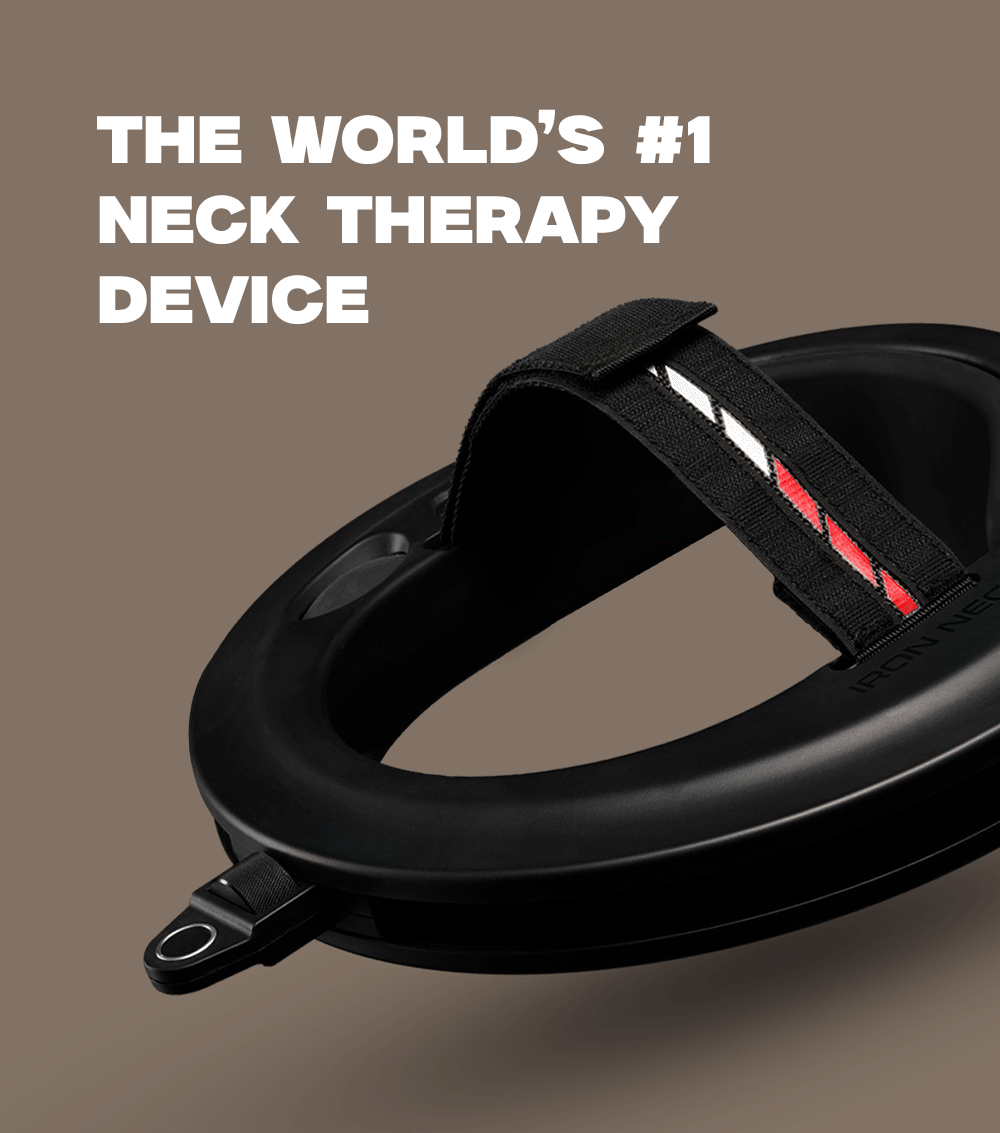
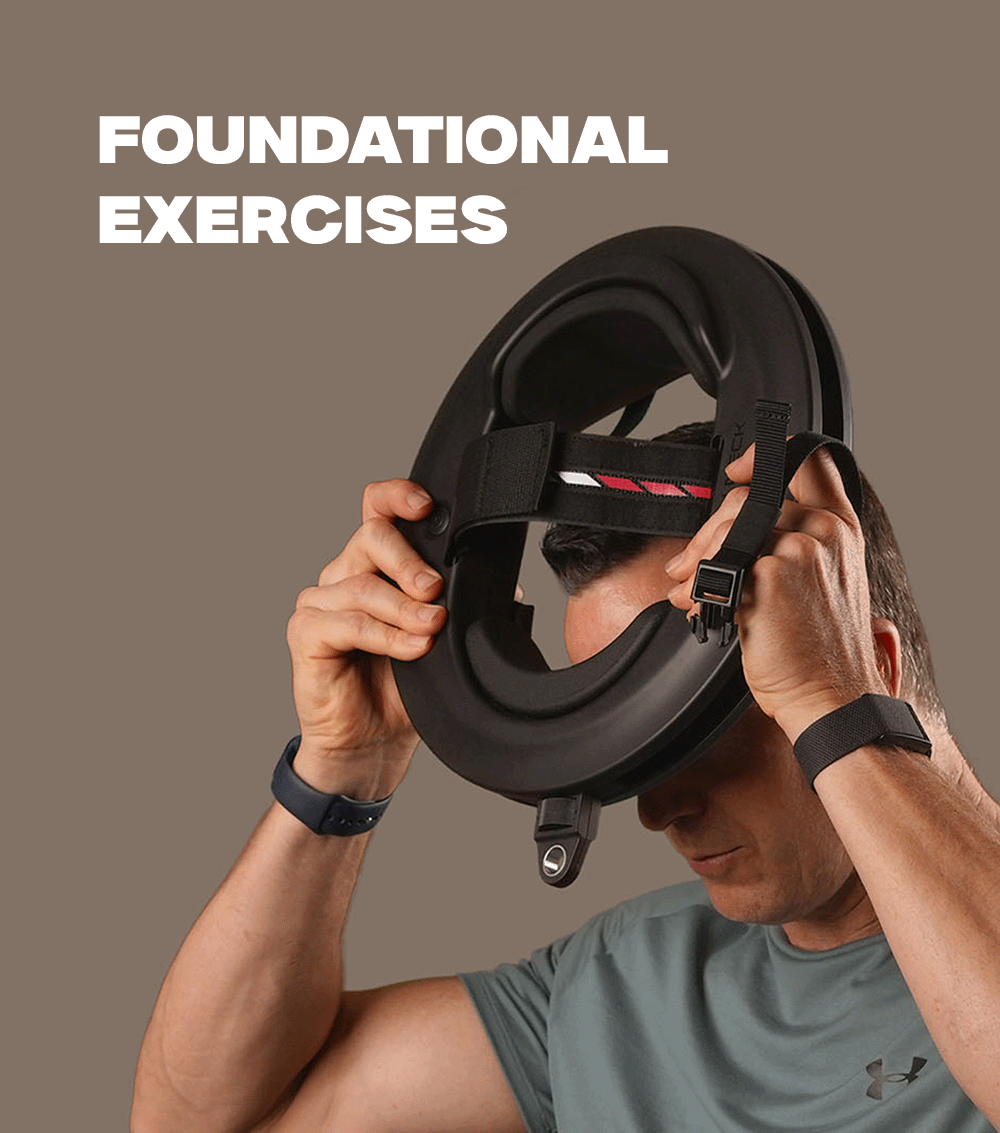
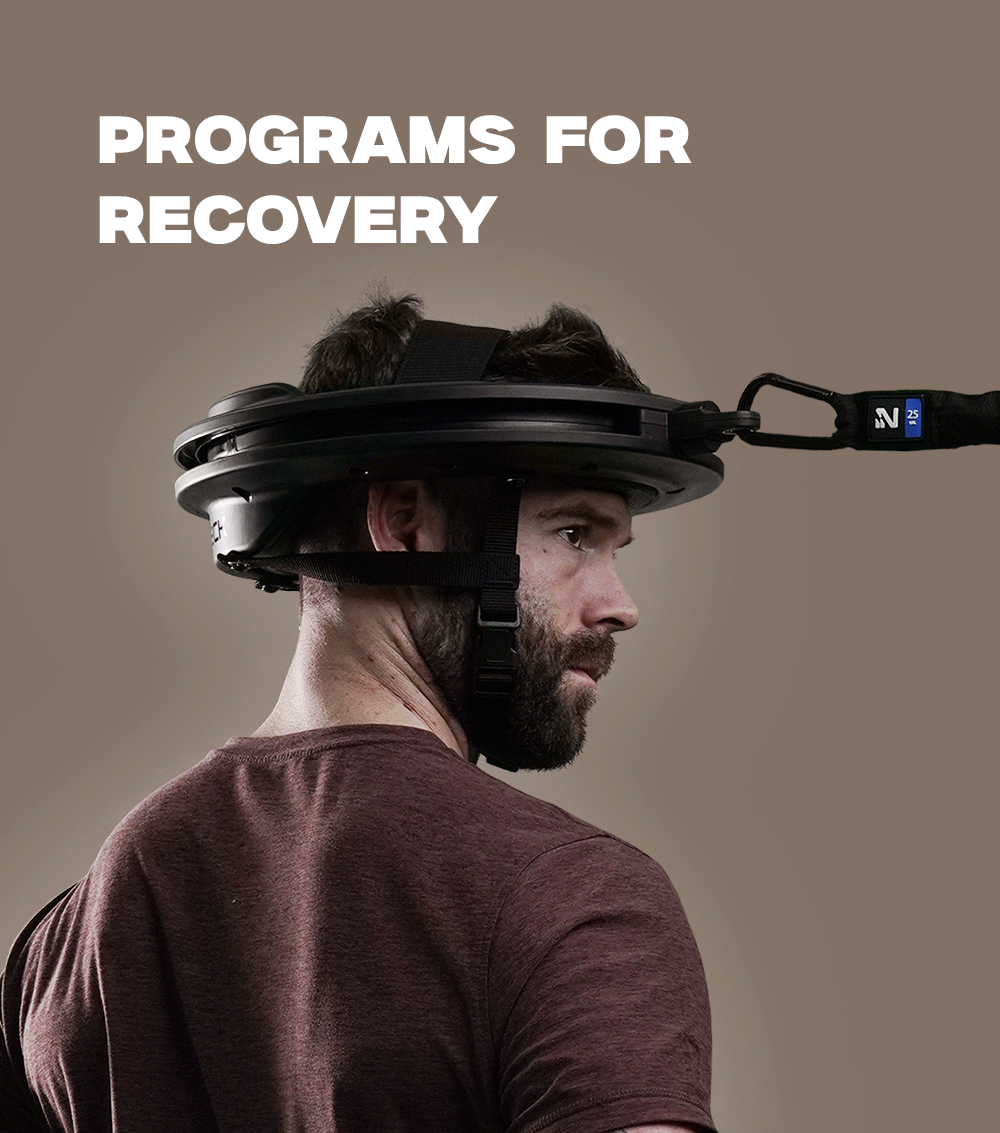
For people with recurrent neck pain, building long-term cervical strength and endurance is the most effective strategy for preventing future episodes. The Iron Neck resistance bands provide a simple and effective tool for upper back and shoulder strengthening, including face pulls and pull-aparts that target the lower trapezius and posterior rotator cuff. For more comprehensive cervical strengthening, the Iron Neck device provides adjustable, 360-degree resistance for cervical rotation and extension training, allowing you to build significant cervical strength with the same progressive overload principles used in strength training.
When to See a Doctor
Most mechanical neck pain resolves within two to four weeks with the self-care measures described in this guide. Seek medical attention if your pain is severe or worsening despite conservative management, if you have radiating pain or numbness into the arms or hands, if you have significant weakness in the arms or hands, if you have a fever along with neck pain and stiffness, or if your pain came on after a significant trauma. These presentations may indicate a more serious condition that requires professional assessment.
Iron Neck is the only device that trains your neck through 360 degrees of resistance, combining rotation, extension, and lateral movement in one tool. Used by NFL teams, UFC fighters, and physical therapists.
Frequently Asked Questions
When should I see a doctor for neck pain?
Seek medical attention if neck pain is accompanied by numbness or tingling in the arms, weakness, severe headache, fever, or pain following trauma. Pain that persists beyond 2-3 weeks without improvement also warrants evaluation.
Can exercises really help neck pain?
Yes. Research consistently shows that targeted neck strengthening exercises are among the most effective long-term treatments for chronic neck pain. They address the underlying muscle weakness and imbalances that cause pain, rather than just masking symptoms.
How long does neck pain typically last?
Acute neck pain from minor strains typically resolves in 1-2 weeks. Chronic neck pain (lasting more than 3 months) requires a more comprehensive approach including strengthening, posture correction, and ergonomic changes.


Leave a comment
This site is protected by hCaptcha and the hCaptcha Privacy Policy and Terms of Service apply.