



Neck Pain Exercises: The Evidence-Based Guide to Relief
Neck pain is one of the most prevalent musculoskeletal complaints in the world, affecting an estimated 30 to 50 percent of adults at any given time. It is the fourth leading cause of disability globally and a significant driver of healthcare costs and lost productivity. Despite its prevalence, neck pain is frequently managed suboptimally, with many people relying on passive treatments such as massage, heat, and medication that provide temporary relief without addressing the underlying mechanical causes. The evidence is clear: targeted exercise is the most effective long-term treatment for most types of neck pain, producing greater and more durable improvements in pain and function than passive interventions alone. This guide gives you the exercises that the research supports most strongly, organized by type and phase of recovery.
Understanding the Mechanical Causes of Neck Pain
The cervical spine is a complex structure that must balance the competing demands of mobility and stability while supporting the weight of the head, which averages 10 to 12 pounds in neutral position and exerts progressively greater effective force as it moves forward from the center of gravity. The muscles that provide dynamic stability to the cervical spine, particularly the deep cervical flexors (longus colli and longus capitis) and the deep cervical extensors (semispinalis cervicis), are frequently weak and poorly coordinated in people with chronic neck pain. This weakness leads to increased loading of the passive structures of the cervical spine, including the intervertebral discs, facet joints, and ligaments, which over time produces pain, stiffness, and degenerative change.
The most common postural contributor to neck pain is forward head posture, in which the head sits anterior to its optimal position over the shoulders. For every inch the head moves forward from its neutral position, the effective weight it exerts on the cervical spine increases by approximately 10 pounds. A head that is 3 inches forward of neutral, which is common in people who spend significant time at a computer or on a smartphone, exerts approximately 40 pounds of effective force on the cervical spine, compared to the 10 to 12 pounds it would exert in neutral position.
Phase 1: Acute Neck Pain Management
During the acute phase of neck pain, when pain is significant and movement is restricted, the priority is managing pain and beginning gentle movement without aggravating the condition. Avoid complete rest; the evidence consistently shows that staying active within your pain tolerance produces better outcomes than bed rest for acute neck pain.
Gentle Active Range of Motion: Perform slow, controlled movements through your comfortable range of motion in all planes: flexion (chin to chest), extension (looking up), lateral flexion (ear to shoulder), and rotation (looking over the shoulder). Move only to the point where you feel mild discomfort, not sharp pain. Perform 10 repetitions in each direction, twice daily. These movements maintain joint mobility, reduce muscle guarding, and promote circulation to the healing tissues.
Chin Tucks: Sit or stand with your back straight. Without tilting your chin up or down, slide your head straight back as if making a double chin. Hold for 3 seconds and release. Perform 3 sets of 15 repetitions. Chin tucks activate the deep cervical flexors and gently mobilize the upper cervical spine, making them one of the most beneficial exercises for acute neck pain.
Gentle Neck Stretches: Perform gentle stretches for the upper trapezius (ear to shoulder with gentle overpressure), levator scapulae (chin to armpit), and suboccipitals (chin to chest). Hold each stretch for 20 to 30 seconds and perform twice per side. Avoid aggressive or forced stretching during the acute phase.
Phase 2: Strengthening the Deep Cervical Flexors
The deep cervical flexors are the most important muscles to train for long-term neck pain relief. They are also the most commonly neglected. Most people have never performed a targeted deep cervical flexor exercise, which is one reason neck pain is so prevalent and so prone to recurrence.
Chin Tucks (Progressive): Once the basic chin tuck can be performed without pain, progress by adding a 5-second hold at the end range and increasing to 3 sets of 20 repetitions. The deep cervical flexors are endurance muscles that respond well to higher repetition ranges and longer holds.
Supine Chin Tucks: Lie on your back on a firm surface. Perform a chin tuck by pressing the back of your head gently into the surface while keeping your chin tucked. Hold for 5 seconds. Perform 3 sets of 10 repetitions. The supine position removes the effect of gravity and allows you to focus purely on the deep flexor activation pattern.
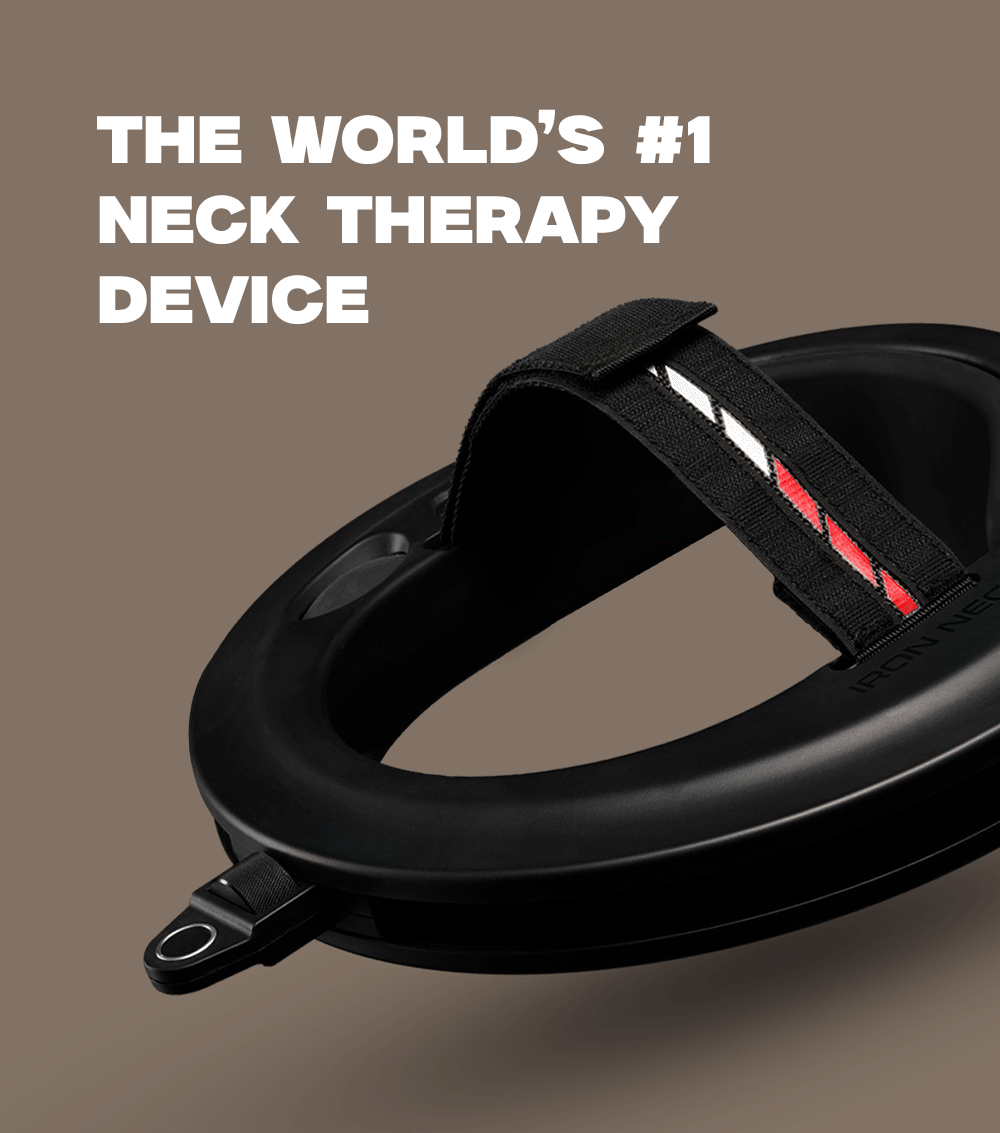
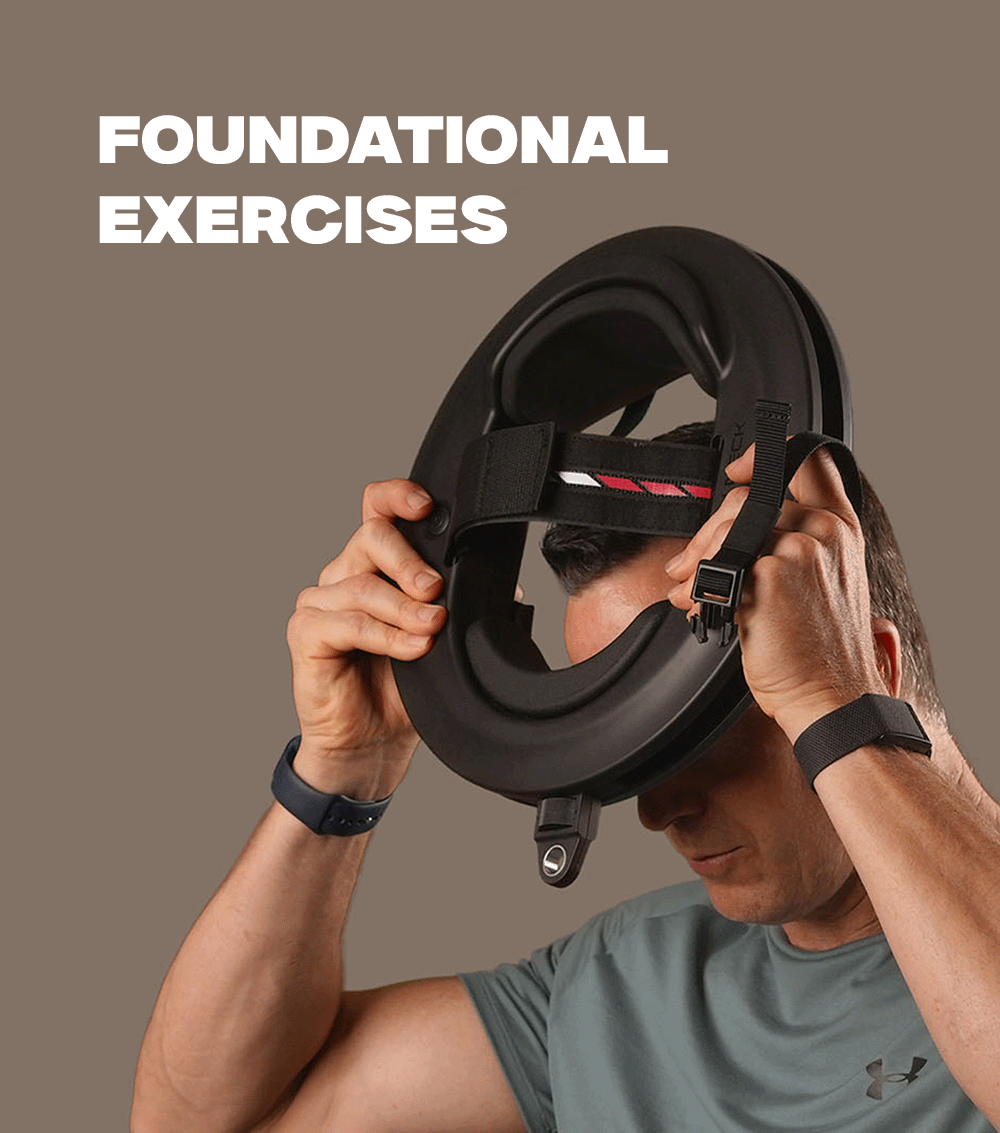
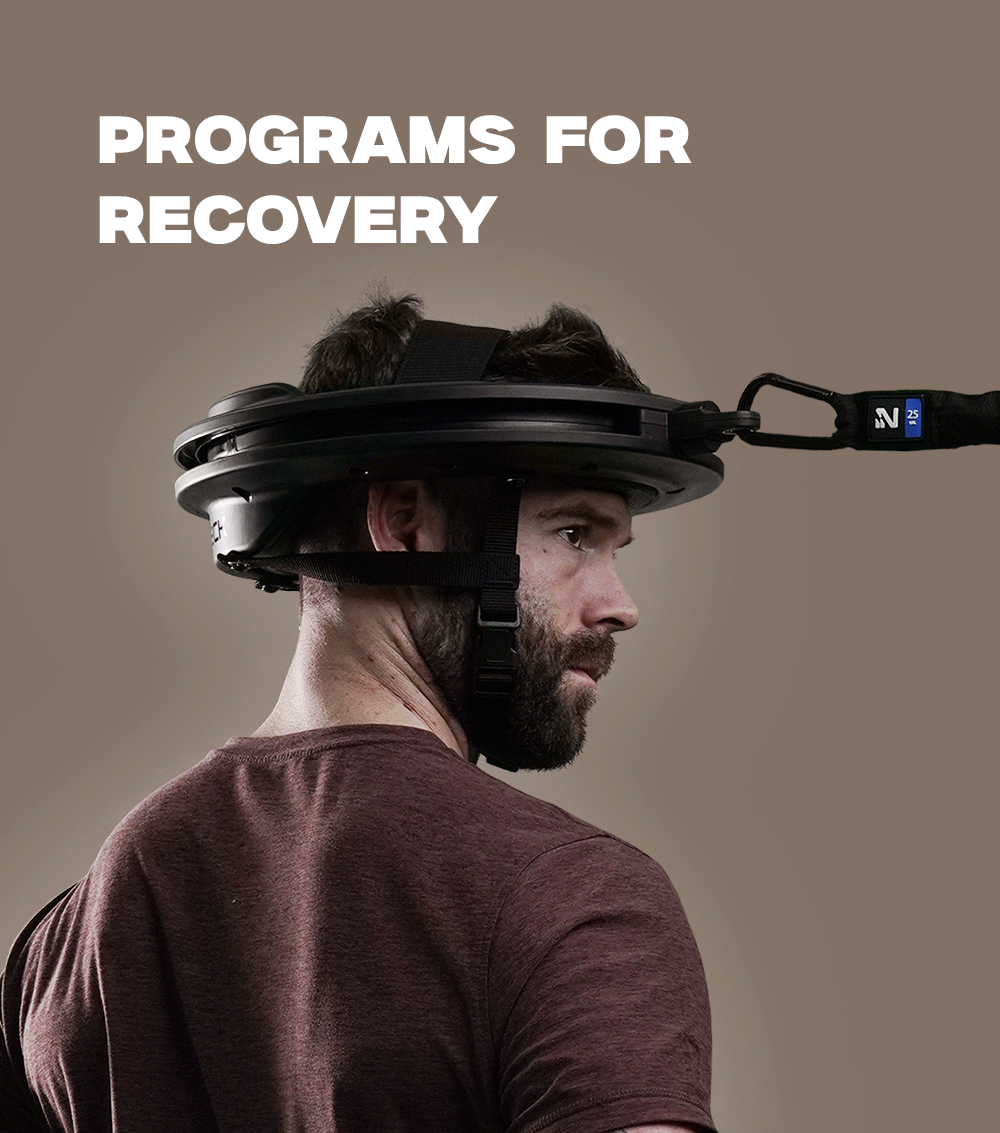
Resisted Cervical Retraction: Once you have been performing chin tucks for four to six weeks, adding resistance accelerates the development of the deep cervical flexors. A resistance band held against the forehead provides a simple form of resistance. For more systematic and progressive resistance training of the cervical extensors and rotators, the Iron Neck device provides adjustable, 360-degree resistance that allows you to train cervical rotation and extension with the same progressive overload principles used in strength training.
Phase 3: Upper Back and Scapular Strengthening
The position of the shoulder blades determines the mechanical environment of the cervical spine. When the shoulder blades are rounded forward and the upper back is kyphotic, the head cannot sit over the shoulders regardless of how strong the deep cervical flexors are. Upper back strengthening is therefore an essential component of neck pain rehabilitation.
Band Face Pulls: Attach a resistance band at face height. Pull the band toward your face while simultaneously externally rotating your shoulders. Squeeze your shoulder blades together and down. Perform 3 sets of 15 repetitions. The Iron Neck resistance bands are ideal for this exercise.
Band Pull-Aparts: Hold a resistance band in front of you at chest height with both hands, arms straight. Pull the band apart by squeezing your shoulder blades together. Return slowly. Perform 3 sets of 20 repetitions.
Prone Y-T-W Raises: Lie face down with your arms extended overhead in a Y position. Lift your arms off the floor by squeezing your lower trapezius. Hold for 2 seconds and lower. Move your arms to a T position and repeat. Then bend your elbows to 90 degrees in a W position and repeat. Perform 2 sets of 10 repetitions in each position.
Ergonomic Modifications to Support Recovery
Exercise produces the structural changes needed for recovery. Ergonomic modifications ensure those changes are reinforced throughout the day rather than being undone by hours of poor positioning. Raise your monitor to eye level so that the top of the screen is at or slightly below eye height. Hold your phone at face height rather than looking down at it. Set a timer to perform a quick chin tuck and shoulder blade squeeze every hour. Use a supportive pillow that maintains the natural cervical curve during sleep. These modifications reduce the mechanical load on the cervical spine during the hours when you are not exercising and significantly accelerate recovery.
When to Seek Professional Assessment
The exercises in this guide are appropriate for most people with mechanical neck pain. Seek professional assessment if your pain is severe or worsening despite conservative management, if you have radiating pain or numbness into the arms, if you have significant weakness in the arms or hands, if you have balance problems or difficulty walking, or if your pain came on after a specific trauma such as a fall or motor vehicle accident. These presentations may indicate a more serious cervical condition that requires imaging and professional assessment before beginning an exercise program.
Iron Neck is the only device that trains your neck through 360 degrees of resistance, combining rotation, extension, and lateral movement in one tool. Used by NFL teams, UFC fighters, and physical therapists.


1 comment
Zedrick Radnore Duce
Really useful information on severe acute pain. Understanding the underlying cause is an important part of finding an appropriate approach to pain management. https://painrxaustralia.com
Leave a comment
This site is protected by hCaptcha and the hCaptcha Privacy Policy and Terms of Service apply.