



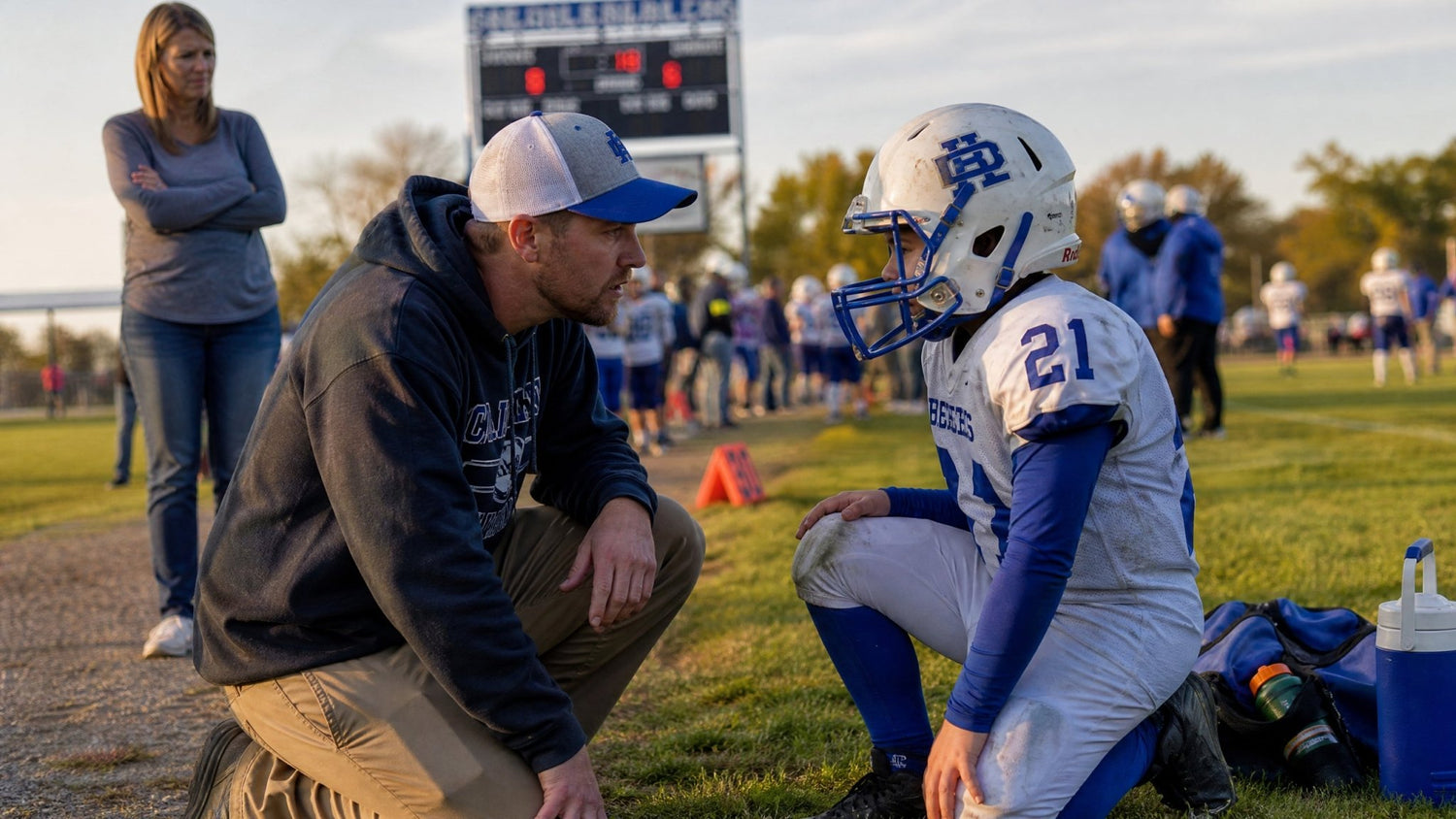
Youth Football Safety: What Parents Need to Know About Concussion, Neck Strength, and Player Protocols
Youth football participation has declined over the past decade, driven in part by parental concerns about player safety — particularly head injuries. These concerns are legitimate and deserve honest, evidence-based answers. This guide provides parents with the information they need to make informed decisions about their child's participation and to be effective advocates for their safety.
Understanding the Risks: An Honest Assessment
Football is a contact sport with real injury risks. The most common injuries in youth football are musculoskeletal: sprains, strains, and fractures. Concussions are less common but receive disproportionate attention due to their potential for long-term neurological effects.
The risk of concussion in youth football is real but often overstated in media coverage. The incidence of concussion in high school football is approximately 4–5 per 10,000 athlete exposures — lower than ice hockey and comparable to girls' soccer. The risk is manageable with proper protocols, equipment, and coaching.
The long-term neurological risks of youth football participation are genuinely uncertain. Research on chronic traumatic encephalopathy (CTE) has focused primarily on professional players with decades of high-level exposure. The applicability of these findings to youth players with 2–4 years of participation is not established. Parents should be aware of this uncertainty and make decisions accordingly.
What Good Programs Do: Questions to Ask
Not all youth football programs are equally safe. Parents should ask specific questions before enrolling their child:
Coaching and Certification
- Are coaches certified in concussion recognition? (Required in most states)
- Are coaches certified in CPR and AED use?
- Has the coaching staff completed USA Football's Heads Up Football certification?
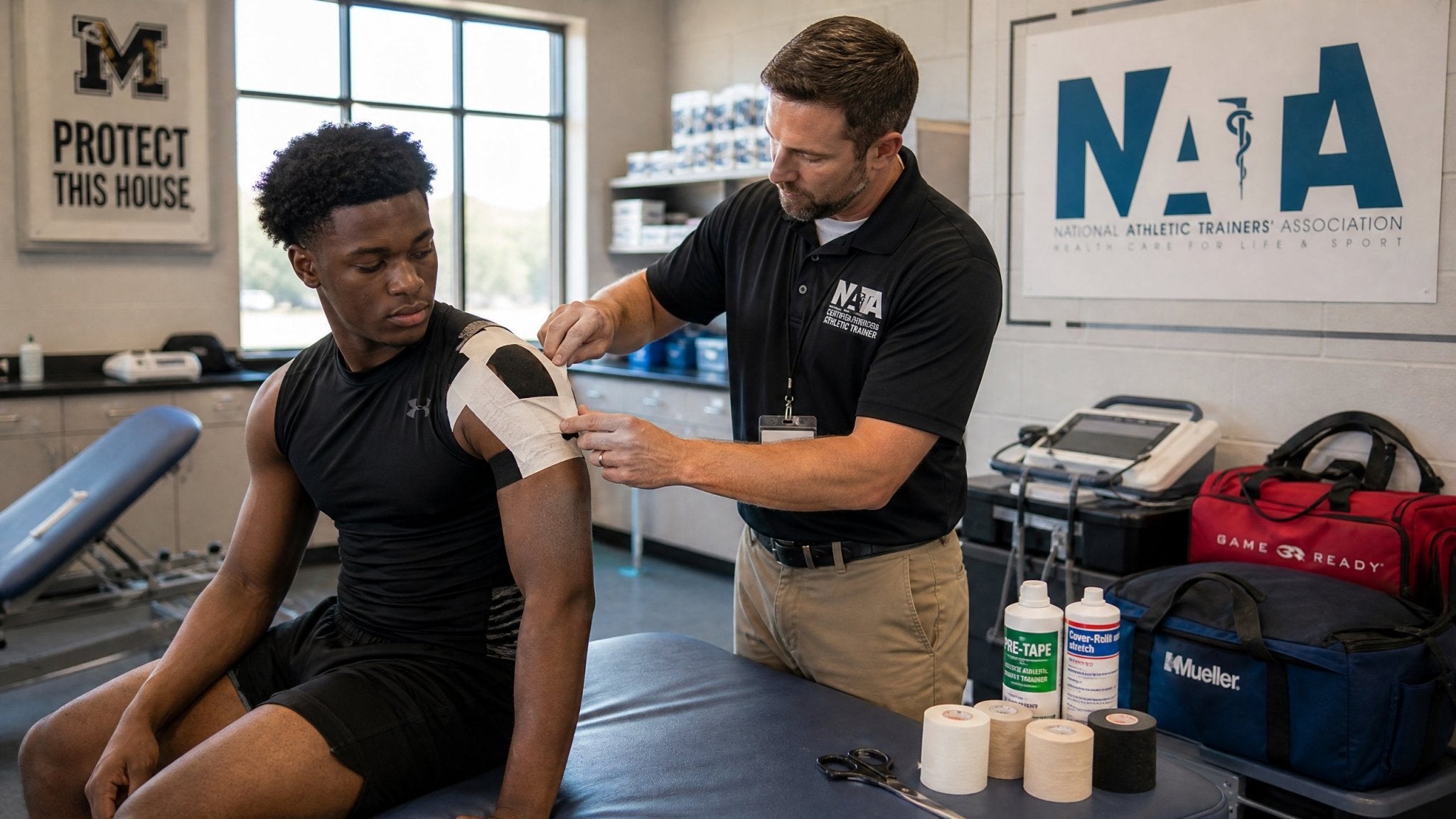
- Is there a certified athletic trainer present at practices and games?
Concussion Protocol
- What is the program's concussion protocol?
- What happens when a player is suspected of having a concussion?
- Who makes the decision to remove a player from play?
- What is the return-to-play process?
Equipment
- Are all helmets NOCSAE-certified?
- When were the helmets last reconditioned?
- How are helmets fitted — by a trained equipment manager or by coaches?
Contact Management
- How much full-contact practice does the program conduct?
- What tackling system does the program use?
- Does the program have a neck strength training component?
Neck Strength: The Most Important Safety Investment You Can Make
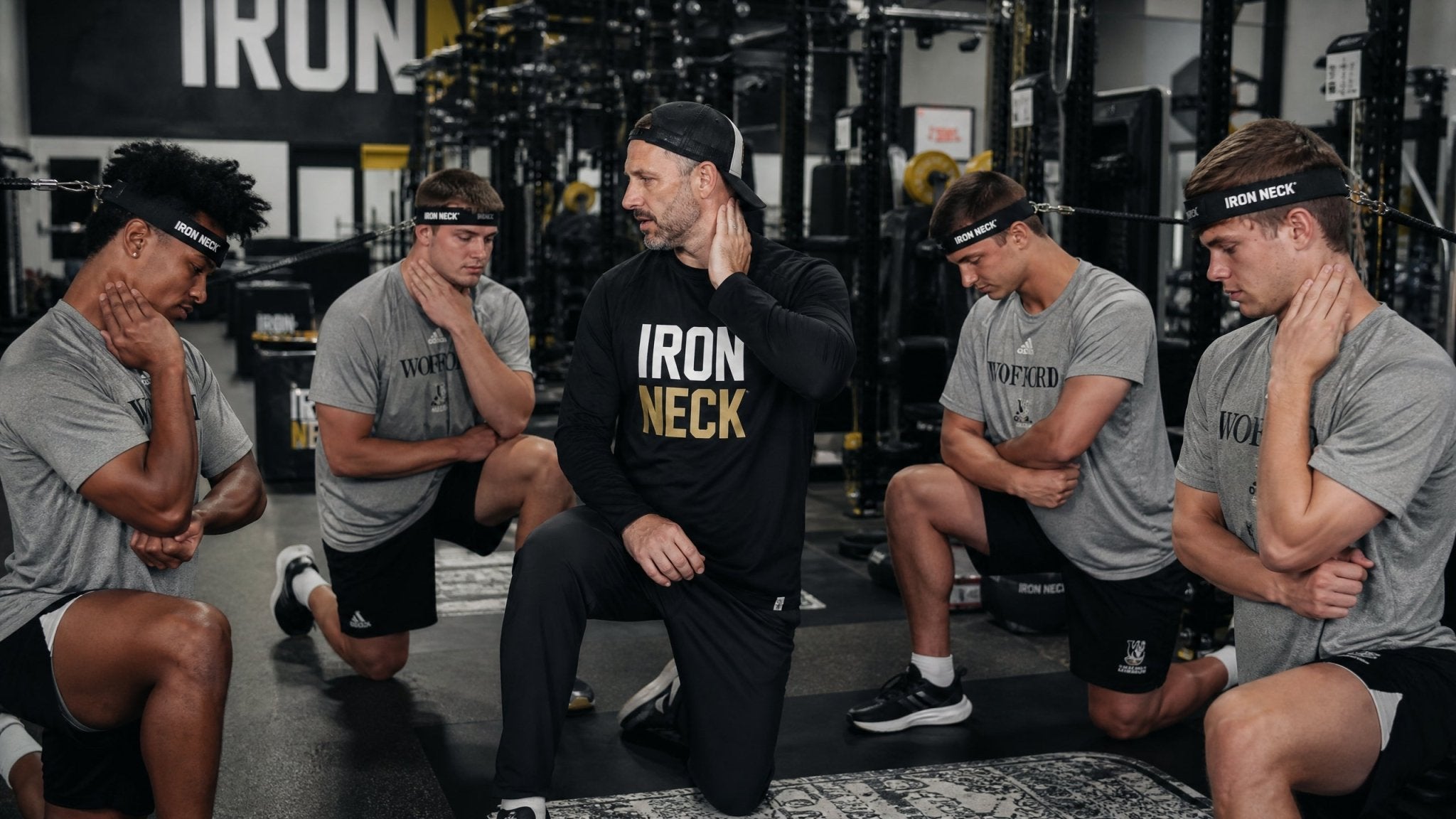
Of all the interventions available to reduce concussion risk in youth football players, neck strength training has the strongest evidence base and the most direct mechanism of action. Research shows that for every 1-pound increase in neck strength, concussion odds decrease by approximately 5%.
For a youth player with an average neck strength of 8–10 pounds, building to 14–16 pounds over a training cycle could reduce their concussion risk by 30–40%. This is a larger effect than any helmet technology currently available.
Parents can support neck strength development at home:
- Isometric neck exercises against manual resistance (self-applied or with a partner) take 10 minutes and can be done daily
- Resistance band neck exercises are safe and effective for youth athletes
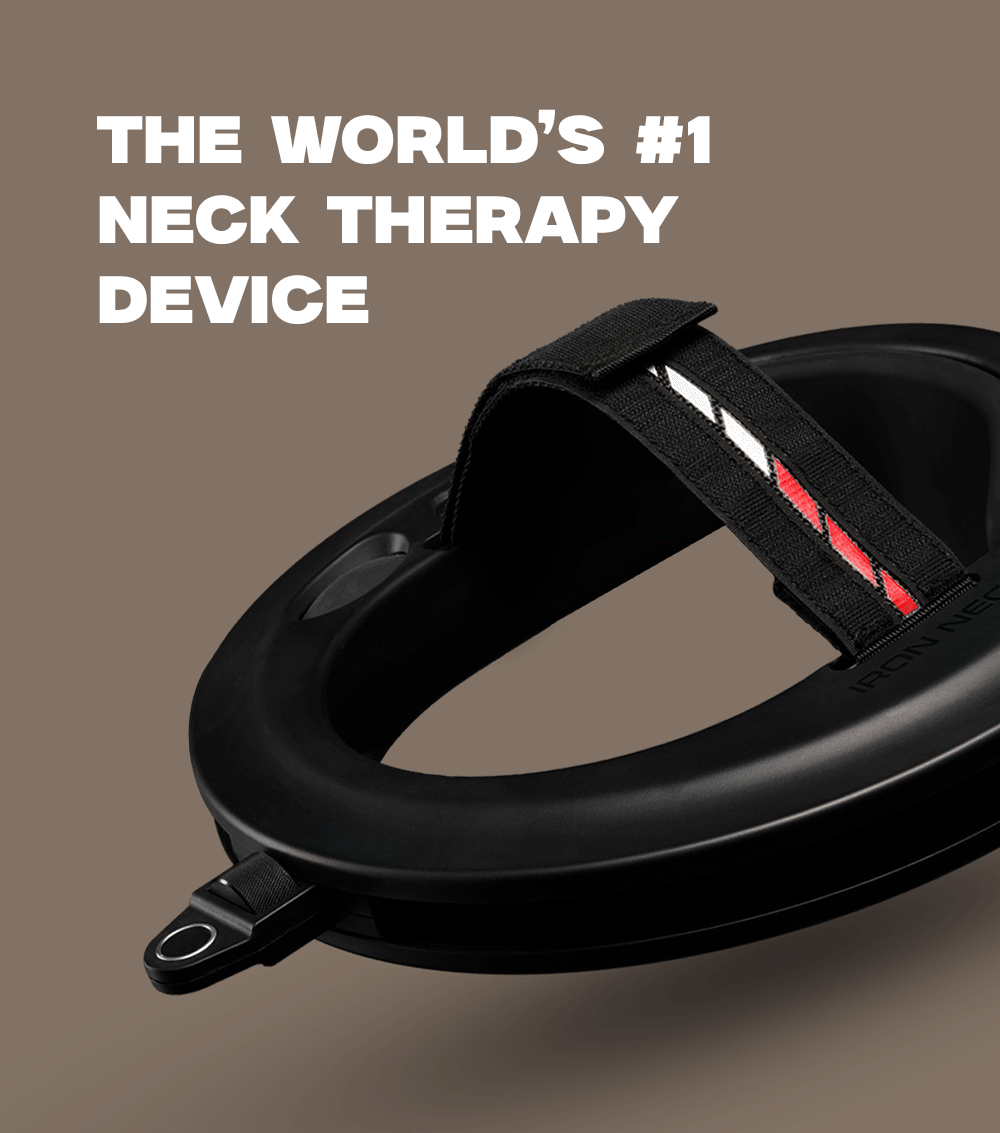
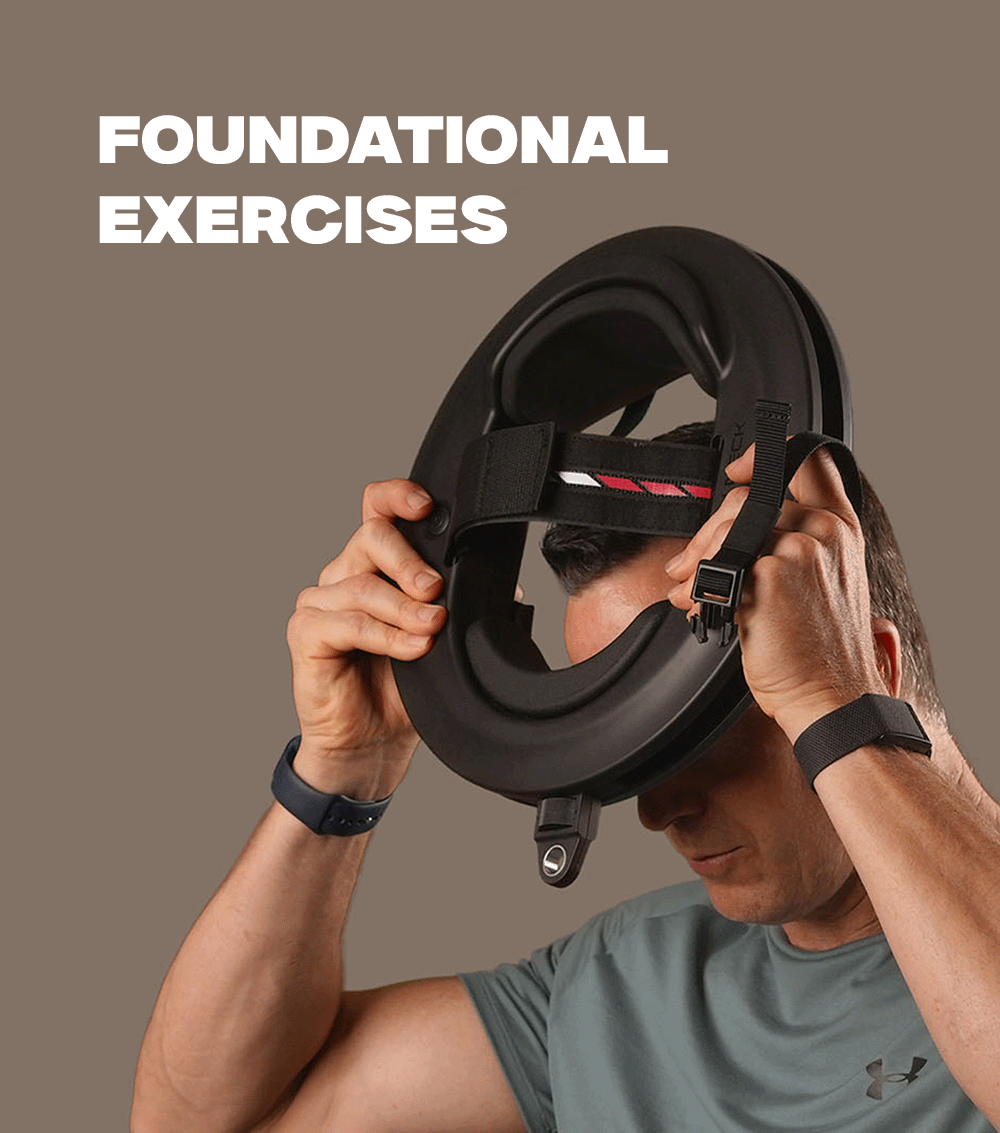
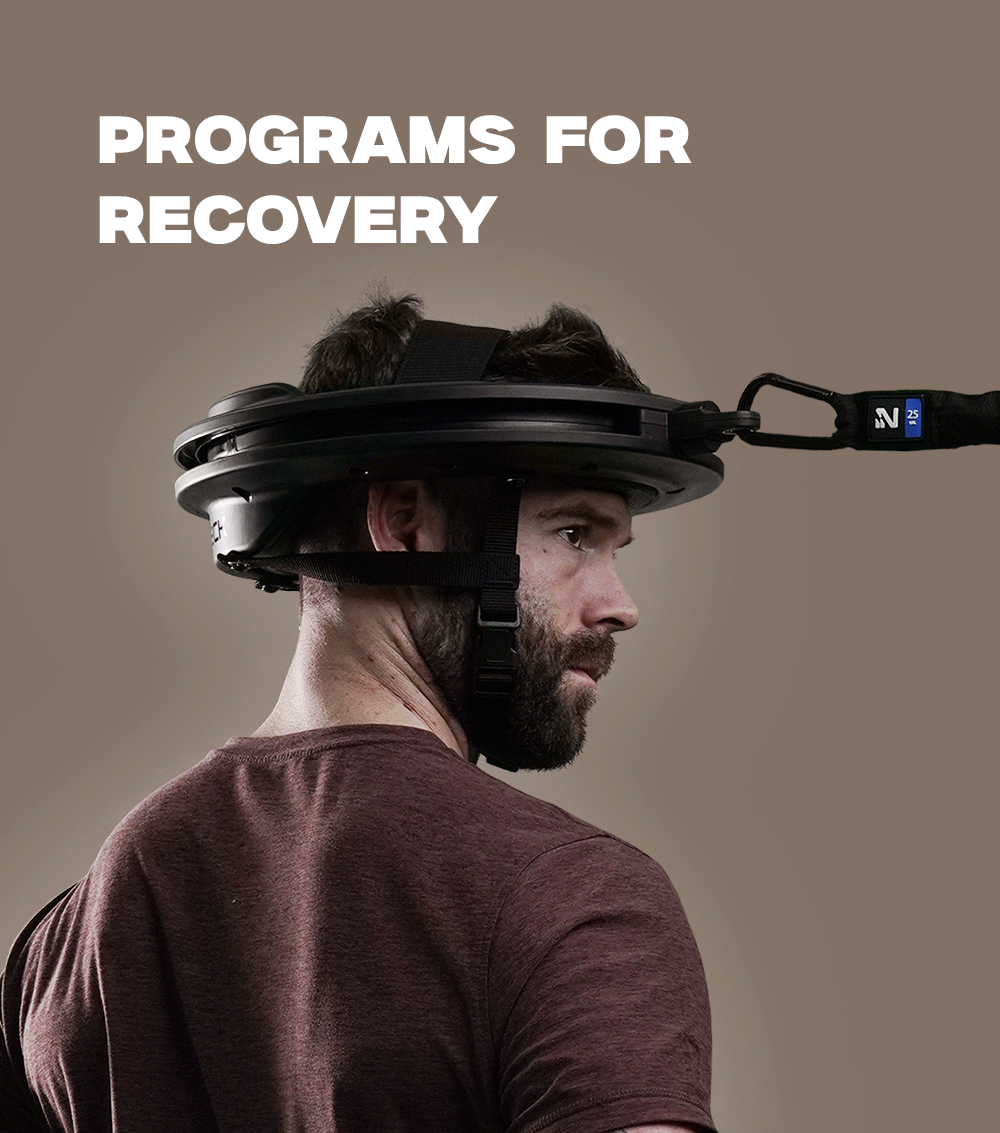
- The Iron Neck device is available for home use and provides the most comprehensive neck training available outside of a professional facility
Ask your child's program whether they include neck strength training. If they do not, advocate for it. The evidence is clear and the implementation is straightforward.
Recognizing Concussion: What Parents Need to Know
Parents are often the first to notice concussion symptoms — not coaches. Knowing the signs is essential:
Immediate Signs (During or Right After Play)
- Appears dazed or stunned
- Moves clumsily
- Answers questions slowly
- Shows behavior or personality changes
- Cannot recall events before or after the hit
- Loss of consciousness (occurs in fewer than 10% of concussions)
Symptoms Your Child May Report
- Headache or pressure in the head
- Nausea or vomiting
- Balance problems or dizziness
- Double or blurry vision
- Sensitivity to light or noise
- Feeling sluggish, foggy, or groggy
- Concentration or memory problems
- Sleep disturbances
- Mood changes, irritability, sadness
If you suspect your child has a concussion: Remove them from play immediately. Do not allow them to return that day, even if they say they feel fine. Have them evaluated by a healthcare provider before returning to any contact activity.
Supporting Your Athlete Through Injury
Injury — particularly concussion — is psychologically difficult for young athletes. The removal from sport, the uncertainty about recovery, and the fear of missing games can cause significant distress. Parents play a critical role in supporting their athlete through this process:
- Validate their frustration and disappointment — these are normal responses
- Avoid pressuring them to return before they are ready — the return-to-play protocol exists for good reason
- Communicate with the school about academic accommodations — cognitive rest is as important as physical rest
- Monitor for mood changes that may indicate depression or anxiety related to the injury
- Celebrate the return to play as a milestone — the graduated return-to-play protocol is a success story, not a punishment
Youth football, played in a well-run program with proper safety protocols, can be a positive and developmentally valuable experience. The key is finding programs that take safety seriously — and being the kind of parent who asks the right questions.
Leave a comment
This site is protected by hCaptcha and the hCaptcha Privacy Policy and Terms of Service apply.