



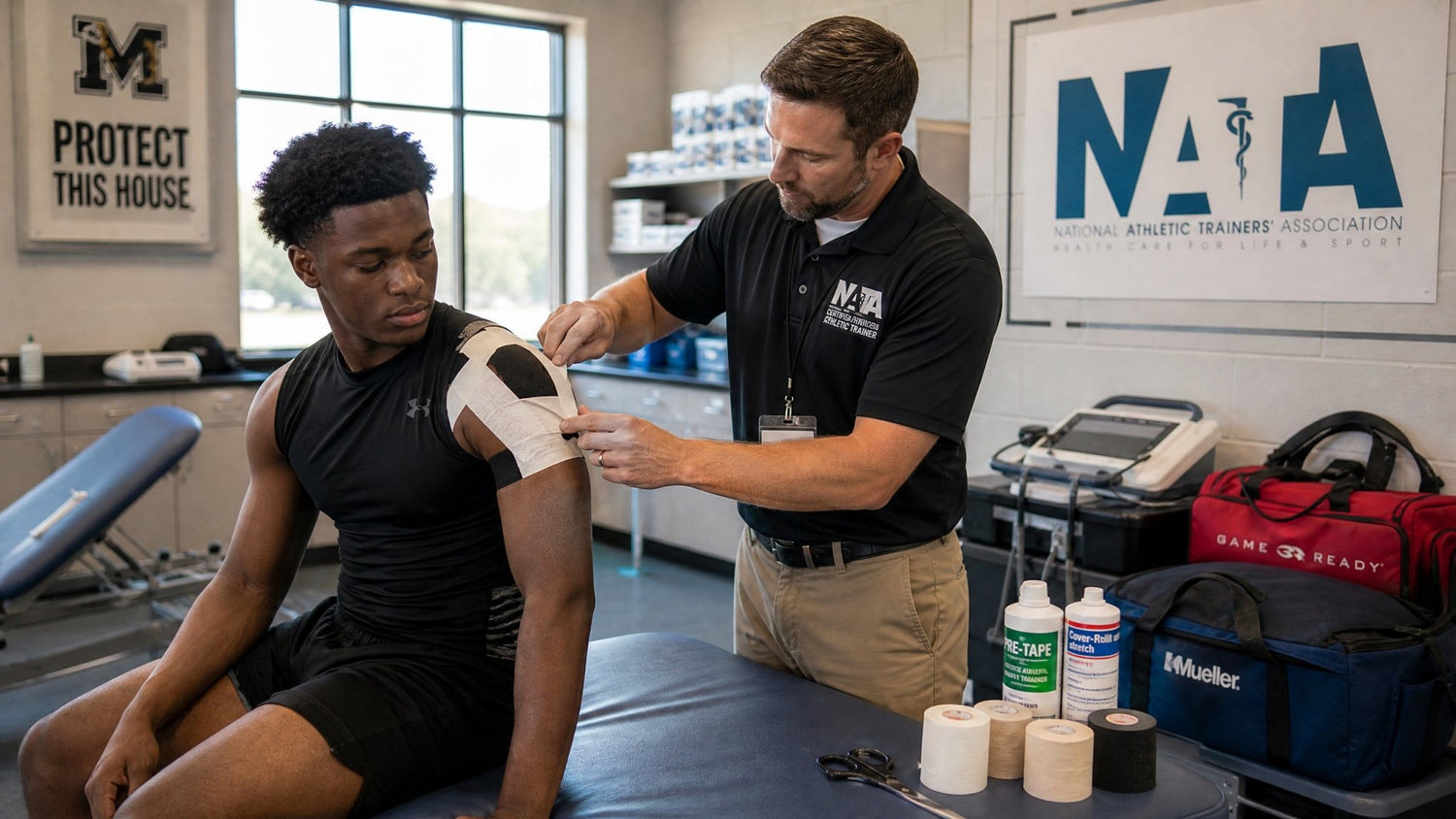
Athletic Trainer's Role in Football Player Safety: Standards, Scope, and Best Practices
The certified athletic trainer (AT) is the cornerstone of any comprehensive football player safety program. ATs are the healthcare professionals who are present at practices and games, who make the real-time decisions about injury management, and who serve as the primary interface between athletes, coaches, and team physicians. Understanding the AT's role, scope of practice, and the standards that govern their work is essential for athletic directors and head coaches who are building effective safety programs.
Who Is a Certified Athletic Trainer?
A certified athletic trainer (ATC) is a healthcare professional who has completed an accredited graduate program in athletic training, passed the Board of Certification (BOC) examination, and maintains continuing education requirements. Athletic trainers are licensed in most states and practice under the supervision of a physician.
Athletic training is distinct from personal training, strength coaching, and sports medicine in general. ATs are specifically trained in injury prevention, clinical evaluation, immediate care, treatment, rehabilitation, and return-to-activity decisions for physically active populations.
NATA Standards for Athletic Trainer Coverage
The National Athletic Trainers' Association (NATA) publishes standards for athletic trainer coverage in secondary school athletics. Key recommendations:
- Full-time AT coverage — NATA recommends that every secondary school with an athletic program have at least one full-time certified athletic trainer
- Practice coverage — an AT should be present at all practices and competitions for high-risk sports, including football
- Physician access — ATs should have access to a team physician for consultation and referral
- Emergency preparedness — ATs should be trained in emergency response and should lead the development and rehearsal of emergency action plans
Despite these recommendations, many high school football programs operate without dedicated AT coverage. Programs without ATs face significantly elevated liability exposure and reduced ability to manage injuries appropriately.
Scope of Practice: What ATs Can and Cannot Do
The AT's scope of practice is defined by state licensure laws and varies somewhat by state. In general, ATs are authorized to:
- Conduct injury assessments and make return-to-play decisions within their scope
- Provide immediate care for injuries, including wound care, splinting, and emergency response
- Design and implement rehabilitation programs for athletic injuries
- Conduct pre-participation screenings and refer athletes for further evaluation
- Administer certain medications under physician standing orders (varies by state)
- Make concussion removal-from-play decisions
ATs are not authorized to diagnose medical conditions, prescribe medications, or perform procedures outside their scope of practice. The AT's relationship with the team physician is collaborative — the AT manages day-to-day injury care, and the physician provides oversight, consultation, and clearance for significant injuries.
Concussion Management: The AT's Central Role
In most football programs, the athletic trainer is the primary concussion management professional. The AT:
- Conducts baseline testing at the start of each season
- Performs sideline assessment using the SCAT6 when concussion is suspected
- Makes the removal-from-play decision
- Communicates with parents and coaches about the injury and the return-to-play process
- Manages the graduated return-to-play protocol
- Coordinates with the team physician for medical clearance
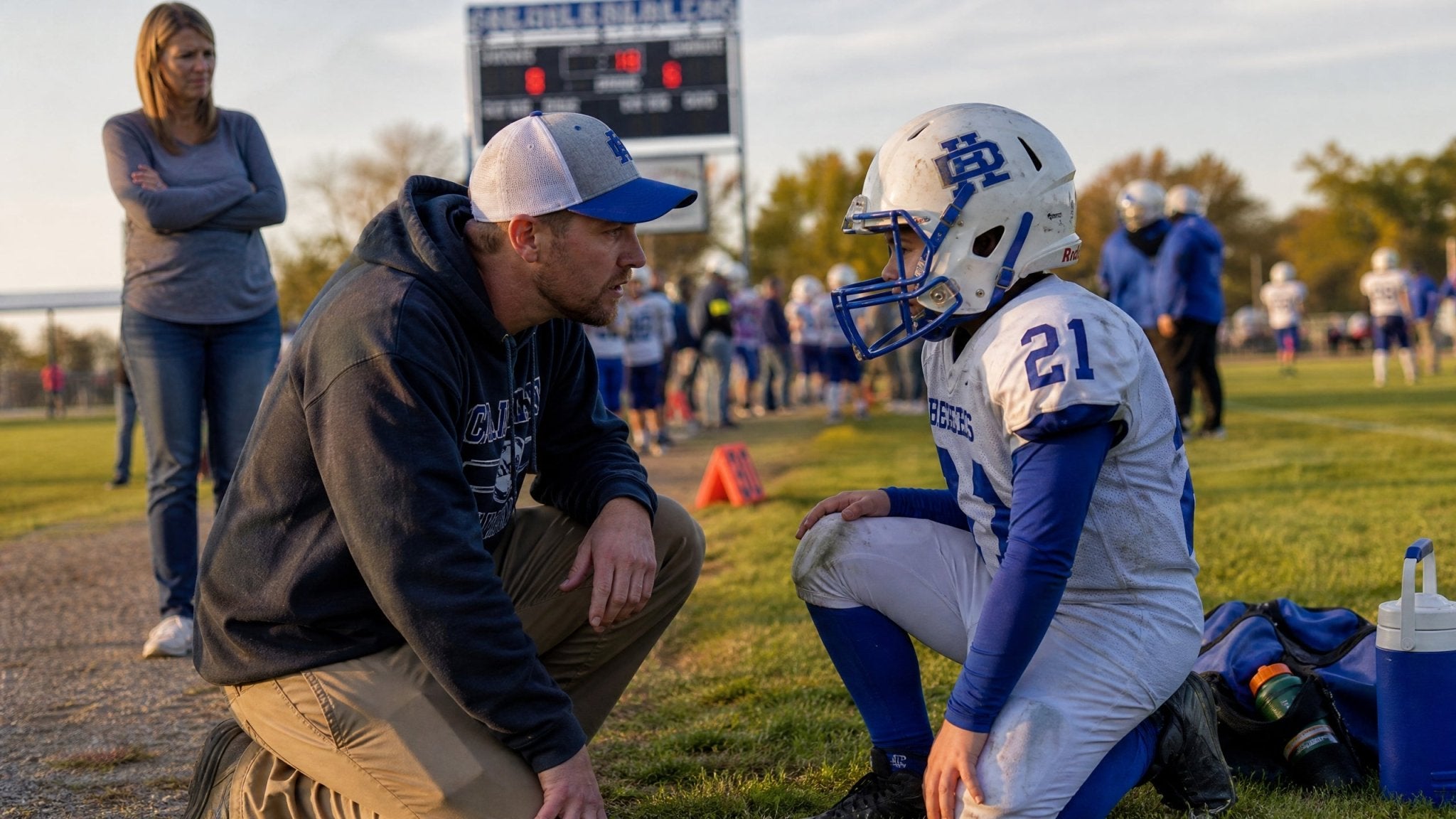
Coaches should never override an AT's concussion management decisions. The AT's clinical judgment in this area is protected by state law in most jurisdictions — removing an athlete from play for suspected concussion is a medical decision, not a coaching decision.
Injury Surveillance: Building the Data Foundation
Systematic injury surveillance — tracking the incidence, type, and circumstances of injuries — is one of the most valuable functions an AT can perform for a football program. Injury data allows programs to:
- Identify patterns that suggest systemic risk factors (e.g., a cluster of ankle sprains on a particular practice surface)
- Evaluate the effectiveness of safety interventions over time
- Demonstrate program safety to parents, administrators, and insurers
- Contribute to the national injury surveillance databases that inform policy development
The High School Reporting Information Online (HS RIO) system and the NCAA Injury Surveillance Program (ISP) are the primary national surveillance platforms. Programs that participate in these systems contribute to the evidence base that improves safety standards for all programs.
Neck Strength Assessment: An Emerging AT Function
As neck strength training becomes more widely recognized as a safety intervention, athletic trainers are increasingly involved in neck strength assessment and program oversight. ATs are well-positioned to:
- Conduct baseline neck strength assessments using handheld dynamometry
- Identify athletes with significant neck strength asymmetries that may indicate prior injury or elevated risk
- Oversee the implementation of neck training programs in collaboration with strength coaches
- Monitor athletes for adverse responses to neck training and modify programs accordingly
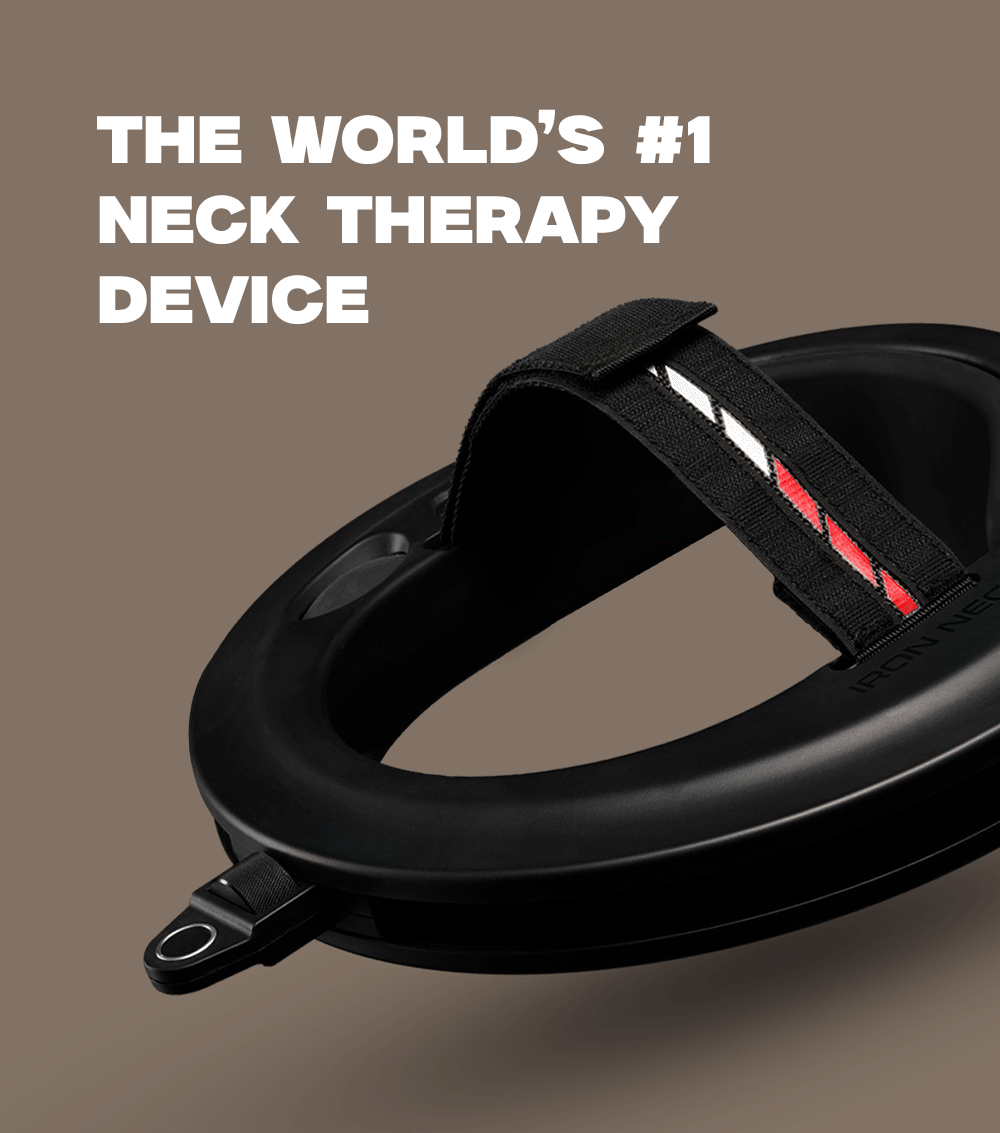
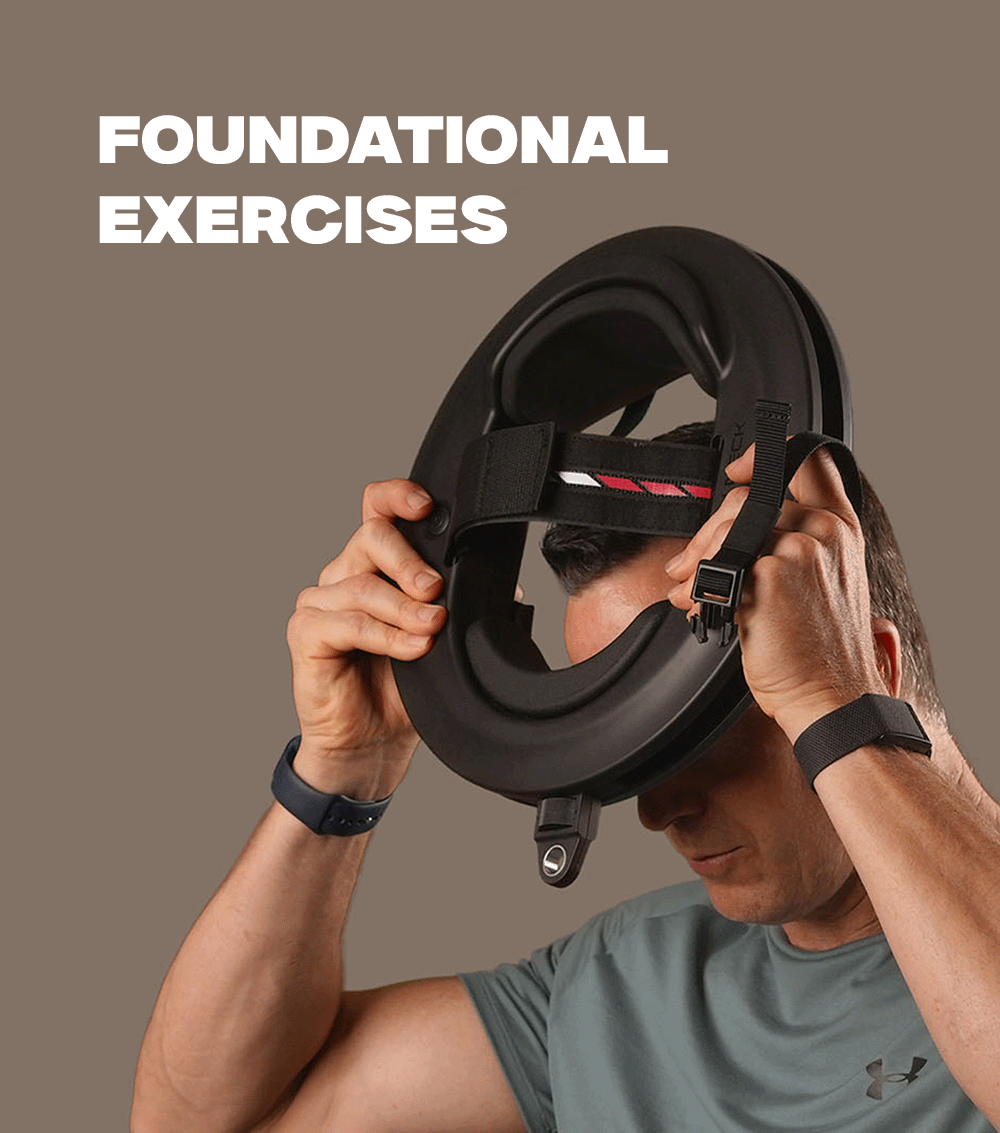
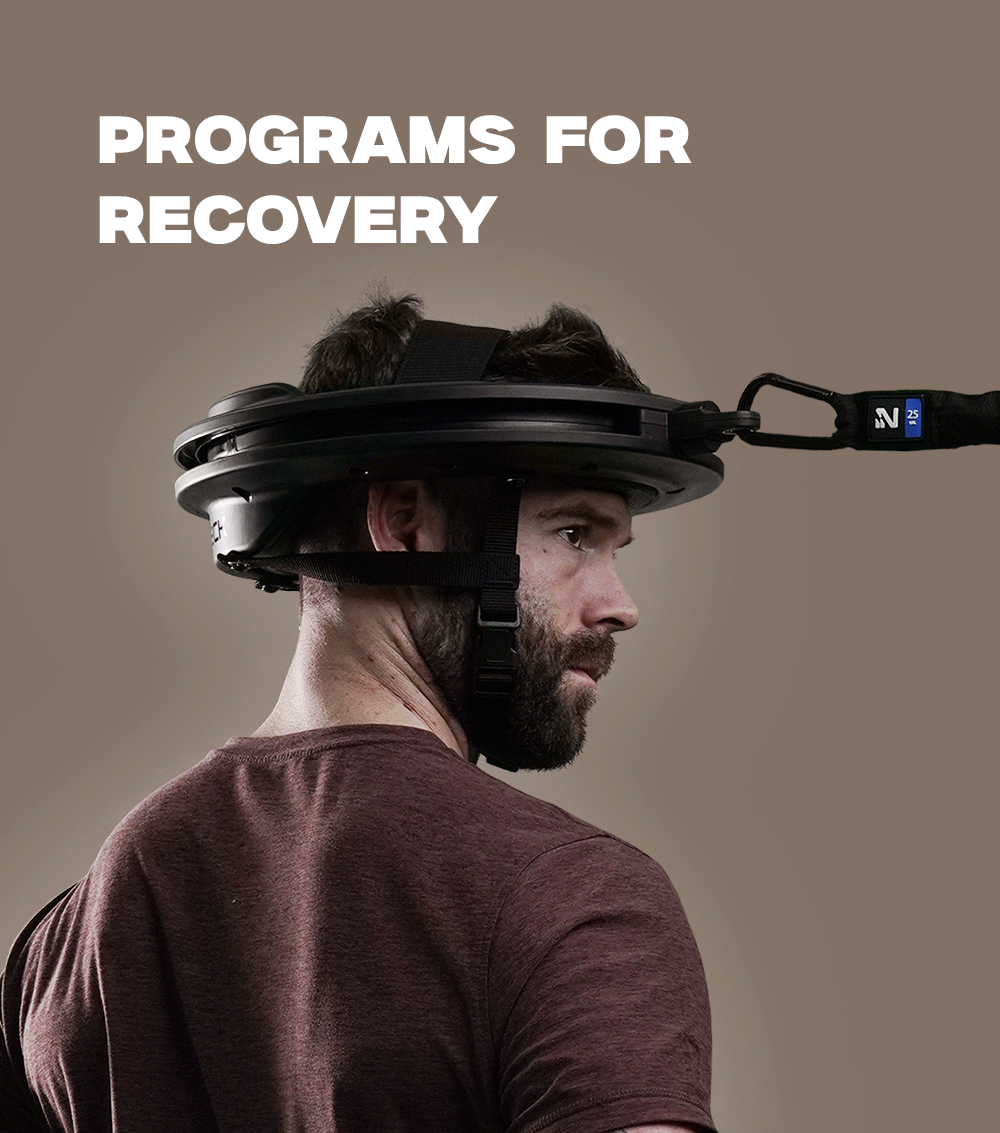
The Iron Neck device is designed to be used safely under AT supervision. ATs who are familiar with the device can integrate it into their injury prevention programming and use it as a rehabilitation tool for athletes recovering from cervical spine injuries.
Building the AT-Coach Partnership
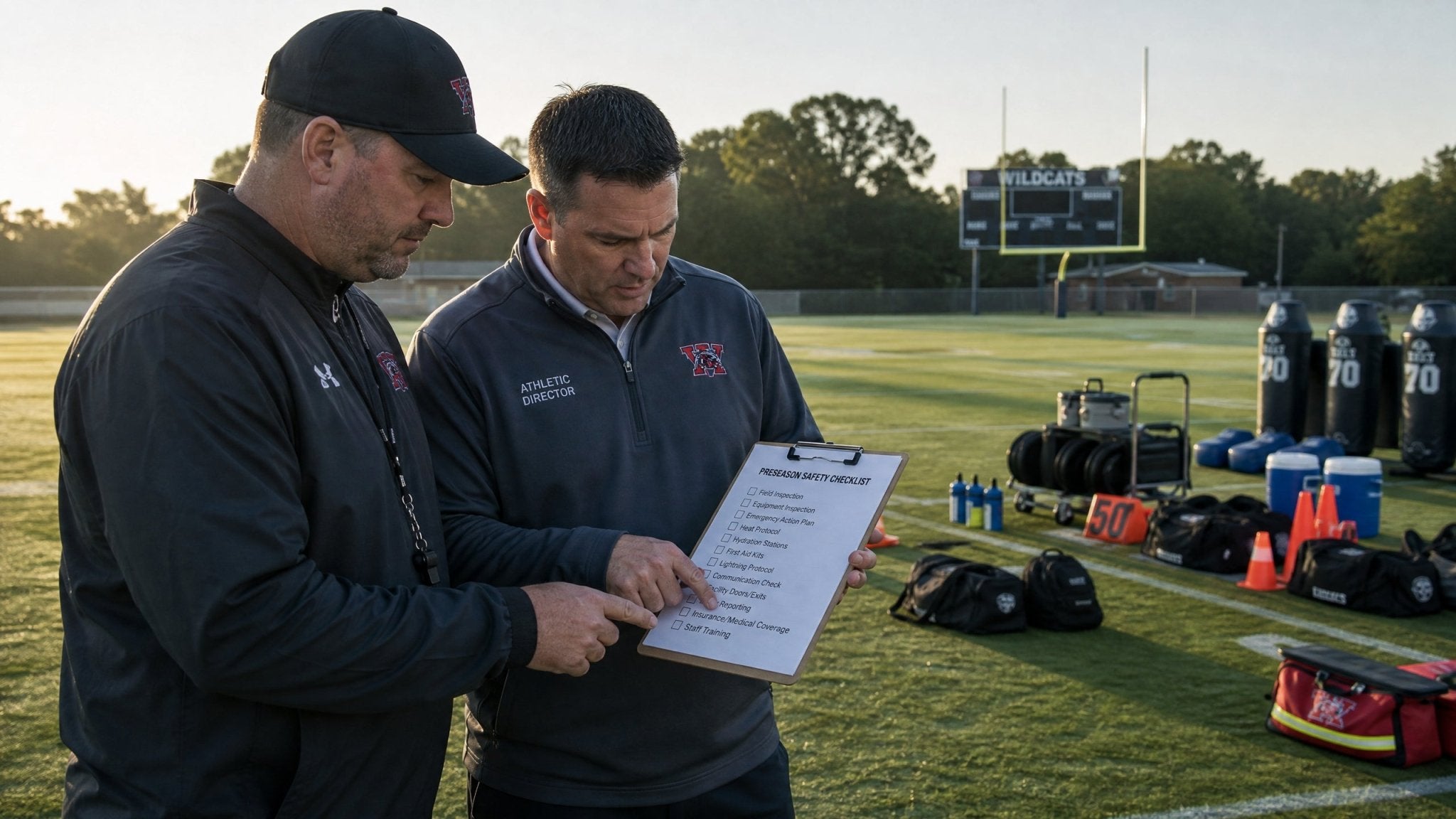
The most effective football safety programs are built on a strong partnership between the athletic trainer and the coaching staff. Key elements of this partnership:
- Mutual respect for scope — coaches respect the AT's medical authority; ATs respect the coach's authority over football decisions
- Clear communication protocols — established procedures for communicating about injuries, return-to-play status, and practice modifications
- Shared safety culture — both coaches and ATs model and reinforce the message that player safety is the program's highest priority
- Regular collaboration — weekly meetings between the AT and head coach to review injury status, upcoming practice plans, and any safety concerns
Programs that invest in this partnership — by hiring qualified ATs, supporting their professional development, and integrating them fully into the program's leadership structure — build the most effective safety cultures in football.
Leave a comment
This site is protected by hCaptcha and the hCaptcha Privacy Policy and Terms of Service apply.