



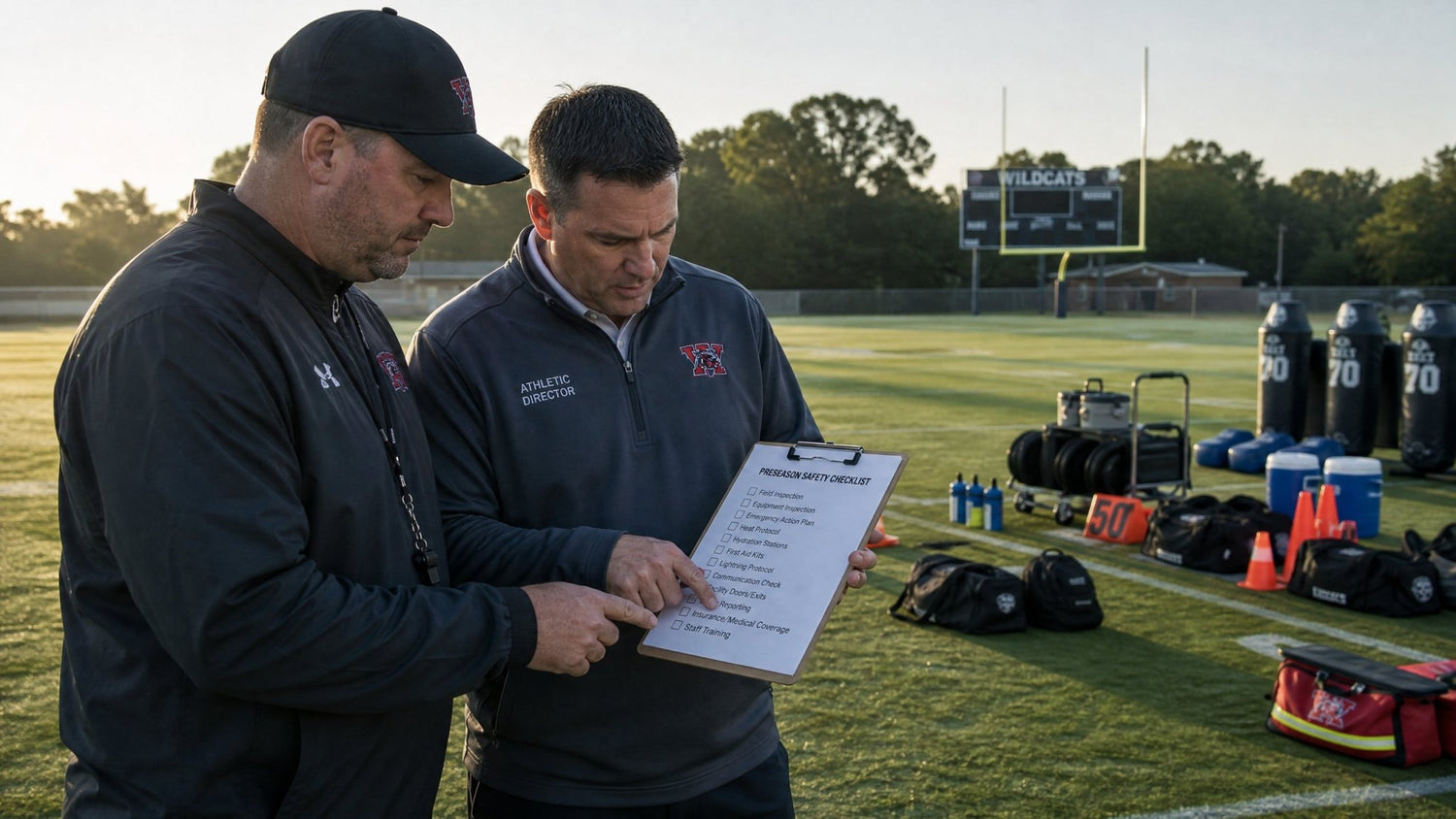
Football Preseason Safety Checklist: Everything Your Program Needs Before the First Practice
The weeks before the first practice are the most important safety preparation period of the football year. Programs that arrive at Day 1 with their safety infrastructure in place are fundamentally different from those that improvise as they go. This checklist covers everything a football program needs to have in place before the first athlete steps on the field.
Medical and Administrative Preparation
Pre-Participation Physical Exams
- [ ] All athletes have completed a PPE with a licensed healthcare provider
- [ ] PPE forms are on file with the athletic trainer
- [ ] Athletes with conditions requiring special monitoring (SCT, cardiac conditions, prior concussions) are identified and protocols are in place
- [ ] Medical clearance has been obtained for all athletes returning from injury or illness
Consent and Documentation
- [ ] Signed participation consent forms on file for all athletes
- [ ] Concussion information sheets distributed and signed by athletes and parents
- [ ] Emergency contact information current for all athletes
- [ ] Insurance information on file for all athletes
Coach Certifications
- [ ] All coaches have completed annual concussion recognition training
- [ ] All coaches have current CPR/AED certification
- [ ] Heat safety training completed by all coaching staff
- [ ] USA Football Heads Up certification current (if applicable)
- [ ] Strength coaches hold current CSCS or SCCC certification
Emergency Preparedness
Emergency Action Plans
- [ ] Venue-specific EAPs written and reviewed for all practice and competition locations
- [ ] EAPs distributed to all staff and posted in the athletic training room
- [ ] EAP rehearsal scheduled for the first week of preseason
- [ ] Local EMS has been briefed on facility access and emergency protocols
Emergency Equipment
- [ ] AED inspected and batteries/pads current
- [ ] AED location known to all staff
- [ ] Spine board and cervical collars available and accessible
- [ ] Cold-water immersion tub available for outdoor practices
- [ ] Emergency medical kit stocked and current
- [ ] Facemask cutters in the emergency kit
Equipment
Helmets
- [ ] All helmets have been reconditioned and recertified by a NOCSAE-certified vendor
- [ ] Helmets with expired useful life (10+ years from manufacture date) have been retired
- [ ] Helmet fitting appointments scheduled for all athletes
- [ ] Replacement helmets available for athletes who cannot be properly fitted with existing inventory
Other Equipment
- [ ] Shoulder pads inspected for damage and proper fit
- [ ] Mouthguards available for all athletes
- [ ] Practice field inspected for surface hazards
- [ ] Goal post padding in place and secure
- [ ] Weight room equipment inspected for wear and damage
Heat Safety Setup
- [ ] WBGT meter available and staff trained in its use
- [ ] Activity modification guidelines posted and distributed to coaching staff
- [ ] Cold-water immersion tub available for outdoor practices
- [ ] Hydration stations set up with adequate water and electrolyte beverages
- [ ] Pre-practice weigh-in protocol established
- [ ] High-risk athletes (SCT, prior heat illness, overweight) identified and monitoring plan in place
Concussion Protocol Setup
- [ ] Baseline testing scheduled and completed for all athletes
- [ ] SCAT6 forms available in the athletic training kit
- [ ] Concussion management protocol reviewed with all coaching staff
- [ ] Return-to-play protocol documented and distributed
- [ ] Team physician contact information current and accessible
Neck Strength Program
- [ ] Baseline neck strength assessments completed for all athletes
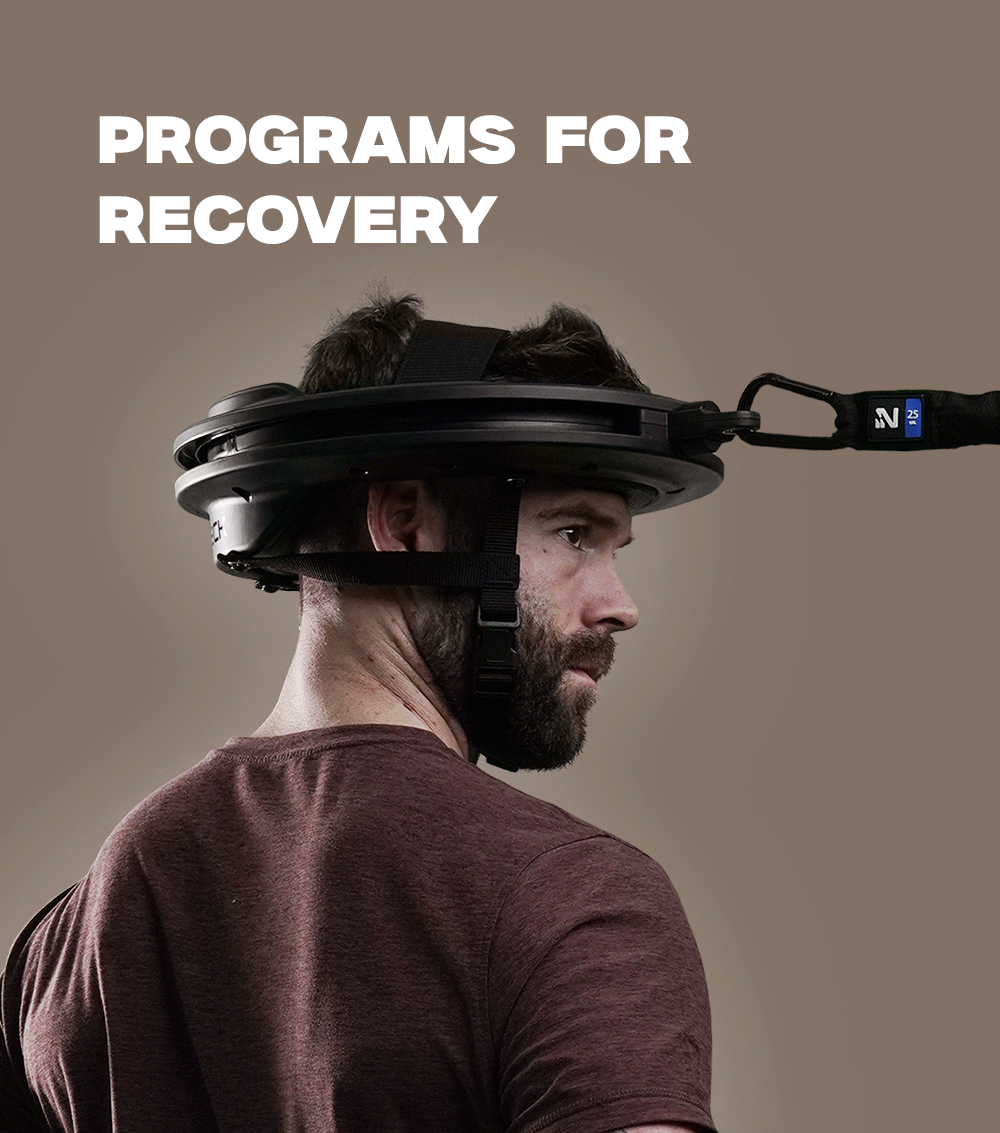
- [ ] Neck training program designed and integrated into the preseason schedule
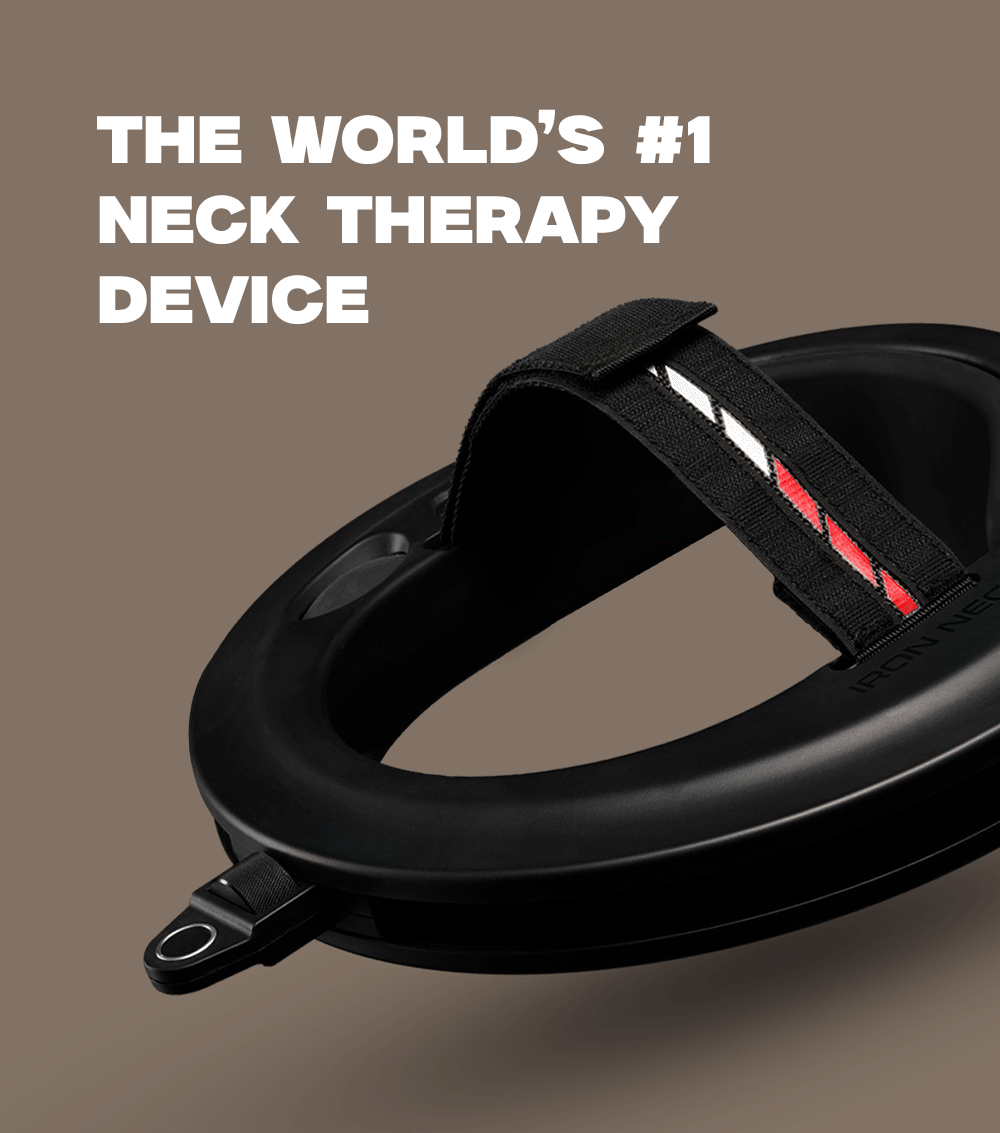
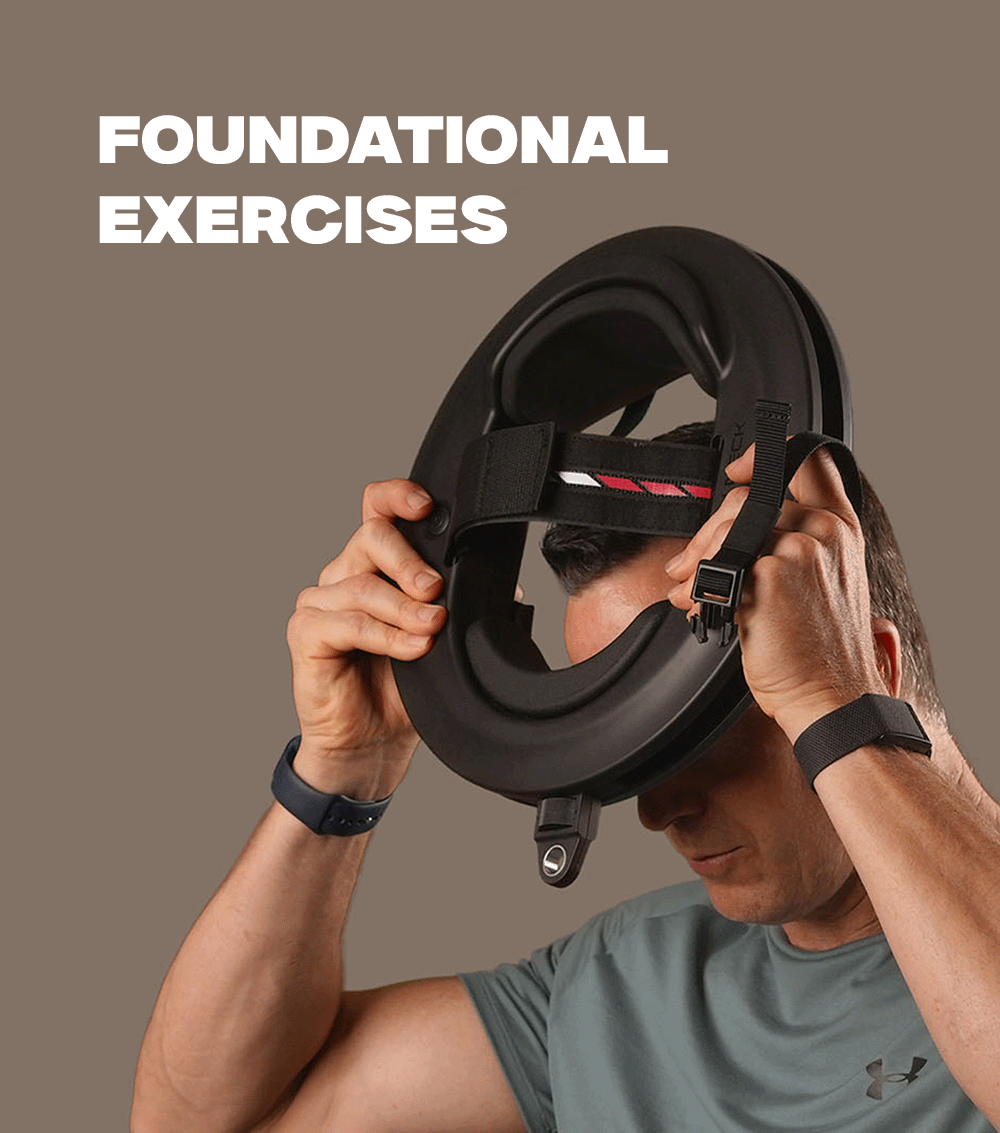
- [ ] Neck training equipment (Iron Neck, resistance bands, head harness) available and in good condition
- [ ] Coaching staff briefed on neck training supervision and technique cues
Communication
- [ ] Preseason parent meeting scheduled
- [ ] Meeting agenda prepared covering safety protocols, concussion education, and communication channels
- [ ] Parent contact information current for all athletes
- [ ] Injury communication protocol established and communicated to staff
Programs that complete this checklist before the first practice have done the foundational work that separates safe programs from unsafe ones. The checklist is not a guarantee against injury — football is a contact sport and injuries will occur. But it is a guarantee that when injuries do occur, your program will be prepared to respond appropriately and that you have taken every reasonable precaution to prevent them.
Review this checklist annually. Update it as your program's protocols evolve and as new standards are published by NFHS, NCAA, and your state athletic association.
Leave a comment
This site is protected by hCaptcha and the hCaptcha Privacy Policy and Terms of Service apply.