




The Science of Concussion Prevention in Football: What the Research Actually Says
Concussion prevention in football is a field where marketing claims often outpace the evidence. Helmet manufacturers promise reduced concussion risk. Mouthguard companies claim neurological protection. Supplement brands market cognitive protection. Coaches advocate for their preferred tackling systems. What does the research actually support?
This article reviews the evidence for the major concussion prevention strategies in football, separating what is well-supported from what is speculative, and identifying the interventions that offer the best return on investment for programs committed to player safety.
What Causes a Concussion?
A concussion occurs when the brain experiences rapid acceleration and deceleration inside the skull, causing neuronal stretching, ionic flux, and metabolic disruption. The key biomechanical variables are:
- Peak linear acceleration — the maximum acceleration of the head in a straight-line direction
- Peak rotational acceleration — the maximum angular acceleration of the head (generally considered more injurious than linear acceleration)
- Impact duration — longer-duration impacts distribute force over more time, reducing peak acceleration
Effective concussion prevention strategies target one or more of these variables: reducing the frequency of high-acceleration impacts, reducing the magnitude of acceleration for a given impact, or increasing the brain's tolerance for acceleration forces.
Neck Strength: The Strongest Evidence
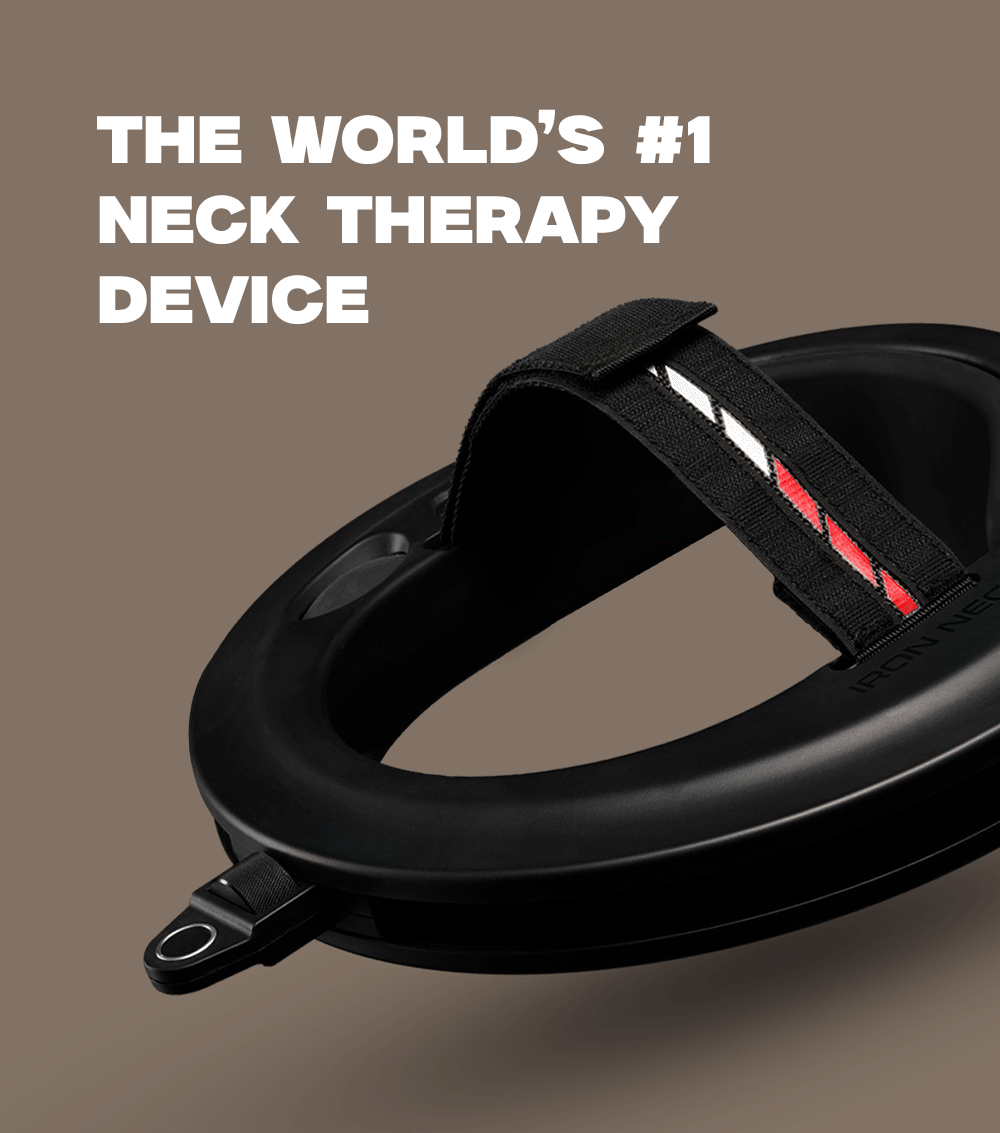
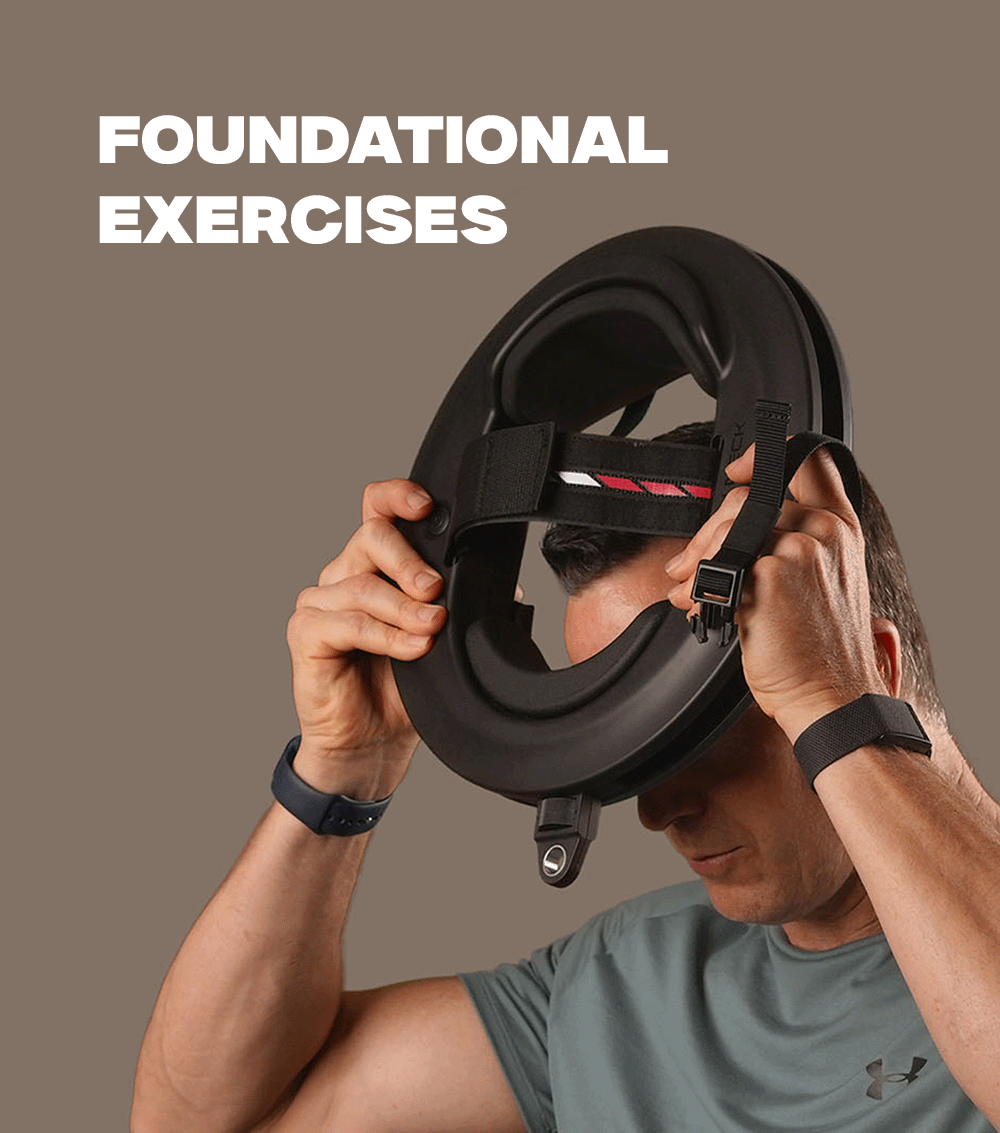
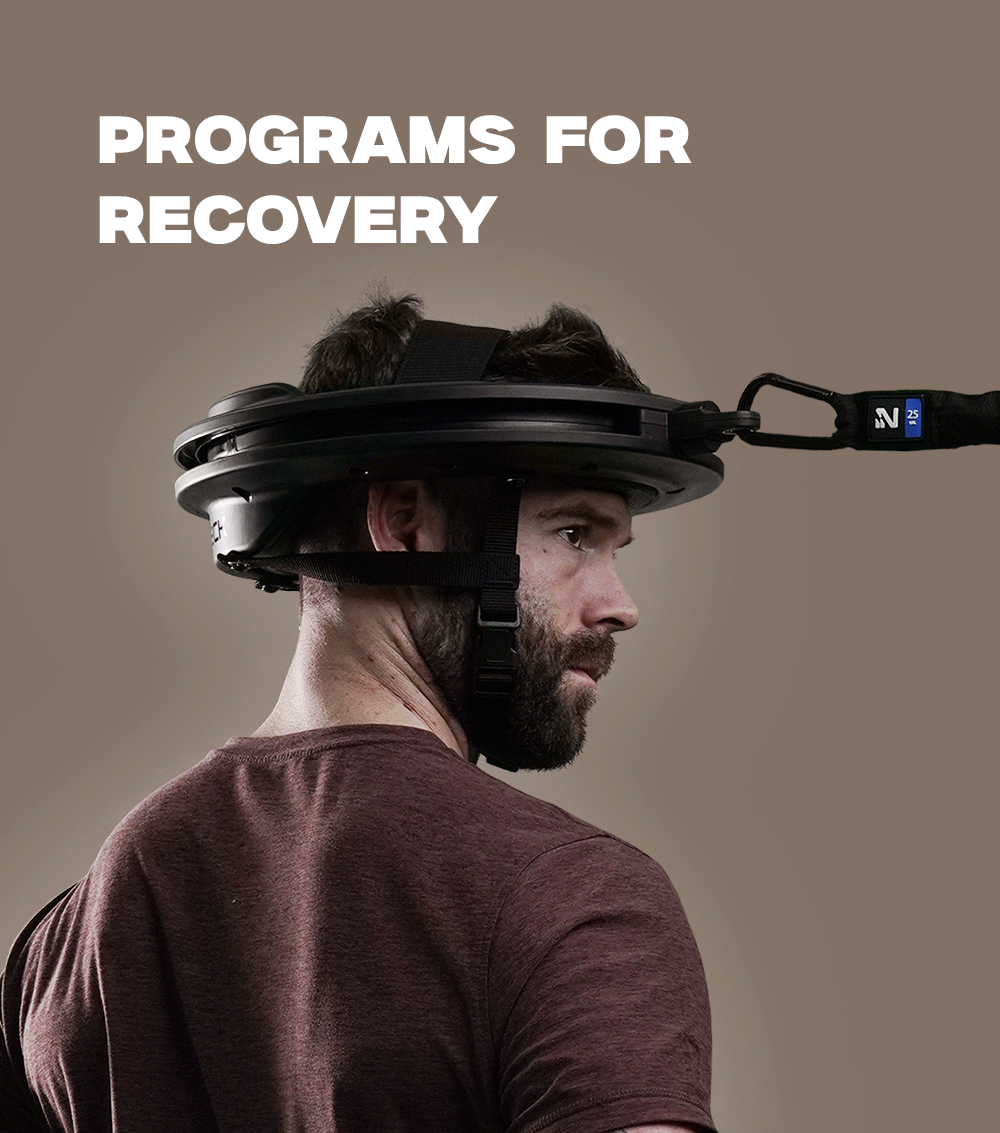
The evidence for neck strength as a concussion prevention strategy is the most robust of any modifiable risk factor in football.
The mechanism is well-established: the neck acts as a mechanical coupling between the head and the body. A stronger neck absorbs more impact energy, reducing the acceleration transmitted to the head. Biomechanical modeling studies confirm that neck stiffness is inversely related to head acceleration for a given impact force.
The epidemiological evidence is equally compelling. A 2014 prospective cohort study of 6,704 high school athletes across multiple sports found that neck strength was the strongest predictor of concussion risk — stronger than sport, position, prior concussion history, or any other measured variable. For every 1-pound increase in neck strength, concussion odds decreased by 5%.
A 2015 study specifically in football found that players with the weakest necks were 2.4 times more likely to sustain a concussion than those with the strongest necks, after controlling for other variables.
Evidence grade: Strong. Multiple prospective studies with consistent findings and a clear biological mechanism. Neck strength training is the highest-evidence concussion prevention intervention available.
Helmet Technology: Necessary but Insufficient
Helmets are essential protective equipment. A properly fitted, NOCSAE-certified helmet significantly reduces the risk of skull fracture and severe traumatic brain injury. The question is whether helmet technology can prevent concussions specifically.
The evidence here is more nuanced. Laboratory testing shows that higher-rated helmets (Virginia Tech 5-star) attenuate impact forces more effectively than lower-rated helmets. Several epidemiological studies have found lower concussion rates in athletes wearing higher-rated helmets.
However, no helmet has been shown to prevent concussions entirely, and the magnitude of the protective effect is modest compared to neck strength. The fundamental limitation is that helmets protect the skull, not the brain — the brain can still accelerate inside a well-protected skull.
Evidence grade: Moderate. Higher-rated helmets provide meaningful but limited protection. Helmet selection matters, but it is not a substitute for other prevention strategies.
Tackling Technique: Promising but Difficult to Measure
Shoulder-led tackling systems (Heads Up Football, Hawk Tackle) are designed to reduce head-first contact and thereby reduce head impact frequency. The biomechanical rationale is sound: tackles that involve head contact generate higher head accelerations than shoulder-led tackles.
The epidemiological evidence is more limited. Several studies have found lower head impact rates in programs that have implemented Heads Up Football training, but the evidence for reduced concussion incidence is less consistent. The challenge is that technique degrades under fatigue and competitive pressure — a player who tackles correctly in practice may revert to head-first technique in a game situation.
Evidence grade: Moderate. Technique training reduces head impact frequency in practice settings. The effect on game-time concussion rates is less certain but the intervention is low-cost and has no downside.
Contact Load Management: Strong Rationale, Emerging Evidence
Reducing the volume of full-contact practice reduces the number of head impacts athletes experience. This is mathematically certain. The question is whether reducing practice-time head impacts translates to reduced concussion incidence.
The Ivy League's elimination of full-contact practice during the regular season has been associated with lower practice-related injury rates, but the effect on game-time concussion rates is less clear. This is consistent with the observation that most football concussions occur during games, not practice.
Contact load management is most valuable for reducing cumulative subconcussive impact exposure — the repeated low-level impacts that may contribute to long-term neurological risk even when they do not cause acute concussion symptoms.
Evidence grade: Moderate for practice injury reduction; emerging for concussion prevention. Contact load management is a reasonable intervention with low risk and potential long-term benefit.
Mouthguards: Limited Evidence for Concussion Prevention
Mouthguards protect the teeth and jaw from direct impact. The claim that mouthguards prevent concussions is not well-supported by the evidence. The theoretical mechanism — that mouthguards absorb impact forces transmitted through the jaw — has not been consistently demonstrated in laboratory or clinical studies.
Mouthguards remain required equipment in football for their established protective effect on dental and jaw injuries. But programs should not rely on mouthguard technology as a concussion prevention strategy.
Evidence grade: Weak for concussion prevention. Use mouthguards for dental protection, not concussion prevention.
The Integrated Prevention Model
The most effective concussion prevention program combines multiple evidence-based interventions:
- Neck strength training — the highest-evidence intervention; should be a core component of every football program's strength and conditioning program
- High-quality helmet fitting and selection — use Virginia Tech 5-star rated helmets where budget allows; ensure all helmets are properly fitted and reconditioned annually
- Shoulder-led tackling technique — invest in coach education and systematic technique auditing
- Contact load management — minimize unnecessary full-contact practice; use thud and control work for technical development
- Concussion recognition and removal — the most important protocol is removing athletes from play when concussion is suspected; second-impact syndrome is the most preventable catastrophic outcome
No single intervention eliminates concussion risk in football. The sport involves high-velocity contact that will continue to produce head impacts. The goal is to reduce the frequency and severity of those impacts through every available evidence-based means — and to ensure that when concussions do occur, they are recognized quickly and managed correctly.
Programs that implement all five components of this integrated model are doing everything that the current evidence supports to protect their athletes. That is the standard of care. It is also the right thing to do.
Leave a comment
This site is protected by hCaptcha and the hCaptcha Privacy Policy and Terms of Service apply.