




In the demanding world of wrestling, where every scramble, takedown, and bridge can test the limits of an athlete's physical and mental fortitude, the importance of a strong, resilient neck cannot be overstated. Far from being a mere accessory, the neck serves as a critical pillar of support, a shock absorber, and a vital component in maintaining control and preventing injury. For athletic directors, strength coaches, school administrators, and gym owners, understanding and implementing a comprehensive neck training program is not just about enhancing performance; it's about safeguarding the long-term health and careers of their wrestlers.
The Unyielding Demands of Wrestling: Why Neck Strength is Paramount
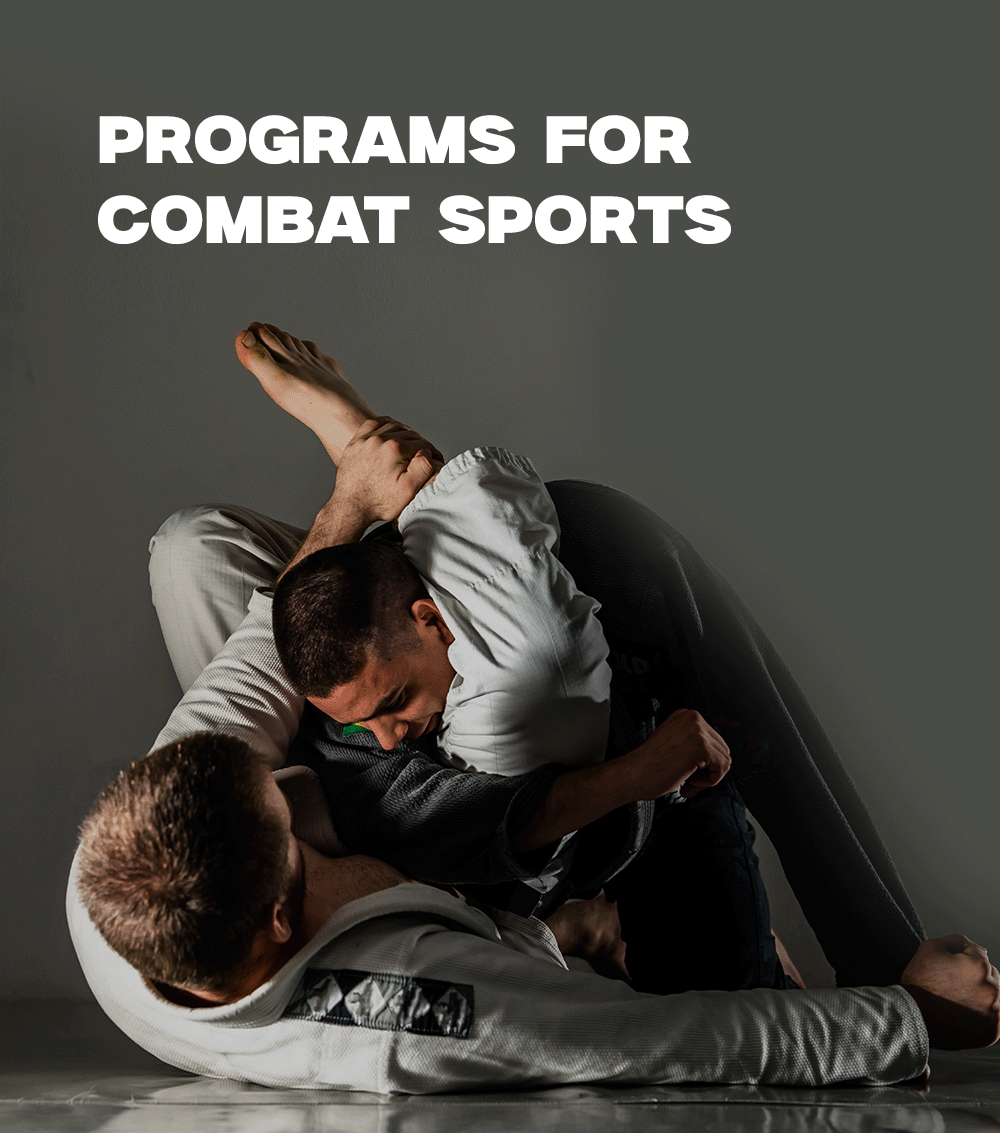
Wrestling is a sport of explosive power, intricate technique, and relentless pressure. Athletes are constantly engaging in dynamic movements that place immense stress on the cervical spine and surrounding musculature. From maintaining a dominant head position to executing powerful takedowns and defending against chokes, the neck is perpetually at the forefront of the action. A weak neck in this environment is not merely a disadvantage; it's a significant liability.
Bridging the Gap: Neck Strength in Offensive and Defensive Maneuvers
Consider the fundamental wrestling bridge, a maneuver that requires exceptional cervical strength and flexibility. Whether used offensively to escape a pin or defensively to avoid being flattened, the ability to powerfully extend and rotate the neck is crucial. Similarly, during scrambles, where athletes are constantly fighting for position, a strong neck allows for better head control, enabling wrestlers to drive through opponents and maintain balance. In takedowns, the neck acts as a fulcrum, absorbing impact and stabilizing the head as forces are transmitted through the body.
The Injury Risks of a Compromised Neck in Wrestling
The high-impact nature of wrestling, coupled with the frequent head and neck contact, makes athletes particularly susceptible to cervical injuries. A weak neck significantly elevates the risk of concussions, stingers, burners, and other acute or chronic conditions. Research consistently highlights the protective role of neck strength in mitigating these risks. For instance, studies have shown a direct correlation between increased neck strength and a reduced incidence of concussions in athletes across various contact sports. While some studies suggest the evidence for a direct link between cervical strength and injury risk in wrestling specifically might be poor, the general consensus in sports medicine and strength and conditioning is that a stronger neck provides a greater buffer against impact forces and whiplash effects.
Building a Bulletproof Neck: A Complete Season-Long Training Program
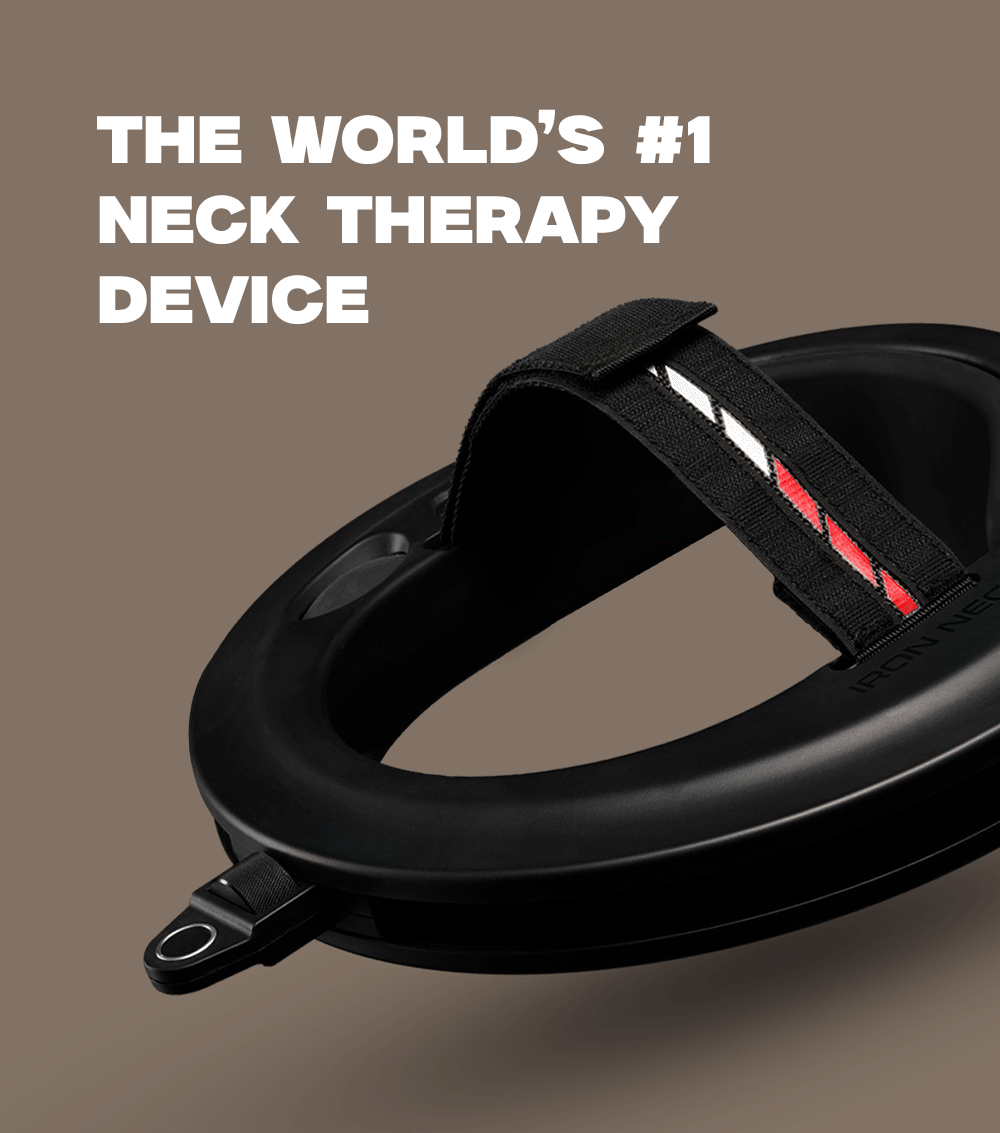
A truly effective neck training program for wrestlers must be periodized, evolving with the demands of the season. It should focus on developing strength, endurance, and resilience across all planes of motion. The Iron Neck training device, with its multi-directional resistance capabilities, offers a superior method for achieving these goals, allowing for targeted and progressive overload that traditional methods often lack. Below is a comprehensive, season-long program designed to build a "bulletproof" neck for wrestlers.
Off-Season: Building the Foundation (Strength and Hypertrophy)
The off-season is the ideal time to focus on building foundational neck strength and muscle mass. The goal here is to increase the cross-sectional area of the neck musculature, providing a robust shield against future impacts. Training should be consistent, with 2-3 sessions per week.
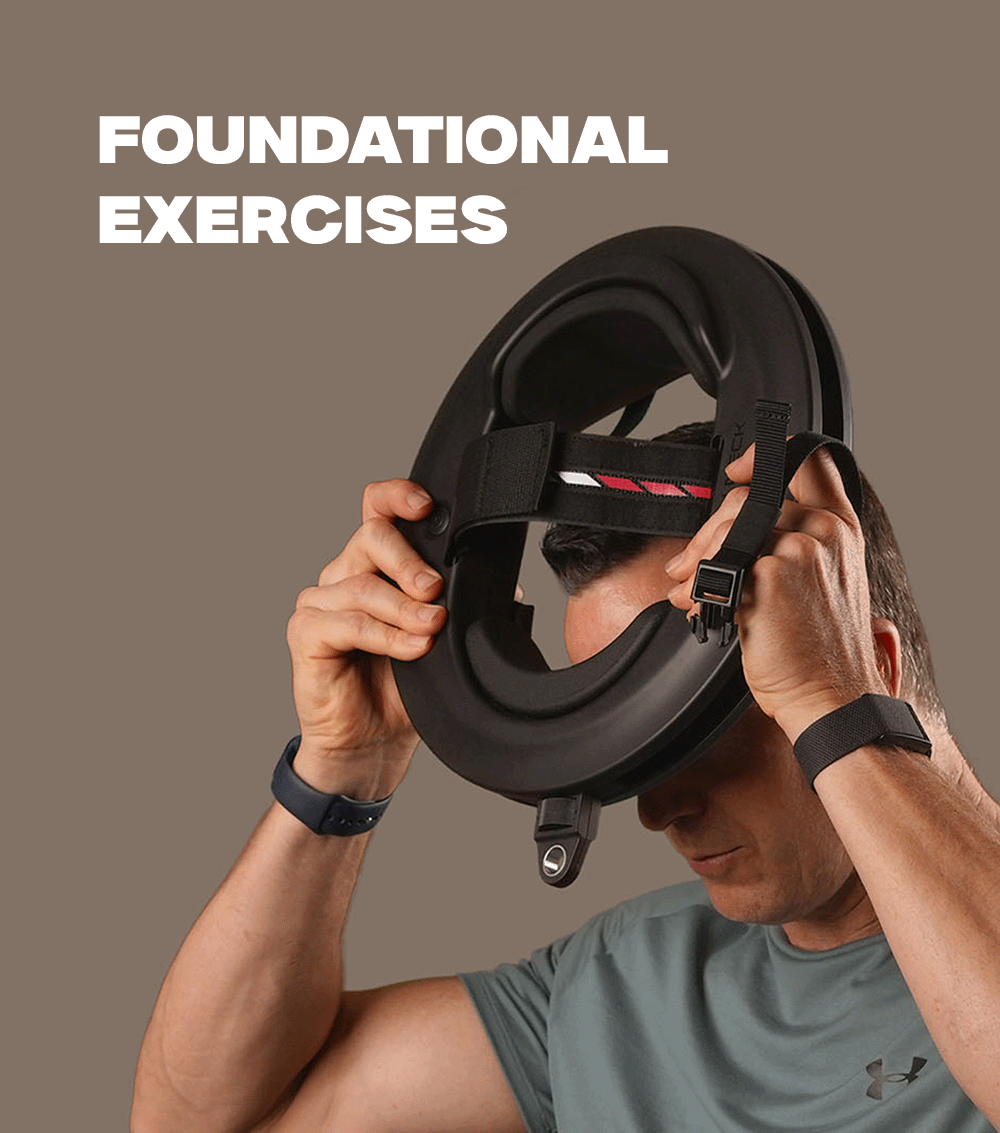
- Iron Neck Training: Incorporate multi-directional movements (flexion, extension, lateral flexion, rotation) with moderate to heavy resistance. Aim for 3-4 sets of 8-12 repetitions for each movement. Focus on controlled, deliberate movements.
- Manual Resistance: Partner-assisted neck exercises, where a partner provides resistance against neck movements, can supplement Iron Neck training.
- Isometric Holds: Hold static positions against resistance for 15-30 seconds, focusing on stability.
- Bridging (Controlled): Begin with basic bridging exercises, focusing on proper form and controlled movement. Avoid aggressive bridging during this phase.
Pre-Season: Enhancing Power and Endurance
As the competitive season approaches, the focus shifts to translating raw strength into functional power and endurance. Training intensity should increase, and exercises should mimic the dynamic nature of wrestling.
- Iron Neck Training: Continue with multi-directional movements, but introduce more dynamic variations and slightly higher repetitions (12-15 reps) to build endurance. Consider incorporating short, explosive bursts of movement.
- Dynamic Bridging: Progress to more dynamic bridging exercises, including rolling bridges and holding bridges for longer durations.
- Resisted Neck Rotations: Emphasize rotational movements, crucial for maintaining head position during scrambles and defending against chokes.
- Neck Harness Work: If available, neck harness exercises with added weight can be used for progressive overload in flexion and extension.
In-Season: Maintenance and Injury Prevention
During the competitive season, the primary goal is to maintain strength and resilience while minimizing fatigue. Training volume should be reduced, but consistency remains key. Focus on quick, effective sessions.
- Iron Neck Training: 1-2 sessions per week, focusing on maintenance. Use moderate resistance for 2-3 sets of 10-15 repetitions. Prioritize movements that directly address the demands of recent matches or upcoming opponents.
- Light Bridging and Mobility: Incorporate light bridging and neck mobility drills daily to maintain flexibility and reduce stiffness.
- Pre-Match Activation: Short, light neck activation exercises before practices and matches can help prime the muscles and improve readiness.
Key Takeaways
- Neck strength is non-negotiable in wrestling: It's crucial for performance, control, and injury prevention.
- Weak necks increase injury risk: Especially concussions and other cervical spine issues.
- Periodized training is essential: Tailor neck training to off-season, pre-season, and in-season demands.
- The Iron Neck is a game-changer: Its multi-directional resistance provides unparalleled training benefits.
- Consistency is key: Regular, progressive neck training yields the best results.
Frequently Asked Questions (FAQ)
Q: How often should wrestlers train their neck?
A: During the off-season, 2-3 times per week is ideal for building strength and hypertrophy. In the pre-season, 2 times per week to enhance power and endurance. In-season, 1-2 times per week for maintenance and injury prevention.
Q: What are the best exercises for wrestling neck training?
A: Multi-directional movements with an Iron Neck device, manual resistance exercises, isometric holds, and controlled bridging are highly effective. The key is to train all planes of motion: flexion, extension, lateral flexion, and rotation.
Q: Can neck training prevent concussions in wrestling?
A: While no training can guarantee complete concussion prevention, a stronger neck can significantly reduce the risk and severity of concussions by better absorbing impact forces and stabilizing the head. Research supports a correlation between increased neck strength and reduced concussion risk.
Q: Is the Iron Neck device suitable for all wrestlers?
A: Yes, the Iron Neck device is highly versatile and can be adjusted for athletes of all ages and strength levels. Its progressive resistance allows for safe and effective training, from beginners to elite wrestlers.
Q: How long does it take to see results from neck training?
A: With consistent and properly structured training, wrestlers can expect to see noticeable improvements in neck strength and resilience within 4-6 weeks. Significant gains will continue with a long-term commitment to the program.
Q: Should young wrestlers (e.g., middle school) also train their neck?
A: Absolutely. Starting neck training at a younger age, with appropriate supervision and lighter resistance, can build a crucial foundational layer of protection and strength that will benefit them throughout their wrestling careers. Focus on proper form and controlled movements.
Q: What are the signs of a weak neck in a wrestler?
A: Signs of a weak neck can include difficulty maintaining head position during grappling, frequent complaints of neck stiffness or soreness, poor posture, and a history of stingers or burners. Observing a wrestler struggling to hold their head up during intense drills or matches can also be an indicator.
The Science Behind Neck Strength and Injury Prevention
The relationship between neck strength and injury prevention, particularly concussions, has been a subject of extensive research in sports medicine. While the exact mechanisms are complex, the prevailing understanding is that a stronger, more developed neck musculature can help to attenuate the forces transmitted to the brain during impact. This is achieved through several physiological advantages:
- Increased Head and Neck Stability: Stronger neck muscles provide a more rigid support structure for the head, reducing its acceleration and deceleration upon impact. This lessens the whiplash effect that can contribute to concussions.
- Enhanced Energy Absorption: Muscular tissue acts as a natural shock absorber. A greater volume and strength of neck muscles can dissipate impact energy more effectively, preventing it from reaching the brain.
- Improved Neuromuscular Control: Neck training not only builds strength but also enhances the neuromuscular control of the cervical spine. This allows athletes to brace more effectively for anticipated impacts, further reducing injury risk.
A landmark study published in the Journal of Primary Prevention involving thousands of high school athletes found a significant inverse relationship between neck strength and concussion risk. Specifically, for every one-pound increase in neck strength, the odds of sustaining a concussion decreased by approximately 5%. While this study encompassed various sports, its findings underscore the general protective role of cervical strength. Another study highlighted that athletes with weaker neck muscles faced a 15% higher risk of sports-related injuries overall, emphasizing the broad protective benefits of a robust neck.
It's important to note that neck strength is not a standalone solution for concussion prevention. It is one critical component within a comprehensive injury prevention strategy that also includes proper technique, rule enforcement, and appropriate protective equipment. However, for sports like wrestling, where head and neck contact are inherent, maximizing cervical strength is a proactive and essential measure.
Integrating the Iron Neck into Your Wrestling Program
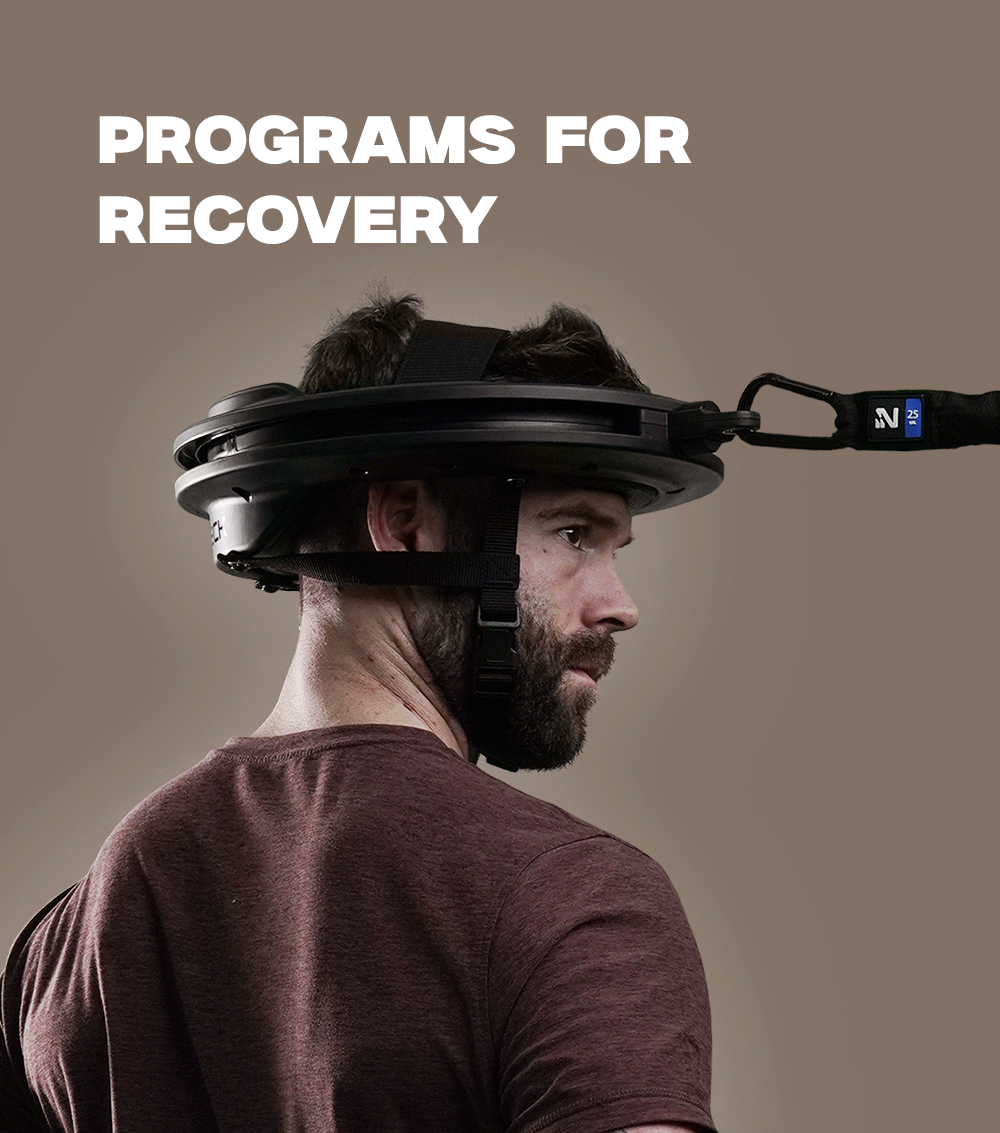
The Iron Neck training device stands out as a revolutionary tool for wrestling neck training due to its unique ability to provide consistent, multi-directional resistance. Unlike traditional methods that often isolate movements or rely on inconsistent manual resistance, the Iron Neck allows athletes to train their neck through its full range of motion, mimicking the dynamic and unpredictable forces encountered in a wrestling match. Its design facilitates concentric, eccentric, and isometric contractions across flexion, extension, lateral flexion, and rotation, ensuring comprehensive development of the cervical musculature. Integrating the Iron Neck into your program means providing your athletes with a superior training stimulus that translates directly to improved performance and enhanced protection on the mat. For more information on the device and its benefits, visit iron-neck.com.
Advanced Programming Considerations for Each Phase
Off-Season: Maximizing Hypertrophy and Strength
During the off-season, the goal is to build maximum muscle mass and absolute strength in the neck. This phase should prioritize heavier loads and lower repetitions, focusing on progressive overload. The Iron Neck can be utilized with heavier resistance bands or cables to achieve this. Consider incorporating:
- Heavy Iron Neck Rotations: 3-4 sets of 6-8 reps per side, focusing on slow, controlled movement through the full range.
- Iron Neck Flexion/Extension/Lateral Flexion: 3-4 sets of 8-10 reps, emphasizing the eccentric (lowering) phase of the movement.
- Neck Bridges with Added Resistance: Once basic bridging is mastered, carefully add light weight plates to the chest or use a partner for resistance during bridging.
- Plate-Loaded Neck Machines: If available, these can complement Iron Neck training for direct resistance.
Pre-Season: Translating Strength to Sport-Specific Power and Endurance
As wrestlers transition into pre-season, the training should become more dynamic and sport-specific. The focus shifts to improving the rate of force development and muscular endurance, preparing the neck for the sustained efforts of a match. The Iron Neck is particularly effective here due to its ability to facilitate dynamic movements with controlled resistance.
- Dynamic Iron Neck Drills: Incorporate faster, more explosive movements with the Iron Neck, focusing on quick changes in direction and resistance. Perform 3 sets of 10-15 reps per direction.
- Circuit Training with Iron Neck: Integrate Iron Neck exercises into a circuit with other wrestling-specific drills to improve muscular endurance under fatigue.
- Partner Resistance Drills (Fast-Paced): Have partners provide quick, unpredictable resistance to neck movements, mimicking scrambles and positional battles.
- High-Rep Bridging: Increase the number of repetitions and duration of bridging exercises to build endurance.
In-Season: Maintaining Peak Performance and Minimizing Injury Risk
In-season training is about maintenance, recovery, and acute injury prevention. The volume and intensity of neck training should be reduced to avoid overtraining, but consistency is paramount. Short, focused sessions are most effective.
- Iron Neck Maintenance Sessions: 1-2 times per week, 2-3 sets of 10-12 reps with moderate resistance. Focus on movements that feel good and help alleviate any stiffness or soreness.
- Pre-Practice/Pre-Match Activation: Perform 5-10 minutes of light Iron Neck movements or manual resistance drills as part of a warm-up to activate neck muscles and improve readiness.
- Mobility and Flexibility: Incorporate gentle neck stretches and mobility drills daily to maintain range of motion and aid recovery.
- Listen to the Athlete: Adjust training based on individual athlete feedback, fatigue levels, and match schedule.
Conclusion
For athletic directors, strength coaches, school administrators, and gym owners, investing in a comprehensive wrestling neck training program is an investment in the safety, performance, and longevity of their athletes. The unique demands of wrestling necessitate a neck that is not only strong but also resilient, capable of withstanding the dynamic forces of the sport. By implementing a periodized program that leverages advanced tools like the Iron Neck training device, coaches can significantly reduce injury risks, enhance athletic performance, and empower their wrestlers to compete with confidence and dominance. A strong neck is not just an advantage; it's a fundamental requirement for success and safety on the wrestling mat.


Leave a comment
This site is protected by hCaptcha and the hCaptcha Privacy Policy and Terms of Service apply.