





Tech Neck Exercises: The 10-Minute Daily Routine That Actually Works
If you spend most of your day looking at a screen, your neck is paying a price you may not fully appreciate yet. Tech neck, the postural syndrome caused by prolonged forward head positioning while using phones, laptops, and monitors, has become one of the most common musculoskeletal complaints among adults under 50. The good news is that a focused, consistent exercise routine can reverse the damage, reduce pain, and restore the natural curve of your cervical spine. This guide gives you a complete 10-minute daily protocol built on the exercises physical therapists and sports performance coaches actually prescribe.
What Is Tech Neck and Why Does It Happen?
Tech neck is not simply "bad posture." It is a measurable biomechanical problem with real structural consequences. When your head sits in a neutral position, it weighs approximately 10 to 12 pounds. For every inch your head drifts forward of your shoulders, the effective load on your cervical spine increases by roughly 10 pounds. At a 45-degree forward angle, common when texting or reading a phone in your lap, the mechanical load on your neck can reach 49 pounds or more.
Over time, this sustained overload produces a predictable cascade of problems. The deep cervical flexors, the small muscles at the front of your neck responsible for holding your head in proper alignment, become weak and inhibited. The suboccipital muscles at the base of your skull tighten and compress. The upper trapezius and levator scapulae, which run from your neck to your shoulder blades, become chronically overloaded. The result is a forward head posture that can become structural if left unaddressed for years.
The exercises below target each of these dysfunctions directly. They require no equipment, take under 10 minutes, and are designed to be performed daily.
The 10-Minute Tech Neck Correction Routine
Perform this sequence once daily, ideally in the morning before sitting down at your workstation. Each exercise flows naturally into the next. The entire routine takes 8 to 10 minutes when performed at a controlled pace.
1. Chin Tucks (2 minutes)
The chin tuck is the single most important exercise for tech neck correction. It directly activates the deep cervical flexors while simultaneously stretching the suboccipital muscles that become compressed in forward head posture.
Sit or stand with your back straight and your shoulders relaxed. Without tilting your chin up or down, slide your head straight back as if making a double chin. You should feel a gentle stretch at the base of your skull and a mild contraction at the front of your neck. Hold for 3 seconds, then return to neutral. Perform 15 repetitions. The motion is purely horizontal, not a nod. If you feel pain or dizziness, reduce the range of motion.
2. Cervical Retraction with Overpressure (1 minute)
This is an advanced variation of the chin tuck that adds gentle manual pressure to deepen the stretch and increase activation of the deep flexors. After performing a chin tuck, place two fingers on your chin and apply light backward pressure while maintaining the retracted position. Hold for 5 seconds per repetition. Perform 8 repetitions. This exercise is particularly effective for people who have had tech neck symptoms for more than six months.
3. Levator Scapulae Stretch (2 minutes)
The levator scapulae runs from the upper corner of your shoulder blade to the top four cervical vertebrae. In tech neck, it becomes chronically shortened and tender. Stretching it daily provides immediate relief and prevents the muscle from pulling your cervical spine into forward flexion.
Sit upright in a chair. Reach your right hand over your head and place it on the back-left side of your skull. Gently pull your head forward and to the right at roughly a 45-degree angle until you feel a stretch along the left side of your neck and into your left shoulder blade. Hold for 30 seconds. Switch sides. Perform two repetitions per side.
4. Upper Trapezius Stretch (1 minute)
Sit upright and drop your right ear toward your right shoulder. Place your right hand on top of your head and apply gentle downward pressure. You should feel a stretch along the left side of your neck and into your upper trapezius. Hold for 20 seconds per side. Perform two repetitions per side.
5. Wall Angels (2 minutes)
Wall angels address the thoracic spine and shoulder positioning that underlies most tech neck presentations. When the thoracic spine rounds forward, the cervical spine compensates by extending, which pushes the head forward. Correcting thoracic posture is therefore essential for lasting tech neck relief.
Stand with your back flat against a wall, feet about 4 inches from the baseboard. Press your lower back, upper back, and the back of your head against the wall. Raise your arms to a 90-degree position with elbows bent, like a goalpost. Slowly slide your arms up the wall until they are nearly straight overhead, keeping your elbows and wrists in contact with the wall throughout. Return to the starting position. Perform 12 repetitions. If you cannot keep your lower back and head against the wall simultaneously, start with a smaller range of motion and work up gradually.
6. Thoracic Extension Over a Foam Roller (2 minutes)
If you have a foam roller available, this exercise provides immediate relief for the thoracic stiffness that drives forward head posture. Place the roller perpendicular to your spine at the level of your shoulder blades. Support your head with your hands and gently extend backward over the roller, allowing your thoracic spine to open up. Hold for 10 seconds, then move the roller one inch up your spine and repeat. Work from the mid-back to the base of your neck. Perform two passes.
If you do not have a foam roller, substitute with a second set of wall angels or perform 10 prone cobras: lie face down with your arms at your sides, and lift your chest and head off the floor by squeezing your shoulder blades together, holding for 3 seconds per repetition.
Why These Exercises Work
The routine above is built on a specific physiological rationale. Tech neck is not simply a tightness problem or a weakness problem in isolation. It is a pattern of reciprocal inhibition: the muscles that should be working (deep cervical flexors, lower trapezius, serratus anterior) are inhibited, while the muscles that should be resting (upper trapezius, levator scapulae, suboccipitals) are overactive. Effective correction requires both activating the inhibited muscles and releasing the overactive ones.
Chin tucks activate the deep cervical flexors. Wall angels activate the lower trapezius and serratus anterior while inhibiting the upper trapezius. The levator scapulae and upper trapezius stretches directly address the overactive muscles. Thoracic extension restores the spinal mobility that allows the head to sit over the shoulders naturally rather than in front of them.
Adding Resistance for Faster Results
The bodyweight routine above is sufficient for most people with mild to moderate tech neck. For those with more significant postural dysfunction, or for anyone who wants to accelerate their progress, adding resistance to the neck and upper back exercises produces faster and more durable results.
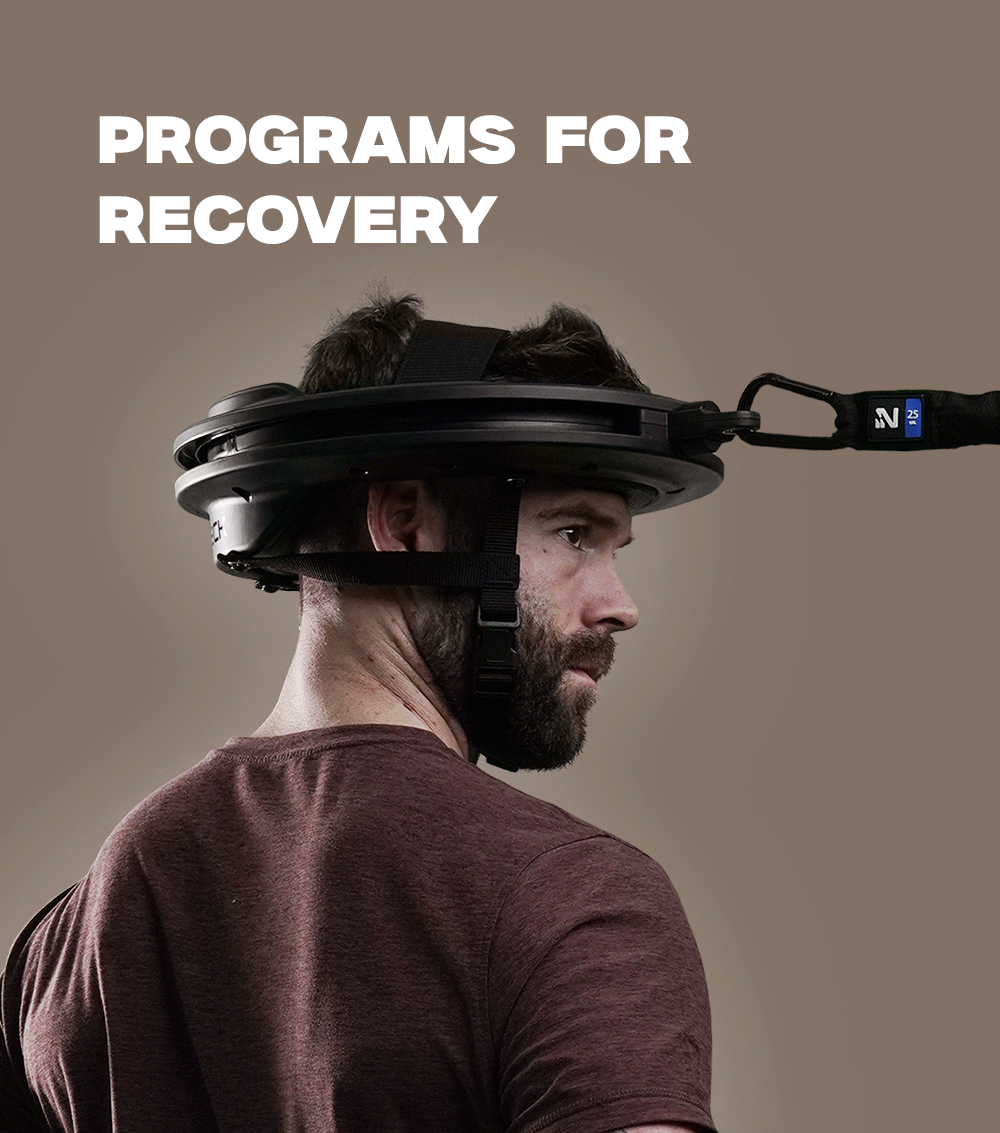
Resistance bands are an effective and affordable way to add progressive overload to neck and upper back training. Exercises such as band pull-aparts, face pulls, and banded chin tucks directly target the muscles most affected by tech neck. The Iron Neck resistance bands are designed specifically for neck and upper back rehabilitation work, with varying resistance levels that allow you to progress systematically over time.
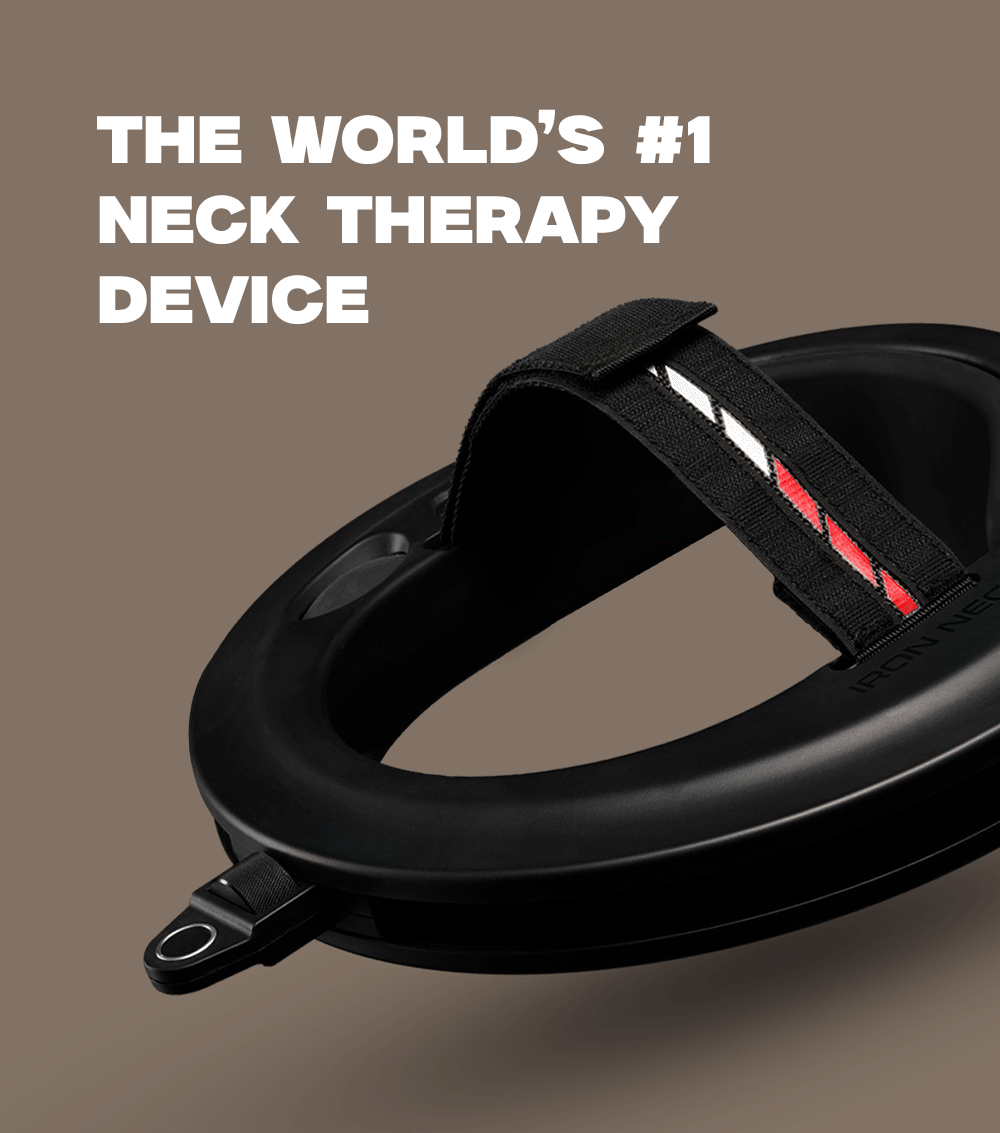
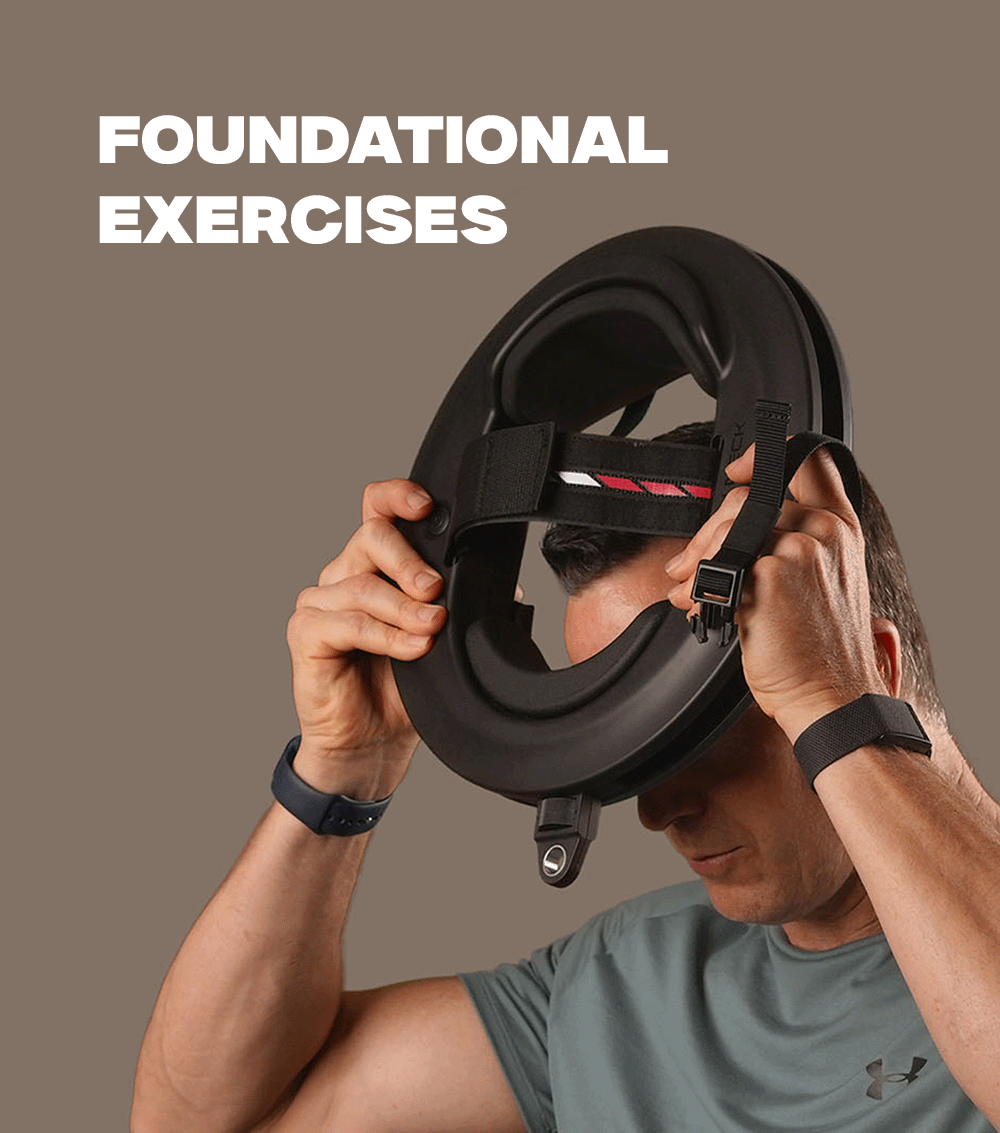
For those who want the most comprehensive approach to neck strengthening, the Iron Neck device provides 360-degree rotational and extension resistance that no band or bodyweight exercise can replicate. While it is not required for the basic tech neck correction routine, it becomes highly relevant for anyone who wants to build genuine neck strength as a long-term defense against postural dysfunction.
How Long Until You See Results?
Most people notice a reduction in neck tension and headache frequency within one to two weeks of consistent daily practice. Measurable postural improvement, visible in photographs or assessed by a physical therapist, typically takes four to eight weeks. Structural changes to the cervical curve, in cases where the curve has been significantly reduced or reversed, can take three to six months of consistent work.
The most important variable is consistency. Performing this routine five days per week produces meaningfully better outcomes than performing it sporadically. Set a specific time in your daily schedule, ideally before your first screen session of the day, and treat it as non-negotiable.
Ergonomic Adjustments to Support Your Progress
Exercise alone will not fully correct tech neck if you spend eight or more hours per day in a posture that recreates the problem. The following ergonomic adjustments reduce the postural load on your cervical spine during work hours and allow your exercise gains to accumulate rather than being undone each day.
Position your monitor so that the top of the screen is at or slightly below eye level. This prevents the downward gaze that drives chin-forward positioning. If you use a laptop, invest in a laptop stand and an external keyboard so you can raise the screen without hunching your shoulders. When using your phone, hold it at eye level rather than looking down at it in your lap. Take a 2-minute movement break every 45 to 60 minutes to reset your posture and reduce cumulative spinal load.
When to See a Professional
The exercises in this guide are appropriate for most adults with postural tech neck and no underlying cervical pathology. However, you should consult a physical therapist or physician before beginning if you experience any of the following: radiating pain or numbness into your arms or hands, significant dizziness or balance problems, a history of cervical disc herniation or spinal stenosis, or pain that worsens significantly with any of the exercises described above. These symptoms may indicate a structural issue that requires professional assessment before beginning an exercise program.
For the majority of people with tech neck, the 10-minute daily routine described here is a safe, effective, and evidence-aligned starting point. Perform it consistently, pair it with sensible ergonomic adjustments, and you will see meaningful improvement within a matter of weeks.


Leave a comment
This site is protected by hCaptcha and the hCaptcha Privacy Policy and Terms of Service apply.