



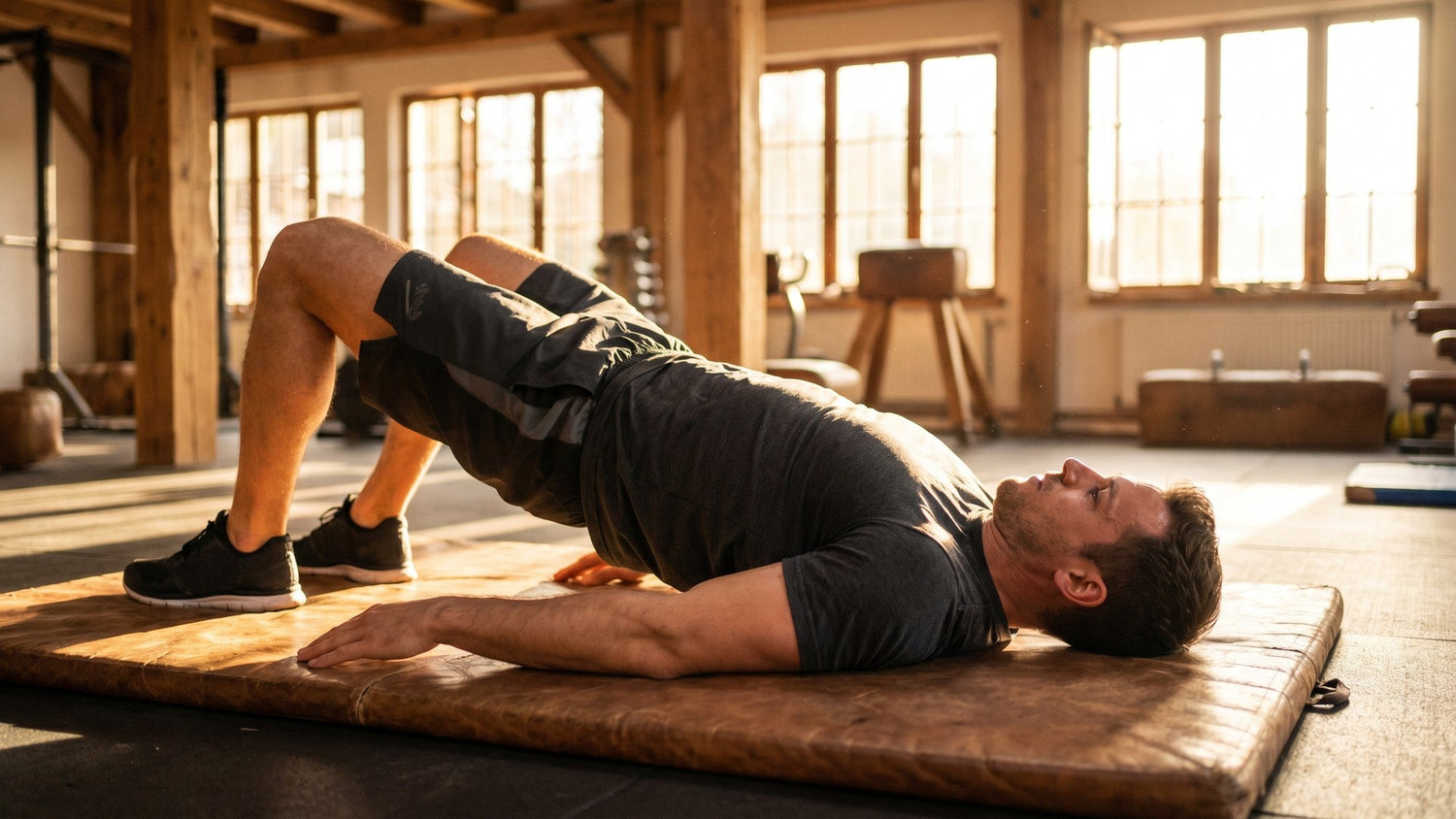
The neck bridge has long been a staple in traditional strength training, particularly for wrestlers, martial artists, and football players. For athletes in high-impact sports, a strong neck is more than muscle. It serves as a buffer against concussion, whiplash, and the kind of cervical injuries that end careers. The bridge was considered a direct, no-equipment way to build that strength.
But despite its history, the neck bridge remains one of the most controversial movements in fitness. Supporters point to the genuine strength gains it delivers in specific performance contexts. Critics and the majority of sports medicine clinicians, point to the extreme compressive and shear forces it places on the cervical spine, particularly in end-range extension. Understanding the benefits of a strong neck is important; understanding how to build that strength safely is equally so.
This guide covers exactly what the neck bridge is, who it may be appropriate for, why it carries serious risk for most people, and most importantly the progression of safer alternatives that build equivalent strength without the compressive load.
Important before reading further: The neck bridge places high compressive and shear loads on the cervical spine in extended positions. It should not be attempted without sport-specific coaching and a structured progressive preparation programme [4]. Most people will achieve a significantly better risk-to-benefit profile using the safer alternatives detailed below. The guidance in this article is in line with the cervical spine clinical guidelines from The Orthopaedic Section of the American Physical Therapy Association (APTA) [1].
What Is the Neck Bridge Exercise?
The neck bridge is a bodyweight movement in which the athlete supports their body weight on the back of their head and neck, with the spine in an extended, arched position. The body forms a bridge shape, heels and head on the floor, hips raised. The neck bears the load.
There are several variations:
- Supine bridge — lying on your back, pushing up onto the top/back of the head
- Prone bridge — face-down variation, placing load through the forehead
- Wrestler's bridge — a dynamic version where the athlete rocks forward and back while bridging, used heavily in combat sports
All variations share the same fundamental risk profile: the cervical spine is loaded in a position of end-range extension, under bodyweight compressive force, with limited ability to control or redistribute load if form breaks down.
Who Uses the Neck Bridge and Why
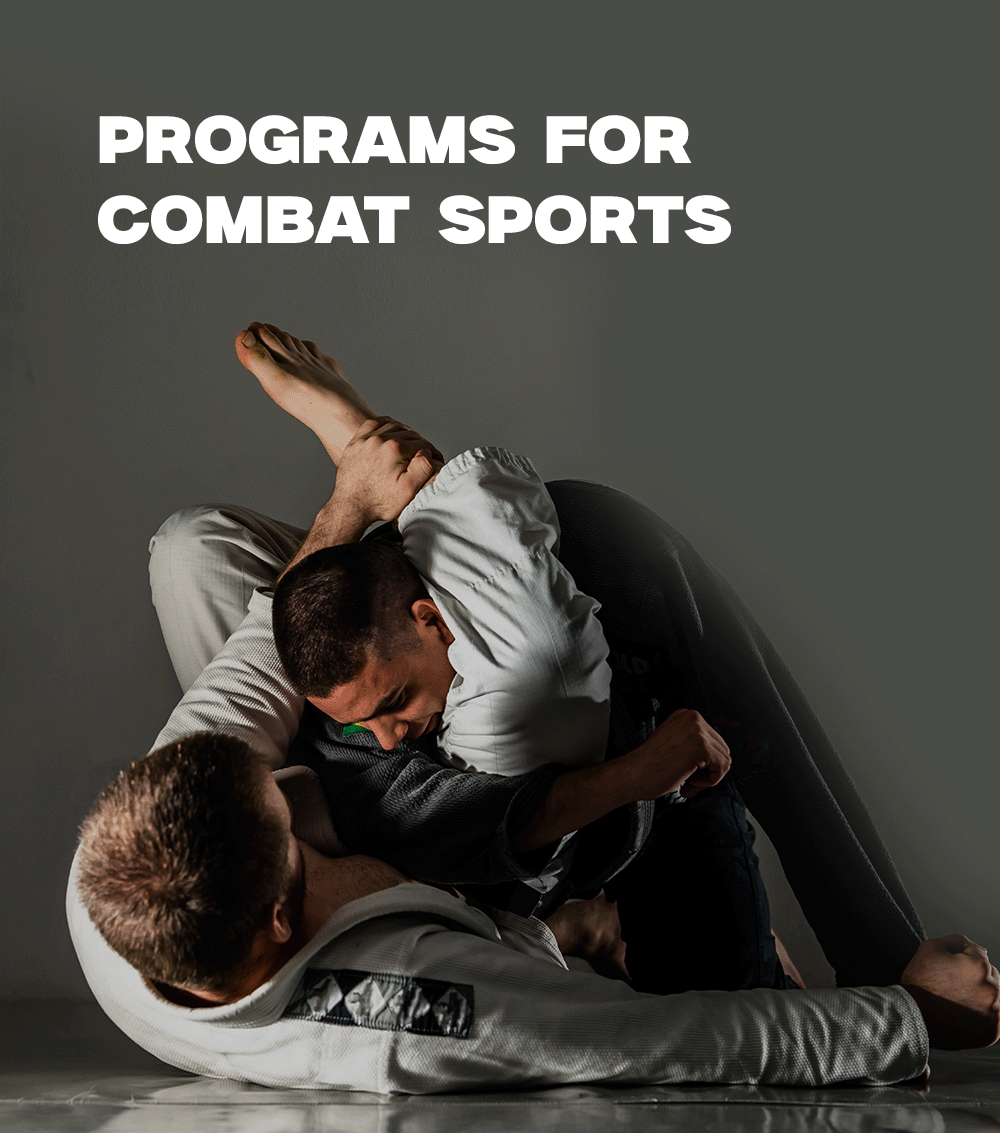
The neck bridge's reputation was built in combat and contact sports environments where neck strength is directly linked to safety. In wrestling, grappling, and American football, athletes frequently find themselves in positions where the neck absorbs significant force — and a stronger neck genuinely absorbs that force more effectively.
Research confirms the underlying principle: there is a clear relationship between neck strength and concussion risk in contact sports, with stronger necks associated with reduced head acceleration during impacts [3]. However, this does not mean the neck bridge specifically is the right tool to build that strength and it does not mean any exercise or device can prevent concussion. It means neck strength matters, and how you build it matters equally.
Benefits of the Neck Bridge (In the Right Context)
When performed correctly, with proper coaching, gradual progression, and appropriate athlete selection, the neck bridge can offer specific advantages in performance settings.
Builds neck strength and muscular endurance The bridge activates the deep neck flexors, extensors, and stabilisers simultaneously, building the kind of integrated strength that athletes in contact sports require.
Develops resilience for contact sport demands For wrestlers, MMA athletes, and rugby players whose sport places them in bridging positions regularly, training the bridge pattern under controlled conditions can improve tolerance to those positions. That said, stronger neck muscles may help reduce head acceleration during impacts, there is no proven exercise or device that prevents concussion [2, 3]. Technique, safe contact practices, and coach-led programmes remain the primary protective factors.
Trains cervical mobility under load In controlled, mid-range positions and under qualified supervision, the bridge trains the cervical spine to move under load, a demand specific to certain sports that mobility drills alone do not fully replicate.
These benefits are real. They are also highly context-dependent and for the vast majority of gym-goers, desk workers, or recreational athletes, they do not outweigh the risks.
Why the Neck Bridge Is Dangerous for Most People
The neck bridge is not inherently a bad exercise. It is an exercise that demands a very specific set of prerequisites like coaching, progressive preparation, and appropriate anatomy that most people do not have. When those prerequisites are missing, the risk profile shifts dramatically.
1. Extreme Compressive Load on the Cervical Spine
The bridge places bodyweight directly through the cervical spine in end-range extension. This compressive force stresses the intervertebral discs, facet joints, vertebrae, and supporting ligaments in ways that most necks, particularly those that have been weakened by years of desk work, poor posture, or previous injury, are not conditioned to handle.
The cervical spine clinical guidelines are explicit: avoid weight-bearing end-range cervical extension when unsupervised [1]. Without coaching, this is not a movement to attempt.
2. High Injury Risk With Imperfect Form
Arching too aggressively, pushing through fatigue, rotating the neck while bridging, or losing control of the position can cause muscle strains, disc injuries, pinched nerves, or in severe cases, more serious catastrophic cervical spine injury [4]. For many people, the first sign something has gone wrong appears not during the exercise but the following morning, the kind of acute stiffness associated with waking up with sudden neck discomfort.
3. Long-Term Cumulative Wear
Even without a single acute injury, repetitive bridging can create cumulative strain on the cervical discs and facet joints over time. This contributes to progressive stiffness, reduced mobility, and chronic discomfort, the opposite outcome to the one athletes are training for. The suboccipital muscles at the base of the skull are particularly vulnerable to chronic overload from repeated end-range extension positions.
4. Not Appropriate for Most People
Athletes with any history of neck or spinal injury, those without professional supervision, beginners, older adults, and anyone with underlying cervical conditions should avoid the movement entirely. In these populations, safer alternatives build equivalent or superior functional strength without the risk exposure. If you have experienced neck setbacks in sports previously, the neck bridge is contraindicated until full recovery is confirmed by a clinician.
Avoid the neck bridge entirely if you have:
- Recent neck trauma or suspected cervical fracture
- Prior cervical surgery
- Known cervical artery disease
- Connective tissue laxity or suspected cervical instability
- Progressive neurological symptoms, numbness, tingling, weakness, dizziness
- Severe osteoporosis
Seek clinical advice before any neck loading if any of the above apply [5, 6, 7].
Safer Alternatives to the Neck Bridge
These alternatives are ordered by progression, from the safest entry point for beginners to more advanced loaded movements. Work through them in sequence rather than jumping to higher stages.
Stage 1 — Isometric Neck Holds (Beginner)
Isometric holds build cervical stability without moving the spine through range. This is the correct starting point for anyone new to neck training, returning from injury, or working without a coach.
How to do it:
- Sit or stand with good posture and a neutral neck position
- Place your palm flat against your forehead
- Gently press your head into your hand without allowing any movement, the neck stays still
- Hold for 5 to 10 seconds, then release
- Repeat in all four directions: front, back, left side, right side
Dosage: 5 to 10-second holds; 6 to 8 repetitions per direction; once or twice daily. Keep the neck in neutral throughout, no motion during the press [1].
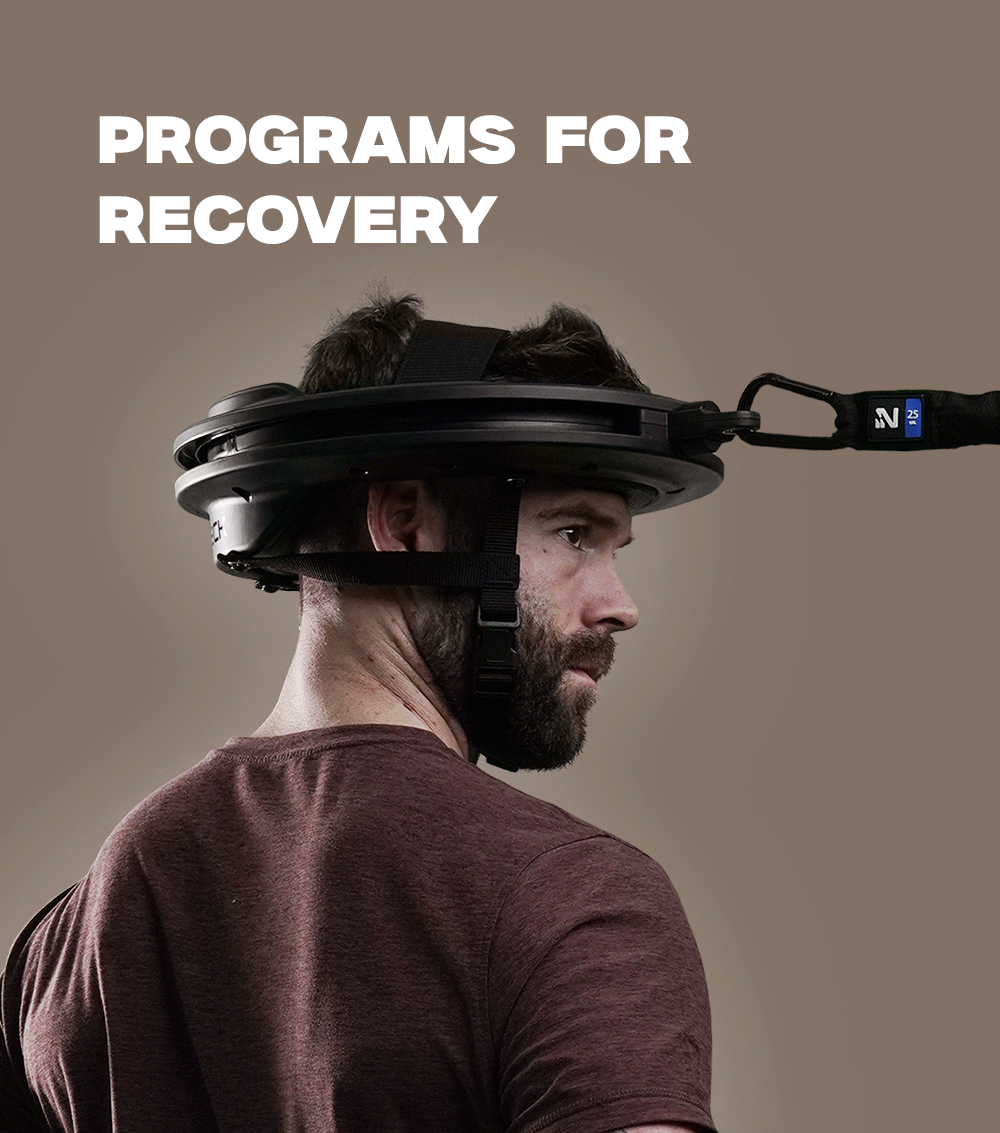
Stage 2 — Resistance Band Neck Training (Intermediate)
Bands allow progressive loading through flexion, extension, lateral flexion, and rotation with evenly distributed tension unlike the bridge, which concentrates compressive force at the cervical joints.
How to do it:
- Attach a resistance band to a stable anchor at approximately head height
- Loop the band around the back of your head or use a padded strap
- Step forward to create light tension
- Slowly move your head through the target direction — forward (flexion), backward (extension), or side to side — resisting the band with full control
- Perform 8 to 12 repetitions per direction
- Move only through a comfortable mid-range. Stop immediately if you notice dizziness, visual changes, limb numbness, or weakness [1, 5].
This is also an effective complement to the neck curl exercise, which targets the deep cervical flexors specifically and pairs well with band training for a balanced anterior/posterior programme.
Stage 3 — Controlled Mobility Drills (All Levels, Warm-Up and Recovery)
Mobility drills reinforce safe movement patterns, maintain cervical flexibility, and are appropriate as warm-ups before training or as recovery work between sessions.
How to do it:
- Start seated or standing tall with shoulders relaxed
- Slowly tilt your head forward and backward within a comfortable mid-range, do not push to end-range
- Rotate left to right smoothly and under control
- Tilt your ear toward your shoulder on each side gently
- 5 to 10 repetitions per direction, no forcing, no ballistic movement
Addressing bad neck posture before adding any neck loading is important, mobility drills performed with a forward head position reinforce the wrong movement pattern and reduce their benefit.
Stage 4 — Modern Resistance Tools (Advanced)
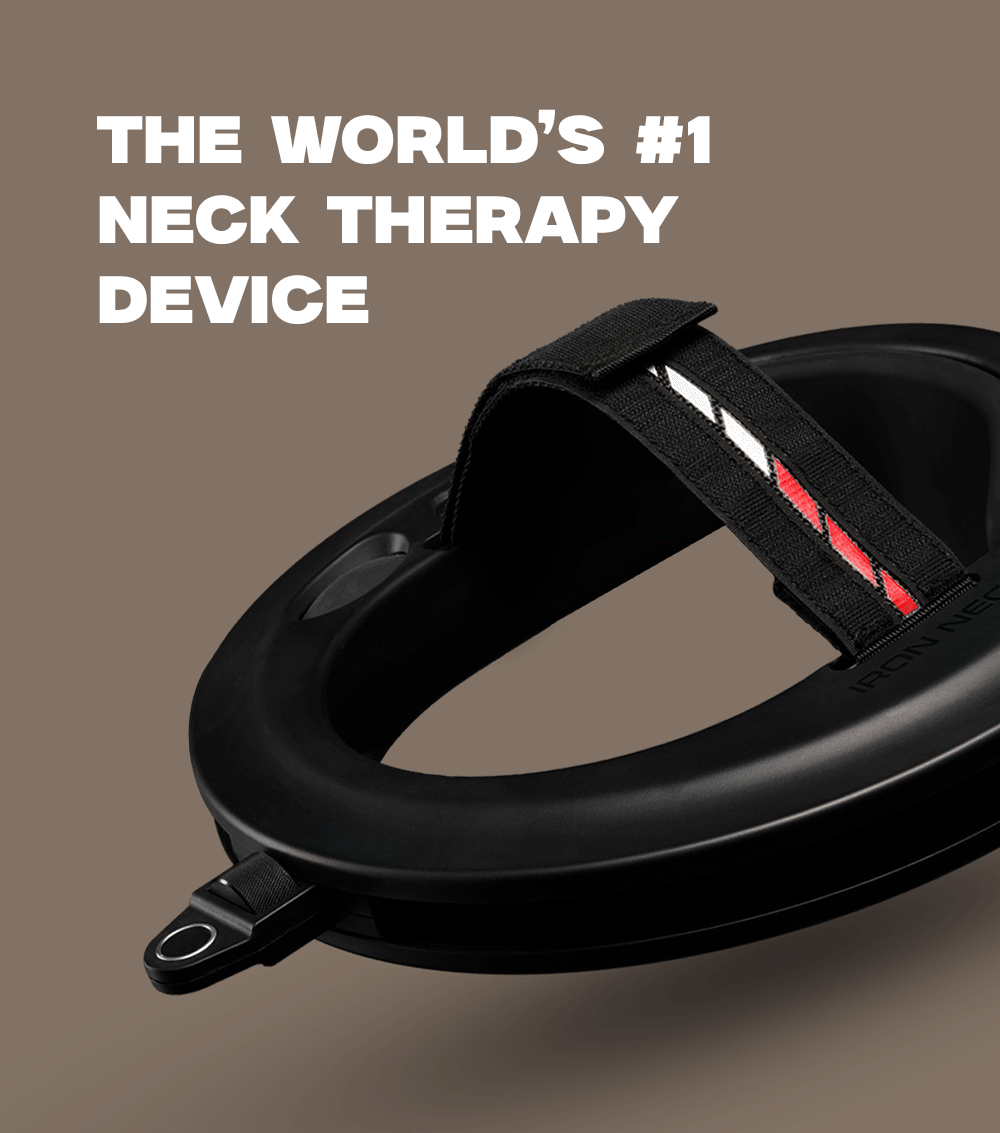
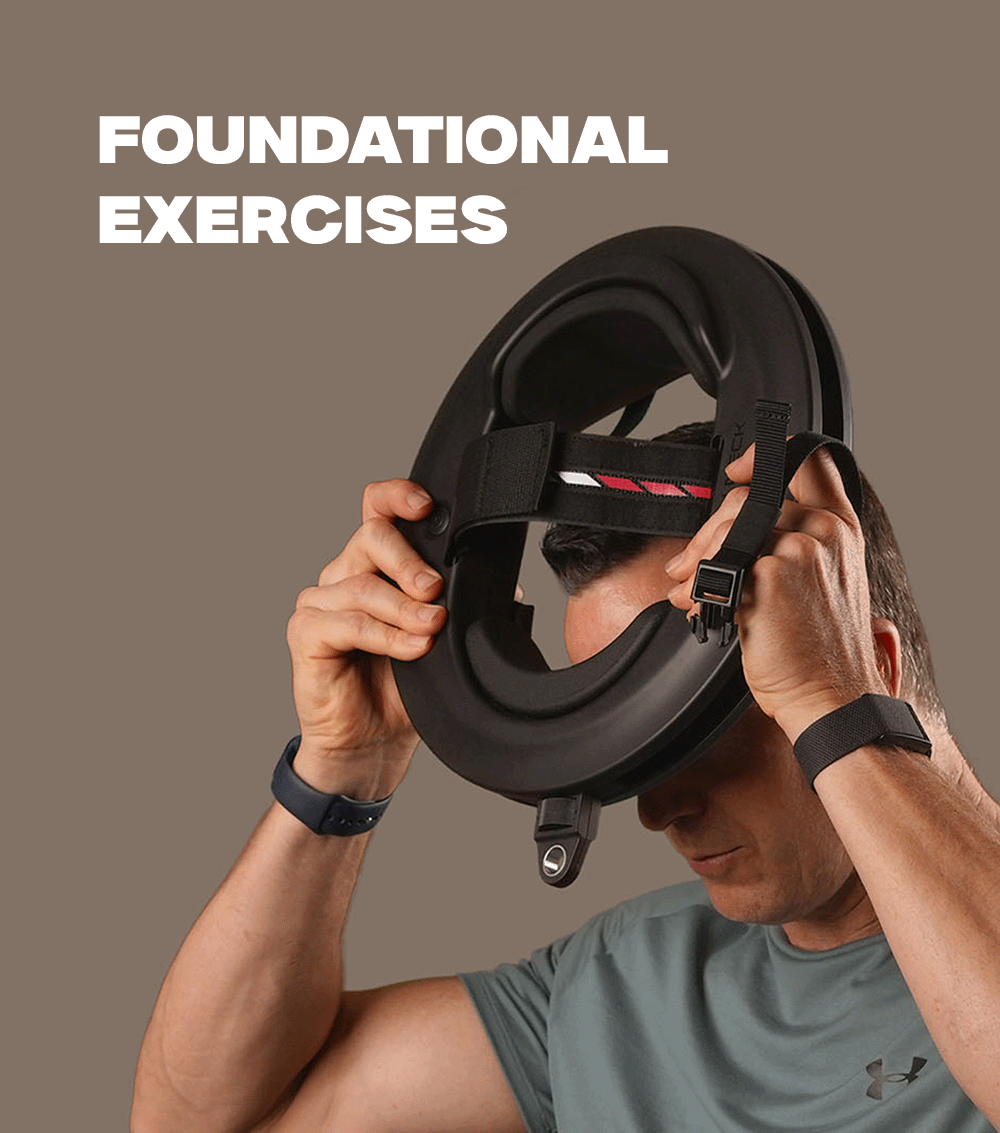
Specialised equipment such as the Iron Neck offers the most controlled and progressive approach to building the neck strength that athletes previously sought from the bridge without the compressive loading that makes the bridge risky.
How to use Iron Neck:
- Adjust the device so resistance aligns correctly with your head position
- Begin with a light resistance setting
- Perform controlled flexion, extension, lateral flexion, and rotation in smooth, deliberate movements
- Keep repetitions slow, maintain posture throughout, and stay within mid-range positions
- Progress resistance incrementally, do not rush load increases
Iron Neck was designed specifically to reduce compressive loading compared with bridging. It allows training in neutral and mid-range positions across all planes of cervical movement, building the same integrated strength, mobility, and resilience that athletes once tried to achieve with bridges, with a significantly better safety profile. It does not remove all risk, and no device has been proven to prevent concussion. Use alongside coach-led technique and safe contact practices [1].
Progression Summary: Bodyweight to Loaded
|
Stage |
Method |
Risk Level |
Best For |
|
1 |
Isometric holds |
Very Low |
Beginners, post-injury, older adults |
|
2 |
Resistance band training |
Low–Moderate |
Intermediate trainees, athletes |
|
3 |
Mobility drills |
Very Low |
All levels — warm-up and recovery |
|
4 |
Iron Neck / modern tools |
Low–Moderate |
Advanced athletes, performance training |
|
— |
Neck bridge |
High |
Elite athletes only, under qualified coaching |
What Iron Neck Users Say
★★★★★ "Excellent Product" — Dennis F.
"I have been using Iron Neck for about two weeks, and have found that it stimulates muscles that aren't sufficiently worked by bridges and neck straps. Iron Neck Pro lets you adjust the tension on rotary movements that you use in everyday activities. I'm looking forward to evaluating this product again in another two or three months, but for now, I'm very enthusiastic about its effectiveness."
Frequently Asked Questions
1. What is the neck bridge exercise?
The neck bridge is a traditional strength training movement where the athlete supports their bodyweight on the back of the head and neck in a bridge position. It was widely used by wrestlers, martial artists, and football players to build neck strength and cervical resilience. It remains relevant in elite coached settings but carries significant risk without proper preparation and supervision.
2. Why is the neck bridge considered risky for most people?
The bridge places high compressive and shear force on the cervical spine in end-range extension — a position most necks are not conditioned to handle safely. Without precise form, gradual progression, and qualified supervision, it can cause strains, disc injuries, pinched nerves, and cumulative long-term wear [1, 4]. Risk increases significantly with end-range extension or rotation, fatigue, or inadequate preparation.
3. Who should avoid neck bridges entirely?
Anyone with a history of neck, spine, or head injuries, known cervical artery disease, connective tissue laxity, prior cervical surgery, progressive neurological symptoms, or severe osteoporosis should avoid the movement. Beginners without a strong foundation and structured coaching are also at high risk. If in doubt, seek clinical assessment before attempting any loaded neck exercise [5, 6, 7].
4. Are there safer alternatives that build the same strength?
Yes. Isometric neck holds, resistance band training, controlled mobility drills, and modern tools like the Iron Neck all target the same cervical muscle groups without the compressive loading of the bridge. Use neutral or mid-range positions, slow tempo, and light resistance initially. Progress under a qualified coach. The neck curl exercise is a particularly effective starting point for building deep cervical flexor strength safely.
5. What makes the Iron Neck safer than the neck bridge?
Iron Neck trains all planes of cervical movement — flexion, extension, lateral flexion, and rotation — in neutral and mid-range positions, significantly reducing the compressive loading that makes the bridge risky. It does not remove all risk, and no device has been proven to prevent concussion. It should be used alongside coach-led technique and safe training practices [1].
6. Can neck strength reduce concussion risk?
Research shows a relationship between neck strength and reduced head acceleration during impacts in contact sports, stronger necks are associated with lower concussion rates in some studies [3]. However, no exercise or device has been proven to prevent concussion. Neck strengthening is one component of a broader safety approach that must include proper technique, safe contact practices, and coach-led programmes.
References:
- Blanpied PR, Gross AR, Elliott JM, et al. Neck pain: clinical practice guidelines—revision 2017. J Orthop Sports Phys Ther. 2017;47(7):A1–A83.
- CDC. HEADS UP helmet safety pages. “There is no concussion-proof helmet.” 2018–2025.
- Garrett JM, Kerr ZY, Parr MS, et al. The relationship between neck strength and sports-related concussion in team sports: systematic review with meta-analysis. J Orthop Sports Phys Ther. 2023.
- Mills BM, Anderson S, Courson R, et al. Consensus recommendations on the prehospital care of the injured athlete with a suspected catastrophic cervical spine injury. Clin J Sport Med. 2020;30(6):471–482.
- Jadhav AP, Yaghi S, Engelter S, et al. Treatment and outcomes of cervical artery dissection in adults: AHA/ASA scientific statement. Stroke. 2024;55:e91–e106.
- Childress MA, Stuek SJ. Neck pain: initial evaluation and management. Am Fam Physician. 2020;102(3):150–156.
- North American Spine Society. Diagnosis and treatment of cervical radiculopathy from degenerative disorders. NASS Guideline; access 2021.
Disclaimer: The Iron Neck blog provides educational content on neck training, fitness, and recovery. It’s not a substitute for medical advice, please consult a healthcare professional before starting any new exercise or recovery program.
Iron Neck is the only device that trains your neck through 360 degrees of resistance, combining rotation, extension, and lateral movement in one tool. Used by NFL teams, UFC fighters, and physical therapists.

Leave a comment
This site is protected by hCaptcha and the hCaptcha Privacy Policy and Terms of Service apply.