



If you've ever ended a long day at your desk with a stiff neck or felt tension after scrolling on your phone, you're not alone. That nagging tightness at the base of your skull usually comes from a small but powerful group of muscles called the suboccipital muscles. Even though most people have never heard of them, these tiny muscles play a big role in how your head moves and how comfortable your neck feels throughout the day.
With a little awareness and a few simple habits, you can ease that pressure, improve your posture, and prevent headaches linked to neck tension. This guide will walk you through what these muscles are, why they sometimes get sore, and the easiest ways to care for them.
What Are the Suboccipital Muscles?
At the very base of your skull, right where your head meets your neck, is a small cluster of muscles known as the suboccipital muscles. You might not notice them when they're working well, but they're constantly active, helping with even the tiniest head movements.
There are four muscles in this group, each with a specific role: the rectus capitis posterior major, the rectus capitis posterior minor, the obliquus capitis superior, and the obliquus capitis inferior. Together they form a small triangle at the base of the skull — sometimes called the suboccipital triangle — and are responsible for the fine rotational and tilting movements of the head on the atlas (C1) and axis (C2) vertebrae.
These muscles act like the control centre for your head. They allow you to tilt your chin, look up at the sky, glance over your shoulder, or nod in agreement. They also play a key role in keeping your posture upright, which is why sitting or standing tall feels more natural when they're strong and relaxed.
Think of them as the "fine-tuning" muscles of your neck. Larger muscles do the heavy lifting, but the suboccipital muscles handle the delicate adjustments that keep your head balanced and steady. Without them, simple actions like reading, driving, or watching a screen would feel awkward and strained.

Why Do Suboccipital Muscles Get Tight?
It doesn't take a major injury for your suboccipital muscles to feel tight. In fact, most of the time the tension builds up from everyday habits. Spending hours at a desk, leaning toward a computer screen, or looking down at your phone forces these muscles to hold your head in an unnatural position. Over time, this contributes to bad neck posture — one of the most common drivers of suboccipital tension. The muscles grow tired and stiff, which often shows up as discomfort at the back of your neck.
Similarly, if you spend long hours behind the wheel, neck pain while driving can put the same sustained load on these muscles that desk work does — the position is different but the strain pattern is similar.
Stress is another big factor. When you're tense, your shoulders rise and your neck stiffens without you even realising it. Add in things like grinding your teeth, squinting at screens, or sleeping in awkward positions, and those small muscles at the base of your skull end up working overtime.
When they tighten up, the result isn't just neck stiffness. You might feel a dull ache that spreads into the back of your head, pressure behind your eyes, or even what feels like a tension headache wrapping around your forehead. These everyday signals are your body's way of saying that the suboccipital muscles need some relief and care.
How to Relieve and Strengthen Your Suboccipital Muscles
The best way to take care of your suboccipital muscles is by making small, consistent changes in how you sit, move, and stretch throughout the day. You don't need a complicated routine — just a few easy habits that anyone can follow.
Important before you begin: Work only in a comfortable mid-range. Move slowly and avoid holding your breath. Stop immediately if you notice dizziness, visual changes, numbness, tingling, weakness, unsteadiness, or electric-like facial pain. Do not perform ballistic or high-velocity neck movements [1, 3].
Check Your Posture
Developing forward head posture — where your ears sit in front of your shoulders rather than above them — is one of the fastest ways to overload the suboccipital muscles. Simple corrections make a real difference:
- Keep your screen at eye level to avoid looking down
- Relax your shoulders and keep your ears stacked above your shoulders
- Small, consistent adjustments throughout the day reduce pressure on the base of your skull
Take Micro-Breaks
- Stand up every 30–45 minutes
- Roll your shoulders and move your neck gently side to side, staying within a comfortable range — do not push to end-range
- Short, frequent movement breaks prevent stiffness from building up during long periods of stillness
- Stretch Gently
Sit tall and perform a small chin-nod. Place your hands lightly behind your head for guidance only — do not pull your neck into end-range. Hold in a comfortable mid-range for 10 to 15 seconds, then relax and repeat a few times.
This chin-tuck movement is also a foundation of broader neck tightening exercises that improve posture and reduce tension over time.
Add Light Strengthening
- Dosage: 8 to 10 repetitions, holding each for 3 to 5 seconds, once or twice daily
- The neck curl exercise is a particularly effective movement for building the deep cervical flexor strength that takes load off the suboccipitals
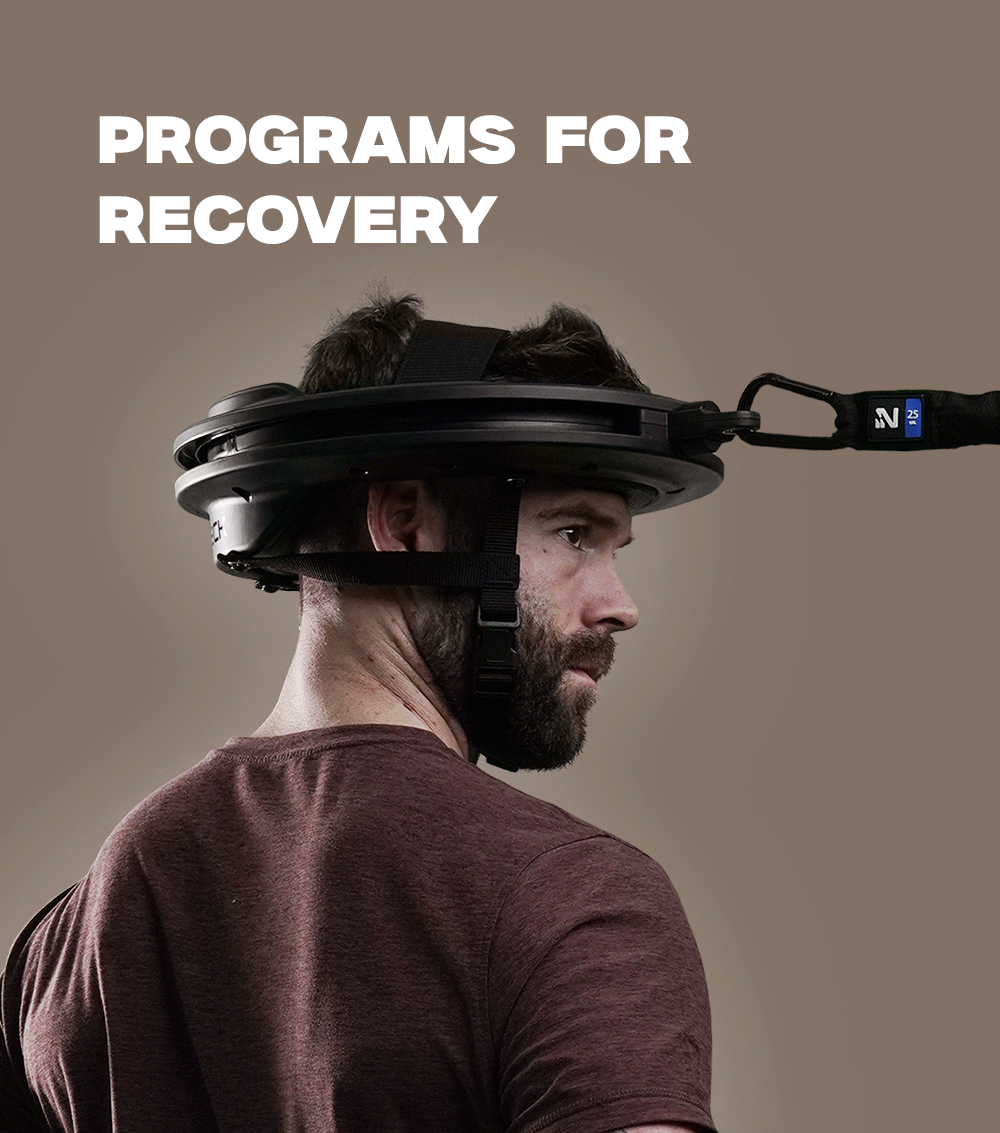
- Light resistance band exercises also build support across the neck and upper back
- Stop if symptoms increase [1, 4, 5]
- Most of the time, a little stretching, better posture, and short breaks are enough to keep suboccipital tension under control.
When to See a Doctor
Most suboccipital tension responds well to stretching, posture corrections, and rest. However, you should seek medical attention promptly if you experience any of the following:
- Sudden, severe headache that feels unlike your usual headaches — this can occasionally signal a serious condition requiring urgent assessment
- Visual changes, dizziness, slurred speech, or facial numbness alongside neck pain — these may indicate cervical artery dissection or another vascular concern requiring immediate care [3]
- Numbness, tingling, or weakness travelling into your arms or hands
- Neck pain following a trauma such as a fall, sports injury, or car accident
- Headaches or neck pain that are progressively worsening and not responding to rest or self-care
- Pain that consistently disrupts sleep or is accompanied by fever
- If you are unsure whether your symptoms are muscular, always consult a GP, physiotherapist, or specialist before starting any exercise programme [2, 3].
The following people should not begin neck exercises without clinical clearance:
- Recent significant neck trauma or suspected fracture
- Progressive neurological deficit, gait disturbance, or hand clumsiness
- Known vertebral or carotid artery disease, or recent stroke or TIA
- Post-operative cervical spine status without surgeon clearance
- Connective tissue laxity disorders or diagnosed cervical instability
- Severe osteoporosis
- Supporting Your Suboccipital Muscles With Iron Neck
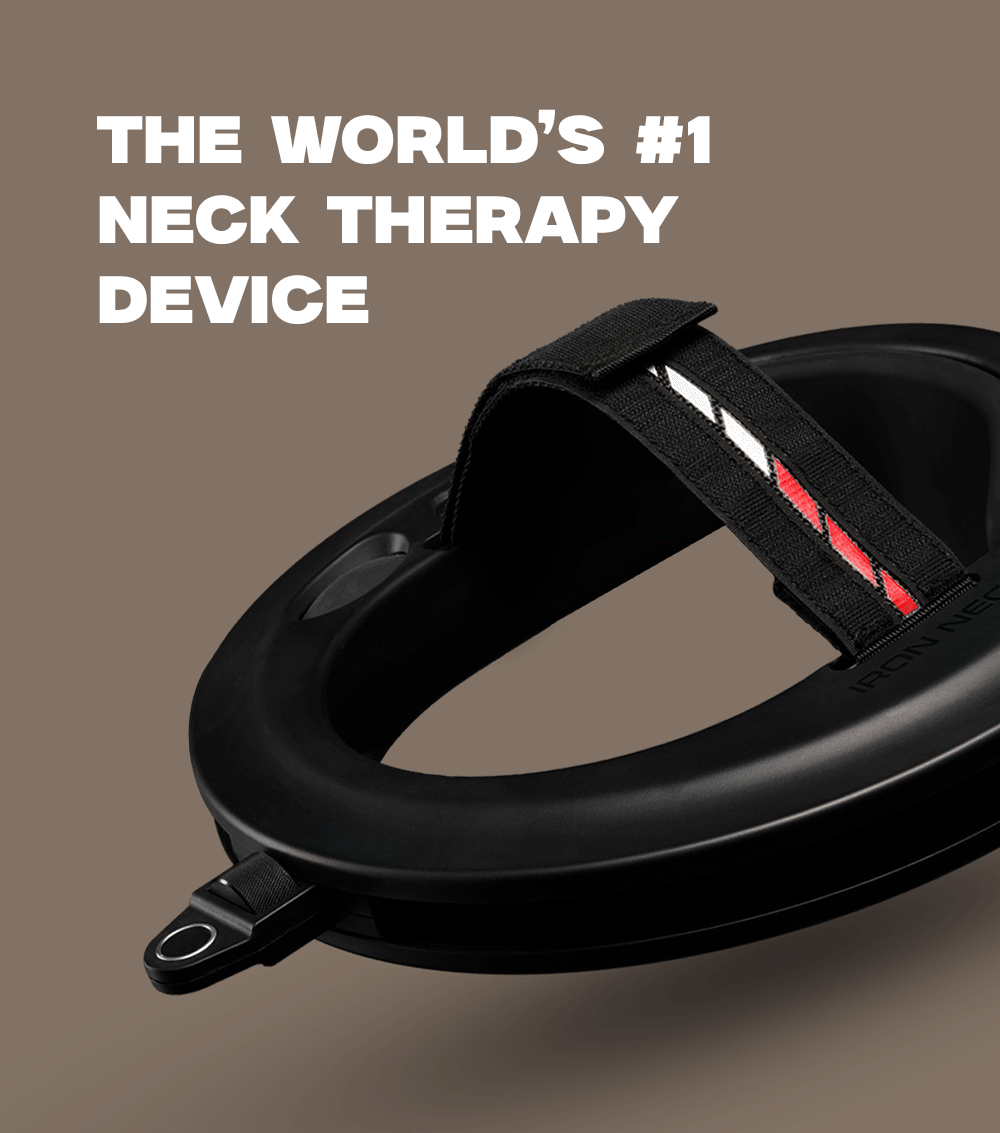
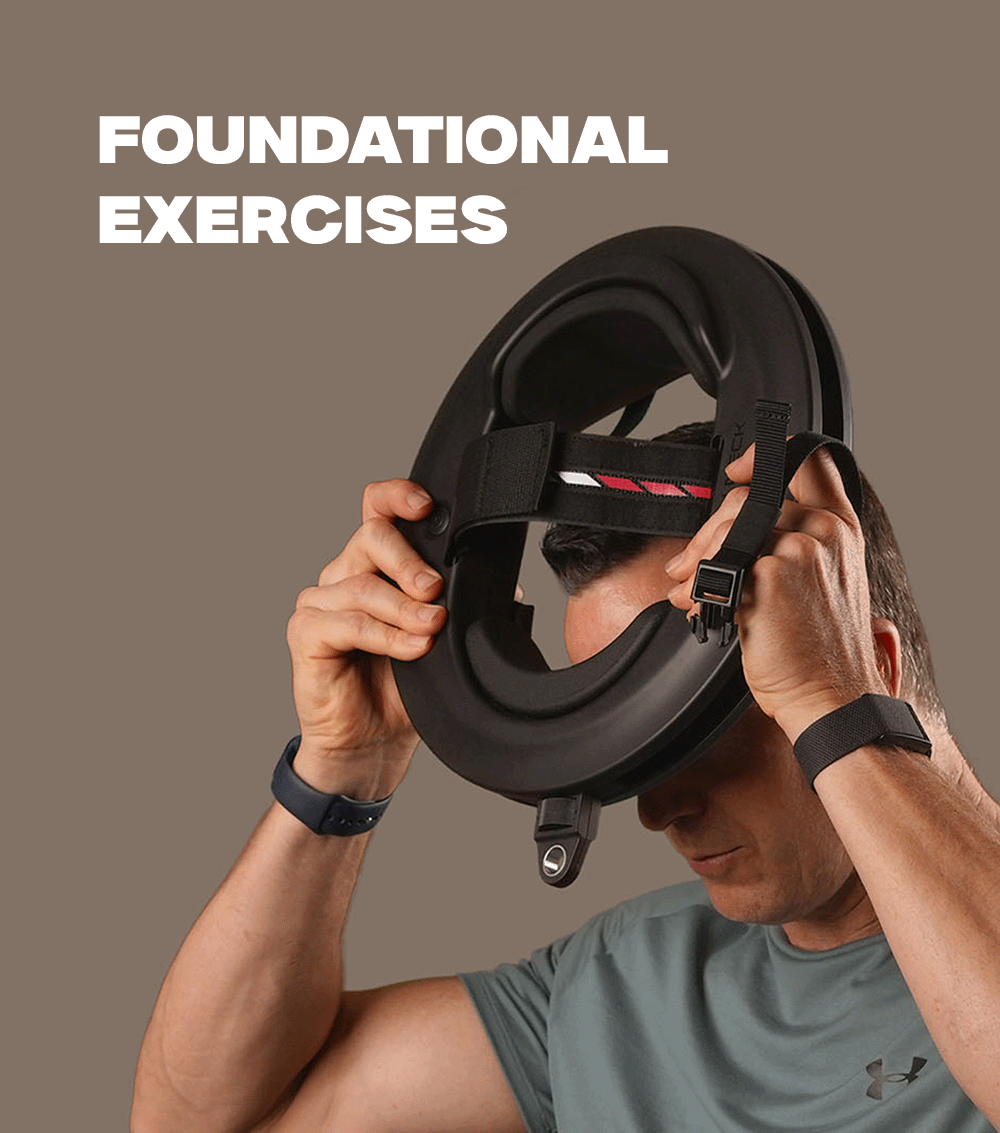
While simple stretches and posture fixes go a long way, some people find it easier to stay consistent with a tool that guides their movements. The Iron Neck is designed to support healthy posture while adding gentle resistance to your exercises. For the suboccipital muscles, this means you can stretch and strengthen them in a safe, controlled way without overstraining.
Think of it as a training partner that keeps your head in the right position and makes each exercise more effective. Whether you're working to ease existing tension or prevent it from building up, Iron Neck can make the process smoother and more reliable [1, 3, 6].
The Bottom Line
Your suboccipital muscles may be small, but they have a big impact on how your neck feels every day. From supporting posture to allowing smooth head movements, they quietly work in the background until tension makes them noticeable.
The good news is that caring for them doesn't take much — a few stretches, posture checks, and short breaks can make a real difference. Understanding the benefits of a strong neck goes beyond aesthetics — it directly reduces the load on small stabilising muscles like the suboccipitals that are vulnerable to everyday strain. With consistency, you can ease stiffness, prevent headaches, and feel more comfortable whether you're at work, at the gym, or simply relaxing [1].
Frequently Asked Questions
1. How can I tell if my neck pain is coming from the suboccipital muscles?
Suboccipital pain often feels like tightness at the base of the skull, sometimes causing headaches or pressure behind the eyes. If it eases with stretching, posture fixes, or breaks from screen time, it's likely coming from these muscles. Seek clinical assessment for severe, sudden, persistent, or atypical headaches, or if any neurological symptoms occur [2, 3].
2. Can suboccipital muscles cause headaches?
Yes. When these muscles are tight, they can trigger tension headaches or refer pain to the back of the head, behind the eyes, or across the forehead. This is one of the most common — and frequently overlooked — causes of everyday headaches in desk workers and people who spend long hours on screens.
3. How do you release tight suboccipital muscles?
Gentle chin tucks, stretches, massage, and posture corrections are effective first steps. Taking regular breaks from sitting or screen time also helps prevent tension from building up in the first place.
4. Are there exercises to strengthen suboccipital muscles?
Yes. Light exercises such as chin tucks and resistance band movements strengthen the surrounding muscles and reduce strain on the suboccipitals. Tools like the Iron Neck can add controlled resistance to improve both strength and posture over time.
5. When should I see a doctor about suboccipital pain?
If your pain is sudden and severe, worsening over time, accompanied by neurological symptoms such as dizziness or numbness, or followed a trauma, seek medical attention promptly rather than attempting to self-treat [2, 3].
6. How does the Iron Neck help with suboccipital muscle care?
The Iron Neck provides guided resistance to strengthen neck muscles while supporting proper alignment, reducing strain on the suboccipitals, and improving posture over the long term.
References
- Blanpied PR, Gross AR, Elliott JM, et al. Neck pain: clinical practice guidelines — revision 2017. J Orthop Sports Phys Ther. 2017;47(7):A1–A83.
- Childress MA, Stuek SJ. Neck pain: initial evaluation and management. Am Fam Physician. 2020;102(3):150–156.
- Jadhav AP, Yaghi S, Engelter S, et al. Treatment and outcomes of cervical artery dissection in adults: AHA/ASA Scientific Statement. Stroke. 2024;55:e91–e106.
- Jull GA, Falla D, Vicenzino B, Hodges PW. Training the cervical flexor muscles: randomised trial on motor control and posture. Spine. 2002;27(8):829–837.
- Jull GA, O'Leary SP, Falla DL. Clinical assessment and low-load training of deep cervical flexors. J Manipulative Physiol Ther. 2008;31(7):525–533.
- American College of Sports Medicine. Position stand: progression models in resistance training for healthy adults. Med Sci Sports Exerc. 2009;41(3):687–708.
Disclaimer: The Iron Neck blog provides educational content on neck training, fitness, and recovery. It is not a substitute for medical advice. Please consult a healthcare professional before starting any new exercise or recovery programme.


Leave a comment
This site is protected by hCaptcha and the hCaptcha Privacy Policy and Terms of Service apply.