



Tackling Technique and Head Safety: How Modern Football Programs Are Reducing Head Exposure
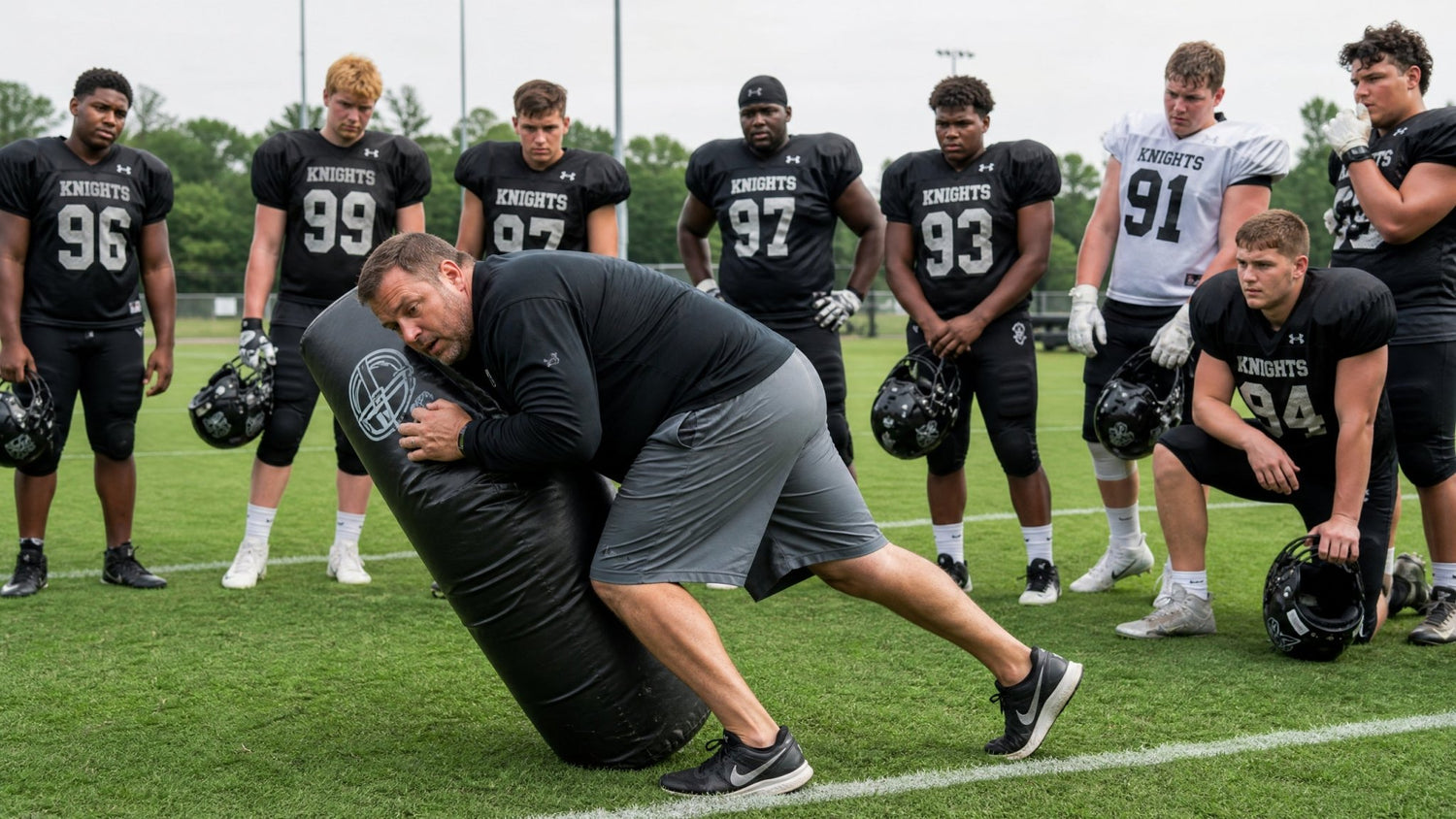
The way football players tackle has changed significantly over the past decade. Driven by growing awareness of head injury risk and supported by biomechanical research, modern tackling systems emphasize shoulder-led contact, head-out positioning, and technique patterns that dramatically reduce the frequency of head-first contact.
This article covers the evolution of tackling technique, the certification programs available to coaches, and the practical steps programs can take to reduce head exposure through better technique.
The Problem with Traditional Tackling
Traditional football tackling instruction often emphasized "putting your face in the numbers" — leading with the head to drive through the ball carrier. This technique, while effective for generating force, places the head in the primary impact zone and is directly associated with elevated head impact frequency.
Biomechanical research using helmet accelerometers has confirmed what common sense suggests: tackles that involve head-first contact generate significantly higher head acceleration forces than shoulder-led tackles. Reducing the frequency of head-first contact is one of the most direct ways to reduce cumulative head impact exposure.
Shoulder-Led Tackling Systems
The shift toward shoulder-led tackling began in earnest around 2012, when USA Football introduced the Heads Up Football program. Since then, several distinct systems have emerged:
Heads Up Football (USA Football)
The original modern tackling system, Heads Up Football emphasizes five fundamentals: buzzsaw feet (short, choppy steps on approach), breakdown position (bent knees, flat back), shoot (drive the shoulder into the ball carrier), rip (bring the arms through to complete the tackle), and drive (leg drive through the tackle). The head remains up and out of the contact zone throughout.
Rugby-Style Tackling
Adopted by some programs, particularly at the youth level, rugby-style tackling involves wrapping the ball carrier around the thighs or hips with the head to the side of the body. This technique virtually eliminates head-first contact but requires significant technique training and is most appropriate for lower-speed situations.
Hawk Tackle (Seattle Seahawks)
The Hawk Tackle system, developed by the Seattle Seahawks and popularized through their coaching clinics, emphasizes a low approach angle, shoulder contact at the hip level, and a wrap-and-drive finish. It has been widely adopted at the collegiate and professional levels.
Coach Certification Programs
Technique change requires coach education. Several certification programs are available:
USA Football Coach Certification
USA Football offers a tiered certification program that includes Heads Up Football technique training, concussion recognition, heat safety, and equipment fitting. The certification is available online and in-person and is required by many state athletic associations for youth football coaches.
AFCA Coaching Certification
The American Football Coaches Association offers a professional development certification that includes player safety components. It is designed for high school and collegiate coaches.
NFL/NFLPA Player Safety Programs
The NFL and NFLPA jointly fund player safety programs that include coach education resources, particularly around tackling technique and concussion management. These resources are available to programs at all levels through the NFL's Play Smart. Play Safe. initiative.
Drill Design: Reducing Head Exposure in Practice
Technique improvement happens through repetition, but not all repetitions are equal. Drill design can significantly reduce head impact exposure while still developing tackling proficiency:
- Angle tackling drills — practice approach angles and breakdown positions without full-speed contact
- Bag work — develop contact mechanics against bags before progressing to live players
- Thud tackling — full-speed approach and contact, stopping short of the tackle — develops reads and reactions without the impact of a full tackle
- Form tackling — slow-speed, technique-focused tackling against a stationary or slow-moving ball carrier
The progression from bag work to form tackling to thud to live tackling allows coaches to develop technique systematically while controlling head impact exposure at each stage.
Technique Auditing Through the Season
Technique degrades under fatigue and competitive pressure. Coaches who teach good technique in August often see it break down by October. Systematic technique auditing helps maintain standards through the season.
Practical approaches to technique auditing:
- Film review — review game and practice film specifically for tackling technique, not just outcomes. A tackle that results in a stop but involves head-first contact is a technique failure even if it was "successful."
- Technique metrics — track the percentage of tackles that involve head-first contact. Set a program standard (e.g., less than 10% of tackles involve head contact) and monitor it weekly.
- Position coach accountability — assign each position coach responsibility for their group's tackling technique metrics
The Neck Strength Component
Even with perfect technique, football players will experience head contact. The neck is the last line of defense when technique breaks down — which it inevitably does in the chaos of a football game.
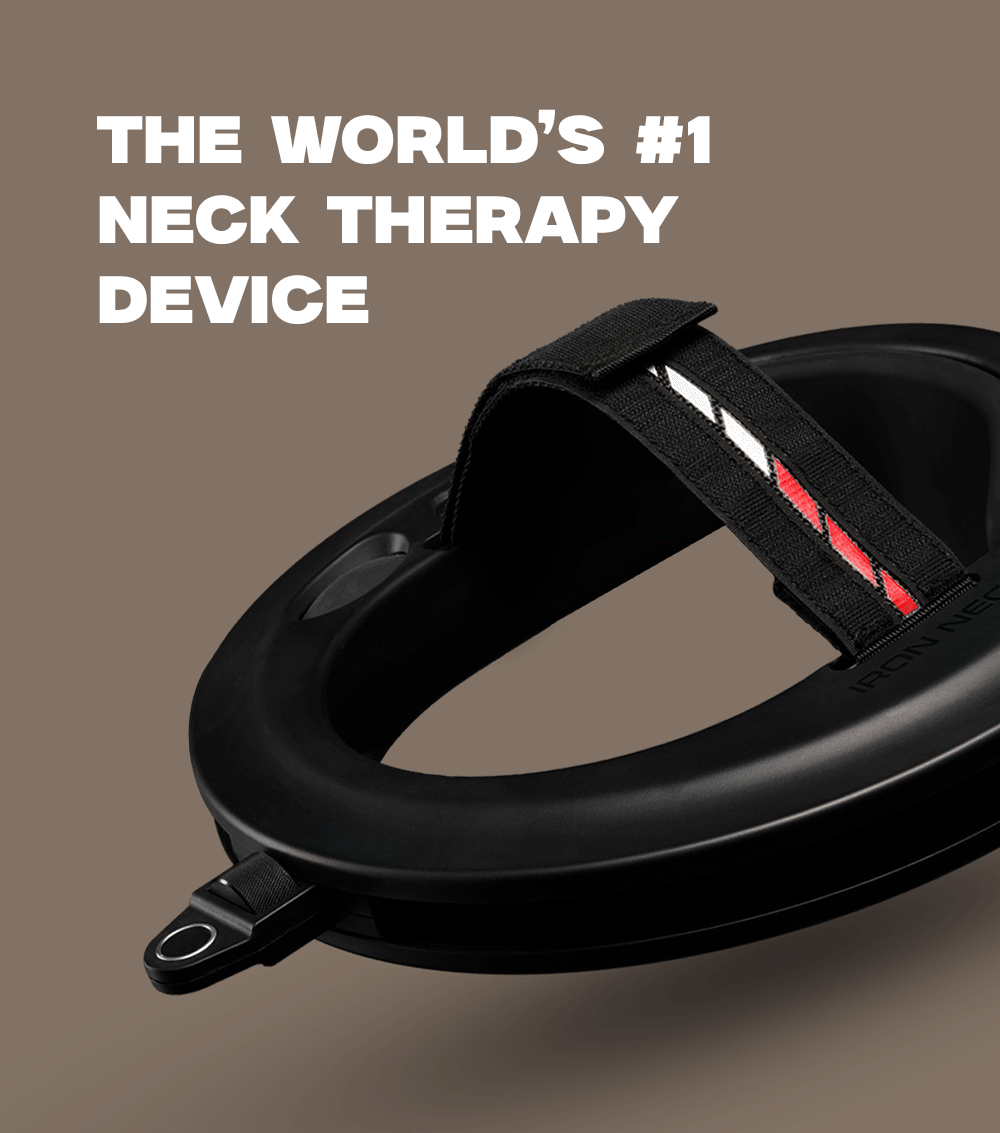
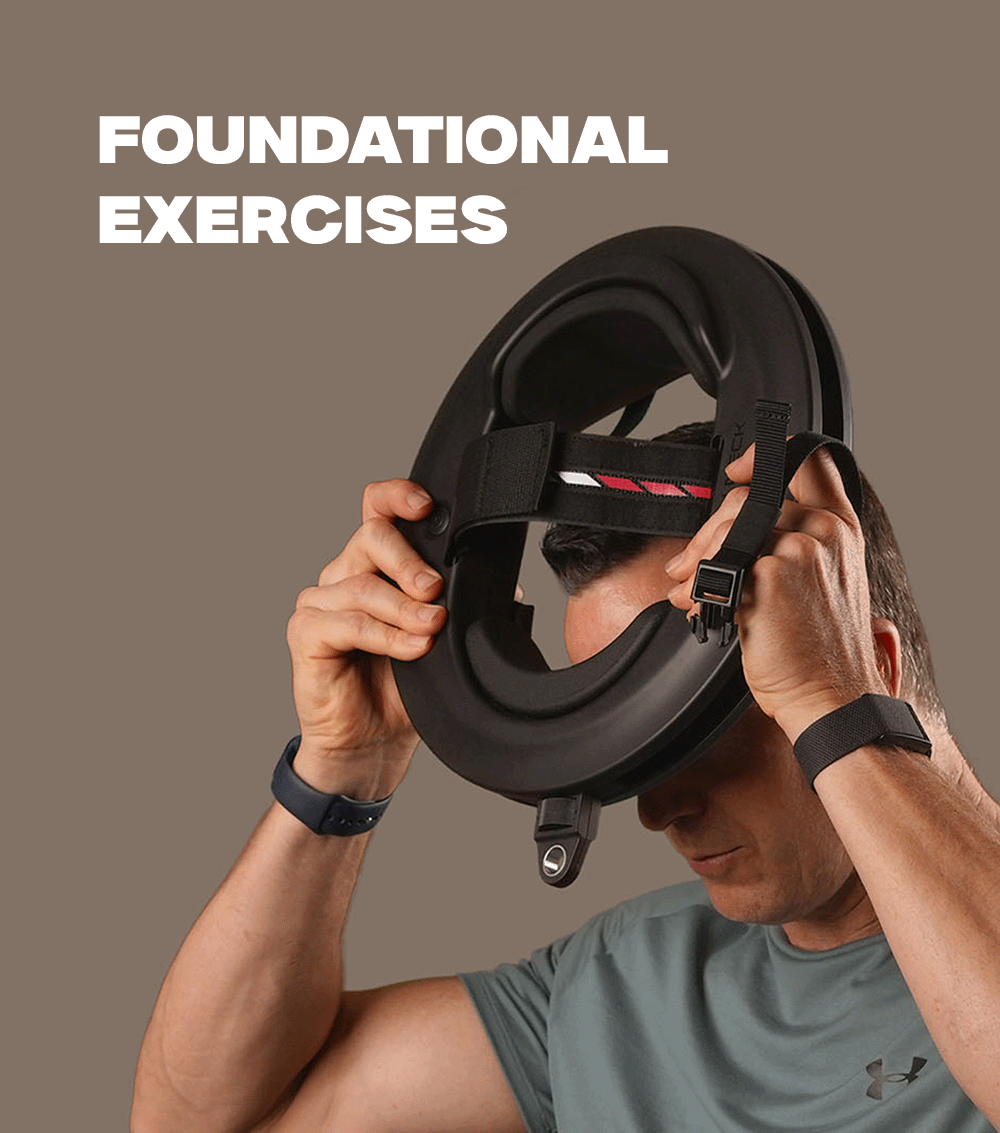
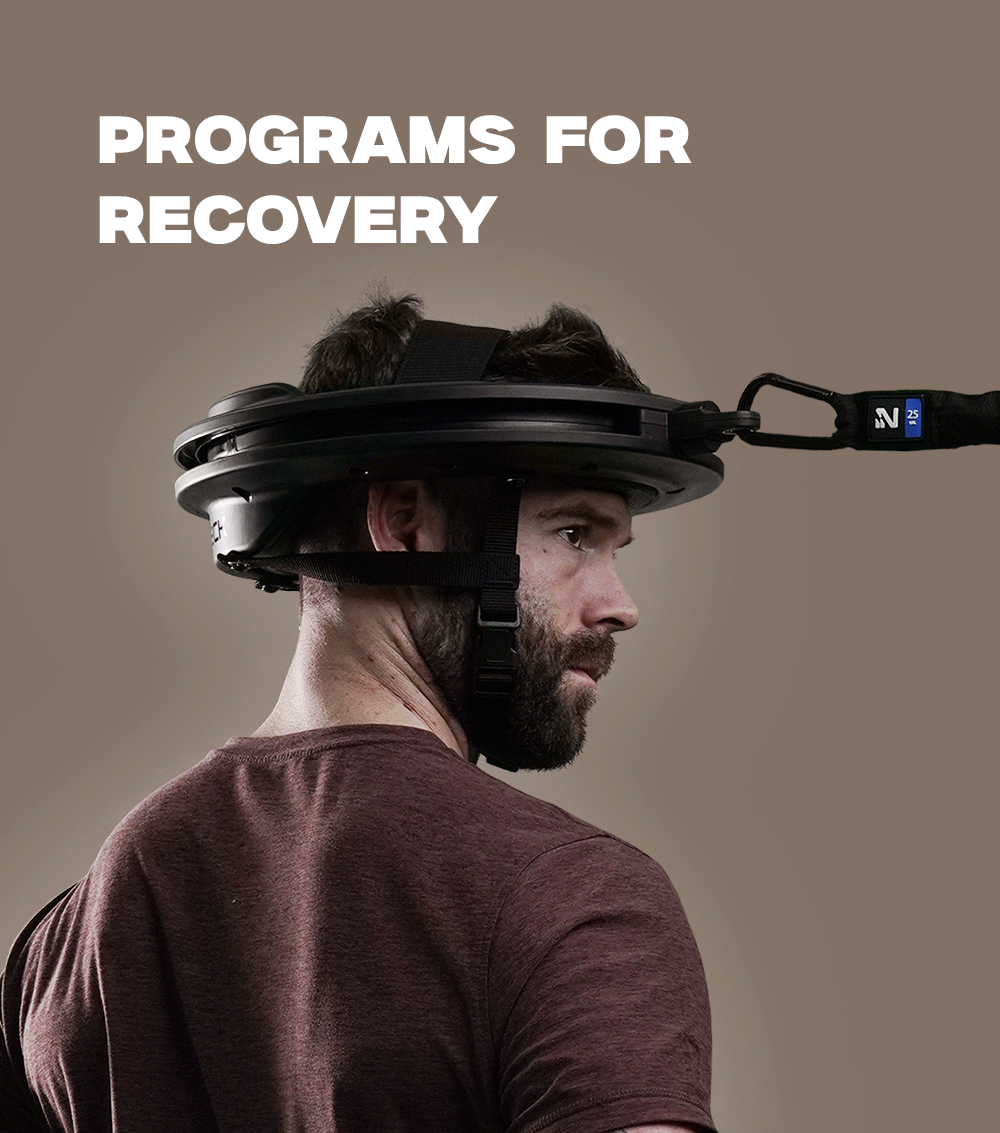
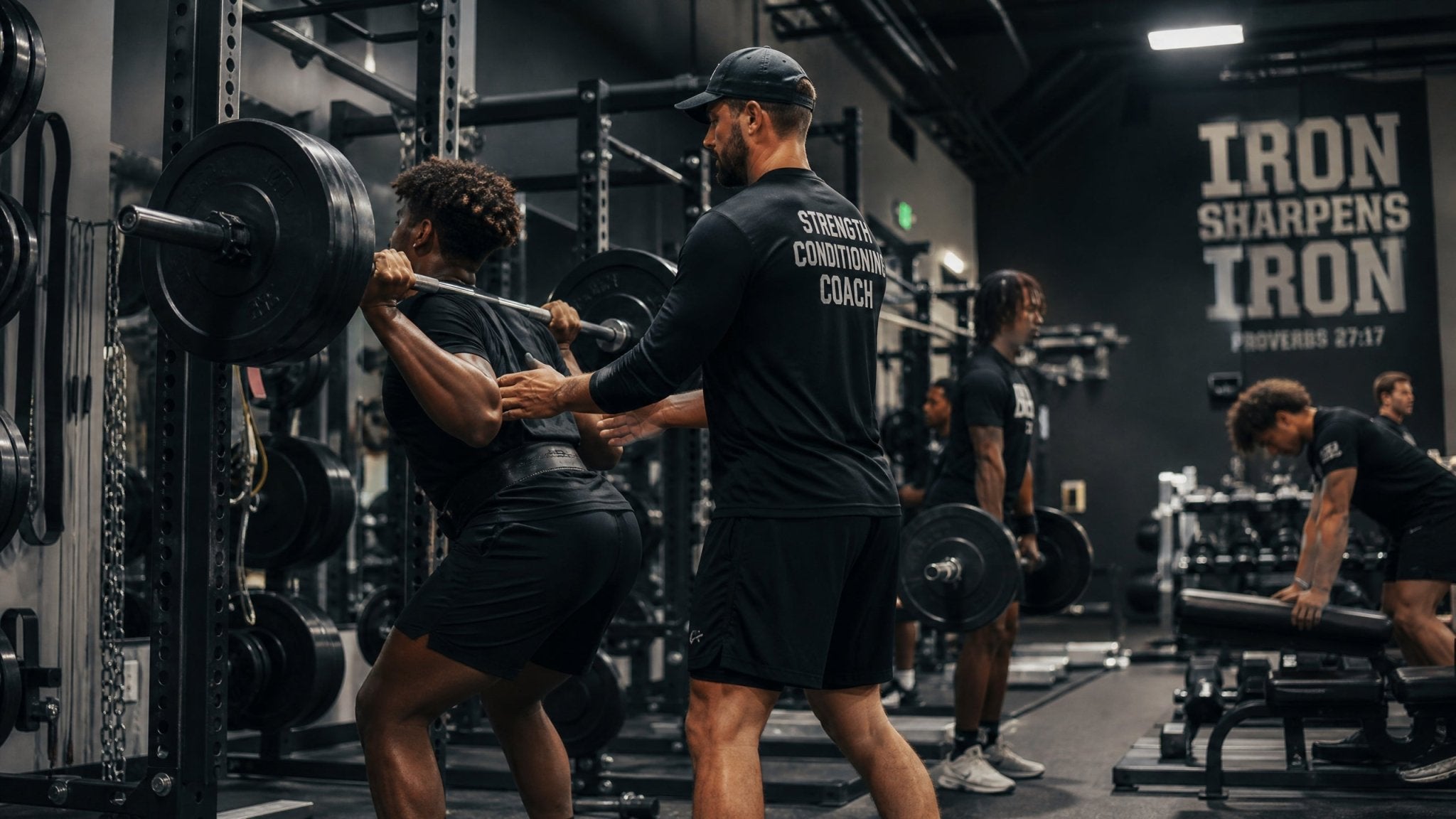
A player with strong neck musculature absorbs more of the kinetic energy from a head impact before it reaches the brain. Research consistently shows that neck strength is one of the strongest predictors of concussion risk, independent of technique. Building neck strength through dedicated training is the complementary intervention to technique improvement — one reduces the frequency of head impacts, the other reduces the consequence of each impact.
Programs that invest in both technique coaching and neck strength training create the most comprehensive head safety program available within the current rules of the sport.
Leave a comment
This site is protected by hCaptcha and the hCaptcha Privacy Policy and Terms of Service apply.