



Strength and Conditioning Safety for Football: Supervision Standards, Transition Periods, and Rhabdo Prevention
The weight room is where football players build the physical foundation for performance and injury resistance. It is also a setting where serious injuries can and do occur — from acute injuries during lifting to the potentially life-threatening condition of exertional rhabdomyolysis. Understanding the safety standards that govern strength and conditioning for football is essential for any program that takes athlete welfare seriously.
Supervision Standards: The Regulatory Framework
The National Strength and Conditioning Association (NSCA) and the Collegiate Strength and Conditioning Coaches Association (CSCCa) both publish standards for strength and conditioning supervision. While these standards are not legally binding in most states, they represent the accepted standard of care and are referenced in litigation when injuries occur.
Coach-to-Athlete Ratios
The NSCA recommends the following maximum coach-to-athlete ratios for strength and conditioning sessions:
- General strength training: 1:10 (one coach per 10 athletes)
- Olympic lifting: 1:10
- Speed and agility: 1:15
- Conditioning: 1:20
These ratios assume that the supervising coach is a certified strength and conditioning specialist (CSCS or SCCC) with training in emergency response. Programs that exceed these ratios — which is common at the high school level — face elevated risk and reduced ability to respond to emergencies.
Coach Qualifications
The NSCA recommends that all strength and conditioning coaches hold the Certified Strength and Conditioning Specialist (CSCS) credential. At the high school level, many states do not require any certification for strength coaches. Programs should prioritize hiring certified coaches and providing continuing education for existing staff.
At minimum, all strength and conditioning staff should hold current CPR/AED certification and have completed first aid training.
The Transition Period: The Highest-Risk Window
The transition period — the return to intense training after a break of two weeks or more — is the highest-risk window for serious injury in strength and conditioning. This includes the return from summer break, the return from winter break, and the return from injury.
The physiological explanation: during a training break, the body undergoes detraining. Cardiovascular capacity, muscular endurance, and connective tissue tolerance all decrease. When athletes return to training at the intensity they left, the mismatch between training demand and physiological capacity creates elevated injury risk.
Rhabdomyolysis: The Most Serious Risk
Exertional rhabdomyolysis (rhabdo) is the breakdown of muscle tissue due to extreme exertion, resulting in the release of myoglobin into the bloodstream. Myoglobin can damage the kidneys and, in severe cases, cause acute kidney failure and death.
Rhabdo is most common in the transition period, when athletes are subjected to high-volume, high-intensity conditioning before their bodies have readapted to training stress. Several high-profile cases at the collegiate level — including multiple hospitalizations at major programs — have focused attention on this risk.
Warning signs of rhabdo:
- Severe muscle pain, swelling, or weakness disproportionate to the training performed
- Dark brown or cola-colored urine (the most specific sign)
- Decreased urine output
- Nausea, vomiting, fever, or confusion
Any athlete presenting with these symptoms after intense training should be evaluated immediately. Rhabdo is treated with aggressive IV fluid resuscitation in a hospital setting — it cannot be managed in the training room.
Transition Period Programming Guidelines
The NSCA and CSCCa recommend the following approach to transition period programming:
- Reduce volume by 50–60% in the first week of return, regardless of the athlete's reported fitness level
- Avoid eccentric-dominant exercises (downhill running, plyometrics, heavy squats) in the first week — eccentric loading is the primary driver of exercise-induced muscle damage
- Progress gradually — increase volume by no more than 10% per week
- Monitor for symptoms — check in with athletes 24–48 hours after the first intense session
- Hydration emphasis — ensure athletes are well-hydrated before, during, and after transition period sessions
Spotting and Technique Standards
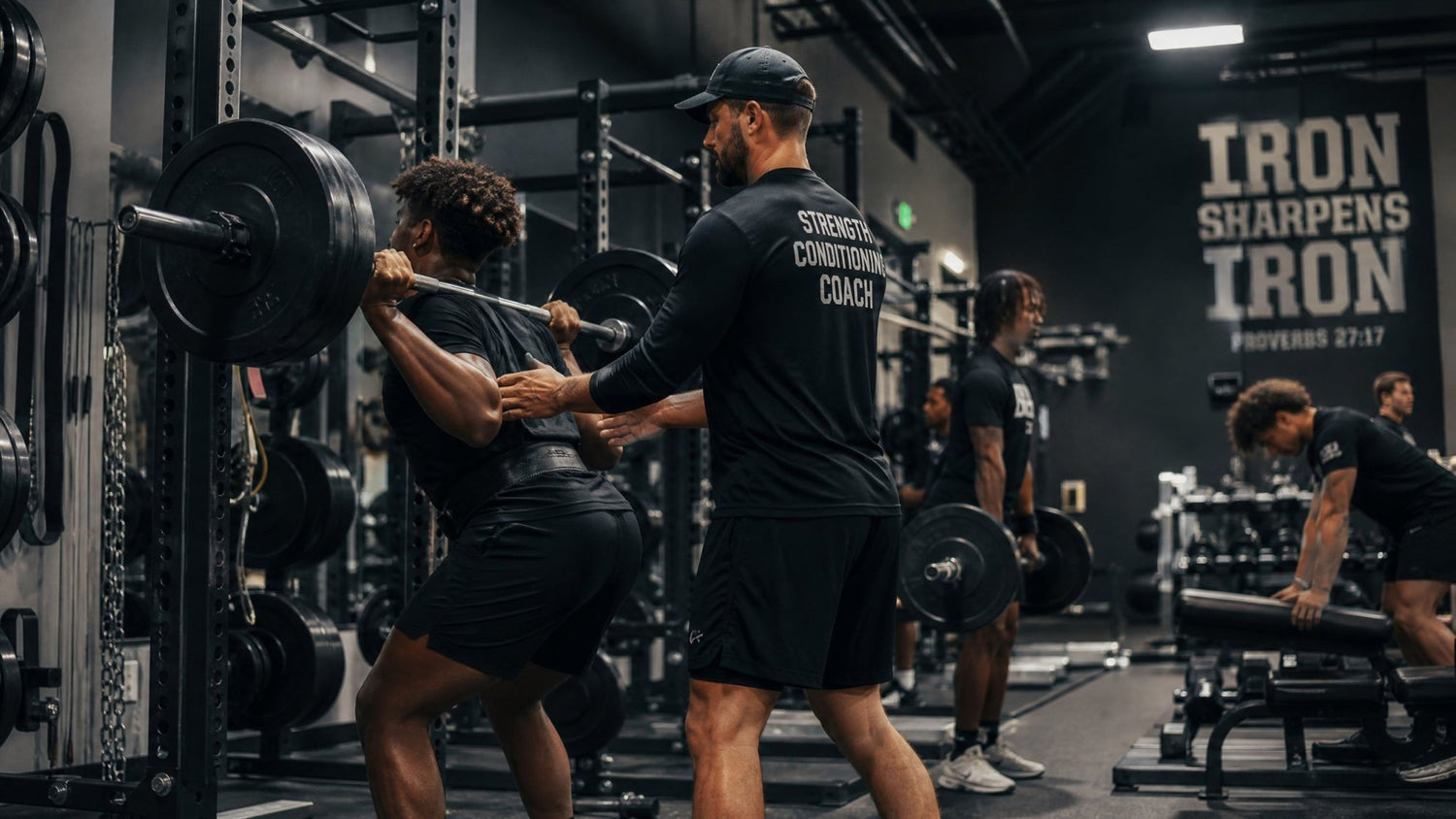
Proper spotting technique is a fundamental safety skill that is often undertaught. Key principles:
- Bench press — spotter stands behind the bar, uses an alternating grip, assists from the bar (not the lifter's wrists), and is prepared to take the full weight if the lifter fails
- Squat — for heavy squats, use a power rack with safety bars set at the appropriate height. If spotting without a rack, use two spotters at the ends of the bar for loads above 80% of 1RM
- Olympic lifts — do not spot Olympic lifts in the traditional sense. Teach athletes to bail safely. Clear the area around the platform.
Load Progression: The 10% Rule
A general guideline for safe load progression: increase training volume (sets × reps × weight) by no more than 10% per week. This applies to total weekly volume, not individual session volume. Athletes who progress faster than this rate face elevated injury risk from overuse and overload.
The 10% rule is a guideline, not a law. Well-trained athletes can tolerate faster progression in some phases of training. The key is monitoring — athletes who show signs of overtraining (persistent fatigue, declining performance, elevated resting heart rate, mood changes) need a reduction in load regardless of where they are in the program.
Neck Training in the Weight Room
Neck strength training belongs in the football weight room program, not just as a safety intervention but as a performance enhancement. A strong neck improves head stability during contact, reduces the energy transmitted to the brain from head impacts, and contributes to overall upper body strength and stability.
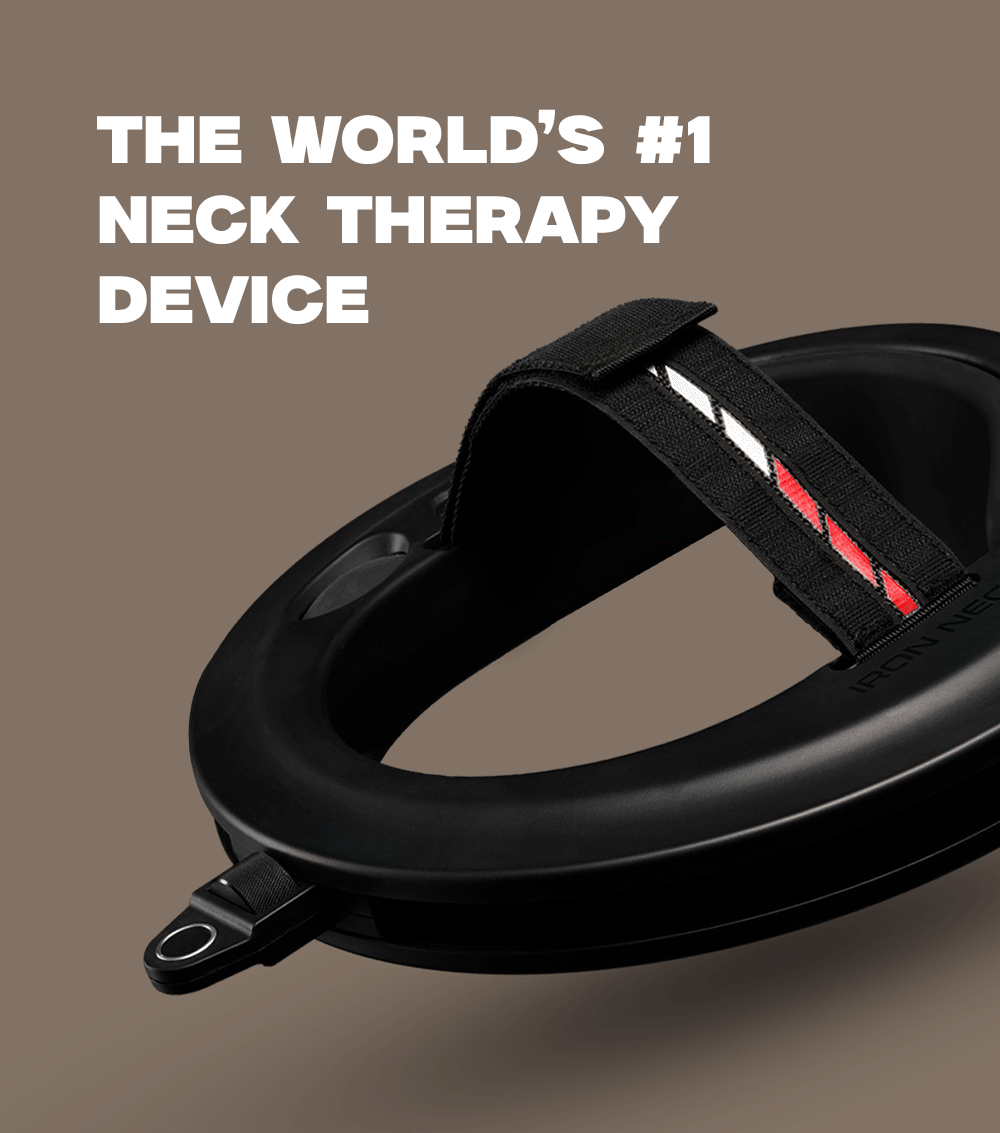
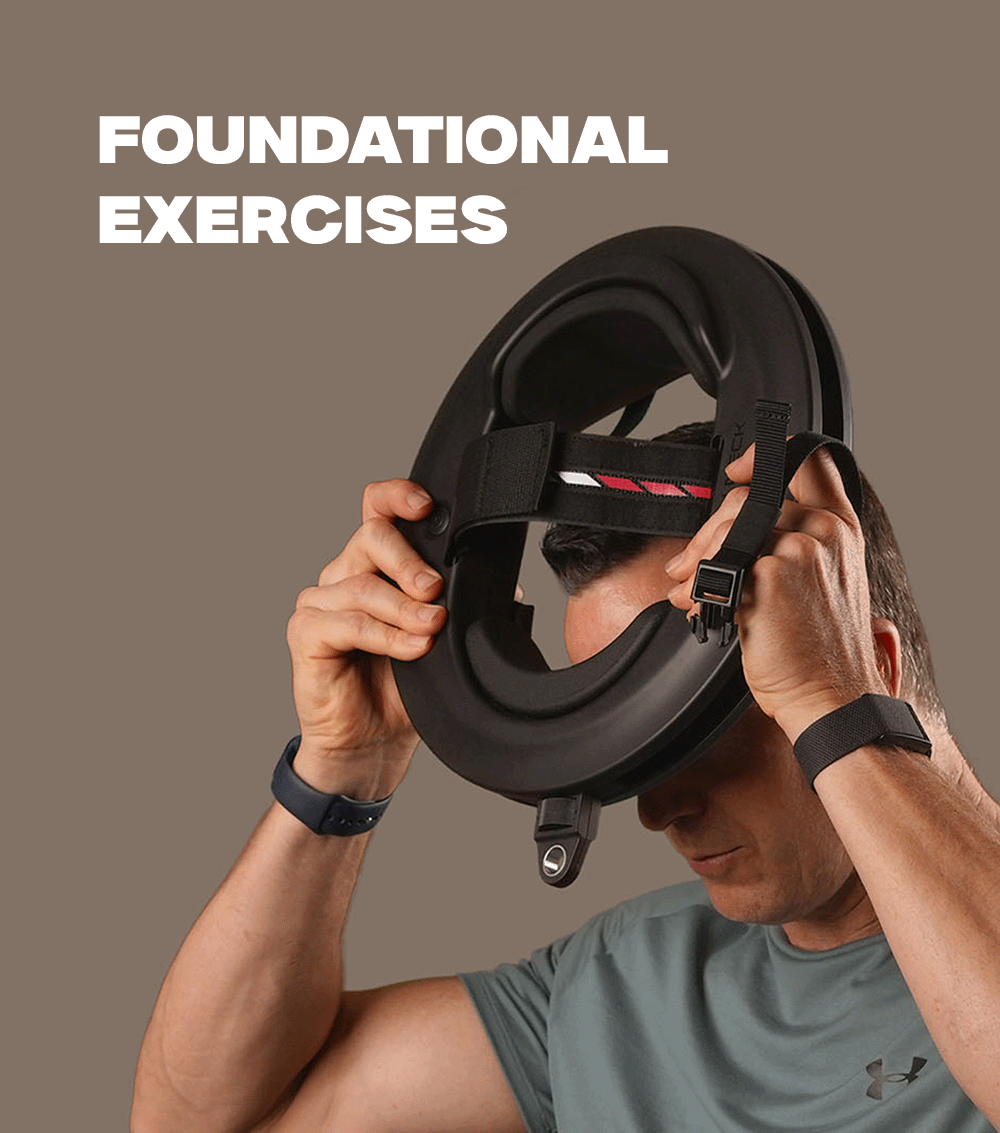
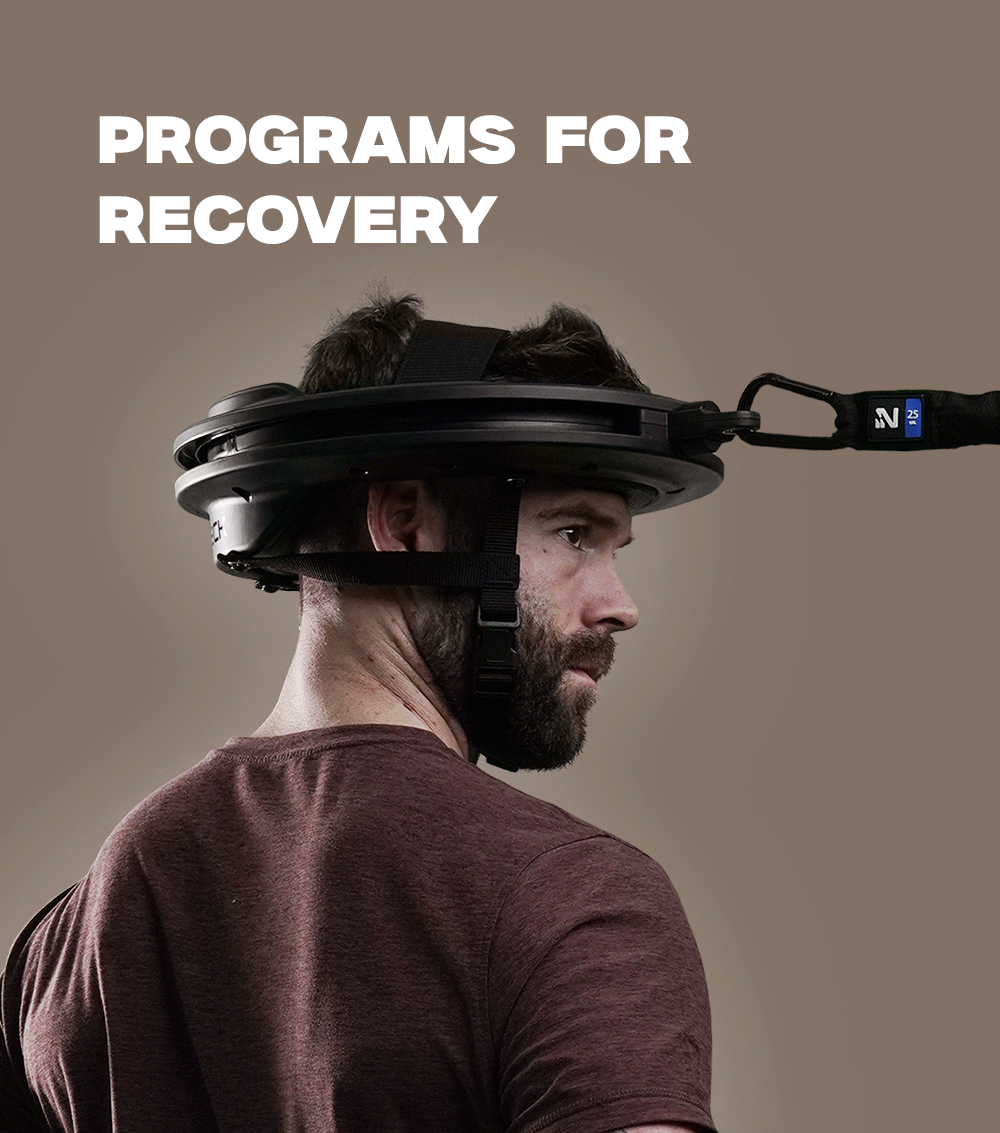
The Iron Neck device is designed for integration into strength and conditioning programs. It can be used as a warm-up tool, as a supplemental exercise between sets, or as a dedicated training station. The device provides 360-degree resistance through a full range of motion, making it more comprehensive than traditional plate-loaded or resistance band neck training.
Recommended integration: 2–3 sets of neck training per session, 3 sessions per week, progressing from lighter resistance and higher reps in the off-season to heavier resistance and lower reps in the preseason.
Leave a comment
This site is protected by hCaptcha and the hCaptcha Privacy Policy and Terms of Service apply.