




Sleep and Recovery for Football Players: What Coaches Need to Know
Sleep is the most powerful recovery tool available to football players — and the most frequently sacrificed. In a sport that demands physical preparation, technical mastery, and mental sharpness, chronic sleep deprivation undermines all three. Understanding the science of sleep and recovery is increasingly recognized as a competitive advantage, not just a health concern.
The Science: Why Sleep Matters for Football
During sleep, the body performs critical repair and adaptation processes that cannot occur during waking hours:
- Muscle protein synthesis — the majority of muscle repair and growth occurs during deep sleep stages
- Hormonal restoration — growth hormone secretion peaks during slow-wave sleep; testosterone levels are directly correlated with sleep duration
- Glycogen replenishment — liver and muscle glycogen stores are restored during sleep
- Neural consolidation — motor learning and skill acquisition are consolidated during REM sleep
- Immune function — cytokine production and immune cell activity peak during sleep, supporting recovery from tissue damage
The consequences of insufficient sleep are well-documented: reduced reaction time, impaired decision-making, decreased pain tolerance, increased injury risk, and impaired immune function. A study of collegiate athletes found that athletes who slept fewer than 8 hours per night were 1.7 times more likely to sustain an injury than those who slept 8 or more hours.
Sleep Standards: How Much Is Enough?
Adolescent Athletes (High School)
The American Academy of Sleep Medicine recommends 8–10 hours of sleep per night for adolescents aged 13–18. This recommendation accounts for the elevated sleep need during adolescent development — a period of rapid physical, neurological, and hormonal change.
High school athletes face particular challenges: early school start times, academic demands, social activities, and the physical demands of training all compete with sleep. Research consistently shows that high school athletes are among the most sleep-deprived populations in the United States, averaging 6–7 hours per night.
Collegiate Athletes
The National Sleep Foundation recommends 7–9 hours per night for adults aged 18–25. Elite athletes may need more — some research suggests that athletes performing at the highest levels benefit from 9–10 hours, particularly during periods of high training volume.
Recovery Days: Programming Rest
Recovery is not the absence of training — it is a planned component of training. Programs that treat rest days as wasted days are leaving adaptation on the table.
The physiological rationale: training creates stress. Adaptation — the improvement in strength, speed, and endurance that is the goal of training — occurs during recovery, not during the training session itself. Insufficient recovery means insufficient adaptation.
Active Recovery
Active recovery days involve low-intensity movement that promotes blood flow and reduces muscle soreness without adding training stress. For football players, this might include:
- Light swimming or pool walking
- Easy cycling
- Yoga or mobility work
- Low-intensity skill work (routes, footwork drills) without contact
Complete Rest
Complete rest days — no structured physical activity — are necessary at least once per week during the competitive season. Many successful programs schedule complete rest on the day after a game.
Load Monitoring: Identifying Overtraining Before It Becomes a Problem
Overtraining syndrome occurs when training load consistently exceeds recovery capacity. It is characterized by declining performance, persistent fatigue, mood disturbances, and increased injury susceptibility. Full recovery from overtraining syndrome can take weeks to months.
Practical monitoring tools:
Daily Wellness Surveys
A 5-item daily wellness survey (sleep quality, fatigue, muscle soreness, stress, mood) completed by athletes each morning takes less than 2 minutes and provides early warning of accumulating fatigue. Several commercial platforms (Athlete Management Systems, TeamBuildr, etc.) offer mobile-based wellness monitoring. Even a simple paper survey is better than no monitoring at all.
Resting Heart Rate
An elevated resting heart rate (more than 5–7 beats above an athlete's established baseline) is a reliable indicator of incomplete recovery. Athletes who track their resting heart rate daily can identify recovery deficits before they affect performance.
Performance Monitoring
Declining performance on standardized tests (vertical jump, sprint times, grip strength) is a late-stage indicator of overtraining. By the time performance declines, the athlete is already significantly overtrained. Use wellness surveys and heart rate monitoring as early warning systems.
Travel and Academic Schedule Considerations
Away games create specific sleep challenges. Travel disrupts sleep timing, reduces sleep duration, and exposes athletes to unfamiliar sleeping environments. Strategies to minimize travel-related sleep disruption:
- Depart as late as possible to allow athletes to sleep in their own beds the night before travel
- Maintain consistent sleep and wake times even when traveling across time zones
- Provide blackout curtains or sleep masks for hotel rooms
- Limit screen time in the hour before sleep — blue light exposure suppresses melatonin production
- Consider melatonin supplementation for travel across multiple time zones (consult with team physician)
Academic schedules create similar challenges. Early morning classes, late-night study sessions, and exam periods all compete with sleep. Work with academic advisors to help athletes manage their schedules during high-training-load periods.
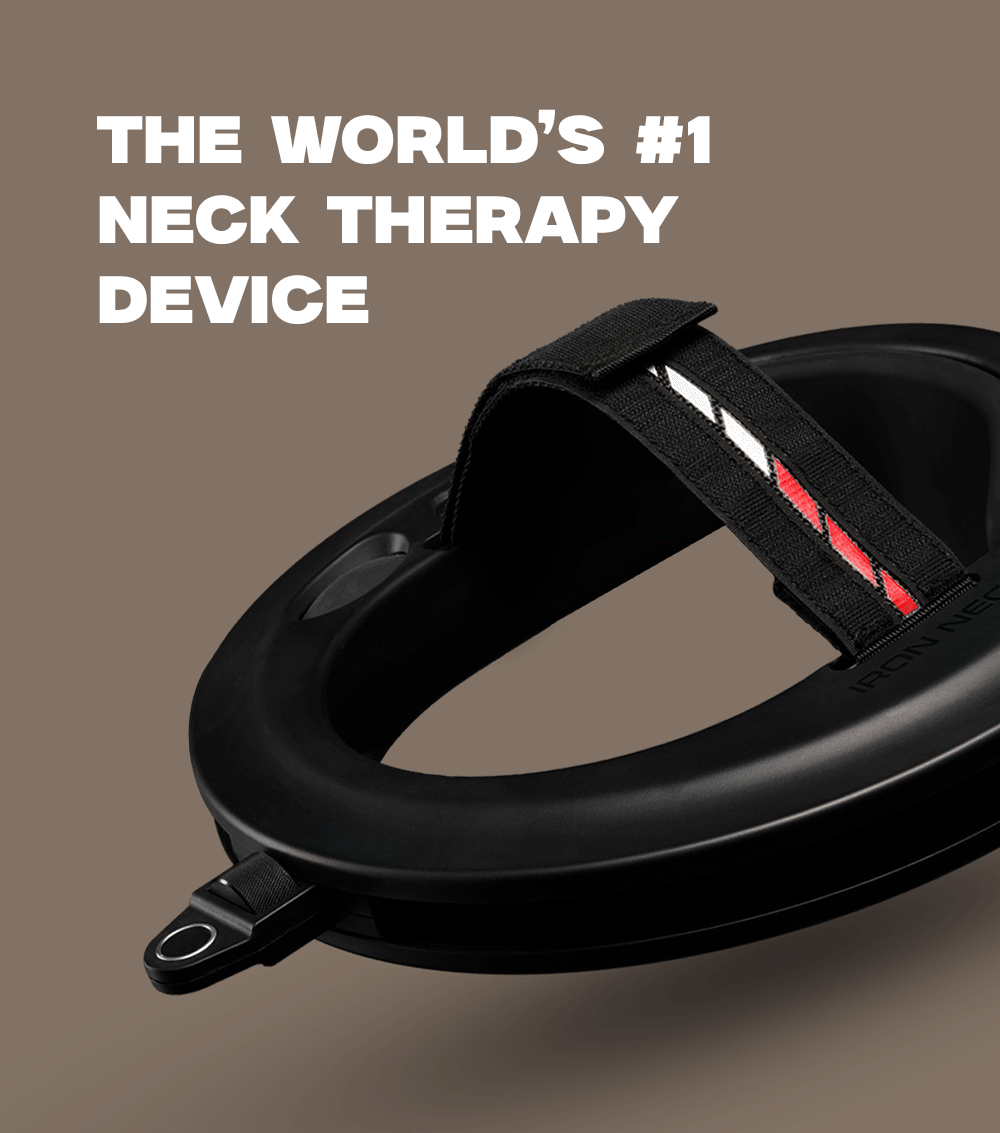
The Neck Training Connection
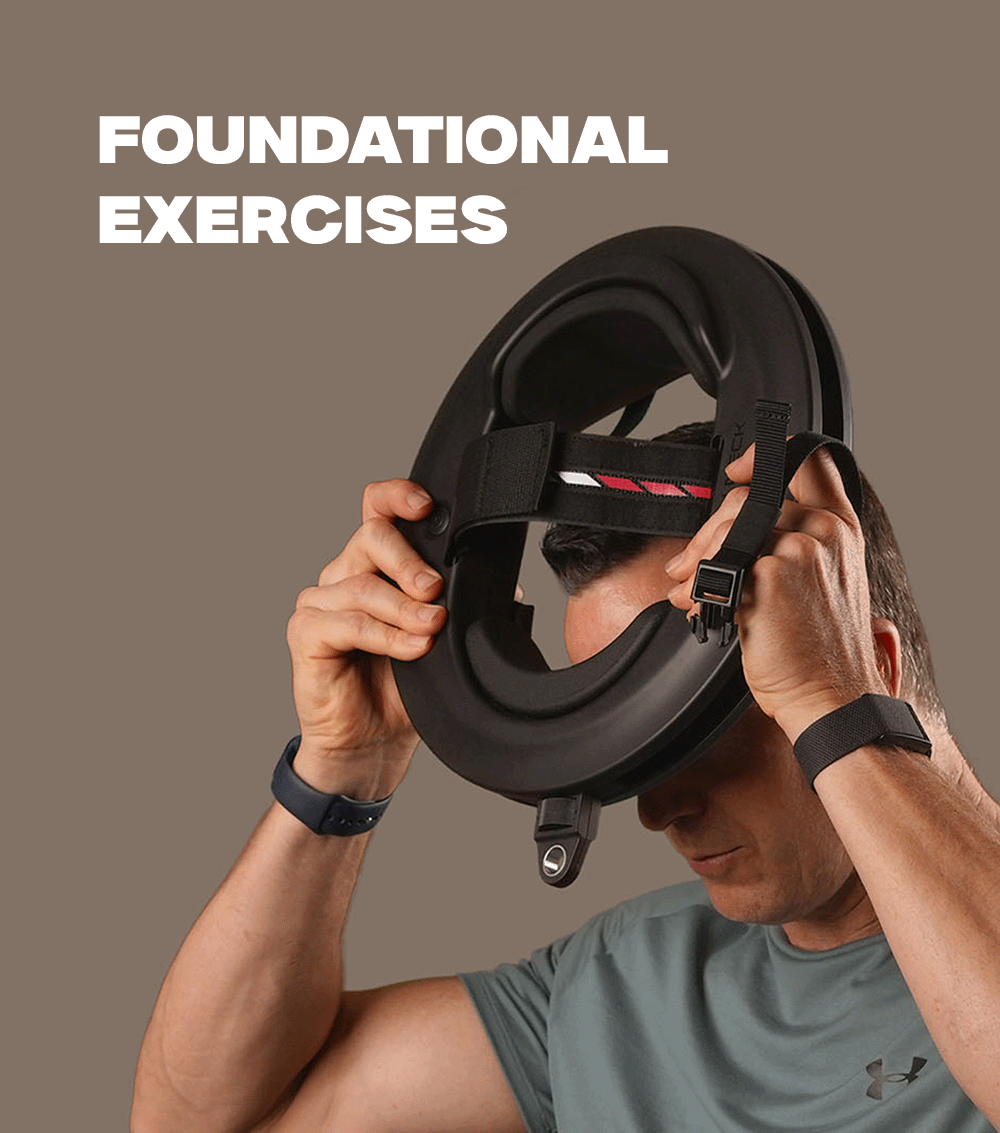
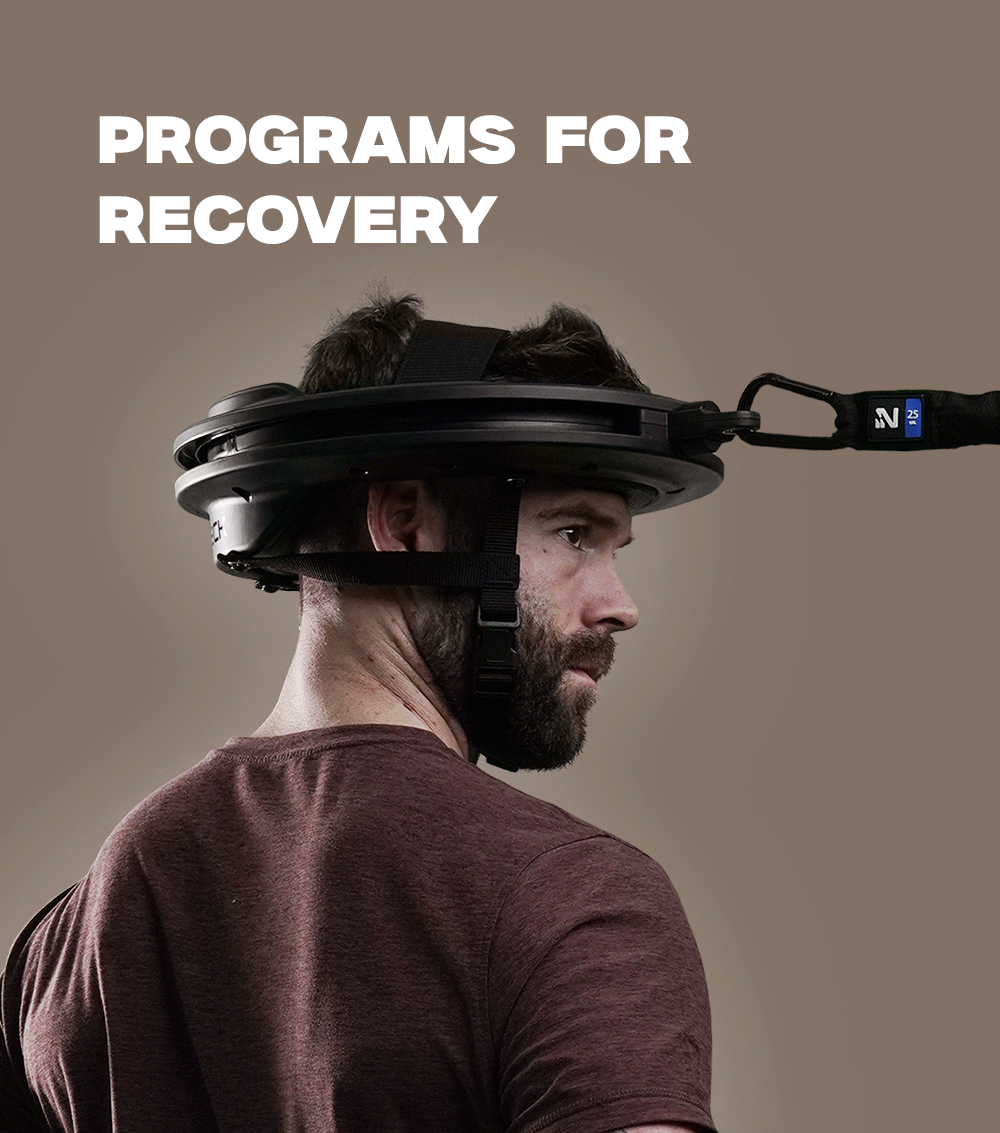
Sleep quality affects every aspect of athletic recovery, including the adaptation response to neck strength training. Athletes who are sleep-deprived show reduced protein synthesis, impaired neuromuscular adaptation, and slower recovery from training stress.
This means that neck training programs are most effective when athletes are sleeping adequately. Coaches who invest in neck conditioning should also invest in sleep education — the two interventions are complementary, and the benefits of neck training are maximized in athletes who are recovering properly.
Leave a comment
This site is protected by hCaptcha and the hCaptcha Privacy Policy and Terms of Service apply.