



Rotator Cuff: Everything You Need to Know About This Critical Joint
The rotator cuff is one of the most discussed and least understood structures in the human body. Almost everyone has heard of it, usually in the context of an injury, but few people understand what it actually is, what it does, and how to keep it healthy. This guide covers the anatomy and function of the rotator cuff, the most common injuries and conditions that affect it, and the evidence-based strategies for maintaining rotator cuff health throughout your life.
What Is the Rotator Cuff?
The rotator cuff is a group of four muscles and their associated tendons that surround the shoulder joint and connect the upper arm bone (humerus) to the shoulder blade (scapula). The four muscles are the supraspinatus, infraspinatus, teres minor, and subscapularis, and they work together to stabilize the shoulder joint and control the rotation and elevation of the arm. The shoulder joint is the most mobile joint in the human body, capable of movement in virtually every plane, but this mobility comes at the cost of inherent instability. The rotator cuff is the primary dynamic stabilizer of this inherently unstable joint.
The supraspinatus, which runs across the top of the shoulder, is the most commonly injured rotator cuff muscle. It initiates the first 15 degrees of arm elevation and is responsible for holding the head of the humerus in the glenoid socket during overhead activities. The infraspinatus and teres minor, which run across the back of the shoulder, are the primary external rotators of the shoulder. The subscapularis, which runs across the front of the shoulder blade, is the primary internal rotator and provides anterior stability to the shoulder joint.
Common Rotator Cuff Conditions
Rotator Cuff Tendinopathy: Tendinopathy is a degenerative condition of the tendon that develops in response to chronic overload. It is the most common rotator cuff condition and produces pain with overhead activities, reaching behind the back, and lying on the affected shoulder. Tendinopathy responds well to progressive loading exercises, which stimulate the tendon to remodel and strengthen.
Rotator Cuff Impingement: Impingement occurs when the rotator cuff tendons are compressed between the head of the humerus and the acromion (the bony projection at the top of the shoulder blade) during overhead movements. It produces pain with overhead reaching and is often associated with weakness of the lower trapezius and serratus anterior, which normally prevent the humerus from rising too high in the socket during arm elevation.
Rotator Cuff Tear: Rotator cuff tears can be partial or full-thickness and can occur as a result of acute trauma (such as a fall on an outstretched arm) or gradual degeneration. Partial tears often respond well to conservative management including exercise. Full-thickness tears in younger, active patients typically require surgical repair. In older patients, many full-thickness tears are asymptomatic and can be managed conservatively.
Exercises for Rotator Cuff Health
External Rotation with Resistance Band: Attach a resistance band at elbow height. Stand sideways to the anchor point with your affected arm closest to it. Hold the band with your elbow at your side, bent to 90 degrees. Rotate your forearm outward, away from your body. Return slowly. Perform 3 sets of 15 repetitions. External rotation strengthening is the most important exercise for rotator cuff health, targeting the infraspinatus and teres minor that are most commonly weak in people with shoulder problems. The Iron Neck resistance bands are ideal for this exercise.
Internal Rotation with Resistance Band: Attach a resistance band at elbow height. Stand sideways to the anchor point with your affected arm farthest from it. Hold the band with your elbow at your side, bent to 90 degrees. Rotate your forearm inward, toward your body. Return slowly. Perform 3 sets of 15 repetitions.
Band Face Pulls: Attach a resistance band at face height. Pull the band toward your face while simultaneously externally rotating your shoulders. Squeeze your shoulder blades together and down. Perform 3 sets of 15 repetitions. Face pulls strengthen the posterior rotator cuff and lower trapezius simultaneously, addressing the most common muscle imbalances that lead to rotator cuff problems.
Prone Y-T-W Raises: Lie face down with your arms extended overhead in a Y position. Lift your arms off the floor by squeezing your lower trapezius. Hold for 2 seconds and lower. Move your arms to a T position and repeat. Then bend your elbows to 90 degrees in a W position and repeat. Perform 2 sets of 10 repetitions in each position.
Scapular Retraction: Squeeze your shoulder blades together and down. Hold for 5 seconds and release. Perform 3 sets of 15 repetitions. Proper scapular positioning is essential for rotator cuff health, as it ensures the rotator cuff muscles are working at their optimal length and the subacromial space is maintained during arm elevation.
Risk Factors for Rotator Cuff Injury
Several factors increase the risk of rotator cuff injury. Age is the most significant, with the prevalence of rotator cuff tears increasing dramatically after age 50. Overhead sports and occupations that require repetitive overhead movements increase the mechanical load on the rotator cuff tendons. Smoking reduces the blood supply to the tendons and impairs healing. Obesity increases the mechanical load on the shoulder joint. And a history of previous shoulder injury increases the risk of future injury.
When to See a Doctor
Seek medical attention if your shoulder pain is severe or worsening despite conservative management, if you have significant weakness in the shoulder or arm, if you heard or felt a pop at the time of injury, or if you have night pain that prevents sleep. These presentations may indicate a significant rotator cuff tear that requires imaging and professional assessment to guide management.
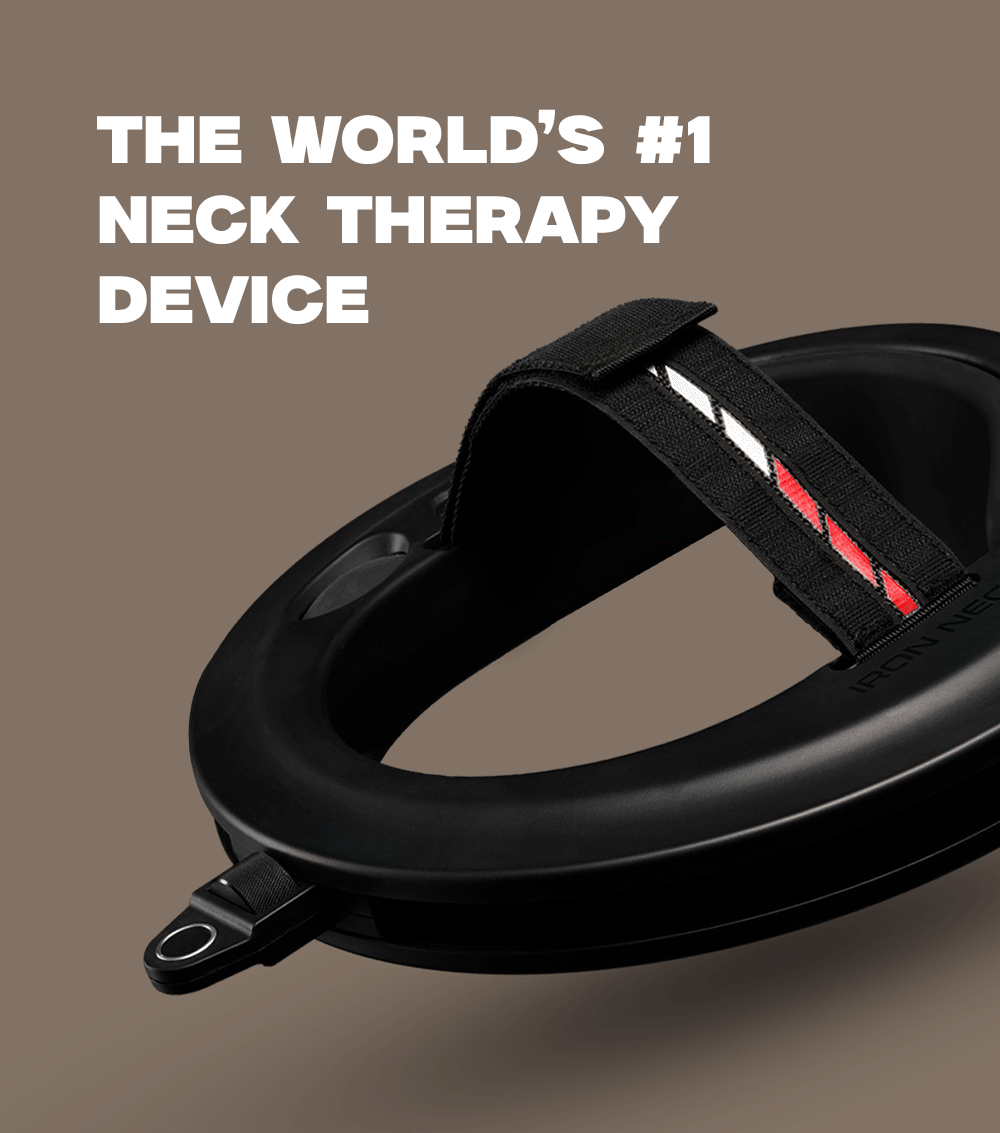
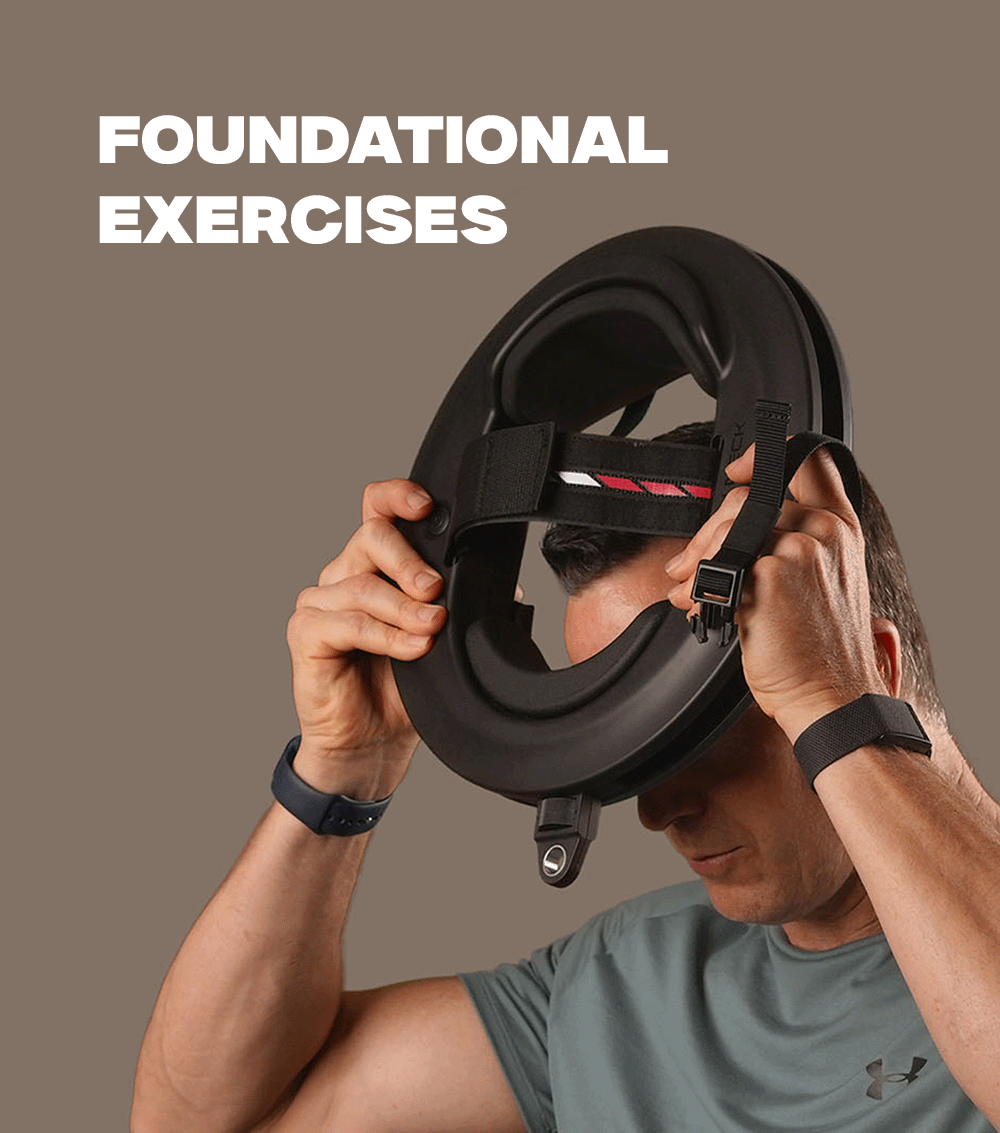
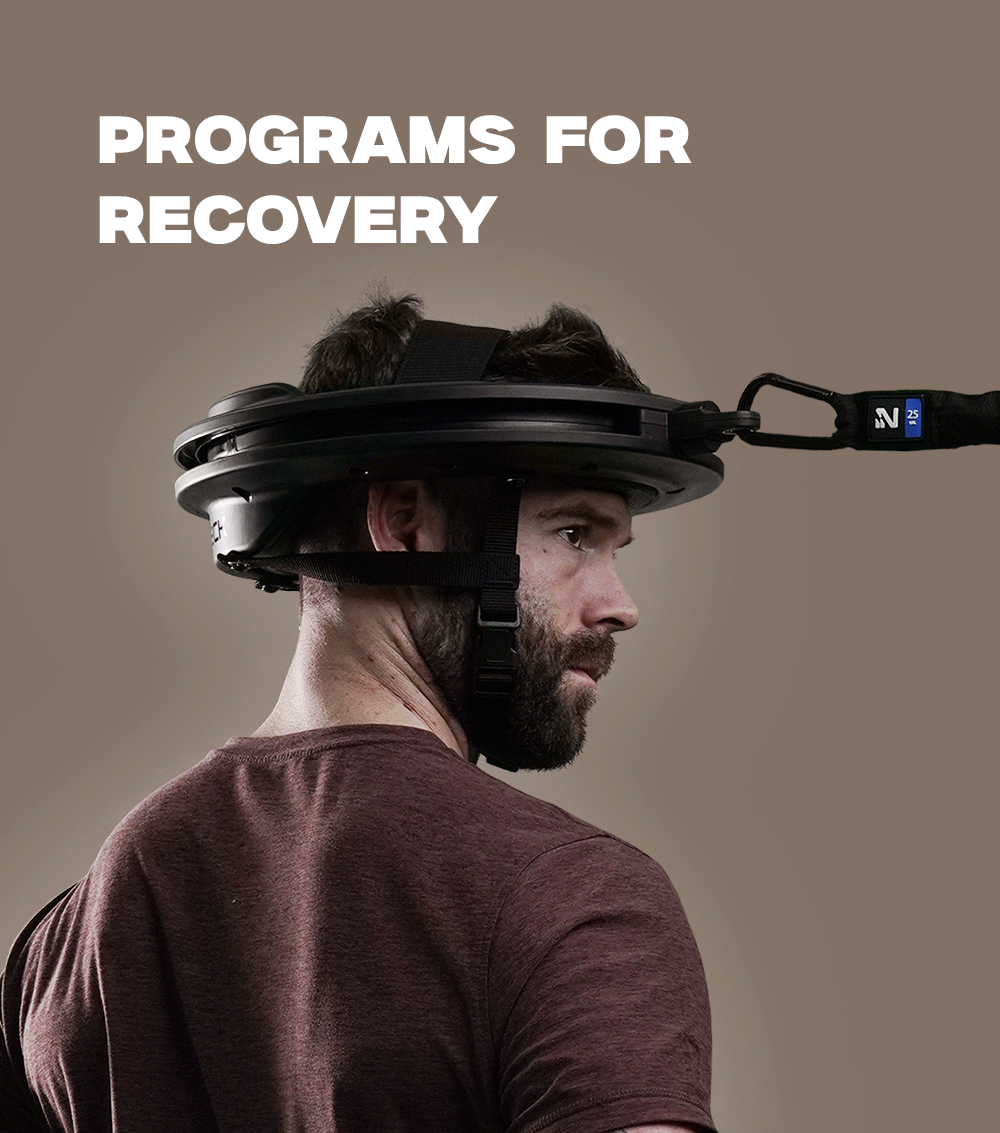
Iron Neck is the only device that trains your neck through 360 degrees of resistance, combining rotation, extension, and lateral movement in one tool. Used by NFL teams, UFC fighters, and physical therapists.


Leave a comment
This site is protected by hCaptcha and the hCaptcha Privacy Policy and Terms of Service apply.