



Neck Posture Corrector: Do They Work, and What's Better?
Walk into any pharmacy or browse any fitness retailer online and you will find dozens of neck posture correctors, braces, and supports promising to fix your forward head posture in weeks. The market for these devices is substantial, driven by the widespread recognition that tech neck and forward head posture are genuine problems affecting millions of people. But do these devices actually work? And if not, what does? This guide examines the evidence on passive posture correctors, explains why they fall short of their promises, and presents the active alternative that physical therapists and sports medicine practitioners actually recommend.
What Are Neck Posture Correctors?
Neck posture correctors are wearable devices designed to hold the head and neck in a more upright position. They range from simple elastic straps that pull the shoulders back to rigid cervical collars that limit forward head movement. The underlying premise is that by physically preventing the head from moving into a forward position, the body will learn to maintain proper alignment even when the device is removed.
This premise sounds logical, but it misunderstands how postural adaptation actually works. Posture is not primarily a mechanical problem. It is a neuromuscular problem. The head sits forward not because nothing is stopping it from doing so, but because the muscles responsible for holding it in proper alignment are too weak, too inhibited, or too fatigued to do their job. A brace that mechanically prevents forward head movement does not address any of these underlying causes.
What the Research Shows
The scientific evidence on passive posture correctors is not encouraging. Studies examining the effect of posture braces on muscle activation consistently find that wearing a brace reduces the activation of the very muscles you need to strengthen. When a device holds your posture for you, the muscles responsible for maintaining that posture become less active, not more. This is the principle of disuse atrophy applied to postural muscles: if the work is being done by an external device, the muscles do not need to do it, and they weaken accordingly.
Several studies have also found that posture braces produce a rebound effect: when the brace is removed, posture often reverts to its pre-brace state or worse, because the muscles have been further weakened by the period of disuse. The brace creates a dependency rather than a correction.
There is a limited role for posture braces in acute situations, such as immediately after a cervical injury or surgery, where the goal is to protect healing tissue rather than to train muscles. In these contexts, a brace is a temporary protective measure, not a corrective tool. For the vast majority of people seeking to correct postural forward head posture, passive braces are not the answer.
What Actually Works: Active Postural Training
The evidence-based approach to forward head posture correction is active training, not passive support. This means building the strength and endurance of the muscles responsible for maintaining proper cervical alignment, restoring the thoracic mobility that allows the head to sit over the shoulders, and retraining the nervous system's default sense of neutral head position.
The specific exercises involved are well-established. Chin tucks and resisted cervical retraction train the deep cervical flexors. Face pulls and prone Y raises train the lower and mid trapezius. Foam roller thoracic extension restores the thoracic mobility that is a prerequisite for cervical correction. Wall standing practice retrains the nervous system's proprioceptive sense of neutral head position.
The key difference between active training and passive bracing is that active training addresses the cause of the problem rather than masking the symptom. When the deep cervical flexors are strong enough to hold the head in proper position without conscious effort, the correction is self-sustaining. No device is required.
The Role of the Iron Neck in Active Postural Training
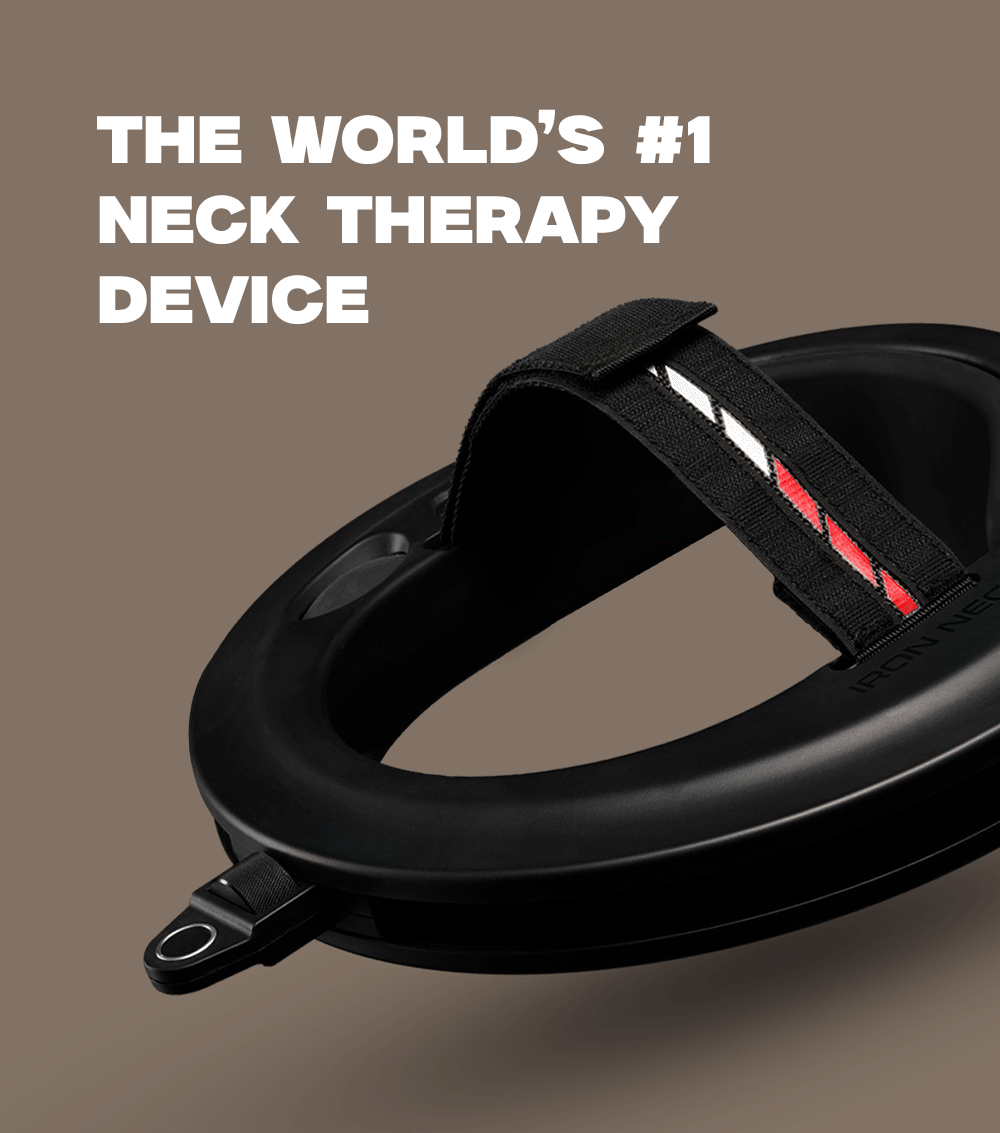
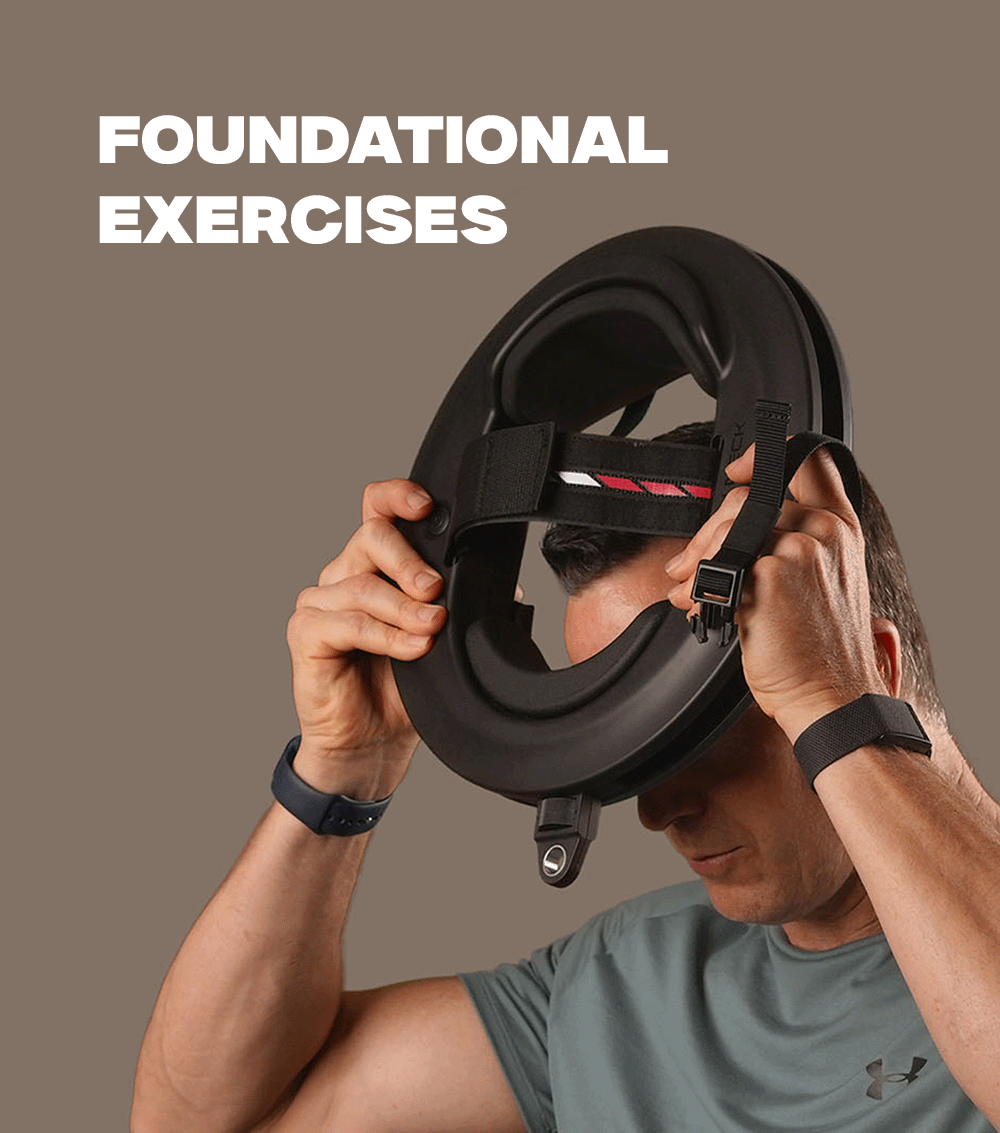
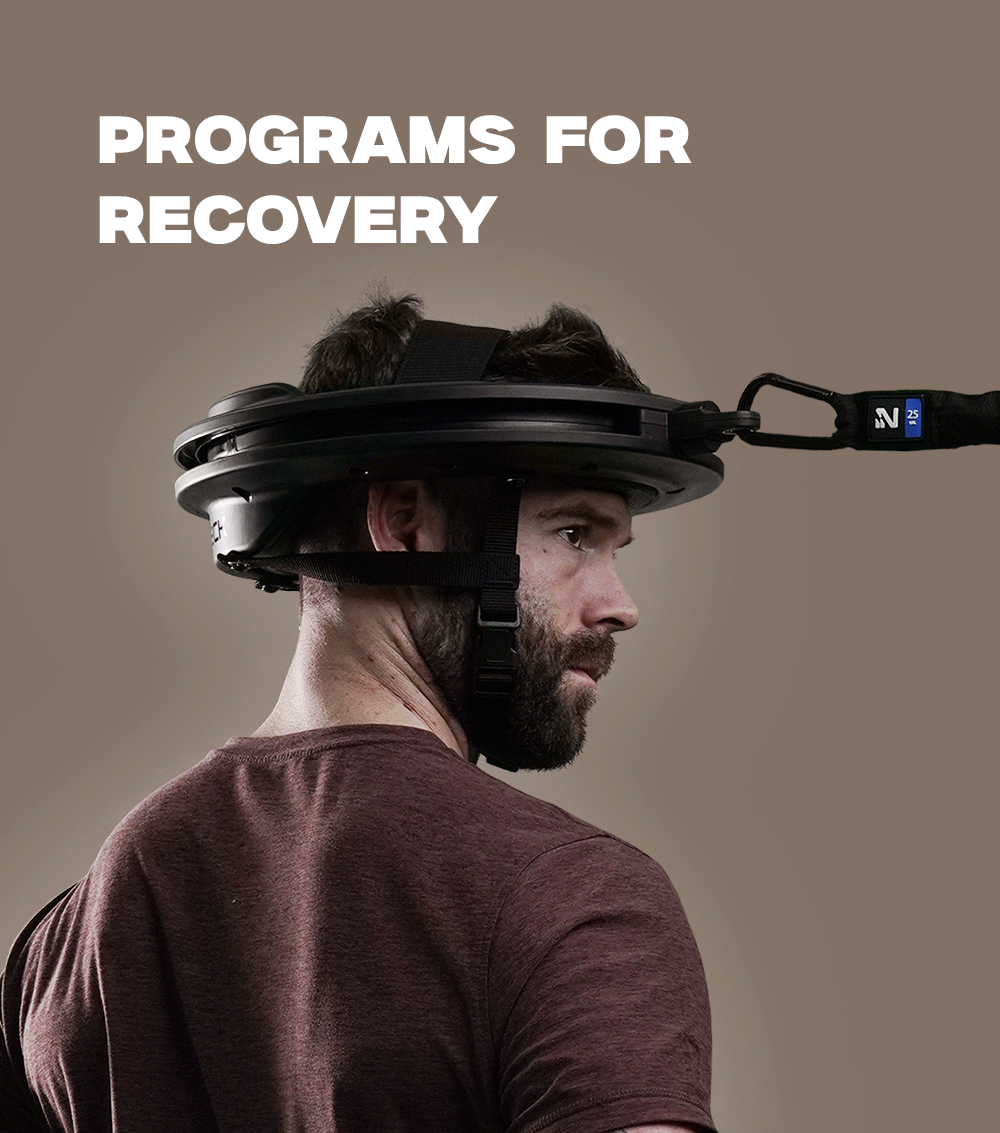
For people who want to accelerate the active training process, the Iron Neck device provides a level of cervical strengthening that bodyweight exercises and resistance bands cannot match. The Iron Neck provides 360-degree resistance to cervical rotation and extension, allowing you to train the full range of muscles responsible for maintaining proper head position with progressive, adjustable resistance.
Unlike a posture brace, the Iron Neck requires active muscular effort. Every repetition builds the strength and endurance of the cervical musculature. Over time, this produces a genuine structural adaptation: stronger muscles that can maintain proper head position throughout a full day of activity without fatigue or conscious effort. This is the definition of a permanent correction, and it is something no passive device can provide.
For those beginning with lighter resistance work, the Iron Neck resistance bands offer an accessible entry point for the upper back and shoulder exercises that complement cervical strengthening.
A Practical Recommendation
If you are currently using or considering a neck posture corrector, the most useful thing you can do is treat it as a temporary awareness tool rather than a corrective device. Wearing it for 20 to 30 minutes while performing active exercises can help you feel what proper alignment is supposed to feel like, which supports the proprioceptive retraining process. But the brace should never be worn as a substitute for active training, and it should not be worn for extended periods, as this will weaken the postural muscles rather than strengthen them.
The permanent solution to forward head posture is building the strength to hold your own head up. That requires exercise, not a brace.


Leave a comment
This site is protected by hCaptcha and the hCaptcha Privacy Policy and Terms of Service apply.