



Neck Brace for Posture: Why Active Training Beats Passive Support
The appeal of a neck brace for posture correction is understandable. If your head is sitting too far forward, a device that physically holds it back seems like a direct solution. But the relationship between a neck brace and lasting postural improvement is more complicated than it appears, and understanding that relationship is essential before deciding how to approach your own postural correction.
What a Neck Brace Can and Cannot Do
A cervical brace or posture support collar can hold your head in a mechanically improved position while you are wearing it. This can provide temporary relief from the neck tension and headaches that accompany forward head posture, because the muscles that are chronically overloaded in the forward position get a brief reprieve when the brace does their job for them.
What a neck brace cannot do is change the underlying neuromuscular pattern that causes the forward head position. The deep cervical flexors, the small muscles at the front of the neck responsible for maintaining the cervical curve, remain weak whether or not you wear a brace. The thoracic spine remains stiff. The upper trapezius and levator scapulae remain overactive. When the brace comes off, all of these factors reassert themselves, and the head drifts forward again.
Worse, wearing a brace for extended periods can actually weaken the postural muscles further. When an external device does the work of holding the head up, the muscles responsible for that task receive less stimulation and adapt accordingly. This is the same principle that causes leg muscles to atrophy in a cast: immobilization and external support reduce the demand on the muscles, and they respond by getting weaker.
The Appropriate Use of Cervical Braces
Cervical braces have a legitimate and important role in specific medical contexts. After cervical spine surgery, a brace protects the healing structures and prevents movements that could compromise the surgical repair. After a significant cervical injury such as a fracture, a brace immobilizes the spine to allow healing. In these contexts, the brace is a protective device, not a corrective one, and its use is time-limited and medically supervised.
For postural forward head posture in otherwise healthy adults, there is no medical indication for a cervical brace. The condition is not caused by structural instability that requires external support. It is caused by muscle weakness, thoracic stiffness, and habitual positioning, all of which respond to active training rather than passive support.
Active Training: The Evidence-Based Alternative
The physical therapy literature on forward head posture correction is consistent: active exercise programs produce significantly better outcomes than passive interventions, including bracing. The exercises that produce the best results target the deep cervical flexors, the lower and mid trapezius, the serratus anterior, and the thoracic extensors, while simultaneously addressing the thoracic stiffness that limits cervical correction.
The foundational exercise for deep cervical flexor activation is the chin tuck: sitting or standing upright, sliding the head straight back without tilting the chin, holding for 3 seconds, and releasing. This simple movement, performed 20 repetitions daily, has been shown in multiple studies to reduce forward head displacement and neck pain when practiced consistently over six to eight weeks.
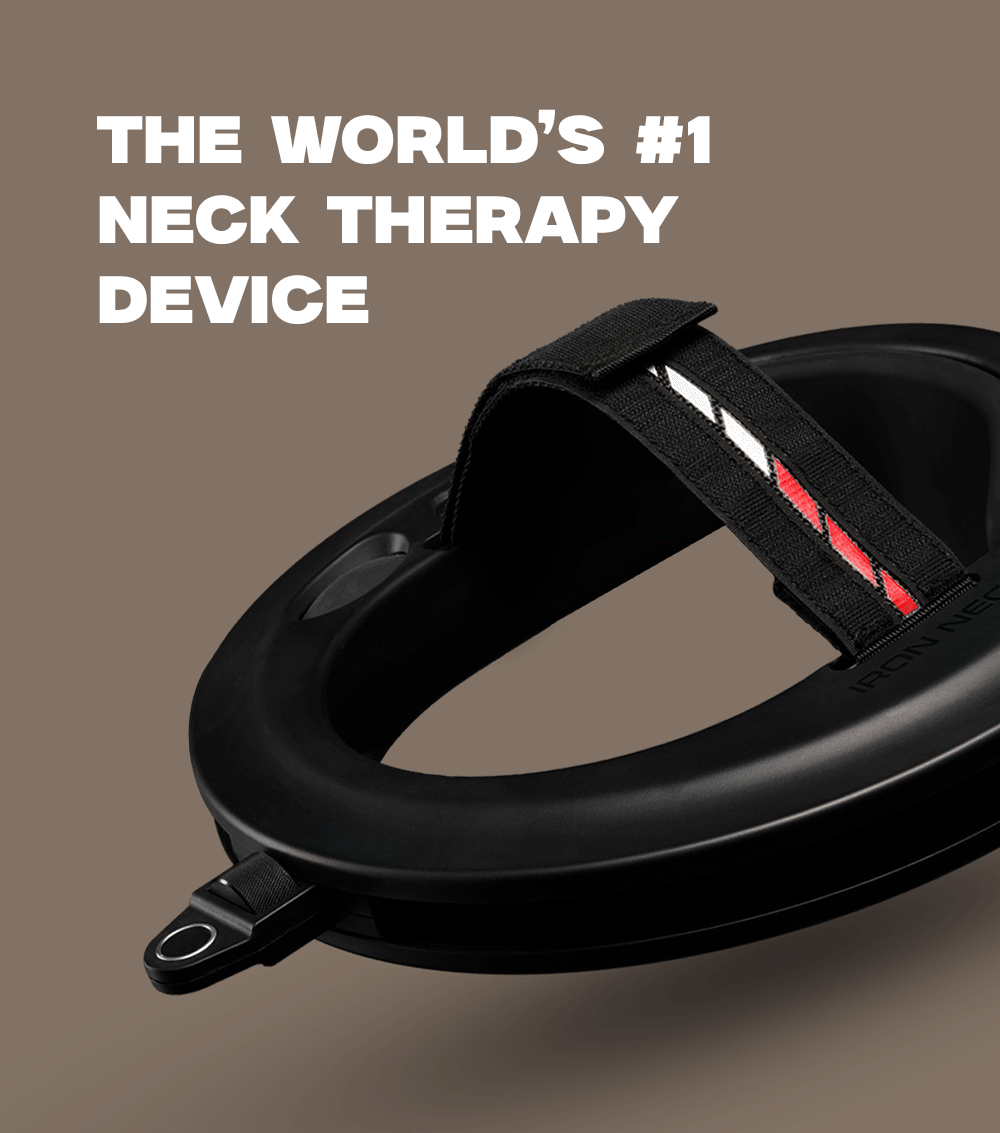
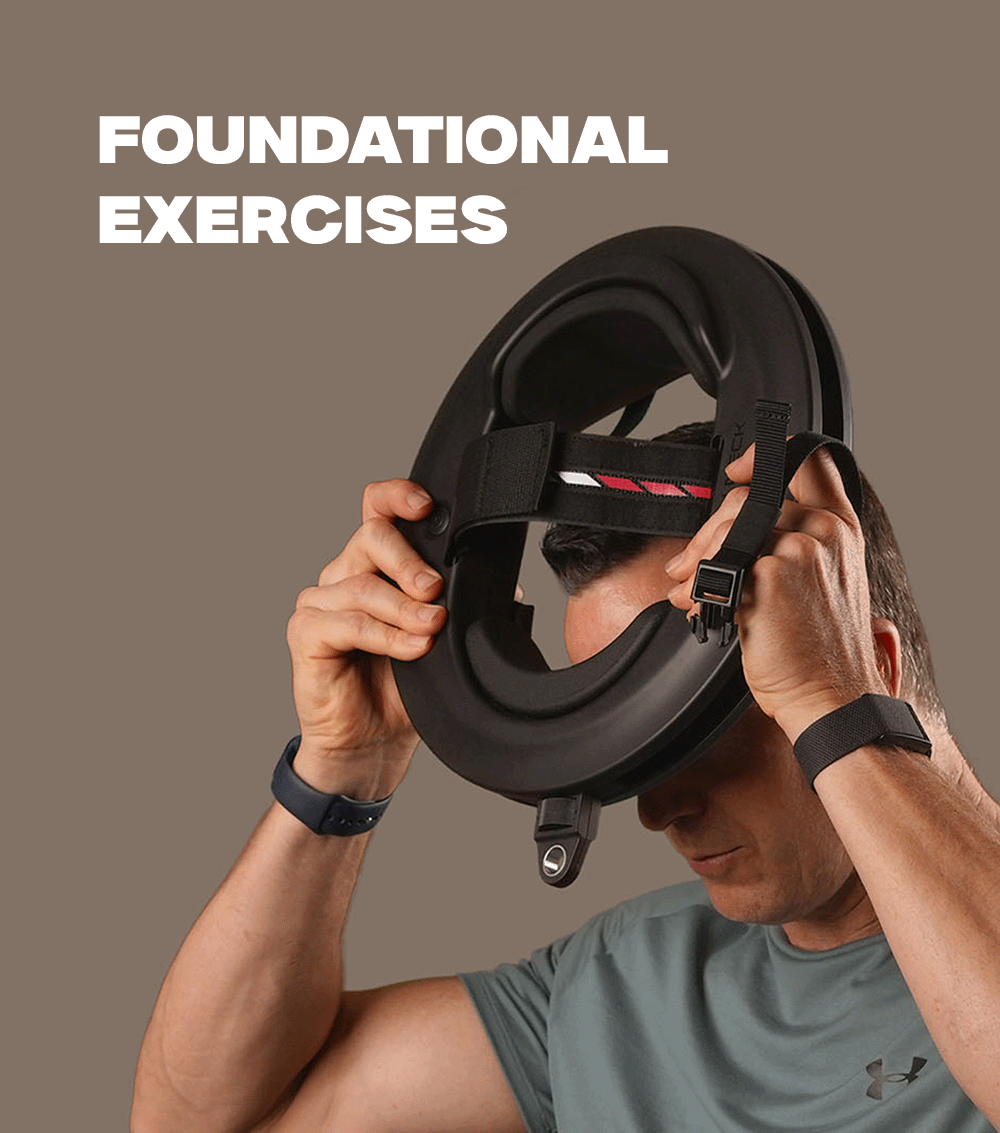
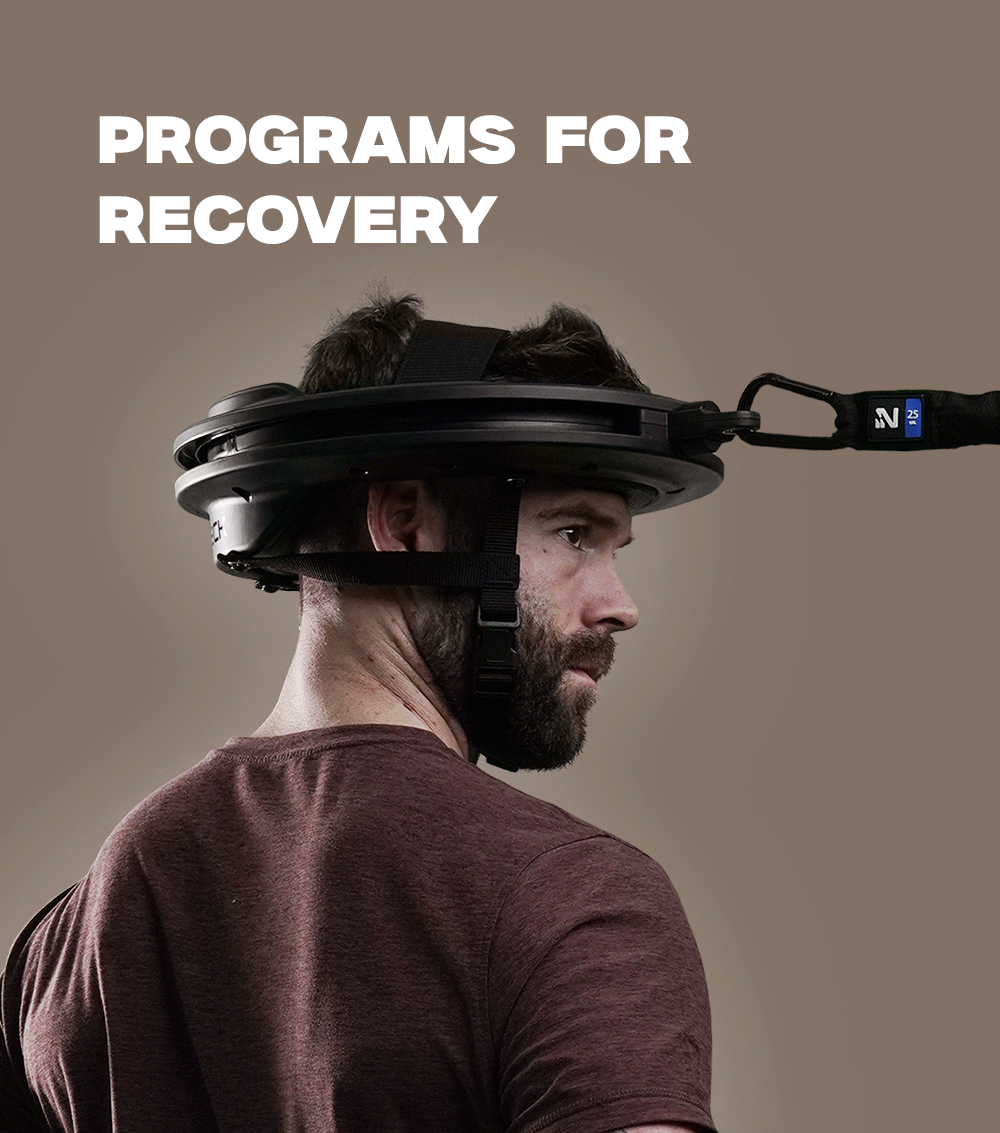
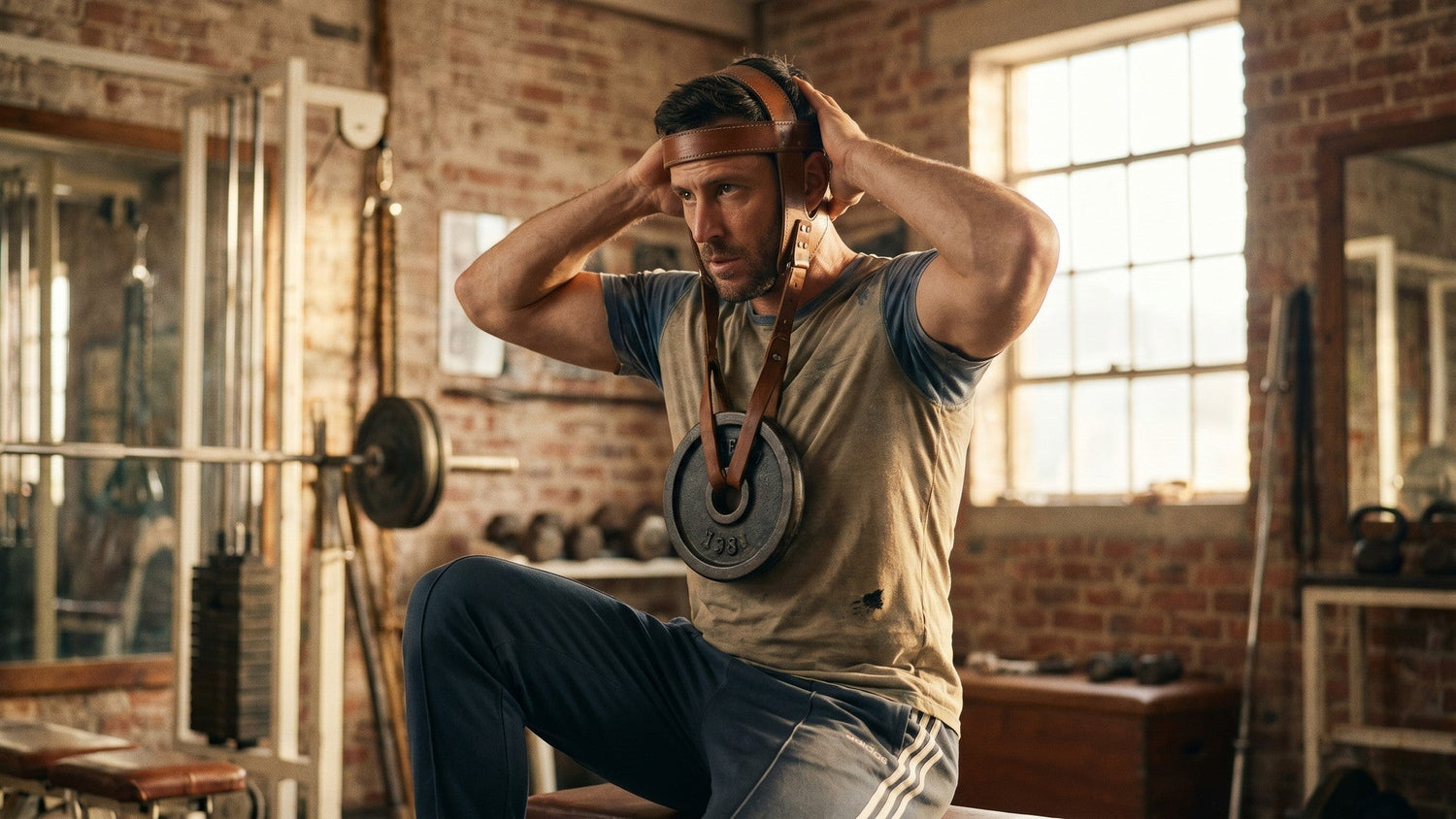
For more rapid and comprehensive results, progressive resistance training of the cervical musculature produces stronger and more durable adaptations than bodyweight exercises alone. The Iron Neck device provides 360-degree resistance to cervical rotation and extension, building the full complement of cervical muscles with adjustable, progressive resistance. Unlike a brace, which makes the muscles less active, the Iron Neck makes them more active, more capable, and ultimately more able to maintain proper head position without any external assistance.
Upper back strengthening is equally important. Face pulls, band pull-aparts, and prone Y raises train the lower and mid trapezius, which hold the shoulder blades in the position that allows the head to sit over the shoulders rather than in front of them. The Iron Neck resistance bands are well-suited for these exercises, with multiple resistance levels that allow systematic progression.
Building a Sustainable Routine
The most effective approach to postural correction combines daily mobility work with three to four sessions per week of targeted strengthening. The mobility work, foam roller thoracic extension and cervical stretching, takes five minutes and should be performed every morning. The strengthening work takes 15 to 20 minutes and should be performed on alternating days to allow recovery.
Ergonomic adjustments support the exercise work by reducing the number of hours per day the spine spends in the position that created the problem. Raising the monitor to eye level, holding the phone at face height, and taking movement breaks every 45 to 60 minutes are the three most impactful changes most desk workers can make.
The combination of daily mobility work, progressive strengthening, and ergonomic correction produces lasting postural improvement that no brace can replicate. The muscles become strong enough to hold the head in proper position without conscious effort, and the correction becomes self-sustaining. This is the goal, and it is achievable for most adults within three to six months of consistent practice.


Leave a comment
This site is protected by hCaptcha and the hCaptcha Privacy Policy and Terms of Service apply.