




Contact Load Management in Football: How to Reduce Head Impact Exposure Without Sacrificing Preparation
The relationship between cumulative head impact exposure and long-term neurological health is one of the most important and most contested questions in sports medicine. What is not contested is that reducing unnecessary head impacts — those that do not contribute to player development — is a straightforward way to reduce risk without compromising competitive preparation.
Contact load management is the systematic approach to controlling the volume and intensity of physical contact in practice. This article covers the regulatory framework, the practice type definitions, and the periodization strategies that allow programs to develop physical football players while managing head impact exposure responsibly.
The Regulatory Framework
NCAA Rules
The NCAA limits full-contact practice to 75 minutes per week during the regular season. In the preseason, full-contact practice is limited to 75 minutes per day during the first two weeks and 90 minutes per day thereafter. These limits apply to Division I, II, and III programs.
NFHS and State Rules
High school rules vary by state, but most follow NFHS guidelines that limit full-contact time during the preseason acclimatization period. Some states have adopted more restrictive limits — California, for example, limits full-contact practice to 90 minutes per day and 270 minutes per week.
Check your state athletic association's current rules. They are updated regularly and non-compliance creates significant liability exposure.
Practice Type Definitions
Effective contact load management requires a shared vocabulary. The NCAA and most state associations use four practice type definitions:
Air / Walk-Through
No contact of any kind. Players walk through assignments at reduced speed. No tackling, blocking, or physical engagement. Can be conducted in shorts and helmets or even without equipment. Counts as zero contact time.
Control
Controlled contact where the speed and intensity are limited. Players engage but do not tackle to the ground. Blocking is conducted at controlled speed. This is the most common practice type for technical development.
Thud
Live-speed contact that stops short of the tackle. Players engage at game speed but the ball carrier is not taken to the ground. This type allows full-speed reads and reactions while limiting the impact forces of full tackles.
Live / Full Contact
Unrestricted tackling and blocking at game speed. This is the only practice type that fully replicates game conditions and is the most physically demanding. It is also the type that generates the highest head impact exposure and is subject to time limits.
Periodization: Planning Contact Load Across the Season
The goal of contact load periodization is to build physical preparedness and technical proficiency while managing cumulative impact exposure. The general principle: use the minimum effective dose of full-contact practice necessary to achieve your preparation goals.
Preseason (Weeks 1–3)
The preseason is the highest-risk period for contact-related injury. Players are not yet acclimatized, conditioning levels vary, and the volume of contact is highest. Prioritize control and thud work in the first week. Introduce full-contact work gradually in weeks 2–3, staying within regulatory limits.
Early Season (Weeks 4–8)
Reduce full-contact practice volume as the season begins. Most programs find that 1–2 full-contact sessions per week are sufficient to maintain physical preparation during the competitive season. The remaining practice time should be control and thud work.
Mid-Season (Weeks 9–14)
Further reduce contact volume as cumulative fatigue accumulates. Many successful programs eliminate full-contact practice entirely during mid-week sessions, reserving it for one session per week. The game itself provides sufficient full-contact stimulus.
Late Season / Playoffs
Minimize contact in practice. The goal is to arrive at each game fresh and healthy. Walk-throughs and control work are sufficient for technical preparation at this stage of the season.
The Ivy League Model
The Ivy League has been the most aggressive major college football conference in limiting contact. Since 2016, Ivy League programs have eliminated full-contact practice during the regular season entirely. Players practice in thud and control only, with full contact reserved for the preseason.
The results have been significant: Ivy League programs report substantially lower rates of practice-related injury than the national average, with no apparent decrease in competitive performance. The model is worth studying for programs at any level.
Monitoring and Adjustment
Contact load management is most effective when it is data-driven. Tools for monitoring include:
- Practice logs — document the type and duration of each practice session
- Injury surveillance — track the timing of injuries relative to practice type and volume
- Accelerometer data — helmet-mounted accelerometers can measure head impact frequency and magnitude in real time (available from several vendors)
- Player wellness monitoring — daily wellness surveys can identify athletes who are accumulating fatigue and may need reduced contact exposure
The Neck Strength Connection
Contact load management reduces the number of head impacts. Neck strength training reduces the neurological consequence of each impact. The two interventions are complementary, not competing.
A program that manages contact load carefully but neglects neck strength training is leaving significant risk reduction on the table. A program that builds neck strength but allows unlimited full-contact practice is also leaving risk on the table. The most protective approach combines both.
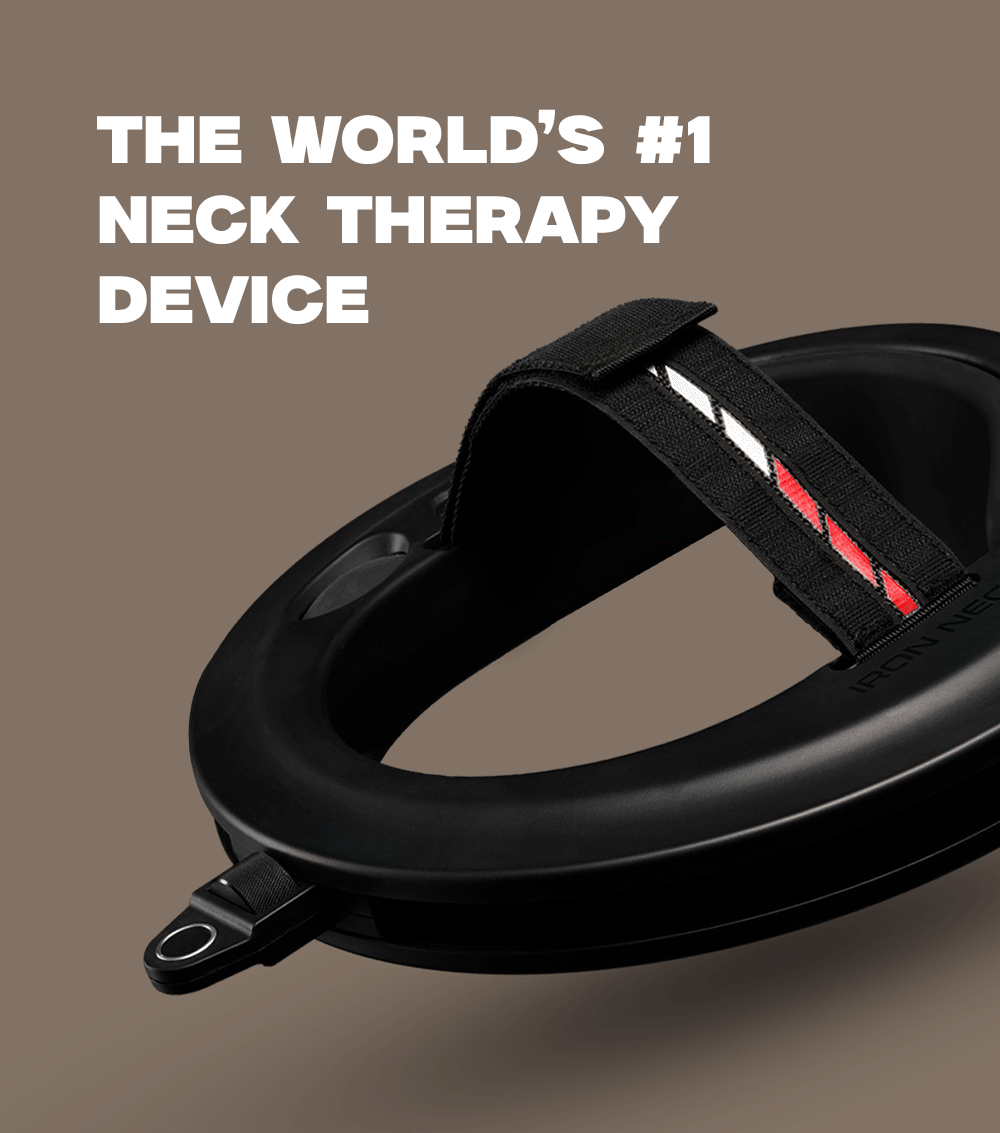
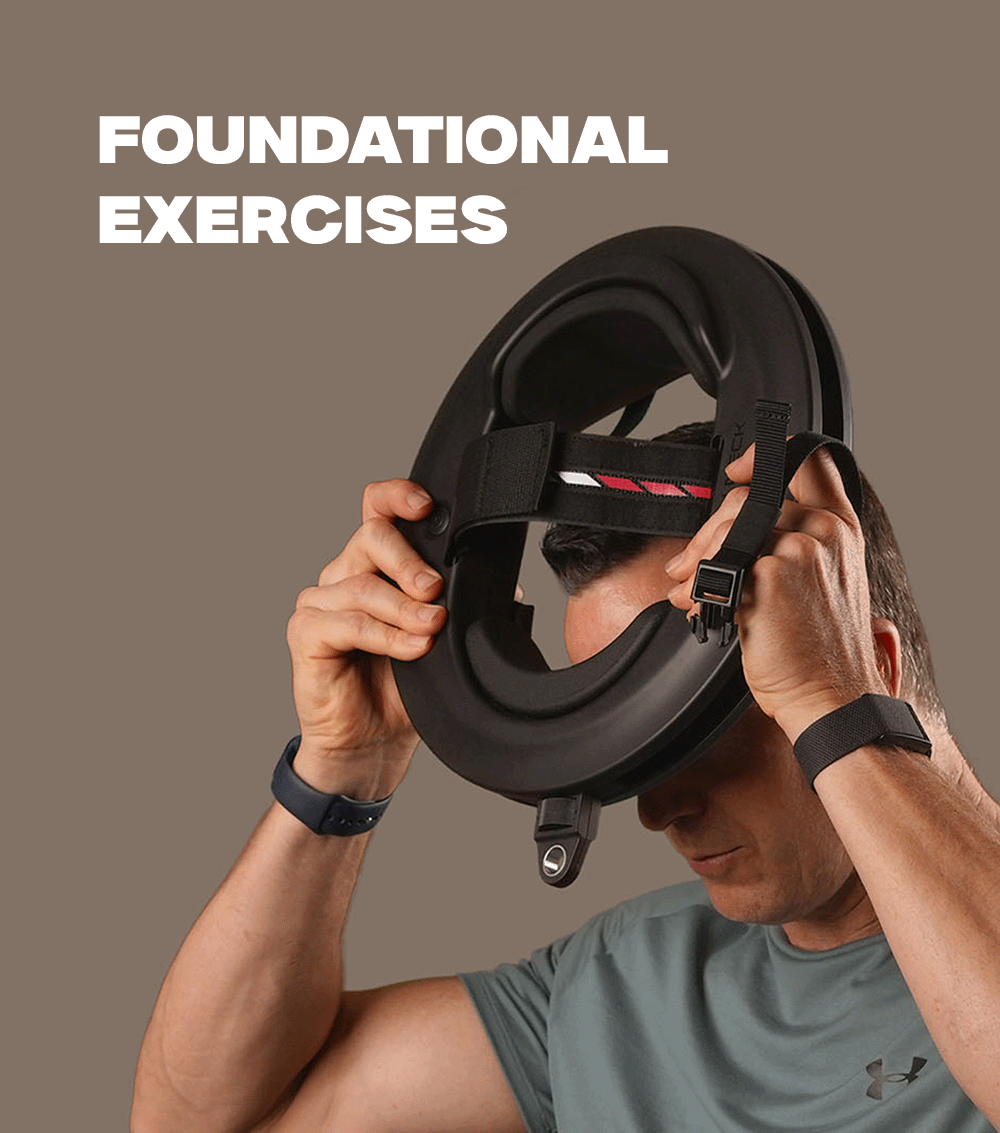
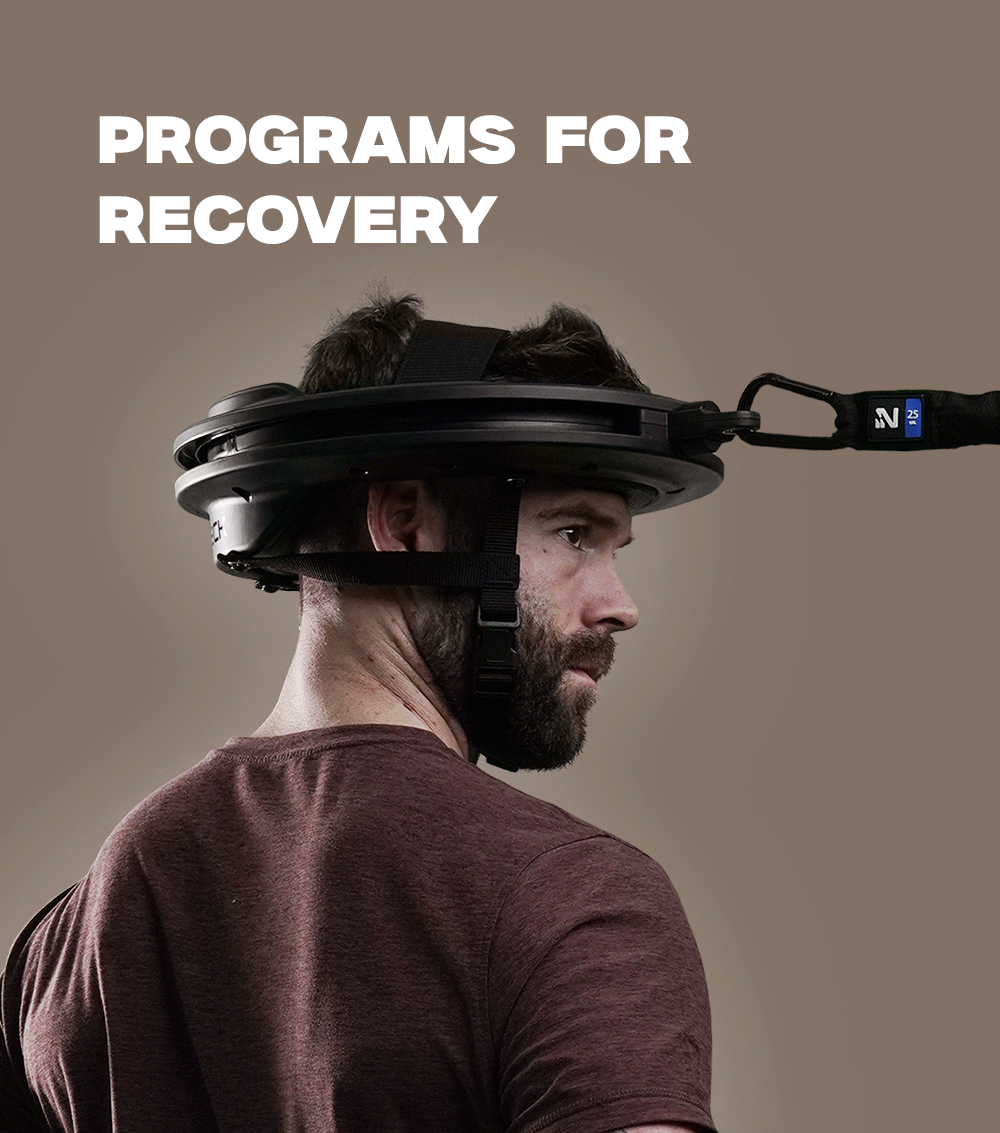
The Iron Neck training device allows programs to build neck strength efficiently within existing training schedules. Incorporating 10 minutes of neck training into each strength session, three days per week, is sufficient to produce meaningful strength gains within a single preseason.

Leave a comment
This site is protected by hCaptcha and the hCaptcha Privacy Policy and Terms of Service apply.