



Concussion Protocols for High School Football: What Every Coach Must Know in 2026
Concussion management in high school football has evolved significantly over the past decade. What was once a judgment call made on the sideline is now a structured medical protocol governed by state law, NFHS policy, and an expanding body of neuroscience research. For coaches, understanding this protocol is not optional — in most states, it is legally required.
This guide covers everything a high school football coach needs to know about concussion protocols in 2026: from pre-season baseline testing through return-to-play clearance, with specific attention to the legal requirements that vary by state.
The Legal Landscape: What Your State Requires
As of 2026, all 50 states have passed youth concussion laws. The specifics vary, but most share four common requirements:
- Annual coach education — coaches must complete concussion recognition training each year
- Removal from play — any athlete suspected of concussion must be removed immediately
- No same-day return — an athlete removed for suspected concussion cannot return that day
- Medical clearance — return to play requires written clearance from a licensed healthcare provider
Some states go further, requiring baseline testing programs, specific return-to-play timelines, or return-to-learn academic accommodation plans. Check your state athletic association's current requirements — they are updated regularly.
Baseline Testing: Building the Foundation
Baseline testing establishes each athlete's normal cognitive and neurological function before the season begins. When a concussion is suspected, post-injury scores are compared to the baseline to detect changes.
The most widely used baseline tool at the high school level is ImPACT (Immediate Post-Concussion Assessment and Cognitive Testing), a computerized test that measures reaction time, memory, processing speed, and symptom reporting. Other validated tools include the SCAT6 baseline component and the King-Devick test.
Baseline testing is most valuable when it is done correctly. Athletes who deliberately perform poorly on their baseline ("sandbagging") to make post-injury comparison easier are a real concern. Proctored testing in a controlled environment reduces this risk.
Sideline Recognition: The SCAT6
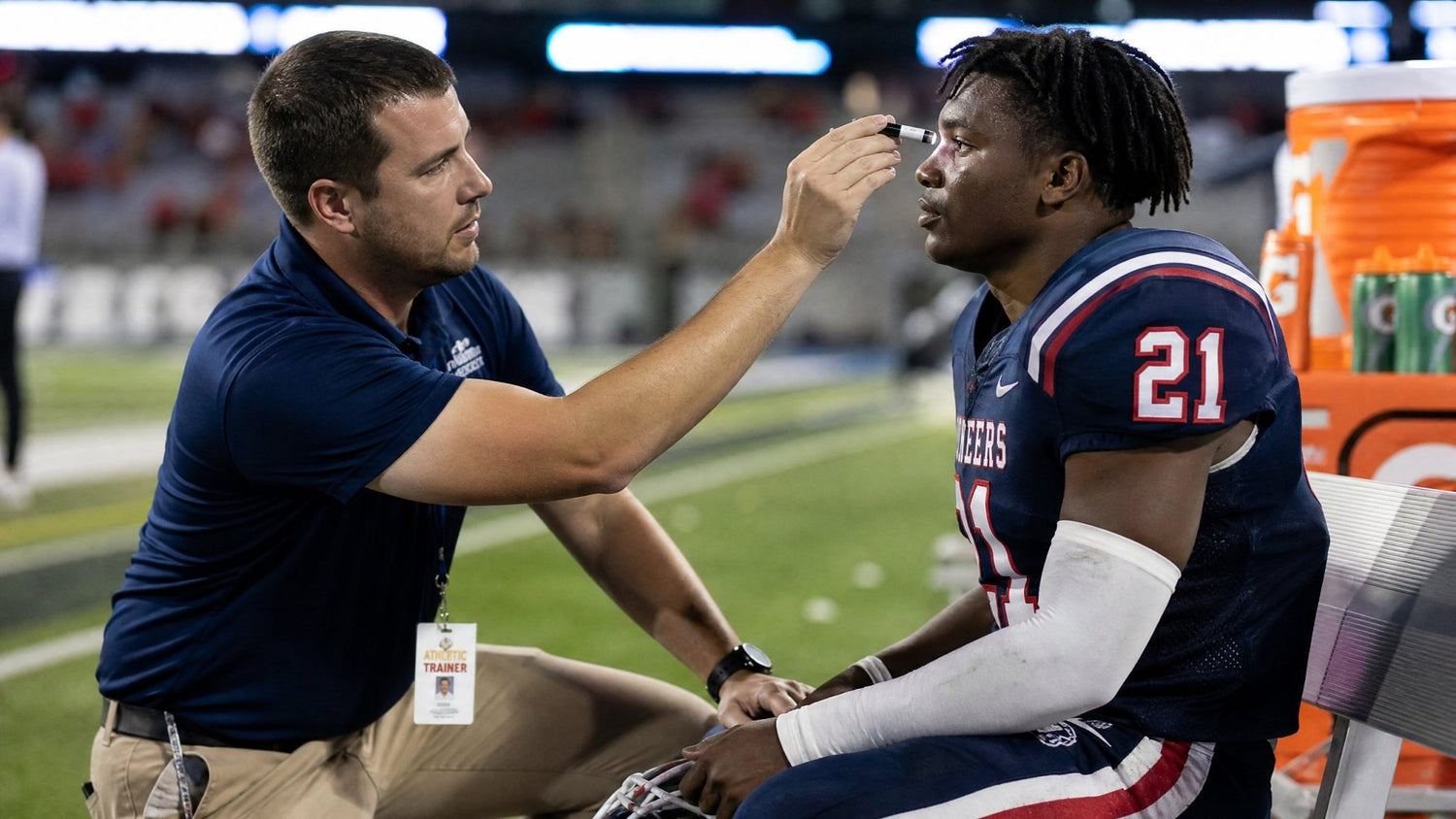
The Sport Concussion Assessment Tool 6 (SCAT6) is the current gold standard for sideline concussion assessment. It is designed to be administered by trained healthcare professionals — athletic trainers, team physicians, or emergency medical personnel — not by coaches.
The SCAT6 includes:
- Symptom evaluation (22 symptoms rated 0–6 for severity)
- Cognitive screening (orientation, immediate memory, concentration)
- Neurological screening (balance, coordination)
- Delayed recall testing
Coaches should know the observable signs of concussion even if they are not administering the SCAT6: headache, dizziness, confusion, slowed reaction time, emotional changes, visual disturbances, and loss of consciousness (which occurs in fewer than 10% of concussions).
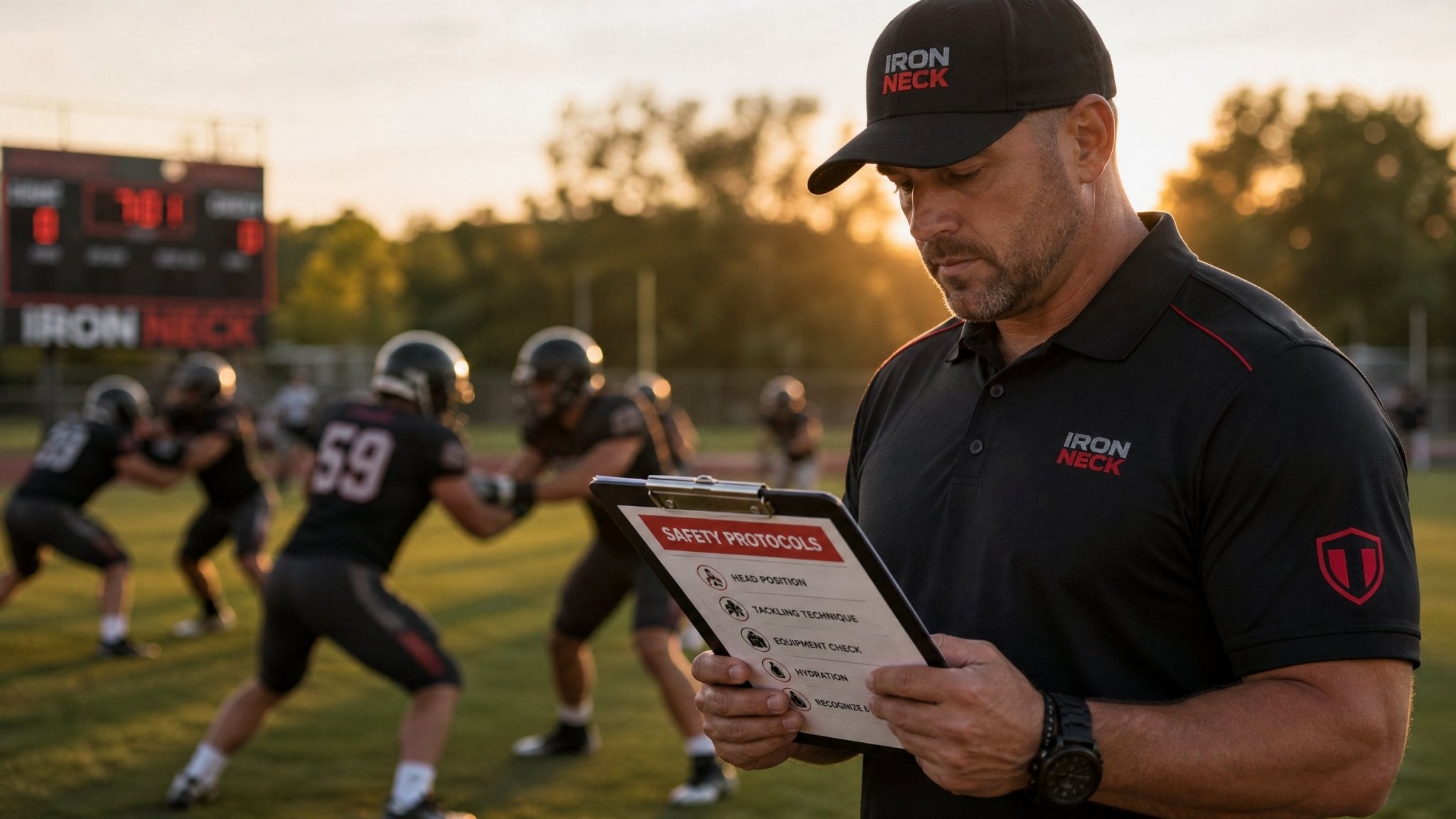
The most important rule for coaches: When in doubt, sit them out. The risk of second-impact syndrome — a second concussion before the first has healed — is catastrophic and potentially fatal.
The Graduated Return-to-Play Protocol
The standard return-to-play protocol has six stages, with a minimum of 24 hours between each stage:
- Complete rest — until symptom-free
- Light aerobic exercise — walking, swimming (no resistance training, no head impact)
- Sport-specific exercise — running drills, no contact
- Non-contact training drills — more complex drills, can begin resistance training
- Full-contact practice — following medical clearance
- Return to competition
If symptoms return at any stage, the athlete returns to the previous stage and waits another 24 hours before attempting progression. The entire process takes a minimum of six days when proceeding optimally.
Return-to-Learn: The Academic Side
Concussion affects academic performance as well as athletic performance. Cognitive rest — reducing mental exertion — is as important as physical rest in the early recovery phase. Work with your school's academic staff to implement accommodations: reduced homework load, extended test time, reduced screen time, and a quiet environment.
Return-to-learn should proceed in parallel with return-to-play, not after it. An athlete who is cognitively ready to return to full academic load is generally ready to begin sport-specific non-contact training.
Neck Strength: The Prevention Piece
Concussion protocols address what happens after a concussion occurs. Neck strength training addresses the biomechanical factors that determine whether a head impact results in a concussion at all.
The mechanism is straightforward: a stronger neck absorbs more of the kinetic energy from a head impact, reducing the acceleration forces transmitted to the brain. Research from the University of North Carolina found that neck strength was the single strongest predictor of concussion risk in high school athletes — stronger than position, playing time, or prior concussion history.
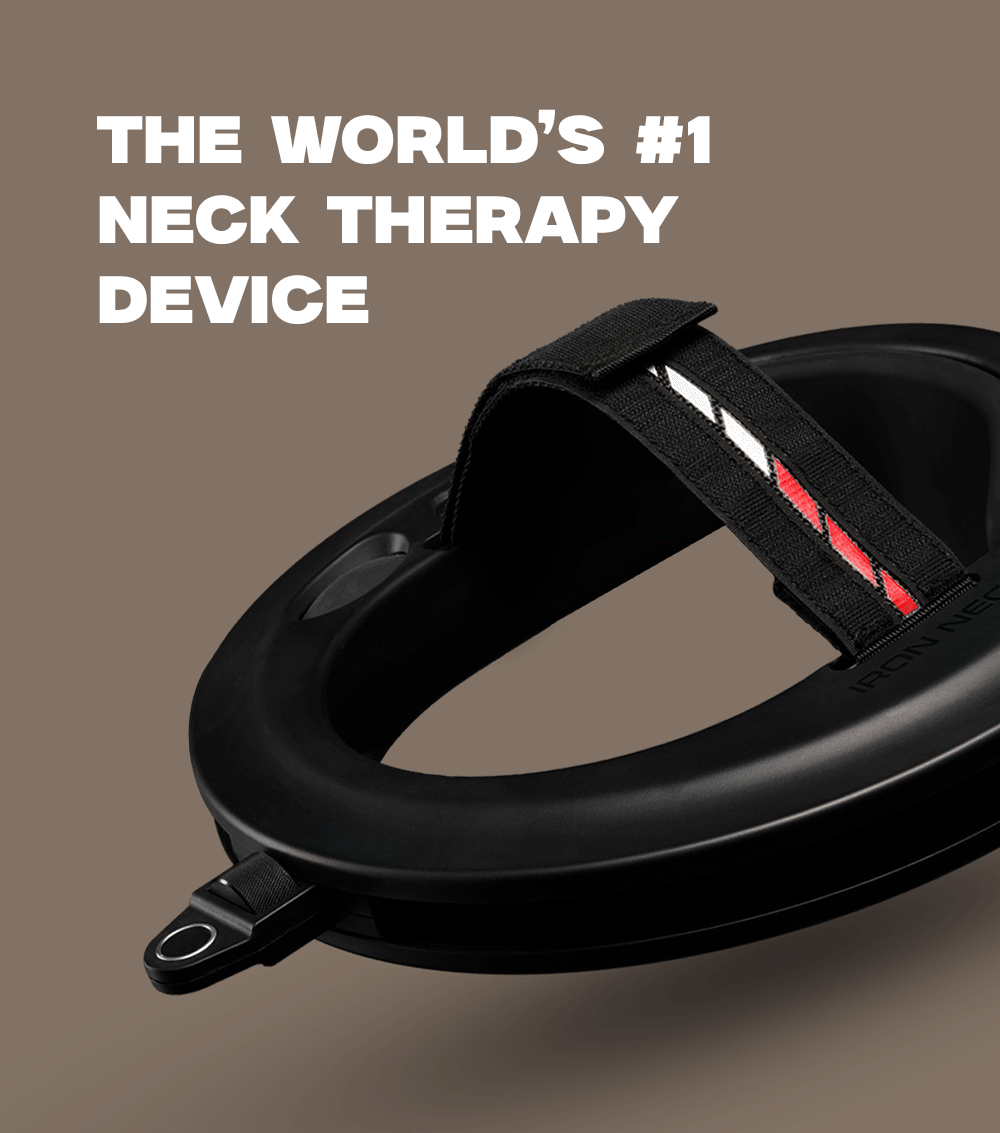
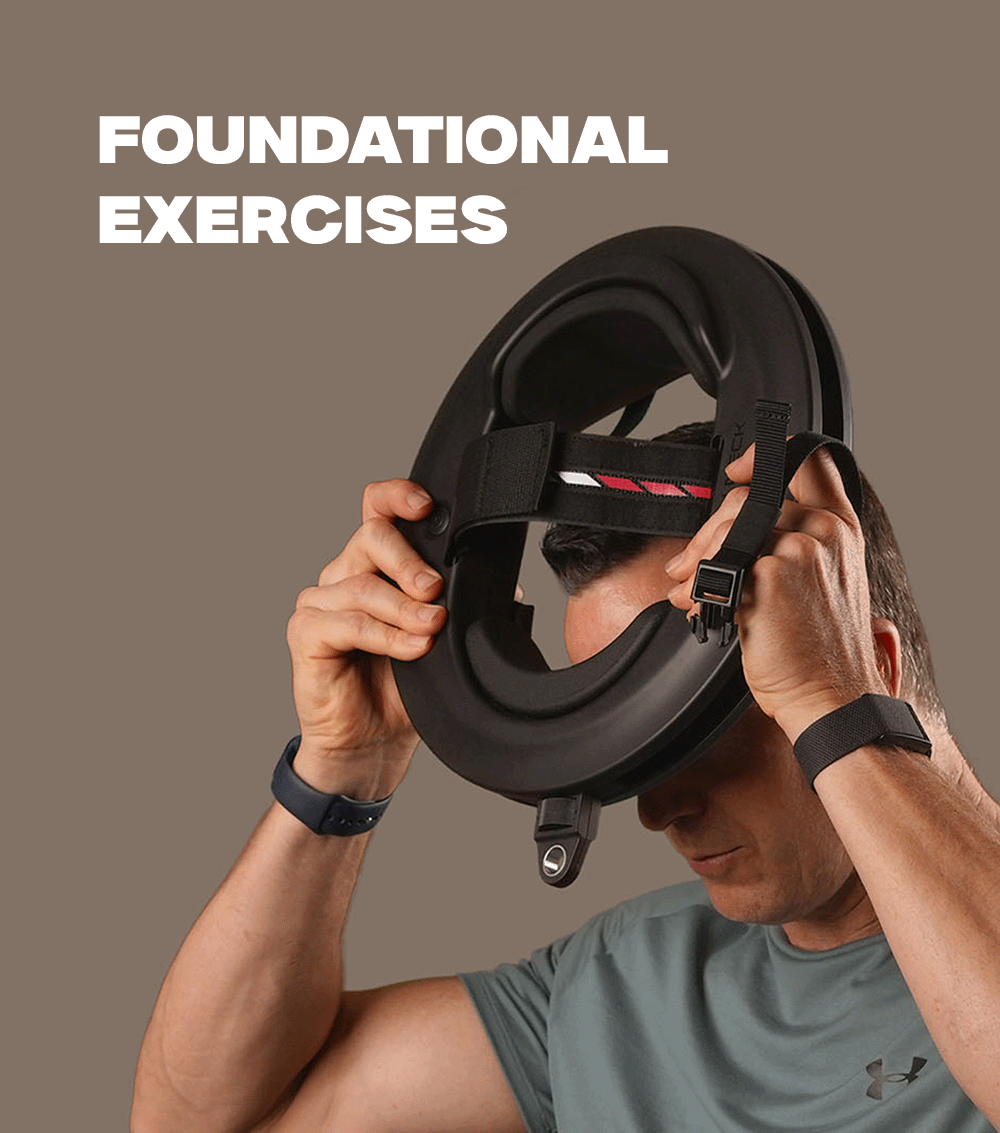
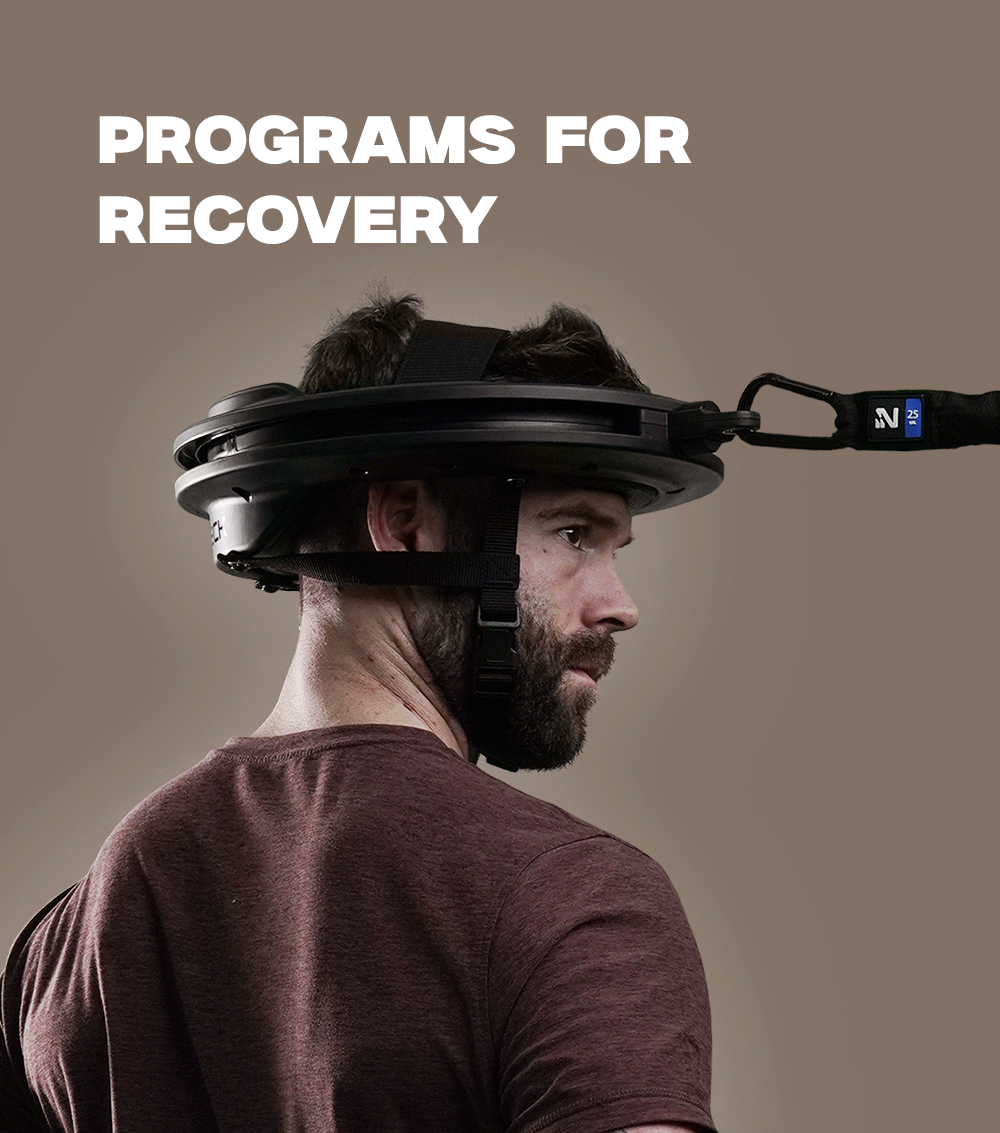
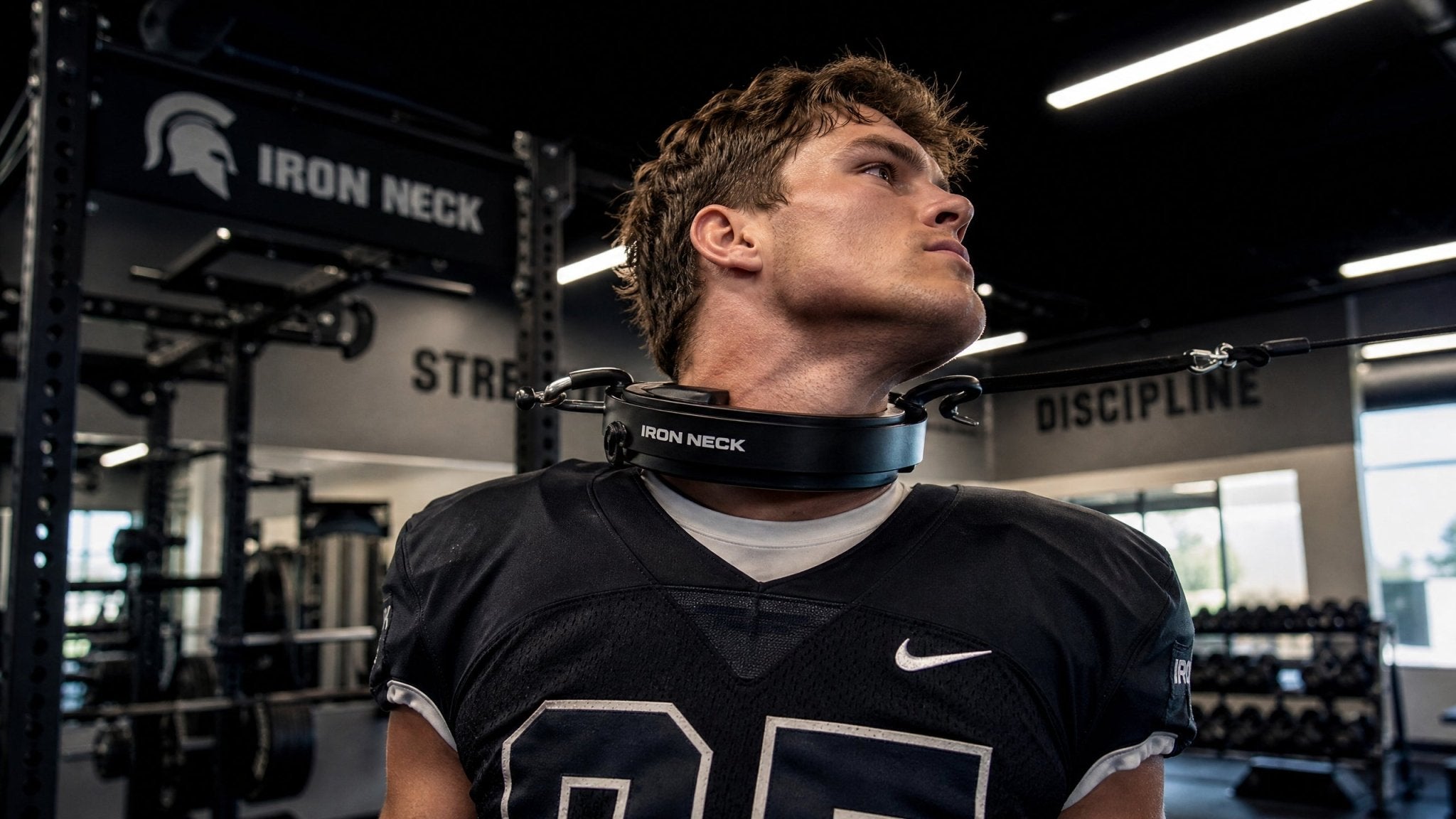
Building neck strength is not complex. Isometric exercises, resistance band work, and dedicated neck training equipment like the Iron Neck can be incorporated into existing warm-up and strength training routines in as little as 10 minutes per session, three times per week.
Documentation Requirements
Every concussion event should be documented: the date and mechanism of injury, symptoms reported, SCAT6 scores, return-to-play progression dates, and the name of the healthcare provider who cleared the athlete. This documentation protects the athlete, the coach, and the institution.
Many state athletic associations provide standardized concussion documentation forms. Use them. Keep records for a minimum of three years — longer if your state requires it.
Leave a comment
This site is protected by hCaptcha and the hCaptcha Privacy Policy and Terms of Service apply.