



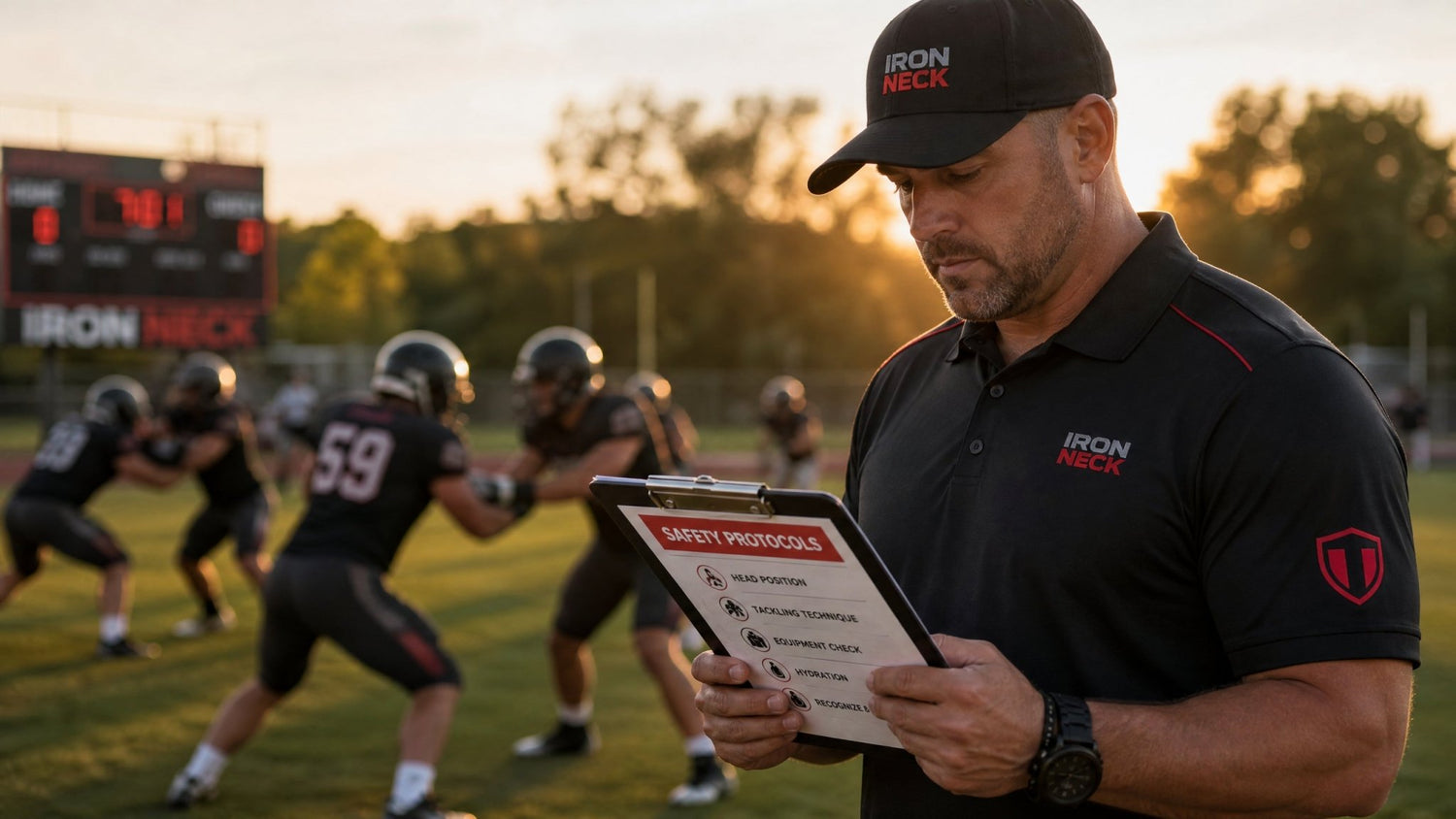
The Complete Football Player Safety Protocol: A Guide for Coaches and Athletic Directors
Football is one of the most physically demanding sports in existence. It is also one of the most scrutinized when it comes to player safety. For head coaches, athletic directors, athletic trainers, and strength and conditioning staff, building a comprehensive safety program is no longer optional — it is a legal, ethical, and competitive necessity.
This guide consolidates the most important elements of a modern football player safety protocol into a single reference document. Whether you are building a program from scratch at the high school level or refining an existing collegiate system, this framework gives you the structure to protect your athletes and your program.
Why a Written Safety Protocol Matters
Most football programs have safety practices in place. Far fewer have them documented. The difference matters enormously when an injury occurs. A written protocol demonstrates that your program meets the standard of care expected by your state athletic association, your institution, and — if litigation arises — a court of law.
The Korey Stringer Institute at the University of Connecticut publishes an annual ranking of state high school athletic association policies. States with the strongest written policies consistently show lower rates of catastrophic injury. The correlation is not coincidental. Written protocols force clarity, assign accountability, and create the institutional memory that survives staff turnover.
The Seven Pillars of a Football Safety Program
A complete football safety program rests on seven interconnected pillars. Weakness in any one of them creates risk across the entire system.
1. Governance and Policy Foundation
Your program must comply with NFHS rules at the high school level and NCAA regulations at the collegiate level, but compliance is the floor, not the ceiling. State concussion laws vary significantly — some require annual coach certification, others mandate specific return-to-play timelines. Know your state's requirements and build your policy above them.
2. Pre-Participation Medical Infrastructure
Every athlete should complete a pre-participation physical exam (PPE) before the first practice. The PPE screens for cardiac conditions, sickle cell trait, asthma, and musculoskeletal vulnerabilities. The American Heart Association recommends a 14-element cardiac history and physical as the minimum standard. Ensure your program has documented athletic trainer coverage and clear physician access protocols.
3. Emergency Action Planning
Every venue where your team practices or competes needs a written Emergency Action Plan (EAP). This includes the practice field, stadium, weight room, and travel locations. The EAP should specify AED placement, response roles for each staff member, EMS coordination procedures, and catastrophic injury protocols including spine boarding and helmet removal.
4. Concussion Protocol
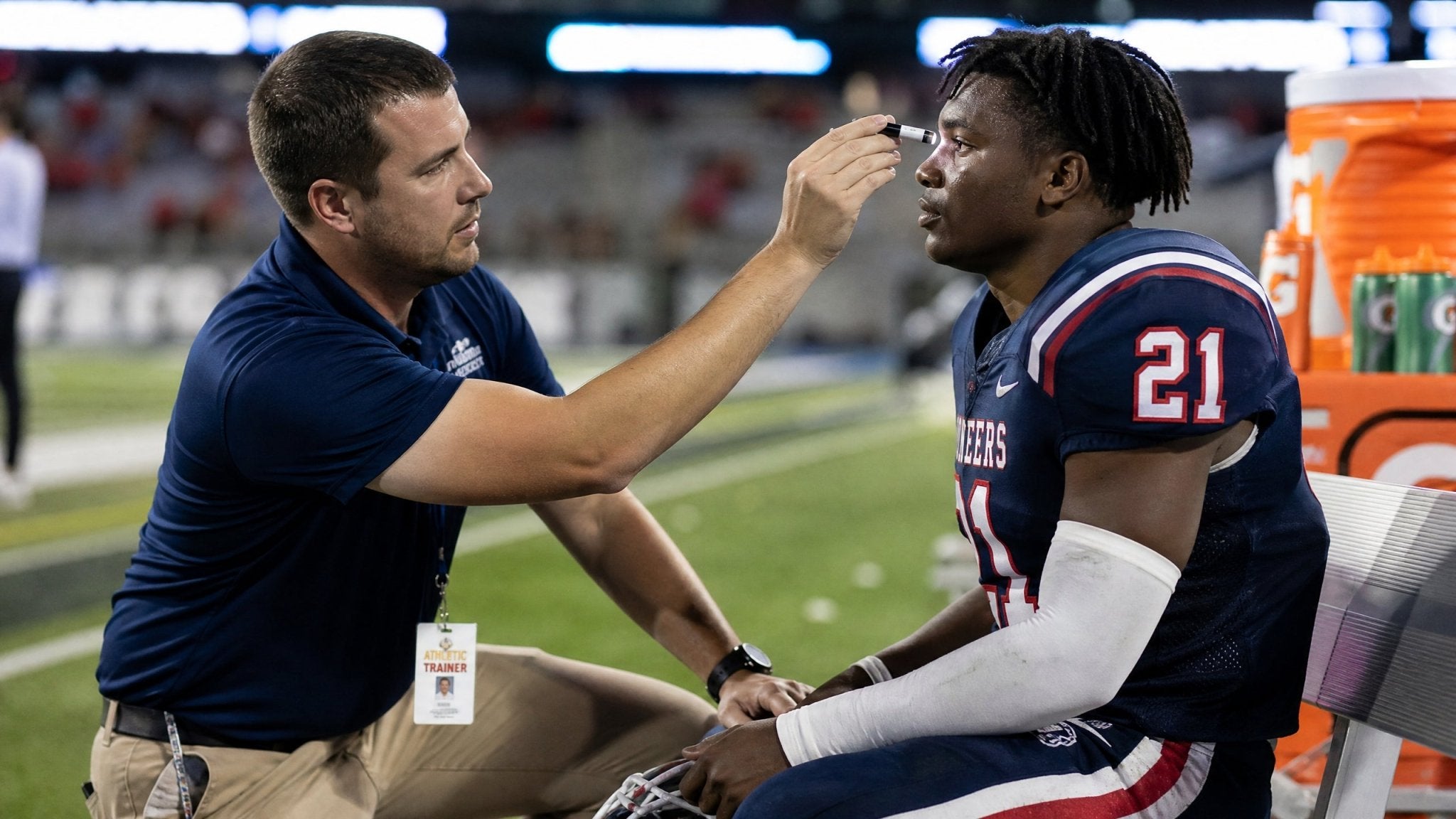
Concussion management is the most legally scrutinized area of football safety. Your protocol must include baseline testing, sideline assessment tools (SCAT6 is the current standard), a no-same-day-return rule, a graduated return-to-play protocol, and return-to-learn academic accommodations. At the collegiate level, independent medical observers are increasingly standard.
5. Neck Strength and Head-Neck Conditioning
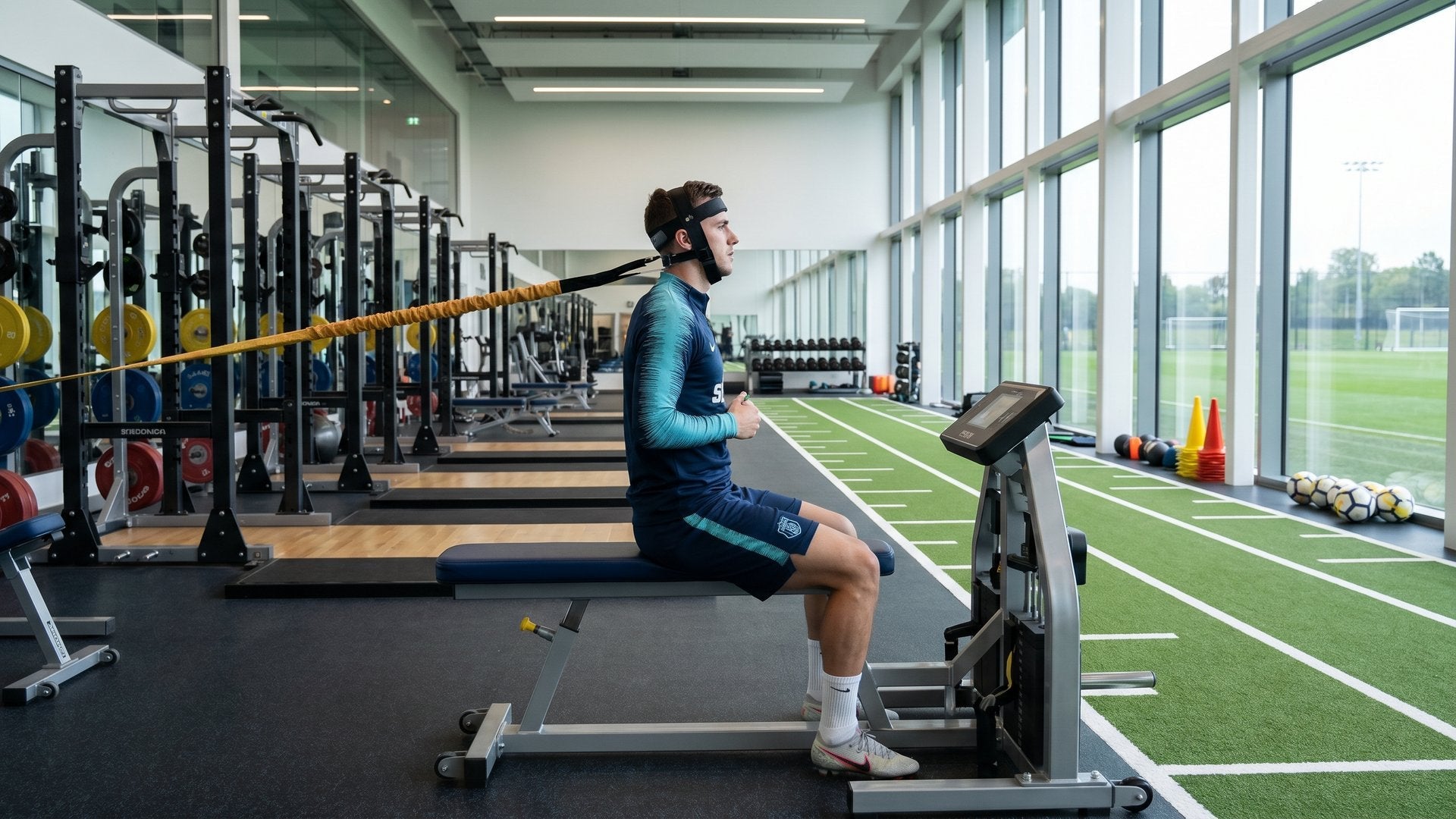
This is the most underutilized safety intervention in football. Research published in the Journal of Athletic Training demonstrates that every 1-pound increase in neck strength reduces the odds of concussion by approximately 5%. A player with a 16-pound neck has roughly 80% lower concussion risk than a player with an 8-pound neck. Neck strength training belongs in every football program's safety protocol — not just the strength program.
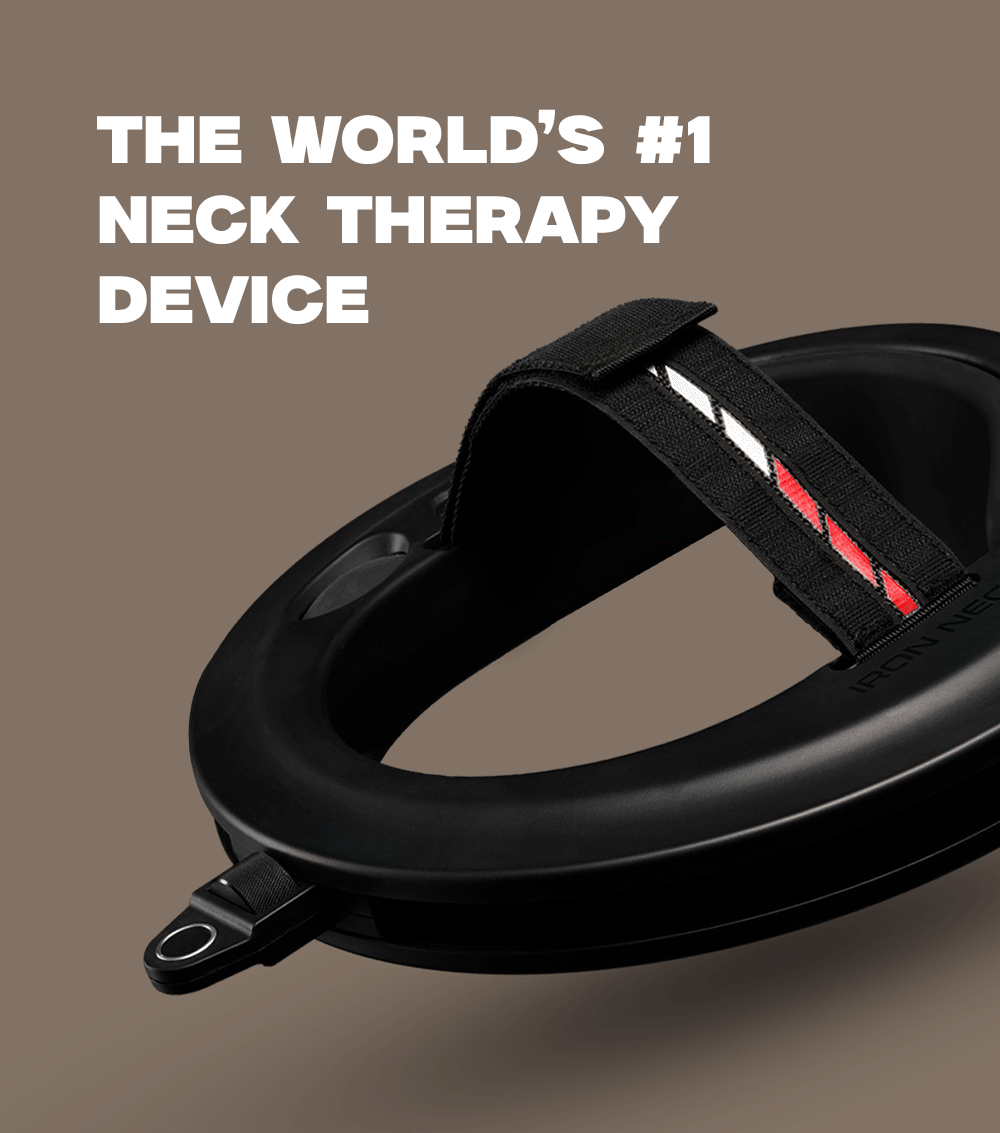
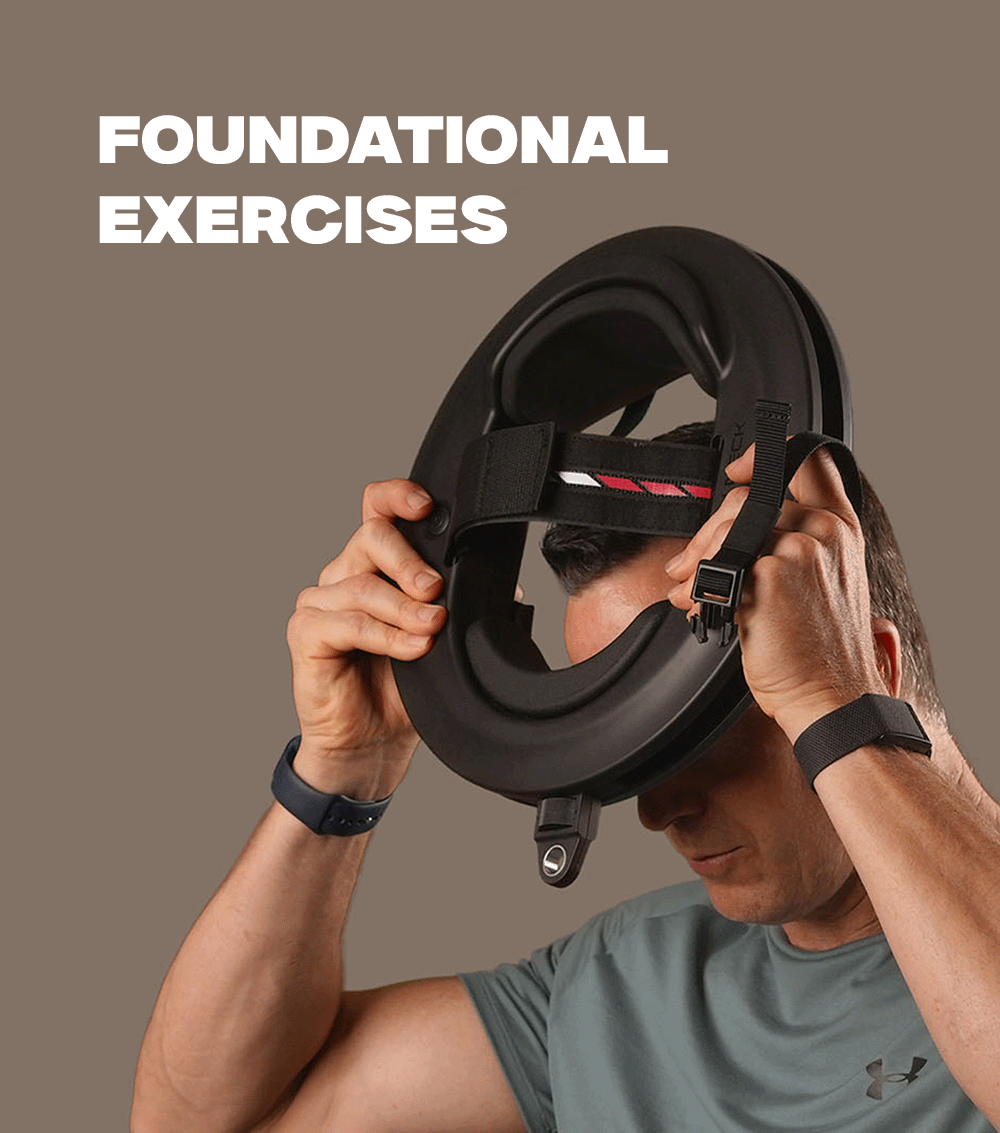
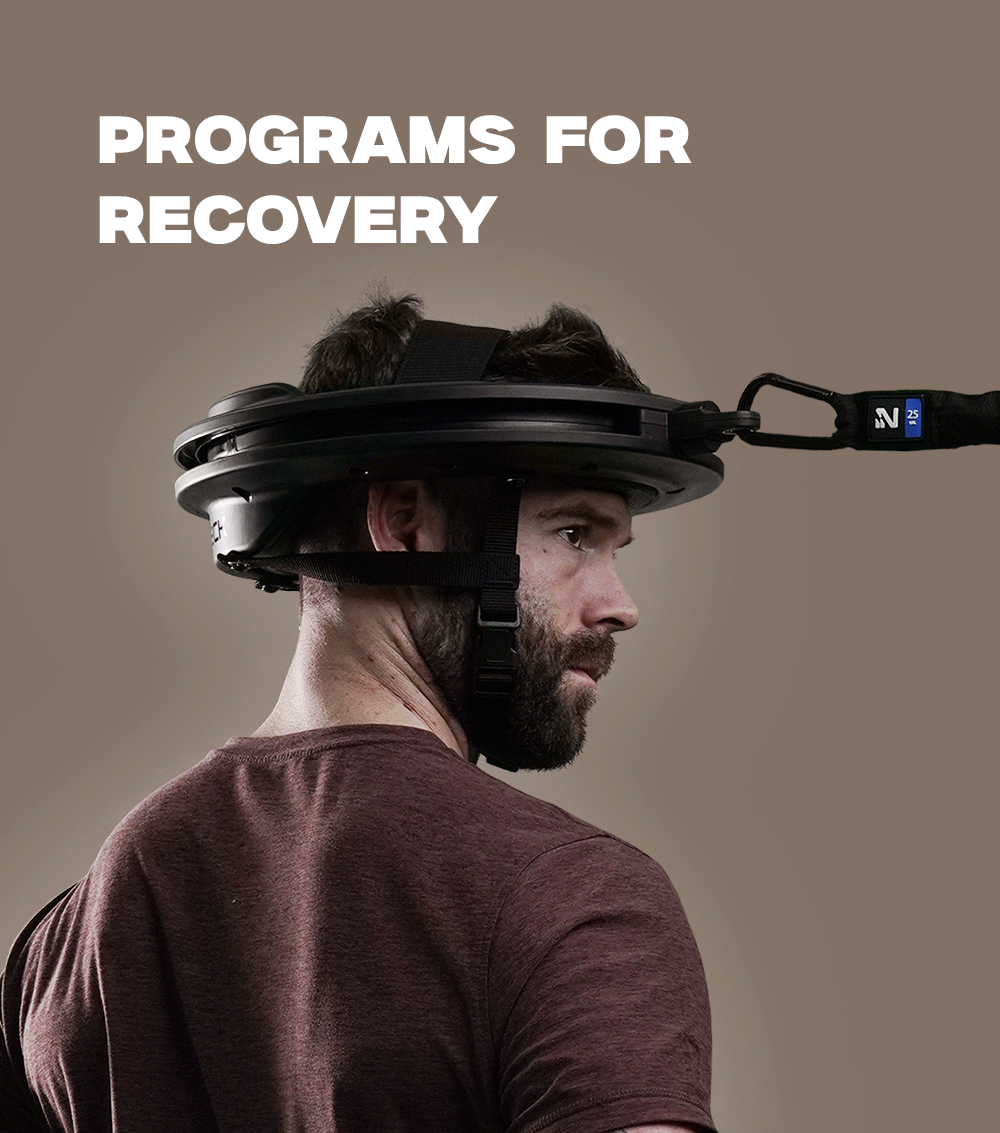
The Iron Neck training device was developed specifically for this purpose. It allows athletes to train neck strength through a full range of motion with progressive resistance, making it the most effective tool available for building the neck conditioning that reduces head acceleration forces during contact.
6. Contact and Practice Load Management
The NCAA limits full-contact practice to 75 minutes per week in-season. NFHS rules vary by state but most cap full-contact time during the preseason acclimatization period. Monitoring and periodizing contact load is one of the highest-leverage interventions available to reduce cumulative head impact exposure.
7. Heat Safety and Environmental Monitoring
Exertional heat stroke is the leading cause of preventable death in football. Wet Bulb Globe Temperature (WBGT) monitoring should be standard at every outdoor practice. The Korey Stringer Institute's activity modification guidelines provide clear thresholds for reducing or suspending practice based on WBGT readings.
Building Your Program: Where to Start
If your program does not have written protocols in place, start with the three highest-risk areas: emergency action planning, concussion management, and heat safety. These three areas account for the majority of catastrophic and preventable injuries in football.
Once those foundations are in place, add the neck strength conditioning program. It is one of the few interventions that is both evidence-based and immediately actionable — you can start building neck strength in the weight room this week.
The remaining pillars — pre-participation screening, contact load management, equipment standards, nutrition, sleep, and mental health — can be built out systematically over one to two seasons.
Resources for Program Development
- Korey Stringer Institute (ksi.uconn.edu) — policy rankings, heat safety protocols, EAP templates
- NFHS Sports Medicine Advisory Committee — high school-specific guidelines
- NCAA Sport Science Institute — collegiate concussion and safety resources
- USA Football — coach certification programs and tackling technique resources
- Iron Neck — neck strength training equipment and programming for football programs
Player safety is not a compliance exercise. It is the foundation on which everything else in your program is built. Athletes who feel safe, who are physically prepared, and who trust that their coaches have their best interests in mind play harder, develop faster, and stay in the game longer.
Leave a comment
This site is protected by hCaptcha and the hCaptcha Privacy Policy and Terms of Service apply.