



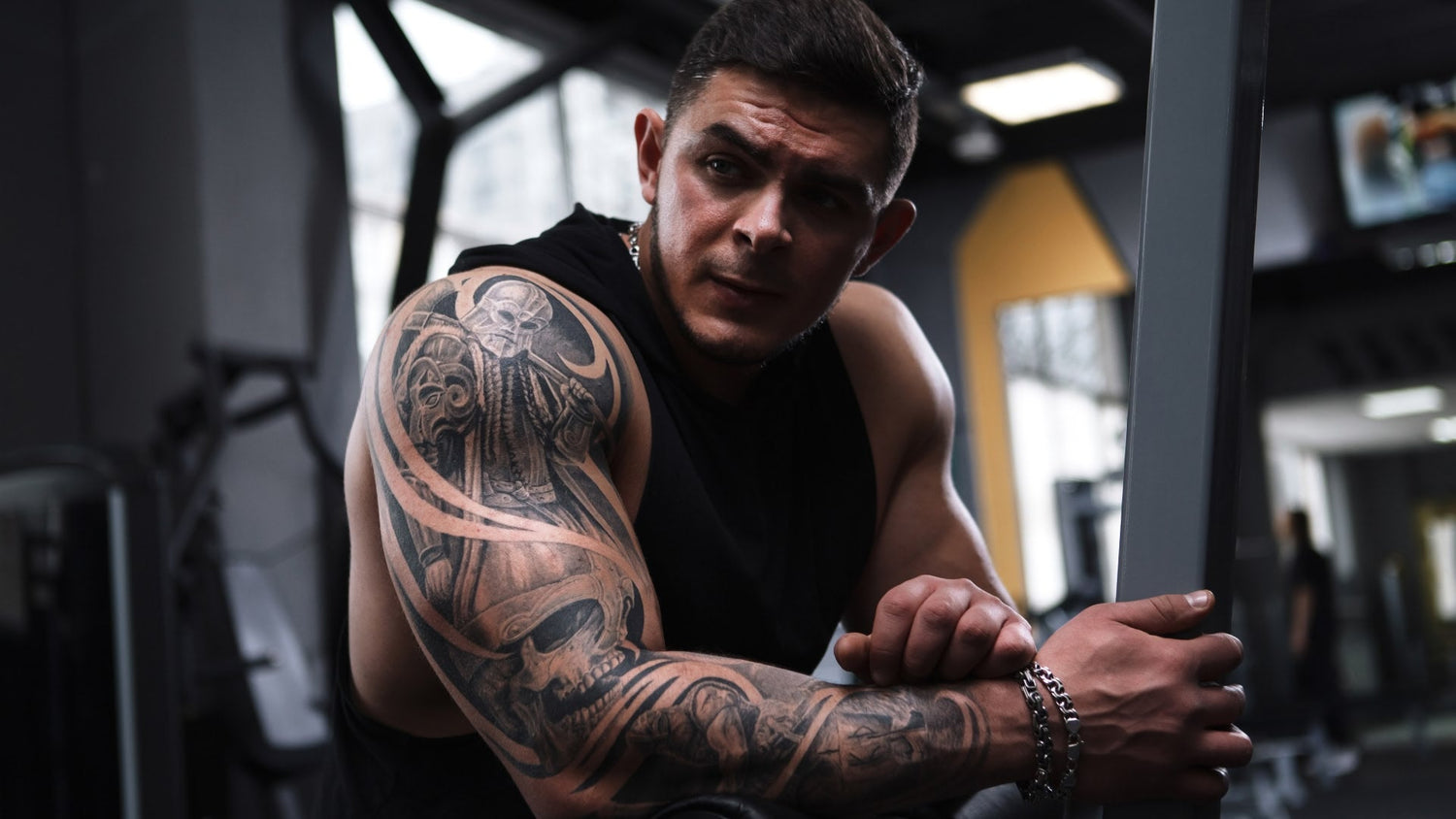
The Best Neck Workout for Size, Strength, and Injury Prevention
A well-developed neck communicates strength, athleticism, and physical capability in a way that few other muscle groups can match. Beyond aesthetics, a strong neck is one of the most important structural assets a human body can have. It protects the brain from concussive forces, stabilizes the spine during heavy compound lifts, and reduces the risk of career-ending injuries in contact sports. Yet the neck remains the most consistently undertrained major muscle group in the gym.
This guide gives you the best neck workout for three distinct goals: building visible neck size, developing functional strength for athletic performance, and creating the structural resilience that prevents injuries. These goals are not mutually exclusive. The right program achieves all three simultaneously.
What Makes a Neck Workout "The Best"?
The best neck workout is one that trains all four planes of cervical movement (flexion, extension, lateral flexion, and rotation), applies progressive overload over time, and is structured to allow adequate recovery between sessions. Most neck "workouts" fail on at least one of these criteria, typically by training only flexion and extension while ignoring lateral and rotational strength.
The exercises below were selected based on their effectiveness for muscle activation, their safety profile when performed correctly, and their applicability across fitness levels. They can be performed with minimal equipment or with dedicated neck training tools depending on your training stage and goals.
The Complete Neck Workout
Warm-Up (5 Minutes)
Never begin direct neck loading without a proper warm-up. The cervical spine and its supporting musculature need to be prepared for resistance training, and skipping the warm-up is the most common cause of neck training injuries.
Begin with gentle range-of-motion movements: slow head rotations (not full circles, half circles from shoulder to shoulder), side-to-side tilts, and forward-backward nods. Perform each movement for 30 seconds. Follow with 2 sets of 10 chin tucks and 2 sets of 10-second isometric holds in each direction (front, back, left, right). Total warm-up time: 5 minutes.
Exercise 1: Weighted Neck Flexion, 4 Sets × 12 Reps
Weighted neck flexion is the primary exercise for building the anterior neck muscles. The sternocleidomastoid and deep cervical flexors. These muscles are responsible for the visible "columns" of muscle on the front of the neck and are critical for chin-tuck strength in contact sports.
Using a neck harness such as the Iron Neck Alpha Harness, attach a weight plate and perform controlled flexion movements from a neutral position to chin-to-chest. Use a 3-second lowering phase and a 2-second return. Start with a weight that allows 15 clean reps and work up to 4 sets of 12 with progressive loading over weeks.
Exercise 2: Weighted Neck Extension, 4 Sets × 12 Reps
Neck extension targets the posterior chain. The splenius capitis, semispinalis, and upper trapezius. These muscles are responsible for the thickness of the neck when viewed from the side and are critical for resisting whiplash and maintaining head position under load.
Perform the same movement as weighted flexion but in the opposite direction: from a neutral position, allow the head to lower forward (chin toward chest), then extend back to neutral. The weight provides resistance during the extension phase. Maintain the same controlled tempo as flexion work.
Exercise 3: Lateral Neck Raises, 3 Sets × 10 Reps Each Side
Lateral neck raises target the scalenes and lateral neck musculature that most neck workouts completely ignore. These muscles are essential for resisting side-impact forces and for the full, developed look of a well-trained neck from the front.
Lie on your side on a flat bench with your head extending off the edge. Raise your head toward your shoulder and lower back down with control. Add a small weight plate held against the side of your head as you progress. Perform all reps on one side before switching.
Exercise 4: Iron Neck 360° Rotations, 3 Sets × 10 Reps Each Direction
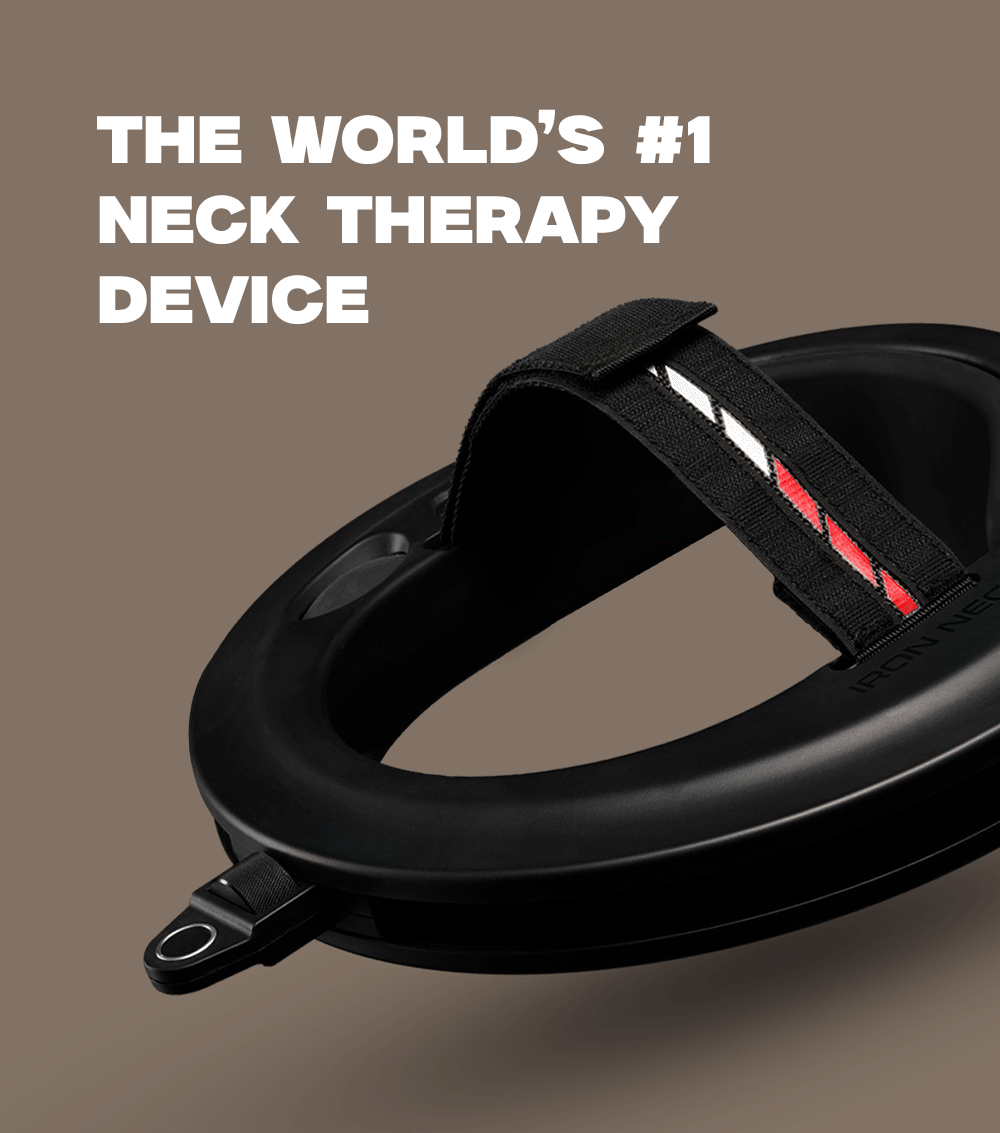
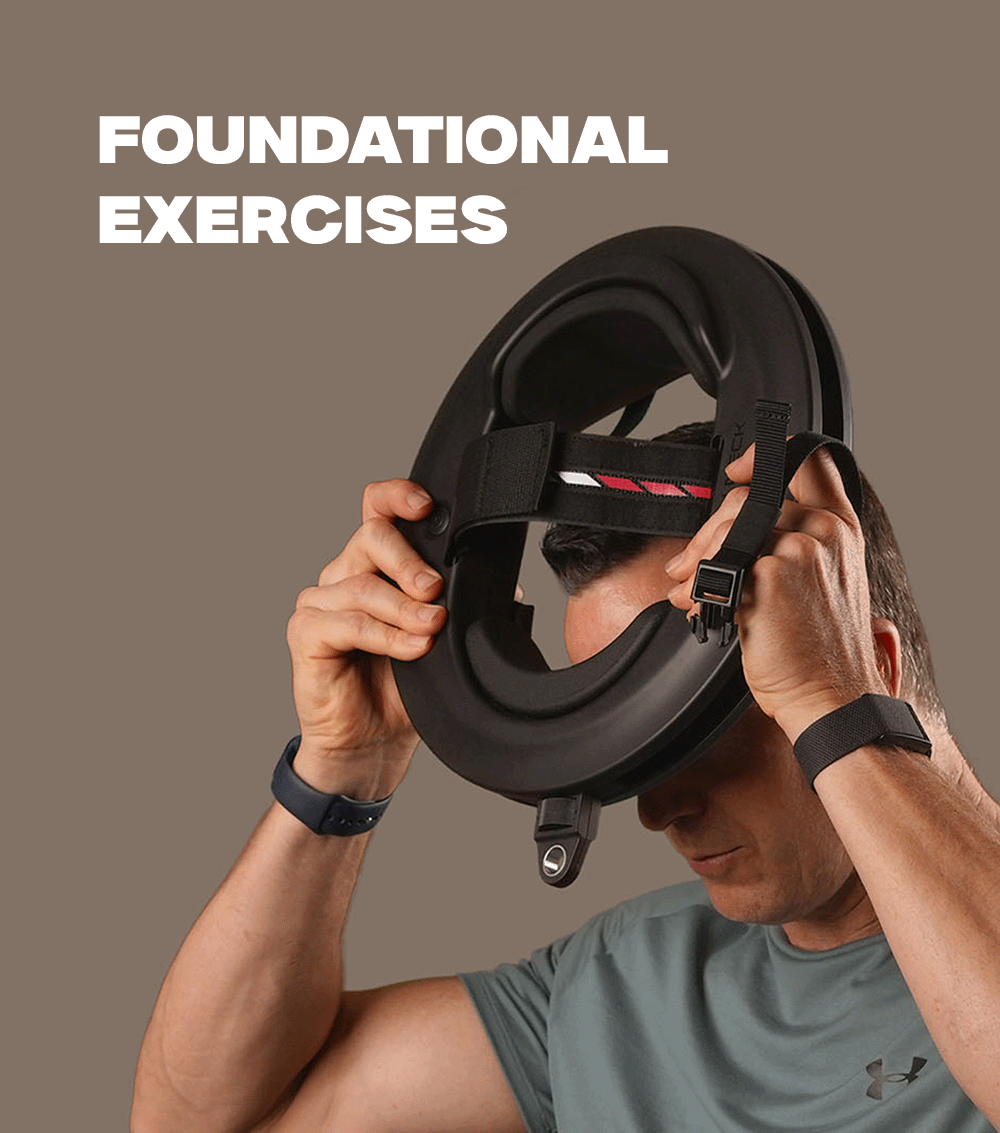
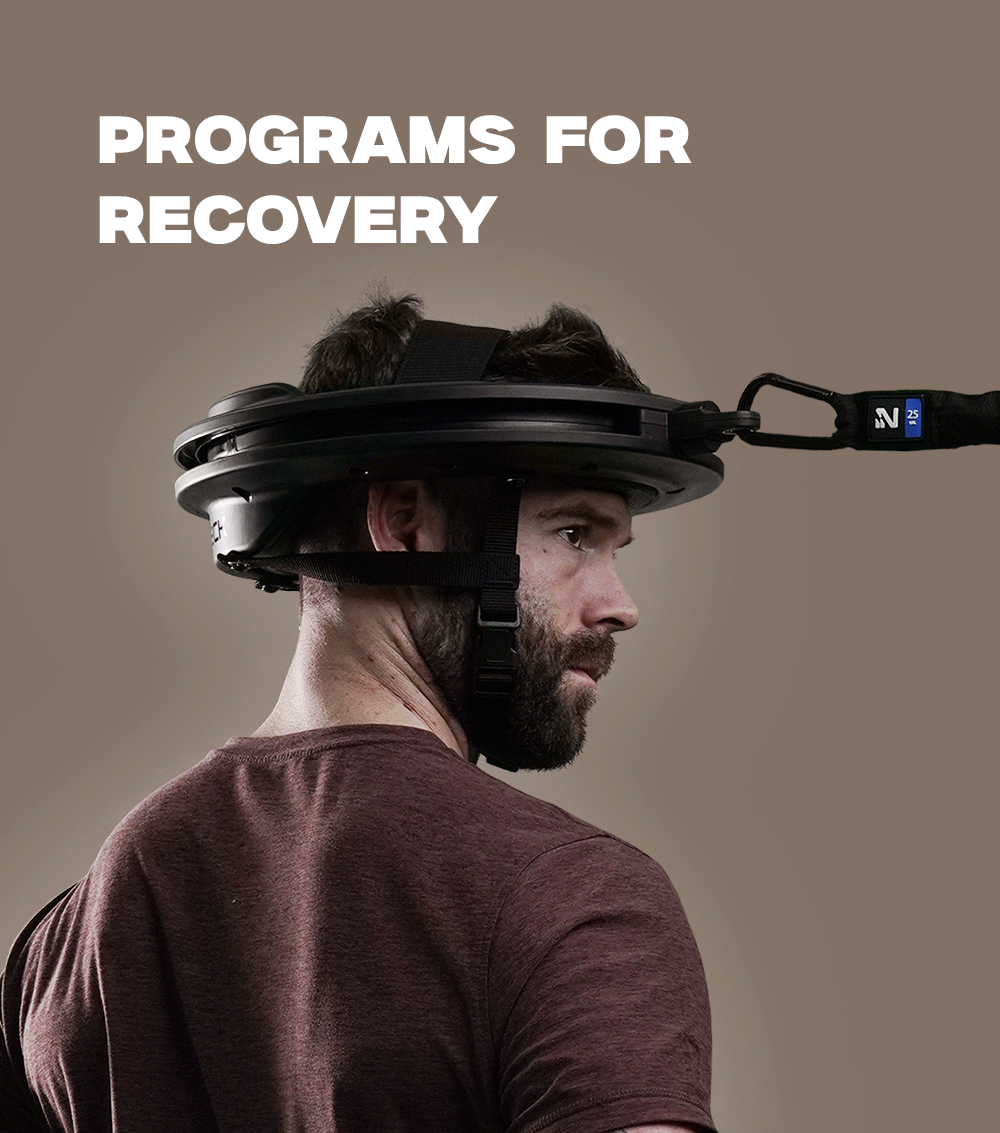
This exercise is the crown jewel of any serious neck workout. The Iron Neck 3.0 Pro provides 360-degree resistance through the full range of cervical motion, training all planes simultaneously and building the functional rotational strength that no other exercise can replicate.
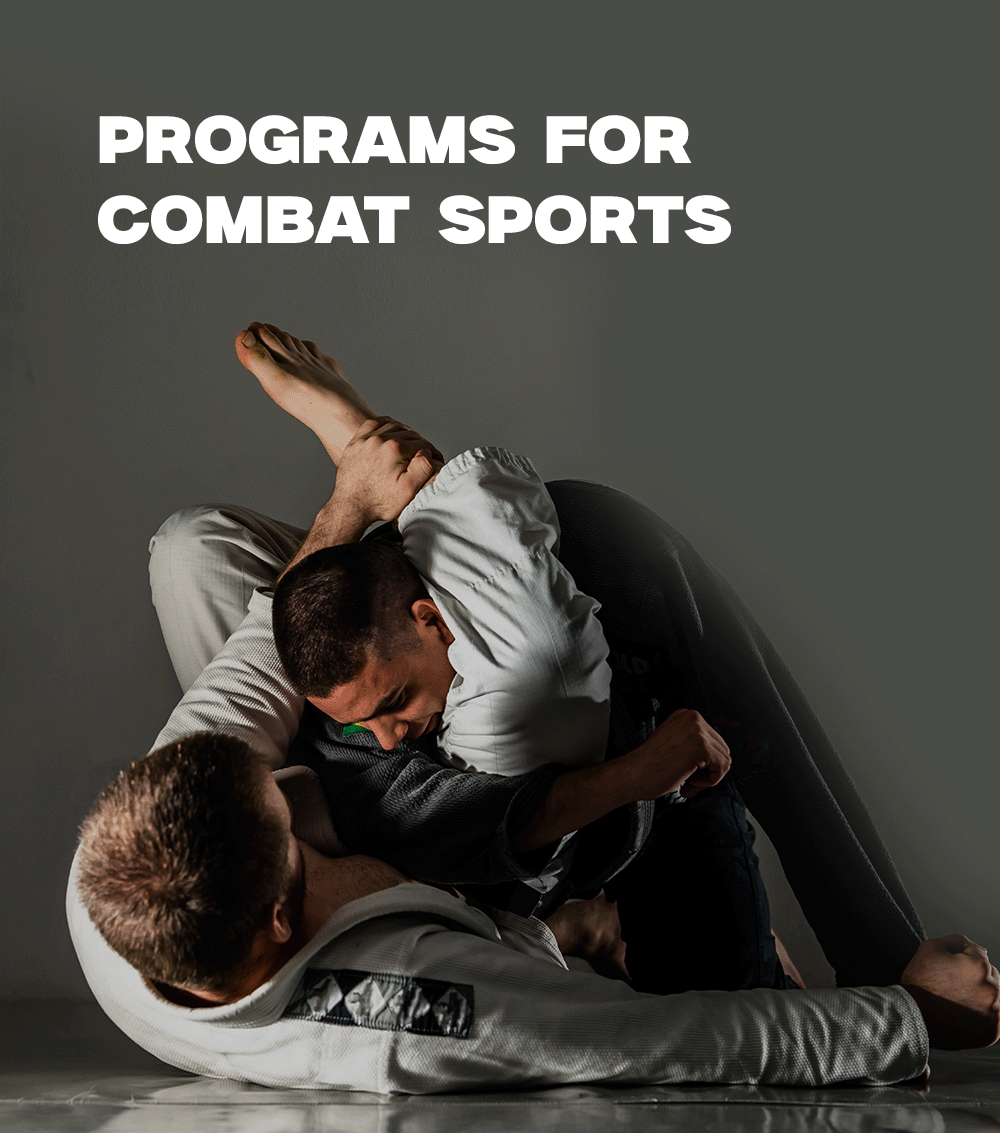
With the Iron Neck attached and set to a moderate resistance, perform slow, controlled rotations through the full range of motion. The resistance should be challenging but allow smooth, pain-free movement throughout. This exercise builds the rotational strength critical for combat sports athletes and the functional neck stability needed for all contact sports.
Exercise 5: Neck Carries, 3 Sets × 45 Seconds
Neck carries build postural endurance. The ability to maintain head position under load for extended periods. This is the quality that separates athletes who can maintain form late in a game from those who fatigue and become vulnerable to injury.
Attach a neck harness with a moderate weight and walk for time. Maintain a neutral spine and upright posture throughout. Start with 30 seconds and build to 2 minutes as your endurance improves. This exercise is particularly valuable for football linemen, wrestlers, and any athlete whose sport demands sustained neck stability.
Sample Weekly Programming
For most athletes and fitness enthusiasts, two neck workout sessions per week is optimal, enough stimulus for growth and strength development, with sufficient recovery time between sessions.
Monday: Full neck workout as described above (30–40 minutes total including warm-up)
Thursday: Abbreviated neck session, warm-up, 3 sets of weighted flexion, 3 sets of weighted extension, 2 sets of lateral raises (20–25 minutes)
For athletes in-season with contact sport demands, add one additional session of isometric holds and chin tucks on a third day. These can be performed in 10 minutes and provide maintenance stimulus without significant fatigue.
Progressive Overload: The Key to Continued Growth
The neck responds to progressive overload exactly like any other muscle group. Without consistently increasing the challenge, whether through more weight, more reps, or less rest, adaptation stops and results plateau.
Track every session. Record the weight used, sets completed, and reps achieved for each exercise. Aim to add one repetition per set each week, or increase resistance by the smallest available increment every two to three weeks. This systematic approach to progressive overload is what separates athletes who build genuinely impressive necks from those who train for years without visible progress.
Injury Prevention: What the Research Says
The evidence supporting neck training for injury prevention is compelling. Multiple studies in sports medicine have demonstrated that athletes with stronger necks experience lower rates of concussion, with the protective effect being particularly pronounced in football and combat sports. The mechanism is straightforward: a stronger neck can better absorb and redirect impact forces before they reach the brain.
Beyond concussion prevention, neck strength reduces the risk of cervical strain, herniated discs, and the chronic neck pain that affects a significant percentage of athletes and desk workers alike. The investment in a consistent neck training program pays dividends in reduced injury time, better performance, and long-term spinal health.
Start Building Your Neck Today
The neck workout outlined above is complete, progressive, and grounded in both exercise science and the practical demands of athletic performance. Start with the bodyweight warm-up and lighter resistance to build the foundational strength and movement patterns. Add weight progressively and introduce the Iron Neck 3.0 Pro when you're ready for the most effective neck training tool available. Train consistently, recover adequately, and the results, in both size and strength, will follow.

Leave a comment
This site is protected by hCaptcha and the hCaptcha Privacy Policy and Terms of Service apply.