




How to Train Your Neck Like a Pro Athlete: The Complete Program
When you watch elite athletes compete, whether it's an NFL linebacker absorbing a hit, a UFC fighter slipping a punch, or a wrestler controlling a clinch, one thing separates the ones who stay healthy from those who don't: neck strength. Professional athletes have known for decades that the neck is the most neglected and simultaneously most important muscle group in contact sports. Yet most gym-goers never train it at all.
This guide covers everything you need to build a professional-grade neck training program: the science behind why it matters, the exact exercises used by elite athletes, how to structure progressive overload, and the equipment that makes the difference between a mediocre neck and a genuinely powerful one.
Why Pro Athletes Prioritize Neck Training
The neck is the structural link between your brain and your body. In any contact sport, it is the first line of defense against concussions, whiplash, and cervical spine injuries. Research published in the Journal of Athletic Training has consistently shown that athletes with stronger necks experience significantly lower rates of concussion, with some studies suggesting that each pound of additional neck strength reduces concussion risk by approximately 5%.
Beyond injury prevention, neck strength directly affects athletic performance. A strong neck stabilizes the head during explosive movements, improves proprioception (your body's awareness of its position in space), and allows athletes to absorb and redirect force more efficiently. Football players with strong necks can take hits from unexpected angles. Wrestlers can resist takedowns and control positions. Boxers can roll with punches rather than absorbing their full impact.
The NFL, UFC, and major wrestling programs have all incorporated dedicated neck training into their strength and conditioning protocols. The question is no longer whether to train your neck, it's how to do it correctly.
The Four Planes of Neck Movement
Effective neck training requires working through all four primary planes of movement. Most people who do train their neck focus only on flexion (forward movement), which leaves major gaps in strength and stability.
Flexion involves bringing the chin toward the chest. This is the movement that resists whiplash in rear-end collisions and helps fighters tuck their chin to absorb punches. The primary muscles involved are the sternocleidomastoid and the deep cervical flexors.
Extension involves bringing the head backward. This is critical for wrestlers and grapplers who need to resist being taken down from behind, and for any athlete who needs to maintain head position under load. The primary muscles are the cervical extensors. The splenius capitis, semispinalis, and upper trapezius.
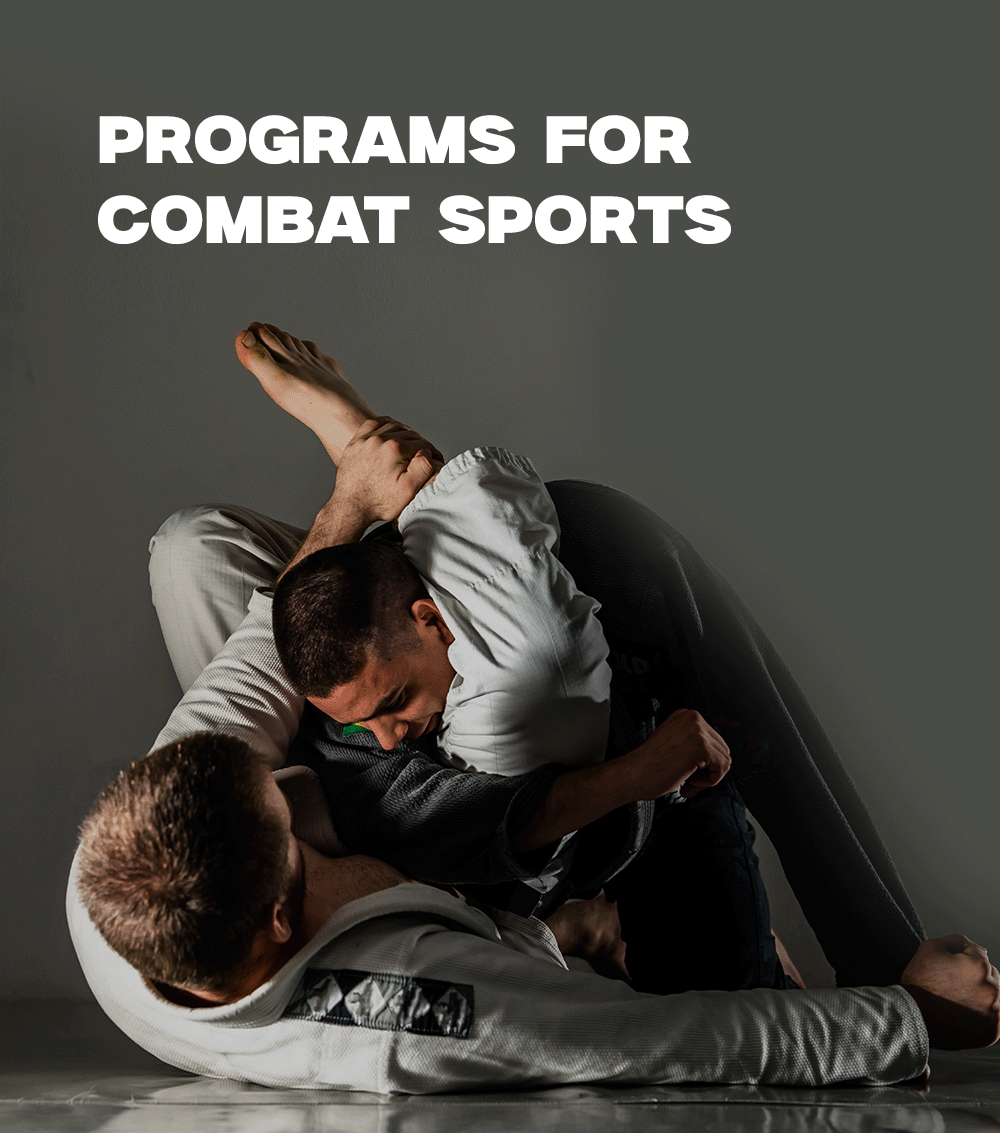
Lateral flexion involves tilting the head toward each shoulder. This movement is essential for wrestlers and BJJ practitioners who need to resist lateral takedowns, and for football players who absorb side-impact hits. The scalenes and upper trapezius are the primary movers.
Rotation involves turning the head left and right. Rotational strength is critical for all combat sports and for any athlete who needs to track moving objects (quarterbacks, wide receivers, tennis players). The sternocleidomastoid and splenius cervicis are the primary rotators.
The Pro Athlete Neck Training Program
The following program is structured in three phases, progressing from foundational strength to sport-specific power. Each phase lasts four weeks before advancing.
Phase 1: Foundation (Weeks 1–4)
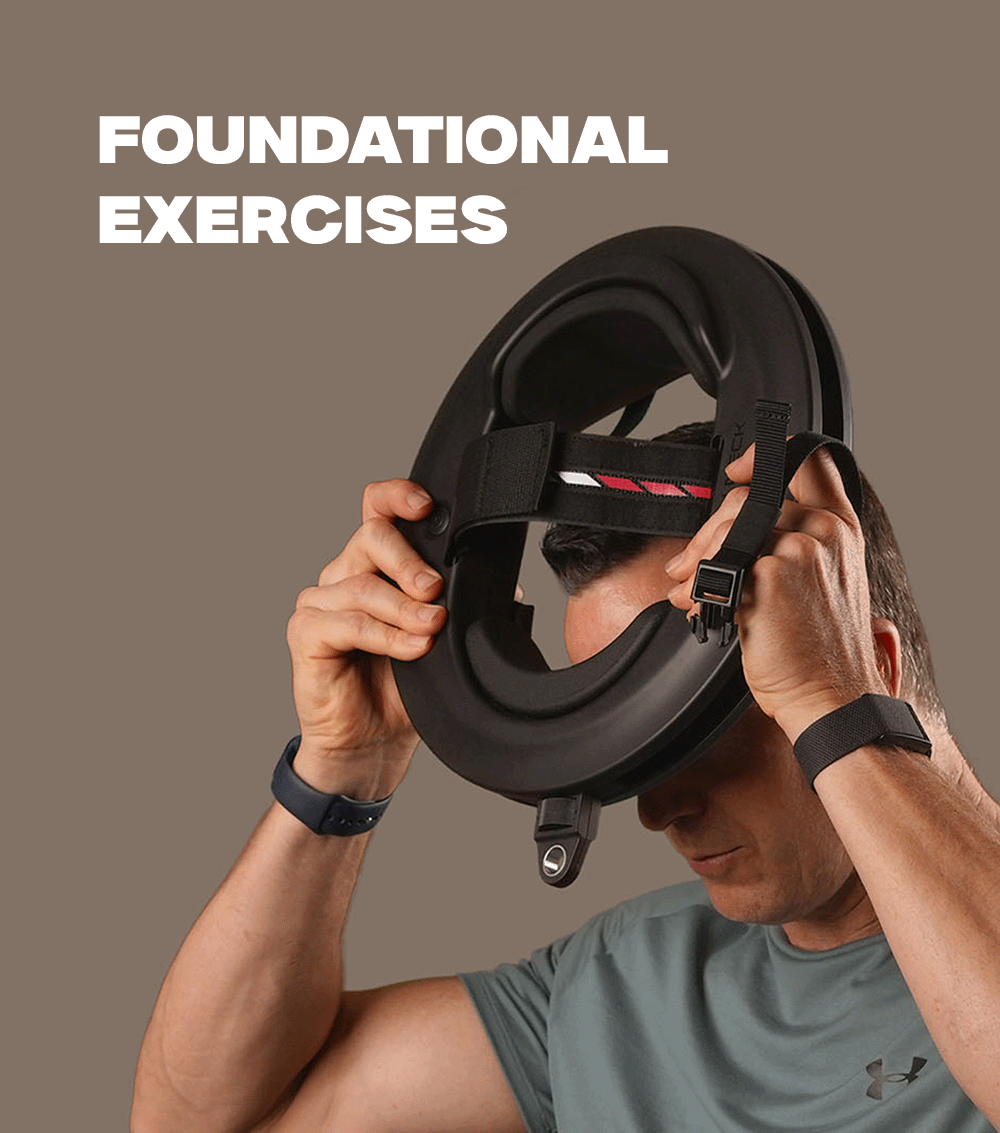
The goal of Phase 1 is to build baseline strength in all four planes and prepare the cervical spine for heavier loading. Begin with two sessions per week, never on consecutive days.
Isometric holds: Press your hand against your forehead and resist with your neck for 10 seconds. Repeat on each side, back of head, left temple, right temple. Perform 3 sets of 5 reps per direction. These build strength without movement, making them the safest starting point for beginners.
Neck nods: Slowly lower your chin toward your chest and return. Perform 3 sets of 15 reps with a 3-second lowering phase. This builds deep cervical flexor endurance, which is the foundation of all neck stability.
Prone neck extensions: Lie face down on a bench with your head hanging off the edge. Slowly raise your head to a neutral position and lower. Perform 3 sets of 12 reps. This targets the posterior chain of the neck. The muscles most responsible for resisting whiplash.
Phase 2: Strength Loading (Weeks 5–8)
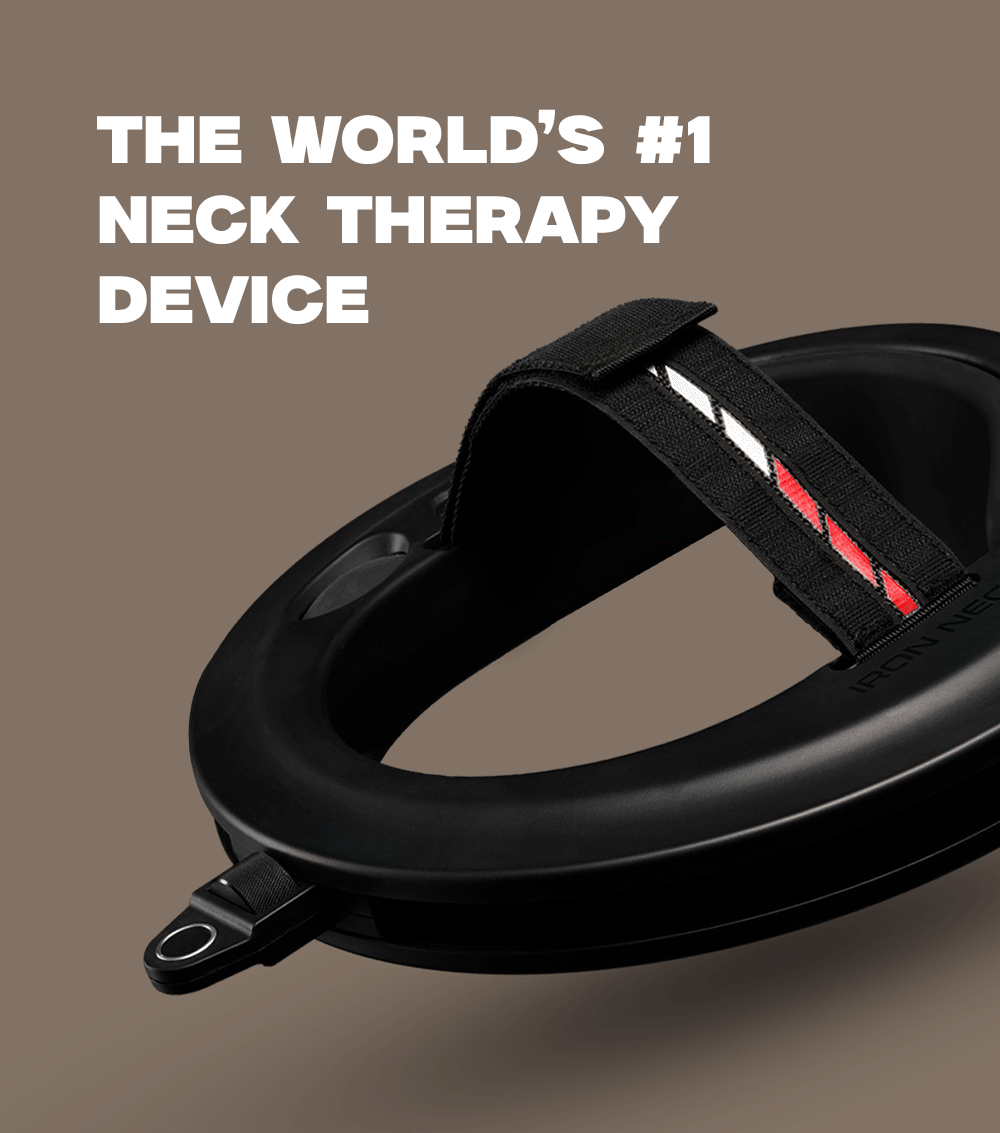
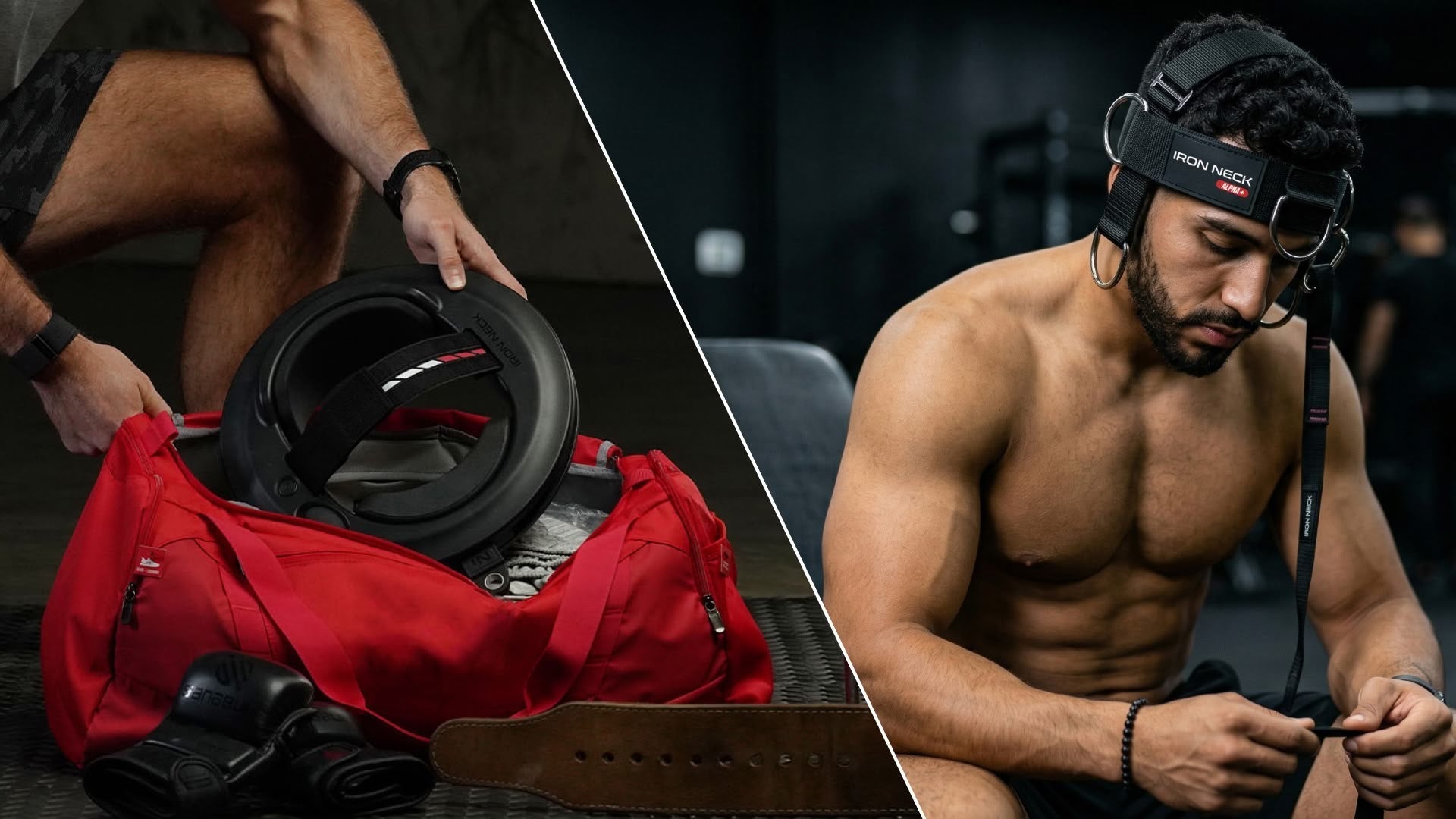
Phase 2 introduces external resistance. This is where a dedicated neck training device becomes invaluable. The Iron Neck 3.0 Pro is the tool of choice for professional athletes because it allows 360-degree resistance training through the full range of motion, something no harness or manual resistance can replicate.
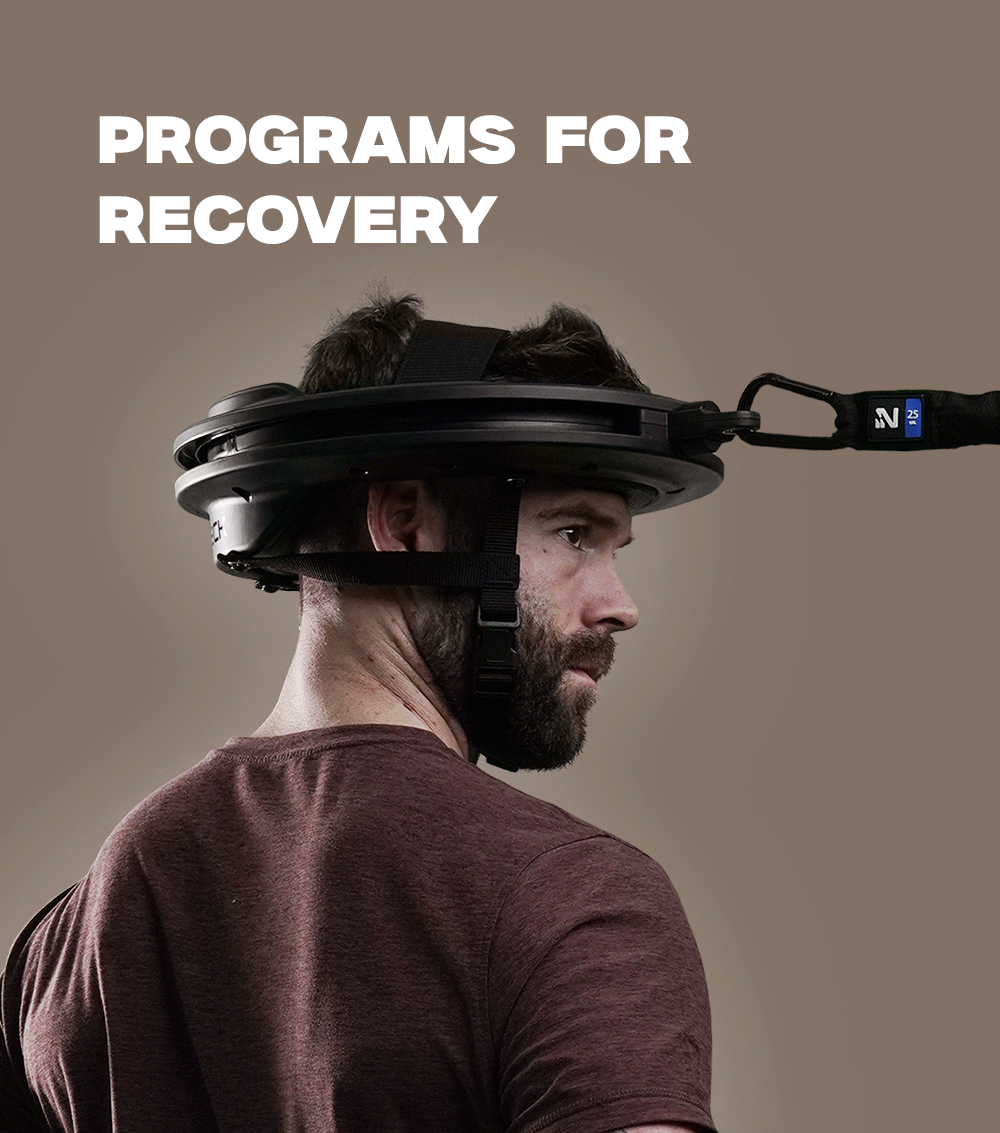
Iron Neck 360° rotations: With the Iron Neck attached and set to a moderate resistance, perform slow controlled rotations through the full range of motion. Perform 3 sets of 10 rotations in each direction. This is the single most effective exercise for building functional neck strength because it trains all planes simultaneously under load.
Weighted neck flexion: Using a head harness, perform controlled flexion movements with progressive resistance. Start with a weight that allows 15 clean reps and add resistance each week. Perform 3 sets of 12-15 reps. Reserve the Iron Neck for rotation and extension sets later in the session.
Lateral resistance walks: With the Iron Neck attached to a cable or resistance band, walk laterally while maintaining head position against the resistance. This builds the lateral stabilizers that protect against side-impact forces. Perform 3 sets of 20 steps per side.
Phase 3: Power and Sport-Specific Training (Weeks 9–12)
Phase 3 focuses on explosive strength and sport-specific applications. Volume increases and rest periods shorten to build muscular endurance alongside raw strength.
Explosive neck flexion: From a neutral position, perform rapid chin-to-chest movements against resistance. The concentric phase should be explosive; the eccentric phase controlled. This builds the fast-twitch fiber recruitment needed to resist sudden impacts. Perform 4 sets of 8 reps.
Neck carries: Walk with a loaded head harness for distance or time. This builds the postural endurance needed to maintain head position during extended athletic activity. Start with 30 seconds and build to 2 minutes.
Combination movements: Perform sequences that combine extension, rotation, and lateral movement in a single set, mimicking the unpredictable demands of contact sports. The Iron Neck 3.0 Pro excels here because it allows smooth transitions between these planes without equipment changes.
Programming Considerations
Neck training should be performed at the end of your workout, after your primary strength work, to avoid pre-fatiguing the cervical stabilizers before compound lifts. Two to three sessions per week is sufficient for most athletes; more frequent training can be counterproductive and increases injury risk.
Progressive overload is essential. Like any muscle group, the neck adapts to training stimulus and requires increasing challenge over time. Track your resistance levels and rep counts, and aim to increase one variable every one to two weeks.
Recovery is as important as training. The cervical spine is a complex structure, and overtraining the neck can lead to muscle soreness, reduced range of motion, and increased injury risk. If you experience sharp pain (as opposed to normal muscular fatigue), stop immediately and consult a healthcare provider.
The Equipment That Makes the Difference
While bodyweight neck exercises have value, they have a fundamental limitation: they cannot provide progressive resistance through a full range of motion. Manual resistance (pressing your hand against your head) is inconsistent and cannot be quantified. Traditional neck harnesses only train flexion and extension, leaving lateral and rotational strength underdeveloped.
The Iron Neck 3.0 Pro was designed specifically to address these limitations. It provides 360-degree resistance training through the full range of cervical motion, allows precise resistance adjustment, and is the tool used by professional athletes across the NFL, UFC, and Olympic sports. For serious athletes, it is the single most effective piece of neck training equipment available.
For athletes on a budget or those just starting their neck training journey, the Iron Neck Alpha Harness provides a solid entry point for weighted flexion and extension work at a lower price point.
Getting Started Today
The best neck training program is the one you actually do consistently. Start with Phase 1 bodyweight work to build the foundational strength and movement patterns. Add resistance in Phase 2 once you can perform all Phase 1 exercises with control and without discomfort. Progress to Phase 3 when you have four to six weeks of consistent training behind you.
Professional athletes don't have necks that can absorb punishment because of genetics. They have them because they train systematically, progressively, and consistently. The program above gives you the same framework. The results follow from the work.
Leave a comment
This site is protected by hCaptcha and the hCaptcha Privacy Policy and Terms of Service apply.